
Reviewed · PARIS TOURS
1h30 Orsay Masterpieces for adults – optional “families & kids”
The best reason to book this Musée d’Orsay visit is simple: you get a clear route through a famously overwhelming museum, with the paintings placed in their social and artistic setting. In about two hours, you can see Manet’s Olympia, Monet’s Poppy Field, Degas’s ballet dancers, and Van Gogh’s bedroom without wandering past half the collection wondering where to begin.
I like the very small group size, capped at six, and I like the way the guides turn art history into stories about real people, arguments, scandals, and changing ideas. Cinthia is especially praised for drawing teenagers into the discussion, while Damien and Gabriel are also noted for an engaging, easy-to-follow approach.
The main catch is practical: your adult museum ticket is not included in the $144.82 tour price. You must arrange the €16 entrance ticket before the visit, while children under 18 enter free. You also need to meet at the correct elephant sculpture outside the museum, not the nearby rhino statue.
Key points to know before booking
- Six people maximum: This is a genuinely small group, not a coach tour with a polite label.
- The tour lasts about two hours: That is enough for major highlights, but not a full museum visit.
- Adult admission costs extra: The museum ticket is listed at €16 per adult and must be purchased separately.
- English commentary: The guide explains the artists, works, and period in English.
- Family option available: Children and teenagers can join a family-focused version of the visit.
- Minimum of four people: If the minimum is not reached, the operator may offer another date or cancel with notice.
Why the Musée d’Orsay works so well with a guide
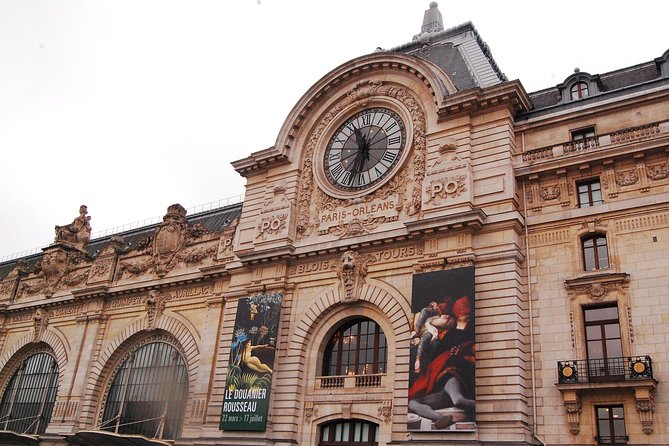
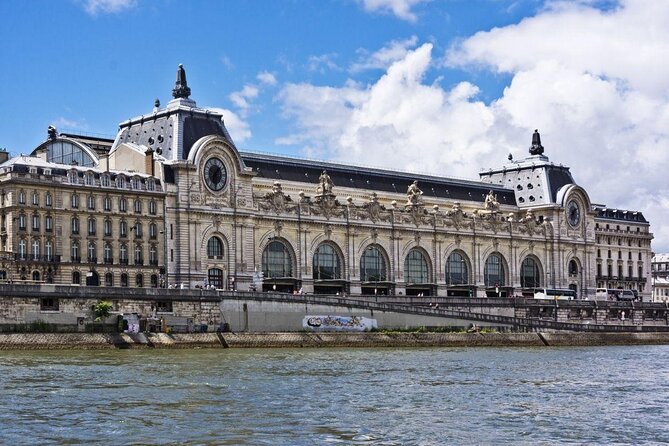
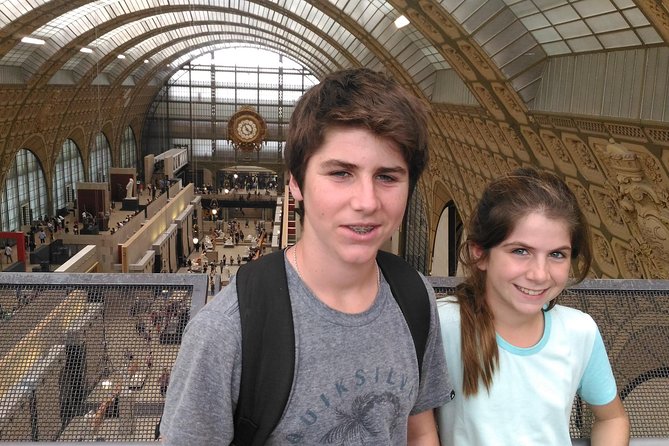
The Musée d’Orsay is housed in a former railway station, and the building itself gives the visit a strong sense of place. The museum’s great clock, open central hall, and broad galleries make it memorable, but the layout can also leave first-time visitors unsure where to start.
The collection is famous for Impressionist and Post-Impressionist painting, yet the story begins before the familiar sunny scenes and loose brushwork. In 1874, the Anonymous Society of Painters, Sculptors and Engravers held an exhibition in Paris that challenged the official art world. Critics treated the artists as reckless, even absurd. Paintings that now seem central to Western art once looked unfinished and improper.
That change in taste is the thread running through this tour. You are not simply shown a sequence of famous canvases. You are given a basic timeline of the period and an explanation of why the artists caused such a fuss.
That matters at the Orsay. Without context, you may admire the color in a Monet or the strange pose in a Degas, then move on. With a good guide, you can see how new subjects, new brushwork, and new ways of showing modern life challenged the rules of the day.
A few other Paris half-days to compare
- Paris: Louvre Museum Timed-Entrance Ticket
★ 4.6 · 71,977 reviews - Disneyland® Paris 1-Day Ticket
★ 4.6 · 49,412 reviews - Paris: Versailles Palace and Gardens Full Access Ticket
★ 4.6 · 41,579 reviews
Meeting at the elephant sculpture
The starting point is outside the Musée d’Orsay at 1 Rue de la Légion d’Honneur. The meeting place is specifically the elephant sculpture. That detail is worth taking seriously because the museum area has more than one large animal sculpture, and one person missed the tour after waiting near the rhino statue instead.
Arrive early enough to identify the correct meeting spot and have your booking details ready. The guide waits outside before entering with the group. Once inside, it may not be possible for the guide to answer a phone call, so a last-minute search can quickly become a problem.
The route ends inside the museum at the Esplanade Valéry Giscard d’Estaing. That is useful because you can continue looking at the collection after the guided portion ends, instead of being led back outside immediately.
The museum is near public transportation. The tour requires a moderate level of physical fitness, which in practice means you should be prepared for a couple of hours on your feet in a large museum.
The major paintings you can expect to see
The advertised highlights give you a good idea of the tour’s focus. You can expect attention to Manet’s Olympia, Monet’s Poppy Field, Degas’s ballet dancers, and Van Gogh’s bedroom.
Manet’s Olympia is a particularly useful place to discuss the break with tradition. The painting caused outrage not simply because of its subject, but because of the direct way the figure looks at the viewer and the painting’s refusal to disguise modern Paris behind an idealized myth.
Monet’s Poppy Field offers a different lesson. It shows how an everyday outdoor scene could become a study of light, color, and sensation. A guide can help you notice how much the painting depends on the act of looking, rather than on a carefully drawn account of every object.
Degas’s dancers bring questions of movement and viewpoint. His figures often appear caught between poses, as if the viewer has arrived in the middle of a rehearsal. The subject is not just ballet as graceful entertainment. It is also about work, discipline, bodies, and unusual angles.
Van Gogh’s bedroom gives the tour a chance to move from Impressionism toward Post-Impressionism. The painting is familiar, but a guide can make you look again at the compressed space, strong outlines, and intense color. Several guides are praised for explaining Van Gogh’s life and artistic aims in ways that make the painting more than a recognizable image.
The exact order and number of works can vary. Museum crowds, access, and the guide’s judgment all affect the pace. You should think of this as a guided selection of major works, not a promise to see every famous painting in the building.
Storytelling is the real value
The price makes more sense if you want interpretation rather than simple entry. At $144.82 per person, plus the adult museum ticket, this is not a bargain admission product. You are paying for a small group and roughly two hours of personal explanation.
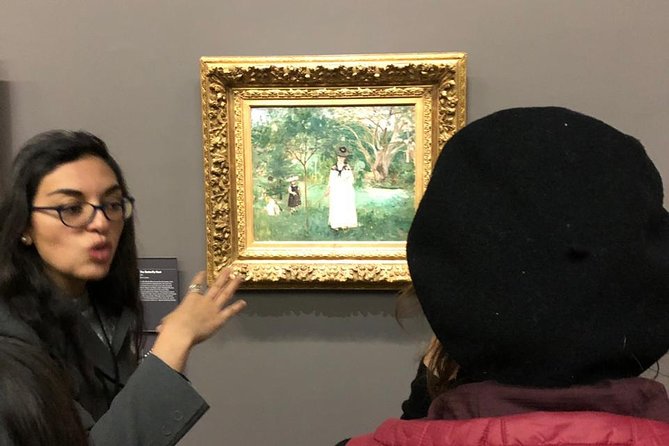
That extra cost can be worthwhile if art museums often leave you feeling lost. The strongest guide accounts describe a visit built around stories, questions, and connections between artists and the society around them. Cinthia, in particular, is praised for explaining the Impressionist movement in plain terms and for linking the paintings to the economic and social conditions of the era.
Gabriel is described as especially good at translating artistic ideas into clear word pictures. That can help if you enjoy art but do not feel confident identifying artists, techniques, or symbolism on your own.
The value is also practical. A large museum can swallow an entire morning, and you may still miss the works you came to see. A focused route lets you get your bearings fast and spend your attention on the art.
The tradeoff is that a guide’s interpretation becomes part of your experience. If you prefer to read labels quietly and follow your own path, you may find the fixed two-hour route restrictive. You can stay inside afterward, but the guided portion itself is designed around selected highlights.
Same city, a completely different afternoon:
- Paris: Evening River Cruise with Music
★ 4.4 · 22,721 reviews - Paris: Eiffel Tower Entry Ticket with Optional Summit Access
★ 4.4 · 20,035 reviews - Paris: Eiffel Tower Summit or Second Floor Access
★ 4.3 · 17,248 reviews - Paris: Louvre Guided Tour with Reserved Access & Boat Cruise
★ 4.3 · 16,353 reviews
A small group that feels personal
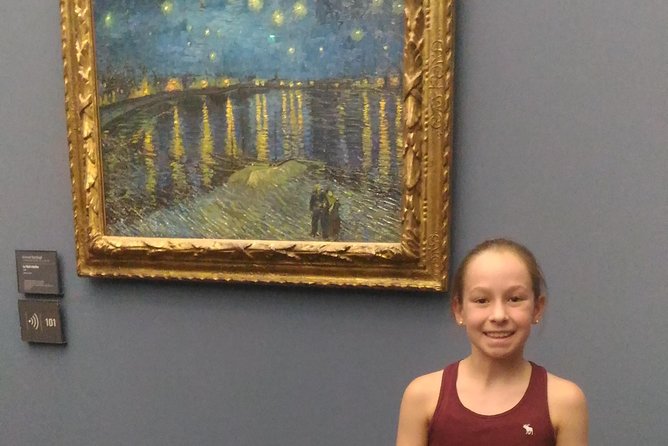
The maximum group size is six. That is a strong feature for an art museum because you can normally hear the guide and ask questions without competing with a crowd. It also allows the guide to adjust explanations to the people in front of them.
Some bookings may turn out to be smaller than expected. One group of two had a private-feeling experience because nobody else joined. That is not guaranteed, but the six-person limit keeps the standard format intimate even when the group is full.
The tour requires at least four participants to operate. If that number is not reached, the provider says you will be offered another date or the activity may be canceled. You should receive notice before 48 hours in that situation, and a full refund is available if the operator cancels because the minimum is not met.
That minimum is a point to keep in mind when planning a tightly scheduled Paris day. It is not a reason to avoid the experience, but you should not build an unmovable chain of plans around this one appointment until the booking is secure.
Why families may find this easier than going alone
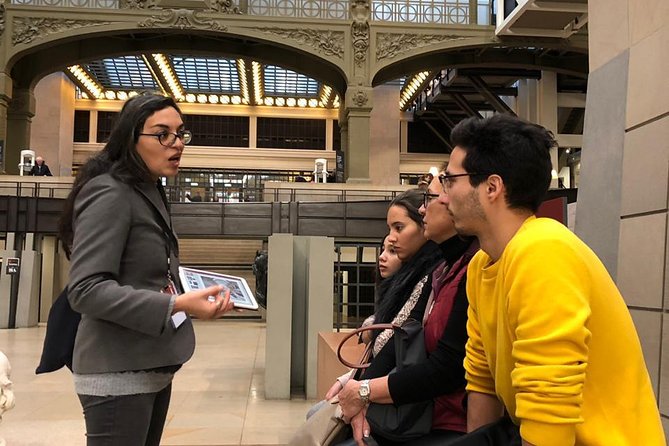
The family and kids option is one of the more useful features here. The museum’s art can be intimidating for younger visitors, especially when the collection is presented through dates, names, and technical terms.
The guides’ approach appears better suited to conversation than to a formal lecture. Cinthia is repeatedly praised for keeping a 10-year-old, a 15-year-old, and teenagers involved. She is also described as asking questions about what people notice, which gives children a reason to look closely instead of waiting for the next room.
That does not mean every child will enjoy two hours in an art museum. The activity still requires attention and walking, and the adults’ version may not suit a young family as well as the family option. Select the family-focused visit during booking if you are bringing children.
The under-18 admission policy helps with the overall cost. Children enter free, while adults need to buy the €16 ticket separately. The tour price itself remains per person, so calculate the full family total before comparing this with a self-guided visit.
A useful plan is to treat the tour as your introduction, then return to one or two favorite works after it ends. One teenager enjoyed the visit enough to go back through the museum independently, which is a good sign that the guide can create interest rather than simply occupy time.
How the two hours are paced
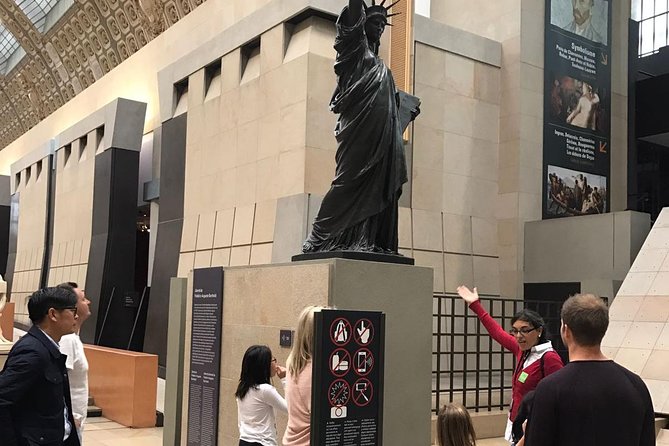
The experience is listed as approximately two hours, although the title refers to a 1 hour 30 minute Orsay visit. Allow two hours in your schedule, and do not book a tightly timed activity immediately afterward.
The pace appears to be purposeful. Guides select relevant highlights and move through the museum in a way that avoids getting stuck in every room. The goal is not to provide a line-by-line account of the collection. It is to show you important works and explain the artistic shift that connects them.
Two hours is enough for a first look at the museum’s main story. It is not enough to cover the entire Orsay, study every gallery, or spend a long time with each painting.
That is a fair trade for many people. You get a strong foundation, then you can decide how to use any remaining museum time. If you already know the collection well, you may prefer an unguided visit so you can set your own pace.
Buying the museum ticket correctly
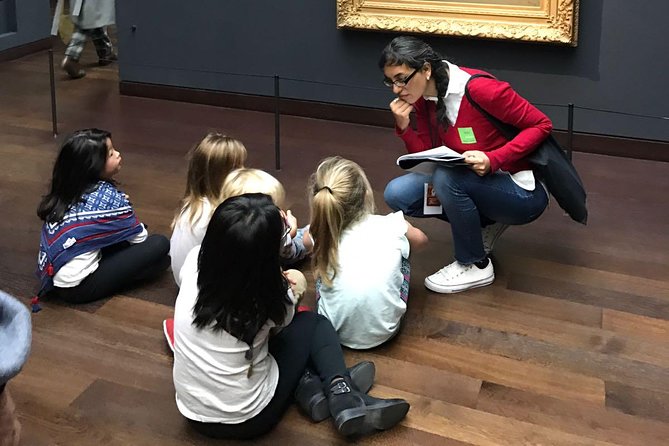
The separate entrance ticket is the easiest detail to miss. The tour does not include admission, and adult entry is listed as €16 per person. Children under 18 do not need an entrance ticket.
Buy the museum ticket before the tour. This is especially important because the small-group format depends on getting everyone inside together. Having the ticket ready can prevent a delayed start and may help you avoid the long general entry line.
The tour description uses skip-the-line language, but that advantage depends on following the ticket instructions. You should not assume the $144.82 price covers the museum entrance.
Also check the date and local start time carefully. Free cancellation is available up to 24 hours before the experience begins. Changes or cancellations inside that 24-hour window are not accepted for a refund.
Who will get the most from this Orsay visit
I would choose this tour if you fit one or more of these descriptions:
- You want to see the famous Impressionist works but need help making sense of them.
- You enjoy stories about artists, scandals, working lives, and social change.
- You are visiting the Orsay for the first time.
- You are bringing teenagers or older children and want a guide who can keep them involved.
- You prefer a group of six or fewer to a large museum tour.
- You want a structured introduction, then time to explore on your own.
I would hesitate if you already have a strong plan for the museum and want to linger for ten minutes at every painting. I would also compare the total price carefully if you are traveling on a tight budget, since admission is extra.
The experience is offered in English and is operated by Paris in Tour. Guides named in the feedback include Cinthia, also spelled Cynthia in some material, Damien, and Gabriel. The most consistent praise centers on clear explanations, strong storytelling, a good pace, and the ability to make art understandable to people without a background in art history.
Should you book the Musée d’Orsay Masterpieces Tour?
Book it if you want the Orsay’s major paintings to make sense, not just appear on a checklist. The small group, family option, and strong guide-led interpretation give this visit more value than wandering through the museum without a plan.
Before paying, add the €16 adult admission to the tour cost, buy that ticket in advance, and confirm the elephant sculpture as your meeting point. If you do those three things and accept that two hours covers highlights rather than the whole museum, this is a smart choice for first-time visitors, families, and anyone who wants art explained in plain language.
FAQ
How long does the Musée d’Orsay tour last?
The experience lasts approximately two hours. The title refers to a 1 hour 30 minute visit, so allow two hours when planning your day.
What is included in the tour price?
The price includes a professional guide and live commentary. The Musée d’Orsay entrance ticket is not included.
How much is adult museum admission?
Adult admission is listed as €16 per person. You must purchase the ticket before the tour.
Do children need an entrance ticket?
No. Children under 18 enter the museum free, although they still require a place on the tour if they are joining the group.
How many people can join the tour?
The maximum group size is six people. The tour needs at least four participants to operate.
Where does the tour meet?
Meet outside the Musée d’Orsay at the elephant sculpture near 1 Rue de la Légion d’Honneur, 75007 Paris. Do not confuse it with the nearby rhino statue.
Is there a family version of the tour?
Yes. You can select a family and kids option when booking. The family format is intended to keep children and teenagers involved during the museum visit.
What happens if the minimum group size is not reached?
The provider may offer another date or cancel the tour. You should be notified before 48 hours, and a full refund is offered if the experience is canceled for this reason.
Just listed in Paris
- Chartres Cathedral 5 Hours Tour from Paris with Private Transport★ 4.5 · 49 reviews
- Paris: Giverny & Versailles Small Group or Private Tour★ 4.5 · 49 reviews
- Paris: Louvre photoshoot or Seine bridges Eiffel Tower walk★ 5.0 · 49 reviews
- Paris: Choux Pastry and Chocolate Éclair Making Class★ 4.9 · 50 reviews
- Private tour of the Champagne area, meet local producers and taste their Champagne, start from your hotel in Paris.★ 5.0 · 50 reviews
- Paris Eternelle Notre-Dame Virtual Reality Tour★ 4.5 · 50 reviews
- Normandy D-Day Landing Beaches Private Day Trip from Paris★ 5.0 · 50 reviews
- Disneyland® Paris 1 Day with Round-Trip Train Tickets from Paris★ 4.0 · 50 reviews
Paris Tours, compared.



Versailles Palace and Gardens Full Access Ticket
Read our review →

Eiffel Tower Entry Ticket with Optional Summit Access
Read our review →

Louvre Guided Tour with Reserved Access & Boat Cruise
Read our review →