
Reviewed · PARIS TOURS
Paris: Wine and Cheese Tasting
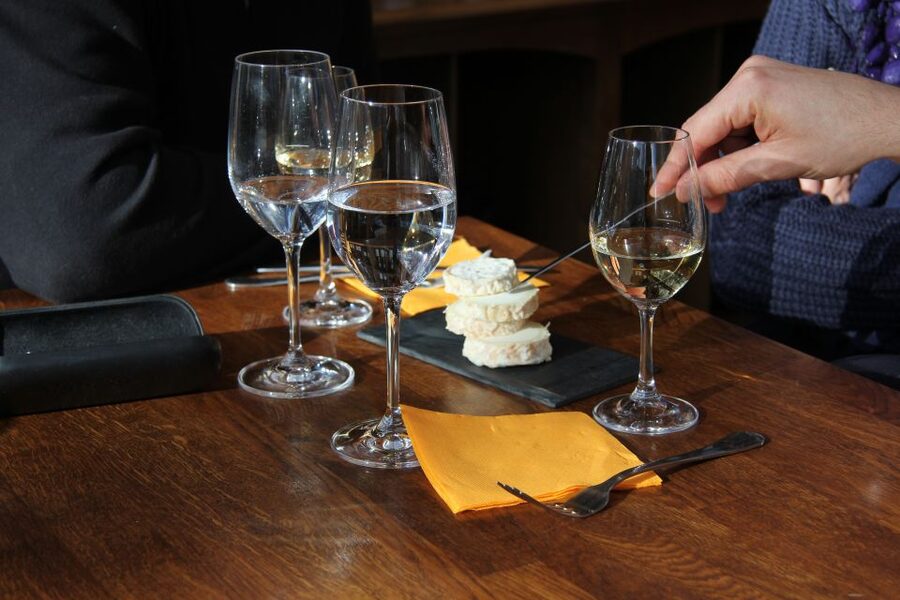
Paris does wine well, but this tasting gets beyond the usual pretty bottle and vague talk of good pairings. In a small cave à vin, you taste three French wines, compare them with hard and soft cheeses, and learn why the same grape can taste so different from one region to the next. I especially like the use of maps and real soil samples, plus the focus on independent producers rather than supermarket labels.
I also like the small group of eight, which gives you room to ask questions and makes the 90 minutes feel personal. Guides such as Camille, Julian, and Constance have been praised for clear explanations and a warm manner. The main drawback is that this is a wine shop, not a restaurant, so toilets may be limited or difficult to access. Also, the standard plan centers on three wines and two cheese pairings, though some sessions have included an extra wine or cheese.
Key points at a glance
- Three French wines from independent producers: You taste bottles selected from across France, not a fixed set of mass-market labels.
- Maps and soil samples explain terroir: The lesson shows how grapes, climate, and ground conditions shape French wine.
- Cheese pairings make the tasting practical: A hard cheese and a soft cheese reveal how the same wine can change at the table.
- English and French guides lead the session: Camille, Julian, Constance, and other wine specialists have hosted sessions.
- Small groups keep the lesson conversational: With no more than eight participants, you can ask about grapes, regions, and serving choices.
- The boutique doubles as a takeaway stop: If a bottle catches your attention, you can buy it at the shop, as several participants did.
Inside the Paris cave à vin
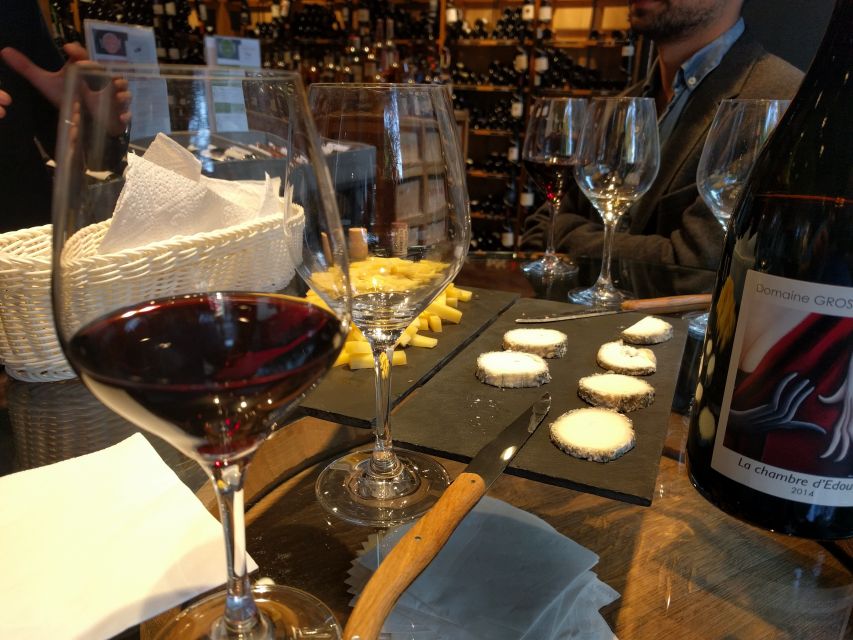
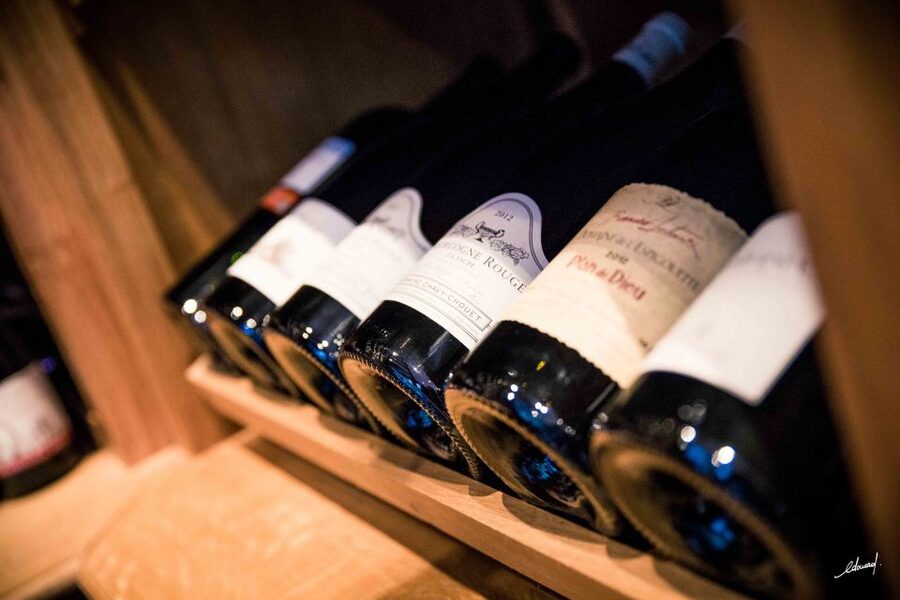
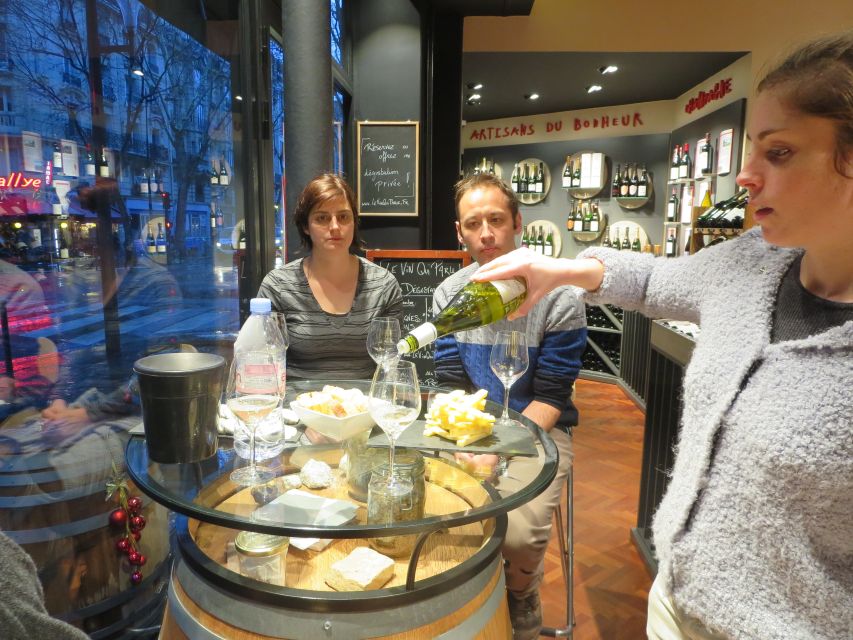
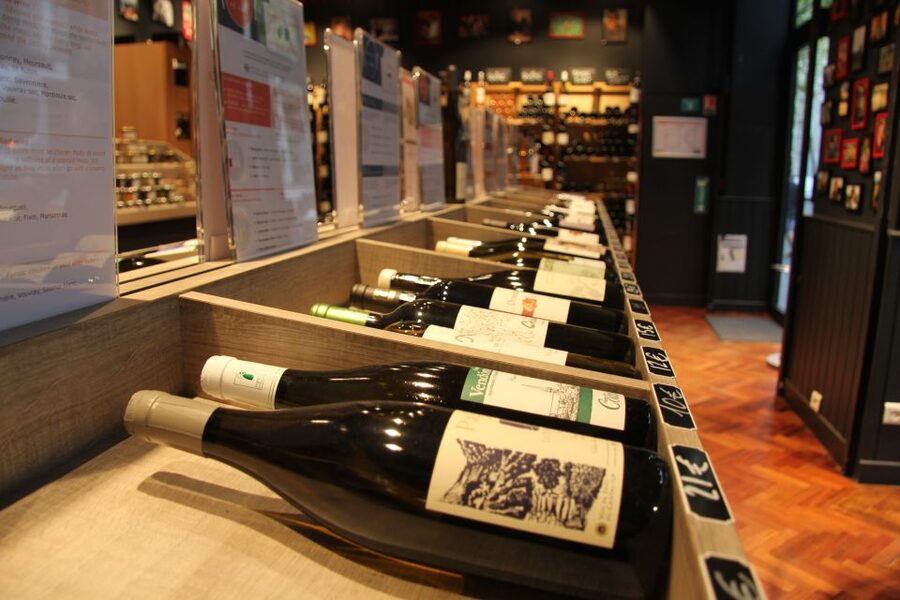
The experience begins in a boutique wine shop, known in French as a cave à vin. Bottles line the walls, with reds, whites, and rosés from regions across France. This setting matters. You are not sitting in a formal restaurant with a long meal ahead. You are in the kind of specialist shop where the bottle itself is part of the conversation.
You settle into a prepared tasting area and meet your guide. The atmosphere is designed to be relaxed rather than ceremonial. That is useful if you know little about wine, and it also works for experienced drinkers who want to ask more specific questions.
The guide speaks English or French, depending on the session and your needs. Past hosts have included Camille, Julian, and Constance. The strongest part of their role is not simply pouring wine. It is helping you put words to what you are tasting without making the subject feel like an exam.
I would tell you not to worry about arriving with a polished wine vocabulary. You can ask basic questions about grapes, sweetness, acidity, or the difference between regions. One session even helped a self-described basic wine drinker feel more comfortable appreciating wine. That is exactly the right level for a short Paris activity.
A few other Paris half-days to compare
- Paris: Seine Cruise & Crepe Tasting near the Eiffel Tower
★ 4.4 · 11,231 reviews - Authentic Parisian Gourmet Food Tour with 10 Local Dishes & Wines
★ 5.0 · 4,754 reviews - Normandy D-Day Small-Group Day Trip with Omaha Beach, Cemetery & Cider Tasting
★ 5.0 · 2,786 reviews
Maps, soil, and the meaning of terroir
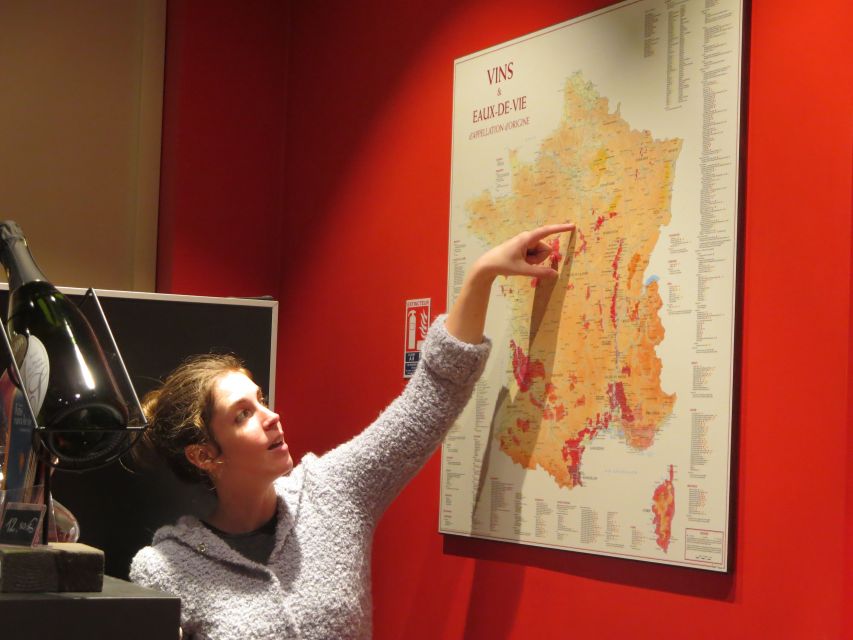
Before or during the tasting, the guide gives you an overview of French wine production. Maps show the major wine regions, while authentic soil samples provide a physical reminder that wine begins in the ground as much as in the cellar.
Terroir is one of those French wine words that can sound grand until someone explains it plainly. Here, it refers to the combined effect of soil, climate, place, and local growing conditions on the character of a wine. The lesson also connects terroir with grape varieties and the many styles produced around France.
This is valuable because French wine labels can be confusing. A bottle may emphasize its region more than the grape. Once you understand that a wine from one part of France may taste different from the same grape grown elsewhere, the bottle shop becomes easier to read.
The tasting does not try to cover every French region in 90 minutes. That would be impossible. Instead, the guide uses the wines in front of you to show why France has such a wide range of reds, whites, and rosés.
I like this teaching method because it keeps the information tied to the glass. You hear about a region, taste the result, and then compare it with the next bottle. The lesson is more useful than a long lecture on wine terms.
Three wines, with room for surprises
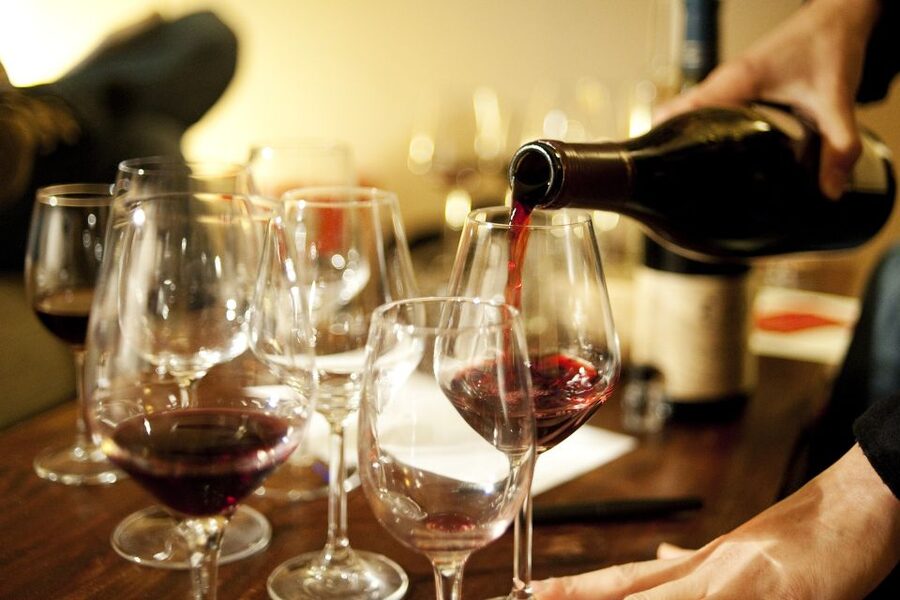
The advertised tasting includes three different wines. The selection may be tailored to the group’s interests, so you might taste bottles from different parts of France rather than follow a rigid menu. The guide proposes the wines and explains where they come from, which grapes are used, and what flavors to notice.
That flexibility is a real benefit. If the group is curious about whites, reds, rosés, unfamiliar grapes, or regional differences, the guide can shape the tasting around those interests. It also means the exact bottles are not fixed in advance, so you should not book expecting a particular vintage or producer.
Some sessions have included four wines or a small surprise pour at the end. Treat that as a bonus, not part of the guaranteed program. The dependable plan is three wines, with water and bread provided to clear your palate between tastes.
A spittoon is available. Use it if you want to focus on tasting rather than alcohol consumption, especially if you have other plans in Paris afterward. There is no need to finish every pour to get value from the lesson.
The independent-producer focus is one of the best reasons to choose this activity. The shop sells wines made by small producers, which gives you a chance to taste bottles you may not see in a standard international wine list. Several people have bought a bottle after finding something they liked.
You should still ask about luggage, transport, and customs rules before buying wine for the trip home. The experience confirms that bottles are available for purchase, but it does not provide detailed shipping or packing arrangements.
Two cheeses that change the wine
Cheese is not just a snack here. It is the practical experiment.
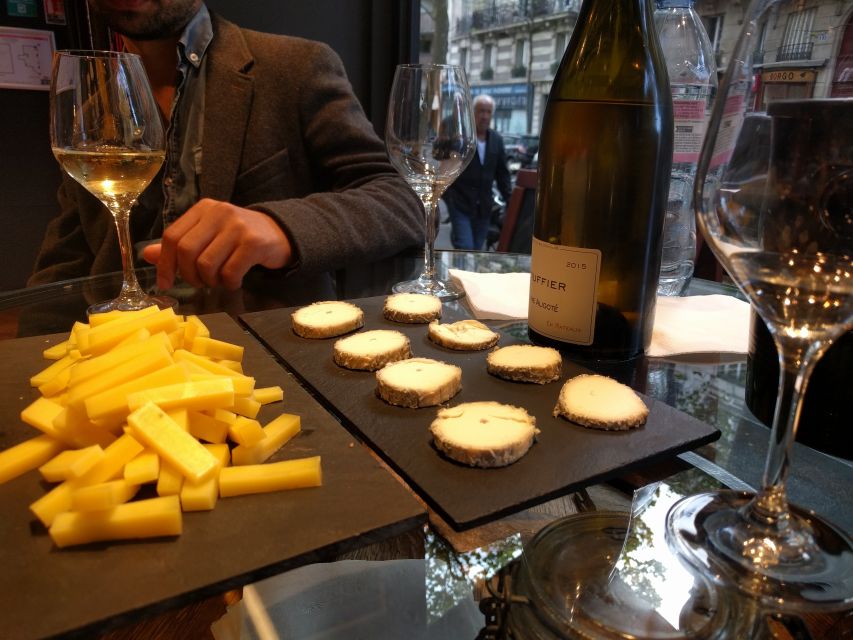
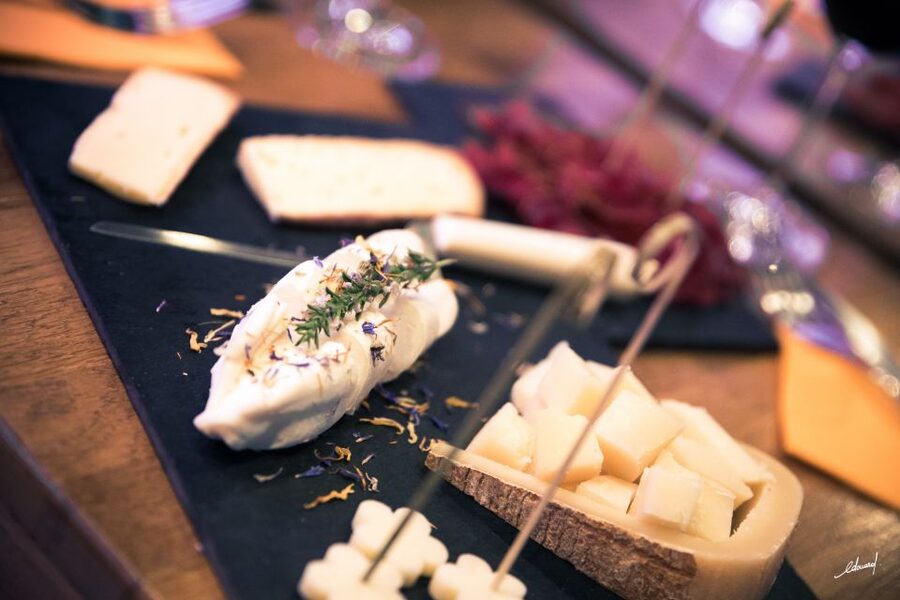
The standard description calls for a hard cheese and a soft cheese from a nearby artisanal cheese shop. You taste them with the wines and notice how the combination changes the flavor. A wine that seems sharp on its own may feel rounder with cheese. A soft cheese can bring out different notes than a firm, aged one.
The included items also refer to three types of cheese, while the main description highlights two principal pairings. In practical terms, expect at least the hard and soft cheese comparison, with the possibility of an additional sample depending on the session.
Fresh bread and water are provided as palate cleansers. That sounds minor, but it helps keep the tasting organized. Without a reset between samples, the flavors of one wine and cheese can blur into the next.
The cheese comes from a nearby artisanal shop, which adds a local food connection to the wine lesson. This is not a full lunch, so do not arrive expecting a meal. It is enough food to support the tasting, but you may want to plan a separate meal before or after.
For me, this pairing section is where the experience becomes most useful for everyday dining. You learn not only what a wine tastes like, but also how to choose it for a meal. That is a lesson you can use at a Paris restaurant, a market picnic, or your own table at home.
Same city, a completely different afternoon:
- Paris: Louvre Museum Timed-Entrance Ticket
★ 4.6 · 71,977 reviews - Disneyland® Paris 1-Day Ticket
★ 4.6 · 49,412 reviews - Paris: Versailles Palace and Gardens Full Access Ticket
★ 4.6 · 41,579 reviews - Paris: Evening River Cruise with Music
★ 4.4 · 22,721 reviews
What the 90 minutes feels like
The short format is well suited to a busy Paris schedule. Ninety minutes gives the guide enough time to explain French regions and production, pour the wines, discuss the cheeses, and answer questions without taking over your entire afternoon.
The pace should feel steady rather than rushed. You begin with the shop and introduction, move into the regional explanation, and then work through the wine and cheese pairings. The exact order may change with the guide and the group.
A small group makes a difference. With a limit of eight participants, you are not trying to hear a speech over a crowded room. You can ask why one wine tastes fruitier, how two grapes differ, or which bottle might suit a particular dish.
The activity is also a good fit for couples and small groups of friends. It can work for solo visitors too, especially if you enjoy learning in a conversational setting. Families with children may find the subject less suitable, since the main activity is alcohol tasting and no child-focused program is described.
The shop setting has one practical limitation: toilets may not be readily available or easy to access. Use a restroom before you arrive. That small bit of planning will make the session more comfortable.
The guides make the difference
Wine information can quickly become dry. The guide determines whether the session feels welcoming or stiff.
Camille has been singled out for being friendly, helpful, and generous with explanations. Julian has led sessions focused on new grape varieties, regional origins, and the best matches for each cheese. Constance has been praised for guiding the tasting clearly in English and creating a calm setting.
The common thread is a teaching style that welcomes questions. You are not expected to know the difference between every French appellation before you sit down. The guides explain how wines are made, where they come from, and how to notice their flavors.
The language choice is English or French, but you should confirm the available language when booking. The activity information lists both, though the particular guide and meeting point may vary by option.
Do not assume every session will be identical. Wine selections change, guides change, and group preferences shape the bottles poured. The structure is stable, while the details have some flexibility.
Is $76 a fair price?
At $76 per person, this is not the cheapest way to drink wine in Paris. You can buy a bottle and cheese for less. That comparison misses the main value, though.
You are paying for three tastings, cheese, bread, water, a guided lesson, and access to a specialist shop with small-producer bottles. You also get a useful introduction to French regions and terroir, which can save you from guessing at wine shops for the rest of your trip.
The price makes the most sense if you want context and conversation, not simply alcohol. It is less compelling if you already know French wine well and prefer to select your own bottles without instruction.
The small group helps justify the cost. A session capped at eight allows for questions and personal recommendations. The possibility of buying a bottle afterward adds another practical benefit, though any purchase is separate from the activity price.
I would compare this with a standard wine bar tasting. The wine bar may offer a broader food menu, while this cave à vin offers a closer look at producers, regions, and the logic behind the pairings. Decide based on what you want from the hour and a half.
Who should book this tasting?
You should consider it if French wine labels feel mysterious, if you want an indoor Paris activity, or if you like food lessons that are easy to use later. It is particularly good for a first wine tasting because the guide explains the basics without requiring prior knowledge.
It also suits wine drinkers who want to try less familiar French varieties. The independent-producer selection means you may encounter bottles that are not common on standard restaurant lists.
This is not the right choice if you want a complete meal, a vineyard visit, or a long tour through the French countryside. The setting is a Paris shop, and the focus is tasting and instruction.
It may also disappoint anyone expecting a fixed list of famous wines. The guide chooses bottles based on the group, so the appeal is exploration rather than checking off well-known names.
Book it early if you need a particular starting time, and check the meeting point for your selected option because it can vary. Free cancellation is available up to 24 hours before the activity for a full refund, and you can reserve without paying immediately under the pay-later option.
Final call: a useful first step into French wine
I would book this for a relaxed introduction to French wine, especially early in a Paris visit. The maps, soil samples, cheese comparisons, and small-producer bottles give you tools you can use for the rest of your trip.
The strongest reasons to go are the personal guide, the small group, and the chance to taste beyond predictable labels. The main limits are the shop setting, limited toilet access, and the fact that the tasting is not a meal.
If you want a thoughtful 90-minute activity with a strong food connection, $76 is reasonable. If your priority is a full dinner or a visit to vineyards outside Paris, spend the money elsewhere. For curious drinkers who want to understand what is in the glass, this is a friendly and practical choice.
FAQ
How long does the Paris wine and cheese tasting last?
The tasting lasts 90 minutes.
How many wines are included?
Three types of wine are included. Some sessions have included a fourth wine or a surprise pour, but those extras are not guaranteed.
How much cheese will I taste?
The experience includes a hard cheese and a soft cheese for pairing. The included details also refer to three types of cheese, so an additional sample may be offered depending on the session.
Is the tasting conducted in English?
Yes. The available languages are English and French. Confirm the language for your selected option when booking.
How large is the group?
The group is limited to eight participants.
Can I spit out the wine?
Yes. A spittoon is provided for anyone who does not want to swallow every sample.
Is a meal included?
No. The experience includes cheese, bread, and water, but it does not take place in a restaurant and should not be treated as a full meal.
Can I cancel the booking?
You can cancel up to 24 hours in advance for a full refund. A reserve-now, pay-later option is also available.
More Cheese in Paris
- Paris: Montmartre Cheese, Wine & Pastry Guided Walking Tour
★ 4.8 · 2,255 reviews - Private Montmartre Food Tour with Wine, Cheese & Pastries
★ 5.0 · 1,027 reviews - Paris Le Marais Food Tour With 10+ Tastings, Cheese, Wine & More
★ 5.0 · 985 reviews - Paris: Wine and Cheese Lunch
★ 4.9 · 596 reviews
Just listed in Paris
- Paris: Giverny & Versailles Small Group or Private Tour★ 4.5 · 49 reviews
- Chartres Cathedral 5 Hours Tour from Paris with Private Transport★ 4.5 · 49 reviews
- Paris: Louvre photoshoot or Seine bridges Eiffel Tower walk★ 5.0 · 49 reviews
- Private tour of the Champagne area, meet local producers and taste their Champagne, start from your hotel in Paris.★ 5.0 · 50 reviews
- Paris: Choux Pastry and Chocolate Éclair Making Class★ 4.9 · 50 reviews
- Paris Eternelle Notre-Dame Virtual Reality Tour★ 4.5 · 50 reviews
- Normandy D-Day Landing Beaches Private Day Trip from Paris★ 5.0 · 50 reviews
- Disneyland® Paris 1 Day with Round-Trip Train Tickets from Paris★ 4.0 · 50 reviews
Paris Tours, compared.



Versailles Palace and Gardens Full Access Ticket
Read our review →

Eiffel Tower Entry Ticket with Optional Summit Access
Read our review →

Louvre Guided Tour with Reserved Access & Boat Cruise
Read our review →
Moulin Rouge Cabaret Show Ticket with Champagne
Read our review →Browse the lists this tour appears in