
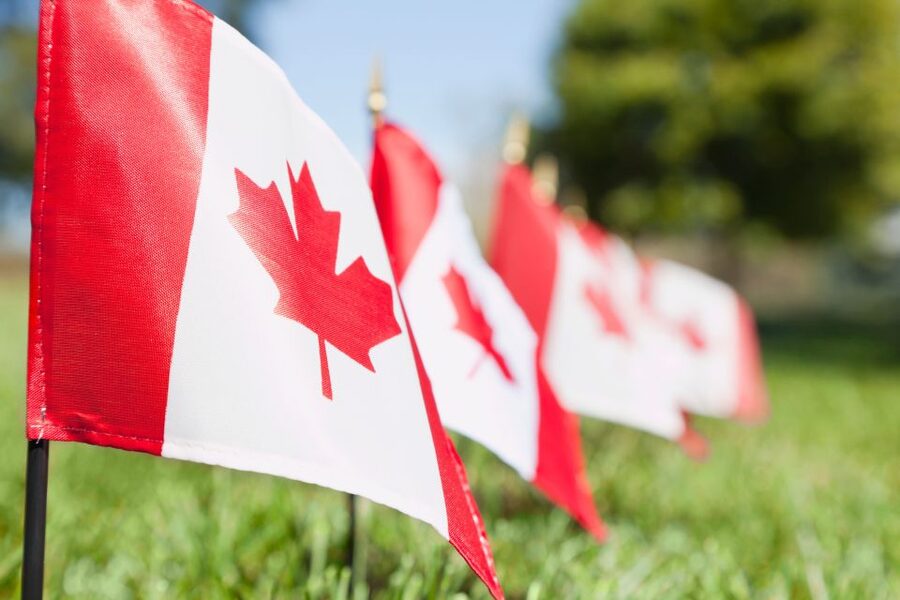
Reviewed · D-DAY & NORMANDY BEACHES TOURS
Small-Group Canadian Normandy D-Day Juno Beach from Paris
Juno Beach is not just a museum stop. You walk on the same sand where more than 14,000 Canadian soldiers landed or parachuted into France on June 6, 1944. The shore looks peaceful now, which makes the stories of the fighting, bunkers, and terrible losses all the harder to absorb.
I like the small maximum of eight people, which gives your guide room to answer questions and adjust the pace. I also like the focus on the Canadian campaign, with stops at the Canadian Cemetery, Juno Beach Centre, Hell’s Corner, and Abbey d’Ardenne. The tradeoff is simple: this is a 13-hour day, with about six hours on the road between Paris and Normandy.
Key points to know before booking
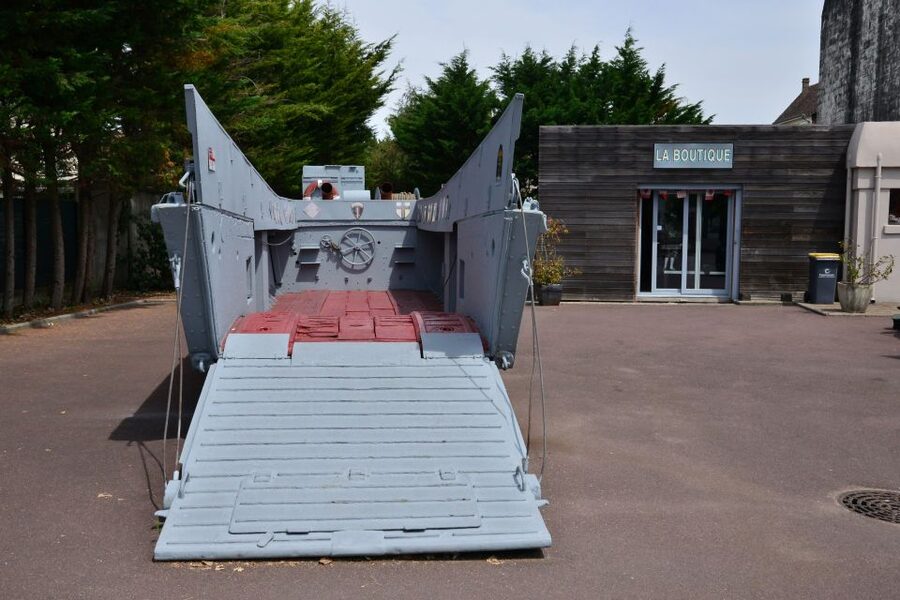
- Walk on Juno Beach: You can stand on the sand used by Canadian troops during the Normandy invasion.
- A focused Canadian story: The tour explains Canada’s role rather than trying to cover every Allied landing beach.
- Maximum eight participants: A small group makes conversation and questions much easier.
- Several meaningful stops: The Canadian Cemetery, Juno Beach Centre, Hell’s Corner, and Abbey d’Ardenne each show a different part of the campaign.
- Guides shape the day: Guides including Aaron, Julien, Enzo, Mathieu, HP, Brun, and Clements have been praised for clear explanations, warmth, and sensitivity.
- Plan for weather and a long ride: The tour runs rain or shine, and the coast can be cold and windy even in spring.
Leaving Paris early for Normandy

The day begins at 7:00 AM at Café Dada Ternes. Arrive at least 15 minutes early. The driver-guide usually arrives in a grey minibus about 10 minutes before departure, but the tour leaves on time and latecomers cannot be accommodated.
That early start is necessary. Normandy is far from Paris, and the return is expected around 8:00 PM, traffic permitting. You spend roughly three hours each way on the road, so this is not a light sightseeing outing. It is a serious full-day commitment.
The reward is a much more personal visit than a quick stop made during a larger bus tour. With no more than eight people, your guide can explain what you are seeing as the day unfolds. Past guides have included Aaron, Julien, Enzo, Mathieu, HP, Brun, Clements, Gabriel, and Olivier. Their styles vary, but the strongest guides use maps, photographs, family stories, and audio extracts to make the military events easier to follow.
The minibus is described as comfortable, though conditions can vary. One summer report noted that the air conditioning did not work well during a 34-degree day. That is worth keeping in mind when judging the transport. On a normal day, the smaller vehicle is a major advantage. On an unusually hot day, it may be less pleasant.
A few other Paris half-days to compare
- Normandy D-Day Sites & Cemetery Day Trip from Paris with Lunch
★ 5.0 · 6,877 reviews - Normandy D-Day Small-Group Day Trip with Omaha Beach, Cemetery & Cider Tasting
★ 5.0 · 2,786 reviews - Normandy D-Day Beaches and American Cemetery Day Trip from Paris
★ 4.5 · 2,673 reviews
Why Juno Beach matters
Juno was the Canadian landing sector on D-Day. More than 14,000 Canadian soldiers came ashore or parachuted into France that day, facing German defenses built around bunkers and fortified positions.
You do not need a military background to appreciate this tour. A good guide explains the basic plan first, then shows how the ground affected it. The beach, the village streets, defensive positions, and inland routes all help turn a difficult battle plan into something you can picture.
The emotional weight comes from the contrast between the quiet shore today and the violence of June 6, 1944. You are not looking at a battlefield frozen in time. You are looking at an ordinary beach that became the entry point for an extraordinary act of courage.
This part of the tour is especially meaningful for Canadians tracing a relative’s service. One visitor described standing on the sand where her father had stood during the invasion. You may have a similar family connection, or you may simply want a clearer understanding of Canada’s contribution to the liberation of Europe.
Walking the shore at Juno Beach
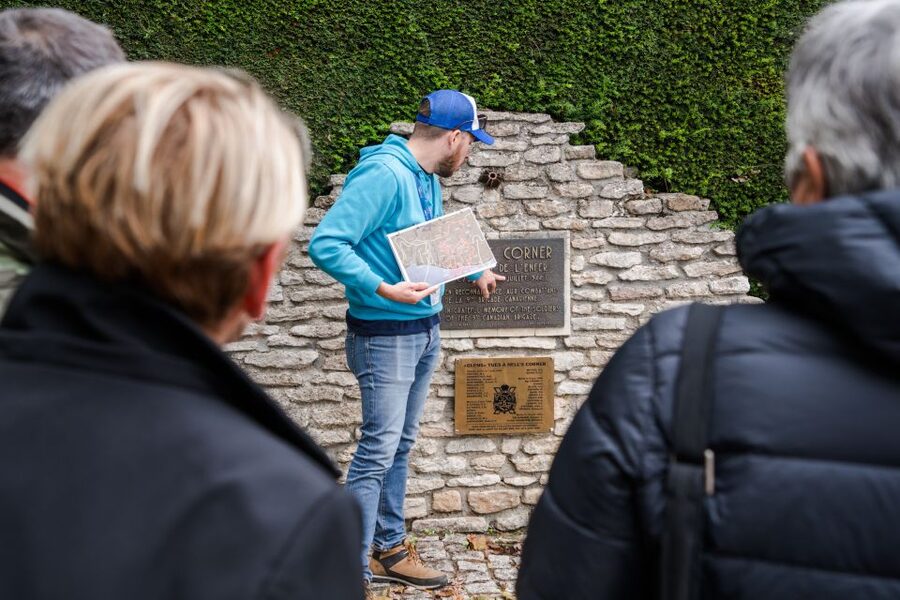
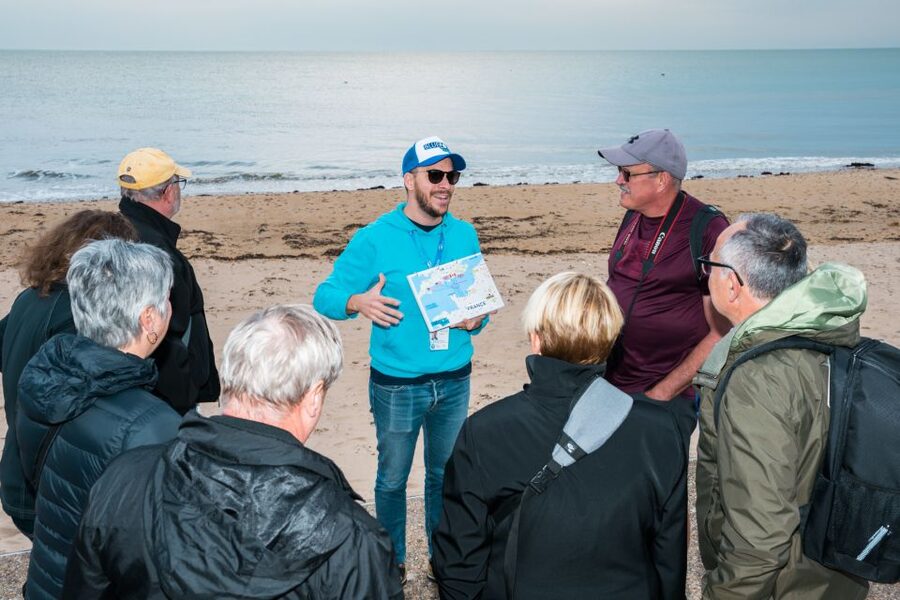
The beach walk is the heart of the day. You have a chance to look across the shore, consider the distance from the water to the defenses, and hear how Canadian troops faced the attack.
Bring a warm jacket and hat, even outside the winter months. The coast can be cold and windy in late April, and weather changes quickly. The tour runs in rain or shine, so practical clothing matters more than polished holiday outfits. Comfortable shoes are also a smart choice for walking on sand and around outdoor sites.
Your guide may use the beach to explain the first stages of the landing, the obstacles facing the troops, and how far the Canadians eventually moved inland. The value here is not simply being able to say you visited Juno Beach. It is having the physical setting in front of you while the story is explained.
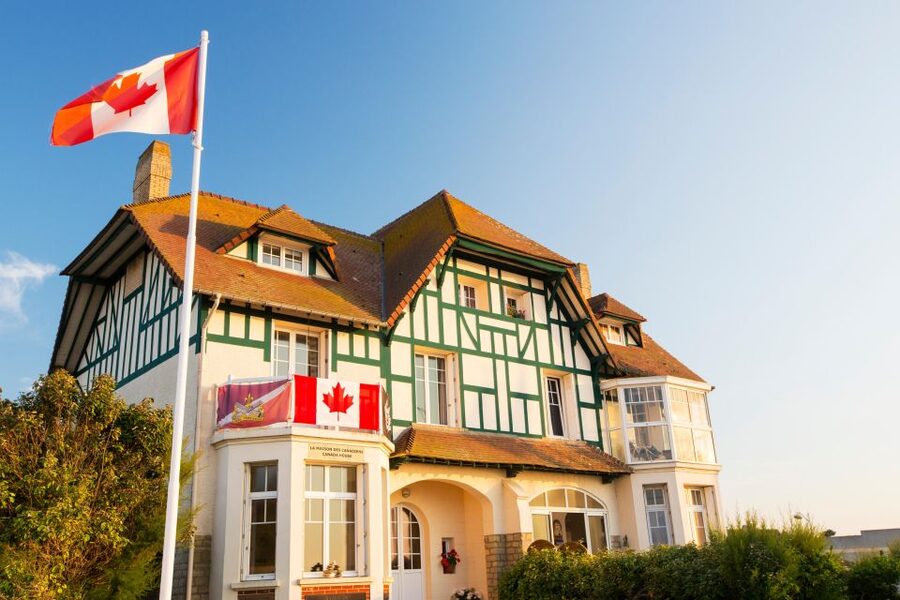
Time can feel tight, especially on a day with several stops. One visitor wanted more time at Canada House, while another felt the pace and variety were just right. That difference tells you something useful: the tour tries to cover a lot in one day, so you should not expect unlimited time at every site.
The Juno Beach Centre
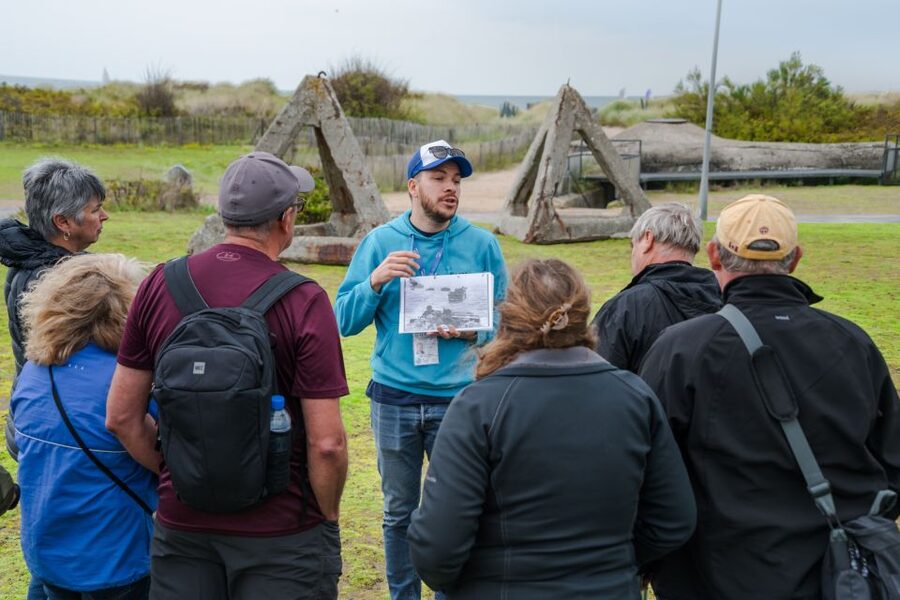
The Juno Beach Centre is the main museum stop. It focuses on the Canadian landings and the wider Canadian wartime experience, giving useful structure to what you see outside.
I would treat the museum as an important complement to the beach, not a replacement for it. The outdoor visit gives you the setting and scale. The museum helps fill in the people, decisions, equipment, and consequences.
The available time is generally considered adequate, but the exact amount can depend on traffic, weather, and the group’s pace. If you like reading every panel and studying every display, you may wish for longer. If you prefer a guided overview followed by selected exhibits, the visit should fit well.
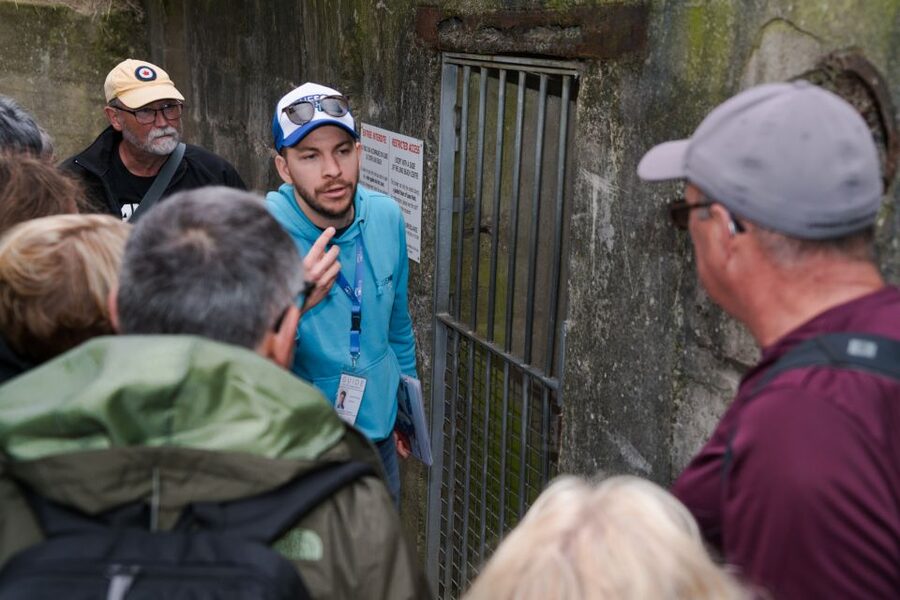
Some visitors felt that certain explanations repeated information or that parts of the bunker presentation moved quickly. That is a fair concern on a packed itinerary. The benefit is that you see several locations in one day. The cost is that no single museum or site receives unlimited attention.
Same city, a completely different afternoon:
- Paris: Louvre Museum Timed-Entrance Ticket
★ 4.6 · 71,977 reviews - Disneyland® Paris 1-Day Ticket
★ 4.6 · 49,412 reviews - Paris: Versailles Palace and Gardens Full Access Ticket
★ 4.6 · 41,579 reviews - Paris: Evening River Cruise with Music
★ 4.4 · 22,721 reviews
Paying respects at the Canadian Cemetery
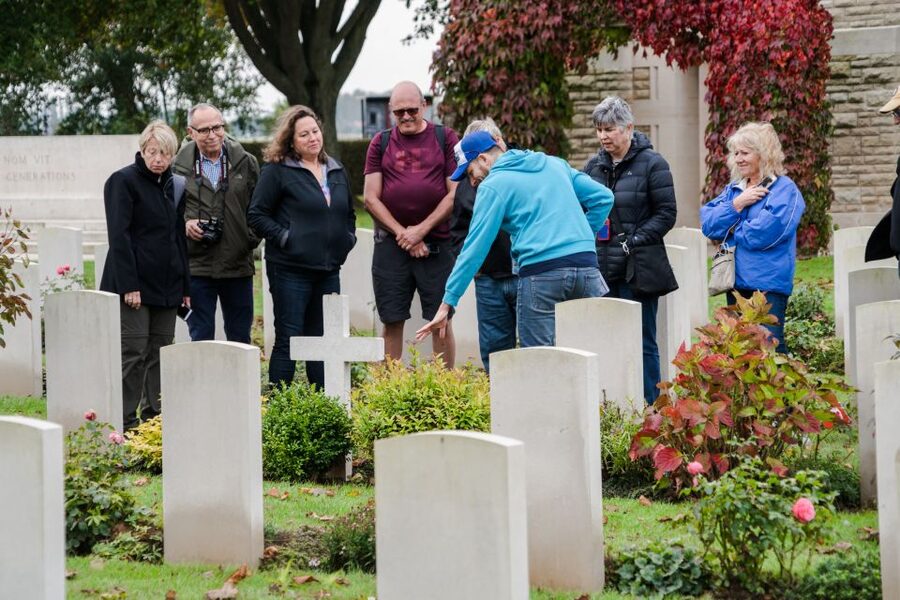
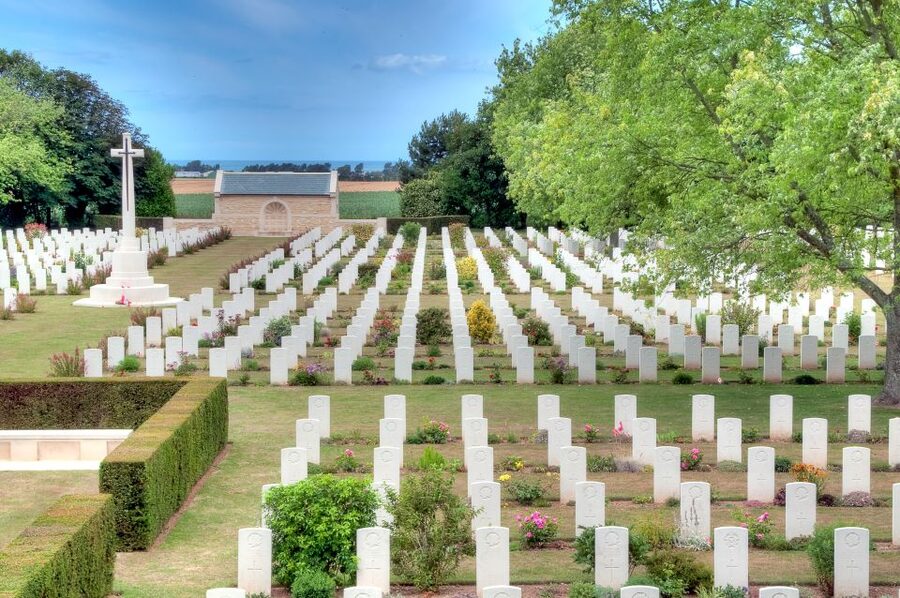
The Canadian Cemetery at Bény-sur-Mer is one of the quieter and most affecting stops. The grounds offer a place to slow down after the activity of the beach and museum.
Your guide can connect the names and dates on the headstones to the campaign you have just been studying. Even without a family connection, the cemetery makes the human cost clear. This is not an abstract military story. Each grave represents a young life lost during the fighting.
Allow yourself time for silence. You do not need a long speech or a dramatic presentation to understand the meaning of the place. The setting itself does much of the work.
The cemetery also adds balance to the tour. Juno Beach can feel open and expansive, while the cemetery is ordered and intimate. Together, the two stops show both the scale of the invasion and the individual cost.
Hell’s Corner and the advance inland
The tour also visits Hell’s Corner, identified as the furthest advance inland made by Canadian troops on D-Day, about five miles from Caen.
This stop helps you understand that the story did not end when soldiers reached the beach. The objective was to move inland, take key positions, and hold ground against German resistance. Seeing the area connected with the advance gives the beach landing a wider military context.
Some departures have included a visit to a private family home and personal collection in the Hell’s Corner area. One especially memorable account described hearing how the home was used first by German forces and later by Canadians, along with seeing ammunition connected with both sides. This kind of stop may depend on the guide and the day, so do not treat it as a guaranteed part of the official package. If it happens, it adds a rare local perspective that a standard museum cannot provide.
The countryside drive can also be part of the experience. One guide chose scenic roads through small towns instead of using the fastest route for the entire journey. That can make the travel time more interesting, though it may also affect how long you have at later stops.
Abbey d’Ardenne and the darker side of occupation
Abbey d’Ardenne was used as a German headquarters point. Its inclusion adds a sobering reminder that the campaign involved more than the initial landing.
The abbey helps show the German side of the defensive system and the danger faced by Canadian troops after they moved inland. It also broadens the tour beyond a simple story of landing, advance, and victory.
This is one reason the tour works best with an active guide. Buildings and roads rarely explain themselves. The historical meaning comes from knowing how they were used, who occupied them, and how they fit into the fighting around Caen.
You may find the military detail dense at times. Guides such as Mathieu, Aaron, Jonathan, Gabriel, and Clements have been praised for making complex events clear, while other feedback suggests that microphones or fast explanations can occasionally make parts difficult to hear. Ask questions when you need to. The small group makes that possible.
Food, stops, and the rhythm of the day
Food is not included in the $283 price. You should budget separately for lunch and bring water and a snack for the long day.
Past days have included a bakery stop, a local restaurant, or lunch near another Normandy beach. One group ate at a restaurant by Gold Beach, while another picked up food at a bakery and ate near a beach memorial. These arrangements may change, so do not book this tour expecting a specific restaurant.
The food break matters because the day contains long drives, outdoor walking, museum time, and emotionally heavy material. A proper meal gives you a chance to reset.
The pace is generally designed to keep the day moving without leaving you at one place for too long. That suits you if you want a broad visit to the Canadian sites. It may frustrate you if your ideal day means several hours at one museum or a slow, unstructured walk along the shore.
How much value do you get for $283?
At $283 per person, this is not a budget day trip. The price includes the minibus, English-speaking guide, and entrance fees, but not food.
I think the value depends on what you would otherwise need to arrange. Reaching Juno Beach from Paris on your own would require planning transport, choosing the right museums and cemeteries, and understanding how the sites connect. This tour puts the driving, route, entry costs, and historical explanation into one package.
The small group is important here. You are not paying only for a seat on a bus. You are paying for a driver-guide who can respond to your questions and, when possible, adjust the route or add a local stop. Several guides have been praised for flexibility, good humor, safe driving, and attention to individual needs.
Still, the price does not buy unlimited time. The long distance from Paris means a large part of the day is spent in transit. If you are already staying in Normandy, a local tour based near Bayeux may be more efficient. If Paris is your base and Juno Beach is a priority, the convenience can justify the cost.
Free cancellation up to 24 hours before departure and the option to reserve now and pay later make the booking less rigid. Those policies are useful when your Paris schedule may change.
Who should book this Juno Beach tour?
I would recommend it most strongly to Canadians, families researching wartime relatives, and anyone who wants a focused account of Canada’s role in D-Day.
It also suits people who prefer explanation over independent wandering. A guide can point out what you are seeing, add context at the right moment, and help you connect the beach to the cemetery and inland sites.
Families can make good use of the day, too. A younger visitor may not absorb every military detail, but the beach, cemetery, vehicles, and personal stories give the subject a human scale. One family with children aged 12 and 14 described the day as the highlight of their trip.
You should think twice if you dislike early starts, long drives, changing weather, or a schedule with several historical stops. The subject is also emotionally serious. This is not a cheerful coastal excursion with a little history added on.
Should you book it?
Book this tour if you have one day from Paris and want to understand the Canadian experience at Normandy without handling the transport and research yourself. The maximum-eight-person format, focused route, and chance to walk Juno Beach make it a strong choice.
Go with realistic expectations. You will spend many hours in the minibus, food costs extra, and time at individual stops may feel short if you want to read every exhibit. But for a concentrated day of beaches, graves, bunkers, museums, and stories of Canadian courage, $283 can be fair value.
Choose it especially if a guide such as Aaron, Julien, Enzo, Mathieu, HP, Brun, or Clements is available, though guide assignments can change. Their personal style can shape the day, and the strongest guides add warmth and clarity without losing sight of the subject’s gravity.
FAQ
How long is the tour from Paris?
The tour lasts 13 hours. It leaves Paris at 7:00 AM and is expected to return around 8:00 PM, depending on traffic.
Where does the tour meet?
The meeting point is Café Dada Ternes. You should arrive at least 15 minutes before departure.
How many people are in the group?
The tour has a maximum of eight participants.
What language is the tour conducted in?
The tour is conducted in English with a live English-speaking guide.
What is included in the price?
Transportation by minibus, an English-speaking guide, and entrance fees are included.
Is food included?
No. Food is not included, so you should plan to pay separately for lunch and any snacks or drinks.
Which Canadian D-Day sites are visited?
The tour includes Juno Beach, the Juno Beach Centre, the Canadian Cemetery at Bény-sur-Mer, Hell’s Corner, and Abbey d’Ardenne.
Does the tour operate in bad weather?
Yes. Tours operate rain or shine. Bring suitable clothing, since the coast can be cold and windy, even outside winter.
Just listed in Paris
- Chartres Cathedral 5 Hours Tour from Paris with Private Transport★ 4.5 · 49 reviews
- Paris: Giverny & Versailles Small Group or Private Tour★ 4.5 · 49 reviews
- Paris: Louvre photoshoot or Seine bridges Eiffel Tower walk★ 5.0 · 49 reviews
- Private tour of the Champagne area, meet local producers and taste their Champagne, start from your hotel in Paris.★ 5.0 · 50 reviews
- Paris: Choux Pastry and Chocolate Éclair Making Class★ 4.9 · 50 reviews
- Paris Eternelle Notre-Dame Virtual Reality Tour★ 4.5 · 50 reviews
- Normandy D-Day Landing Beaches Private Day Trip from Paris★ 5.0 · 50 reviews
- Disneyland® Paris 1 Day with Round-Trip Train Tickets from Paris★ 4.0 · 50 reviews
D-Day & Normandy Beaches Tours, compared.
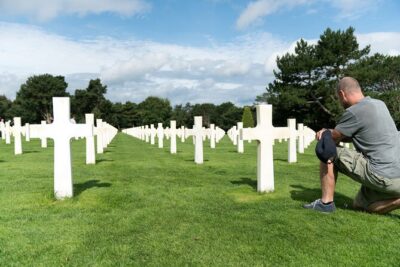
Normandy D-Day Sites & Cemetery Day Trip from Paris with Lunch
Read our review →
Normandy D-Day Small-Group Day Trip with Omaha Beach, Cemetery & Cider Tasting
Read our review →
Normandy D-Day Beaches and American Cemetery Day Trip from Paris
Read our review →
Normandy American D-Day Beaches Full Day Tour from Bayeux
Read our review →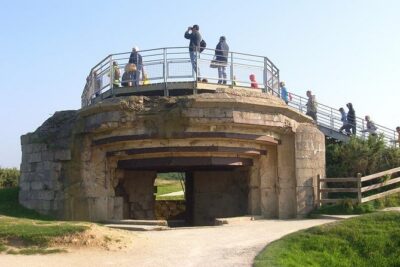
Normandy American D-Day Experience – Group tour from Bayeux
Read our review →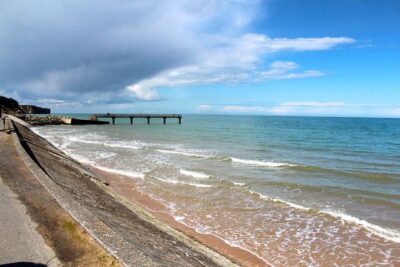
Normandy Beaches Half-Day Afternoon Trip from Bayeux (A2)
Read our review →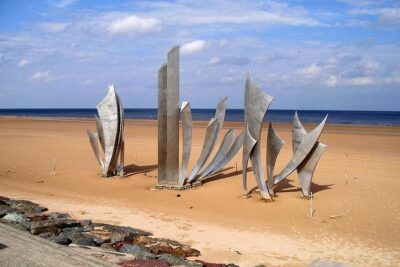
Omaha Beach D-Day Experience – Afternoon group tour from Bayeux
Read our review →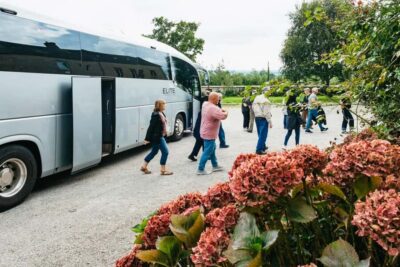
Normandy D-Day Sites Guided Day Trip with Lunch
Read our review →Browse the lists this tour appears in