
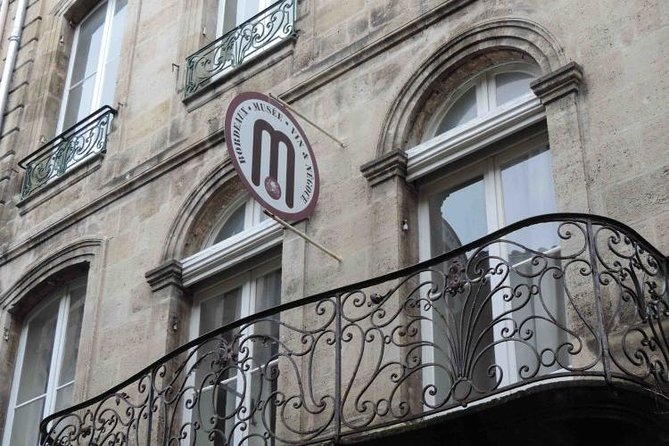
Reviewed · BORDEAUX TOURS
Bordeaux Wine and Trade Museum Admission Ticket with Wine Tasting
Bordeaux’s Wine and Trade Museum puts you in the city’s wine story, quite literally, inside vaulted cellars dating to 1720. You’ll follow the work of coopers, merchants, and cellar workers before tasting two Bordeaux wines with a staff member. The old cellar setting and the focus on wine commerce give this small museum a clear sense of place.
I like the low price of $14.51 and the useful tasting at the end. The English explanations, printed guides, videos, and friendly staff make the visit easy to follow, even though the museum is self-guided. The main drawback is its size: you may finish the exhibits in 45 minutes, and the cellars can smell musty or damp.
Key points to know before you go
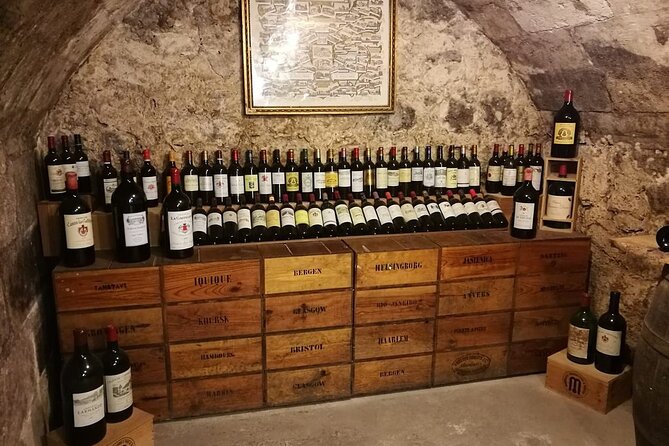
- Two vaulted cellars from 1720: See the former wine-trade building where the displays explain aging, coopering, bottling, and Bordeaux’s merchant system.
- Two wines are included: The tasting compares Merlot and Cabernet Sauvignon and explains the difference between merchant wine and château wine.
- Self-guided museum visit: You explore with English notes, folders, videos, and displays rather than following a guide through every room.
- A small, focused collection: This is about Bordeaux’s wine trade and working methods, not a large, high-tech museum.
- Friendly English-speaking staff: Staff members answer questions during the tasting, and Cristina has been singled out by name for her attentive presentation.
- Easy to fit into a city day: It is open daily from 10 a.m. to 6 p.m. and takes about 1 to 2 hours.
Entering Bordeaux’s old wine-trade quarter
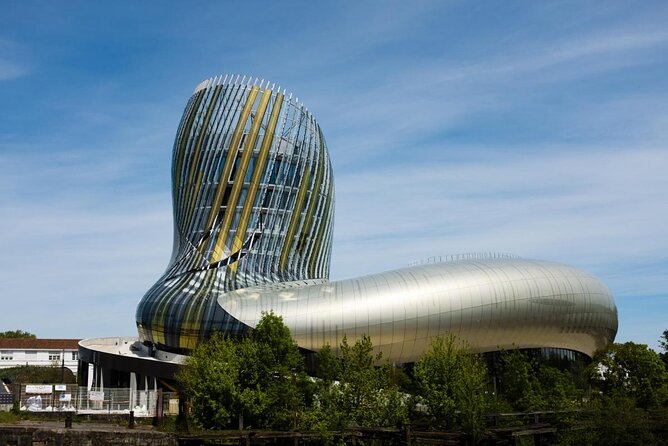
The museum occupies the former building of Louis XV’s royal broker, in the Chartrons area of Bordeaux. That detail matters. This is not simply a room filled with bottles and labels. The building itself connects you with the commercial side of wine, the part of Bordeaux’s story that explains how barrels, merchants, shipping, and estates worked together.
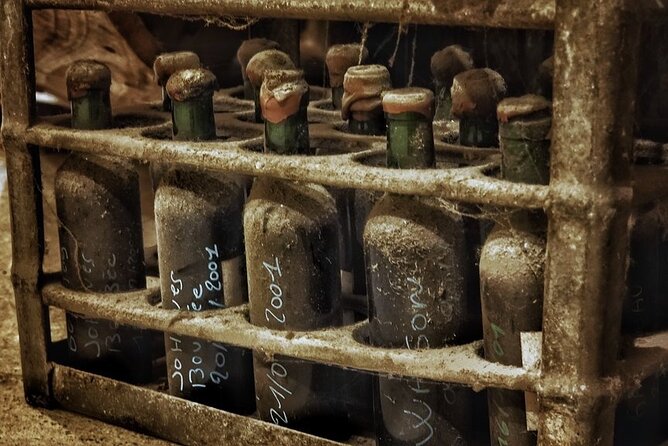
The architecture is one of the main reasons to come. The vaulted cellars were built in 1720, and their low, underground character gives the visit a very different feel from Bordeaux’s large modern wine museum. You are walking through two semi-buried cellar spaces, so expect a compact setting rather than wide galleries.
The building once housed the activity of wine merchants and brokers. Inside, displays trace the careers of important merchant families and show the practical knowledge of workers who handled wine in the cellars. You get a closer look at the trade behind the famous names on Bordeaux labels.
The location can also work well at the beginning or end of a sightseeing day. One visitor found it about a five-minute walk from a cruise boat, and the museum is near public transportation. The supplied information does not specify a particular station or route, so check your own map before setting out.
More wine tastings in Bordeaux:
- Bordeaux: Cité du Vin Entry Ticket and Wine Tasting
★ 4.6 · 3,885 reviews - From Bordeaux: Afternoon Saint-Emilion Wine Tasting & snack
★ 4.8 · 1,581 reviews - Medoc or Saint Emilion Wine Tasting and Chateau from Bordeaux
★ 5.0 · 1,415 reviews
What the self-guided museum actually covers
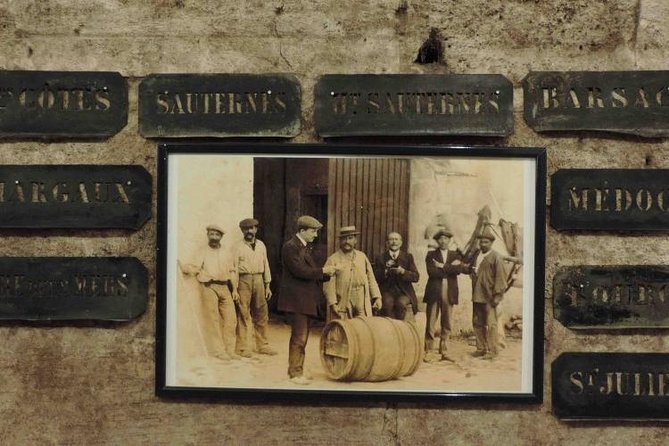
This is a small museum, and it helps to know what that means before you book. You will not join a long guided walk with a set script. At the entrance, you receive English notes or a folder, then make your own way through the displays.
The material covers the history of French wine and winemaking, with special attention to Bordeaux. You can learn about the region’s appellations, the development of wine commerce, and the steps from production to bottling. The exhibits also explain the work of coopers and traditional wine-aging methods used by nineteenth-century merchants.
Archival documents and objects from private collections add a human side to the story. Instead of seeing only polished bottles and famous château names, you get reminders that Bordeaux wine depended on tradespeople, storage, transport, paperwork, and family businesses.
Videos form part of the presentation, and English explanations are available. If you read the folders and wall text carefully, you can spend close to two hours here. If you move quickly, the museum may take about 45 minutes. I would plan for about an hour before the tasting, then allow extra time if wine history is a serious interest.
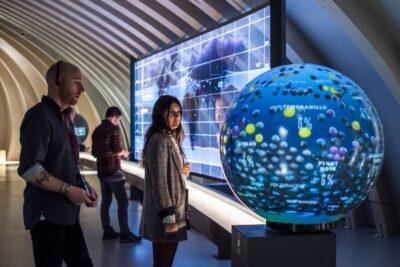
The information is useful, but the presentation is not highly interactive. Some displays use small print and folders packed with facts. The audio material can also feel confusing. If you prefer hands-on exhibits, touch screens, and a large audiovisual show, you may find this museum modest.
That modesty can be a benefit. The small size keeps the subject focused, and you are not worn out by a long museum visit before your next Bordeaux activity.
The cellar atmosphere, including its less pleasant side
The old cellars create the right mood for a museum about wine storage and aging. Their vaulted construction and humidity help explain how these spaces were used. You can see why underground rooms were valuable for keeping wine in traditional conditions.
The same feature may bother you. One visitor found the cellar smell strongly musty and moldy, making it harder to enjoy the visit. The museum has explained that humidity was an important part of preserving wine in the old merchant building, and the cellar has retained that damp quality.
I would treat this as a real consideration, not a minor footnote. If you are sensitive to mold or damp smells, the setting may limit your enjoyment. The space is also physically small, so it can feel enclosed compared with Bordeaux’s modern Cité du Vin.
On the other hand, the old cellar is exactly what gives this experience its character. You are not looking at a recreated room built for a museum. You are seeing a historic working environment adapted for exhibits. That tradeoff will appeal to some people and not to others.
The tasting: Merlot, Cabernet Sauvignon, and Bordeaux labels
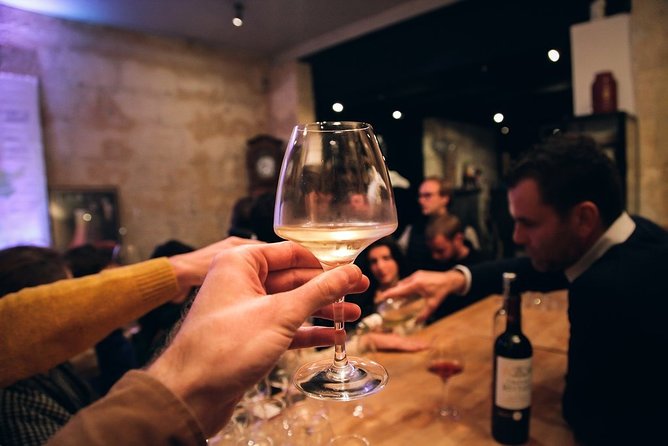
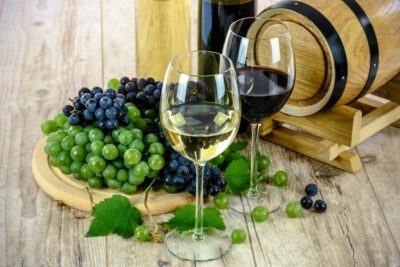
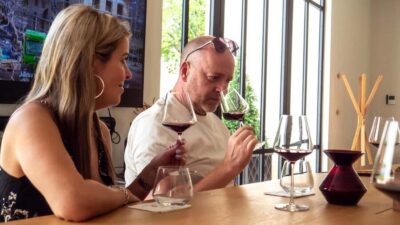
The included tasting takes place in the museum boutique after you finish the exhibits. You taste two wines, including Merlot and Cabernet Sauvignon, while staff explain how the grape varieties differ.
This is the part that gives the visit its practical value. Reading that Bordeaux uses several grape varieties is one thing. Tasting two wines while someone points out their differences gives you a starting point for ordering wine during the rest of your stay.
The presentation also explains the difference between a merchant wine and a château wine. That distinction is especially useful in Bordeaux, where the name on the label can refer to an estate, a merchant, an appellation, or a specific blend. The tasting provides a basic guide to reading the region’s wine culture without requiring prior knowledge.
The amount poured is not large, so do not book this as a wine-drinking session. This is a short educational tasting. The point is comparison and explanation, not several generous glasses.
The quality of the presentation can depend on the staff member and on how many questions you ask. The tasting has been led by staff members who give detailed explanations about Bordeaux’s regions, soil, climate, and trade. Cristina is specifically noted for her attentive manner and strong command of the subject. Another staff member, described as young and very well informed, gave a particularly strong presentation.
You should ask questions. The staff are available to explain the wines and can discuss the Bordeaux appellations and the two grape varieties. If you want a more useful tasting, do not simply accept the glasses and move on. Ask what you are noticing, how the wines differ, and how merchant and château wines fit into the local trade.
A small chocolate or a complimentary bottle has been mentioned as an occasional pleasant surprise, but these extras are not part of the stated inclusions. Count on the two-wine tasting, not on additional gifts.
A few other Bordeaux half-days to compare
- Saint Emilion Half-Day Trip with Wine Tasting & Winery Visit from Bordeaux
★ 4.5 · 1,034 reviews - From Bordeaux: Half-Day Saint-Émilion Tour and Wine Tasting
★ 4.6 · 657 reviews - Bordeaux: Vineyards Wine Tasting Half-Day Trip
★ 4.2 · 470 reviews - From Bordeaux: Saint-Émilion Half-Day Tour with Wine Tasting
★ 4.9 · 389 reviews
How the experience compares with Cité du Vin
The Wine and Trade Museum and Bordeaux’s Cité du Vin serve different purposes. It is important not to confuse their names or locations when booking.
The Wine and Trade Museum is intimate, old-fashioned, and specific to Bordeaux’s merchant tradition. You see vaulted cellars, printed material, archival documents, and a compact collection. The Cité du Vin is the larger, more polished choice for visitors who want a major modern presentation about wine from around the world.
I would not choose one as a direct replacement for the other. If you have time and a strong interest in wine, both can work. The larger museum gives you a broader view, while this smaller one gives you a closer look at the commercial history of Bordeaux and ends with a personal tasting.
The smaller museum may also suit you better if you prefer a short visit with a clear subject. It can fill a morning or afternoon without taking over your schedule. If you want interactive technology and a grand museum experience, choose the Cité du Vin instead, or add it to your plans.
Is $14.51 good value?
At $14.51 per person, the experience is priced fairly, mainly because the wine tasting is included. A museum visit by itself might feel limited if you expect a large collection, but the tasting adds a useful second half and gives the admission a stronger purpose.
The value is best for three kinds of visitors:
- You want an introduction to Bordeaux wine before visiting vineyards or ordering at restaurants.
- You enjoy historic buildings and traditional displays more than high-tech presentations.
- You need a reasonably priced activity that lasts about an hour or two.
The value is weaker if you want a full winery tour, a long guided tasting, or several substantial pours. This does not take you into a vineyard, and it does not replace a day trip into the wine-growing countryside. It explains the trade and gives you two wines to compare.
The museum shop is another small advantage. Wines and souvenirs are available, and some visitors have found the prices reasonable. You do not need to buy anything, but the shop gives you a chance to continue exploring Bordeaux labels after the tasting.
Timing your visit from 10 a.m. to 6 p.m.
The museum is listed as open Monday through Sunday from 10 a.m. to 6 p.m., for the period from March 1, 2025, through February 16, 2027. Multiple visit times are offered during the day, so you have room to place it between other Bordeaux plans.
I would allow the full 1 to 2 hours if you enjoy reading displays and asking questions. A faster visit may take about 45 minutes before the tasting. The tasting itself is not described as long, so do not build an entire afternoon around it.
The last part of your visit takes place in the boutique. That arrangement is convenient because you finish the exhibits before the wine explanation, but it also means the experience is partly self-directed. You set the pace in the museum, then join the staff for the tasting.
The museum is near public transportation, and most people can take part. The available information does not identify a required meeting point beyond the museum itself, so check the booking confirmation for the exact entry instructions.
Who will enjoy this Bordeaux experience most?
I would recommend it to first-time Bordeaux visitors who want basic wine vocabulary and local context. The tasting helps you understand the difference between two major grape varieties, while the exhibits explain why merchants and cellars mattered so much to the city.
It is also a good choice for couples or small groups who want an easy indoor activity. The visit is short, central, and not physically demanding according to the available information. Families may find the museum suitable as well. A scent game for children has been used during the tasting, though it should not be treated as a guaranteed feature.
Non-drinkers can still visit. The museum visit is the main attraction, and a visitor who did not consume alcohol was served grape juice during the tasting. If you book with someone who does not drink, mention that preference to the staff.
I would be more cautious about recommending it to serious wine collectors seeking an advanced tasting. The tasting is introductory, the pours are limited, and the museum has a small collection. You may want a vineyard visit or a longer professional tasting instead.
Practical strengths and small weaknesses
The strongest part of the experience is the staff interaction at the end. The self-guided displays give you background, but the tasting lets you ask direct questions and connect the information with what is in your glass.
English support is another practical strength. English folders and explanations are available, and the staff have been praised for communicating clearly in English. That makes the experience accessible even if you know little French wine vocabulary.
The main weakness is the presentation style. Some information is printed in small type or packed into folders, and the museum is not especially interactive. You need to take some responsibility for your visit rather than expect a guide to lead you from object to object.
The facilities have also received at least one negative comment about the condition of the toilets. That is not the reason to reject the experience, but it is worth keeping expectations modest. This is an independent, small museum in an old cellar, not a newly built cultural center.
Should you book the Wine and Trade Museum?
Book it if you want a focused Bordeaux introduction, an atmospheric old cellar, and two explained tastings for a modest price. It is especially handy when you have only a short amount of time, or when rain makes outdoor sightseeing less appealing.
Skip it if you expect a large, interactive museum or a full wine tour with generous pours. In that case, the Cité du Vin or a countryside wine excursion may suit you better.
My call: this is a sensible, good-value stop for understanding the business behind Bordeaux wine. Go slowly through the exhibits, use the English notes, and ask questions during the tasting. The museum is small, but the combination of place, trade history, and staff-led wine comparison makes it more useful than its size suggests.
FAQ
Where is the Wine and Trade Museum located?
It is in Bordeaux, in the former building of the royal broker Louis XV, in the Chartrons wine-trade area. It is near public transportation.
How long does the visit take?
The experience takes approximately 1 to 2 hours. If you read quickly, the self-guided museum portion may take about 45 minutes, followed by the wine tasting.
What wines are included in the tasting?
The tasting includes two wines. It explains the differences between Merlot and Cabernet Sauvignon, as well as the difference between merchant wine and château wine.
Is the museum visit guided?
The museum portion is self-guided. English notes, folders, videos, and display explanations are provided. Staff lead or assist with the wine tasting and answer questions.
Is the experience offered in English?
Yes. The experience is offered in English, and English explanations or guide material are available in the museum.
What are the museum’s opening hours?
The listed opening hours are 10 a.m. to 6 p.m., Monday through Sunday, from March 1, 2025, through February 16, 2027.
Can I cancel for a full refund?
Yes. You can cancel at least 24 hours before the experience start time for a full refund. Cancellations or changes made less than 24 hours before the start time are not accepted for a refund.
More Museums in Bordeaux
- Bordeaux: Museum of Illusions Entry Ticket
★ 4.2 · 588 reviews - Paris: Louvre Museum Timed-Entrance Ticket
★ 4.6 · 71,977 reviews - Louvre Museum Masterpieces Guided Tour with Access
★ 4.5 · 12,023 reviews - Paris: Louvre Museum Entry Ticket With Host and River Cruise
★ 4.6 · 9,926 reviews
Just listed in Bordeaux
- Bordeaux: Exclusive Private Guided Walking Tour★ 4.6 · 50 reviews
- Bordeaux:Wine Masterclass & Blending workshop with appetizer★ 4.8 · 54 reviews
- From Bordeaux: Essential Morning Tour with Wine Tasting★ 4.8 · 55 reviews
- Full-day Saint-Emilion: Village, Undergrounds and Châteaux★ 4.5 · 55 reviews
- Bordeaux Old Town & Market Local Food with Wine Tastings Tour★ 4.0 · 56 reviews
- Bordeaux: Saint-Emilion Village Day Trip, 2 Chateaux & Lunch★ 4.8 · 57 reviews
- Bordeaux Free Walking Tour (Tips-Based)★ 4.5 · 57 reviews
- The Ultimate Bordeaux Food Tour: Full Meal & Fine Wines★ 4.8 · 61 reviews
Bordeaux Tours, compared.
River Garonne Cruise with Glass of Wine and Canelé
Read our review →
Afternoon Saint-Emilion Wine Tasting & snack
Read our review →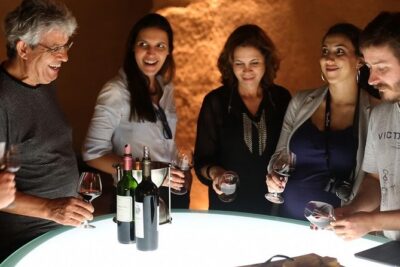
Medoc or Saint Emilion Wine Tasting and Chateau from Bordeaux
Read our review →
Saint Emilion Day Trip with Sightseeing Tour & Wine Tastings from Bordeaux
Read our review →
Saint Emilion Half-Day Trip with Wine Tasting & Winery Visit from Bordeaux
Read our review →
Browse the lists this tour appears in