Reviewed · TICKETS
Entrance ticket for guided tour of the Maginot Line at the Michelsberg
The most striking part of the Ouvrage Michelsberg is its sheer scale. Thirty meters underground, you move through a maze of concrete and steel built to resist attack, then see the rooms and machines that made life inside this fortress possible. It is military history you can walk through, not simply read about on a sign.
I like the tour’s clear focus on two periods: the fort’s role in World War II and its later place in Cold War planning. I also like the price, about $9.29 per person, for roughly two hours underground with a guide. The main drawback is simple: it can be cold below ground, even in April, so bring an extra layer.
Key points to know before you go
- Thirty meters underground: Expect a genuine underground fortification, not a small museum room.
- Working machinery: The route can include switched-on power generators and equipment that helps explain how the fort operated.
- World War II and Cold War history: The guide covers both the original defenses and their later military importance.
- French or German tour: The group visit is available in either language.
- Up to 50 people: The maximum group size is fairly large, so your position near the guide may affect how easily you hear every detail.
- Two hours at 2:30 pm: Plan for a focused afternoon visit that begins and ends at the Michelsberg meeting point.
Entering the Michelsberg fortification
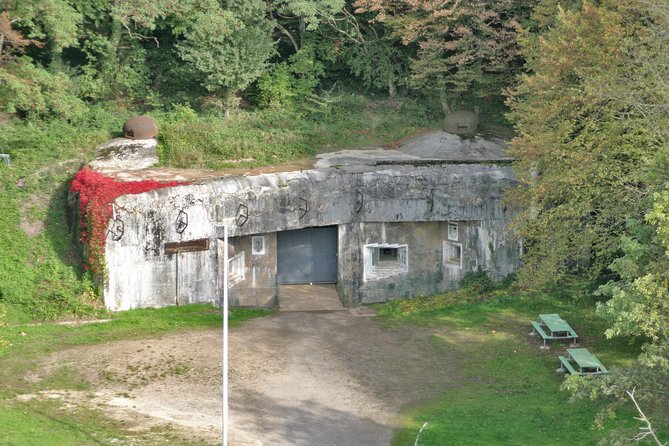
The Michelsberg is part of France’s Maginot Line, the chain of defensive works built along the eastern border before World War II. At first glance, the fort’s concrete exterior may seem blunt and plain. The real experience begins when the tour leads you below ground.
You spend about two hours moving through the fort’s underground galleries. These passages connect rooms, equipment, and living areas, giving you a practical sense of how soldiers worked inside a sealed military complex. The size matters. This is not a single bunker with a few displays. It is a large defensive work made of concrete, steel, machinery, and carefully arranged internal spaces.
I like this kind of historic site because it forces you to think about logistics. A fortress is not only guns and walls. It needs power, communication, sleeping quarters, food, ventilation, and systems that allow people to function underground. The Michelsberg tour brings that side of military history into view.
The guide leads the group through the site and explains how the many rooms fit together. The tour is offered in French or German, so choose the language that lets you follow technical explanations most comfortably. No individual guide names are provided, but the experience includes a professional guide rather than a self-guided walk.
A few other France half-days to compare
- Paris: Louvre Museum Timed-Entrance Ticket
★ 4.6 · 71,977 reviews - Disneyland® Paris 1-Day Ticket
★ 4.6 · 49,412 reviews - Paris: Versailles Palace and Gardens Full Access Ticket
★ 4.6 · 41,579 reviews
Two hours below ground, with real scale
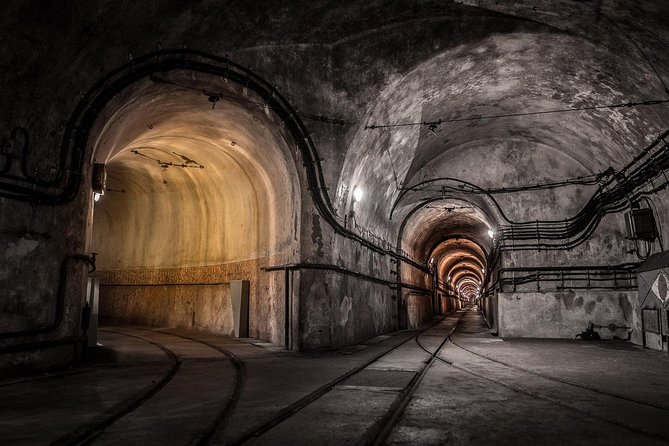
The advertised duration is approximately two hours, and that is enough time to make the visit feel substantial without taking over your entire day. The route focuses on the Michelsberg work itself, rather than combining it with several unrelated sights.
You will walk through underground galleries and turn into rooms used by the soldiers of the Maginot Line. The description emphasizes the fort’s many rooms and pieces of equipment, so expect the tour to be about how the installation worked as a whole. The fort’s construction required huge quantities of concrete, and the underground route helps you grasp the cost and effort behind that defense system.
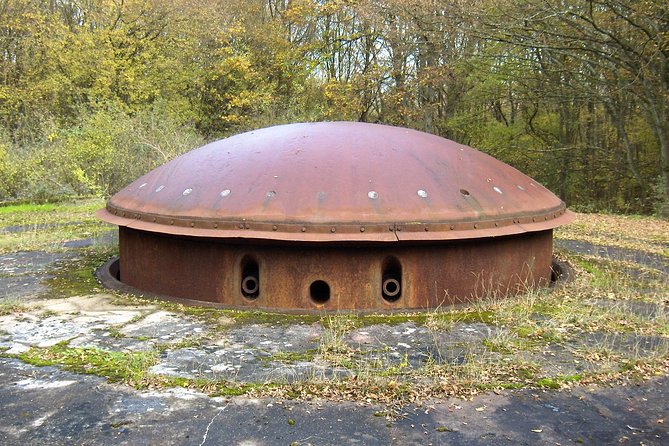
One especially interesting detail is the fort’s enormous turret. A review translated from French points to the engineering required to move this massive structure with only one person. That detail captures what makes the Michelsberg worth visiting: the site shows not only military ambition, but also the mechanical problems engineers had to solve.
You should allow the guide to set the pace. With a maximum group of 50 people, the tour can feel like a shared group visit rather than a private appointment. Stay reasonably close to the guide if you want to catch every explanation, especially in rooms where sound may not carry well.
The machines that kept soldiers alive
The most effective parts of a fort tour are often the least glamorous. At Michelsberg, the generators and other equipment help explain how soldiers could remain underground for long periods.
A detailed account of the visit describes power generators that were switched on during the route. That is a valuable touch. Seeing machinery operate gives you a better idea of the fort as a functioning system, rather than a silent shell. You can connect the noise, size, and industrial character of the equipment with the daily demands of life below ground.
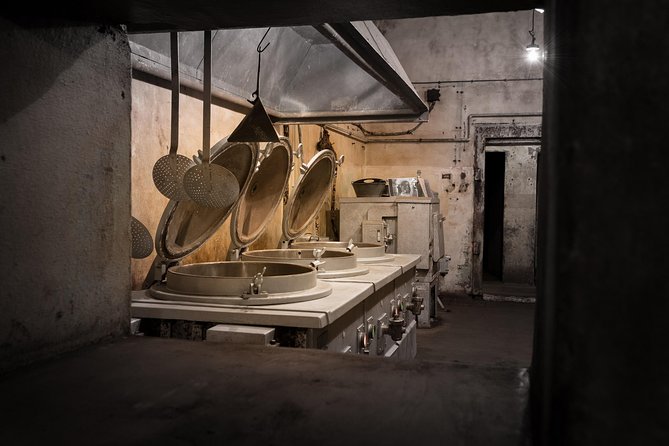
The fort also gives you a look at the rooms used by the soldiers. The supplied details do not provide a room-by-room list, so you should not expect a fixed set of exhibits or displays. Instead, the interest comes from walking through the actual galleries and spaces that made up the defensive work.
I would pay attention to the relationship between the rooms and the corridors. The design reflects a military site built around movement, protection, and control. Even without a technical background, you can understand the basic point: every passage and machine had a job.
The underground setting adds weight to the visit. At around 30 meters below the surface, the fort feels removed from ordinary daily life. It also means the temperature can be low. One April visitor found it cold, which is hardly surprising underground. Wear a warm layer and shoes suitable for a two-hour walk through a historic fort.
Michelsberg in World War II
The Maginot Line is often reduced to a simple story: France built a defensive barrier, Germany went around it, and the fortifications became symbols of a strategy that failed. The Michelsberg deserves a more careful look.
The fortification resisted many attacks during World War II, according to the experience description. That fact gives the site a more complicated place in the war. The Maginot Line was not simply a useless wall. Its individual works were serious military installations, and the Michelsberg’s construction, weapons, rooms, and machinery show how much planning went into them.
Your guide explains the role of the Michelsberg within this larger system. The value of a guided visit is especially clear here. Without context, underground corridors can blur together. With an explanation of the fort’s purpose, the rooms become part of a story about defense, command, endurance, and the limits of fixed fortifications.
The tour does not present only a triumphalist military story. The site also raises difficult questions about cost and strategy. Huge amounts of concrete and steel created a powerful defensive position, but fixed defenses could not control every route into France. Walking through Michelsberg lets you consider both sides: the impressive strength of the fort and the larger military decisions around it.
Same city, a completely different afternoon:
- Paris: Evening River Cruise with Music
★ 4.4 · 22,721 reviews - Paris: Eiffel Tower Entry Ticket with Optional Summit Access
★ 4.4 · 20,035 reviews - Paris: Eiffel Tower Summit or Second Floor Access
★ 4.3 · 17,248 reviews - Paris: Louvre Guided Tour with Reserved Access & Boat Cruise
★ 4.3 · 16,353 reviews
The Cold War chapter many people miss
A strong reason to choose this tour is its Cold War connection. The Michelsberg fortifications were later revived or considered again in anticipation of a possible Soviet advance.
That second chapter prevents the site from becoming a narrow World War II stop. You see how a military installation built for one conflict could gain new importance when Europe faced another kind of threat. The concrete was old, but the strategic concerns had changed.
The Cold War material also helps you understand why military sites can have long lives. A fort may be designed for a particular weapon, border, or enemy, yet its underground rooms and protected infrastructure can remain useful. The Michelsberg story is therefore about adaptation as much as construction.
If you have already visited other World War II sites in eastern France, this Cold War angle gives the tour a different point of interest. It connects the Maginot Line to the decades that followed instead of ending the story in 1940.
What the tour feels like in practical terms
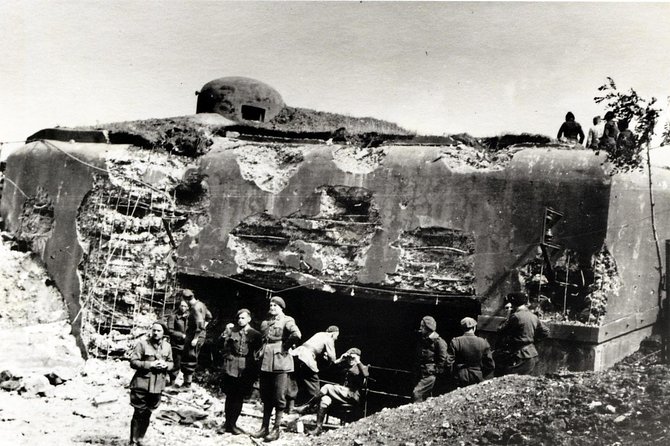
The meeting point is Ouvrage Michelsberg, Lorraine, on Route de Dalstein in 57320 Ébersviller, France. The tour starts at 2:30 pm and ends back at the same meeting point.
That timing suits a day built around one main afternoon activity. You do not need to arrange a separate end location, since the visit returns to where it began. The information provided does not include transport from nearby towns, so plan your own way to the Michelsberg meeting point.
The group can contain up to 50 people. That is a useful limit to know before booking. A group of this size keeps the price low, but it may feel less personal than a small specialist tour. If you care about asking many questions, stay near the guide and choose your preferred tour language carefully.
The tour is available in French or German. The listing does not state that English is offered, so English-speaking visitors should confirm the language arrangement before booking. This point matters more here than at a simple outdoor monument, since the history depends on explanations of rooms, systems, and military purpose.
Most people can participate, according to the supplied information. No special participation restrictions are listed. Still, the visit takes place underground and lasts about two hours, so think realistically about your comfort with extended walking through a large historic fort.
Is $9.29 good value?
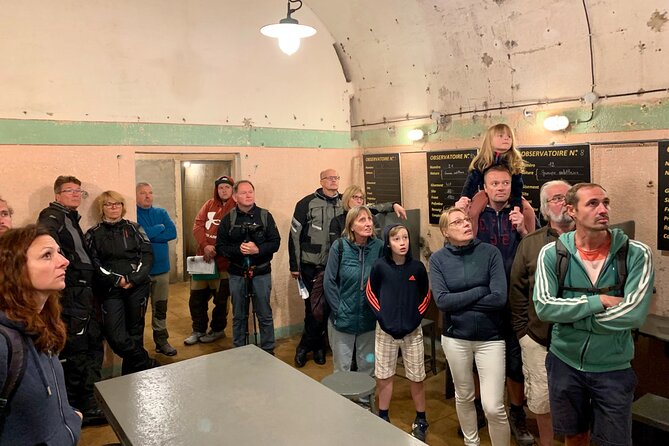
At about $9.29 per person, the Michelsberg visit is priced like an easy-to-add cultural stop rather than a major splurge. For two hours of guided access to a substantial Maginot Line installation, I consider that a strong value.
The price is especially fair because the experience includes more than an exterior view. You enter the underground galleries, see rooms and equipment, and receive an explanation of the fort’s World War II and Cold War roles. The generators and large turret add a mechanical dimension that a standard history display cannot provide.
Value depends on your interests. If you want polished multimedia exhibits, a short scenic outing, or a tour in English, this may not be the right choice. The experience is built around the fort itself, its underground spaces, and the guide’s explanation. Its appeal is strongest for anyone who enjoys military history, engineering, or unusual historic places.
The 4.9 rating from 53 reviews and a 100 percent recommendation rate suggest very strong satisfaction, but I would read those numbers alongside the practical details. The cold, the possible size of the group, and the French or German language choice all matter. A high rating does not remove those conditions.
Who should book the Michelsberg tour?
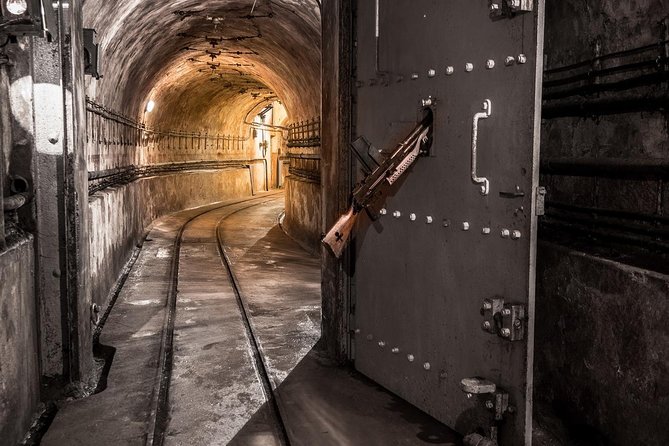
I would recommend this visit to you if you enjoy seeing how historic systems worked. The fort offers more than a war story. It shows the physical demands of building and operating a major underground defense.
It is also a good choice if you have an interest in World War II sites but want something less familiar than a battlefield or memorial. The Cold War connection adds another layer, especially if you want to understand how European defenses changed after 1945.
Families with an interest in machinery may find the generators and giant turret particularly engaging. The tour gives children and adults something concrete to look at, though the supplied information does not provide a specific children’s program.
I would hesitate only if you cannot follow French or German, dislike underground settings, or want a very small group. The maximum of 50 people is not extreme, but it is large enough to affect the feel of the visit.
Booking and cancellation details
You receive confirmation at the time of booking. Free cancellation is available if you cancel at least 24 hours before the 2:30 pm start time. If you cancel less than 24 hours ahead, the payment is not refunded, and changes made inside that same period are not accepted.
The cut-off follows local time in France. Since the activity is booked an average of 13 days ahead, reserving early may help if your schedule is fixed, though no limited availability claim is provided.
Bring a warm layer. The underground temperature can be chilly even in spring, and one detailed account specifically noted the cold at 30 meters below ground. That small preparation can make a big difference during a two-hour tour.
Should you book the Michelsberg Maginot Line tour?
Book it if you want an affordable, focused look at a real Maginot Line fortification. The underground galleries, working generators, huge turret, and soldier spaces give the visit a physical quality that books cannot match. The added Cold War story makes the Michelsberg more than a single-period war stop.
Before you reserve, confirm that French or German works for you, and plan for a cool underground environment. If those conditions suit you, $9.29 buys an unusually substantial history experience in northeastern France.
FAQ
Where does the Michelsberg tour begin and end?
The tour begins at Ouvrage Michelsberg, Lorraine, Route de Dalstein, 57320 Ébersviller, France. It ends back at the same meeting point.
What time does the tour start?
The scheduled start time is 2:30 pm.
How long does the guided tour last?
The tour lasts approximately two hours.
What languages are available?
The group tour is available in French or German.
How many people can join the tour?
The maximum group size is 50 people.
Can I cancel for a full refund?
Yes. You can cancel for a full refund up to 24 hours before the experience start time. Cancellations made less than 24 hours before the start are not refunded.
Just listed in France
- Paris: Giverny & Versailles Small Group or Private Tour★ 4.5 · 49 reviews
- Half-Day Walking Food Tour in Nice with Lunch★ 5.0 · 49 reviews
- Chartres Cathedral 5 Hours Tour from Paris with Private Transport★ 4.5 · 49 reviews
- Marseille: Frioul Archipelago Catamaran Cruise with Lunch★ 4.4 · 49 reviews
- Paris: Louvre photoshoot or Seine bridges Eiffel Tower walk★ 5.0 · 49 reviews
- Paris: Choux Pastry and Chocolate Éclair Making Class★ 4.9 · 50 reviews
- Private tour of the Champagne area, meet local producers and taste their Champagne, start from your hotel in Paris.★ 5.0 · 50 reviews
- Bonifacio: sunset catamaran trip and aperitif★ 4.6 · 50 reviews
Tickets, compared.



Versailles Palace and Gardens Full Access Ticket
Read our review →
Eiffel Tower Entry Ticket with Optional Summit Access
Read our review →
Moulin Rouge Cabaret Show Ticket with Champagne
Read our review →
Montparnasse Tower Observation Deck Entry Ticket
Read our review →
Louvre Museum Entry Ticket With Host and River Cruise
Read our review →