
Reviewed · LA ROCHELLE TOURS
Discover La Rochelle: Discovery Walking Tour of La Rochelle
La Rochelle’s story is written in stone around its harbor. In two hours, you walk from the medieval towers and old port through the market, cathedral quarter, surviving city walls, and small streets where local shops and bars still give the town its character. Guide John McGuiggan keeps the pace lively with history, humor, and useful advice for the rest of your stay.
I like that this tour gives you a quick, low-cost orientation instead of trapping you inside one sight. I also like the practical local tips, from places to eat and drink to the Rue Restau, a possible cathedral light show, and regional treats such as Pineau. The main consideration is the group size, which can reach 35 people, and the meeting point at Place de la Chaîne may take a little care to find.
Key points at a glance
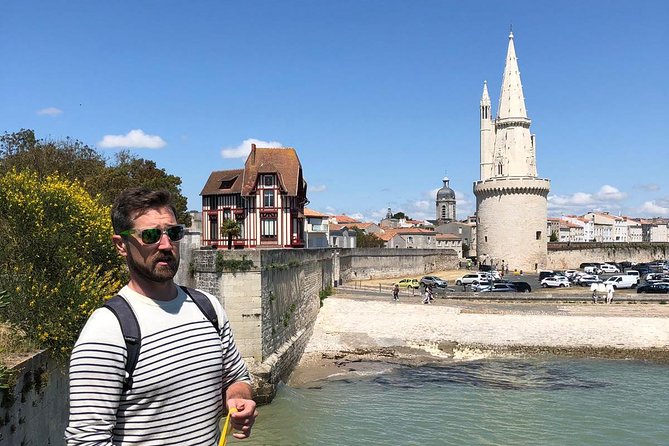
- The harbor towers frame the walk: Start at the Chain Tower, pass the Lantern Tower, and finish the tower portion beside Saint Nicholas Tower.
- John adds useful local advice: Expect suggestions for restaurants, bars, food shops, and things to do after the tour.
- Two hours cover a lot: The route links the port, beach, old city, town hall, cathedral, market, walls, and Saint-Sauveur church.
- History reaches beyond medieval stones: The walk includes maritime navigation, trade, World War II, religious conflict, and La Rochelle’s political growth.
- The price is easy on the budget: At $48.39 per person, the tour offers a broad introduction without charging for tower entry.
- It suits a first morning or a short port call: The compact format helps you get your bearings before exploring alone.
Why this two-hour walk works so well
La Rochelle rewards walking. Its central sights sit close enough together that a good guide can connect them into one clear story, rather than leaving you with a collection of pretty buildings and half-remembered dates.
That is the strength of this tour. You are not simply taken from one photo stop to another. John links the harbor to trade, the old walls to defense, the towers to navigation, and the market to the city’s everyday life. His style is friendly and humorous, but the useful part is how much ground he covers without making the walk feel like a lecture.
The tour is offered in English and lasts about two hours. That is long enough to explain the main chapters of La Rochelle, yet short enough to fit into a busy day. I especially like the idea of booking it near the start of your stay. You can use John’s restaurant and sightseeing advice afterward, while the layout of the city is still fresh in your mind.
At $48.39 per person, the value depends on what you want. You are paying for a guided overview, not admission to the famous towers. Since entry to the towers is not included, you will need a separate ticket if you want to go inside them. Still, the walk covers many free public sights and gives you a usable plan for the rest of your visit.
More walking tours in France:
- Paris Top Sights Half Day Walking Tour with a Fun Guide
★ 5.0 · 2,893 reviews - Montmartre Hidden Gems and Scenic Highlights Walking Tour
★ 5.0 · 2,684 reviews - Montmartre Hill French Gourmet Food and Wine Tasting Walking Tour
★ 5.0 · 2,588 reviews
Starting beside the Chain Tower and old port
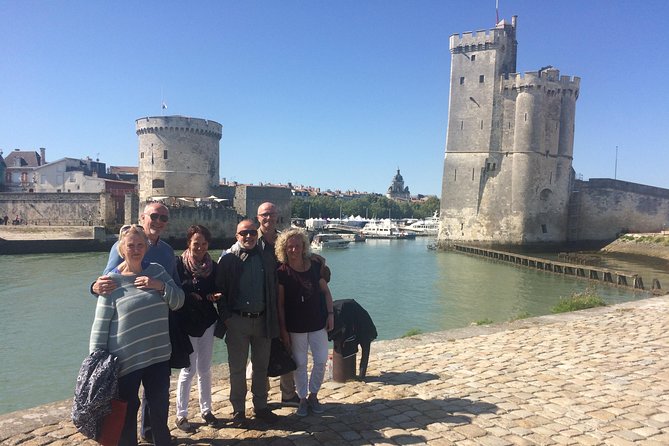
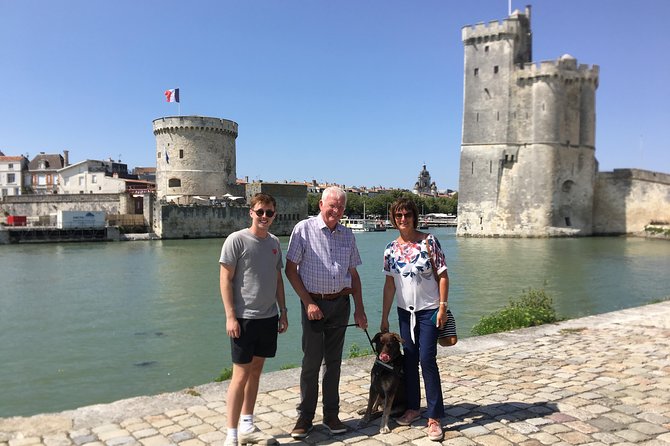
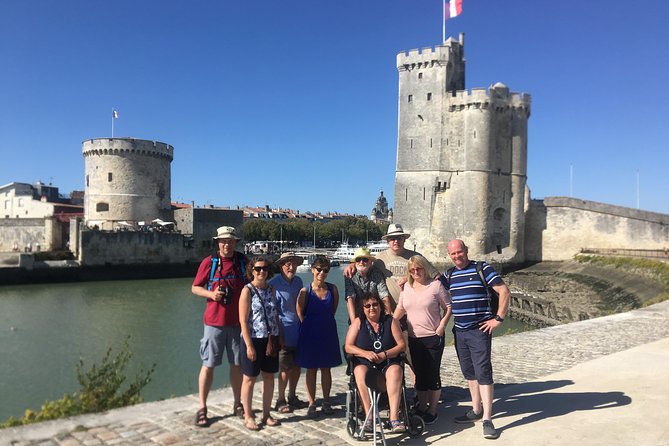
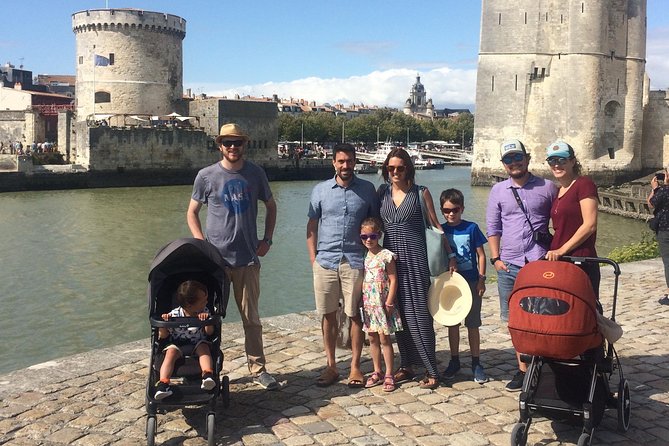
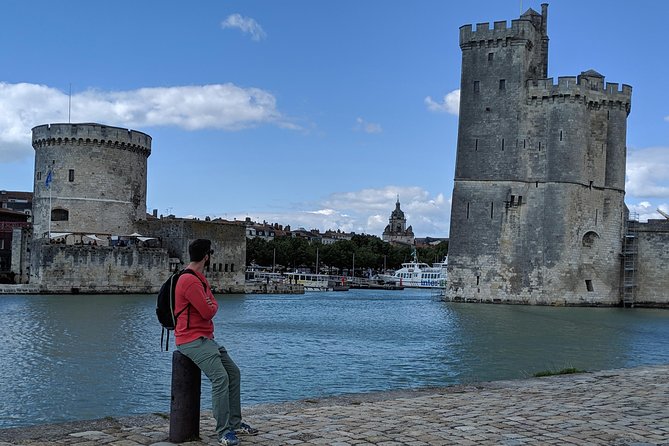
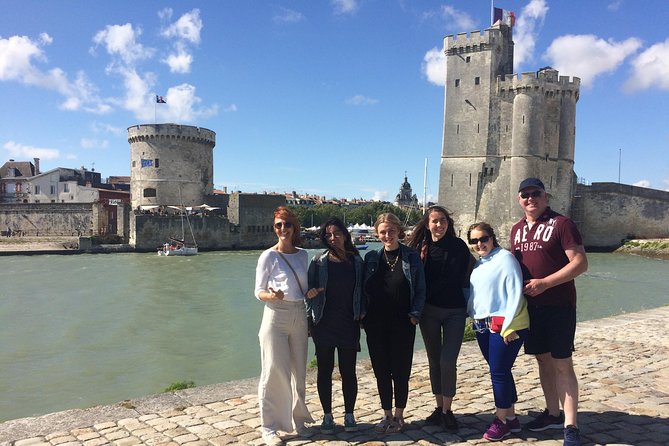
The walk begins at Place de la Chaîne, outside the Chain Tower. This is one of the best places to begin because the harbor immediately explains La Rochelle’s identity. The towers once guarded the entrance to the old port, and they remain the city’s most recognizable symbols.
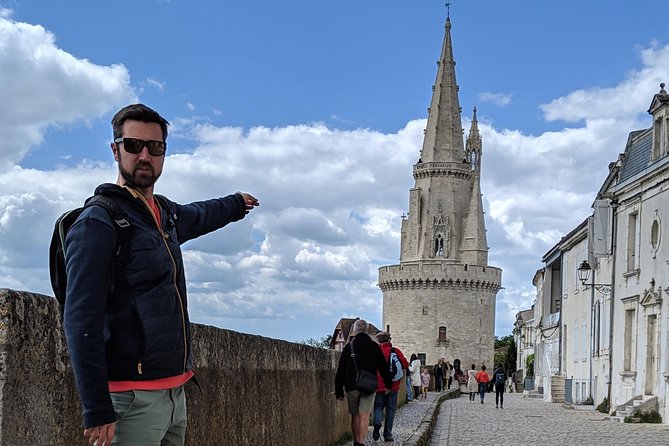
You then stop outside the Lantern Tower before finishing the tower section beside Saint Nicholas Tower. The itinerary gives about ten minutes to the tower area, so expect an introduction rather than an interior visit. John’s role here is to explain how the towers fit together and why this entrance mattered to a port city.
The old port appears several times during the route. You begin and end the walk beside it, and you pass it again along the way. That repeated view is useful. Instead of treating the harbor as a single postcard stop, you see it as the thread connecting La Rochelle’s commerce, defense, fishing, and modern waterfront life.
The towers are not included for entry, so this is a point to consider before booking. If your main goal is to climb the towers and spend time inside them, you will need more time and extra admission. If you want context before visiting on your own, the arrangement works very well.
From Porte des Deux Moulins to Plage de la Concurrence
From the Lantern Tower, the route passes through Porte des Deux Moulins toward Fort des Dames. The walk then reaches Plage de la Concurrence, where the focus widens beyond the old harbor.
You stop for about ten minutes beside the beach and discuss western La Rochelle, including the newer port and the city’s role during World War II. This is one of the most useful parts of the route because it prevents the city from becoming only a medieval-history lesson.
The beach stop also gives you a change of scene. After towers and stone streets, you see the open waterfront and hear how the city developed beyond its original defenses. The tour does not promise a long beach visit, so think of this as a short outdoor history stop rather than time for swimming or sitting by the shore.
If the weather is uncertain, dress for an exposed waterfront. One person who took the walk in poor weather still found the content worthwhile, but the route is outdoors from start to finish. Comfortable shoes and a rain layer are sensible choices.
The old city through Grosse-Horloge
The Porte de la Grosse-Horloge marks the passage between the harbor and the old city. Here John discusses the original city walls and the role of trade in La Rochelle’s earlier development.
This stop helps you read the streets around you. The old entrance was not just a decorative gateway. It controlled movement between the port and the town, and it points to the commercial importance of La Rochelle. The tour’s value comes from that kind of explanation. You begin to notice why the streets run as they do and why the old center feels tied so closely to the water.
The route also passes a statue of a famous French war hero. The information provided does not name the figure, so the stop is best understood as a brief point of interest rather than a major visit. John uses small details like this to keep the walk moving while adding more pieces to the city’s public story.
This section is likely to feel lively and urban, with short walks between stops. John has been praised for keeping a good pace and making room for questions. That matters in a group setting, especially when people have different walking speeds and interests.
A few other France half-days to compare
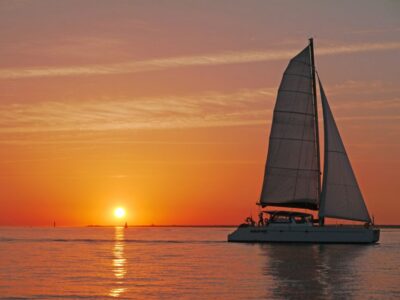
- La Rochelle: 2-Hour Sunset Sailing Cruise
★ 4.8 · 652 reviews - Planet Exotica entrance ticket
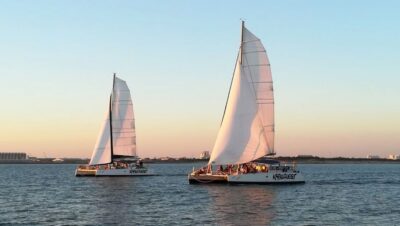
★ 4.0 · 310 reviews - La Rochelle: Catamaran Cruise
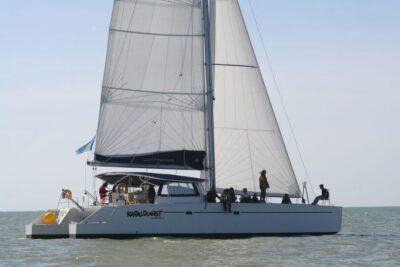
★ 4.8 · 252 reviews - La Rochelle: Coastline Sailing Cruise
★ 4.7 · 240 reviews
Hotel de Ville and the roots of La Rochelle
At the Hôtel de Ville, the tour turns to the oldest working town hall in France and its role in the growth of La Rochelle. The building provides a natural way to discuss civic power, local government, and the city’s changing fortunes.
You stop for about ten minutes outside. Again, this is not an interior tour. The point is to understand how the town hall fits into La Rochelle’s development and why this building matters beyond its façade.
The next major stop is Place de Verdun, outside the cathedral. This is a shorter stop, about five minutes, and it covers the origins of La Rochelle. Together, the town hall and cathedral create a useful pair: one represents civic life, while the other opens the door to religious and social history.
The route does not try to give every building equal time. That is a good choice for a two-hour walk. You receive enough context to decide which places deserve a return visit, rather than spending the entire tour inside one monument.
The central market and local tastes
At Marché Central de La Rochelle, the focus shifts to commerce, food, and drink. This is where the tour becomes especially practical for anyone staying in town for more than a few hours.
John discusses how commerce developed and points out regional specialties. The walk may also include a tasting, with Pineau specifically mentioned as one possible introduction to local flavor. You should treat this as an occasional bonus rather than a guaranteed formal tasting, but it adds a pleasant local touch.
Food advice is one of the tour’s strongest benefits. John has offered tips on restaurants, bars, cheese shops, and the Rue Restau, a useful area for dining. If you are unsure where to eat that evening, ask direct questions about your budget and the kind of meal you want.
The market stop also connects daily life to the larger story. Ports grow through exchange, and markets show how that exchange reaches the table. You get more from the experience if you pay attention to both the buildings and the food culture.
Walls, parks, boutiques, and a bohemian quarter
The route then moves through a park on the way back from the western side of La Rochelle to the center. You also walk along the only surviving section of the city walls.
That surviving wall offers a physical link to the defensive city described earlier. It is a short section, not a vast fortification complex, but it helps you picture the boundaries that once shaped movement and trade.
The walk passes another famous La Rochelle landmark and then enters a bohemian neighborhood with distinctive boutiques and bars. This is a welcome change from formal monuments. You see a side of the city that is less about grand history and more about how the old center is used today.
The itinerary also passes through a spot associated with a famous Guingette, where you may see something happening. The exact event is not guaranteed, so consider it a chance to notice local activity rather than a scheduled show.
These unscheduled-looking details are part of the walk’s appeal. John appears willing to respond to what is happening around the route, while still keeping the main story on track. That gives the experience a more personal feel than a fixed list of monuments.
Saint-Sauveur church and the scars of religious conflict
At Église St-Sauveur, you stop outside for about five minutes. The church is presented as a famous relic of La Rochelle and an example of the effects of the iconoclastic wars.
This is a compact but important stop. Religious conflict left marks on buildings across France, and La Rochelle’s church offers a concrete way to discuss that past. You do not need specialist knowledge to follow the point. John explains how the building reflects periods when religious images and decoration were attacked or removed.
Because the stop is outside, you should not expect a full examination of the interior. The benefit is the setting and the context, followed by the chance to return later if the church interests you.
The tour’s repeated use of short stops works here. Five minutes may sound brief, but it keeps the overall route moving and leaves room for the harbor, market, walls, and old city.
The lighthouse at Quai Valin
The final listed stop is the Phare du quai Valin, where John discusses the importance of La Rochelle’s two lighthouses for maritime navigation. This brings the walk back to the port and ties together the towers, harbor entrance, and working waterfront.
The lighthouse stop lasts about five minutes. It is less about climbing or entering a structure and more about understanding how ships found their way through the harbor. After hearing about defense and trade earlier, you now see another practical side of port life: safe navigation.
The provided meeting information gives the start as Place de la Chaîne and the end as La Rochelle Town Hall. The route details also describe the tower section as finishing beside Saint Nicholas Tower. Since these points differ slightly, check the final meeting instructions carefully before setting out. One past participant found the start a little hard to locate, and the meeting information was later adjusted to make it clearer.
Guide John’s style and group size
John McGuiggan is the central reason this experience feels more personal than a basic audio guide. His approach combines facts with jokes, questions, restaurant suggestions, and small discoveries. He has also continued a tour with just one booked participant, so a small booking does not necessarily mean cancellation.
You can expect an English-language walk led by a guide who knows how to handle a mixed group. The group can include up to 35 people, which is a moderate-to-large walking group. That may make every question or photo stop less intimate, but it also helps keep the price at a reasonable level.
John’s strongest qualities are his local advice and his ability to make the city’s past easy to follow. You may hear about a cathedral light show, local bars, restaurants, cheese, Pineau, and places away from the main commercial streets. This is useful information you can act on the same day.
The tone is not formal or academic. If you want a specialist lecture with detailed architectural analysis, this may feel light. If you want history delivered clearly, with humor and practical help, it is a better match.
Who should book this La Rochelle walking tour
This tour suits you best if you are visiting La Rochelle for the first time, especially if you have only one day or a short stop from a cruise ship. One past booking fit the walk into less than eight hours in town, using it as a fast way to understand the port and old center.
It is also a good choice for a first morning. You get the layout of the town, learn which sights deserve a second look, and receive ideas for lunch, dinner, drinks, and local products. Families and mixed-age groups may appreciate the short stops and steady pace, though a large group can make it harder to stay close to the guide.
You should think twice if you want extensive interior access. The tour does not include entry to the towers, and the stops at the town hall, cathedral, church, and lighthouse are outside. It is a city orientation with historical interpretation, not a museum or monument tour.
Most people can participate, service animals are allowed, and the route is near public transportation. You still need to be ready for two hours on foot, with weather exposure at the beach and harbor.
Booking value and final advice
The $48.39 price is fair for a two-hour English walking tour that covers so many parts of La Rochelle. You are paying less for admission-based sightseeing and more for a guide who turns separate places into one understandable story.
The strongest value comes from using the tour as a starting point. Book it early in your visit, listen closely to the food and restaurant advice, and keep time afterward for the tower interiors or any church and museum visits that catch your interest. Free cancellation is available if you cancel at least 24 hours before the start time. Changes or cancellations inside that window are not refunded.
Book this tour if you want a friendly overview, local suggestions, and a broad look at La Rochelle in two hours. Skip it if your priority is entering every major monument or exploring at your own slow pace. For a short visit, a first morning, or a cruise stop, the walk makes particularly good sense.
FAQ
How long is the Discover La Rochelle walking tour?
The tour lasts approximately two hours.
What language is the tour offered in?
The walking tour is offered in English.
Where does the tour start?
The listed starting point is Place de la Chaîne, La Rochelle, France, outside the Chain Tower.
Where does the tour end?
The listed end point is La Rochelle Town Hall at 3 Place de l’Hôtel de Ville. The route details also refer to the tower section finishing beside Saint Nicholas Tower, so check the final meeting information before departure.
Are tower admission tickets included?
No. Access and entry to the Towers of La Rochelle are not included in the tour price.
How many people can join the tour?
The activity can have a maximum of 35 participants.
Is the tour suitable for most people?
Yes. Most people can participate, and service animals are allowed. You should be prepared to walk outdoors for about two hours.
Can I cancel for a full refund?
Yes, if you cancel at least 24 hours before the experience start time. Cancellations or changes made less than 24 hours before the start time are not refunded.
Just listed in France
- Catamaran Lucile | La Grande Motte Guided tours of the ports★ 4.6 · 48 reviews
- Paris: Louvre Mona Lisa Discovery Guided Tour with Ticket★ 4.9 · 48 reviews
- tasting workshop of 6 to 8 wines with charcuterie chocolate cheese★ 5.0 · 48 reviews
- Cannes: Lérins Islands Private Boat Tour★ 4.9 · 48 reviews
- Paris Photoshoot: Eiffel Tower Exclusive Private Experience★ 5.0 · 48 reviews
- The Grand Bike Tour of Lyon – 3h★ 4.5 · 48 reviews
- Lyon: Electric Boat Rental Without a License★ 4.7 · 48 reviews
- Alsace Christmas Markets Day Tour from Strasbourg★ 4.5 · 48 reviews
La Rochelle Tours, compared.

Browse the lists this tour appears in