
Reviewed · MONTMARTRE & SACRE-COEUR TOURS
German private Walking Tour through Montmartre & Passages
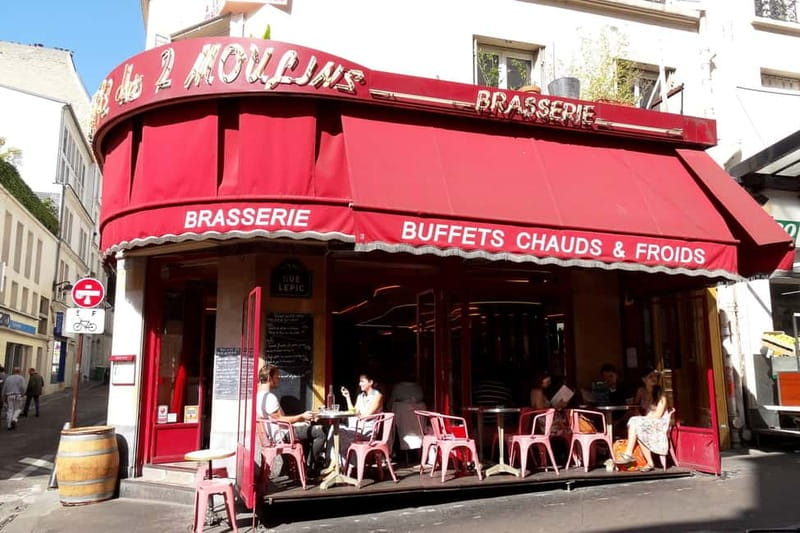
Montmartre gives you Paris at its most theatrical: red windmills, steep lanes, artists’ stories, Sacré-Cœur, and the famous Place du Tertre. This private German-language walk then shifts to the Grands Boulevards, where 19th-century passages lead you toward Opéra Garnier and the world of the Phantom of the Opera.
I like the mix of major sights and quieter corners, and I like having a private guide who can adjust the pace and explain local details in German. The main caution is the amount of ground covered in four hours. With small children, a long lunch stop can eat into the walking time, and the exact end point needs checking because the route names Opéra Garnier while the meeting information also mentions returning to the starting point.
Key points to know before booking
- A private German-language walk: Your group has its own live guide rather than joining a large public tour.
- Montmartre beyond Sacré-Cœur: Expect famous sights, artist stories, and less crowded corners of the quarter.
- A strong historical pairing: The route connects Montmartre’s painters and cabarets with the grand boulevards and Parisian shopping passages.
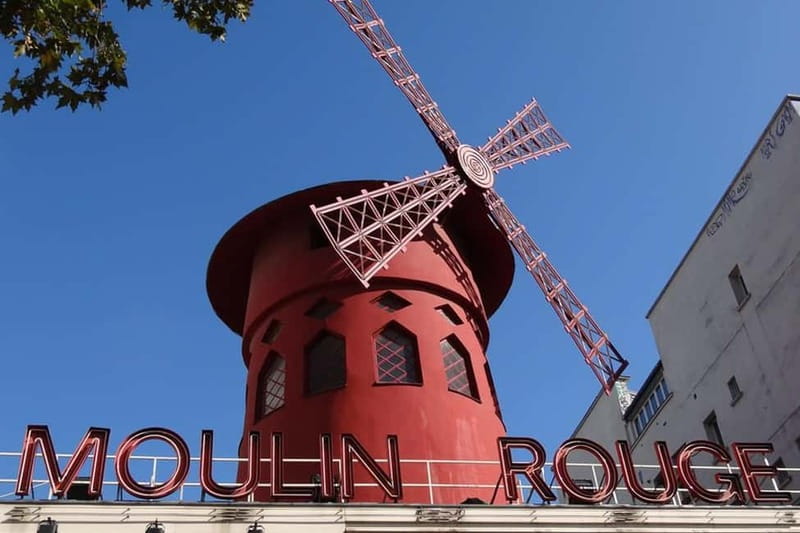
- Three major Montmartre stops: Moulin Rouge, Sacré-Cœur Basilica, and Place du Tertre anchor the first part of the walk.
- The passages are a special feature: Passage Jouffroy and Passage Verdeau offer a look at covered 19th-century Paris.
- Best for German speakers who want context: The tour is most useful if you enjoy stories and background, not just photo stops.
Starting at Moulin Rouge on Place Blanche
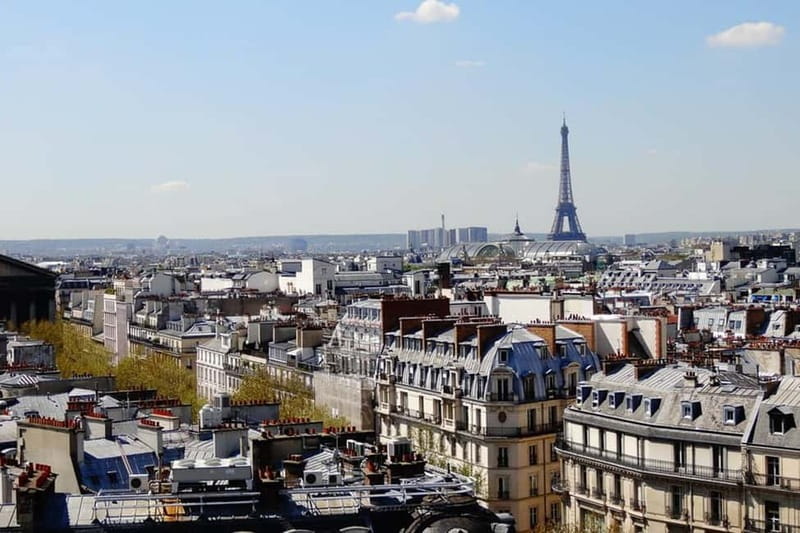
The tour begins at Metro station Blanche, on the small traffic island in front of Moulin Rouge. Look for the guide carrying a HelpTourists bag. This is a clear meeting point, but Place Blanche can feel busy, so arrive with enough time to find the correct spot.
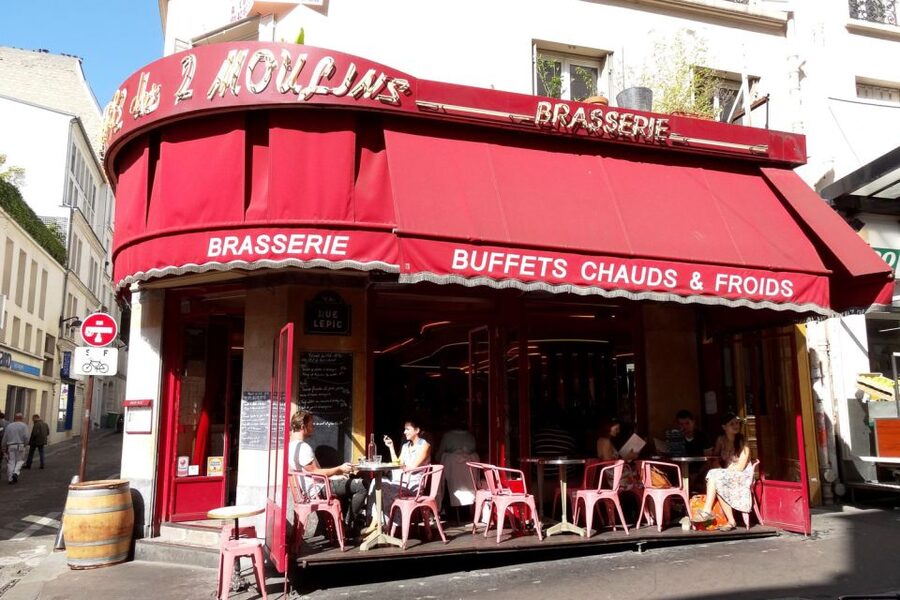
Moulin Rouge is an apt starting place. It puts you straight into Montmartre’s cabaret world, rather than easing into the neighborhood through a quiet residential street. Your guide uses the famous red windmill as a springboard for the story of the district and its place in Paris culture.
You do not need to plan separate transport between stops. This is a walking tour from start to finish, so wear comfortable shoes and expect uneven streets, slopes, and stairs in Montmartre. The route covers a lot, and the four-hour length works best when you keep lunch and extended shopping for later.
More Walking Tours in Paris
- Paris Top Sights Half Day Walking Tour with a Fun Guide
★ 5.0 · 2,893 reviews - Montmartre Hidden Gems and Scenic Highlights Walking Tour
★ 5.0 · 2,684 reviews - Montmartre Hill French Gourmet Food and Wine Tasting Walking Tour
★ 5.0 · 2,588 reviews
Montmartre, where artists and cabarets shaped Paris
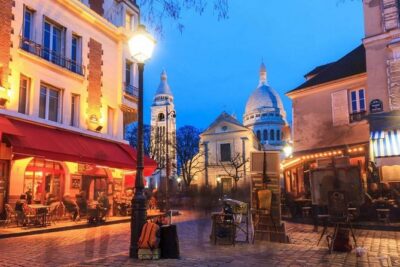
Montmartre is more than a hill with a white basilica on top. The tour focuses on the artists who lived and worked here in the late 19th and early 20th centuries, a period when the neighborhood had a strong connection to painters, performers, writers, and cabaret life.
I like this part of the experience because the guide can connect the buildings and streets to the people who used them. Instead of seeing Montmartre as a collection of picturesque corners, you get a sense of why artists were drawn to this part of Paris and how its reputation developed.
The supplied rating is 4.9 from 74 ratings, and the strongest praise centers on local stories, useful facts, and details about the 19th district. Katharina is named as a particularly well-liked guide, so if you have flexibility, it is worth asking whether she is available for your date. Guide assignments can vary, so do not assume she will lead every departure.
The private format helps here. In a large group, you may hear a standard explanation and move on. With your own German-speaking guide, you can ask about a particular artist, pause for a photo, or request more detail about a street that interests you.
Sacré-Cœur and the views from Montmartre
Sacré-Cœur Basilica is one of the tour’s headline sights. Its white domes are visible from much of Paris, and its hilltop position gives you one of the city’s best broad views.
The guide includes the basilica as a sightseeing stop, but the supplied details do not promise interior entry or a climb into the dome. Think of this as an important exterior and neighborhood visit unless your guide confirms otherwise. That distinction matters if seeing the inside is a main reason for booking.
The hill is also the physical challenge of the first part of the walk. Montmartre is not flat, and the route’s charm comes partly from its lanes and changes in level. If someone in your group has limited walking stamina, ask about the pace before setting out. The tour is private, so the guide may be able to manage breaks, but no special accessibility arrangement is stated.
The view is a good reason to keep your camera ready, yet it is not the only value of this stop. Your guide places Sacré-Cœur within the wider story of Montmartre, helping you see the basilica alongside the artists’ quarter rather than as an isolated monument.
Place du Tertre and the public face of Montmartre
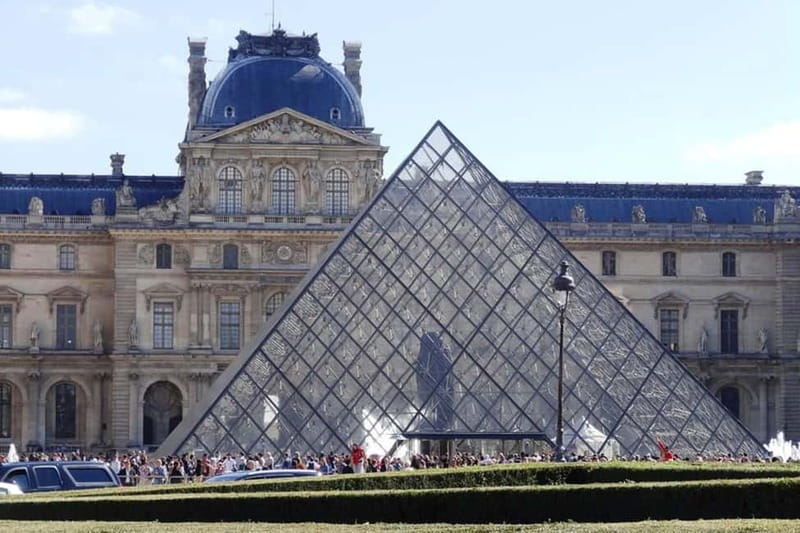
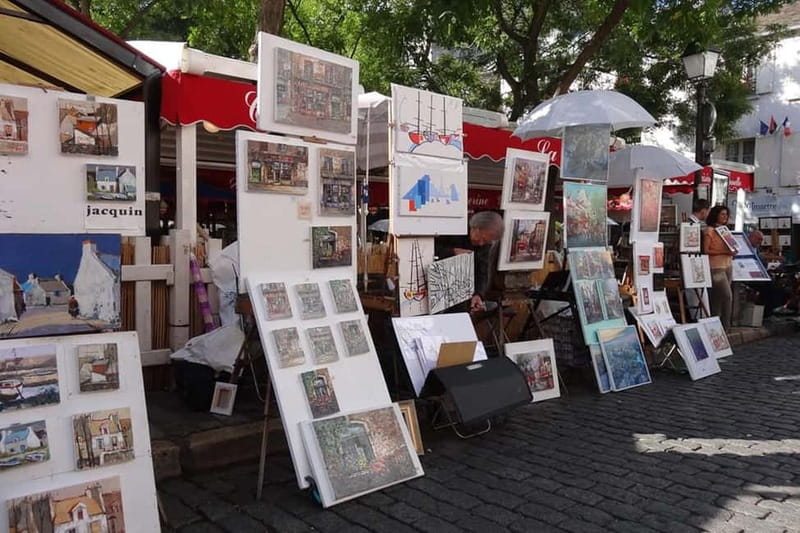
Place du Tertre is the famous artists’ square and one of the most recognizable spots in Montmartre. It is also the part of the neighborhood most likely to feel designed for sightseeing, with its strong postcard appeal and well-known connection to painters.
The useful part of the visit is the context. Your guide can explain the square’s role in Montmartre’s artistic identity and provide insider information that a quick photograph cannot give you. At the same time, you should expect this to be a popular stop, not a quiet secret.
The tour does not stop at the square. It also points you toward lesser-known parts of Montmartre, which is one of the best reasons to choose a private walk over a simple route between Moulin Rouge and Sacré-Cœur. The contrast gives you both the familiar Paris image and a less polished side of the district.
A few other Paris half-days to compare
- Paris: Moulin Rouge Cabaret Show Ticket with Champagne
★ 4.7 · 16,088 reviews - Paris: Dinner Show at the Moulin Rouge
★ 4.8 · 3,333 reviews - Seine Dinner Cruise, Eiffel Tower Access and Moulin Rouge Show
★ 4.0 · 2,310 reviews - Paris: Montmartre Cheese, Wine & Pastry Guided Walking Tour
★ 4.8 · 2,255 reviews
The quieter corners of the artists’ quarter
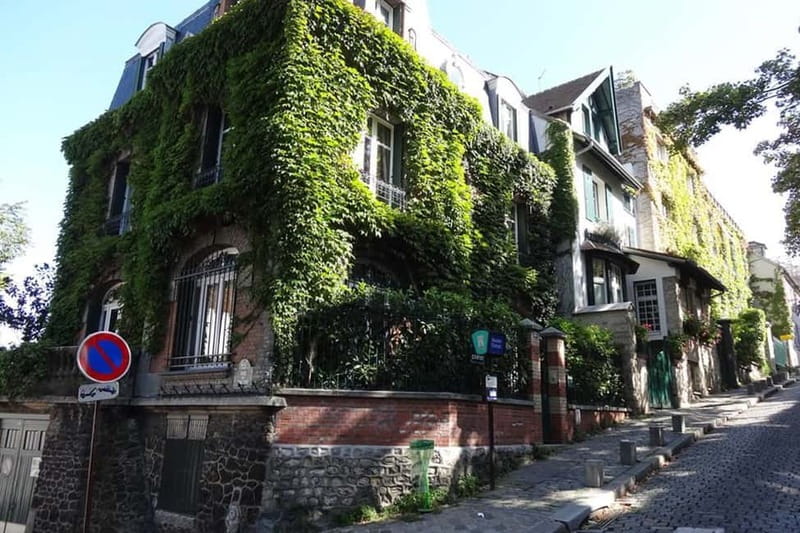
The Montmartre section includes places away from the main crowds. The exact streets are not specified, which means the experience may depend on your guide and the conditions on the day.
That uncertainty is not necessarily a problem. It allows the guide to shape the walk around the group and the neighborhood rather than forcing every departure into a rigid script. Still, if you want a precise list of hidden streets or named landmarks, this tour does not provide one in advance.
This is where the private format has its clearest value. You can tell the guide whether you prefer art history, architecture, local stories, or photography. German-speaking visitors who find it easier to ask questions in their first language will get more from these informal pauses than they might from a recorded audio guide.
From Montmartre to the Grands Boulevards
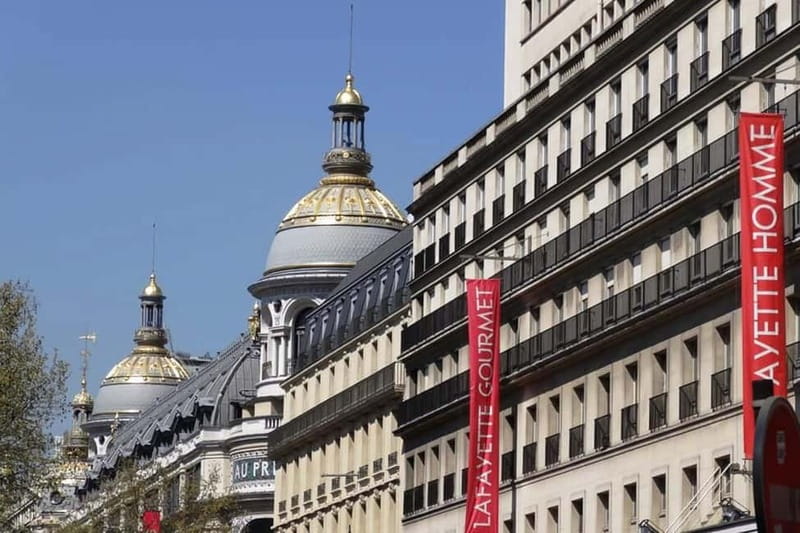
After Montmartre, the route continues to the Grands Boulevards, described as the oldest boulevards in Paris. This changes the mood of the tour. The narrow hill streets give way to broad city avenues and views across central Paris.
The boulevards are valuable because they show another side of the city’s development. Montmartre feels personal and hilly, shaped by artists and neighborhood life. The Grands Boulevards feel grander and more urban, with the scale and order associated with Paris’s major avenues.
The route promises a unique view of the city along the way. Since the tour remains on foot, your guide can point out details at street level while also helping you understand how the different districts connect. You are not simply being taken from one monument to another. You are crossing between two distinct versions of Paris.
Passage Jouffroy and Passage Verdeau
The walk’s most distinctive feature is its visit to hidden Parisian passages from the 19th century. Two named stops are Passage Jouffroy and Passage Verdeau.
These covered walkways offer a change from the open boulevards. Their appeal comes from the enclosed arcades, older architectural details, and the sense that Paris once had a larger network of sheltered shopping and strolling routes. They are a fine counterpoint to the city’s famous monuments.
The word hidden should be taken in a practical sense, not literally. These passages are named attractions, but many first-time visitors do not include them in a basic Paris plan. A guide adds value by explaining why they were built, how they fit into 19th-century city life, and what makes them different from the grand avenues outside.
The passages also give you a break from the hillier Montmartre section. That said, you are still on a walking tour, and four hours is a long time to remain on your feet. Plan your energy accordingly.
Opéra Garnier and the Phantom of the Opera
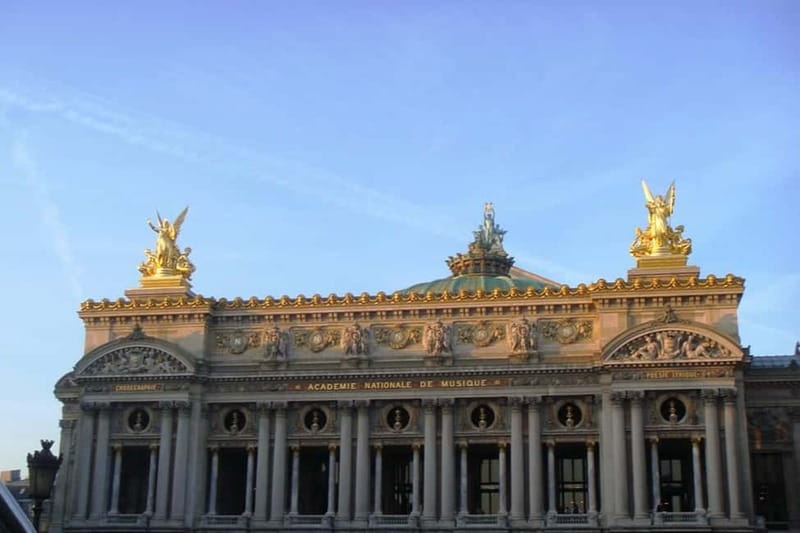
The route finishes at Opéra Garnier, one of Paris’s most impressive landmarks. The guide also covers the story of the Phantom of the Opera, adding a literary and theatrical thread to the final section.
This is a smart ending because it brings the cabaret atmosphere of Moulin Rouge back into the picture. You begin with a famous Paris performance venue and finish near another, but the two represent different sides of the city’s stage culture.
The tour promises information about the history of the Phantom of the Opera, but it does not state that you enter the opera house. If you want an interior visit, check what is included before booking. The activity is described as a walking tour with sightseeing stops, not as an admission tour.
There is one practical point to clarify. The route lists Opéra Garnier as the finish, while the meeting information says the activity ends back at the meeting point. Those locations are not the same. Confirm the final drop-off point before the tour, especially if you have a restaurant reservation, museum ticket, or train connection afterward.
What $183 per person gets you
At $183 per person, this is not a budget introduction to Paris. You are paying for four hours of private guiding, a German-speaking city guide, and a route that combines major sights with less obvious stops.
The value depends heavily on your group size. For two people, the per-person cost is a serious expense. For a family or small group sharing the private booking, the price may make more sense, especially if everyone wants the tour in German and prefers not to follow a fixed public group.
Children younger than 12 can join free of charge, which improves the arithmetic for families. Still, young children may not enjoy four hours of continuous walking, and a long restaurant stop can reduce the time available for the tour. One family experience lost two hours to lunch after hoping for a quick meal, so keep food breaks short or eat before you start.
The private setup also gives you something a standard sightseeing pass does not: a person who can answer questions as you go. If you already know Montmartre well, the price may feel high. If you want a clear story told in German and a guide who can connect several neighborhoods, the cost is easier to justify.
Who will enjoy this four-hour walk?
I would choose this tour if you meet several of these conditions:
- You want a private experience rather than a large group.
- German is your preferred language for history and questions.
- You want both famous sights and quieter parts of Montmartre.
- You enjoy walking and can manage hills and several hours on foot.
- You want to connect Montmartre with the Grands Boulevards and Opéra district.
- You are visiting Paris for the first time and want orientation through several central areas.
I would be more cautious if your priority is entering Sacré-Cœur or Opéra Garnier, since interior admission is not stated. I would also choose a shorter activity for very young children unless your group is comfortable with a long walk and limited meal time.
The tour is flexible in one important way: it is private. You can ask questions, request a slower pace, and spend more time on the subjects that matter to your group. The actual route remains substantial, so flexibility does not turn it into a relaxed café stroll.
Booking details that matter
The live tour guide speaks German, and the group is private for your party only. The duration is four hours, with starting times shown according to availability.
You can cancel up to 24 hours in advance for a full refund. A reserve-now, pay-later option is also offered, which helps if your Paris schedule is still changing.
Meet at Metro Blanche, line 2, on the small traffic island in front of Moulin Rouge. Look for the HelpTourists bag. Before booking, confirm the end point because the route description names Opéra Garnier while the meeting note says the activity returns to the starting point.
Should you book this Montmartre and passages tour?
Book it if you want a German-speaking private guide, a strong dose of Montmartre, and more than the usual Sacré-Cœur photo stop. The artist stories, Place du Tertre, Grands Boulevards, Passage Jouffroy, Passage Verdeau, and Opéra Garnier make a well-connected four-hour route.
The best reason to choose it is the combination of famous Paris and less familiar streets. The main caution is value: $183 per person is a premium price, so it works best for a group that will use the private format and ask plenty of questions. Confirm the guide, the final meeting point, and whether any interior entries are included before paying.
FAQ
Where does the tour begin?
It begins at Metro station Blanche, line 2, on the small traffic island in front of Moulin Rouge in Paris.
How do I identify the guide?
Look for a guide carrying a HelpTourists bag.
What language is the tour in?
The live tour guide speaks German.
Is this a private tour?
Yes. The tour is reserved for your group only.
How long does the tour last?
The walking tour lasts four hours.
What are the main sights in Montmartre?
The route includes Moulin Rouge, Sacré-Cœur Basilica, Place du Tertre, and other parts of Montmartre.
Does the tour visit the Grands Boulevards?
Yes. The route continues to the Grands Boulevards after the Montmartre section.
Which historic passages are included?
The named passages are Passage Jouffroy and Passage Verdeau.
Does the tour include Opéra Garnier?
Opéra Garnier is included as a sightseeing stop and is named as the finish in the route description. Interior admission is not stated.
Can children join the tour?
Children younger than 12 can join free of charge.
Can I cancel for a refund?
You can cancel up to 24 hours in advance for a full refund.
Can I reserve now and pay later?
Yes. The activity offers a reserve-now, pay-later option.
Just listed in Paris
- Paris: Giverny & Versailles Small Group or Private Tour★ 4.5 · 49 reviews
- Chartres Cathedral 5 Hours Tour from Paris with Private Transport★ 4.5 · 49 reviews
- Paris: Louvre photoshoot or Seine bridges Eiffel Tower walk★ 5.0 · 49 reviews
- Paris: Choux Pastry and Chocolate Éclair Making Class★ 4.9 · 50 reviews
- Private tour of the Champagne area, meet local producers and taste their Champagne, start from your hotel in Paris.★ 5.0 · 50 reviews
- Paris Eternelle Notre-Dame Virtual Reality Tour★ 4.5 · 50 reviews
- Normandy D-Day Landing Beaches Private Day Trip from Paris★ 5.0 · 50 reviews
- Disneyland® Paris 1 Day with Round-Trip Train Tickets from Paris★ 4.0 · 50 reviews
Montmartre & Sacre-Coeur Tours, compared.

Moulin Rouge Cabaret Show Ticket with Champagne
Read our review →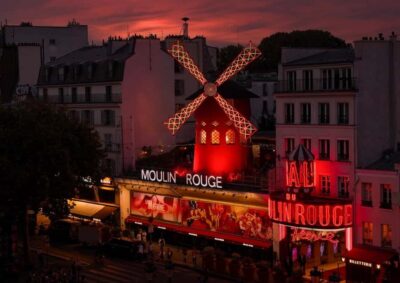
Montmartre Hidden Gems and Scenic Highlights Walking Tour
Read our review →
Montmartre Hill French Gourmet Food and Wine Tasting Walking Tour
Read our review →
Seine Dinner Cruise, Eiffel Tower Access and Moulin Rouge Show
Read our review →
Montmartre Cheese, Wine & Pastry Guided Walking Tour
Read our review →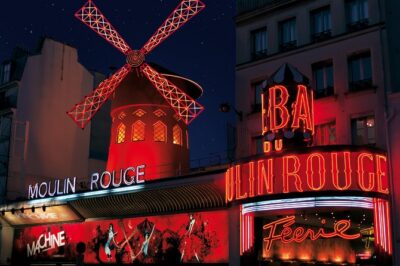
Montmartre Highlights Walking Tour with a Local Guide
Read our review →Browse the lists this tour appears in