
Reviewed · LOIRE VALLEY CHATEAUX TOURS
Amboise: Clos Lucé Castle, Da Vinci Park and Museum Ticket
Leonardo da Vinci spent his final three years at Château du Clos Lucé, working for King Francis I and refining ideas that ranged from flying machines to military engineering. You can walk through his home, restored workshops, and peaceful gardens, then see those ideas rebuilt in hands-on displays.
I like the way the visit joins art and science without treating Leonardo as only the painter of the Mona Lisa. I also like the park’s life-size machines and interactive stations, which give children something to do while adults take in the history and design.
The main consideration is time and energy. The grounds are larger than the château suggests, the approach includes an uphill walk, and some visitors may find the $23 ticket expensive if they only allow an hour. Plan on at least two hours, and longer in good weather.
Key points to know before you go
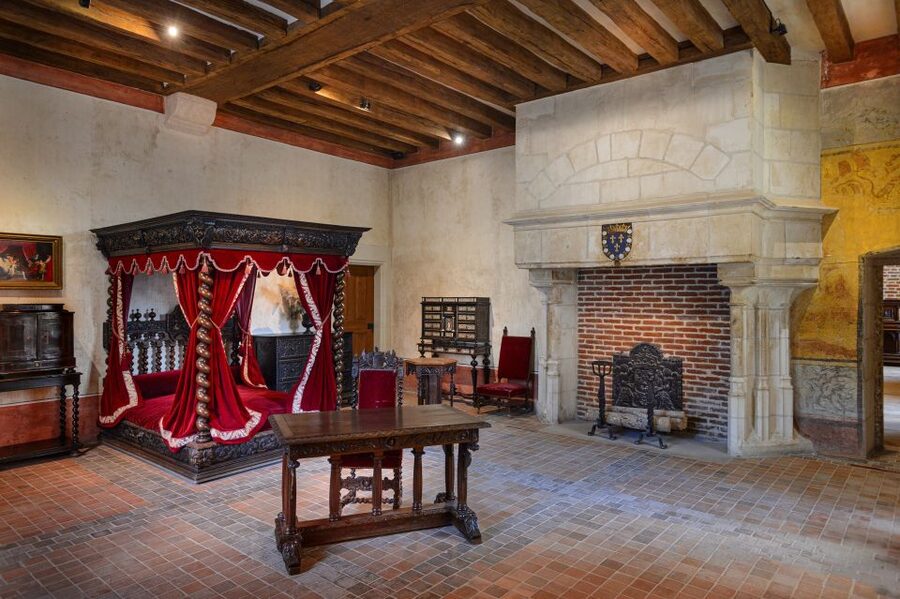
- Leonardo’s final French home: See the rooms, Renaissance furnishings, and restored workshops where he lived and worked from 1516 until his death on May 2, 1519.
- A park built around invention: Follow a trail featuring 20 giant interactive machines, 40 translucent panels, and eight audio stations.
- Forty recreated inventions: Study models and full-size constructions tied to military engineering, mechanics, urban planning, hydraulics, and flight.
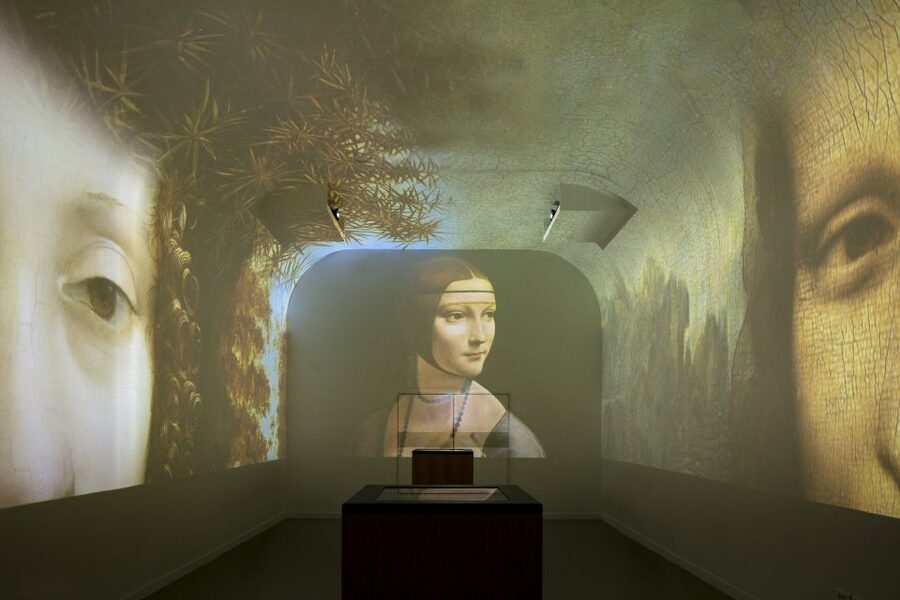
- More than a painting museum: A newer interactive cultural space looks at Leonardo’s work in painting and architecture.
- Best for a half-day visit: The château can be seen fairly quickly, but the park, exhibits, cafés, and shaded resting areas reward extra time.
- Self-guided and wheelchair accessible: A guided tour is not included, but the site is designed for independent exploration.
Why Clos Lucé matters in Leonardo’s story
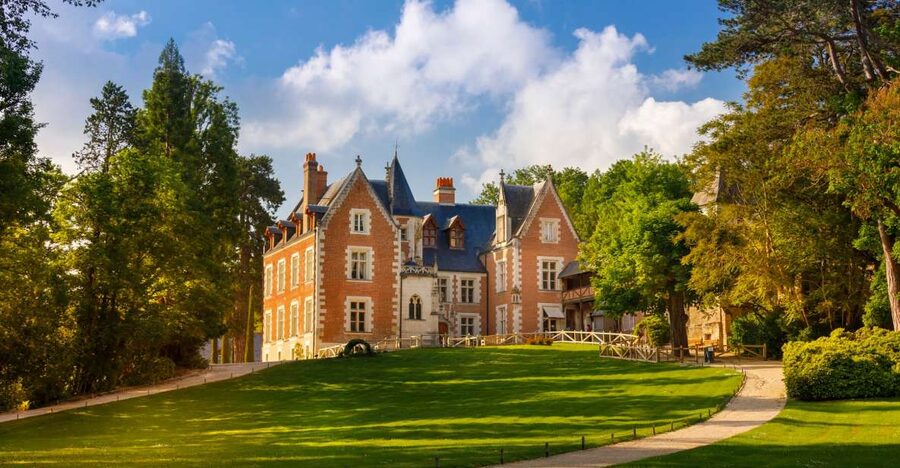
Clos Lucé is not simply a museum with Leonardo’s name attached to it. This is the house where he spent the last three years of his life after King Francis I invited him to France. Leonardo arrived in Amboise in 1516 and brought paintings, notebooks, scientific studies, and a lifetime of unfinished ideas with him.
The king gave him the title of First Painter, Engineer, and Architect to the King. Leonardo continued studying, drawing, planning, and refining inventions here before dying on May 2, 1519. That setting gives the visit a useful human scale. You are not only looking at a famous artist’s work in a gallery. You are stepping into the final home of an elderly Renaissance thinker still trying to understand how the world worked.
I find that context important because Leonardo’s fame can reduce him to a few familiar images. Clos Lucé widens the picture. His interests included water movement, machines, city design, military technology, anatomy, painting, and architecture. The visit works best when you treat it as a portrait of a restless mind rather than a shrine devoted only to the Mona Lisa.
A few other France half-days to compare
- Loire Valley Castles Day Trip from Paris with Complementary Wine
★ 4.5 · 3,907 reviews - From Paris: Loire Valley Castles Day Trip With Wine Tasting
★ 4.6 · 1,727 reviews - Chenonceau Castle Admission Ticket
★ 4.7 · 1,515 reviews
Inside the château: rooms, workshops, and daily life
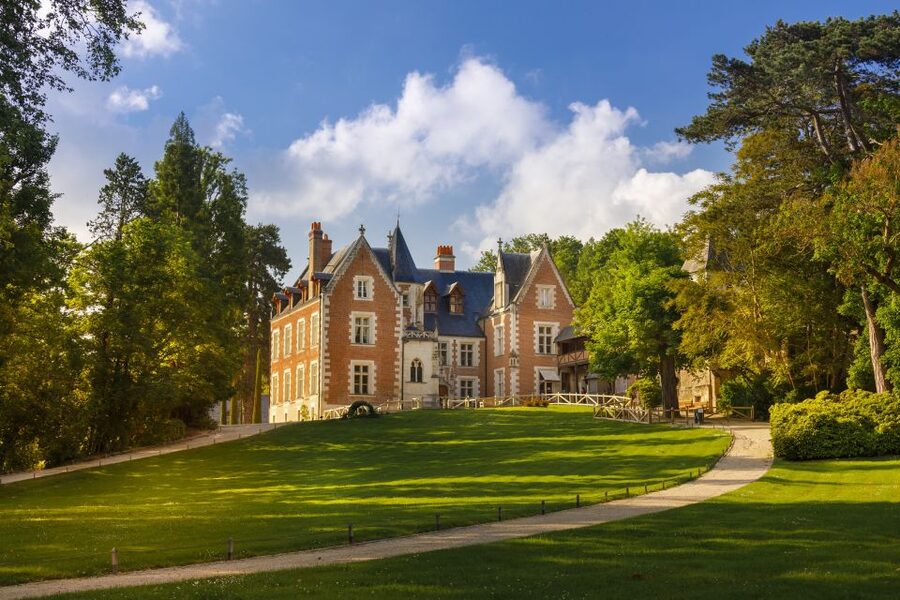
Begin inside the château, where the displays focus on Leonardo’s private world. You can explore his apartments, Renaissance rooms, and newly restored workshops. The house is smaller and more intimate than the grand royal château in nearby Amboise, and that difference is part of its appeal.
The rooms help you picture Leonardo living and working under royal protection. They also give you a break from the large outdoor displays. If the weather is hot, cold, or wet, spend time indoors before heading through the park.
The restored workshops are especially useful because they connect the historical setting with the practical work Leonardo carried out. You can consider how his drawings became plans, studies, and models. Some displays focus on inventions connected with military engineering, urban planning, mechanics, flying machines, and hydraulics.
You should keep your expectations realistic. These are recreated models and interpretive exhibits, not working Renaissance laboratories. One useful criticism is that many inventions are fixed in place rather than movable or fully accessible to visitors. You can see how the designs work, but you may not be able to operate every machine.
English-language information is available in booklet form, according to one account of the visit, and the site is arranged for self-guided touring. That suits you if you prefer to stop where you like and set your own pace. It also means you should allow time to read, since no guided tour is included with the ticket.
Forty invention models bring the drawings to life
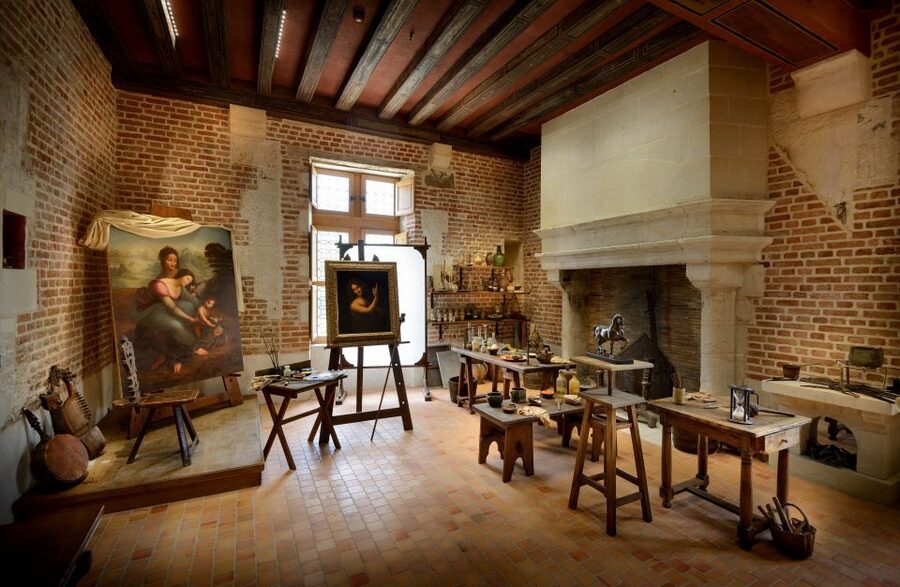
The invention displays are the heart of the visit for many people. Around 40 models show how Leonardo’s drawings might have worked when translated into three-dimensional form. Some are miniature constructions, while others are life-size pieces placed around the grounds.
This approach makes Leonardo’s ideas easier to understand. A sketch of a flying machine can seem abstract on a page. A large model gives you a sense of scale, structure, and the practical problems Leonardo was trying to solve.
The subjects cover a remarkable range:
- Military engineering
- Urban planning
- Mechanical devices
- Flying machines
- Hydraulic systems
- Architectural ideas
I particularly like this range because it explains why calling Leonardo simply an artist misses the point. His paintings were only one part of his work. The machines show a man who watched nature closely and tried to turn observation into design.
Do not expect a modern science center with buttons on every display. Some equipment is there to examine rather than operate. Still, the models are clear enough to make the basic ideas accessible, especially for families and anyone who enjoys the history of science.
The outdoor constructions are often easier to grasp than the indoor models because you can walk around them and judge their size. They also break up the museum visit. Instead of moving from one case to another, you shift between rooms, trees, bridges, and open-air installations.
The park is more than a pleasant garden
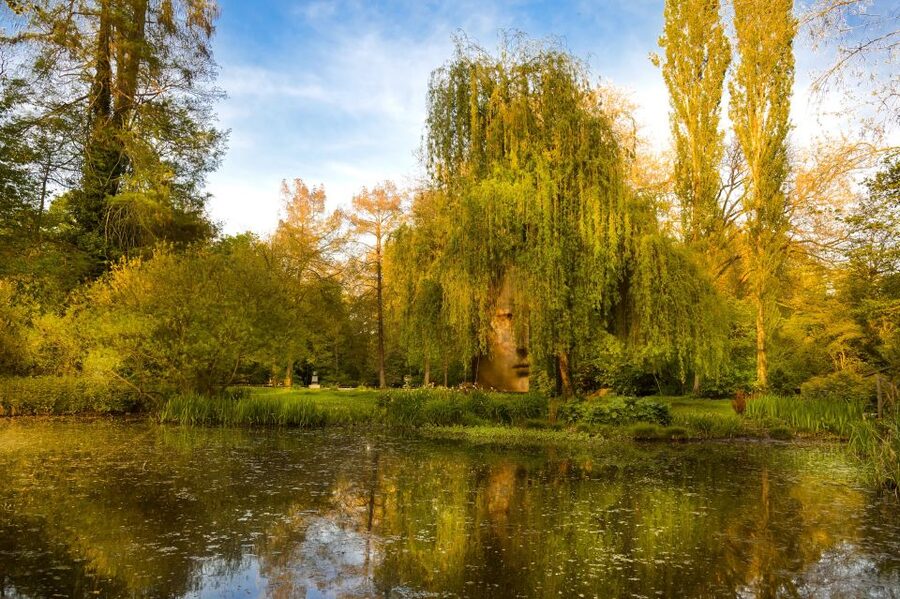
The Da Vinci Park is not just a patch of lawn behind the house. It acts as an open-air museum built around Leonardo’s interest in the natural world. A landscaped trail leads you through displays connected with water, movement, flight, design, and observation.
The park includes 20 giant interactive machines, eight audio stations, and 40 translucent canvases. The audio points and canvases add explanation without forcing you into a fixed route. You can pause, listen, take photographs, or simply sit under the trees.
The translucent panels are a smart way to link nature and technology. They help you look at plants, water, movement, and structure through Leonardo’s eyes. The result is less formal than a standard museum and more playful than a historic-house tour.
Families should allow extra time here. Children can test some of the interactive elements and see the large invention models at close range. Adults get a calm walk with enough historical material to keep the visit from becoming a simple garden stroll.
The park also gives the experience breathing room. After the concentration required in the château, you can slow down and enjoy the setting. There are shaded places and food concessions on site, and a café or restaurant can turn the visit into a relaxed half-day stop rather than a quick museum call.
One practical point: there are not many benches between the buildings. If you use sticks, have limited stamina, or need regular rests, plan your route carefully. The site is wheelchair accessible, but accessible does not always mean effortless. The grounds still require movement between indoor and outdoor areas.
More museums in France:
- Paris: Louvre Museum Timed-Entrance Ticket
★ 4.6 · 71,977 reviews - Louvre Museum Masterpieces Guided Tour with Access
★ 4.5 · 12,023 reviews - Paris: Louvre Museum Entry Ticket With Host and River Cruise
★ 4.6 · 9,926 reviews - Les Invalides: Napoleon’s Tomb & Army Museum Entry
★ 4.6 · 9,185 reviews
The interactive show on painting and architecture
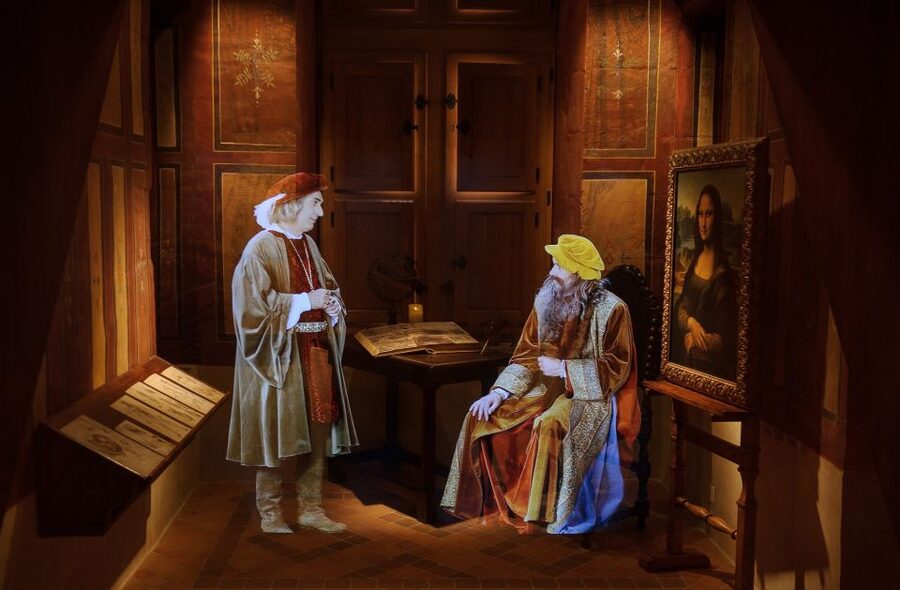
A newer museum space looks at two major parts of Leonardo’s work: painting and architecture. It uses an interactive format, with a virtual or immersive show that presents his ideas through images, sound, and digital effects.
This section gives the visit a different rhythm. The château provides the historical setting, the invention displays explain his practical thinking, and the newer space presents his artistic and architectural work in a more modern way.
I would not treat the digital show as a substitute for seeing original paintings. It is an interpretive experience, designed to help you connect Leonardo’s studies and methods. Its appeal will depend on your taste. If you prefer old rooms and physical objects, the château may be your favorite part. If you enjoy visual technology, this newer section could be the highlight.
The experience also helps explain how Leonardo moved between disciplines. Painting, architecture, engineering, and the study of nature were not separate boxes for him. The show gives you a way to see those connections without needing a specialist background.
Allow time for this area rather than rushing through it at the end. It is easy to spend longer than planned in the gardens, then discover that you have only a few minutes left indoors.
How long to stay and how to plan the day
The ticket is valid for one day, which is useful because Clos Lucé works better as a flexible visit than as a tightly timed attraction. A quick visit can take around two hours, while a slower outing can fill half a day or more.
I would plan three hours if you want to see the château, read the displays, walk through the park, examine the invention models, and stop for food. Add time if you are traveling with children or want to sit in the gardens.
A sensible order is:
- Start with the château and Leonardo’s rooms.
- Continue through the workshops and indoor invention displays.
- Visit the interactive cultural space on painting and architecture.
- Walk the park trail and examine the large machines.
- Finish with a café or restaurant stop if you want a slower ending.
You can reverse that order in hot weather and begin outdoors while the park is cooler. In July and August, the château closes at 8:00 PM, one hour before the park, so do not leave the house for the very end of the day.
The château and park are open all year except December 25 and January 1. Winter can offer a quieter setting, though the outdoor part will depend more on the weather. In warm months, the gardens are a major part of the experience, not an optional extra.
Getting there from Amboise
The meeting point is Château du Clos Lucé in Amboise. Paid private parking is available on Rue du Clos Lucé, about 300 meters from the visitor entrance.
The final approach is worth noting. The château sits up a hill, and the walk can feel demanding if you have mobility limits or are carrying small children. Wear practical shoes, especially if you intend to cover the full park.
You can also reach the site on foot from Amboise station. One account describes the walk as scenic and about 25 minutes in good weather. That may suit you if you arrive by train and enjoy walking, but do not count on finding a taxi waiting outside the station.
The location makes Clos Lucé easy to combine with other Amboise sights, though you should avoid squeezing it into a rushed schedule. The walk, house, gardens, and exhibitions deserve more than a quick photo stop.
Is $23 a fair price?
At $23 per person, the ticket is reasonable if you use the full site. You are paying for the château, the park, invention displays, and interactive installations, not just entry to a historic house.
The value is strongest for people interested in Leonardo’s engineering and scientific work. The park alone can occupy a good part of the day, and the life-size models add something you do not get from looking at reproductions in a book.
The value is less clear if you only want to see Leonardo’s final bedroom and leave. Some people find the ticket expensive for a short visit, especially if they do not spend time in the gardens or newer interactive areas.
There is no guided tour included, so you are paying for a self-directed experience. That can be a saving in time and freedom, but you need to read the displays and make your own connections.
Food on site helps the calculation. You can stay for lunch or a break rather than losing time looking for another place to eat. The Renaissance-style restaurant has also been noted as a pleasant surprise, though food costs are separate from admission.
Who will enjoy Clos Lucé most?
I would recommend this experience to families, museum fans, garden lovers, and anyone curious about the history of science. Children get machines and interactive displays, while adults get architecture, art, and a meaningful look at Leonardo’s final years.
It also suits you if you want a gentler Loire Valley stop between grand château visits. The park offers shade and open space, and the house gives the day a clear historical focus.
Art specialists may find the collection more interpretive than original-art focused. Likewise, visitors expecting every invention to move may be disappointed. The strength here is the combination of setting, models, explanations, and outdoor space.
You should also be prepared for some walking and limited benches. Wheelchair access is available, but the hill and size of the grounds still matter when planning your day.
Should you book it?
Book Clos Lucé if you want to understand Leonardo as an inventor, engineer, architect, and observer of nature, not only as a painter. The château is intimate, the park is unusually hands-on, and the 40 recreated inventions give the visit a clear purpose.
I would skip it only if your Amboise schedule is already packed or you plan to spend less than an hour. At $23, it earns its price when you explore the house, park, interactive show, and outdoor machines at an unhurried pace.
For most people, this is a strong half-day stop. Bring comfortable shoes, allow extra time for the hill and park, and save room for the parts of Leonardo’s work you did not expect to find.
FAQ
Where is Château du Clos Lucé?
Château du Clos Lucé is in Amboise, in France’s Loire Valley. The visitor entrance is near Rue du Clos Lucé, where paid private parking is available about 300 meters away.
What does the ticket include?
The ticket includes access to the Château du Clos Lucé, the park, exhibitions, and interactive installations.
Is a guided tour included?
No. A guided tour is not included. You explore the château, exhibitions, and park independently.
How long is the ticket valid?
The ticket is valid for one day on the booked date. The site can be visited in about two hours, but you may want half a day or more for the gardens and exhibits.
Is Château du Clos Lucé wheelchair accessible?
Yes, the experience is listed as wheelchair accessible. Keep in mind that the site includes outdoor areas and an uphill approach, and there are limited bench seats between buildings.
When is Château du Clos Lucé open?
The château and park are open all year except December 25 and January 1. From July through August, the château closes at 8:00 PM, one hour before the park.
Just listed in France
- Paris: Giverny & Versailles Small Group or Private Tour★ 4.5 · 49 reviews
- Half-Day Walking Food Tour in Nice with Lunch★ 5.0 · 49 reviews
- Chartres Cathedral 5 Hours Tour from Paris with Private Transport★ 4.5 · 49 reviews
- Marseille: Frioul Archipelago Catamaran Cruise with Lunch★ 4.4 · 49 reviews
- Paris: Louvre photoshoot or Seine bridges Eiffel Tower walk★ 5.0 · 49 reviews
- Bonifacio: sunset catamaran trip and aperitif★ 4.6 · 50 reviews
- Paris: Choux Pastry and Chocolate Éclair Making Class★ 4.9 · 50 reviews
- Private tour of the Champagne area, meet local producers and taste their Champagne, start from your hotel in Paris.★ 5.0 · 50 reviews
Loire Valley Chateaux Tours, compared.

Loire Valley Castles Day Trip from Paris with Complementary Wine
Read our review →
Loire Valley Castles Day Trip With Wine Tasting
Read our review →


Loire Valley Castles Trip with Chenonceau and Chambord from Paris
Read our review →
Loire Valley Wine and Castles Small-Group Day Trip from Paris
Read our review →
Loire Valley Day Tour Chambord and Chenonceau plus Lunch at a Private Castle
Read our review →Browse the lists this tour appears in