
Reviewed · BEAUNE TOURS
Beaune: Wine Tasting at Château de Pommard
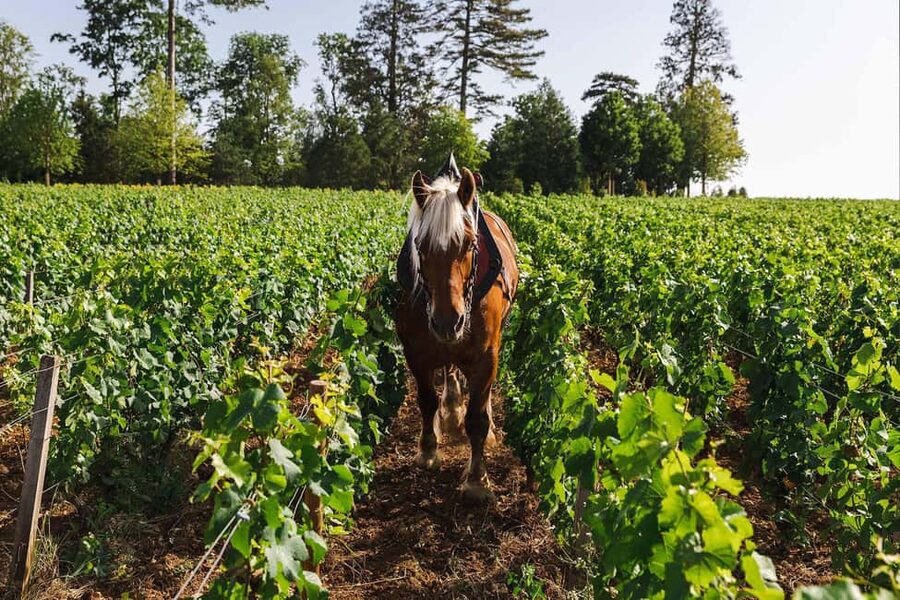
Burgundy wine makes more sense when you connect the glass to the soil, slope, and vineyard name. At Château de Pommard, you taste four wines while learning how Burgundy’s Climats and Clos Marey-Monge shape flavor, style, and aging potential.
I like the small groups of up to eight, which leave room for questions, and I like the setting: a grand château, working vineyard, and French Gardens. The one-hour format also fits neatly into a day in Beaune. The main drawback is clear: the cellars are closed during renovation, so this is now a tasting and vineyard experience rather than a full winery tour.
Key points to know before booking
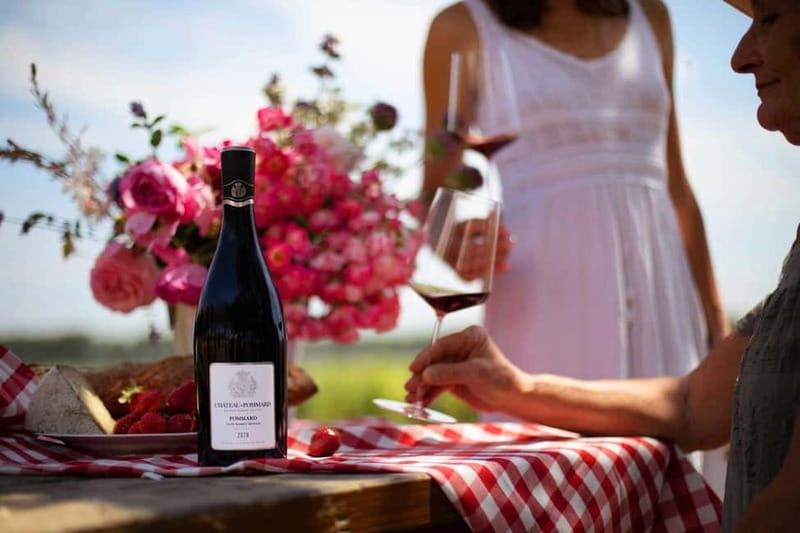
- Four wines in one hour: Taste selections from Château de Pommard and Famille Carabello-Baum.
- Clos Marey-Monge focus: Learn how Burgundy’s soil and site affect taste, structure, and ageability.
- Small group setting: Groups are limited to eight, with French and English instruction.
- Cellars currently closed: Renovation means you cannot visit the underground cellars or wine-making areas.
- A polished château setting: Your visit includes free access to the French Gardens.
- Best for curious beginners: The tasting gives you a useful introduction to Burgundy’s regions and classifications without taking half a day.
Why Clos Marey-Monge gives this tasting its focus
The heart of the experience is not simply tasting four glasses of wine. It is learning why Burgundy treats vineyard location with such care. The Clos Marey-Monge vineyard gives the guide a real example to use as the tasting unfolds.
You’ll hear about Burgundy’s five subregions and the classification system that separates different levels of vineyard sites. That background matters because Burgundy labels can seem baffling at first. A name on the bottle may tell you far more about the vineyard than about the grape variety, so a basic explanation can save you from feeling lost at the table.
The guide also discusses natural factors that affect a wine’s taste, style, and ability to age. Expect the conversation to center on terroir, the French idea that soil, exposure, climate, and vineyard position leave a mark on the finished wine. You may not become a Burgundy expert in an hour, but you should leave with a better sense of why two wines from the same broad region can taste quite different.
This is especially useful if you are new to Burgundy. Rather than throwing technical terms at you, the tasting connects the terms to wines in your glass. Pay attention to how the guide compares the samples. That is where the lesson becomes practical.
More wine tastings in Beaune:
- Burgundy Bike Tour with Wine Tasting from Beaune
★ 5.0 · 674 reviews - From Beaune: Burgundy Day Trip with 14 Wine Tastings
★ 4.8 · 248 reviews - Beaune: Maison Champy Guided Cellar Tour with Wine Tasting
★ 4.7 · 213 reviews
A one-hour route from vineyard context to four glasses
The scheduled experience lasts one hour, so expect a compact presentation rather than a leisurely château visit. The exact meeting point can vary depending on the option you book, and the activity ends back at that meeting point.
The visit begins with an introduction to Burgundy and Château de Pommard. The château is nearly three centuries old, and its age gives the setting plenty of atmosphere. Still, the focus is on wine education rather than a full architectural tour.
You then move into the story of Burgundy’s wine-growing areas. The five subregions provide a useful map in your head, especially if you plan to visit other estates or order Burgundy in a restaurant later. The explanation of classifications follows, helping you understand how Burgundy ranks and names its vineyard sites.
The Clos Marey-Monge vineyard anchors the more specific part of the presentation. Here, the subject turns from broad regional facts to the conditions that influence the wines made from this particular site. The guide may explain the connection between vineyard conditions and the wines you taste, though the depth can depend on the guide and the questions you ask.
The tasting includes four wines from Château de Pommard and Famille Carabello-Baum. Four is a sensible number for a one-hour session. It gives you enough variety to compare wines without turning the experience into a rush of glasses and technical terms.
I suggest taking small sips and asking the guide to repeat any classification or vineyard term that goes by too fast. The small group size should make that comfortable. One guide, Alex, was singled out for clear explanations and helpful answers, while another group found the staff friendly, prepared, and professional.
What you will taste, and how to get more from it
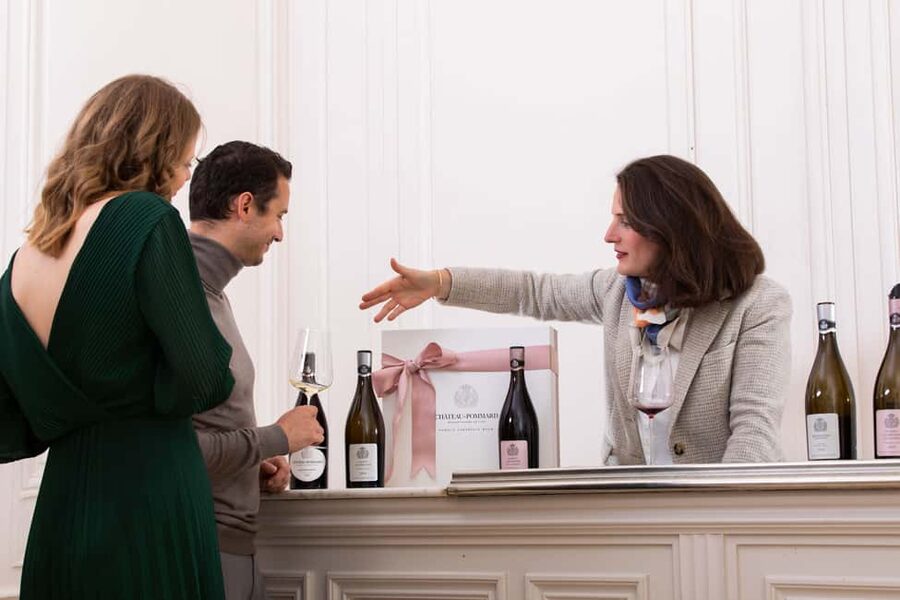
The exact four wines are not specified in the available details, so you should not expect a fixed list of bottles that can be guaranteed in advance. The selection comes from Château de Pommard and Famille Carabello-Baum.
That flexibility is normal for a winery tasting, but it means the value comes partly from the explanation around the wines. If you simply want four pours, you can find cheaper ways to drink wine in Beaune. If you want to understand what is in the glass, the guided context makes the price more reasonable.
Start by noticing the differences between each wine before trying to name aromas. Look at color, smell, acidity, body, and finish. Then ask how the vineyard site or classification helps explain what you are noticing.
You might also ask which wines are intended for earlier drinking and which have greater aging potential. Ageability is one of the subjects covered, and this question turns a general lesson into something useful for future purchases.
The tasting works well for a first Burgundy experience because you are not expected to arrive with specialist knowledge. At the same time, people who already know some French wine should have enough material to ask sharper questions about soil, classification, and site.
The château and French Gardens
The Château de Pommard setting is an important part of the appeal. You receive free access to the French Gardens, so plan to allow a little time to look around rather than treating the visit as a quick indoor tasting.
The gardens provide a change of pace before or after the wine. They also help you place the château in its vineyard setting, which is useful when the tasting talks about land and site. This is not just a bar counter in town. You are tasting at an old estate beside the vineyard connected to the presentation.
Still, keep your expectations in check. The experience does not promise a full château tour, and some visitors found themselves in one room with only the vineyard viewed from outside. If architectural interiors, historic rooms, or an extensive estate walk are high on your list, this may feel limited.
The strongest part of the setting is the combination of château, vineyard, and gardens. The weakest part is that the scheduled hour does not leave much time for a broad estate tour. You will need to decide if the setting itself is enough, given that the cellars are unavailable.
A few other Beaune half-days to compare
- Visit-Tasting-Sale
★ 5.0 · 87 reviews - Private Wine Tasting Tour – Burgundy Uncorked!!
★ 5.0 · 74 reviews - Private Tasting in Beaune : The Best of Burgundy Wines
★ 5.0 · 66 reviews - Private Tasting in Beaune : The Best of Burgundy Wines
★ 4.9 · 66 reviews
The cellar closure changes the experience
The biggest practical issue is the renovation project. Château de Pommard is restoring and expanding its facilities, with the aim of preparing the estate for its next three hundred years. During this work, the cellars cannot be visited.
That means you will not see the underground aging spaces or the wine-making area as part of this activity. One visitor specifically felt that a cellar or wine-making visit would have added more substance. That is a fair criticism, especially if you booked because you wanted to see how wine moves from grape to bottle.
The château has kept the tasting educational, but the missing cellar visit changes the balance. You receive more explanation and tasting, and less behind-the-scenes access. Before booking, read the experience as a vineyard and wine-tasting lesson, not as a complete production tour.
The renovation is temporary, but the closure is important enough to mention plainly. If the cellars reopen before your visit, confirm the current format when you book. Based on the information available here, they are not part of this experience now.
How the guide affects your hour
The group limit of eight is one of the practical strengths. A small group can ask questions without the presentation becoming a lecture for a crowd. It also lets the guide adjust the level of detail, at least in theory.
Instruction is available in French and English. Several details point to friendly, professional staff, and Alex received particular praise for explaining the winery in detail and answering questions. That kind of guide can turn a short tasting into a memorable introduction to Burgundy.
The guide experience may not be identical every time. One group found that the soil types were not explained in much detail and wished the guide had gone outside to discuss soil and grapes. Another found the guide late, although the session was extended beyond the scheduled hour.
That tells you two useful things. First, ask direct questions if soil and vineyard conditions are the reason you booked. Second, keep a little flexibility in your schedule. The official duration is one hour, but the pace and timing may vary.
I would ask about the vineyard itself, the meaning of Clos, and the difference between regional and higher-ranked Burgundy wines. Those questions fit the stated topics and encourage a more useful conversation than simply asking which bottle is the best.
Is $34 a fair price?
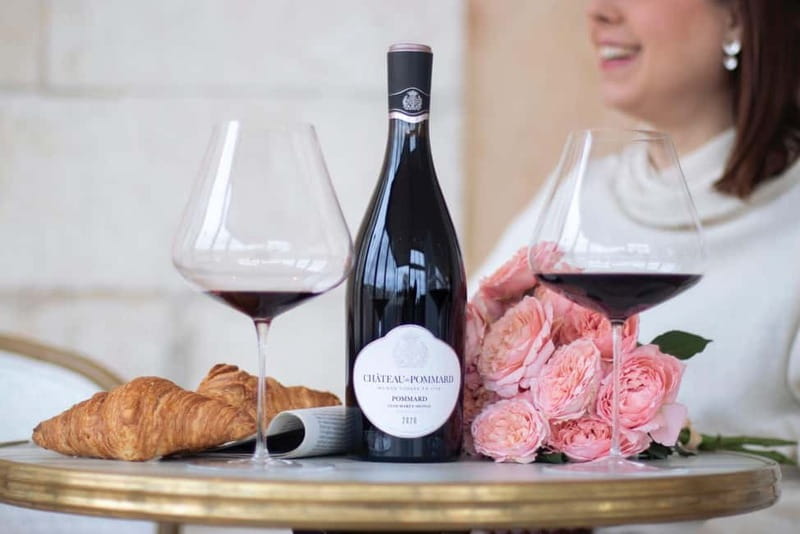
At $34 per person, this is not the cheapest way to taste wine in Beaune. The price pays for four wines, a guide-led lesson, access to the French Gardens, and the setting of a famous Burgundy château.
The value is strongest if you are beginning to learn about Burgundy. You get a compact explanation of the region, its five subregions, its classifications, and the forces that shape wine from Clos Marey-Monge. That can help you make sense of later tastings, wine-shop labels, and restaurant lists.
The value is weaker if you mainly want production access. With the cellars closed, you are not getting a full look at the winemaking process. You may also find the hour too short if you want detailed soil discussion, extensive outdoor time, or a tour of the château itself.
For a visitor with only a short window in Beaune, the one-hour length is convenient. It leaves room for other sights and meals, and it avoids turning wine education into an all-day commitment. The cost is easier to justify when you treat it as an introduction to Burgundy rather than a complete estate tour.
Free cancellation up to 24 hours before the activity and a reserve-now, pay-later option also reduce the risk of fitting it into a changing itinerary. Those policies do not improve the tasting itself, but they are useful when planning a trip through Burgundy.
Who will enjoy this château tasting most
This experience suits you if you want a clear, guided introduction to Burgundy and prefer a small group. It is a good choice for couples, friends, and first-time Burgundy drinkers who want more context than a casual tasting room can provide.
It also works for anyone interested in vineyard classifications. Burgundy’s naming system can be confusing, and the session gives you a framework before you encounter more bottles in Beaune or along the Côte de Nuits and Côte de Beaune.
You may want something else if your main goal is a full cellar tour. The current renovation rules that out. You should also reconsider if you use a wheelchair, since the activity is not suitable for wheelchair users.
Wear practical shoes. High heels are discouraged, a sensible warning for a château and vineyard setting. The information does not specify the amount of walking or the exact surfaces, so comfortable footwear is the safe choice.
How to make the most of the visit
Arrive ready to listen as well as taste. The experience moves through regional history, classifications, and terroir in a short time, so the best questions are focused and specific.
Before the tasting, think about what you want to learn. Do you want to understand Burgundy labels? Compare the two producers? Learn why one wine may age better than another? Tell the guide early, especially in a group of eight or fewer.
Use the garden access. Even if you do not spend a long time there, it adds a visual link between the château and the vineyards. The scenery was a strong part of the appeal for people who enjoyed the estate and surrounding vines.
Do not assume that the most expensive or highest-classified wine will be your favorite. The point of the tasting is to notice how site and style differ. A careful comparison is more useful than trying to pick a winner.
Finally, leave room in your schedule. The planned duration is one hour, but one session ran longer after a late start. You should not count on extra time, but a little breathing room will make the visit easier.
Should you book Château de Pommard?
Book it if you want four Burgundy wines, a small group, and a useful introduction to terroir and classifications in a memorable château setting. The gardens, vineyard context, and English or French instruction make this a good fit for a first wine stop in Beaune.
Skip it, or choose a different winery experience, if cellar access is essential. The current renovation means the most hands-on part of the visit is unavailable, and the estate tour may feel brief to anyone hoping to see several rooms or the winemaking area.
At $34, the experience offers fair value when you care about understanding Burgundy, not just drinking it. Ask questions about the soil, vineyard classifications, and aging potential, and you are more likely to get a worthwhile hour. If you want a full production tour, wait until the cellars reopen.
FAQ
How long does the Château de Pommard wine tasting last?
The activity lasts one hour. Starting times vary, so check availability when booking.
How many wines will I taste?
You will taste four wines from Château de Pommard and Famille Carabello-Baum.
Is the tasting available in English?
Yes. The instructor speaks French and English.
Can I visit the Château de Pommard cellars?
No. The cellars cannot currently be visited because of renovation work.
Is the French Gardens included?
Yes. Your booking includes free access to the French Gardens.
Is the activity suitable for wheelchair users?
No. The experience is listed as not suitable for wheelchair users.
Just listed in Beaune
- Full-Day Private Tour, 6 Premiers & Grands Crus, The Best of Burgundy★ 5.0 · 50 reviews
- Visit of our 15th century cellars★ 5.0 · 57 reviews
- Private Tasting in Beaune : The Best of Burgundy Wines★ 5.0 · 66 reviews
- Private Tasting in Beaune : The Best of Burgundy Wines★ 4.9 · 66 reviews
- Discovery of the world of Truffles and tasting★ 4.5 · 66 reviews
- Luxury Luxury Wine Tour Experience★ 5.0 · 69 reviews
- Private Wine Tasting Tour – Burgundy Uncorked!!★ 5.0 · 74 reviews
- Meursault: Tour of the Vineyards on Motorbike with Sidecar★ 4.9 · 74 reviews
Beaune Tours, compared.
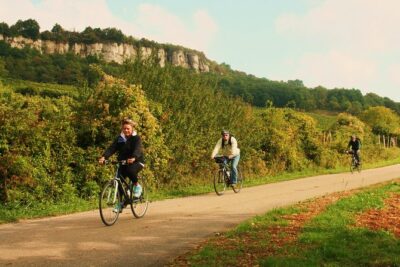
Burgundy Bike Tour with Wine Tasting from Beaune
Read our review →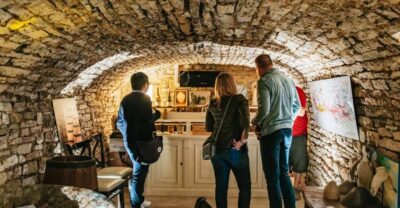
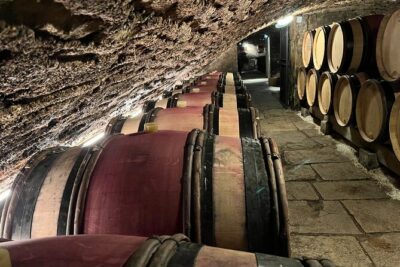
Burgundy Grand Crus Route Day Tour – 14 Wines Tastings in Domains
Read our review →
Maison Champy Guided Cellar Tour with Wine Tasting
Read our review →
Private excursion to Côte de Beaune and Côte de Nuits (full day)
Read our review →
Skip the Line: Abbaye de Fontenay Admission Ticket
Read our review →
Browse the lists this tour appears in