
Reviewed · PARIS TOURS
Behind the Scenes of a Boulangerie: French Bakery Tour in Paris
The best part of this Paris experience is the setting: you step into the working rooms of a real Montmartre boulangerie, not a staged museum kitchen. You watch bakers handle dough, operate the equipment, and turn out the bread that fills neighborhood shelves each morning.
I like the small maximum of eight people, which gives you a fair chance to see the work in a tight production space. I also like the simple finish: you take home a fresh baguette and croissant, with some groups receiving pastry samples or warm bread straight from the oven. The main catch is that this is mostly a demonstration, not a hands-on baking class.
Key points to know before booking
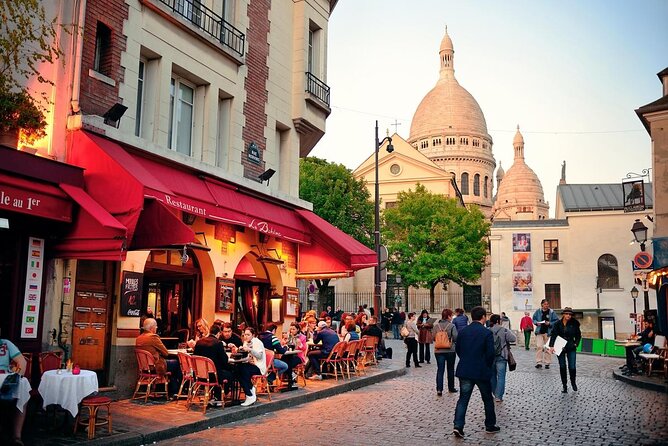
- A working bakery in Montmartre: You see production rooms where bread and pastries are made for daily sale.
- Small groups of up to eight: The group size suits questions and close viewing, though the bakery kitchen can feel cramped.
- One hour, tightly packed: The guide covers baguettes, pastries, bakery equipment, and French bread customs in a short visit.
- Fresh food is part of the payoff: A baguette and croissant are included, with additional samples possible.
- Good for children age six and older: The machinery, dough, and tasting make this a useful family stop.
- Watch rather than bake: You may help with a small task, such as scoring baguette dough, but you should not expect to make a full loaf.
Inside a real Montmartre boulangerie
You meet at Le Grenier à Pain Caulaincourt, at 127 Rue Caulaincourt in the 18th arrondissement. The bakery is in Montmartre, a neighborhood already worth exploring for its steep streets, old buildings, and local feel. The exact bakery address may be sent after booking, so check your confirmation carefully.
From there, the guide takes you into the bakery’s working areas. This is not a factory tour with viewing windows and a polished visitor route. It is a small, active production space where bakers are trying to get bread and pastries ready for customers.
That distinction matters. You get close to the action, but you also need to accept a few practical limits. Floors may be slippery, the rooms can be tight, and staff must keep working around the group. Wear shoes with good traction and clothes that can tolerate a little flour.
The small-group limit helps. With no more than eight people, you are less likely to spend the whole hour looking over someone’s shoulder. Still, the space is not designed as a classroom. If you want wide walkways, seats, or a tidy demonstration counter, this will feel basic.
A few other Paris half-days to compare
- Paris: Louvre Museum Timed-Entrance Ticket
★ 4.6 · 71,977 reviews - Disneyland® Paris 1-Day Ticket
★ 4.6 · 49,412 reviews - Paris: Versailles Palace and Gardens Full Access Ticket
★ 4.6 · 41,579 reviews
Watching the baguette take shape
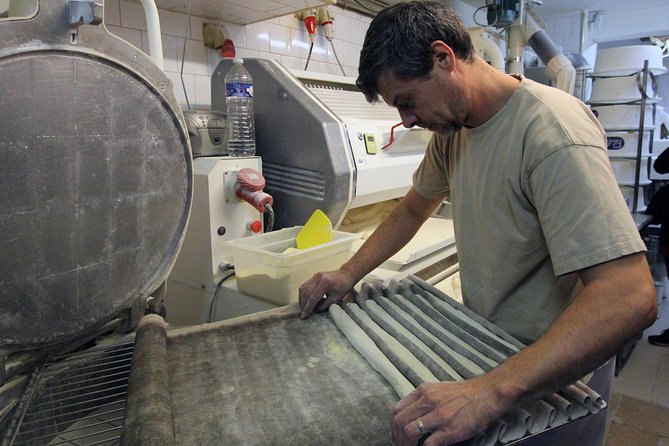
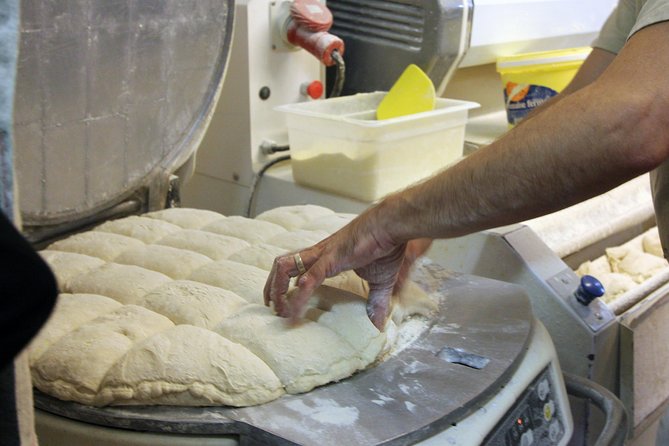
The central subject is the French baguette. Your guide explains the main steps, while a baker shows how the dough is handled, shaped, prepared for the oven, and cut before baking.
One especially useful detail is the scoring. The baker may let you make the release cuts on the baguette you take home. That small action gives you a better sense of the care behind the familiar slashes on a loaf. It is not the same as making bread from flour to finish, but it adds a welcome bit of participation.
You also learn about the rules and customs around French baguettes. The guide may explain what makes a proper baguette different from other loaves and discuss the ingredients and methods used at the bakery. One group even managed to photograph the bakery’s baguette recipe, though you should not assume that access will be part of every visit.
The scale of the work can be surprising. A single baker was reported to be making about 2,500 baguettes in one morning. That number helps you see the bakery as a serious production unit, even though the space feels small and personal.
The machines are part of the story, too. Your guide explains how they work and how they help the bakers manage large daily quantities. You are not simply looking at a finished loaf in a shop window. You are seeing the practical rhythm behind it: dough preparation, shaping, proofing, baking, and constant movement.
Pastries, croissants, and the sweet side of the kitchen
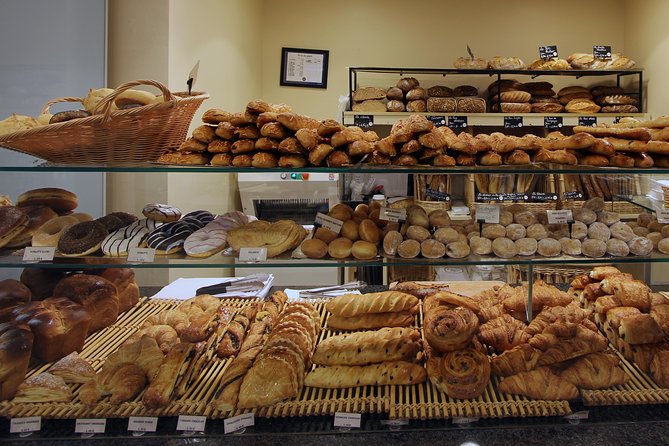
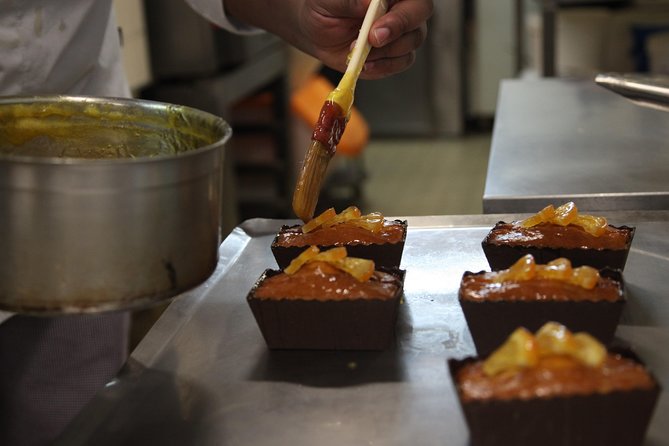
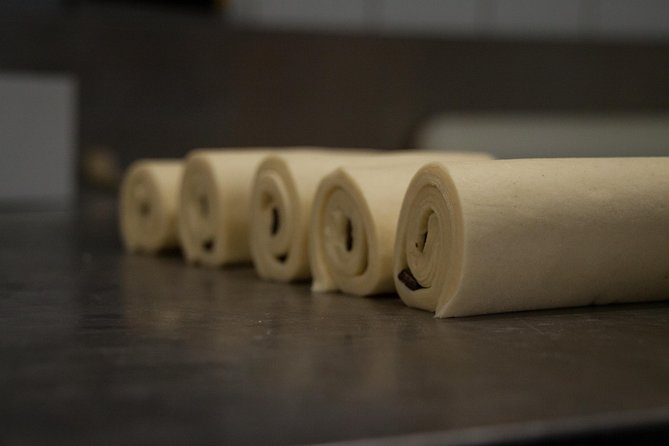
The visit also covers croissants and pastries. You may see dough rolled, pastries assembled, and the work done in the patisserie area. The guide explains techniques and ingredients, and the bakery staff may answer questions directly through the guide’s interpretation.
Several different versions of the experience appear possible. Some groups receive pastry samples, while others take home a croissant along with the baguette. The supplied tour details specify one freshly baked baguette and one freshly baked croissant, so those are the items to expect as the core takeaway.
Do not book this expecting a full croissant workshop. One account describes making croissants to take away, while several others describe watching the bakers rather than shaping a complete pastry themselves. The safest reading is that the experience focuses on observing professional work, with occasional chances to help.
That can still be worthwhile. Croissants look simple on a plate, but the process depends on careful handling and timing. Watching a trained baker work in a busy bakery gives you a useful picture of the skill involved, even if you do not leave with a tray of pastries you made yourself.
An English-speaking guide makes the difference
The tour is offered in English, and the guide serves as your link to the bakery staff. This is important because the people working in the kitchen may not be giving explanations in English themselves.
Guides named in past sessions include Marie, Vincent, and Mariette. The exact guide will vary, but the strongest sessions depend on having someone who can explain the process clearly, translate questions, and keep the hour moving without burying you in talk.
The best format seems to be a mix of short explanations and live work. You watch the baker shape dough, then hear why that step matters. You see an oven or piece of equipment in use, then get the practical explanation. The hour works better when you ask questions, so come ready to speak up.
There is a limit to how much detail fits into 60 minutes. If you already bake bread at home, some of the basic information may feel familiar. One account found the explanations too general, particularly for someone who already understood bread-making. For a first look at French baking, though, the guide’s overview should give you useful context.
Same city, a completely different afternoon:
- Paris: Evening River Cruise with Music
★ 4.4 · 22,721 reviews - Paris: Eiffel Tower Entry Ticket with Optional Summit Access
★ 4.4 · 20,035 reviews - Paris: Eiffel Tower Summit or Second Floor Access
★ 4.3 · 17,248 reviews - Paris: Louvre Guided Tour with Reserved Access & Boat Cruise
★ 4.3 · 16,353 reviews
What the one-hour schedule feels like
This is a short, focused activity. The full visit lasts about one hour and begins and ends at the meeting point. You do not spend half the session walking between sites, which makes it easy to fit into a day of sightseeing.
A typical flow looks like this:
- Meet the guide at the Montmartre bakery.
- Enter the production rooms and learn how the bakery operates.
- Watch baguette dough being shaped and prepared for baking.
- See equipment and hear about French bread traditions.
- Observe pastry or croissant preparation.
- Ask questions through the English-speaking guide.
- Receive the included baguette and croissant, along with possible samples.
The pace can feel full but not rushed. Some small groups have had only three or four people, which allows more direct attention. A private session may also occur if scheduling changes result in a family group having the space to itself, but you should not count on that when booking.
Because the bakery is working during your visit, the schedule may not unfold like a stage show. The bakers are producing food for customers, not repeating each step on demand. That makes the visit more genuine, but it can also mean that you mainly observe whatever stage of production is happening at that moment.
Is the food enough to justify the cost?
The price is not provided here, so I cannot judge the exact deal in euros. The value depends on what you want from the outing.
If you are paying for a practical baking lesson, the tour may disappoint. You are not promised a full recipe session, your own dough from start to finish, or a completed batch of pastries. Several experiences describe the visit as informative but not interactive, and one person felt the cost was high for an hour of watching.
If you are paying for access to a working Paris bakery, the calculation looks better. You get a small group, an English-speaking guide, direct contact with the production rooms, the chance to ask questions, and food to take away. Those are things you cannot easily arrange on your own during a normal bakery stop.
The baguette and croissant also make the ending more satisfying. Warm bread eaten soon after the tour is a simple Paris pleasure. Some groups received extra pastry tastes, small bread samples, or warm pieces right from the oven. Because the exact samples may vary, treat those extras as a bonus rather than part of the guaranteed package.
Check the price against other Paris food activities before booking. If the tour costs close to a hands-on baking workshop, choose the workshop if making dough is your main goal. If it is priced as a short behind-the-scenes visit, the combination of access and fresh food may feel fair.
A good family activity, with a few cautions
Children age six and up can take part, and an adult must accompany them. This is one of the better uses of an hour for a family that wants something other than another museum.
Kids can watch dough being shaped, see large bakery equipment in action, and taste the results. The short duration helps younger children stay focused. Several family groups found the experience especially successful with children around eight to ten years old.
Still, this is a working kitchen. Children need to stay close to the adult and follow instructions. The floor may be slippery, and the tight layout leaves little room for wandering. If your child expects to mix, knead, and bake a personal loaf, explain before arrival that this is mainly a guided visit.
The tasting at the end helps. A fresh baguette and croissant offer an immediate reward, and the food can serve as a snack during the rest of your Montmartre day.
Who will enjoy it most?
I would choose this tour for you if you meet one or more of these descriptions:
- You want to see how a Paris bakery works behind the sales counter.
- You are curious about baguettes but do not need a full baking class.
- You are visiting Paris with children age six or older.
- You enjoy food experiences that connect a finished dish with the people who make it.
- You want a short activity near Montmartre.
- You like asking questions and watching skilled work at close range.
I would think twice if you already know bread-making well or if you want to spend several hours baking yourself. The material may be too basic, and the kitchen may feel crowded. A dedicated hands-on class would better match those goals.
The tour also suits an early Paris itinerary. It gives you a useful lens for the bakeries you will see all over the city. Afterward, you will understand more about the loaves in the window and the work behind the daily supply of bread.
Practical details that matter
The tour is near public transportation, but hotel pickup and drop-off are not included. Plan to reach the meeting point on your own and allow enough time to find 127 Rue Caulaincourt.
Confirmation is normally sent at booking. If you book within two days of the visit, confirmation may take up to 48 hours and depends on availability. The exact bakery address may also be provided after your reservation, so keep an eye on your messages.
The activity is not recommended for people with sensitive airborne food allergies. Flour and other food particles are part of the bakery environment, and this is not a controlled allergy-free setting.
Free cancellation is available if you cancel at least 24 hours before the start time. Within 24 hours, you should not expect a refund. The operator also requires a minimum number of participants and may offer another date or a full refund if that minimum is not met.
Should you book this bakery tour?
Book it if you want a close look at everyday French baking, a friendly English explanation, and fresh bread to enjoy afterward. The setting feels more useful than a simple bakery tasting because you see the production rooms and the people doing the work.
Skip it if you want to make your own baguette or croissant from beginning to end. The tour’s strongest feature is access, not hands-on instruction. For families, first-time bread enthusiasts, and anyone looking for a one-hour break from museums, it can be a memorable Montmartre stop. Just wear sturdy non-slip shoes, keep your expectations realistic, and ask plenty of questions.
FAQ
How long does the French bakery tour last?
The activity lasts approximately one hour and ends back at the meeting point.
Where does the tour begin?
It begins at Le Grenier à Pain Caulaincourt, 127 Rue Caulaincourt, 75018 Paris, France. The exact bakery address may be sent after booking.
Is the tour offered in English?
Yes. The experience is offered in English, with the guide explaining the bakery’s work and helping interpret communication with the French-speaking bakery staff.
What food is included?
The tour includes one freshly baked French baguette and one freshly baked croissant. Additional pastry or bread samples may also be provided.
Can children join the tour?
Yes. Children age six and older may participate, and children must be accompanied by an adult.
Is this a hands-on baking class?
No full hands-on class is promised. You mainly watch the bakers make baguettes and pastries, though some sessions may include small tasks such as scoring baguette dough or other limited participation.
What is the cancellation policy?
You can cancel for a full refund up to 24 hours before the experience start time. Cancellations or changes made within 24 hours are not refunded or accepted.
Just listed in Paris
- Explore speakeasies and hidden bars, sip meet & socialize★ 4.5 · 47 reviews
- Paris: 1.5-Hour Private Segway Tour★ 5.0 · 47 reviews
- Eiffel Tower Private Photo Shoot★ 5.0 · 47 reviews
- Area ,Opera, Jewellery,Fashion,Palais Royal walking tour★ 5.0 · 47 reviews
- Notre Dame interior and Sainte Chapelle Private Tour★ 5.0 · 47 reviews
- The History of Paris: Historical Le Marais Private Tour★ 4.5 · 47 reviews
- Paris: Skip-the-Line Eiffel Tower and Trocadero Gardens Tour★ 4.3 · 47 reviews
- Paris 2-Hour Small Group Tour of Pere Lachaise Cemetery★ 5.0 · 47 reviews
Paris Tours, compared.


Versailles Palace and Gardens Full Access Ticket
Read our review →

Eiffel Tower Entry Ticket with Optional Summit Access
Read our review →

Louvre Guided Tour with Reserved Access & Boat Cruise
Read our review →