
Reviewed · BORDEAUX TOURS
Bordeaux: Introduction to Bordeaux Wines Tasting Workshop
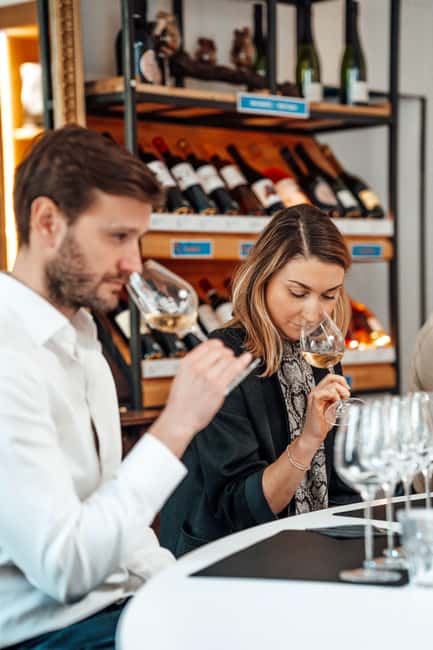
Bordeaux wine can feel like a code at first: unfamiliar appellations, grape blends, and labels that assume you already know the rules. This one-hour workshop near the Grand Théâtre gives you a friendly way in, with one white wine, two reds, and a Grand Cru served alongside local cheese and charcuterie.
I like the practical teaching, especially the aroma exercises and blind tasting that help you smell and taste with more confidence. I also like the setting: a dedicated tasting space rather than a random table at the back of a restaurant. The only drawback is the short running time. One hour is enough for a useful introduction, but not enough to cover every Bordeaux appellation in detail.
Key points at a glance
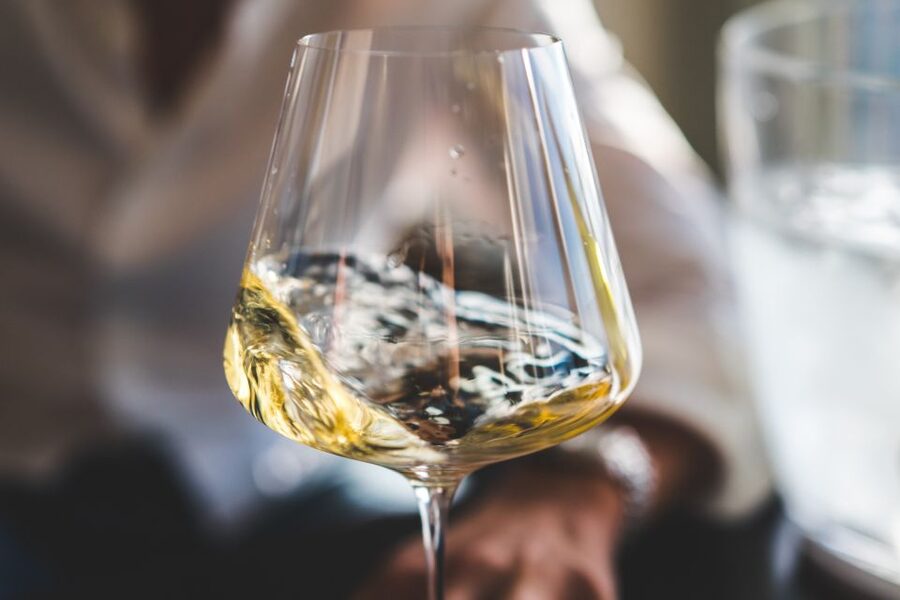
- Three Bordeaux wines: Taste one white and two reds, including a Grand Cru.
- Aroma practice: Use scent exercises and tasting steps to identify what you notice in the glass.
- Terroir made simple: Learn how soil, climate, grape variety, appellation, and blending shape flavor.
- Local pairings: Share cheese, charcuterie, and baguette while exploring how food changes wine.
- Central location: The workshop takes place a short walk from Bordeaux’s Grand Théâtre.
- Good short activity: At $34 per person, it fits neatly before dinner, a museum visit, or a longer wine outing.
Starting near the Grand Théâtre
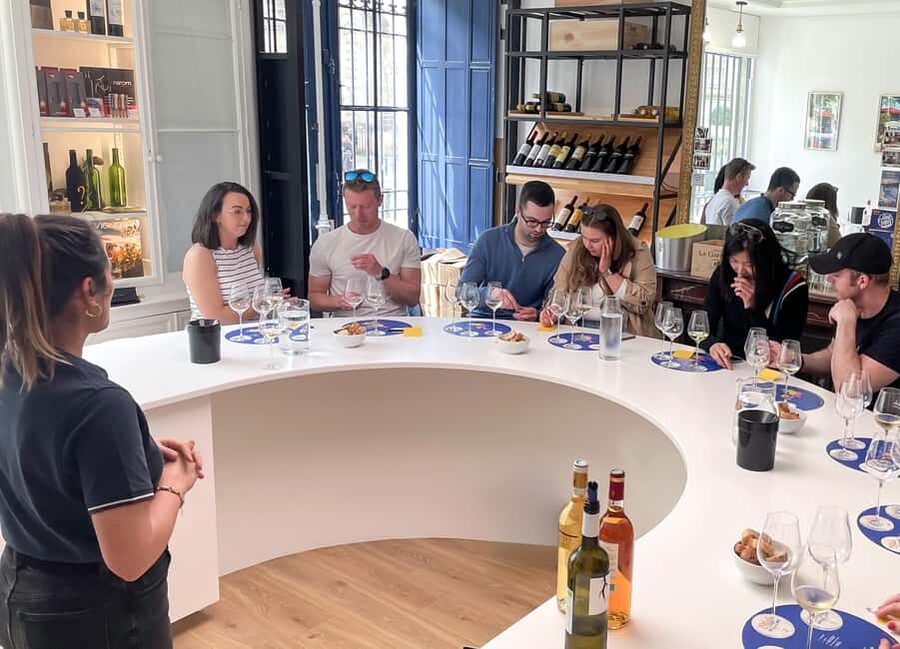
The workshop takes place in the heart of Bordeaux, just a few steps from the Grand Théâtre. That central address matters. You can fit the tasting into a day of sightseeing without arranging a car, finding a vineyard, or giving up half a day.
The experience is presented as both a small wine class and a wine bar session. That combination is useful. You get enough structure to learn something, but the format is still social and relaxed. You can ask questions about your own preferences instead of listening to a long speech with no chance to join in.
The exact meeting point can change with the option you book, so check your confirmation carefully. English and French instruction is available, and small groups may be offered. The names of the guides vary, with hosts including Antoine, Anna, Noe, Eva, Pierre, Enzo, Olivier, Juliette, and Paulina across different sessions.
A few other Bordeaux half-days to compare
- Bordeaux: Cité du Vin Entry Ticket and Wine Tasting
★ 4.6 · 3,885 reviews - From Bordeaux: Afternoon Saint-Emilion Wine Tasting & snack
★ 4.8 · 1,581 reviews - Medoc or Saint Emilion Wine Tasting and Chateau from Bordeaux
★ 5.0 · 1,415 reviews
The first lesson: how Bordeaux wine is built
The opening part explains the ideas that make Bordeaux both interesting and slightly confusing. You’ll hear about terroir, the broad French idea that soil, climate, and place influence the character of a wine.
That lesson is more than a string of wine terms. It gives you a way to compare bottles later. A wine from one part of Bordeaux may taste different from one made from similar grapes elsewhere because of drainage, soil type, weather, and local growing conditions.
You’ll also learn about grape varieties and appellations. An appellation is a defined wine area with its own rules and reputation. On a Bordeaux label, the place name often matters as much as the grape, so this basic explanation can make future wine shopping far less mysterious.
Blending is another important topic. Bordeaux wines are often made from more than one grape variety, and the blend can affect structure, aroma, color, and balance. The workshop helps you see why a producer might combine grapes rather than rely on one alone.
This is where the class earns its keep. You are not simply tasting three wines in a row. You are learning why those wines differ and what to look for the next time you open a bottle.
Tasting one white and two red Bordeaux wines
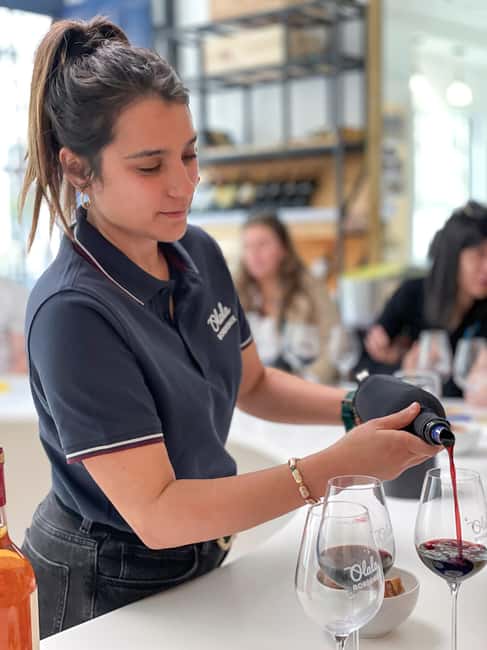
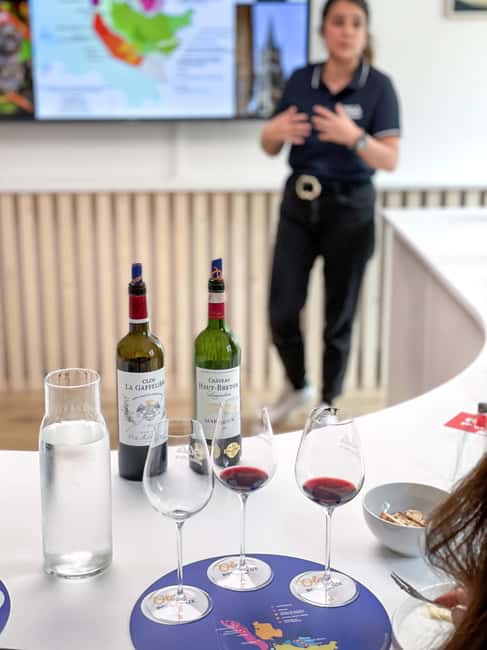
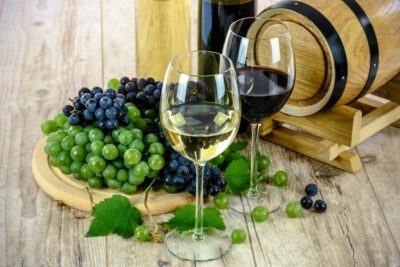
The tasting includes one white wine and two red Bordeaux wines, with one of the reds identified as a Grand Cru. This gives you a compact look at different sides of the region.
The white wine provides a useful change of pace before the reds. You can pay attention to freshness, aroma, texture, and finish without having the heavier flavors of red wine dominate your palate.
The two red wines then let you compare styles more directly. One includes a Grand Cru, giving the group a chance to discuss what makes a wine more prestigious and how that may show in the glass. The session does not promise a full survey of Bordeaux, and three glasses cannot represent the whole region, but the selection offers a sensible starting point.
I like the fact that the wines are discussed as examples rather than treated as sacred objects. Your guide can explain the production process, the role of the region, and the difference between simply liking a wine and being able to describe why it works for you.
You should not expect full glasses or a long evening of drinking. This is a guided tasting, and the point is to pay attention. The workshop includes water, which helps keep your palate comfortable and your head clear.
Learning the tasting steps without feeling tested
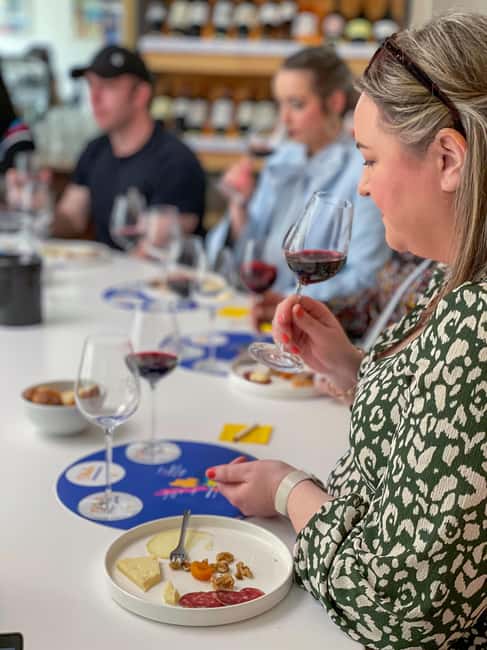
Wine tasting can seem intimidating when people use words such as tannin, acidity, body, and finish. The workshop breaks the process into manageable steps so you can examine the wine before deciding what you think.
You’ll be introduced to the visual side first, then the aromas, and finally the taste. The guide explains how to notice details rather than search for one correct answer. That distinction matters. Wine tasting is not a school exam, and your own reaction remains part of the experience.
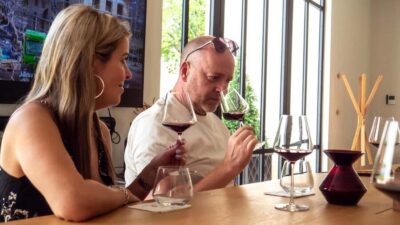
The aroma activity is one of the most useful elements. Scent kits or smell tests help you connect familiar smells with aromas in the wine. You might recognize a scent from the exercise and then notice a similar quality in the glass.
A blind tasting may also be included. This removes the label and price from the equation, at least for a moment. It encourages you to use your senses instead of letting a famous name decide what you should taste.
Guides such as Antoine, Anna, Noe, Eva, and Enzo have been praised for keeping the session interactive and clear. The teaching style can vary by person, but the format leaves room for questions about your own taste. If you prefer lighter wines, richer reds, dry whites, or something for a particular meal, ask.
One useful expectation to set: you may not become an expert in sixty minutes. You can, however, leave with a repeatable method. Look, smell, taste, pause, and describe. That is enough to make your next bottle more interesting.
Same city, a completely different afternoon:
- Bordeaux: River Garonne Cruise with Glass of Wine and Canelé
★ 4.5 · 3,630 reviews - Saint Emilion Day Trip with Sightseeing Tour & Wine Tastings from Bordeaux
★ 5.0 · 1,120 reviews - Saint Emilion Half-Day Trip with Wine Tasting & Winery Visit from Bordeaux
★ 4.5 · 1,034 reviews - From Bordeaux: St. Emilion Village Half-Day Wine Tour
★ 4.7 · 728 reviews
Cheese, charcuterie, and the lesson on pairing
The food is not an afterthought. You receive a board of local cheeses and charcuterie with baguette, and the pairings help show how food changes the way wine tastes.
A salty or creamy cheese can make a wine seem softer, sharper, or fruitier. Charcuterie brings its own salt, fat, and seasoning. The point is not to find one perfect match, but to notice how the same wine behaves with different foods.
This is especially useful if you plan to buy Bordeaux for dinner. You’ll gain a better feel for when a wine might suit a meal and when it might overpower it. The food also makes the class feel generous for the price, particularly since it replaces the need to arrange a separate snack stop afterward.
The board is described as a selection from local producers, but individual cheeses and meats can vary. Do not book this as a full meal. It is a substantial accompaniment to the tasting, not a substitute for lunch or dinner.
Why the dedicated space helps
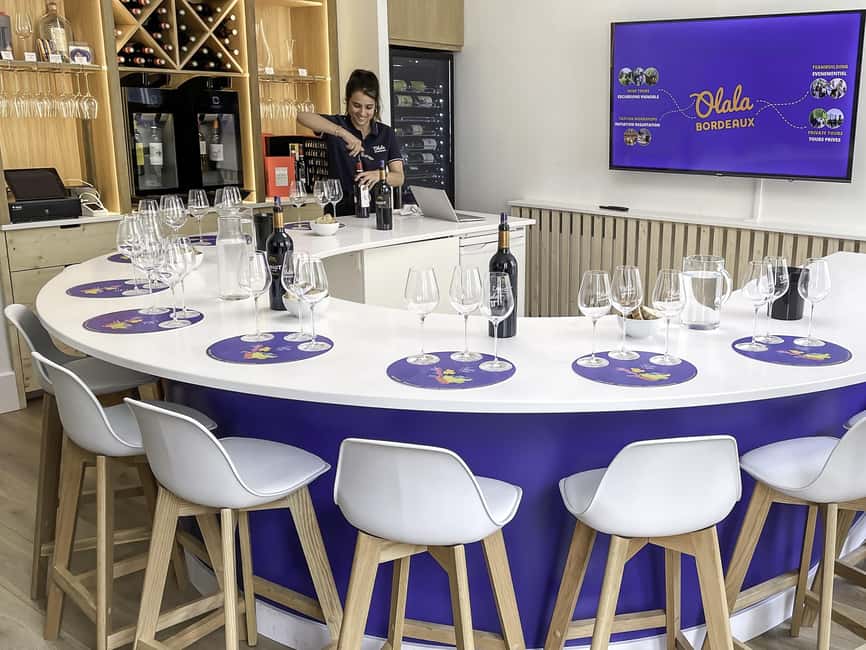
The workshop takes place in its own dedicated space, described as small and brightly lit. White tables make a practical difference because you can see the wine’s color clearly and keep notes or brochures in front of you.
That may sound minor, but the room affects how much you get from a tasting. A noisy bar can make it hard to hear a guide or focus on aromas. A purpose-built space gives the lesson a calmer rhythm while keeping the atmosphere informal.
The setting also works well for solo visitors. The format includes a mixture of pairs and people attending alone, and the guided discussion gives you something to do beyond making small talk. You can arrive on your own without needing to form a private group.
The activity is also suitable for people who have already visited La Cité du Vin. One session attendee worried that the workshop would repeat the museum experience, but the guide covered different material. That makes this a useful follow-up if you want hands-on tasting rather than another broad presentation.
What the one-hour schedule feels like
The hour moves through several distinct stages:
- An introduction to Bordeaux and its wine regions
- An explanation of terroir, grapes, appellations, and blending
- Guided tasting of one white and two red wines
- Aroma identification and, in some sessions, a blind tasting
- Food pairing with cheese, charcuterie, and baguette
- Questions about wine preferences and choosing bottles
The pace is generally brisk but not rushed. Some sessions may spend more time on background before the first pour, so if you want wine immediately, this is worth knowing. One attendee felt the introduction could have involved the group sooner.
That small criticism points to the main trade-off. The workshop aims to teach, not simply serve wine. You may spend part of the hour listening before tasting, though the strongest sessions bring participants into the discussion quickly.
I think the timing works best as an introduction before a full-day wine excursion. It can give you the vocabulary to understand a vineyard visit the next day. It also works after a museum visit, when you want to turn general knowledge into a sensory activity.
Value at $34 per person
At $34, this is a reasonably priced introduction to Bordeaux wine. You receive three wines, a local food board, a guide, water, and printed information in a central location. That is a fair package for an hour in one of France’s most famous wine cities.
The value is strongest if you are new to Bordeaux wine. You are paying for explanation as much as for the liquid in the glass. A bottle shop can sell you wine, but it cannot necessarily show you how to compare aromas, understand a blend, or think about food pairing.
It is also good value for a tight schedule. A vineyard excursion usually requires more time and transport. This workshop gives you a concentrated lesson in the city center, leaving the rest of your day free.
The value is less clear if you already have extensive wine training or want a large number of wines. Three samples will not satisfy someone looking for a serious regional survey. In that case, this is best viewed as a primer before a longer tasting rather than the main wine event of your visit.
Who should book this workshop?
I would recommend it to first-time Bordeaux visitors who want a friendly introduction without committing to a full-day trip. It suits couples, solo visitors, small groups, and anyone who wants help reading a Bordeaux label.
It is a good fit if you enjoy food as much as wine. The cheese and charcuterie make the lesson more relaxed, and the pairing exercise gives you something concrete to discuss.
It also suits curious drinkers who normally feel unsure at a tasting. The aroma activity and guided steps remove some of the pressure. You do not need to arrive with specialist vocabulary.
The minimum age is 16, and children under 16 are not suitable for the activity. Pets are not allowed, and minors may not attend unaccompanied. The activity is offered in English and French, so choose the language that will let you ask questions comfortably.
Planning around your Bordeaux day
The central location makes this easy to pair with nearby sightseeing. You can schedule it before dinner, after a visit to the Grand Théâtre area, or as a warm-up for a vineyard trip outside the city.
Leave enough time to find the meeting point because it may vary by booking option. Check the start time and address rather than relying only on the general location.
Free cancellation is available up to 24 hours before the activity for a full refund. You can also reserve now and pay later, which helps if your Bordeaux plans are still shifting.
The guide language is English or French, and small-group availability depends on the option selected. If the size of the group matters to you, confirm that detail when booking.
Should you book it?
Book this workshop if you want a short, practical introduction to Bordeaux wines, especially if terms such as appellation and blending still feel vague. The three wines, aroma exercises, local food, and central setting give you more than a simple tasting flight.
Skip it if you want a vineyard visit, extensive cellar time, or a long list of appellations. This is a classroom-style city experience, not a countryside tour.
For most visitors, I think the best use is as a first step. It gives you a working method, a few useful wine terms, and enough confidence to ask better questions at a shop, restaurant, or winery. At $34 for an hour of guided tasting with food, it is an easy addition to a Bordeaux itinerary.
FAQ
Where does the Bordeaux wine workshop take place?
It takes place in central Bordeaux, just a few steps from the Grand Théâtre. The exact meeting point may vary depending on the option booked.
How long does the activity last?
The workshop lasts one hour. Starting times vary, so you should check availability for the date you want.
Which wines are included?
You taste one white Bordeaux wine and two red Bordeaux wines. One of the red wines is a Grand Cru.
Is food included?
Yes. The tasting includes local cheese, charcuterie, and baguette. Water is also included.
Is the workshop offered in English?
Yes. The instructor languages are English and French.
Can children attend?
The activity is not suitable for children under 16. Unaccompanied minors are not allowed.
Can I cancel my booking?
You can cancel up to 24 hours in advance for a full refund. A reserve-now-and-pay-later option is also available.
Just listed in Bordeaux
- Bordeaux: Exclusive Private Guided Walking Tour★ 4.6 · 50 reviews
- Bordeaux:Wine Masterclass & Blending workshop with appetizer★ 4.8 · 54 reviews
- From Bordeaux: Essential Morning Tour with Wine Tasting★ 4.8 · 55 reviews
- Full-day Saint-Emilion: Village, Undergrounds and Châteaux★ 4.5 · 55 reviews
- Bordeaux Old Town & Market Local Food with Wine Tastings Tour★ 4.0 · 56 reviews
- Bordeaux: Saint-Emilion Village Day Trip, 2 Chateaux & Lunch★ 4.8 · 57 reviews
- Bordeaux Free Walking Tour (Tips-Based)★ 4.5 · 57 reviews
- The Ultimate Bordeaux Food Tour: Full Meal & Fine Wines★ 4.8 · 61 reviews
Bordeaux Tours, compared.
River Garonne Cruise with Glass of Wine and Canelé
Read our review →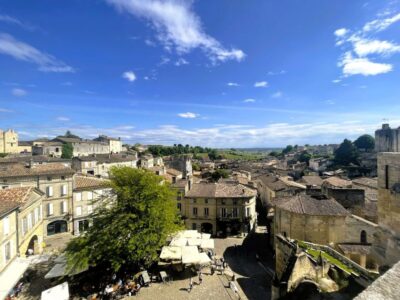
Afternoon Saint-Emilion Wine Tasting & snack
Read our review →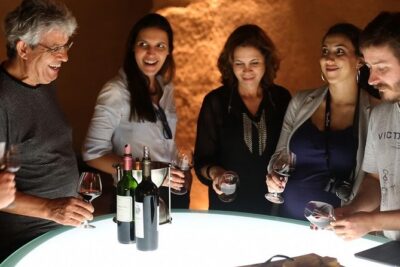
Medoc or Saint Emilion Wine Tasting and Chateau from Bordeaux
Read our review →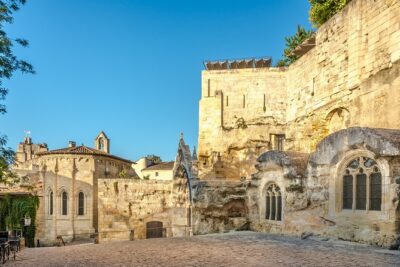
Saint Emilion Day Trip with Sightseeing Tour & Wine Tastings from Bordeaux
Read our review →
Saint Emilion Half-Day Trip with Wine Tasting & Winery Visit from Bordeaux
Read our review →
Browse the lists this tour appears in