
Reviewed · BORDEAUX TOURS
Bordeaux Wines Masterclass paired with cheeses & charcuterie
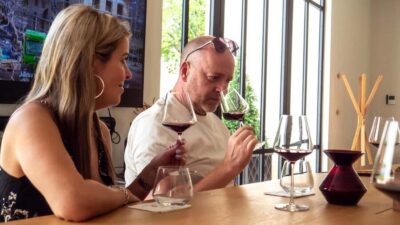
Bordeaux wine makes far more sense once you understand the river, the grape varieties, and the habit of blending. This 90-minute masterclass turns that puzzle into a practical tasting, with one white and five reds served alongside cheese, charcuterie, and bread.
I like the small group size, capped at 10, and the way the tasting uses single-variety reds before showing you classic Bordeaux blends. I also like the central location, just two steps from the Grand Théâtre, so you can fit this neatly into a morning of sightseeing.
The main thing to consider is the room and timing. One session was reported as hot and unpleasant, and another ran longer than 90 minutes. Most people will find the extra time useful, but do not schedule a train, lunch reservation, or museum entry immediately afterward.
Key points to know before booking
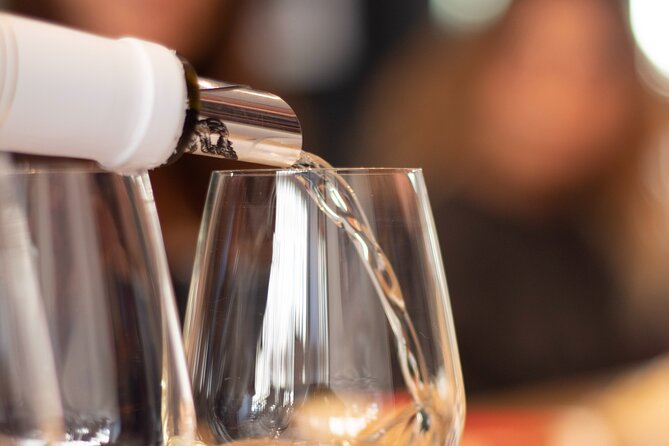
- Six regional wines: Start with one white, then taste five reds, including single-grape examples and Left Bank and Right Bank wines.
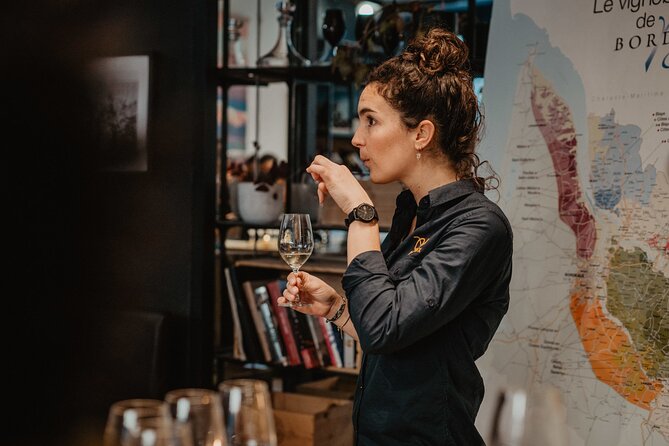
- A real wine lesson: Learn about terroir, appellations, grapes, winemaking, aging, storage, serving, and basic food pairing.
- Small-group format: The class accepts no more than 10 people, allowing room for questions and individual guidance.
- Local tasting board: Artisanal cheeses, charcuterie, and fresh baguette give you a useful way to compare wine with food.
- Central Bordeaux meeting point: Meet at 2ter Rue Mably, near the Grand Théâtre, at 11:00 a.m.
- Good for beginners: No previous wine knowledge is required, yet experienced Bordeaux drinkers can still refine their tasting skills.
Why this Bordeaux class is useful early in your visit
Bordeaux wine labels can feel like a code. They often emphasize the estate, village, or appellation rather than the grape variety, and the same grape can taste quite different depending on where it grows and how it is blended.
That is why I like taking this class near the start of a Bordeaux visit. You leave with a working map of the region and a better idea of what to look for when ordering wine in a restaurant, buying a bottle, or choosing a château visit.
The class is not only a line of glasses placed on a table. It is built as an introduction to how Bordeaux wine works. You learn the basic vocabulary, taste examples that show the difference between grapes, and then see why local winemakers combine varieties rather than relying on just one.
The setting is described as something between a wine bar and an oenology course. That is a useful description. You get a social tasting atmosphere, but the session also has a clear teaching purpose. The tone is meant to be friendly and accessible, not a formal exam in French wine.
A few other Bordeaux half-days to compare
- Bordeaux: Cité du Vin Entry Ticket and Wine Tasting
★ 4.6 · 3,885 reviews - Bordeaux: River Garonne Cruise with Glass of Wine and Canelé
★ 4.5 · 3,630 reviews - From Bordeaux: Afternoon Saint-Emilion Wine Tasting & snack
★ 4.8 · 1,581 reviews
Meeting near the Grand Théâtre at 11:00 a.m.
Your starting point is 2ter Rue Mably, 33000 Bordeaux, close to the Grand Théâtre. The meeting point is central and near public transportation, which makes it easy to reach as part of a walking day in central Bordeaux.
The activity begins at 11:00 a.m. and returns to the same location. Since the class lasts about an hour and a half, you can reasonably pair it with lunch or an afternoon of sightseeing. I would still leave some breathing room. One session continued beyond the advertised 90 minutes, especially when the group had questions.
The central address matters because you do not need to give up a full day for a vineyard excursion. This is a city-based introduction. You will not be touring several estates or walking through vineyards, but you will spend your time focused on understanding the wines.
The room has been described as a quiet, clean storefront that looks like the published photos. That sounds ideal for a tasting, though comfort can vary. On one especially hot day, the room was considered too warm, and an unpleasant cheese odor was also reported. Traditional cheeses naturally have a strong smell, but anyone sensitive to heat or food odors should keep this small possibility in mind.
The opening white wine teaches the tasting method
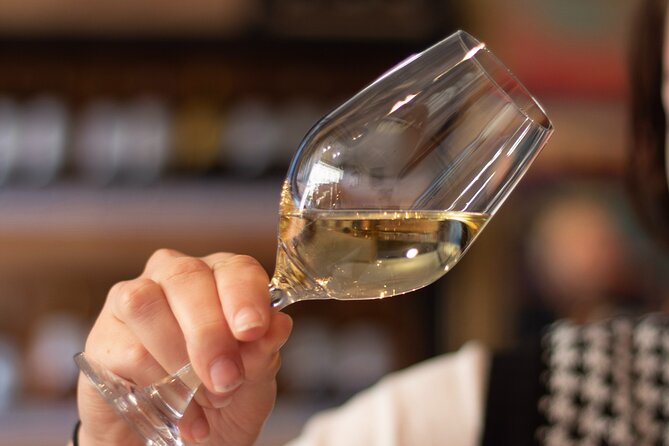
The tasting begins with a white Bordeaux. This first glass is not simply an aperitif. It introduces the basic sequence used throughout the class.
You learn to look at the wine, smell it, and taste it in an orderly way. The point is not to guess fancy flavor words. It is to slow down and notice what is in the glass.
This opening step is especially helpful if you are new to wine tasting. The instructor can show you how sight, aroma, and flavor work together, and why smell matters so much. One session included exercises designed to help the group identify scents, almost like a small sensory game.
The white wine also gives you a useful reminder that Bordeaux is not only about red wine. The region produces whites as well, and beginning with one creates a clean transition into the red tasting.
If you already drink wine regularly, you may know the basic tasting sequence. Even so, the structured approach can sharpen your attention. One experienced Bordeaux drinker found the class worthwhile because it organized ideas that had previously been scattered.
Three single-grape reds explain Bordeaux blends
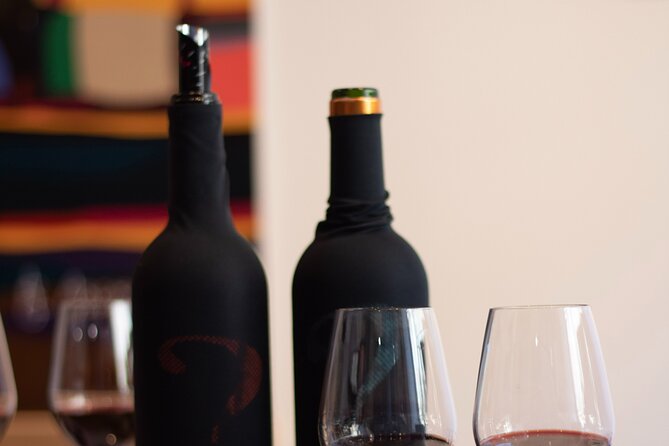
The most practical part of the class is the series of three regional red wines made from individual grape varieties. Bordeaux is famous for blending grapes, so tasting them separately gives you a clearer sense of what each contributes.
You learn to compare the aromas, flavors, body, and structure of each wine. The goal is not to memorize a list of tasting notes. It is to understand why a winemaker might combine several grapes to create balance and complexity.
This approach received some of the strongest praise because it makes Bordeaux blending easier to understand. Instead of hearing that a blend contains several permitted grapes and simply accepting the fact, you taste the building blocks one at a time.
The instructor also explains how grape choice connects with the area where the wine is made. This is where the class moves beyond a general wine tasting and becomes specifically useful for Bordeaux.
Names of the instructors have included Antoine, Hugo, Noe, Vincent, Matilde, Matilda, and Ana. The teaching style can vary with the person leading the session, but the best feature is the ability to adjust the explanation to the group. Vincent, for example, was praised for making the material clear and adapting it to the audience’s level. Hugo was noted for combining history, theory, and tasting in an easygoing way.
You do not need to know these grapes in advance. The class is designed to teach as you taste. If you do have a favorite red wine style, this section may help you identify what you enjoy, such as a fruitier, firmer, softer, or more structured profile.
Same city, a completely different afternoon:
- Medoc or Saint Emilion Wine Tasting and Chateau from Bordeaux
★ 5.0 · 1,415 reviews - Saint Emilion Day Trip with Sightseeing Tour & Wine Tastings from Bordeaux
★ 5.0 · 1,120 reviews - Saint Emilion Half-Day Trip with Wine Tasting & Winery Visit from Bordeaux
★ 4.5 · 1,034 reviews - From Bordeaux: St. Emilion Village Half-Day Wine Tour
★ 4.7 · 728 reviews
Left Bank and Right Bank wines put the theory in place
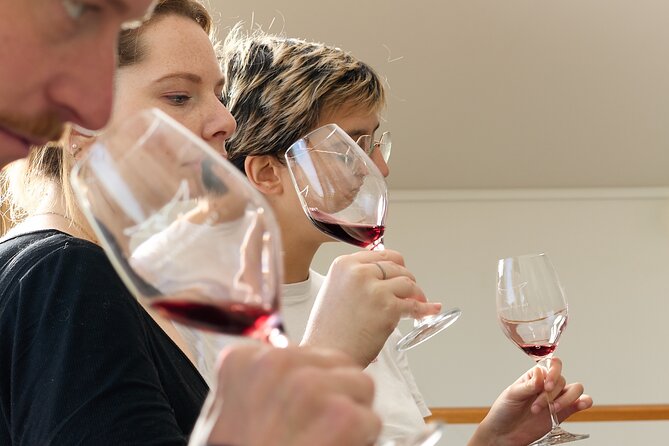
The final two wines take you from grape basics to the geography of Bordeaux. You taste one wine from the Left Bank and one from the Right Bank. One of these is a Bordeaux grand cru.
This comparison is central to understanding the region. The two sides of the Garonne and Dordogne river system have different soil types, local traditions, and dominant grape blends. The class does not ask you to visit both banks physically. Instead, it lets you compare them in the same room and ask direct questions while the contrast is fresh.
This is also where appellation becomes more than a word on a handout. You learn how a bottle’s place name can tell you something about its grapes, style, and likely structure. The instructor discusses the connection between area, château, and the style you may find in the bottle.
The grand cru pour adds a little polish to the ending, though you should keep your expectations sensible. This is a learning session, not a flight of rare, expensive collector bottles. One person enjoyed the class but felt the wines were good rather than especially exquisite. That is a fair way to view the experience.
The value is in the comparison and explanation. A modestly priced wine becomes useful when it illustrates a point clearly. You are paying for the teaching, the selection, and the chance to taste several styles in one sitting, not only for the retail value of the wine.
Cheese, charcuterie, and baguette make the lesson practical
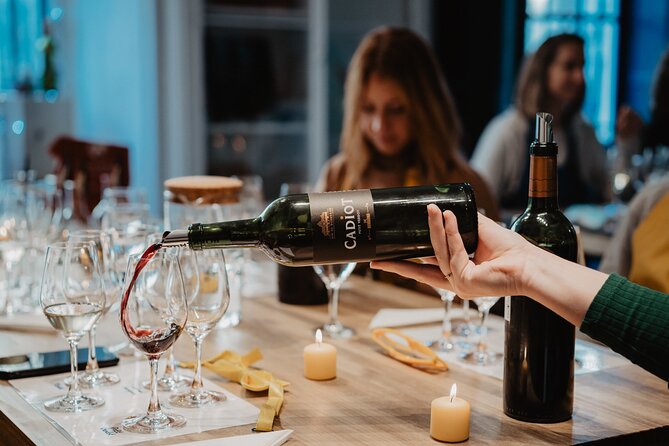
The food board includes local cheeses, cold cuts, and fresh baguette. Water is available, and the board is served as part of the experience rather than as a separate meal.
I like this pairing because food can change your perception of wine. A red may seem sharper on its own and rounder with a fatty cured meat. Cheese can soften acidity or bring out a different side of the wine. These are simple lessons, but they help you make better choices at a Bordeaux wine bar or restaurant later.
The board also gives the tasting a local French character. You are not simply drinking six samples in a classroom. You are eating the sort of food that naturally belongs with wine in this part of France.
Do not treat the board as a full lunch. It is described as an assortment of cheeses and charcuterie with bread available. If you need a substantial meal, plan one afterward, especially because the class begins at 11:00 a.m.
A small caution is worth noting. Traditional artisanal cheese can have a noticeable smell, and one participant found the odor unpleasant. Most people will see that as part of the setting, but it is worth knowing if you are sensitive to strong cheeses.
The teaching goes beyond pouring and sipping
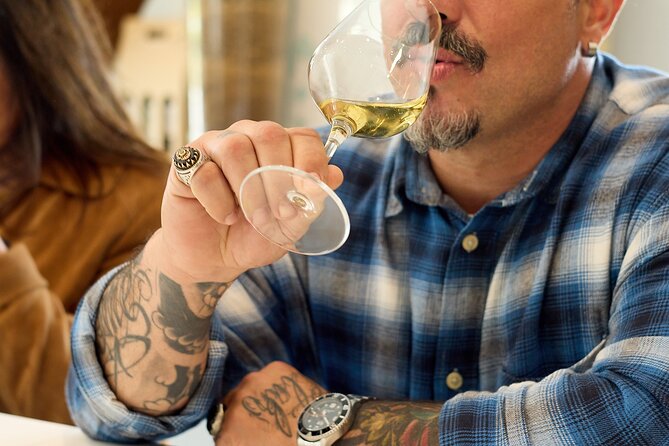
The class covers a wide range of subjects:
- Terroir and the role of place
- Grape varieties used in Bordeaux
- Appellations and regional differences
- Bordeaux classification
- Vinification and winemaking
- Aging and storage
- Correct wine service
- Basic food and wine pairing
- How to recognize aromas and flavors
That is a lot for a short session. The result is more of a concentrated introduction than a slow, leisurely tasting.
The strongest instructors make complicated subjects plain. Antoine was praised for explaining Bordeaux production in simple terms. Noe used the senses carefully, including primary, secondary, and tertiary aromas. Vincent included sensory testing and guidance on tasting through sight and smell.
The class can also help experienced drinkers. You may already understand wine basics, but Bordeaux has its own rules and habits. Learning how to read the region by appellation, château, and bank can make future bottle shopping less intimidating.
The atmosphere appears convivial rather than stiff. Ana was noted for being patient and attentive to different people in the group. A small group of only three allowed especially easy conversation, while the maximum group size of 10 still keeps the format relatively personal.
How much value do you get for $54.42?
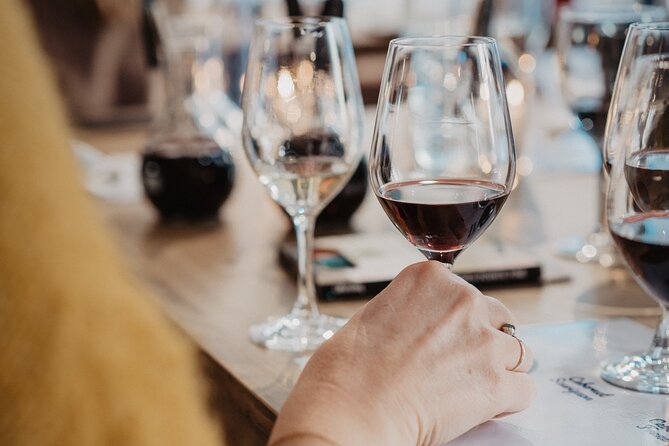
At $54.42 per person, this is not the cheapest way to drink wine in Bordeaux. You could buy a bottle and a plate of food for less, especially if you are traveling with a group.
The value becomes clearer when you separate the tasting from the instruction. You receive six alcoholic pours, a cheese and charcuterie board, bread, water, printed information, and the guidance of a local wine expert. You also get a useful framework for exploring Bordeaux on your own.
The class has been rated 4.9 out of 5 from 110 reviews, with 99 percent of participants recommending it. Those figures suggest a strong level of satisfaction, but they do not make the experience perfect for every person. The heat and odor complaint matters, as does the possibility of the session running late.
I consider the price fair for a first-time Bordeaux visitor who wants more than a casual sip. It is especially good value if the class helps you avoid buying bottles based only on a mysterious label or a famous château name.
The number of pours may vary. The planned tasting is one white and five reds, but some sessions have included six or seven wines, and one account mentions nine. The wines and schedule can change while keeping the same overall quality of the offer. Think of the published selection as a guide, not a guaranteed vintage list.
Who will enjoy this class most?
I would recommend it most strongly to:
- First-time visitors to Bordeaux
- People who enjoy wine but struggle with French labels
- Couples or small groups wanting a compact local activity
- Travelers planning to visit the Left Bank or Right Bank later
- Wine drinkers who want to understand blending
- Anyone looking for an English-language introduction
It is also suitable for people who already know wine and want a Bordeaux-focused refresher. The single-grape comparisons and bank-to-bank tasting offer more than a generic French wine flight.
This is less suitable if you want a vineyard visit, a full meal, or a highly exclusive tasting of rare bottles. It is also not designed for children under 16, and children under that age are not allowed. Pets are not allowed either, though service animals are permitted.
The activity is offered in English. A private tour or tasting would be more suitable for children or pets, according to the operating information, but the listed experience itself is a small-group class rather than a guaranteed one-party booking.
Practical details that matter
You receive confirmation at booking, and the ticket is mobile, so you do not need a printed voucher. The activity begins and ends at the same central Bordeaux address.
Free cancellation is available up to 24 hours before the 11:00 a.m. start time for a full refund. If you cancel or change the booking less than 24 hours before the start, you should not expect a refund.
I would arrive with enough time to find Rue Mably and settle in. Wear something comfortable, and do not plan a tight appointment afterward. Wine, food, questions, and the occasional extra explanation can push the class past its stated 90 minutes.
Should you book the Bordeaux Wines Masterclass?
Book this if you want a clear Bordeaux primer with real tasting practice, local food, and an expert who can answer questions in English. The session is particularly useful on your first day or two in town, before you choose wine bars, restaurants, or château visits.
Skip it if your main goal is a full-day vineyard outing or a parade of prestigious bottles. For most curious wine drinkers, though, the combination of six regional wines, single-grape comparisons, Left Bank and Right Bank examples, and a generous food board offers solid value in the center of Bordeaux.
FAQ
Where does the Bordeaux Wines Masterclass begin?
The class begins at 2ter Rue Mably, 33000 Bordeaux, France, near the Grand Théâtre.
What time does the class start?
The scheduled start time is 11:00 a.m.
How long does the experience last?
The activity lasts approximately 1 hour and 30 minutes. It may run longer, so leave extra time afterward.
How many wines are included?
The planned tasting includes one white wine and five red wines, for six alcoholic beverages. The wines and schedule may vary, and some sessions have included more pours.
Is food included?
Yes. The experience includes a board of local cheeses and charcuterie, baguette bread, and water.
Are children and pets allowed?
Children under 16 and pets are not allowed. Service animals are permitted.
Just listed in Bordeaux
- Bordeaux: Exclusive Private Guided Walking Tour★ 4.6 · 50 reviews
- Bordeaux:Wine Masterclass & Blending workshop with appetizer★ 4.8 · 54 reviews
- From Bordeaux: Essential Morning Tour with Wine Tasting★ 4.8 · 55 reviews
- Full-day Saint-Emilion: Village, Undergrounds and Châteaux★ 4.5 · 55 reviews
- Bordeaux Old Town & Market Local Food with Wine Tastings Tour★ 4.0 · 56 reviews
- Bordeaux: Saint-Emilion Village Day Trip, 2 Chateaux & Lunch★ 4.8 · 57 reviews
- Bordeaux Free Walking Tour (Tips-Based)★ 4.5 · 57 reviews
- The Ultimate Bordeaux Food Tour: Full Meal & Fine Wines★ 4.8 · 61 reviews
Bordeaux Tours, compared.
River Garonne Cruise with Glass of Wine and Canelé
Read our review →
Afternoon Saint-Emilion Wine Tasting & snack
Read our review →
Medoc or Saint Emilion Wine Tasting and Chateau from Bordeaux
Read our review →
Saint Emilion Day Trip with Sightseeing Tour & Wine Tastings from Bordeaux
Read our review →
Saint Emilion Half-Day Trip with Wine Tasting & Winery Visit from Bordeaux
Read our review →
Browse the lists this tour appears in