
Reviewed · WINE TASTINGS & WINE TOURS
Discover Braastad Cognac
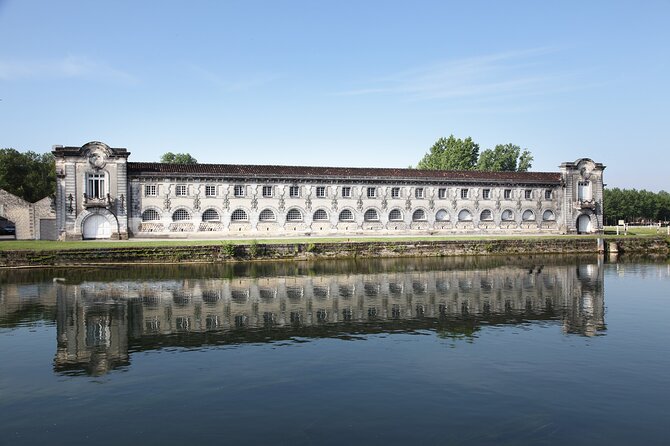
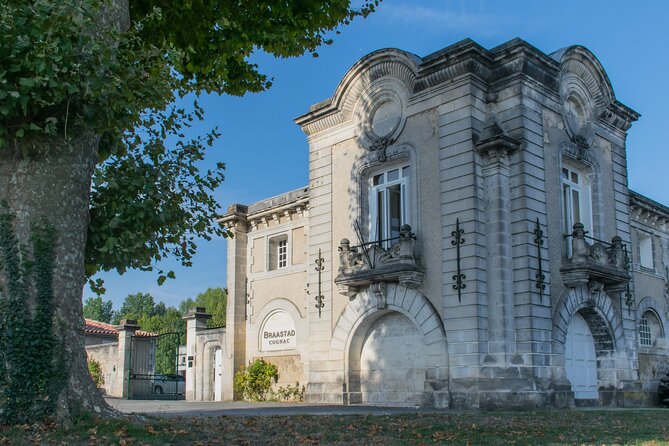
Braastad Cognac offers something many larger houses cannot: a look at a family-run operation that handles the whole process, from the vine and wine to distillation, aging, blending, and bottling. The visit takes place in Jarnac, on the Charente, at the historic TIFFON establishments founded in 1875.
I like the personal guiding and the clear structure. Guides Eric and David have been praised for making the 90-minute visit feel relaxed rather than rushed. I also like the tasting at the end, since comparing VS, VSOP, and XO gives you a useful way to understand age and style. The main consideration is that this is an adult-focused alcohol experience, and it may require good weather and a minimum number of participants to run.
Key points about the Braastad visit
- From grape to glass: Braastad manages the stages of production on site, including distillation, aging, blending, and bottling.
- A family house since 1875: The Braastad family has passed its production knowledge through six generations.
- Guides who keep it personal: Eric and David are known for friendly, engaging tours rather than a factory-style procession.
- Three cognac categories tasted: You sample VS, VSOP, and XO to see how the spirit changes with age.
- A cabinet of curiosities: The tour includes old tools, machines, and objects connected with cognac making.
- Useful for cyclists: The house lies along the Flow Vélo cycling route and has a garage for bicycle storage during the visit.
Why Jarnac makes this tour different
Cognac is not only the name of a drink. It is also a town and a wider production area in western France, where vineyards, wine making, copper stills, and aging cellars all form part of one local tradition.
Braastad Cognac is in Jarnac, on the banks of the Charente. That location gives the visit a strong sense of place. You are not simply sitting in a shop tasting bottles. You are visiting an operating family house in an emblematic building, with production areas and cellars tied to the company’s work.
The house was founded in 1875 and remains independent. Its production secrets have passed through six generations of the Braastad family. That continuity matters because you can connect the finished drink with the people and methods behind it.
I find small producers especially useful for learning. A large company can offer polish and scale, but a family house often gives you a clearer explanation of how decisions are made. Here, the focus is on the complete chain of production, not just on the final bottle.
More wine tastings in France:
- Bordeaux: Cité du Vin Entry Ticket and Wine Tasting
★ 4.6 · 3,885 reviews - Montmartre Hill French Gourmet Food and Wine Tasting Walking Tour
★ 5.0 · 2,588 reviews - From Paris: Loire Valley Castles Day Trip With Wine Tasting
★ 4.6 · 1,727 reviews
A personal tour with Eric or David
The guide can make or break a short producer visit. At Braastad, Eric and David are the names to know. Eric has led visits that combined practical explanations with humor, while David has been praised for giving the afternoon a personal feel instead of treating everyone like part of a moving crowd.
That personal approach is valuable during a 90-minute visit. Cognac production includes several technical steps, and a guide who can explain them in plain language helps you connect the parts. You can ask how distillation relates to aging, why blending matters, and how the categories differ.
The tour also appears to work well for people who are not already passionate about cognac. That is important. You do not need to arrive with a trained palate or a shelf full of French brandy. The visit introduces the subject from the beginning and builds toward the tasting.
Group size can vary. One scheduled visit has been conducted for only a single party, which allowed for plenty of conversation. You should not assume every departure will be private, but the guiding style seems suited to questions and discussion.
Following the process from vine to wine
The first part of the experience explains the foundation of cognac: the vine and the wine made from its grapes. Braastad describes itself as involved from the vine to the glass, so the tour places the finished spirit within a wider agricultural process.
That is a useful distinction. Cognac does not begin in a bottle or even in a still. It begins with grapes that are made into wine before distillation. You will hear about the house’s traditional approach and the work required before the spirit reaches the cellars.
The exact amount of time spent on each production stage may vary with the guide and group, but the purpose is clear: show how each step contributes to the final character. This makes the tasting more meaningful later. Instead of judging the drink as an isolated product, you can think about the route it took to get there.
For visitors who prefer authentic working sites to polished brand presentations, this is one of the strongest reasons to choose Braastad. The house is not presenting only a museum version of cognac making. It continues to manage the process as an independent producer.
The distillery and the art of distillation
Distillation is the technical heart of the visit. At the distillery, you learn how the wine becomes a stronger, more concentrated spirit. The experience introduces the know-how behind this stage rather than treating it as a mysterious craft.
This is where a good guide matters. Terms and equipment can seem abstract when you read about them, but they make more sense when you see the production setting and hear the story of the house. Eric’s explanations have been described as both fun and informative, which is a useful combination for a subject that could otherwise become dry.
Braastad’s appeal comes partly from showing multiple stages in one place. You are not stopping after a general introduction. The route continues from the production side to the cellars, allowing you to see how distillation connects with the long wait that follows.
Do not expect a large industrial tour with huge crowds or a theatrical presentation. The attraction here is the traditional, family-run setting. That means the visit may feel more intimate, but it may also have fewer polished layers than a major international brand experience.
Same city, a completely different afternoon:
- Paris: Louvre Museum Timed-Entrance Ticket
★ 4.6 · 71,977 reviews - Disneyland® Paris 1-Day Ticket
★ 4.6 · 49,412 reviews - Paris: Versailles Palace and Gardens Full Access Ticket
★ 4.6 · 41,579 reviews - Paris: Evening River Cruise with Music
★ 4.4 · 22,721 reviews
Inside the aging cellars
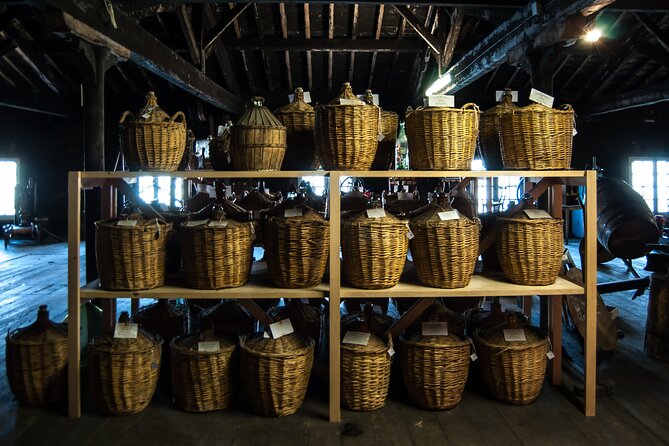
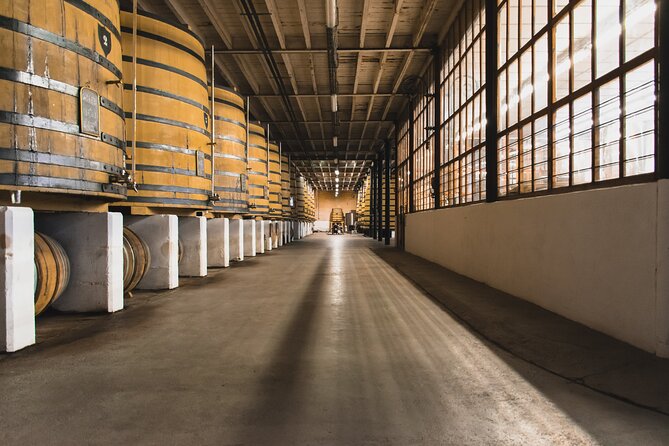
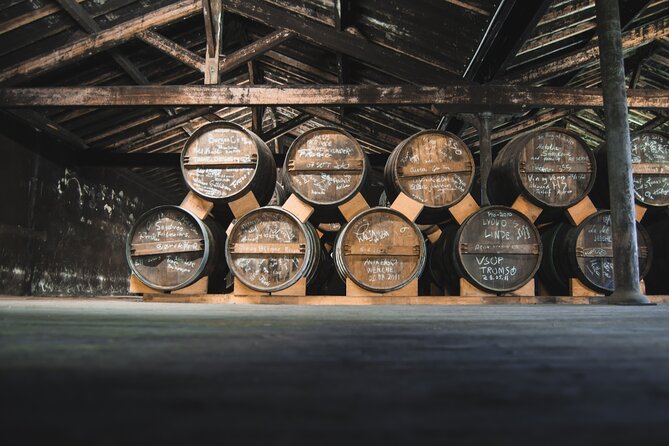
After distillation, cognac needs time. The aging cellars introduce you to the slower side of production, where the spirit rests in barrels and develops its character.
The cellars are an important part of the visit because they explain why different cognacs do not all taste alike. Age is not the only factor in a blend, but the VS, VSOP, and XO categories give you a practical framework for noticing differences.
You will also see how patience shapes the business. A producer must plan years ahead, maintain stocks, and blend spirits from different ages and qualities. That makes the final bottle the result of long-term work rather than a quick production cycle.
The cellar portion should appeal even if you are more interested in French culture, craft, or old buildings than in drinking. It gives the tour a physical sense of time. You can walk through a place where the product is stored and developed, rather than hearing only a sales explanation in a tasting room.
The cabinet of curiosities
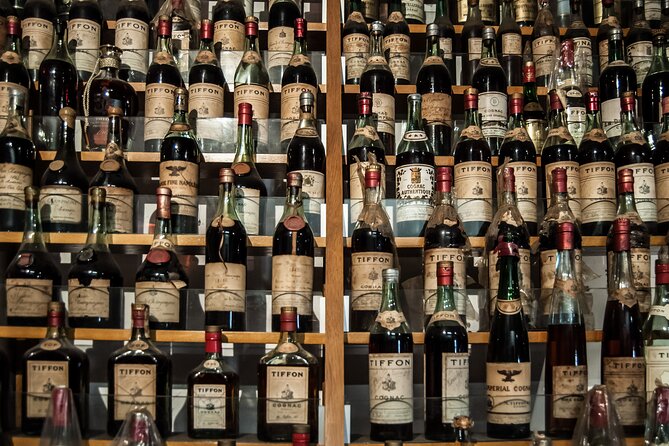
Before the tasting, the visit includes a cabinet of curiosities. This collection brings together objects connected with the house and with cognac production, including tools and machines.
I like this feature because it adds human scale to the technical story. Machinery explains how production works, but old tools also show how work was done across earlier generations. They help you picture the craft as a living tradition passed from one generation to the next.
The collection also gives the guide more stories to tell. A cabinet of curiosities can turn a standard explanation into a conversation about daily work, changing equipment, and the people who kept the house going.
This portion may be especially useful for visitors who want more than a tasting. It rounds out the experience with material culture and family history. The attraction is not just what is in your glass, but the objects and methods behind it.
Tasting VS, VSOP, and XO
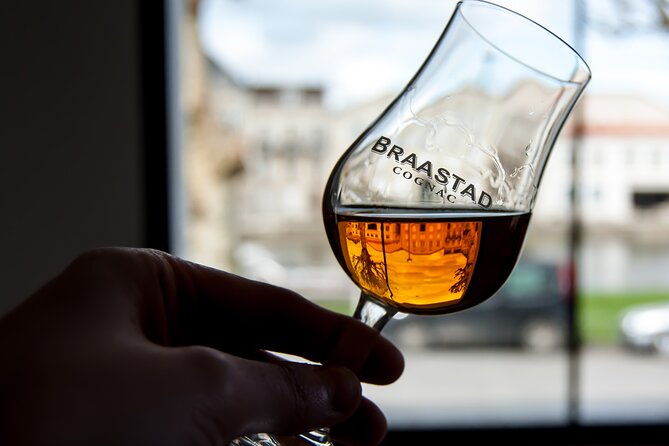
The visit ends with a tasting of Braastad’s iconic cognacs in three reference categories: VS, VSOP, and XO. Alcoholic beverages are included in the price, and the tasting is reserved for adults.
For a first visit, this comparison is more useful than sampling several bottles without a plan. The three categories offer a simple way to consider age and style. You can compare the younger VS with the more mature VSOP and XO, then ask the guide about the differences you notice.
I recommend paying attention to aroma, texture, warmth, and finish rather than trying to decide which bottle is best. The point is to understand how cognac changes as it is aged and blended. The cabinet of curiosities and production tour give you context, so the tasting feels like the final chapter rather than a separate sales stop.
One welcome detail is the lack of pressure selling reported during the experience. That matters because a tasting should help you make an informed choice, not leave you feeling obliged to buy. You can enjoy the comparison even if you are still deciding whether cognac belongs in your home bar.
Since the tasting includes alcohol, plan your day sensibly. The tour is not suitable for children at the tasting stage, and anyone avoiding alcohol will miss one of the central parts of the experience.
Is $18.10 good value for 90 minutes?
At $18.10 per person, the tour is priced modestly for a guided visit that includes alcoholic tastings and access to several parts of the production story. You are paying for more than a pour at the end. The program covers the house’s history, traditional methods, distillation, aging, blending, and its collection of objects.
The value is strongest if you want context. Buying a cognac at a shop may cost more or less depending on the bottle, but it will not show you the distillery, the cellars, or the family operation behind it.
The price also compares well for anyone already planning to visit Cognac or Jarnac. A 90-minute visit fits neatly into a day without taking over your schedule. It is long enough to explain the process, yet short enough to combine with other sightseeing.
The limitation is that the tour’s value depends on your interest in production and tasting. If you only want a quick drink, the visit may feel longer than necessary. If you enjoy craft, family businesses, and regional products, the combination is more rewarding.
Planning your visit to Jarnac
The experience lasts about one hour and 30 minutes. Confirmation is received at booking, and the ticket is mobile, so you can keep the booking on your phone.
Braastad is near public transportation, which helps if you are not driving. The site is also along the Flow Vélo cycling route, and a garage is available for storing bicycles during the visit. That makes it a practical stop for people touring the area by bike.
The location on the Charente adds another reason to consider Jarnac rather than limiting your day to the best-known names in Cognac. The house offers a local, family-scale point of view in a town connected to the wider production region.
Book ahead if your schedule is fixed. The experience is booked around 28 days in advance on average, suggesting that it is wise not to leave it until the last minute during a busy trip.
Free cancellation is available up to 24 hours before the start time. Changes or cancellations made less than 24 hours before the start are not accepted for a refund. The visit requires good weather and a minimum number of participants, so a cancellation by the operator can lead to another date, another experience, or a full refund.
Service animals are allowed, and most people can take part. The activity is listed in English, which makes it a practical choice for English-speaking visitors.
Who will enjoy Braastad most?
I would choose this tour if you want a smaller family house rather than a major commercial brand. It suits anyone curious about how cognac is made, especially if you prefer seeing production areas to simply hearing a brand story.
It is also a strong choice for:
- First-time cognac drinkers who want a clear introduction
- Enthusiasts interested in distillation, aging, and blending
- Visitors who enjoy family businesses with a long local connection
- Cyclists using the Flow Vélo route
- People looking for a reasonably priced activity near Cognac
- Anyone who prefers a relaxed guide-led visit with room for questions
I would think twice if you do not drink alcohol, since the tasting is a central part of the experience and reserved for adults. I would also confirm the weather and operating status if your plans are tight, because the visit can be affected by poor conditions or low attendance.
Should you book Discover Braastad Cognac?
Yes, if you want to understand cognac rather than simply taste it. The strongest features are the family-run setting, the chance to follow production from vine to glass, the access to the distillery and aging cellars, and the guided comparison of VS, VSOP, and XO.
The experience is especially appealing with Eric or David, whose style keeps the visit personal and approachable. At $18.10, the combination of a 90-minute tour and included tasting offers good value.
Choose Braastad for its independent character and full production story. Choose another activity only if you want a shorter tasting, a large-brand presentation, or an experience without alcohol.
FAQ
Where does the Braastad Cognac tour take place?
The tour takes place at the TIFFON establishments in Jarnac, France, on the banks of the Charente.
How long does the experience last?
The visit lasts approximately one hour and 30 minutes.
What is included in the ticket?
The ticket includes the guided experience and alcoholic beverage tasting.
Which cognacs are tasted?
The tasting includes cognacs from the three reference categories: VS, VSOP, and XO.
Is the tasting available to children?
No. The tasting is reserved for adults.
Is the tour offered in English?
Yes. The experience is offered in English.
Can I reach the site by bicycle?
Yes. Braastad is along the Flow Vélo cycling route, and a garage is available for bicycle storage during the visit.
Can I cancel for a full refund?
Yes, provided you cancel at least 24 hours before the experience start time. Cancellations made less than 24 hours in advance are not refunded.
Just listed in France
- Paris: Giverny & Versailles Small Group or Private Tour★ 4.5 · 49 reviews
- Half-Day Walking Food Tour in Nice with Lunch★ 5.0 · 49 reviews
- Chartres Cathedral 5 Hours Tour from Paris with Private Transport★ 4.5 · 49 reviews
- Marseille: Frioul Archipelago Catamaran Cruise with Lunch★ 4.4 · 49 reviews
- Paris: Louvre photoshoot or Seine bridges Eiffel Tower walk★ 5.0 · 49 reviews
- Bonifacio: sunset catamaran trip and aperitif★ 4.6 · 50 reviews
- Paris: Choux Pastry and Chocolate Éclair Making Class★ 4.9 · 50 reviews
- Private tour of the Champagne area, meet local producers and taste their Champagne, start from your hotel in Paris.★ 5.0 · 50 reviews
Wine Tastings & Wine Tours, compared.
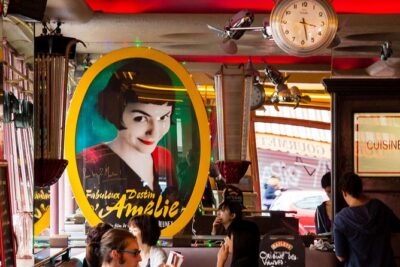
Montmartre Hill French Gourmet Food and Wine Tasting Walking Tour
Read our review →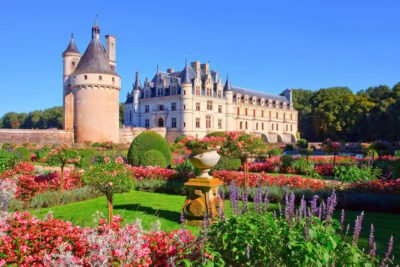
Loire Valley Castles Day Trip With Wine Tasting
Read our review →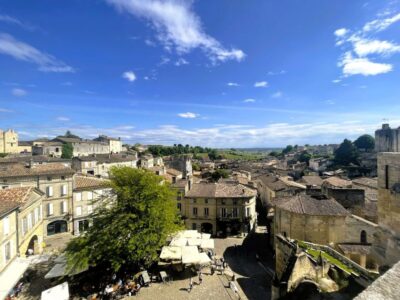
Afternoon Saint-Emilion Wine Tasting & snack
Read our review →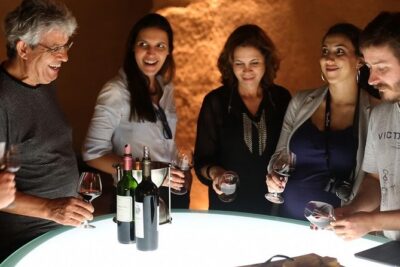
Medoc or Saint Emilion Wine Tasting and Chateau from Bordeaux
Read our review →
Saint Emilion Day Trip with Sightseeing Tour & Wine Tastings from Bordeaux
Read our review →
Saint Emilion Half-Day Trip with Wine Tasting & Winery Visit from Bordeaux
Read our review →Browse the lists this tour appears in