
Reviewed · BORDEAUX TOURS
Discovery of the Bordeaux vineyard in 3 wines
Bordeaux can seem like a maze of grape names, appellations, and grand cru labels. This 90-minute tasting gives you a clear way in: three wines, each chosen to show a different side of the region, with stories reaching back to Roman times.
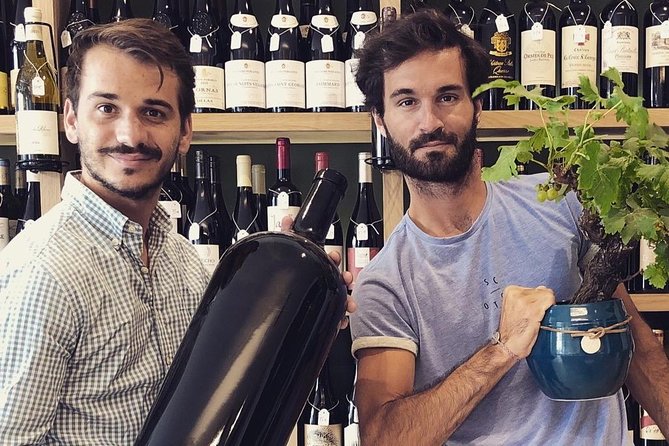
I like two things right away. First, you taste across the Left Bank, Right Bank, and white-wine traditions instead of sampling three near-identical reds. Second, hosts such as James and Pierre explain wine in plain English, with humor and patience. The small group, capped at 12, also leaves room for questions.
The main thing to check is the timing. One booking detail lists an 11 a.m. option, while a direct experience comment says tastings take place at 2:30 p.m. The event is also held at Le Pied à Terre, not at a vineyard, so this is a wine lesson and tasting in Bordeaux, not a chateau visit.
Key points to know before booking
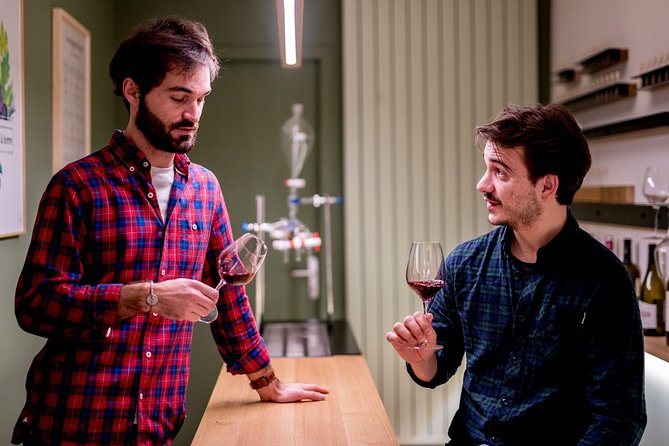
- Three contrasting Bordeaux wines: Expect a powerful Left Bank red, an elegant Right Bank red, and a fresh dry white.
- A practical tasting lesson: You’ll learn how to look, smell, taste, and compare wines without stiff rules or showy ritual.
- English-language instruction: James, Pierre, or another host leads the session in an informal, question-friendly style.
- Basque food on the table: Charcuterie and cheese from Maison Pierre Oteiza are served with bread and the wines.
- Small-group setting: The maximum is 12 people, making this better suited to discussion than a large lecture.
- Central Bordeaux meeting point: Start and finish at 22 Rue Judaïque, 33000 Bordeaux.
Why three wines explain Bordeaux better than three random pours
The smart part of this tasting is its structure. Bordeaux is not one single style of wine. The Gironde estuary divides the best-known areas into the Left Bank and Right Bank, and the soils, grape blends, and traditions differ from one place to another.
Your first red represents the power of the Left Bank. The second shows the softer elegance of the Right Bank. A dry white then resets your palate and shows why Bordeaux should not be treated as a red-wine-only region.
This comparison gives you something useful to carry into a restaurant or wine shop. Instead of trying to remember a long list of chateaux, you can ask yourself what kind of wine you want: firm and structured, rounder and more supple, or crisp and fresh.
The wines are presented with their appellation, grape varieties, production methods, and estate background. That context matters. A tasting becomes far more useful when you understand why a wine tastes the way it does, rather than simply deciding if you like it.
More wine tastings in Bordeaux:
- Bordeaux: Cité du Vin Entry Ticket and Wine Tasting
★ 4.6 · 3,885 reviews - From Bordeaux: Afternoon Saint-Emilion Wine Tasting & snack
★ 4.8 · 1,581 reviews - Medoc or Saint Emilion Wine Tasting and Chateau from Bordeaux
★ 5.0 · 1,415 reviews
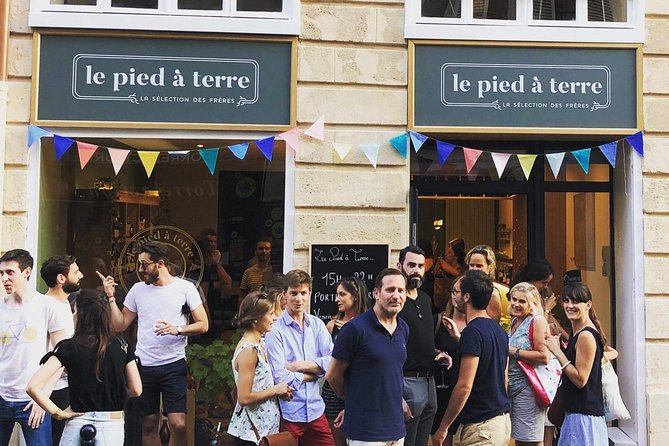
Inside Le Pied à Terre at 22 Rue Judaïque
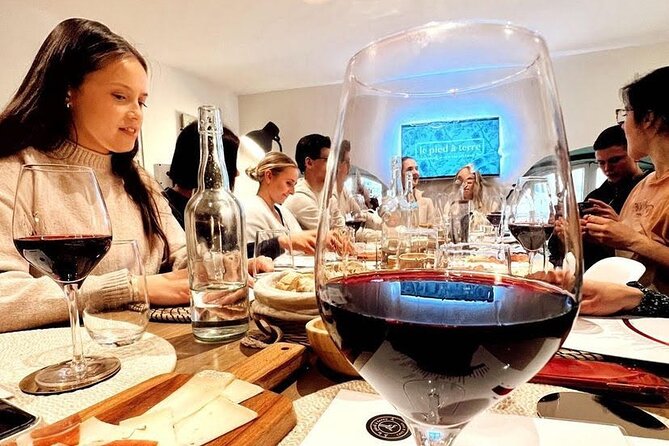
The meeting point is Le Pied à Terre, at 22 Rue Judaïque in Bordeaux. It is easy to reach and close to public transportation, and the activity returns to the same place at the end.
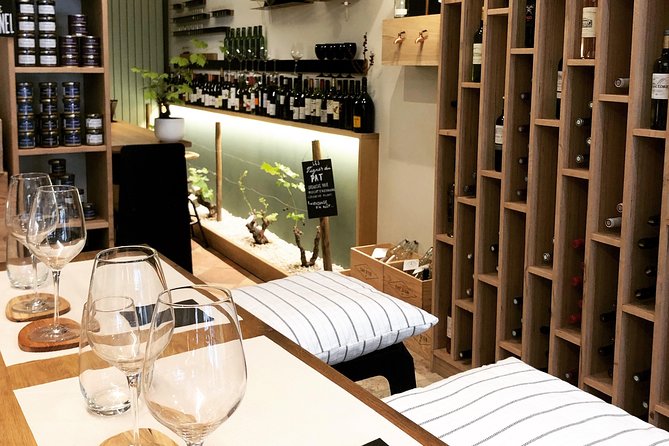
The setting is a wine shop with a tasting room upstairs, according to the experience details. It is not a working vineyard, cellar tour, or chateau visit. That distinction is important if you are picturing vines, barrels, and a drive into the countryside.
Still, the city setting has an advantage. You can fit this tasting into a day of sightseeing without giving up half a day to transport. It also lets you focus on the wine itself, rather than rushing through a large estate with a fixed tour route.
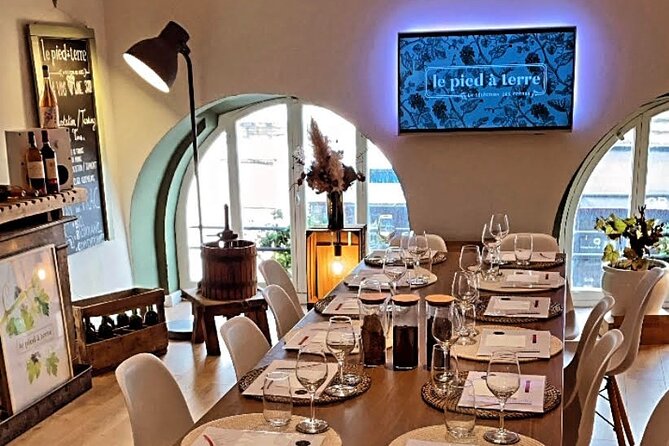
The room has been described as attractive and relaxed. Expect an intimate class rather than a formal performance. With no more than 12 people, you should have a fair chance to ask about a grape, label, or tasting term that puzzles you.
The tasting lesson: simple methods you can use later
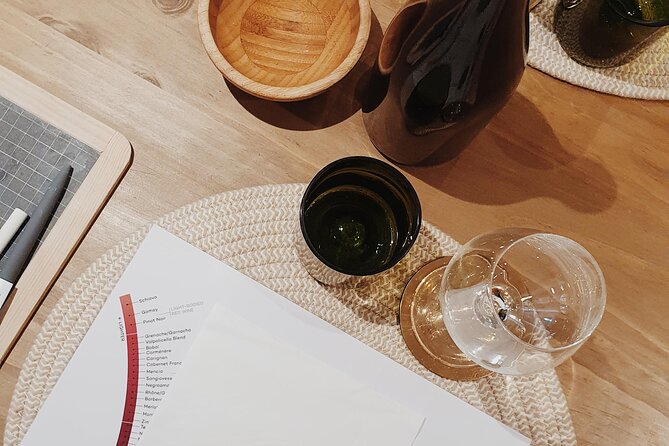
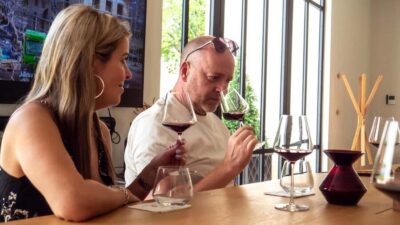
The host begins with the basics of tasting. You will be shown how to assess the wine by sight, aroma, and taste, then compare what you find in the glass.
This is aimed at people who want useful guidance, not a contest in fancy vocabulary. The approach is deliberately friendly and low-pressure. You do not need prior wine experience, and beginners have room to ask basic questions without feeling out of place.
You also get an introduction to tasting wine properly. That may include looking at color, noticing aromas, considering texture, and thinking about balance and finish. The point is not to perform a ritual. It is to give you a repeatable way to pay attention.
That practical angle is one of the strongest reasons to book. You can use the same method at dinner, during a later winery visit, or when choosing a bottle at home. The experience is less about drinking three samples and more about learning why they differ.
For more experienced wine drinkers, the session may be most useful as a regional refresher. One comment found the presentation slightly loose for intermediate drinkers who preferred a tighter script. If you already know Bordeaux well, the informal pace may feel less structured than a technical seminar.
Comparing the Left Bank and Right Bank reds
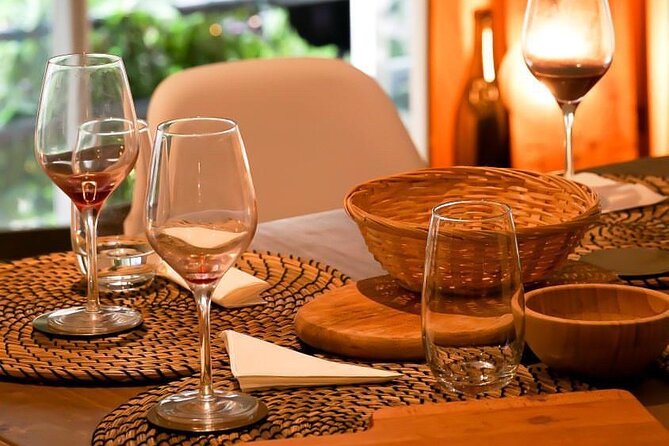
The central lesson comes when the two red wines are placed side by side. The Left Bank is presented through a more powerful red, while the Right Bank is represented by a wine with greater elegance.
This is a useful starting point, but do not treat it as a rigid rule. Bordeaux wines vary widely by appellation, estate, vintage, and blend. The tasting is teaching broad regional character, not claiming that every Left Bank bottle tastes the same.
You will hear about appellations and the system that governs how producers label their wines. That can be especially helpful in Bordeaux, where the place name on the bottle often tells you more than the grape variety printed on the front.
The discussion also covers the grapes used in the wines. You may come away with a clearer sense of how grape blends, soil, and winemaking shape the final result. Some sessions include two Grand Cru Classé wines, though the exact bottles can vary, so I would not book solely on the assumption that particular estates will be poured.
The best way to approach this section is to taste before deciding which style you prefer. The host can guide you toward differences in body, structure, aroma, and finish. You can then connect those impressions to the region and appellation.
A few other Bordeaux half-days to compare
- Bordeaux: River Garonne Cruise with Glass of Wine and Canelé
★ 4.5 · 3,630 reviews - Saint Emilion Day Trip with Sightseeing Tour & Wine Tastings from Bordeaux
★ 5.0 · 1,120 reviews - Saint Emilion Half-Day Trip with Wine Tasting & Winery Visit from Bordeaux
★ 4.5 · 1,034 reviews - From Bordeaux: St. Emilion Village Half-Day Wine Tour
★ 4.7 · 728 reviews
The dry white and the food pairing
The third wine is a dry Bordeaux white, chosen for freshness. It breaks up the two red pours and gives the tasting a welcome change in pace.
This is also a reminder that Bordeaux produces more than famous cabernet-based reds. A dry white can show a lighter, sharper side of the region and gives you another style to seek out during your stay.
Food is served alongside the wines. The listed starter is charcuterie and cheese from the Basque Country, supplied by Maison Pierre Oteiza. Bread, ham, and cheese form the basic spread, and the pairing helps explain how salt, fat, and texture change the way wine tastes.
The portion is best viewed as a tasting accompaniment, not a full meal. If you arrive hungry, eat beforehand or plan a meal afterward. The board adds value and makes the session feel more social, but it is not designed to replace lunch or dinner.
Vegetarian and vegan arrangements have been possible when requested in advance. If that applies to you, contact the provider before the session rather than waiting until you arrive.
History, producers, and the story behind the label
Wine in Bordeaux comes with centuries of trade, regulation, and changing tastes. The host places the wines in that wider story, including accounts that reach back to Roman times.
The history is not presented as a detached lecture. It is linked to the bottles in front of you: the estate, the appellation, the grapes, and the way the wine is made. That makes the background easier to remember.
You will also hear about producers. This is useful if you plan to visit a chateau later, because you will have a better sense of what to look for on a label. The tasting works well as a first step before a countryside winery tour.
The hosts are a major part of the experience. James is described as an English-speaking wine expert with a humorous, easy-going style. Pierre, one of the brothers involved, is also described as an engaging teacher who keeps the class relaxed. The exact host can vary, but the format is built around conversation rather than a memorized speech.
That flexibility cuts both ways. It can produce a warm, personal class, especially when the group asks lots of questions. It can also make the talk feel a little rambling if you prefer a strict timetable and tightly ordered technical notes.
Who gets the best value from the $42.33 price
At $42.33 per person, this is priced as a short educational experience rather than a full-day vineyard excursion. The fee covers three wines, instruction, regional background, tasting guidance, and a small Basque cheese and charcuterie board.
For a first introduction to Bordeaux, I think the price is fair. You avoid the time and transport cost of leaving the city, and you gain a framework that can make later wine purchases less confusing.
The value is strongest for beginners and curious wine drinkers. If you are starting from scratch, the session gives you vocabulary and a way to compare styles without making you feel foolish. It also suits solo visitors, since the small class naturally creates chances to meet other people.
Intermediate drinkers should consider their preferences. If you want bottle-by-bottle technical analysis, vintage charts, or a formal lecture, this may feel too casual. If you prefer a lively explanation with time for questions, it should be a better fit.
The exact wines matter, too. Three tasting pours are enough to teach a point, but not enough to represent every major Bordeaux appellation. Think of this as an introduction to the region’s main contrasts, not a complete survey.
Timing, group size, and small practical details
The listed duration is about one hour and 30 minutes. In practice, the experience has sometimes been described as closer to a couple of hours, depending on the pace and questions. Allow a little breathing room rather than scheduling a train or restaurant reservation immediately afterward.
The experience is offered in English and confirmation is sent at booking. Service animals are allowed, and the meeting point is near public transportation.
The maximum group size is 12. That is small enough for interaction, but it does not guarantee a private lesson. You may share the room with a mixed group of French, American, Scottish, Irish, and other participants.
Pay close attention to the start time shown for your date. The supplied information includes a mismatch between an 11 a.m. listing and a direct note that tastings are held at 2:30 p.m. Check the confirmed time before arranging the rest of your day.
Cancellation is free up to 24 hours before the local start time for a full refund. Changes or cancellations inside that window are not accepted for a refund. The session also requires a minimum number of participants, and if the provider cancels for that reason, you are offered another date or a full refund.
Is this Bordeaux wine tasting right for you?
Book it if you want a clear first lesson in Bordeaux wine without leaving the city. It is especially suitable for beginners, couples, solo visitors, and anyone planning a later winery visit. The contrast between the Left Bank red, Right Bank red, and dry white gives you a useful regional map in a short time.
You should also book if you enjoy hosts who teach through stories, jokes, and questions. James and Pierre bring personality to the session, and the relaxed tone keeps wine from feeling like an exam.
Think twice if your main goal is to walk through vineyards, tour a chateau, or drink large pours. This takes place at Le Pied à Terre, with three tasting-size glasses and a modest food board. It is a city tasting class, not a day in the vines.
For most visitors, I would put this near the start of a Bordeaux stay. You will understand the menus, wine shops, and later estate visits better, and you can spend the rest of your trip testing what you learned.
FAQ
Where does the Bordeaux wine tasting begin?
It begins at Le Pied à Terre, 22 Rue Judaïque, 33000 Bordeaux, France.
Where does the activity end?
The activity ends back at the meeting point at Le Pied à Terre.
How long does the experience last?
The stated duration is approximately one hour and 30 minutes. The pace can vary depending on the discussion.
How many wines are included?
The guided tasting includes three Bordeaux wines: a powerful Left Bank red, an elegant Right Bank red, and a fresh dry white.
Is the tasting offered in English?
Yes. The experience is offered in English.
Is this held at a vineyard?
No. The tasting takes place at Le Pied à Terre, described as a wine shop with an upstairs tasting room in Bordeaux.
What food is served?
The listed starter is Basque Country charcuterie and cheese from Maison Pierre Oteiza. Bread, ham, and cheese are included with the tasting.
What is the cancellation policy?
You can cancel at least 24 hours before the local start time for a full refund. Cancellations or changes made less than 24 hours before the start are not refunded or accepted.
Just listed in Bordeaux
- Bordeaux: Exclusive Private Guided Walking Tour★ 4.6 · 50 reviews
- Bordeaux:Wine Masterclass & Blending workshop with appetizer★ 4.8 · 54 reviews
- From Bordeaux: Essential Morning Tour with Wine Tasting★ 4.8 · 55 reviews
- Full-day Saint-Emilion: Village, Undergrounds and Châteaux★ 4.5 · 55 reviews
- Bordeaux Old Town & Market Local Food with Wine Tastings Tour★ 4.0 · 56 reviews
- Bordeaux: Saint-Emilion Village Day Trip, 2 Chateaux & Lunch★ 4.8 · 57 reviews
- Bordeaux Free Walking Tour (Tips-Based)★ 4.5 · 57 reviews
- The Ultimate Bordeaux Food Tour: Full Meal & Fine Wines★ 4.8 · 61 reviews
Bordeaux Tours, compared.
River Garonne Cruise with Glass of Wine and Canelé
Read our review →
Afternoon Saint-Emilion Wine Tasting & snack
Read our review →
Medoc or Saint Emilion Wine Tasting and Chateau from Bordeaux
Read our review →
Saint Emilion Day Trip with Sightseeing Tour & Wine Tastings from Bordeaux
Read our review →
Saint Emilion Half-Day Trip with Wine Tasting & Winery Visit from Bordeaux
Read our review →
Browse the lists this tour appears in