
Reviewed · LA ROCHELLE TOURS
Discovery Walking Tour of La Rochelle
La Rochelle’s old harbor tells a story of defiance. Its towers guarded a port that traded widely, challenged royal power, and developed a character unlike many French cities. This two-hour walk with John brings that past to life while showing you how the city works today. I especially like the mix of major sights and small details, plus the practical advice on food, cafés, and local customs. The possible drawback is simple: the tour stays outside the towers, so you must pay separately if you want to climb them.
I also like that the walk is made for English speakers who want more than dates and stone walls. John explains modern French culture, answers questions clearly, and may include a taste of Pineau des Charentes. Bad weather can make the walk less comfortable, as some groups discovered in rain and wind, but the relaxed pace and frequent stops help.
Key points at a glance
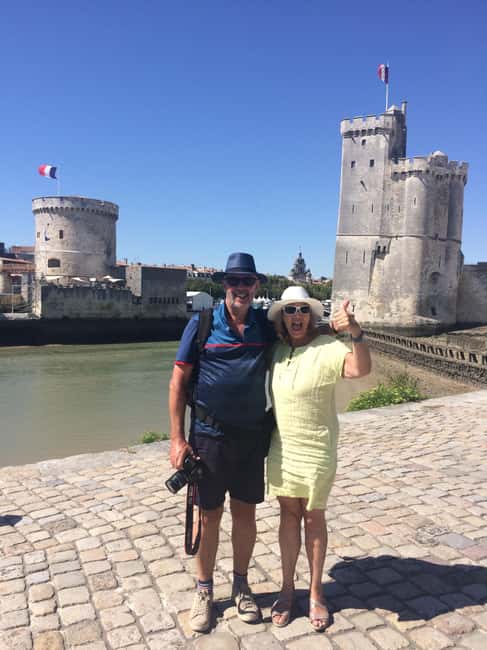
- Start beside the harbor anchor: Meet John at Place de la Chaîne, beside the anchor, near La Rochelle’s famous towers.
- See the city’s main landmarks: The route includes the three harbor towers, city walls, Fort des Dames, the clock tower, and Hotel de Ville.
- Hear the rebellious side of La Rochelle: The tour explains how the city’s past shaped its unusual identity and architecture.
- Get useful local advice: John points you toward places to eat, regional specialties to try, and things worth seeing after the walk.
- Expect an English-language tour: The live tour is delivered in English and is wheelchair accessible.
- Allow two hours, plus tower time if wanted: Tower admission is not included, so plan extra time and money if you want to go inside.
Starting at Place de la Chaîne by the old harbor
The meeting point is Place de la Chaîne, beside the anchor. This puts you right at the harbor entrance, where La Rochelle’s best-known towers frame the water and the old town begins.
It is a smart place to start because you immediately get a sense of the city’s purpose. La Rochelle was not built as a quiet inland market town. Its connection to the sea shaped its trade, politics, defenses, and daily life. From the first minutes, you are looking at the physical evidence of that story.
John is the guide named throughout the tour information and participant feedback. His approach is relaxed, friendly, and built around conversation rather than a long speech. That matters if you have questions, are traveling alone, or want help understanding a place without feeling buried under facts.
The tour is in English, which makes it especially useful for visitors who do not speak French. John also adds advice about French customs, food, and modern local life, so you get more than a translated version of a standard historical talk.
More walking tours in France:
- Paris Top Sights Half Day Walking Tour with a Fun Guide
★ 5.0 · 2,893 reviews - Montmartre Hidden Gems and Scenic Highlights Walking Tour
★ 5.0 · 2,684 reviews - Montmartre Hill French Gourmet Food and Wine Tasting Walking Tour
★ 5.0 · 2,588 reviews
The three towers and La Rochelle’s seafaring identity
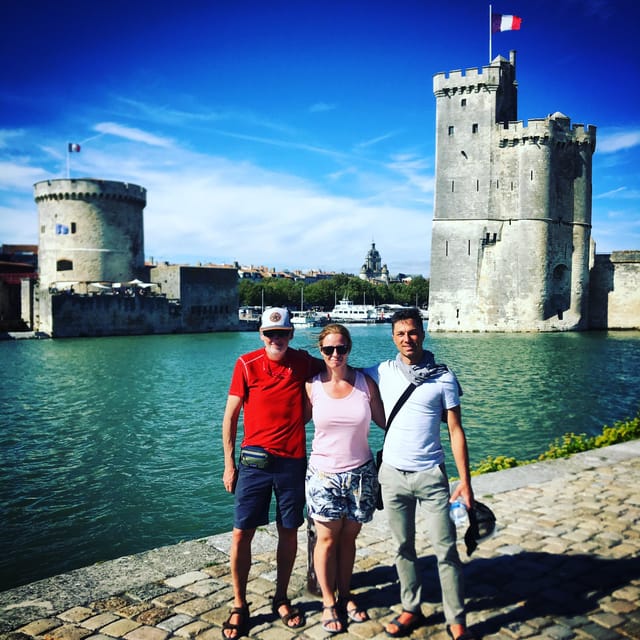
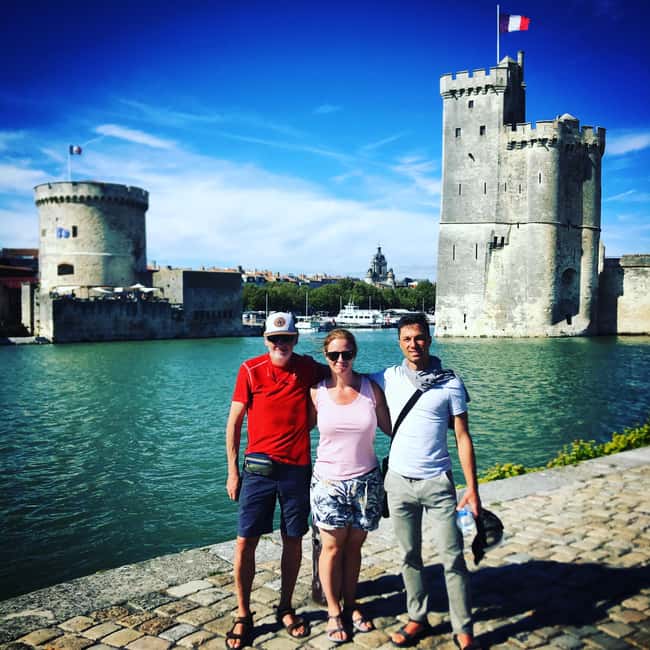
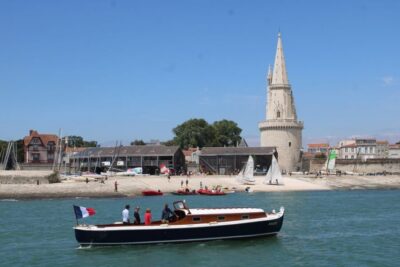
The three famous towers are the visual heart of the walk. They are not just attractive backdrops for photographs. Together, they explain how La Rochelle controlled access to its harbor and protected its wealth.
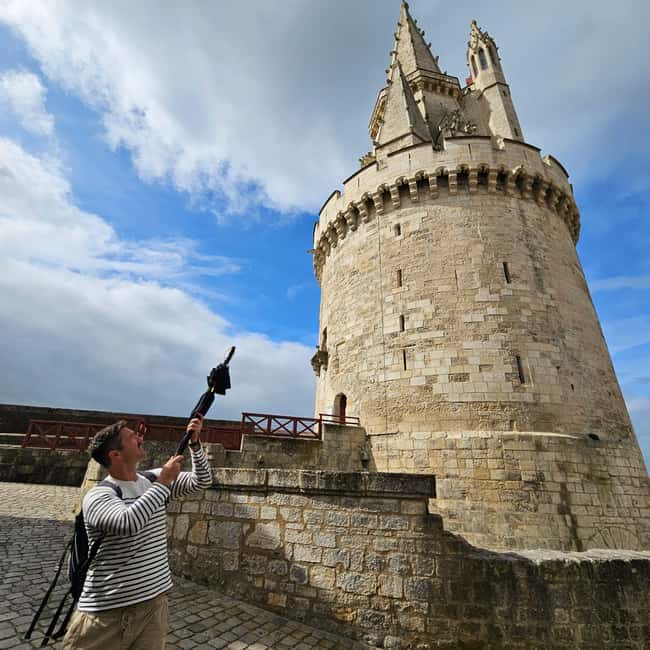
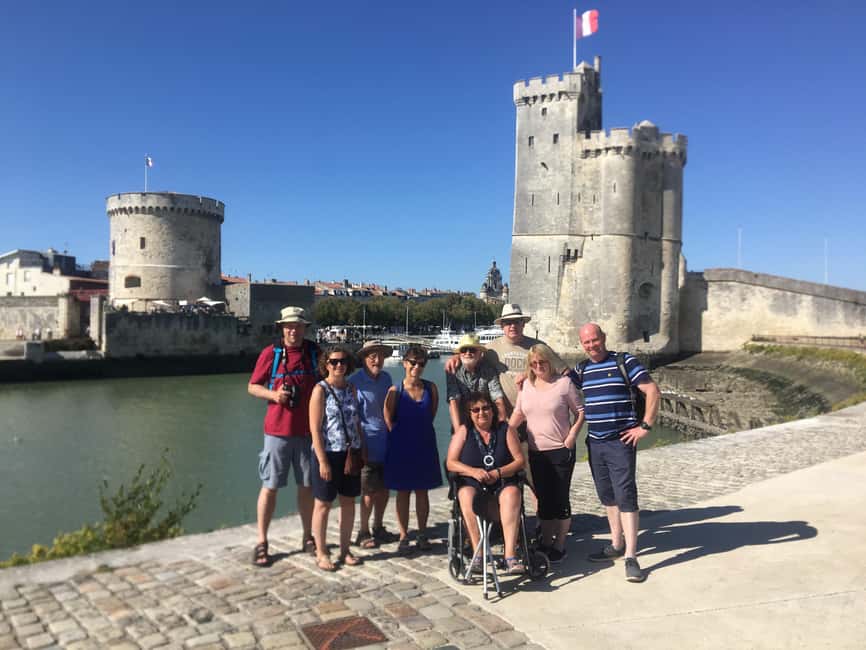
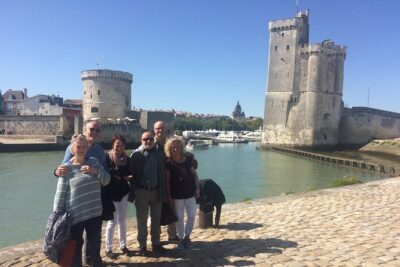
You will see the Tour Saint-Nicolas, the Tour de la Chaîne, and the Tour de la Lanterne from the outside. Their position at the harbor entrance makes the city’s defensive plan easy to understand. Instead of hearing about walls and military power in the abstract, you can see how the towers worked as part of one system.
The towers also help explain the city’s rebellious reputation. La Rochelle developed strong political and religious convictions and did not always follow the wishes of the French crown. Its location, wealth, and fortified harbor gave it room to resist, although resistance also brought serious consequences.
John’s strength is connecting the large events to the buildings in front of you. You are not simply told that La Rochelle had a turbulent past. You learn how that past affected the shape of the port and the feel of the old center.
You do not enter the towers as part of the $47 tour. Entrance fees are separate. That is not a major flaw, but it is worth knowing before you book. The walking tour gives you context and exterior views, while a tower visit lets you explore the interiors and see the city from above.
If you have only one day in La Rochelle, I would take the walking tour first and decide afterward if a tower visit suits your schedule. Once you understand what you are looking at, the paid interiors become more meaningful.
Walking the walls and Fort des Dames
The famous walls are another important part of the route. La Rochelle’s defenses were not decorative. They were tied to the city’s commercial success and its need to protect the harbor from attack.
Walking near these fortifications gives you a feel for the old city’s boundaries. The walls separate the historic center from the newer parts of La Rochelle, and they help explain why the streets inside feel compact and distinct.
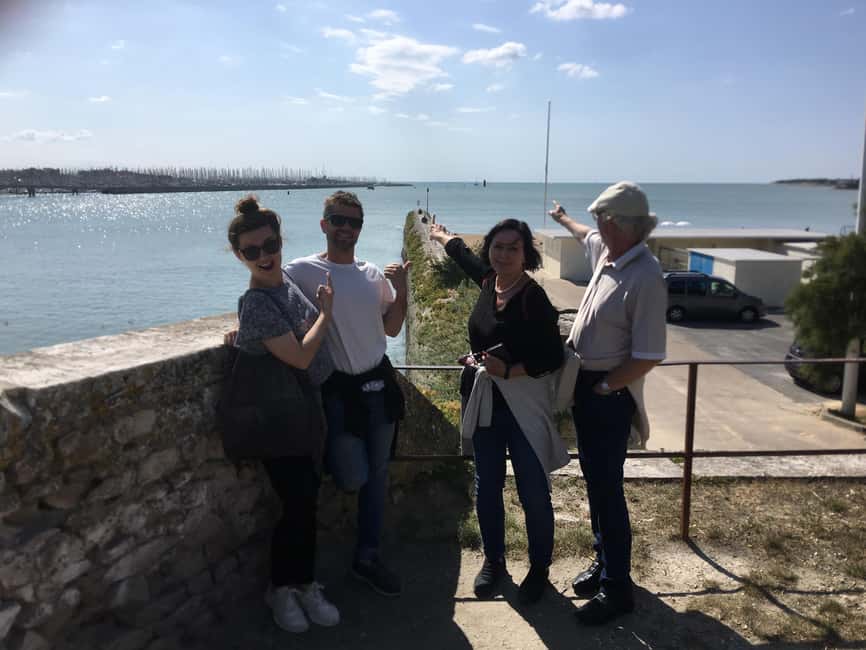
The route also includes Fort des Dames. This is one of the less obvious stops, and that makes it useful. Many visitors would pass through La Rochelle, photograph the harbor towers, and leave without understanding how many defensive structures worked together.
At Fort des Dames, John can place the harbor defenses in a wider setting. The stop adds another layer to the military story without turning the tour into a technical lecture. You get a better sense of how the city protected itself and why its position mattered.
The walk is at a relaxed pace, with time for photographs and questions. That said, this remains a city walk, not a seated museum tour. You should be comfortable spending two hours outdoors and moving over the streets and public spaces of the old center.
The clock tower and the route into the old town
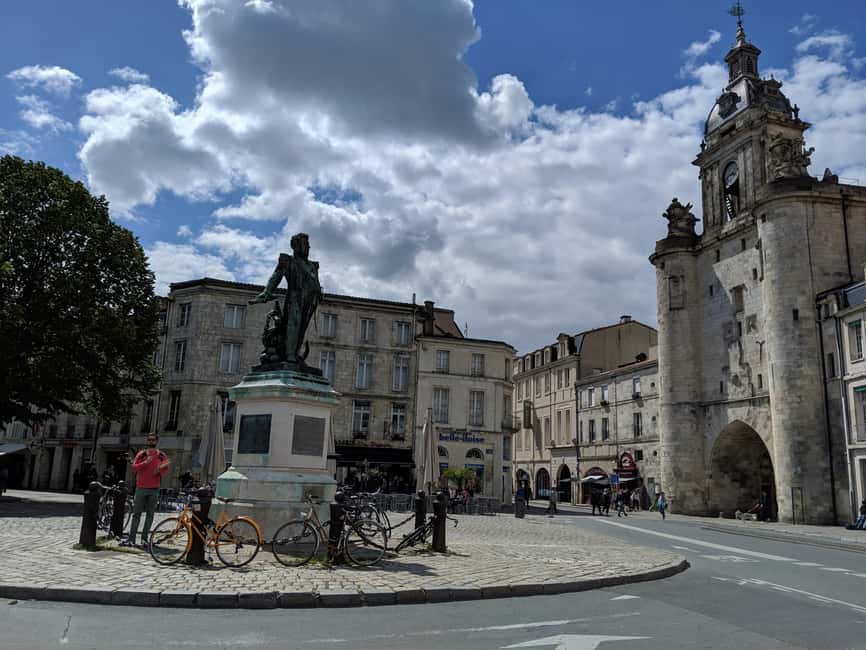
The clock tower marks a change in the walk. The harbor defenses give way to the entrances, streets, and public buildings of central La Rochelle.
A city gate or clock tower can seem like a quick photograph unless someone explains its role. Here, the tower helps you see how the old port connected to the town behind it. It was a practical link between commerce at the water and civic life farther inland.
The route does not simply jump from one postcard sight to another. John uses the buildings to explain how La Rochelle grew into the city you see today. That makes the tour useful even if you already have a map and plan to explore independently afterward.
One of the tour’s most praised qualities is its balance. You hear enough history to understand the city, but the discussion also includes contemporary art, present-day French culture, and local habits. This keeps the walk from feeling stuck in the past.
For me, that balance is one of the main reasons to book early in your stay. The advice you receive can shape the rest of your visit. You may leave with ideas for restaurants, regional foods, other sights, and ways to spend your free time.
A few other France half-days to compare
- La Rochelle: 2-Hour Sunset Sailing Cruise
★ 4.8 · 652 reviews - Planet Exotica entrance ticket
★ 4.0 · 310 reviews - La Rochelle: Catamaran Cruise
★ 4.8 · 252 reviews - La Rochelle: Coastline Sailing Cruise
★ 4.7 · 240 reviews
Hotel de Ville and the civic story of La Rochelle
The walk includes La Rochelle’s Hotel de Ville, described as the oldest working town hall in France. It is a particularly valuable stop because it shifts attention from battles and defenses to the city’s civic identity.
A town hall shows how a place presents itself and governs its daily affairs. In La Rochelle, the building helps connect the city’s independent spirit with its public institutions. John explains why the building matters rather than treating it as another façade on the route.
This is also where the tour’s main theme becomes clear: La Rochelle’s past is not a collection of disconnected stories. Its trade, political resistance, religious tensions, defenses, and public life all helped shape the city’s present character.
The walk is a good choice if you like history told through places rather than through a long list of names and dates. John uses anecdotes and humor to keep the pace lively. He also invites questions, which helps the tour adapt to the interests of the group.
Small groups can make a difference here. The tour is not described as a large coach excursion, and some participants have experienced groups of only a few people. A small group gives you more room to ask about a particular building, local food, or an idea that catches your attention.
Pineau, regional food, and practical advice
This is not only a history tour. Food and drink receive serious attention, which suits La Rochelle and the wider Charentes area.
You will hear about regional specialties to try, places to eat, and local drinks. If circumstances allow, the tour may include a taste of Pineau des Charentes. Pineau is a regional fortified wine, and sampling it gives the food discussion a real local connection instead of leaving it as a list of dishes.
Some groups have also sampled Napoleon cognac alongside Pineau. The exact tasting should not be treated as guaranteed, since the activity description says you might taste Pineau if conditions allow. Still, the possibility adds a pleasant local touch.
John’s restaurant advice is useful because it comes during the walk, when you can ask follow-up questions. If you are unsure how to order, what specialty to try, or where to begin with French food, this part may be worth a good share of the tour price by itself.
The food discussion also makes the experience more practical for non-French speakers. You are not left with only a historical understanding of La Rochelle. You get help using the city during the rest of your visit.
I would not book this walk expecting a full food tour. Its main purpose is to explain La Rochelle and show its key sights. If food is your main interest, Discover LaRochelle also offers a separate food tour, and one participant found it especially worthwhile. The walking tour gives you a taste and useful direction, not a meal-by-meal itinerary.
A guide who keeps the two hours moving
The guide can make or break a short city tour. Here, John is repeatedly described as warm, humorous, clear, and easy to follow.
That combination matters. A guide can know a great deal and still make a two-hour walk tiring. John’s style appears to be conversational, with anecdotes, questions, and occasional light touches such as riddles and sweets for correct answers.
He also seems comfortable adjusting to different groups. Solo visitors can expect help joining the conversation, while couples and small groups have room to ask questions. People with only one day in La Rochelle can get a useful overview without spending half the day on a formal lecture.
The strongest feature is the way John links information to your visit. He explains the past, then adds what you can do next. He talks about art, food, restaurants, cafés, and places worth seeing. That makes the guide useful beyond the scheduled two hours.
Another practical point is communication before the tour. John has contacted participants ahead of time and, in at least one case, helped arrange an earlier start with another group. You should not assume this will happen for every booking, but it suggests a personal approach to scheduling when circumstances allow.
Is $47 good value for two hours?
At $47 per person, this is not the cheapest way to walk around La Rochelle. You can see the harbor and many streets without paying for a guide.
The value comes from what you would otherwise miss. John explains why the towers are there, how the walls fit into the city’s story, and how the past shaped modern La Rochelle. You also receive food and restaurant tips, cultural context, and an English-language explanation of the city.
The price includes the guide but not admission to the towers. If you want a climb or interior visit, add that cost separately. I would treat the walk as an orientation experience, then choose additional admissions based on your interests.
The tour is strongest for a first visit, especially if you want to make good use of a short stay. It is also useful for returning visitors who have seen La Rochelle but never had its buildings explained. It may be less appealing if you prefer to explore alone, dislike scheduled walks, or mainly want interior access to the towers.
Free cancellation is available up to 24 hours before the start, and you can reserve now and pay later. The practical benefit is flexibility, especially when weather or changing plans may affect an outdoor activity.
Weather, access, and what to bring
This is an outdoor walking tour, so weather matters. Participants have completed it in heavy rain and strong wind, but wet conditions clearly make the experience harder. If the forecast looks poor, wear waterproof clothing and shoes suited to wet streets.
The pace is relaxed, and the activity is wheelchair accessible. Still, you should consider your own comfort with two hours outside and ask the provider if you need details about particular surfaces or access points.
Bring a phone or camera for the towers, walls, and public buildings. More important, bring questions. The tour’s value grows when you ask about food, local customs, or what to see after the walk.
I would schedule it near the beginning of your stay. That way, John’s recommendations can guide your meals and sightseeing for the days that follow. If you have just one day, the tour gives you a useful framework without taking over your whole schedule.
Who should book the La Rochelle walking tour?
Book this tour if you want the city explained in clear English, with history, food, and present-day culture in the same walk. It suits first-time visitors, solo travelers, couples, small groups, and anyone who wants to get oriented quickly.
It is especially good for people who enjoy major landmarks but also want to understand why they matter. The three towers, walls, Fort des Dames, clock tower, and Hotel de Ville give you the essential sights, while John’s stories and advice add the local texture.
You may want to skip it if your priority is entering every monument or spending two hours at a very slow pace. Tower admission is not included, and the tour remains an overview rather than an in-depth study of one building.
For most visitors, I would book it early, then use the rest of the stay to return to the places that caught your attention. At $47, it earns its price through context, personal guidance, and useful local advice. The possible Pineau tasting is a nice extra, but the real benefit is leaving with a clearer idea of what makes La Rochelle different.
FAQ
How long is the Discovery Walking Tour of La Rochelle?
The tour lasts two hours.
What language is the tour conducted in?
The live tour guide speaks English.
Where does the tour meet?
The meeting point is Place de la Chaîne, beside the anchor.
Which sights are included?
The route includes La Rochelle’s three famous towers, the city walls, Fort des Dames, the clock tower, and Hotel de Ville.
Is entry to the towers included?
No. Admission to the towers is not included in the tour price.
Is the tour wheelchair accessible?
Yes, the activity is listed as wheelchair accessible.
Does the tour include food or drink?
The tour discusses regional food and drink, and you might receive a taste of Pineau des Charentes if circumstances allow.
How much does the tour cost?
The listed price is $47 per person.
Can I cancel the booking?
Yes. You can cancel up to 24 hours in advance for a full refund. You can also reserve now and pay later.
Just listed in France
- Paris: Giverny & Versailles Small Group or Private Tour★ 4.5 · 49 reviews
- Half-Day Walking Food Tour in Nice with Lunch★ 5.0 · 49 reviews
- Chartres Cathedral 5 Hours Tour from Paris with Private Transport★ 4.5 · 49 reviews
- Marseille: Frioul Archipelago Catamaran Cruise with Lunch★ 4.4 · 49 reviews
- Paris: Louvre photoshoot or Seine bridges Eiffel Tower walk★ 5.0 · 49 reviews
- Bonifacio: sunset catamaran trip and aperitif★ 4.6 · 50 reviews
- Paris: Choux Pastry and Chocolate Éclair Making Class★ 4.9 · 50 reviews
- Private tour of the Champagne area, meet local producers and taste their Champagne, start from your hotel in Paris.★ 5.0 · 50 reviews
La Rochelle Tours, compared.

Discover La Rochelle: Discovery Walking Tour of La Rochelle
Read our review →
Browse the lists this tour appears in