
Reviewed · WINE TASTINGS & WINE TOURS
Montepulciano: Winery Tour & Tasting Experience
Montepulciano hides one of its best attractions below street level. At Talosa’s historic cellar, you walk down into underground Etruscan chambers lined with barrels, then taste four Tuscan wines with bread, olive oil, cheese, salami, and pancetta. It is a compact way to connect the town above with the wine made below.
I like the central meeting point, since you can fit this into a morning of sightseeing without arranging transport. I also like the expert sommelier format: the tasting covers Rosso di Montepulciano, Nobile di Montepulciano, a Riserva, and either Nobile Filai Lunghi or the Pietrose Super Tuscan.
The main caution is physical. The cellar involves many steep stairs, and the tasting room can feel crowded when several groups arrive together. If you have hip or mobility problems, ask about the route before booking.
Key points to know before booking
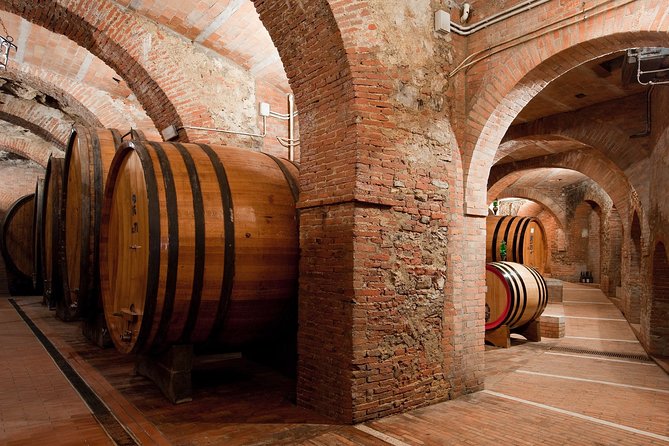
- Four Tuscan wines: Taste Rosso di Montepulciano DOC, Nobile di Montepulciano DOCG, a Nobile Riserva DOCG, and either Nobile Filai Lunghi or Pietrose.
- A cellar below the town: The tour takes you into historic underground spaces associated with Montepulciano’s Etruscan past.
- Local food is included: Bread with extra virgin olive oil, cheese, salami, pancetta, and other local products accompany the wine.
- A short, focused outing: Plan on about 1 hour 20 minutes to 1.5 hours, with no hotel pickup or drop-off.
- Small-group setting: The maximum is 15 people, though the cellar may feel tight at busy times.
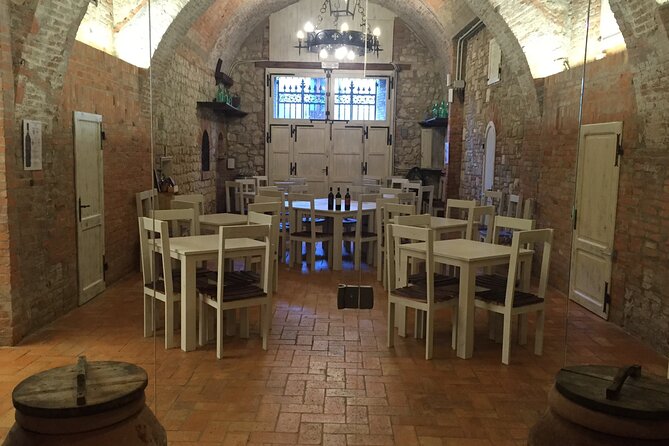
- Best practical tip: Photograph the cellar and barrels early, because the final tasting room may not be ideal for pictures.
Why the cellar matters more than a standard tasting room
Montepulciano is a hill town built in layers. Streets, palaces, and churches occupy the upper town, while old cellars run beneath it. This experience makes that arrangement tangible. Rather than tasting wine in a modern room detached from the town, you descend into a working historic space.
The cellar is not presented as a full vineyard or farm visit. You will not tour the surrounding crops or spend time among the vines. Instead, the focus is the underground facility, its barrels, the local winemaking setting, and the wines poured at the table.
That distinction matters. If you want a broad agricultural tour with fields, grape harvesting, and a detailed look at production from vine to bottle, this is too limited. If you want a manageable introduction to Montepulciano’s wine culture while already in town, the cellar offers a stronger sense of place than a generic tasting bar.
The Etruscan connection adds another layer. You are not only sampling wine. You are entering a space that helps explain why Montepulciano feels so different from a purpose-built winery outside town. The stone, stairs, barrel rooms, and low underground setting make the stop memorable even before the first glass arrives.
More wine tastings in France:
- Bordeaux: Cité du Vin Entry Ticket and Wine Tasting
★ 4.6 · 3,885 reviews - Montmartre Hill French Gourmet Food and Wine Tasting Walking Tour
★ 5.0 · 2,588 reviews - From Paris: Loire Valley Castles Day Trip With Wine Tasting
★ 4.6 · 1,727 reviews
Arriving at Talosa in central Montepulciano
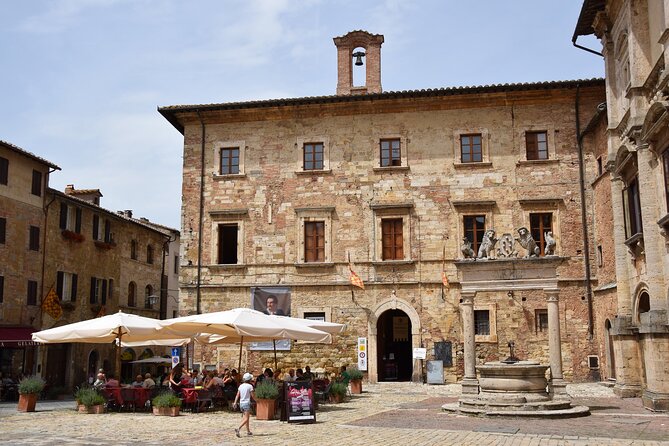
The meeting point is Talosa, Cantina Storica, at Via Talosa 8. It is in the center of Montepulciano, close to shops, restaurants, and other sights. That location is a major advantage because you can walk to the experience as part of your day in town.
Still, give yourself extra time to find the entrance. Montepulciano’s historic center can be confusing, and parking limitations have caused some people to arrive late. The booking confirmation includes the winery name, address, and a clickable Google Maps link, so use the map rather than relying only on general directions.
There is no hotel pickup or drop-off. This is a meeting-point experience, and it ends at the same place. That keeps the price down, but you need to plan your own route to the center.
The group limit is 15 people. That is small enough for questions and conversation, though the cellar’s narrow rooms can still feel busy. The most enjoyable sessions seem to be the ones where the sommelier has time to work through everyone’s questions rather than rushing from table to table.
Walking down into the Etruscan cellar
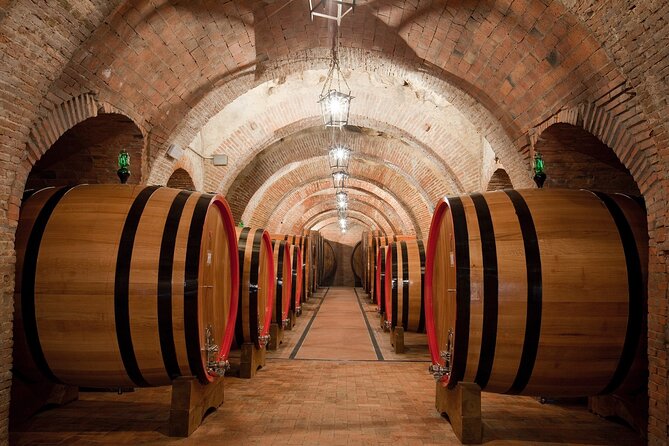
The first part is a guided visit underground. You will see the historic cellar, barrels, and cave-like spaces before settling in for the tasting. The tour is brief, but it gives you useful context for the wines that follow.
Expect stairs. Several people found the descent steep or tiring, especially for their hips. One practical advantage is that the route may allow you to leave from a lower level rather than climbing all the way back up, but the initial descent still deserves attention.
If you have impaired mobility, contact the provider before booking. The activity notes that people with mobility limitations may participate, but the stairs are a real feature of the route, not a minor detail. The exact level of assistance available is not specified.
The cellar is also a photo opportunity. Take pictures near the entrance and among the barrels early in the visit. The final tasting room is less suited to photographs, and you may not want to interrupt the presentation once the glasses and food arrive.
The underground portion is especially good for visitors who enjoy architecture and local history but do not want a long museum tour. You get a physical sense of the space in a short time. The tradeoff is that the tour does not extend into the vineyards or explain every stage of farming in detail.
Four wines from Montepulciano, explained at the table
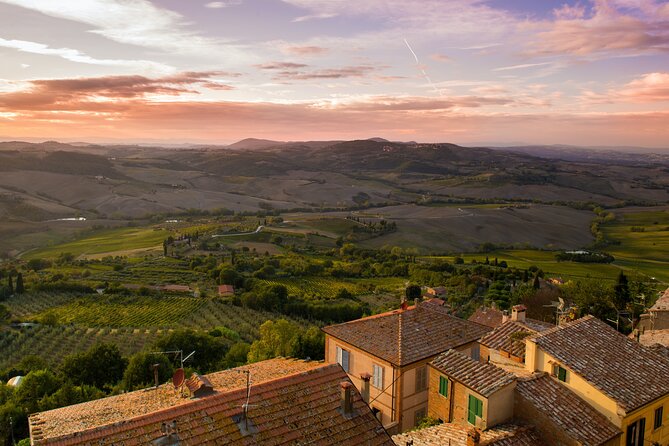
The tasting is the main event. A professional sommelier introduces four wines from Tuscany and explains how the local soil, climate, and regional differences affect flavor and quality.
The listed selection includes:
- Rosso di Montepulciano DOC
- Nobile di Montepulciano DOCG
- Nobile di Montepulciano Riserva DOCG
- Nobile di Montepulciano Filai Lunghi DOCG or Pietrose IGT Super Tuscan
The order gives you a useful progression through Montepulciano’s local style. Rosso di Montepulciano is generally the lighter introduction, while Nobile and the Riserva offer a chance to compare more developed expressions. The final pour may be a named Nobile bottling or the Pietrose Super Tuscan, so the exact lineup can vary.
I appreciate that the tasting is not simply four glasses placed in front of you. The sommelier discusses winemaking, the effect of soil and climate, and the way food changes what you taste. Guides such as Luigi and Michael have been praised for clear explanations, humor, and a willingness to answer questions. Your guide may be different, but the format calls for a professional sommelier.
The strongest part of the presentation is the regional focus. You learn about wines surrounding Montepulciano rather than receiving a broad lecture on Italian wine. That keeps the discussion useful if you plan to visit other Tuscan wine areas or shop for bottles later.
Taste preferences will vary. Some people may find the Talosa wines worth taking home, while others may not feel the higher-priced bottles justify prices of about 20 to 60 euros. The tasting is valuable partly because it lets you make that decision before buying. You do not have to confuse an informative tasting with a guarantee that every wine will suit your palate.
A few other France half-days to compare
- Paris: Seine Cruise & Crepe Tasting near the Eiffel Tower
★ 4.4 · 11,231 reviews - Authentic Parisian Gourmet Food Tour with 10 Local Dishes & Wines
★ 5.0 · 4,754 reviews - Normandy D-Day Small-Group Day Trip with Omaha Beach, Cemetery & Cider Tasting
★ 5.0 · 2,786 reviews - Paris: Illuminated Evening River Cruise & Waffle Tasting
★ 4.1 · 2,697 reviews
Bread, olive oil, cheese, and local meats
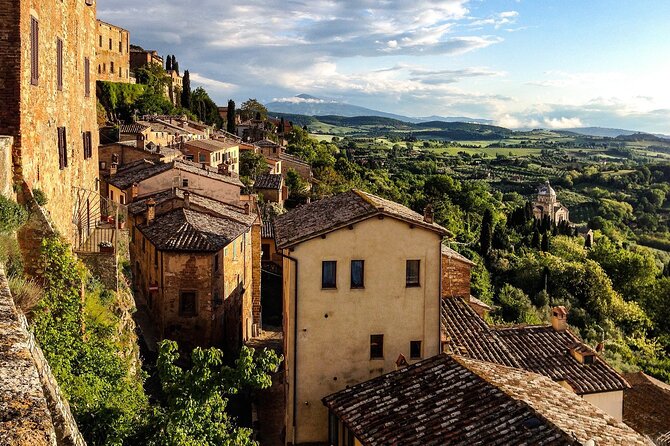
Food is included, and it is more than a token cracker. You can expect bread with extra virgin olive oil, plus a plate of local products that may include cheese, salami, and pancetta. The pairings help show how salt, fat, and texture alter the wine.
This is a light food experience rather than a full lunch. The portions are useful with the tasting, but you should not book it as your only substantial meal of the day. Schedule it before or between sightseeing stops, then plan a separate lunch if you want a larger meal.
The pairings also make the experience friendlier for people who are still learning about wine. You can compare the wine on its own, then taste it with cheese or cured meat. That simple contrast often teaches more than a long list of tasting terms.
Water is included, which is a welcome practical touch. You will receive wine and water along with the food, and the combination makes the 80 to 90 minute session feel complete.
How long the visit really takes
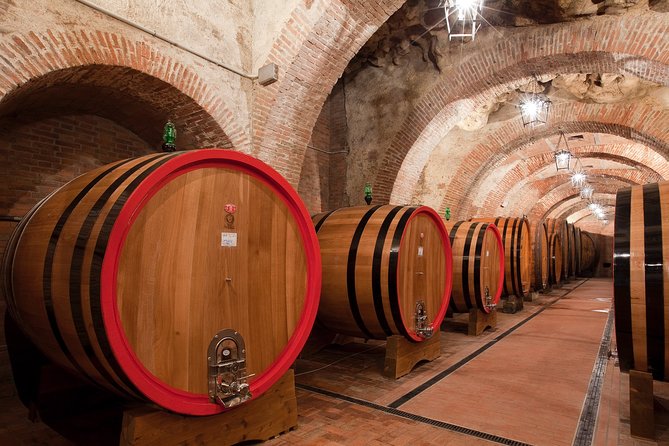
The published duration is approximately 1 hour 20 minutes, while the description presents it as about 1.5 hours. Treat it as an 80 to 90 minute appointment. The exact pace depends on the group, the number of questions, and how smoothly people move through the cellar.
That timing works well in Montepulciano. You get a proper introduction without surrendering half a day. I would place it alongside a walking visit to the historic center, not build an entire day around it.
The short format is also helpful if you are traveling with people who have mixed interests. Wine lovers get four local pours and food, while less devoted wine drinkers still receive a cellar visit and a compact explanation of the town’s underground spaces.
The downside is limited depth. If you want a long conversation with the producer, a full vineyard visit, or a detailed look at barrels and crops, the experience may leave you wanting more. One session can feel especially brief if you ask many questions or if the group is large.
Price and overall value at $42.21
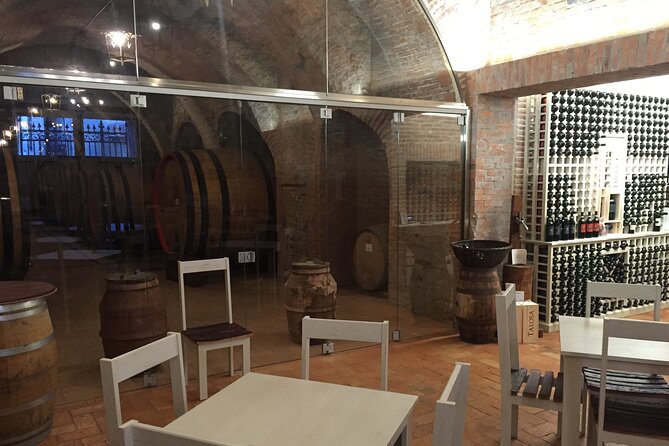
At $42.21 per person, the value depends on what you want from a wine outing. You are paying for four wines, local food, water, a sommelier, and access to a historic cellar in the center of town. You are not paying for transportation, a full meal, or a visit to vineyard land.
For a first taste of Montepulciano, that is a fair package. The central location saves time and removes the need to organize a taxi or countryside transfer. The food also makes the price easier to justify than a bare tasting of small pours.
The cellar is the part that gives this experience its character. A tasting in a regular shop could cover similar wines, but it would not place them beneath the town in an Etruscan-era setting. If you value atmosphere and local context, the added cost makes sense.
Value is less certain for serious wine collectors who already know Montepulciano’s producers and want exclusive access or extensive vineyard information. The experience is designed as an introduction, not a private estate inspection.
The tour is booked around 28 days ahead on average, so do not wait until the last day if your schedule is fixed. Free cancellation is available until 24 hours before the start time. Cancellations or changes made within 24 hours are not refunded or accepted, based on local time.
Crowds, stairs, and a few rough edges
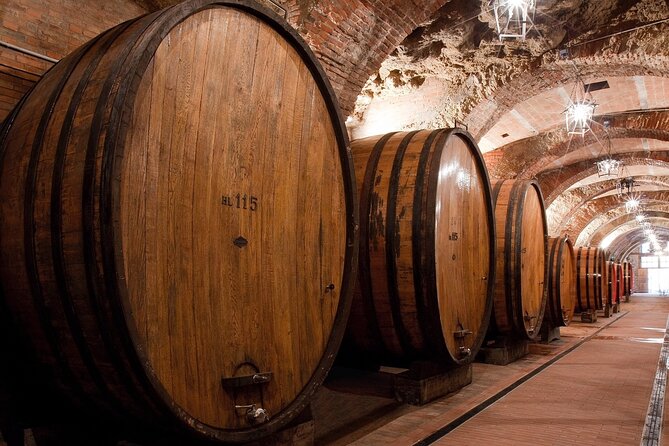
Most of the experience’s appeal comes from the setting and the sommelier. The main weaknesses are practical. Two rooms can become crowded, and a session may lose momentum if the person pouring wine has to move between spaces. That can lead to waiting between samples.
The cellar’s layout can also be confusing at the end. The activity returns to the meeting point, but one exit has left people unsure how to get back to the original entrance. Pay attention to the route and ask the guide where you should exit before leaving.
Arriving late is another risk. Parking in Montepulciano can take longer than expected, and missing the opening section means losing part of the cellar visit. The provider has accommodated late arrivals with a personal tour and tasting in at least one case, but you should not count on that.
The group cap of 15 helps, but it does not turn the cellar into a private room. If you want the quietest possible experience, ask whether a smaller departure is available when you book. The supplied details do not promise a private tour.
Who will enjoy this Montepulciano tasting
I would recommend it most strongly to you if you want:
- A first introduction to Nobile di Montepulciano
- A historic setting rather than a modern tasting counter
- Local bread, cheese, and cured meats with the wine
- A short activity in the middle of a day in town
- A chance to ask a sommelier about Tuscan wine
- A small-group experience without arranging countryside transport
It suits couples, adult families, and small groups of friends. It can also work for a mixed-interest group because the cellar and town history offer something beyond the wine itself.
I would hesitate if stairs are difficult for you, if you dislike enclosed underground spaces, or if you expect a full vineyard tour. I would also think twice if you are looking for a full meal or a long producer-led session with extensive time among the vines.
Should you book the Talosa cellar experience?
Book it if you want a convenient, atmospheric introduction to Montepulciano’s wines. The combination of four pours, a sommelier, local food, and an underground cellar delivers more than a simple bar tasting, while the 80 to 90 minute length leaves plenty of time for the rest of town.
Go in with realistic expectations. You will see the historic cellar, not the complete farm operation. You will taste Talosa wines, but personal taste will decide whether you want to buy bottles afterward. And you should be ready for stairs, occasional crowding, and a meeting point that can take time to find.
For many people, the cellar is the deciding factor. It gives the tasting a strong connection to Montepulciano itself. If that sounds more appealing than a distant winery visit, this is a sensible use of part of your day.
FAQ
Where does the Montepulciano winery tour begin?
The experience begins at Talosa, Cantina Storica, Via Talosa 8, 53045 Montepulciano SI, Italy.
Where does the activity end?
The tour ends back at the meeting point at Talosa.
How long does the experience last?
Plan on approximately 1 hour 20 minutes to 1.5 hours.
How many wines are included?
The tasting includes four Tuscan wines. The selection includes Rosso di Montepulciano DOC, Nobile di Montepulciano DOCG, a Nobile Riserva DOCG, and either Nobile Filai Lunghi DOCG or Pietrose IGT Super Tuscan.
Is food included?
Yes. The experience includes bread with extra virgin olive oil and local products such as cheese, salami, and pancetta. Water is also included.
Is transportation included?
No. Hotel pickup and drop-off are not included. You must make your own way to the central meeting point.
Can I cancel for a refund?
Yes, you can cancel for a full refund if you do so at least 24 hours before the experience begins. Cancellations or changes made less than 24 hours before the start time are not accepted or refunded.
Just listed in France
- Paris: Giverny & Versailles Small Group or Private Tour★ 4.5 · 49 reviews
- Half-Day Walking Food Tour in Nice with Lunch★ 5.0 · 49 reviews
- Chartres Cathedral 5 Hours Tour from Paris with Private Transport★ 4.5 · 49 reviews
- Paris: Louvre photoshoot or Seine bridges Eiffel Tower walk★ 5.0 · 49 reviews
- Marseille: Frioul Archipelago Catamaran Cruise with Lunch★ 4.4 · 49 reviews
- Bonifacio: sunset catamaran trip and aperitif★ 4.6 · 50 reviews
- Paris: Choux Pastry and Chocolate Éclair Making Class★ 4.9 · 50 reviews
- Private tour of the Champagne area, meet local producers and taste their Champagne, start from your hotel in Paris.★ 5.0 · 50 reviews
Wine Tastings & Wine Tours, compared.

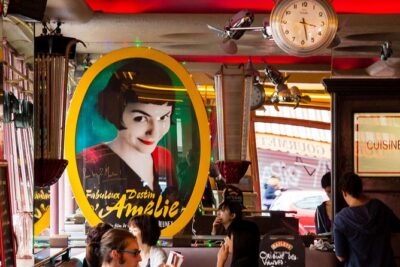
Montmartre Hill French Gourmet Food and Wine Tasting Walking Tour
Read our review →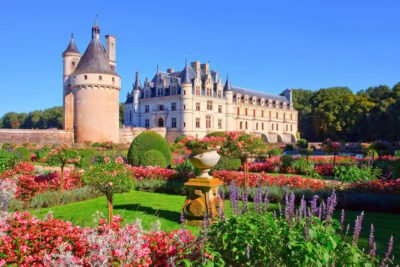
Loire Valley Castles Day Trip With Wine Tasting
Read our review →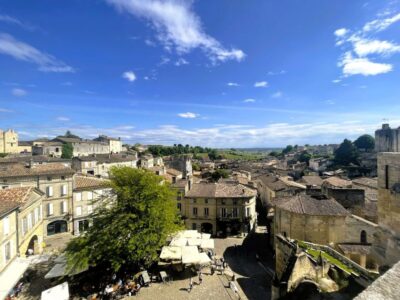
Afternoon Saint-Emilion Wine Tasting & snack
Read our review →
Medoc or Saint Emilion Wine Tasting and Chateau from Bordeaux
Read our review →
Saint Emilion Day Trip with Sightseeing Tour & Wine Tastings from Bordeaux
Read our review →
Saint Emilion Half-Day Trip with Wine Tasting & Winery Visit from Bordeaux
Read our review →Browse the lists this tour appears in