
Reviewed · MONTMARTRE & SACRE-COEUR TOURS
Montmartre Walking Tour with a Local Guide
Montmartre’s best moments are found between the famous sights: a narrow lane, an old windmill, a painted café, or a story about the artists who once lived here. This two-hour walk links those details with the big finish at Sacré-Cœur, where Paris spreads out below you.
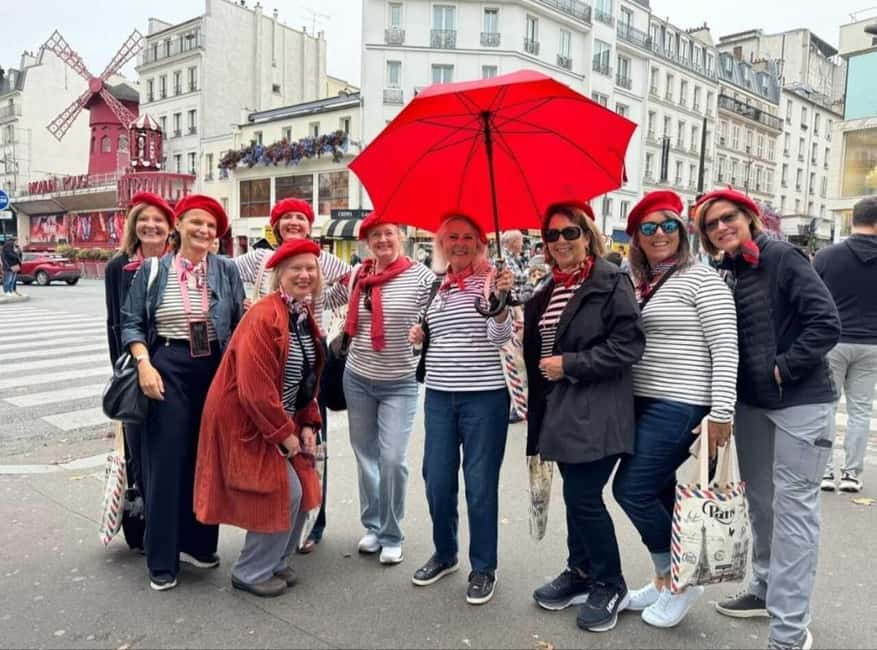
I like the route’s gentle storytelling and its small-group feel, which lets the guide answer questions and adjust the pace. I also like that family photos are included, a simple touch that saves you from asking strangers to take the same picture five times. The main drawback is the hill: parts of Montmartre are steep, and the tour is not suitable for wheelchair users or people with mobility impairments.
Key points at a glance
- A hilltop finish: Reach Sacré-Cœur and look across Paris toward the Eiffel Tower, Notre Dame, and Montparnasse Tower.
- Art history with local color: Hear about Picasso, Van Gogh, Toulouse-Lautrec, and other figures linked to Montmartre.
- A useful two-hour route: Start at Blanche and cover major sights without spending a full day on one neighborhood.
- Personal guiding: Samy is praised for clear explanations, patience, local tips, and an easygoing manner.
- Family-friendly pacing: The walk can be adjusted for children, older people, and groups that need extra time.
- Rain-or-shine planning: Comfortable shoes and weather protection matter because the tour runs in all conditions.
Why Montmartre works best on foot
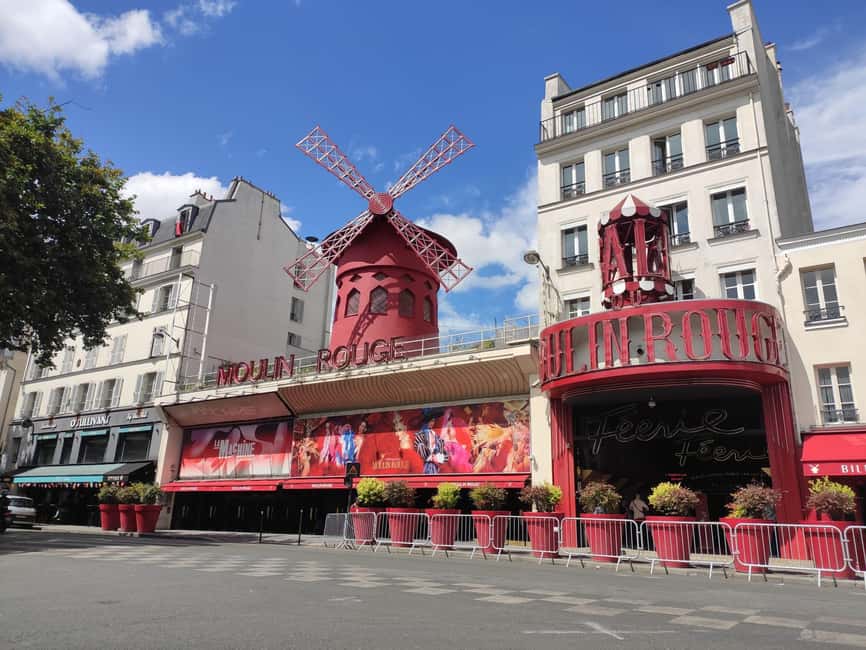
Montmartre is not just another Paris sightseeing district. It sits on a hill in the northern part of the city, and its streets change character as you climb. At the bottom, around Place Blanche, you find the bright lights and red windmill of the Moulin Rouge. Higher up, the streets become quieter and more residential, with cafés, painted façades, tiny squares, and views between buildings.
I find a guide especially useful here because Montmartre’s appeal is not limited to what you can photograph. The district is full of names, stories, and small clues. A guide can explain why artists came here, point out traces of old village life, and show you details you would likely pass without noticing.
The route also gives you a good first look at the neighborhood without asking you to plan every turn. In two hours, you move from cabaret culture to street art, from famous movie locations to the white-domed basilica. You will not see every corner of Montmartre, but you will leave with a clear sense of how the pieces fit together.
More Walking Tours in Paris
- Paris Top Sights Half Day Walking Tour with a Fun Guide
★ 5.0 · 2,893 reviews - Montmartre Hidden Gems and Scenic Highlights Walking Tour
★ 5.0 · 2,684 reviews - Montmartre Hill French Gourmet Food and Wine Tasting Walking Tour
★ 5.0 · 2,588 reviews
Meeting near Blanche and the Moulin Rouge
The tour begins near the exit of Blanche metro station on Line 2, close to the Moulin Rouge. This is a practical meeting point because the red windmill is easy to recognize, and the metro puts you directly at the lower edge of Montmartre.
Look for the guide with a green booklet and green badge. Arriving a little early is sensible, since the area around the Moulin Rouge can be crowded and several walking groups may gather nearby. Keep your booking details available, and wear shoes that can handle uneven pavement and uphill walking.
The guide speaks English. Samy is the name most closely associated with this experience, and his style comes through clearly: he explains the area with stories, answers questions, takes pictures, and offers suggestions for what to do elsewhere in Paris. The tour is not a silent march from one photo stop to the next. The conversation is a large part of its value.
Moulin Rouge: starting with Montmartre after dark
The first stop is the Moulin Rouge, where you get about ten minutes for photographs and an introduction from the guide. The famous red windmill is tied to the cabaret tradition that helped give Montmartre its reputation for music, dance, artists, and nightlife.
You will see the exterior rather than attend a performance, so keep your expectations clear. This is a photo stop and a short history lesson, not a cabaret show. Still, it makes a useful opening because the Moulin Rouge represents one side of Montmartre: theatrical, playful, and built around spectacle.
From here, the route turns toward the streets that reveal a quieter side of the district. That contrast is one of the tour’s strengths. You start with a landmark most people recognize, then move into places that are harder to understand without local guidance.
The Wall of Love and Montmartre’s romantic side
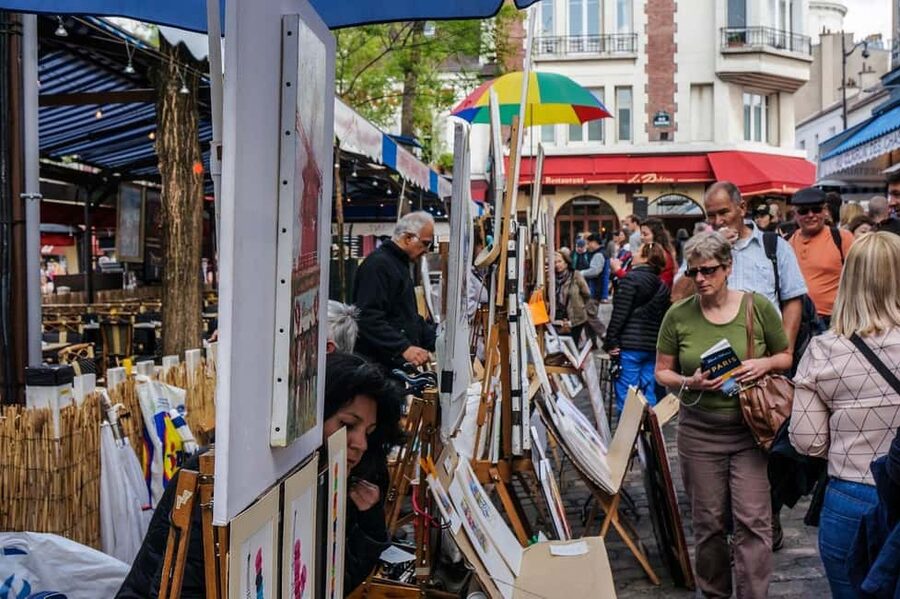
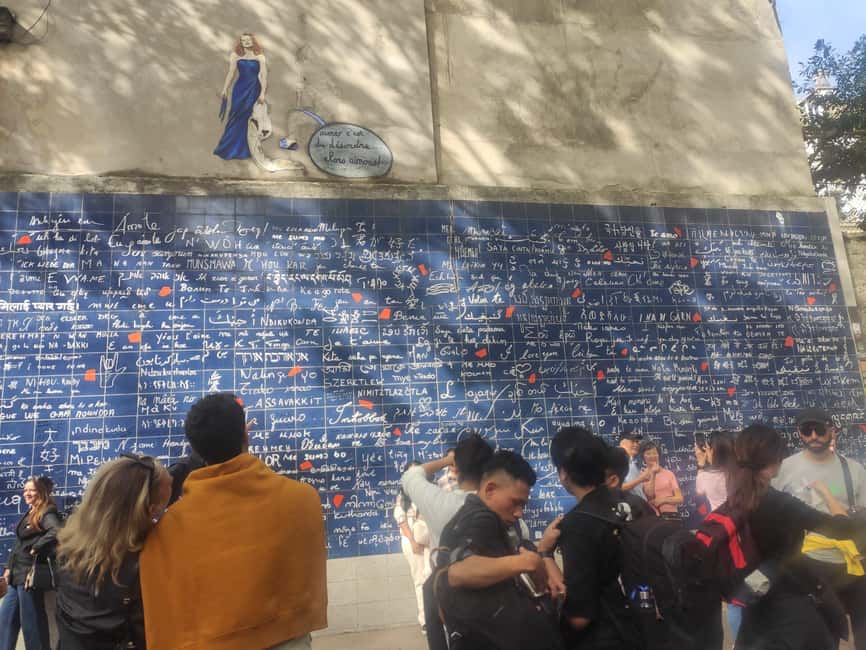
The Wall of Love, or Le Mur des Je T’aime, is the next stop. This public artwork displays the words I love you in many languages. You have time for photographs and a short explanation of the site.
It is an easy stop to enjoy, especially if you are traveling as a couple or with children. It also provides a change of pace after the bright commercial feel of the Moulin Rouge. The wall is not an ancient monument, but it reflects the romantic image that Paris presents to the world.
The area can attract plenty of people taking pictures, so the guide’s help matters. You get a fixed amount of time here rather than wandering until you realize half an hour has disappeared.
A few other Paris half-days to compare
- Paris: Moulin Rouge Cabaret Show Ticket with Champagne
★ 4.7 · 16,088 reviews - Paris: Dinner Show at the Moulin Rouge
★ 4.8 · 3,333 reviews - Seine Dinner Cruise, Eiffel Tower Access and Moulin Rouge Show
★ 4.0 · 2,310 reviews - Paris: Montmartre Cheese, Wine & Pastry Guided Walking Tour
★ 4.8 · 2,255 reviews
Moulin de la Galette and the artists’ Montmartre
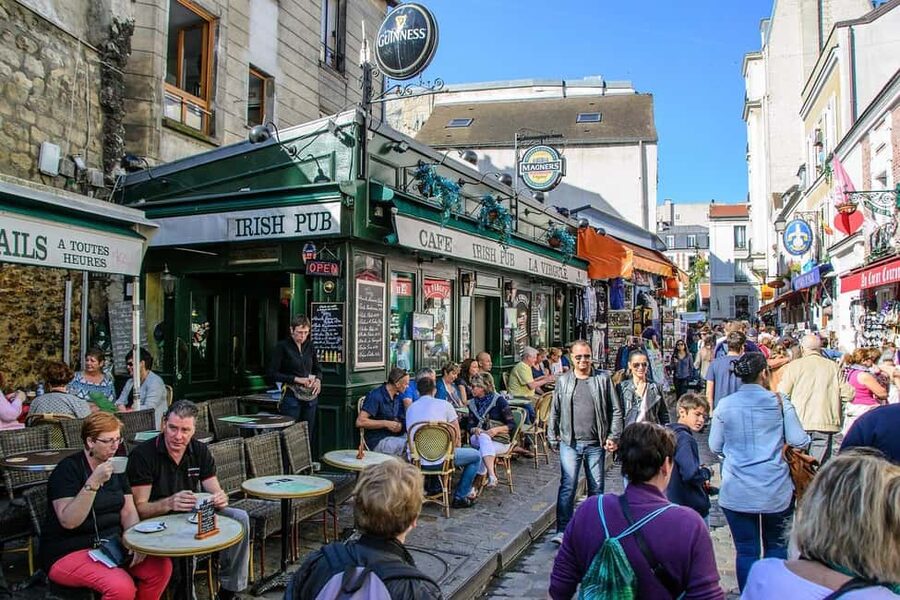
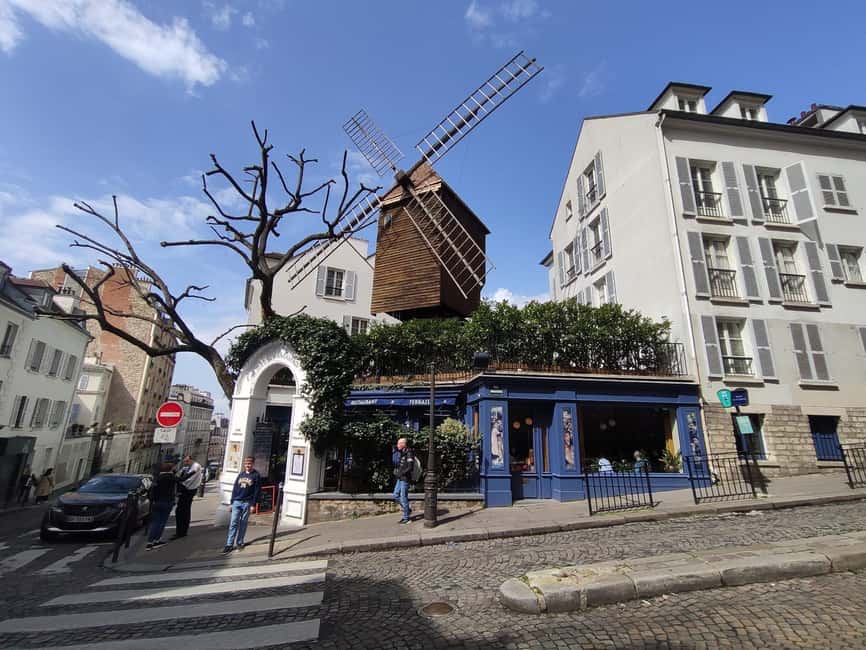
The Moulin de la Galette brings you back to the neighborhood’s artistic past. This old windmill became associated with the social life of Montmartre and was painted by artists including Renoir. The stop helps explain why painters were drawn to the area, not simply where they lived.
Montmartre was once separate from central Paris in feel and identity. Its village-like streets, windmills, taverns, and working-class life offered a setting very different from the grand boulevards. Artists such as Picasso and Van Gogh lived in or around the district, and the guide connects those famous names with the actual streets beneath your feet.
This is where Samy’s storytelling appears to be most useful. Instead of treating the artists as a list of celebrated names, he brings in the people, places, and everyday details tied to them. If you enjoy art but do not want a formal museum lecture, this part should suit you well.
Dalida’s statue and the quieter corners
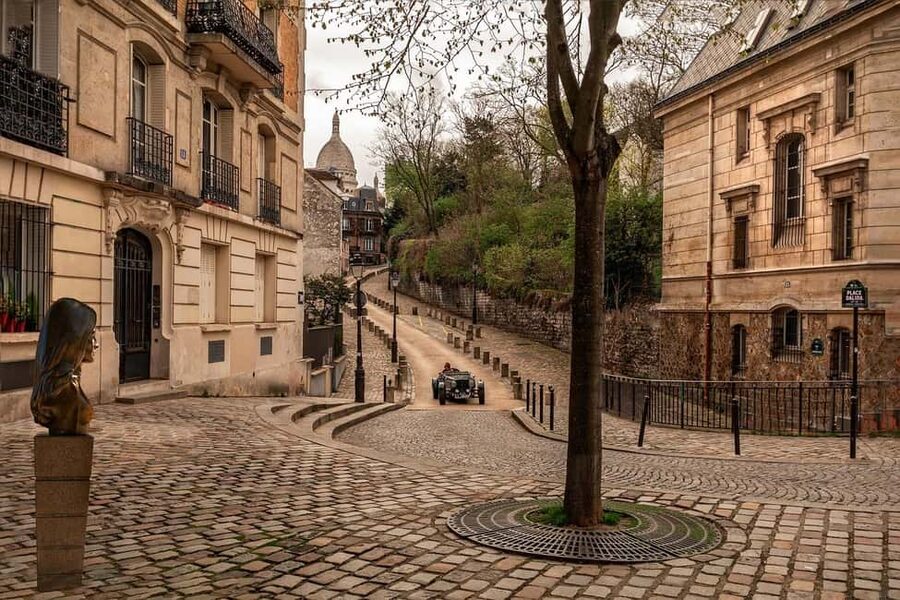
The Dalida statue is a brief but memorable stop. Dalida was a much-loved French singer, and her connection with Montmartre remains strong. The statue is easy to miss if you are simply following the most direct route to Sacré-Cœur.
The guide can explain why the statue matters locally and why visitors touch parts of it. You do not need to spend long here, but it gives the walk a wider cultural range. Montmartre is not only about nineteenth-century painters. It also belongs to twentieth-century music, cinema, popular culture, and the people who made the district their home.
These shorter stops help keep the two-hour route moving. You get enough time to understand each place without turning the walk into a series of long speeches.
La Maison Rose and the picture-postcard Montmartre
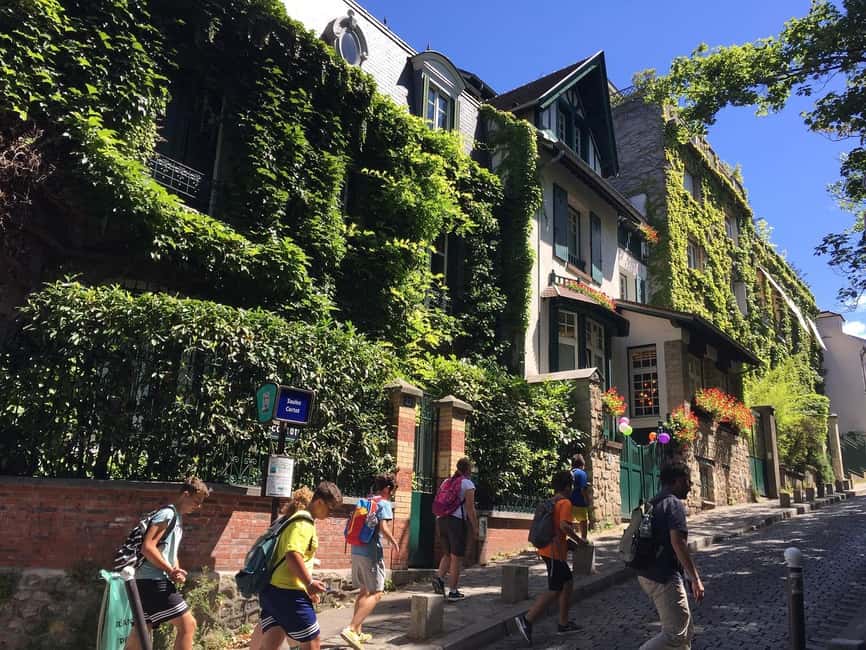
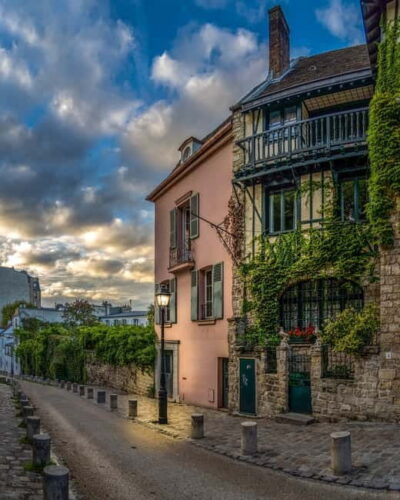
La Maison Rose is one of the most photographed buildings in Montmartre. Its pink exterior and corner setting make it instantly recognizable, and the guide uses the stop to explain more about the neighborhood’s visual appeal and artistic associations.
This is also a good example of why a walking tour adds value. You can find the building online, take a picture, and move on. A guide gives you the context around it and points out nearby details that make the scene more than a backdrop for a photo.
Expect crowds at popular picture spots, especially during busy parts of the day. The tour cannot remove the people from Montmartre, and one visitor specifically found the area crowded with others doing the same thing. The advantage is that you do not have to work out where to go next once the photo is taken.
Place du Tertre and the working artists
Place du Tertre is one of Montmartre’s signature squares. Painters display their work here, and you can watch portraits and other artwork being created in the open air.
The square can feel touristy, and that is worth acknowledging. It is not a secret village square untouched by modern tourism. Yet it remains an interesting place because the artistic tradition is still visible rather than locked behind glass.
Your guide explains the square and allows time to walk around. You might enjoy browsing the artwork, though the tour price does not include purchases, food, or drinks. If you want a portrait, ask how much time is available before committing, since the walking group has another major stop ahead.
The square is also a good place to ask for restaurant ideas. Samy has offered local suggestions during the walk, which can be helpful when you want to eat in Montmartre but would rather not choose at random from the most crowded street.
Reaching Sacré-Cœur without making the hill a punishment
The final climb leads to the Basilica of Sacré-Cœur. Montmartre is hilly, but this route uses streets and smaller inclines rather than sending you straight up every staircase. You still need to be comfortable walking uphill, and there are moderate climbs along the way.
The pace is one of the tour’s most praised features. Samy has adjusted the walk for children, toddlers, older family members, and people who need more time. One group completed the walk with an 87-year-old participant, while another tour continued for nearly three hours in rainy weather so the group could see everything planned.
That does not mean the walk is effortless. If hills are hard for you, take the mobility warning seriously. There are breaks and photo stops, but this is still a walking tour on a slope. Bring water if you need it, dress for the weather, and do not wear smooth-soled shoes.
Inside and outside the basilica
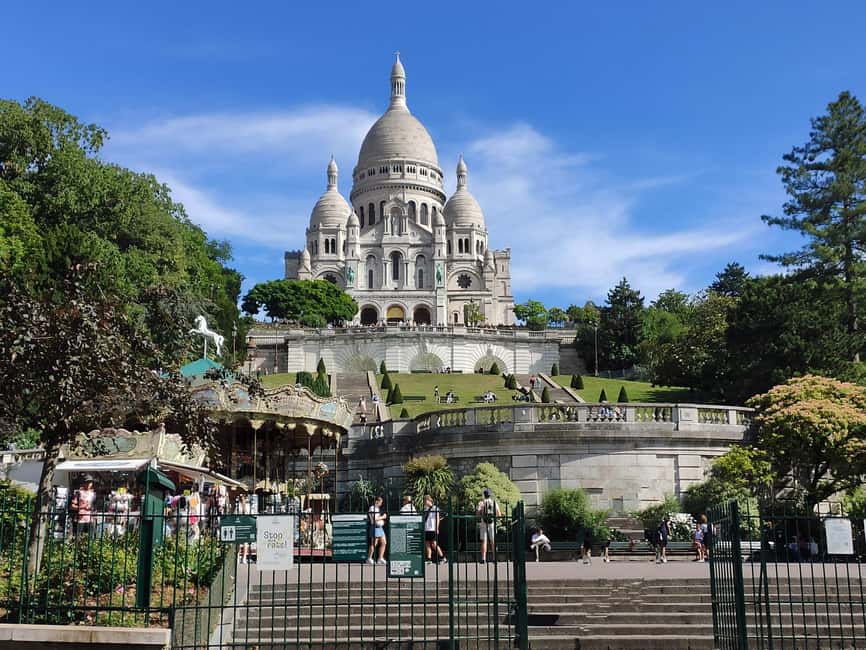
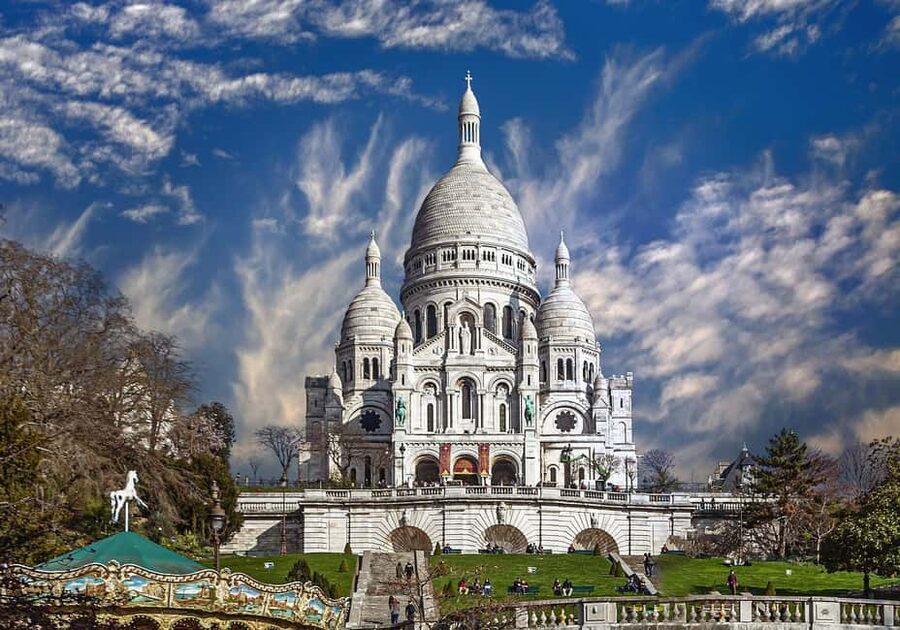
At Sacré-Cœur, the tour includes the outside and inside of the basilica. The bright white building is one of Paris’s most recognizable landmarks, and its position at the top of the hill gives the visit a natural sense of arrival.
Inside, you can expect a short guided look rather than an extended religious tour. The guide explains the basilica and gives you time to take in the space. Dress and behave respectfully, since this is an active place of worship.
The tour finishes at the Basilica of the Sacred Heart of Paris. This is useful because you can stay afterward, explore more of the hilltop, or use the Montmartre funicular if you prefer not to walk back down. The funicular is not included, so plan to use your own metro ticket or pass if you choose that option.
The Paris view from Montmartre
The panorama from the hill is the reward for the climb. On a clear day, you can look across Paris toward the Eiffel Tower, Notre Dame, and Montparnasse Tower.
The view changes with weather and light, so it is not guaranteed to be perfectly clear. Even on a gray day, the hilltop gives you a useful sense of Paris’s scale and layout. I like ending here rather than beginning at the basilica because the route earns the viewpoint gradually.
Bring your camera, but do not spend the whole stop looking through it. The city view is broad, and the guide can help identify the major landmarks.
How Samy shapes the experience
The guide is the main reason this tour earns its price. Samy is described as friendly, patient, clear in English, and good at turning history into stories. He has also been praised for safety advice, local recommendations, taking family pictures, and making time for questions.
His approach seems flexible rather than rushed. Families with children have found the walk manageable, and older participants have received extra time without being made to feel like a problem. Small groups can make that flexibility easier. The experience does not promise one fixed group size, though groups led by Samy have been kept to as many as eight people.
A good guide can also point out small things that are not formal stops, including street details and graffiti. That is the difference between following a map and having someone interpret the neighborhood for you.
Is $27 a fair price?
At $27 per person, this is a strong-value introduction to Montmartre. You get two hours with a live English-speaking guide, a route covering several major sights, access to the basilica’s interior, and family photos.
The price is especially fair if this is your first visit to Paris or your first time in Montmartre. You save the planning time and get context at places that would otherwise be quick photo stops. The tour does not include food, drinks, transport, or any paid activity at the Moulin Rouge, so budget separately for those.
A private tour would give you more control, but this experience offers a useful middle ground when you want personal attention without paying private-tour prices. The group’s pace can vary, and some walks may run longer than two hours. That is pleasant if you have time, but keep a little space afterward rather than booking a timed attraction immediately.
Who should book this Montmartre walk?
I would choose this tour for first-time visitors, families, couples, art lovers, and anyone who wants Montmartre explained rather than simply photographed. It works well early in a Paris stay because the guide can suggest other activities and eating places.
The route also suits people who prefer a leisurely walk with regular stops. Children have been kept interested, and the guide can adjust the pace when needed. The inclusion of family pictures is useful if you want a group photo without relying on a passerby.
I would think twice if you dislike hills, have limited mobility, or want a quiet visit free from popular photo locations. Montmartre can be crowded, and the tour follows some of its best-known sights. For an accessible route, this is not the right choice.
Practical advice before you go
Wear comfortable shoes with good grip. The cobbled streets and inclines are manageable for most people who are used to walking, but they are not a good match for dress shoes or flimsy sandals.
The tour runs rain or shine. Bring a rain jacket or umbrella in wet weather, and remember that rain can make stone streets slippery. The guide may adapt the pace, but the weather still affects the view from Sacré-Cœur.
Allow about two hours, with the possibility of extra time if the group moves slowly or stops for more questions. Food and drinks are not included, so plan a café stop before or after the walk.
Free cancellation is available up to 24 hours before the activity, and you can reserve now and pay later. Those options are useful if your Paris schedule is still shifting.
Should you book it?
Book this Montmartre walking tour if you want a friendly guide, a manageable introduction to the district, and strong value at $27. Samy’s clear explanations, patient pacing, local suggestions, and willingness to take pictures add real value to a route that could otherwise feel like a checklist.
Skip it if you cannot manage uphill walking or if you want a private, completely flexible visit. For most first-time visitors who can handle the climb, this is a smart way to meet Montmartre, understand its artists and performers, and finish with one of the finest views in Paris.
FAQ
Where does the Montmartre walking tour begin?
Meet near the exit of Blanche metro station on Metro Line 2, close to the Moulin Rouge. The guide can be identified by a green booklet and green badge.
Where does the tour finish?
The walk finishes at the Basilica of the Sacred Heart of Paris, also known as Sacré-Cœur Basilica.
How long does the walking tour take?
The scheduled duration is two hours. The actual time can vary with the group’s pace, the number of stops, and how much time participants need.
What language is the tour in?
The tour is conducted in English with a live English-speaking guide.
Is the inside of Sacré-Cœur included?
Yes. The route includes time to explore both the outside and inside of Sacré-Cœur Basilica.
Is food or drink included?
No. Food and drinks are not included in the tour price.
Is the walk suitable for wheelchair users?
No. The tour is not suitable for wheelchair users or people with mobility impairments. Participants should be comfortable walking uphill.
What should I bring?
Bring comfortable walking shoes. Since the tour runs rain or shine, weather-appropriate clothing is also sensible.
Just listed in Paris
- Chartres Cathedral 5 Hours Tour from Paris with Private Transport★ 4.5 · 49 reviews
- Paris: Giverny & Versailles Small Group or Private Tour★ 4.5 · 49 reviews
- Paris: Louvre photoshoot or Seine bridges Eiffel Tower walk★ 5.0 · 49 reviews
- Private tour of the Champagne area, meet local producers and taste their Champagne, start from your hotel in Paris.★ 5.0 · 50 reviews
- Paris: Choux Pastry and Chocolate Éclair Making Class★ 4.9 · 50 reviews
- Paris Eternelle Notre-Dame Virtual Reality Tour★ 4.5 · 50 reviews
- Normandy D-Day Landing Beaches Private Day Trip from Paris★ 5.0 · 50 reviews
- Disneyland® Paris 1 Day with Round-Trip Train Tickets from Paris★ 4.0 · 50 reviews
Montmartre & Sacre-Coeur Tours, compared.

Moulin Rouge Cabaret Show Ticket with Champagne
Read our review →
Montmartre Hidden Gems and Scenic Highlights Walking Tour
Read our review →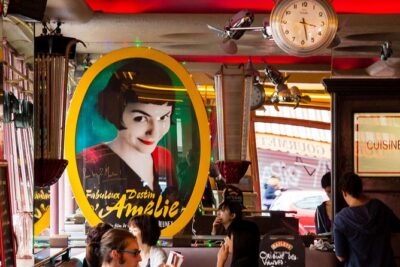
Montmartre Hill French Gourmet Food and Wine Tasting Walking Tour
Read our review →
Seine Dinner Cruise, Eiffel Tower Access and Moulin Rouge Show
Read our review →
Montmartre Cheese, Wine & Pastry Guided Walking Tour
Read our review →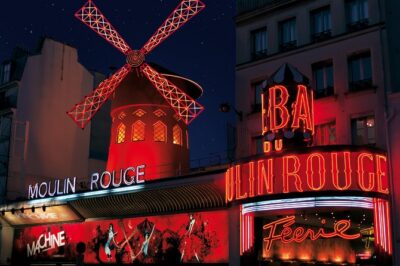
Montmartre Highlights Walking Tour with a Local Guide
Read our review →Browse the lists this tour appears in