
Reviewed · NICE TOURS
NO DIET CLUB – Unique Local Food in Nice !
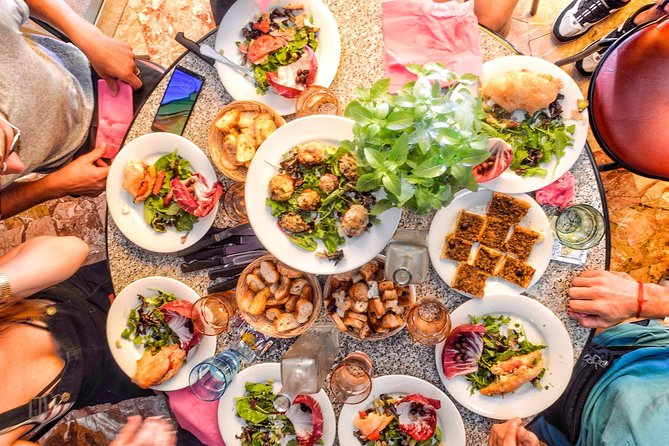
Nice is at its best when you eat it one bite at a time. This 3.5-hour food tour leads you from pan bagnat and crisp socca to farçis niçois, pissaladière, macarons, and Italian gelato. It is a useful way to meet the city’s food traditions before you spend your own money at its many cafés and shops.
I especially like the generous spread of tastings and the local stops, including places such as René Socca, Olio Donato, Paneolio, and Néron Glacier. I also like that guides such as Sara, Leo, Heloise, and Mathilde add bits of Nice history and practical restaurant advice. The main caution is that anchovies appear in several traditional dishes, and the food can be messy, so come hungry and ready for a casual walk rather than a polished sit-down meal.
Key points about the Nice food walk
- Traditional Niçoise dishes: Try pan bagnat, socca, farçis niçois, and pissaladière, foods that tell you more about Nice than a standard tourist menu.
- A full lunch in tasting form: The portions and number of stops can add up to a generous meal, with sweets at the end.
- Local businesses, not one restaurant: The route uses several food shops and eateries around Nice’s old center.
- Guides who add context: Sara, Leo, Heloise, Mathilde, Harriet, Constance, and other local guides have led tours with food explanations, history, and city tips.
- Vegetarians can join: Vegetarian substitutes are offered, though you should make your needs clear at the start.
- Small group and central finish: The group is limited to 14 people, begins at Lou Balico, and ends at the same meeting point.
Why Nice food makes a good first-day tour
Nice sits between the Mediterranean coast and the hills of southeastern France, and its cooking reflects that position. Olive oil, chickpeas, vegetables, bread, seafood, herbs, and Italian influence all show up on the plate.
That mix can be hard to sort out on your own. A menu may mention dishes such as socca or barbajuan without explaining what they are, or you may pass a small food shop without knowing why locals value it. This tour gives you a guided introduction, then leaves you with names and places to revisit.
I think the best time to schedule it is near the beginning of your stay. You get your bearings in the old part of town, learn which specialties suit your taste, and receive restaurant and food-shopping ideas for later. Several guides also make room for questions and recommendations after the formal tasting ends.
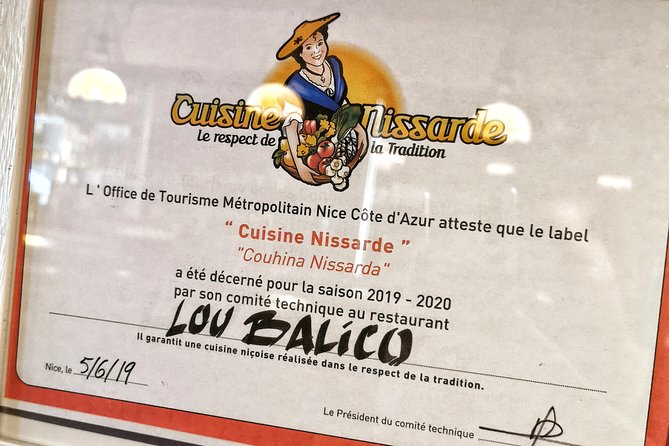
The tour begins just before lunchtime at Lou Balico, 20 Avenue Saint-Jean-Baptiste. From there, expect a series of short walks and food stops. The route is not simply a restaurant meal broken into courses. You move through traditional food businesses, eat in different settings, and hear how the dishes fit into Niçoise life.
A few other Nice half-days to compare
- Nice Small-Group Walking Food Tour with Local Specialties & Wine Tasting
★ 4.5 · 558 reviews - Nice: Food and Wine Old Town Guided Walking Tour
★ 4.9 · 411 reviews - Nice: Provencal Food Walking Tour with Tastings
★ 4.9 · 387 reviews
Pan bagnat, the proper opening course
The first major taste is pan bagnat, one of Nice’s most recognizable foods. The name means a wet or moistened bread, and the sandwich is built to be pressed and soaked with olive oil and its filling. It is hearty, portable, and much more substantial than a light snack.
This is a good first stop because it shows how local food can be simple yet filling. You are not starting with a precious pastry. You are starting with bread, oil, and a savory filling designed to make a real lunch.
There is one practical issue. Pan bagnat can be awkward to eat, especially if you are standing or sitting on a wall rather than at a table. Keep a napkin handy, and do not wear anything you would hate to spot with olive oil. The casual setup is part of the experience, but it may not suit anyone expecting a tidy restaurant lunch.
Socca at the center of the meal
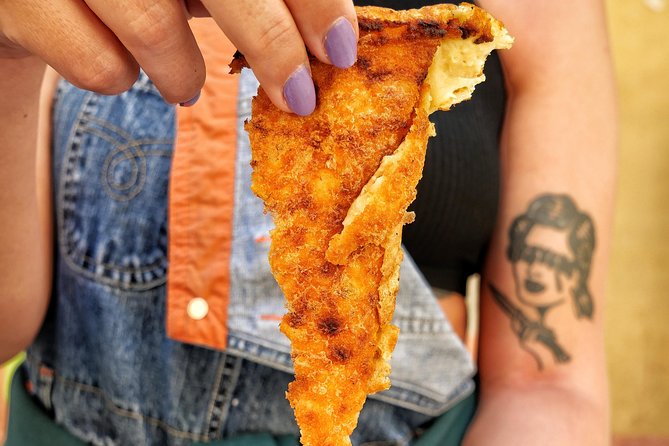
Socca is a thin savory chickpea crêpe, cooked until the edges become crisp while the middle stays soft. It is one of the foods most closely tied to Nice, and it is especially useful for understanding the city’s Mediterranean character.
The tour may include a stop at René Socca, where you can watch the dish being made. Seeing the cooking process matters here because socca is best understood as a fresh, hot street food rather than a cold sample on a plate.
The flavor is earthy and gently nutty, with olive oil and seasoning doing much of the work. If you have only eaten wheat-based crêpes, this is a welcome change. It is also a useful choice for people looking for a meat-free local specialty.
Socca is often a favorite stop because it feels direct and unfussy. There is no complicated presentation to distract from the chickpea batter, heat, and crisp texture. Let it cool for a moment, but do not wait too long. Like many simple foods, it is at its best fresh.
Farçis niçois and the vegetable side of local cooking
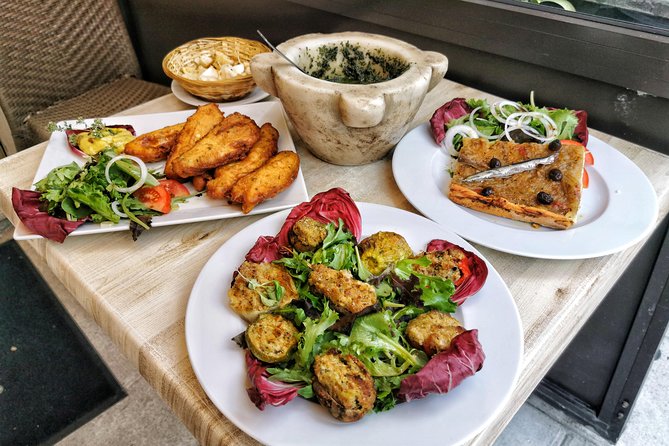
Farçis niçois brings stuffed vegetables into the meal. The exact filling and presentation can vary, but the dish is part of the home-style side of Niçoise cooking. It gives the tour a break from bread-based foods and shows how vegetables have a central place in local meals.
The wider route may also introduce you to barbajuan, a small filled pastry often associated with the region. One tasting described on the route includes Swiss chard and rice inside a crisp pastry. Zucchini flowers and other vegetable-based bites may also appear among the additional samples.
These are the sorts of foods I would not want to miss on a first visit. They are less obvious than pizza or ice cream, but they tell you how Nice cooks with what grows nearby. If you are vegetarian, this part of the tour can be particularly useful, though the overall menu also includes anchovy-based items.
The organizers state that vegetarian substitutes are available. Still, do not assume every traditional dish will be changed on the spot. Tell your guide clearly at the beginning, then ask what you are being served at each stop.
Same city, a completely different afternoon:
- From Nice: French Riviera in One Day
★ 4.5 · 5,215 reviews - Nice: 1-Hour Sightseeing Cruise to Villefranche Bay
★ 4.6 · 2,747 reviews - Nice: 1 or 2-Day Hop-On Hop-Off Bus Tour
★ 4.3 · 2,663 reviews - Nice: Gorges of Verdon and Fields of Lavender Tour
★ 4.4 · 1,975 reviews
Pissaladière and the anchovy question
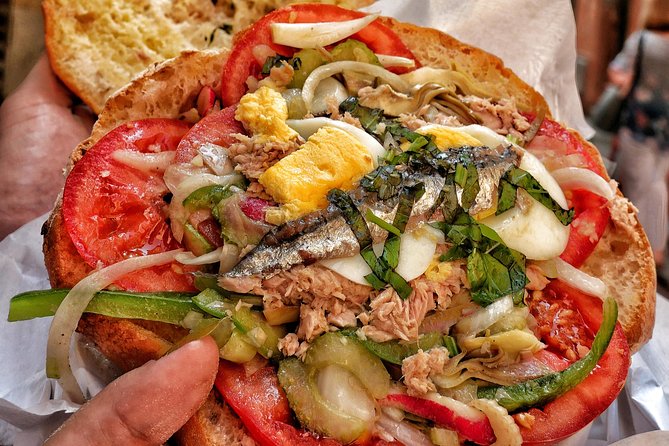
Pissaladière is a savory onion tart, traditionally topped with anchovies and olives. Its sweet onions soften the sharpness of the fish, but the anchovy taste remains part of the dish’s identity.
This is a valuable food to try because it sits between pastry and flatbread. It is filling, salty, and strongly tied to the Mediterranean coast. The menu may also include related savory bites at stops such as Sini & Jiji.
If you dislike anchovies, pay attention here. The menu includes pissaladière, and anchovies may appear in more than one savory tasting. Vegetarian alternatives are offered in general, but one unhappy account described not receiving a suitable replacement for repeated anchovy dishes. I would make your preference plain before the tour starts and ask what substitutions are available.
That small bit of planning can make a big difference. Food tours work best when you are willing to try unfamiliar things, but you should not feel trapped into eating ingredients you already know you dislike.
Shops, olive oil, and the extra tastings
The published core menu lists pan bagnat, socca, farçis niçois, pissaladière, macarons, and Italian ice cream. In practice, the route can include several more tastes, depending on the day and the food businesses being visited.
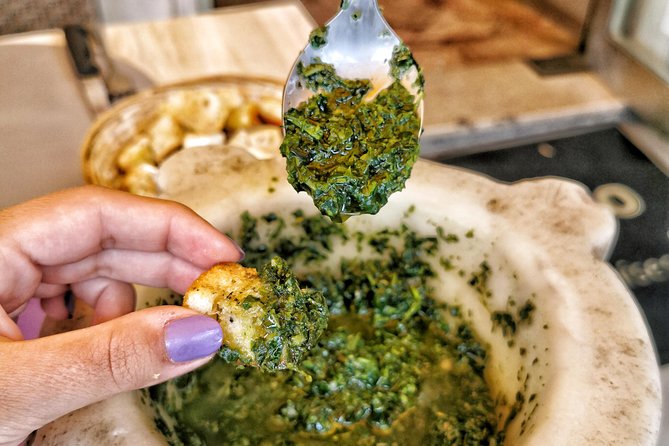
One possible stop is Maison Familiale, a long-running shop where you may sample truffles, olive oils, and hazelnuts while hearing how these ingredients are used in cooking. Another reported route included Olio Donato, with olive tapenade, truffle cheese toast, and hazelnut cream.
At Paneolio, the tasting may shift toward cheese and charcuterie. This gives the meal a different rhythm and lets you compare simple local products with the cooked specialties earlier in the walk.
Do not treat these stops as filler. They are useful if you plan to shop for olive oil, spreads, cheese, or regional gifts later. Your guide can point out products worth taking home and explain how they fit into everyday meals.
The exact stop list is not fixed in the information provided, so you should think of the named businesses as examples rather than a guaranteed schedule. The main promise is a broad sampling of Nice food through several local food businesses.
Macarons, regional flavors, and a proper sweet finish
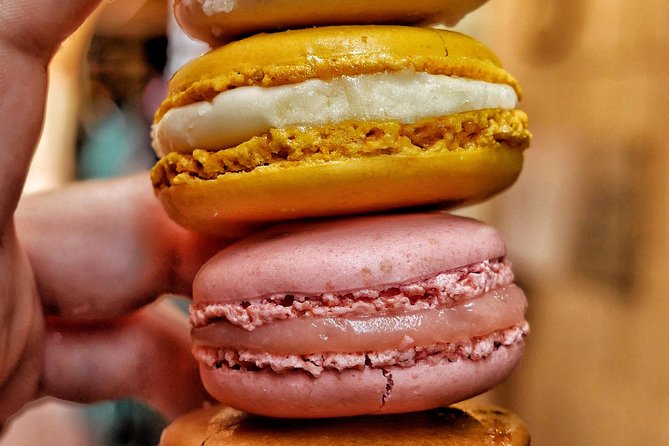
The sweet course begins with artisanal macarons. These are not limited to the familiar chocolate, vanilla, or pistachio flavors. The route may feature ingredients connected to the area, such as lemon from Menton or roses from Grasse.
That regional focus makes the macarons more than a standard pastry stop. Menton, near the Italian border, is known for lemons, while Grasse is associated with roses and perfume. The flavors give you a small taste of the wider area around Nice.
Another possible sweet stop is Pâtisserie Cappa, where you may try tourte de blettes sucrée, a sweet Swiss chard tart. This is exactly the sort of unusual local food that makes a guided tasting worthwhile. It sounds strange until you try it, and it shows how regional cooking can use one ingredient in both savory and sweet ways.
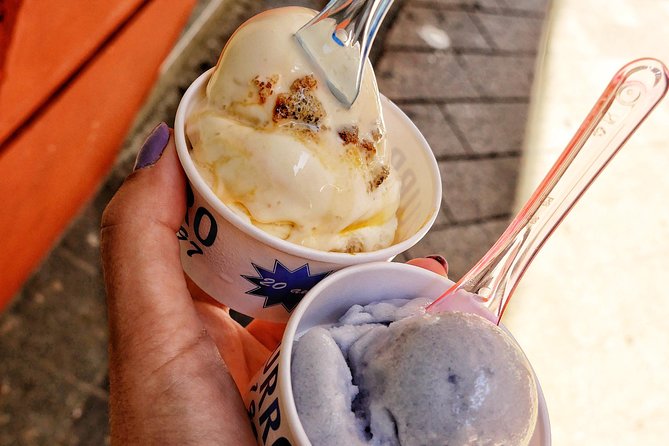
The tour finishes with Italian ice cream, possibly at Néron Glacier. Nice’s proximity to Italy is clear in this final course, and gelato gives the meal a cool, easy ending. Saving ice cream for last also makes practical sense after several savory samples.
How much food do you actually receive?
You should come very hungry. The tour is advertised as lunch, not as a few token bites, and the combination of savory dishes, shop tastings, pastries, macarons, and gelato can leave you well fed.
The amount is one of the strongest points for the $81.02 price. You are paying for about three and a half hours, a local guide, a meal made of multiple tastings, and the convenience of finding the stops without research. If you paid separately for every item and added a guided walk, the price would be easier to justify than if you viewed it as a simple sandwich-and-dessert outing.
Water is included. Alcohol and other drinks cost extra, so the final bill can rise if you buy wine, beer, or additional beverages along the way. The tour is not designed around drinking, which keeps the basic price easier to understand.
You should also plan a light dinner afterward, or no dinner at all. This is not a tasting where you leave searching for a full meal. The portions are often generous enough to function as lunch.
Walking, seating, and group size
The group can include up to 14 people. That is small enough for the guide to answer questions and keep the group together, but it is not a private tour. You may eat standing, at casual seating, or outdoors depending on the stop.
The route moves through the old center of Nice, and accounts of the experience differ on how much walking it involves. Some descriptions suggest little walking, while one route covered seven or eight eateries. The safest assumption is that you will walk between food businesses, with regular pauses to eat and listen.
Wear comfortable shoes. This is especially important if you want to continue sightseeing afterward. You should also be ready for uneven streets, crowded old-town passages, and the occasional need to eat in a less formal setting.
The tour ends back at Lou Balico, which is convenient. You do not have to find your way to a distant final stop, and you can continue exploring Nice from the same central area.
The guides make the difference
A food tour depends heavily on the person leading it. The guides named in the experience include Sara, Leo, Heloise, Mathilde, Harriet, Constance, Coco, and others. Their roles go beyond carrying you from one shop to the next.
Sara has led tours that combine food explanations with local history and practical advice. Leo has been praised for explaining both the dishes and the culture around them. Heloise and Mathilde have helped set a relaxed pace, answer questions, and suggest places to eat after the tour. Constance has focused on the food traditions of Nice while showing smaller streets in the old quarter. Harriet has also helped with local food shopping ideas.
Guides can change, so you should not book solely for one particular name. The strongest pattern is the local, personal approach: explanations of what you are eating, a few words of Nissart, and suggestions for places to return to later.
The guide’s pacing matters, too. A good food walk gives you enough time to taste, take a picture, and ask a question without feeling rushed. It also keeps the route organized. One negative account described repeated backtracking and too much walking, so this is a fair point to watch for on the day.
Who will enjoy this experience most?
I would recommend it to a first-time visitor who wants a quick introduction to Nice’s food and old center. It suits curious eaters who prefer local specialties to familiar international dishes.
It is also useful for people who feel overwhelmed by the city’s many restaurants. After the tour, you will know what socca, pan bagnat, pissaladière, and farçis niçois are, and you may have a short list of food shops to revisit.
Vegetarians are welcome, and substitutes are offered. People with strict allergies or strong dislikes should explain them before the first tasting and confirm the ingredients at each stop.
This is less suitable for anyone seeking a formal culinary class, a quiet restaurant meal, or a drink-focused outing. It is a moving, social tasting experience. You will share the route with a small group, eat a wide range of foods, and accept some casual settings.
Booking details worth knowing
The experience costs $81.02 per person and lasts about three hours and 30 minutes. It is offered in English, uses a mobile ticket, and is limited to 14 participants.
Confirmation is sent within 48 hours, subject to availability. The tour requires a minimum number of participants and good weather. If poor weather or low numbers cause cancellation, you are offered another date or experience, or a full refund.
Free cancellation applies when you cancel at least 24 hours before the start time. After that point, refunds are not available, and changes are not accepted. The meeting point is near public transportation, service animals are allowed, and most people can participate.
Should you book the No Diet Club Nice food tour?
Book it if you want a generous lunch, a local introduction to Nice, and a practical list of foods and shops to try during the rest of your stay. The mix of socca, pan bagnat, vegetable dishes, onion tart, regional macarons, and Italian gelato gives you a much clearer sense of the city than a single restaurant meal.
I would book it early in a Nice visit, arrive hungry, wear comfortable shoes, and mention any anchovy concerns or dietary needs before the first stop. Skip it if you dislike casual eating, repeated savory tastings, or the uncertainty of a route that may change between guides and food businesses.
For most curious eaters, the food quantity and local guidance make the $81.02 price reasonable. The experience works best when you treat it as an introduction to Nice’s everyday flavors, not as a perfectly choreographed gourmet production.
FAQ
Where does the food tour begin?
The tour begins at Lou Balico, located at 20 Avenue Saint-Jean-Baptiste, 06000 Nice, France.
Where does the tour end?
The activity ends back at the original meeting point at Lou Balico.
How long does the tour last?
The tour lasts approximately three hours and 30 minutes.
What food is included?
Lunch includes pan bagnat, socca, farçis niçois, pissaladière, artisanal macarons, Italian ice cream, and additional tastings.
Are drinks included?
Water is included. Alcoholic beverages and other drinks are not included and can be purchased separately.
Can vegetarians take the tour?
Yes. Vegetarians are welcome, and substitutes are offered.
How many people can join the tour?
The maximum group size is 14 travelers.
How far in advance should I book?
The experience is booked an average of 43 days in advance, so booking early is sensible, especially for a particular date.
What is the cancellation policy?
You can cancel at least 24 hours before the start time for a full refund. Cancellations or changes made less than 24 hours before the tour are not refunded or accepted.
Just listed in Nice
- Half-Day Walking Food Tour in Nice with Lunch★ 5.0 · 49 reviews
- Nice: Cannes, Antibes & St Paul de Vence Half-Day Tour★ 4.3 · 51 reviews
- Nice: Perfume Creation Workshop★ 4.9 · 52 reviews
- Visit Saint Paul de Vence, Antibes, and Cannes: 7-Hour Tour★ 4.7 · 52 reviews
- Private Monaco and Eze Half-Day Tour from Nice★ 4.5 · 52 reviews
- Nice: Saint-Tropez & Port Grimaud Full-Day Sightseeing Tour★ 4.5 · 54 reviews
- From Nice: Monaco, Monte Carlo and Eze Afternoon Tour★ 4.7 · 54 reviews
- Half Day: Segway Panoramic Tour of the French Riviera – 3h★ 5.0 · 55 reviews
Nice Tours, compared.

Gorges of Verdon and Fields of Lavender Tour
Read our review →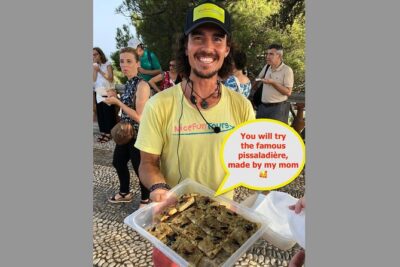
Exclusive Guided Tour in a One-of-a-Kind Electric Car
Read our review →
The Best of the French Riviera Full Day Tour
Read our review →
Monaco, Monte-Carlo and Eze Village Small Group Half-Day Tour
Read our review →
Browse the lists this tour appears in