
Reviewed · SEINE RIVER CRUISES
Paris: Cruise on The Canal Saint Martin and The Seine River
The unusual part comes first: you cruise from Canal Saint-Martin through working locks and a long underground tunnel before reaching the familiar sights of the Seine. It is part canal engineering lesson, part city tour, and part classic Paris postcard ride.
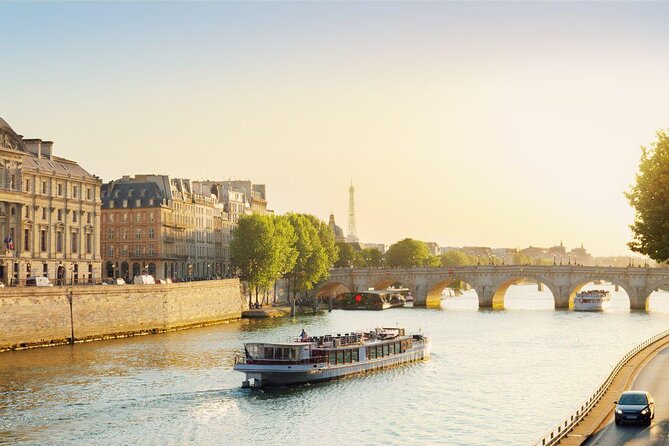
I like the changing scenery, from café-lined quays and iron footbridges to the vaulted darkness beneath Bastille. I also like the final hour on the Seine, where Notre-Dame, the Louvre, Pont Alexandre III, and the Eiffel Tower line up from the water.
The main drawback is simple: the canal and tunnel section will not suit everyone. The boat can carry up to 100 people, the upper deck may become crowded, and bilingual commentary can be hard to hear when children or nearby passengers are talking.
Key points to know before you book
- A rare two-part route: You begin on Canal Saint-Martin and finish on the Seine, instead of taking only the standard river cruise.
- Working locks and a swing bridge: Watch the boat rise and fall as the gates close, water levels change, and road traffic pauses for the swing bridge.
- A long underground passage: The Bastille tunnel is dark, quiet, and unusual, but some people may find this portion slow.
- Major sights from the water: Look for Notre-Dame, the Louvre, Musée d’Orsay, Hôtel de Ville, Pont Alexandre III, Les Invalides, and the Eiffel Tower.
- Bilingual live commentary: Guides speak French and English, with guides such as Lea and Ben praised for clear and entertaining presentations, though sound quality can vary.
- A practical one-way trip: Start at 73 Quai de Valmy and finish near Pont Neuf on Île de la Cité, making it useful for continuing your sightseeing.
Why the Canal Saint-Martin beginning matters
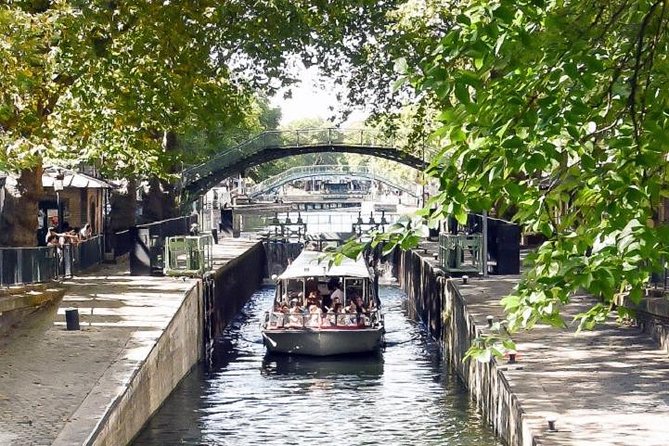
Most Paris boat rides start on the Seine. This one begins farther northeast at 73 Quai de Valmy, along Canal Saint-Martin. That change gives you a look at a part of Paris that many first-time visitors miss.
The canal is lined with trees, cafés, waterside terraces, and old iron footbridges. The atmosphere feels more local and residential than the grand riverfront. You pass the famous Hôtel du Nord, connected with the classic French film of the same name, while the guide explains why the canal was built.
Its original purpose was practical: to bring fresh water into Paris. Over time, the canal also carried goods and supported local industry. Today, its banks are filled with cafés and boutiques, but the waterway still operates through a series of locks.
I like this opening because it gives you a quick change of scale. Paris is not only grand museums and royal monuments. You also see people walking beside the water, sitting at terraces, and crossing the narrow bridges above the boat.
More Boat Tours in Paris
- Paris: Evening River Cruise with Music
★ 4.4 · 22,721 reviews - Paris: Louvre Guided Tour with Reserved Access & Boat Cruise
★ 4.3 · 16,353 reviews - Paris: Big Bus Hop-On Hop-Off Tour with Optional Cruise
★ 4.4 · 13,279 reviews
Watching the locks rise and fall
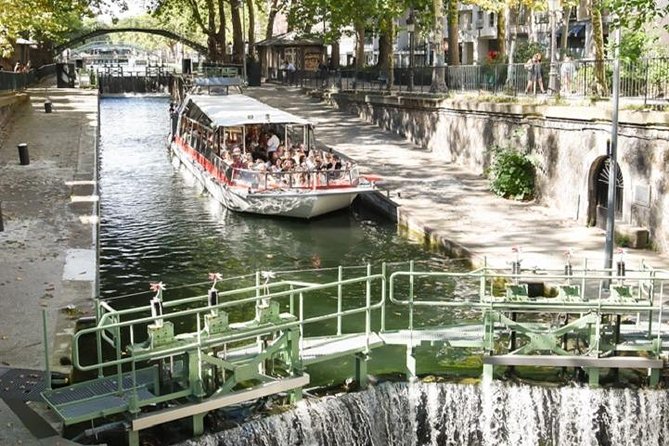
The locks are the heart of the canal section. As the boat approaches one, the gates close and the water level changes. The vessel slowly rises or drops, in one account by about six metres, before the gates open again.
This is not a fast ride. That is the point. You get time to watch the machinery work and to see how the canal fits into daily city life. Walkers pause on the quays. People gather on bridges. Road traffic stops briefly when the swing bridge opens to let the boat pass.
The swing bridge is another small piece of working Paris. It is easy to miss from the street, but from the boat you see the road close, the bridge move, and normal traffic resume after the vessel has gone through.
For the best view, arrive early and try to claim a place outside. The front of the upper deck is the natural gathering spot during the locks, so it can become crowded. If many people stand at the rail, your view of the water level may be limited.
This is also the point where the tour can feel slow to passengers who mainly want monuments. The lock process takes time, and the guide’s commentary may alternate between French and English. If the sound system is weak or people around you are talking, you may miss parts of the explanation.
The Bastille tunnel: strange, quiet, and not for everyone
After the locks and swing bridge, the boat enters the long underground tunnel beneath the Bastille area. This is the most unexpected part of the route.
The tunnel is vaulted, with shafts that let in strips of daylight from above. Once inside, the noise of Paris fades. You move through a dim passage below historic streets, with only occasional openings overhead to break the darkness.
I find the change in mood appealing. You have just passed cafés, bridges, and city traffic. Then the boat slips underground, and the experience becomes almost silent. It is a reminder that Paris has a second layer beneath its streets, built around water, transport, and old engineering.
Still, you should choose this cruise with open eyes. The tunnel is long, and there is not much to photograph. If your priority is seeing monuments in full daylight, a one-hour Seine-only cruise may suit you better. If you enjoy unusual routes and city infrastructure, the tunnel may be the part you remember most.
The best way to think about it is as a tradeoff. You give up some open-air sightseeing early on in exchange for a route that ordinary Seine cruises do not offer.
Port de l’Arsenal connects canal and river
The boat emerges at Port de l’Arsenal, a marina linking Canal Saint-Martin with the Seine. The setting opens up again, with houseboats and pleasure craft around the basin.
This port once served commercial purposes. Today, it has been turned into a calmer harbor and garden area. The guide explains that change as the boat makes its way toward the river.
The transition is satisfying. You have followed a narrow canal, passed through locks, and crossed an underground section. Now the water widens, the sky opens, and the classic Paris route begins.
This is a good moment to move if you have been sitting inside. The open deck is the place for photos, but bring patience and pay attention to the people around you. The boat may be full, and the railings can attract passengers who want the same views.
A few other Paris half-days to compare
- Paris: Tootbus Hop-on Hop-off with optional river cruise
★ 4.3 · 11,924 reviews - Paris: Seine Cruise & Crepe Tasting near the Eiffel Tower
★ 4.4 · 11,231 reviews - Paris: Seine River Panoramic Views Dinner Cruise
★ 4.3 · 10,611 reviews - Paris: Louvre Museum Entry Ticket With Host and River Cruise
★ 4.6 · 9,926 reviews
Île Saint-Louis and the historic center
Once the boat joins the Seine, you pass Île Saint-Louis, known for its elegant 17th-century façades. The island’s buildings rise directly from the riverfront, so you get a clean view of their proportions and pale stone fronts.
You then approach Île de la Cité, the historic center of Paris. From the water, the river’s curve becomes easy to appreciate. Bridges connect the islands to both banks, and the city feels more coherent than it does when you are walking from one monument to the next.
The boat passes near Notre-Dame Cathedral and the Conciergerie. These sights are best understood from the river because you can see their full relationship to the islands, bridges, and surrounding banks.
The Seine banks here are UNESCO-listed, and the cruise gives you a broad view without requiring hours of walking. That is the real value of a boat ride in Paris: you can cover a lot of ground while resting your feet.
Hôtel de Ville, the Louvre, and Pont des Arts
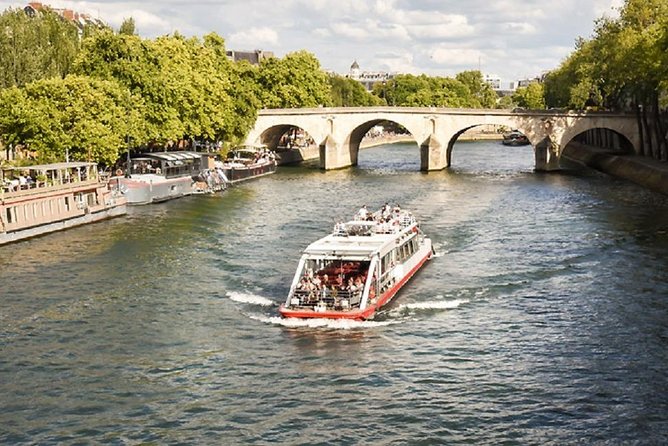
The route continues past Hôtel de Ville, Paris’s ornate City Hall. Along the river, promenades fill with people strolling, chatting, and sitting beside the water. This section gives you a look at ordinary leisure in the city, not just its famous architecture.
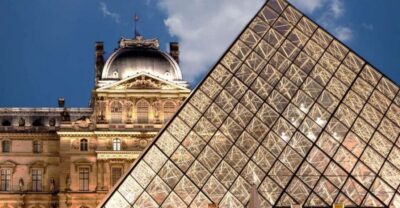
Farther west, the Louvre stretches along the Right Bank in a huge sweep of stone and windows. Across the river, the domed Institut de France faces it. Between them, Pont des Arts creates one of the best visual compositions of the cruise.
From the boat, you can often see the Louvre, Institut de France, and Pont des Arts together. That kind of view is difficult to arrange on foot, where streets and buildings break up the scene.
The guide’s narration adds useful context about architecture and Parisian history. Guides such as Lea and Ben have been singled out for friendly, entertaining presentations, while captain Pasquale has been praised for handling the boat skillfully. You may not have the same crew, but the intended format is live commentary in French and English.
The bilingual setup is useful if you speak English, but it has a practical weakness. A comment delivered in two languages takes longer, and the boat can pass a sight before the explanation is finished. Several passengers have also found it hard to hear over conversations and a less-than-perfect sound system.
For that reason, treat the commentary as an extra rather than your only source of information. Keep your eyes open and enjoy the views even if a sentence gets lost.
Pont Alexandre III and the grand western stretch
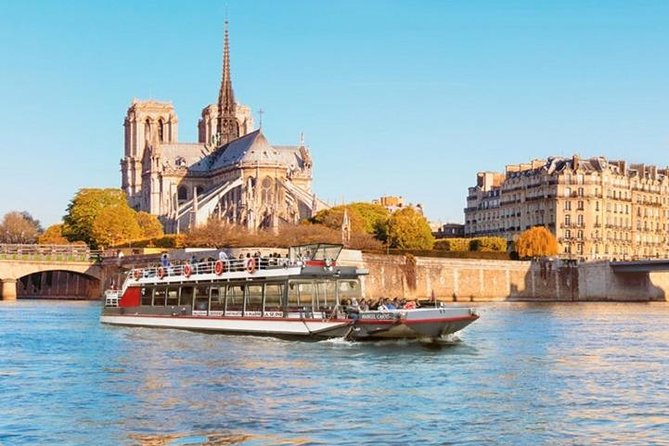
The next major sight is Pont Alexandre III, often considered one of Paris’s most ornate bridges. Golden statues and Art Nouveau lamps decorate the structure, giving you plenty to photograph as the boat passes beneath it.
Nearby, you see the glass roof of the Grand Palais. On the Left Bank, the golden dome of Les Invalides rises above the buildings. Les Invalides is also the burial place of Napoleon, a detail the guide may explain as part of the route’s historical commentary.
This is where the Seine cruise feels most like the familiar Paris you see in photographs. The riverfront is wide, the buildings are grand, and the bridges create repeated frames for your camera.
The open deck is especially valuable here. You can take pictures without street traffic, parked cars, or crowds blocking the lower parts of the monuments. On a hot August afternoon, though, the upper deck can become uncomfortable. There may be little relief from the sun, and the seating may not be especially soft or dry.
Bring water and use the indoor area if the heat becomes too much. You can always return outside for the major sights.
The Eiffel Tower finale
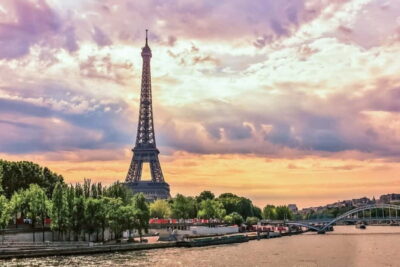
The Eiffel Tower comes fully into view as the boat continues west toward the Trocadéro and Champ de Mars. This is the moment most people wait for.
In the evening, the tower is lit. If your timing is right, you may see its sparkling display while the boat moves along the Seine. The exact experience depends on the departure time, so do not book this cruise solely on the assumption that you will see the sparkle.
The river gives you a clean, distant view of the tower. You can frame it with the water, bridges, and city lights, which is different from standing directly beneath it. Some departures also provide a view of the Statue of Liberty, with the Eiffel Tower behind it, an unusual photo opportunity noted by passengers.
There is a concession stand on board selling drinks such as soda, wine, beer, and juice. Some departures have also included snacks such as crêpes. The available food should be treated as a pleasant extra, not the main reason to book.
Ending near Pont Neuf
The cruise ends at Quai de l’Horloge, on Île de la Cité, near Pont Neuf. The boat’s stated end point is opposite 19 Quai de l’Horloge, close to the Pont Neuf subway station.
This is a useful place to finish. You can continue toward Sainte-Chapelle, cross to the Right Bank, walk into the Latin Quarter, or stop at a nearby terrace. The one-way format means you do not return to Canal Saint-Martin, so plan your evening around the destination rather than the departure point.
One practical warning: the route from the landing area up to street level includes steps. If you use a walker or have trouble with stairs, this may be difficult. The activity says most people can participate, but it does not promise full accessibility.
Price, group size, and overall value
At $42.05 per person for about two hours, this is reasonably priced for a combined canal and Seine route. A standard Seine cruise gives you the major landmarks, but this trip adds the locks, swing bridge, Port de l’Arsenal, and underground tunnel.
The value depends on what you want from Paris. If you want nonstop monument views, the canal section reduces your time on the open river. If you want a more unusual city experience, the canal adds something you cannot get on the usual route.
The boat can carry up to 100 people. That is not a small-group tour, and you should not expect a quiet, private ride. The larger capacity helps keep the price moderate, but it also means crowded railings, children moving around, and background noise.
Arrive about 30 minutes early if sitting outside matters to you. Even arriving 15 minutes before departure may not secure a good upper-deck place. The experience is offered with a mobile ticket and is near public transportation, so the basic booking process is straightforward, but take care to identify the boat and meeting point at 73 Quai de Valmy.
Free cancellation is available up to 24 hours before the start time. The trip depends on good weather and a minimum number of passengers. If poor weather or low demand cancels it, you can choose another date or receive a full refund.
Who should book this Paris cruise?
I would choose this for a first or second visit when you want to see the main Paris sights but also want something beyond the standard tourist route. It works well for families, couples, and anyone who appreciates engineering, bridges, and the quieter side of the city.
It is also useful after a day of walking. You sit back, hear stories about the city, and cover the route from Canal Saint-Martin to the Eiffel Tower without wearing out your feet.
I would choose a Seine-only cruise instead if you have limited time, dislike enclosed spaces, or care most about uninterrupted views of monuments. I would also think twice if you need a highly accessible activity or if crowded boats frustrate you.
Should you book it?
Book this cruise if the idea of passing through locks and a Bastille tunnel sounds as appealing as seeing the Eiffel Tower. That unusual first half is the reason to pick this route over a basic Seine ride.
Skip it in favor of a river-only option if you want open-air sightseeing from the first minute. For the right passenger, the combination is excellent value: a working canal, a strange underground passage, and the grand monuments of central Paris in one roughly two-hour ride.
FAQ
Where does the cruise start?
It starts at 73 Quai de Valmy, 75010 Paris, France, along Canal Saint-Martin.
Where does the cruise finish?
It finishes at Quai de l’Horloge on Île de la Cité, near Pont Neuf. The listed location is opposite 19 Quai de l’Horloge, close to the Pont Neuf subway station.
How long does the cruise last?
The cruise lasts approximately two hours.
Does the boat travel on both Canal Saint-Martin and the Seine?
Yes. The route begins on Canal Saint-Martin, passes through the Bastille tunnel and Port de l’Arsenal, then continues along the Seine.
Will the cruise pass through locks?
Yes. You pass through several locks and can watch the water level rise or fall around the boat.
Does the route include an underground tunnel?
Yes. The boat travels through a long underground tunnel beneath the Bastille area.
Which Paris landmarks can I see?
The route includes views of Notre-Dame, the Conciergerie, the Louvre, the Tuileries Gardens, Musée d’Orsay, Hôtel de Ville, Pont Alexandre III, Les Invalides, and the Eiffel Tower.
Is commentary provided in English?
The experience is offered in English, and the live commentary is presented in French and English. How much English commentary you hear may depend on timing, sound quality, and background noise.
How many people can join the boat?
The boat has a maximum capacity of 100 travelers.
Can I cancel for a refund?
You can cancel at least 24 hours before the start time for a full refund. Cancellations or changes made less than 24 hours before departure are not refunded or accepted. If bad weather or insufficient bookings cancel the cruise, you will be offered another date or a full refund.
More Boat Trips in Paris
- Paris: Eiffel Tower Access by Elevator & Seine River Cruise
★ 4.6 · 7,329 reviews - Paris: 3-Course-Dinner Cruise on the Seine with live music
★ 4.7 · 7,248 reviews - Bateaux Parisiens Seine River Gourmet Dinner & Sightseeing Cruise
★ 4.5 · 6,930 reviews - Paris Big Bus Hop-On Hop-Off Tour with Optional River Cruise
★ 4.0 · 6,534 reviews
Just listed in Paris
- Chartres Cathedral 5 Hours Tour from Paris with Private Transport★ 4.5 · 49 reviews
- Paris: Giverny & Versailles Small Group or Private Tour★ 4.5 · 49 reviews
- Paris: Louvre photoshoot or Seine bridges Eiffel Tower walk★ 5.0 · 49 reviews
- Private tour of the Champagne area, meet local producers and taste their Champagne, start from your hotel in Paris.★ 5.0 · 50 reviews
- Paris: Choux Pastry and Chocolate Éclair Making Class★ 4.9 · 50 reviews
- Paris Eternelle Notre-Dame Virtual Reality Tour★ 4.5 · 50 reviews
- Normandy D-Day Landing Beaches Private Day Trip from Paris★ 5.0 · 50 reviews
- Disneyland® Paris 1 Day with Round-Trip Train Tickets from Paris★ 4.0 · 50 reviews
Seine River Cruises, compared.

Seine Cruise & Crepe Tasting near the Eiffel Tower
Read our review →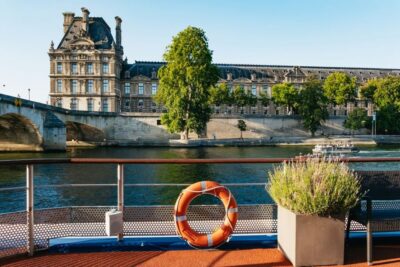
Louvre Museum Entry Ticket With Host and River Cruise
Read our review →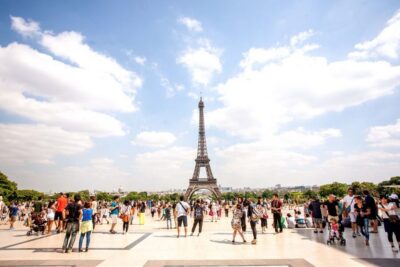
Eiffel Tower Access by Elevator & Seine River Cruise
Read our review →
3-Course-Dinner Cruise on the Seine with live music
Read our review →
Bateaux Parisiens Seine River Gourmet Dinner & Sightseeing Cruise
Read our review →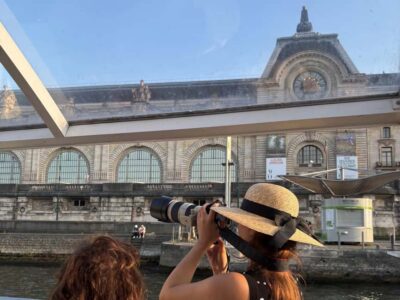
Hop-On Hop-Off Seine Cruise Pass with 9 Stops
Read our review →Browse the lists this tour appears in