
Reviewed · PARIS TOURS
Paris: French Revolution Walking Tour
The French Revolution becomes far easier to grasp when you are standing on the streets where its crowds gathered, fought, and died. This two-hour walk turns central Paris into a moving history lesson, with stories of conspiracy, hunger, royal power, mass murder, and the fight for freedom.
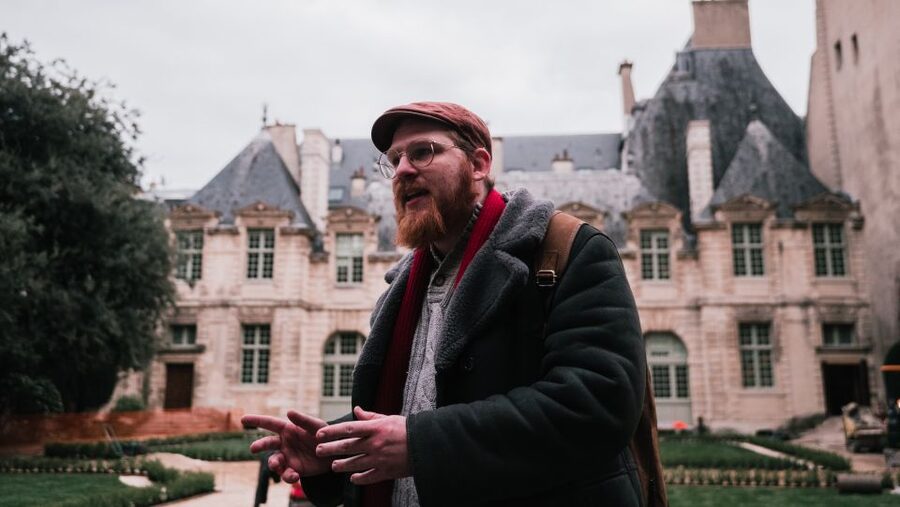
I like the strong storytelling, especially the way guides such as François and Louis explain a complicated chain of events in clear English. I also like the local details, from churches affected by the Revolution to small features along the route that help you picture Paris before and during 1789.
The main drawback is scope. Two hours cannot cover every major event or site, and some of the most dramatic locations, including the Place de la Concorde and Champs de Mars, may not be part of the walk. One past booking also had trouble finding the guide at the meeting point, so arrive early and look carefully for the group.
Key points about this Paris Revolution walk
- Meet at Place du Châtelet: Find the guide by the Fontaine au Sphinx, in a central spot near the Seine.
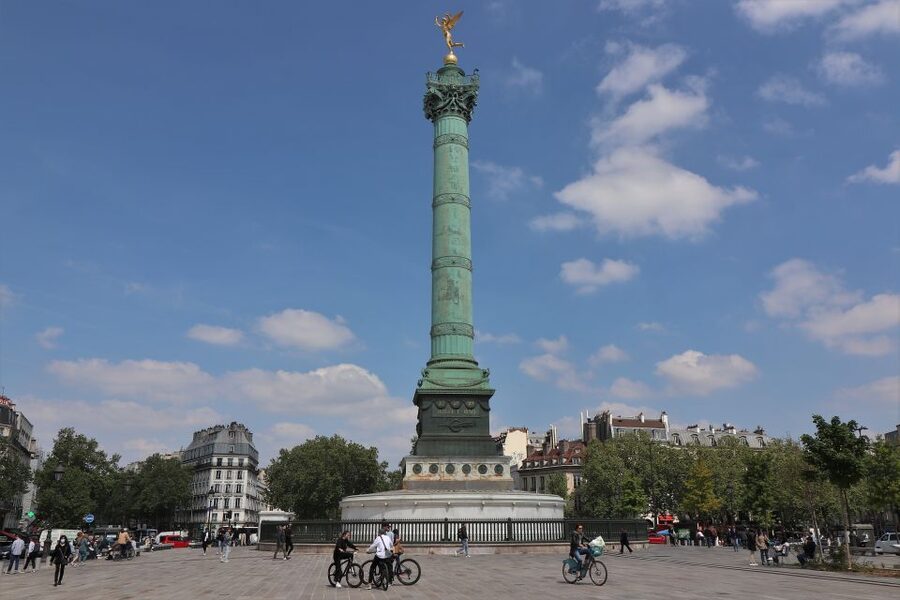
- Follow the road toward the Bastille: The walk builds toward the storming of the Bastille and explains the forces that made it possible.
- Hear the royal story: Louis XVI and Marie Antoinette appear as part of the wider account of monarchy, public anger, and the guillotine.
- Expect an English tour: Guides including François, Louis, Fran, and Sam have led this experience, though your guide is assigned by the operator.
- See more than famous monuments: Churches, old streets, La Marais, and small physical details help connect political events to daily life.
- Plan for a serious but lively history lesson: The subject includes murder, massacre, conspiracy, and execution, but the presentation is designed to keep you involved.
Why a walking tour suits the French Revolution
The French Revolution is difficult to understand as a list of dates. The story moves from financial crisis to food shortages, from political argument to street violence, and then through several changing forms of government. A classroom can explain this, but a Paris street gives the story a setting.
That is the useful idea behind this tour. You move through the heart of the city while the guide explains what happened in the places around you. Even when the original buildings are gone or the streets have changed, being there helps you grasp the scale of the events.
The walk also avoids treating the Revolution as one neat moment. The storming of the Bastille matters, but it was part of a much longer buildup. A good guide can show how royal decisions, public anger, political clubs, religious institutions, and ordinary Parisians all fed into the crisis.
This is where the tour earns its price. You are not simply paying for a route through central Paris. You are paying for someone to organize a difficult subject into a story you can follow while walking.
More Walking Tours in Paris
- Paris Top Sights Half Day Walking Tour with a Fun Guide
★ 5.0 · 2,893 reviews - Montmartre Hidden Gems and Scenic Highlights Walking Tour
★ 5.0 · 2,684 reviews - Montmartre Hill French Gourmet Food and Wine Tasting Walking Tour
★ 5.0 · 2,588 reviews
Starting at the Fontaine au Sphinx on Place du Châtelet
Your meeting point is in front of the Fontaine au Sphinx on Place du Châtelet. This is a practical place to begin because it is central and easy to pair with other time in Paris, but central Paris is also full of tour groups and street noise.
Give yourself extra time to identify the guide. A past participant had difficulty locating the group because there was no obvious logo or clear introduction. I would arrive at least 10 minutes early, stand by the fountain, and check for a guide gathering people rather than joining the first group that looks organized.
Once everyone is together, the guide sets the scene. You will be introduced to the pressures facing France and Paris before the Revolution took its most famous turn. The approach is less about memorizing names and more about understanding how a tense city reached the point of open revolt.
The guide may vary, but the strongest feedback has centered on François, Louis, Fran, and other English-speaking guides who can explain the material with energy and clarity. That matters here. The subject is full of similar names, shifting alliances, and sudden changes, so a clear speaker makes the difference.
Building the story before the Bastille
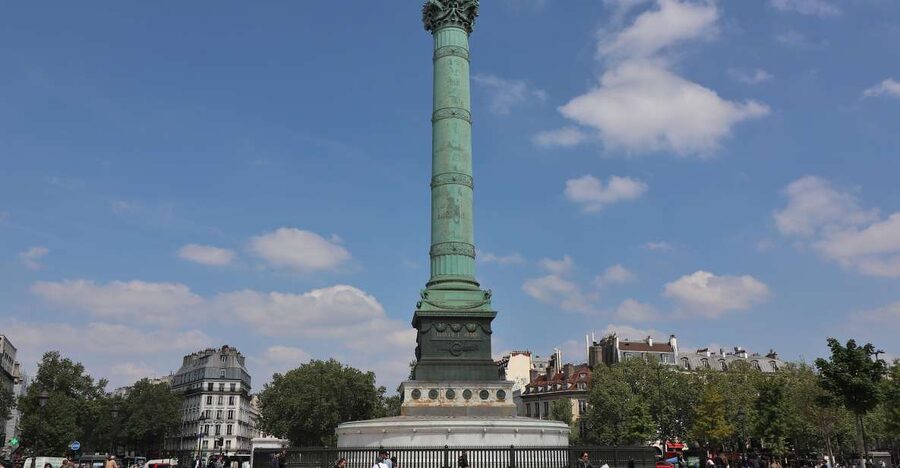
One of the most useful features is the attention to the days leading up to the storming of the Bastille. The guide can present the buildup almost day by day, showing how fear, rumor, anger, and political uncertainty gathered force.
This part gives the Bastille event its proper context. Without it, the famous date can seem like a spontaneous burst of violence. With it, you begin to see the event as a response to a wider crisis, shaped by decisions made at court and by conditions on Paris streets.
The walk is not always arranged in strict chronological order. That may sound like a weakness, but the route can still work if the guide keeps the timeline clear. One past participant specifically noted that the walk did not proceed in date order, yet the explanations remained easy to follow.
I would still ask questions when the sequence becomes complex. The guides are used to moving between subjects, and François in particular has been praised for handling questions while keeping the story accurate and balanced. If you already know the basic outline, this is a good chance to ask about competing interpretations rather than only hearing the familiar version.
Churches, old streets, and the physical city
The tour includes churches and other parts of central Paris that help show how the Revolution affected more than the royal family. Religious buildings were tied to money, power, public life, and changing ideas about the state.
You may also examine small features along the route that are easy to miss when walking alone. These objects and details give the guide a way to connect political events with the physical city. The point is not that every stone has survived unchanged. The point is that Paris still offers clues, if someone helps you read them.
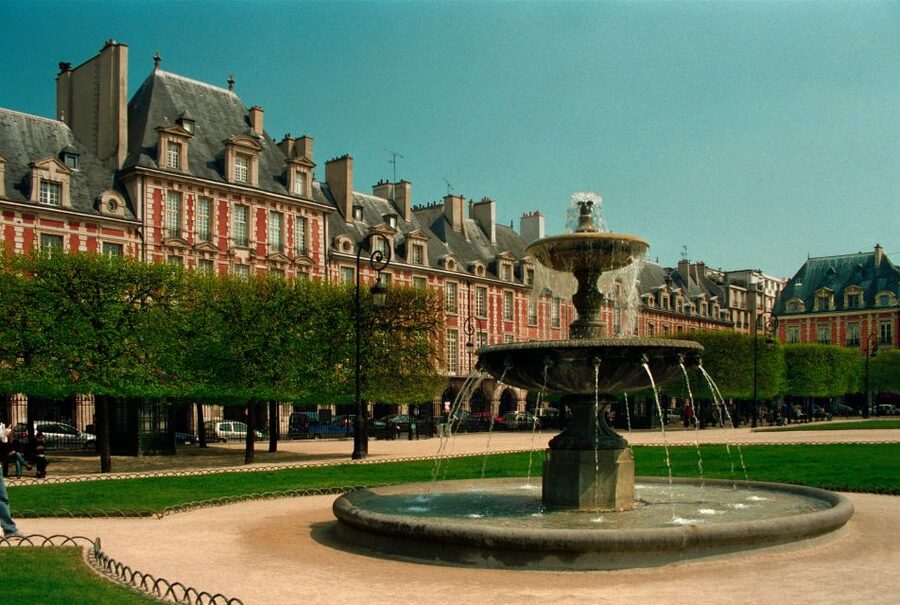
The route also includes La Marais, adding another layer to the experience. This part of Paris is worth seeing even without the history lesson, but the tour gives you a reason to look more closely at its streets and buildings.
I like this blend of major events and modest details. The Revolution was not lived only in palaces and famous squares. It unfolded through neighborhoods, religious spaces, meeting places, and streets used by people with very different interests.
Do not expect every site connected with the Revolution to appear. The walk is confined to two hours, and the route focuses on the central area covered by the guide. Place de la Concorde and Champs de Mars were specifically noted as possible subjects that would require a longer tour, so do not book this expecting a full circuit of every major Revolutionary location.
Same city, a completely different afternoon:
- Paris: Louvre Museum Timed-Entrance Ticket
★ 4.6 · 71,977 reviews - Disneyland® Paris 1-Day Ticket
★ 4.6 · 49,412 reviews - Paris: Versailles Palace and Gardens Full Access Ticket
★ 4.6 · 41,579 reviews - Paris: Evening River Cruise with Music
★ 4.4 · 22,721 reviews
Louis XVI, Marie Antoinette, and the human cost
The tour covers the execution of Louis XVI and Marie Antoinette by guillotine. These events are presented as part of the wider collapse of royal authority, rather than as isolated tales of doomed celebrities.
That distinction helps. It is easy to reduce the French Revolution to the image of a blade falling, but the guillotine was the result of political choices, fear, war, and the growing belief that enemies of the Revolution had to be removed. The guide uses the royal story to explain how the public mood changed.
The experience also includes darker accounts of murder and massacre. This is not a light sightseeing walk with occasional historical decoration. You should be comfortable hearing about execution and mass violence in a direct, sometimes dramatic way.
At the same time, the best version of the tour avoids turning the subject into simple good-versus-evil theater. Several guides have been praised for presenting a careful and unbiased account, including newer interpretations alongside older explanations. That balance is valuable because the Revolution remains politically and emotionally important in France.
The descriptions can be vivid. One guide was praised for using first-person language to make the events feel immediate, while another brought scenes to life with careful descriptions of how they might have looked at the time. This style can make the story easier to remember, though anyone seeking a strictly academic lecture may prefer a quieter format.
What the guide adds to the experience
The guide is the heart of this tour. The route itself is useful, but you can walk through central Paris without paying for a tour. What you cannot easily recreate is a well-ordered explanation of why each location matters.
The most praised guides have combined command of the subject with an easy speaking style. François has been singled out for clear English, accuracy, nuance, and a willingness to follow questions. Louis has been praised for making small features along the route meaningful. Fran has been noted for turning dry facts into scenes while bringing in local knowledge and newer ideas.
That does not mean every tour will feel identical. One lower-scoring comment described a guide who seemed disengaged and did not introduce himself or encourage group interaction. The overall rating is 4.3 from 126 reviews, which is strong but not perfect. Your experience depends partly on who leads the walk and how well the group connects with that person.
There is also a practical point about group dynamics. A guide who invites questions can adjust the level for adults, teenagers, and people with little background. A group of two adults and two teenagers found the subject accessible and enjoyable, while history-focused participants appreciated the detailed answers.
You do not need a strong prior knowledge of the French Revolution. In fact, the tour may be most useful if your understanding comes mainly from school lessons. The guide’s job is to connect the fragments and show how the events affected Paris.
Pace, walking comfort, and timing
The tour lasts two hours, which is long enough to build a meaningful story without taking up your whole day. Several participants praised the comfortable pace and the guide’s awareness of when the group needed a rest.
There was also a comfort break midway through one tour. It is sensible to use facilities before you start, since a short walking tour can still feel demanding if you are managing a busy sightseeing day, but the pace is not described as rushed.
You will be outdoors on city streets, and noise can be an issue. One guide was specifically praised for having a clear voice that remained easy to understand despite traffic and street sounds. Comfortable shoes are the obvious choice, and you should dress for the weather rather than assume the short duration will protect you from rain or heat.
The activity is listed as wheelchair accessible. Since this is a walking route through central Paris, I would still confirm the current route details if you need specific accessibility support, but the stated accessibility information is encouraging.
Is $46 a fair price?
At $46 per person, this is not the cheapest way to walk around central Paris. Its value depends on what you want from the outing.
If you only want to see streets and monuments, you can explore the area on your own for far less. If you want a focused account of the Revolution, delivered in English and tied to the places around you, the price is more reasonable. A strong guide can save you hours of reading and help you notice details you would otherwise pass.
The two-hour length also helps the value. You get a concentrated subject tour rather than a full-day commitment. It fits well on a day when you are already near the Seine, Châtelet, or La Marais.
I would be less enthusiastic about the price if your main interest is seeing the execution sites or every major battlefield of the Revolution. The route cannot cover the whole city in two hours, and some major locations may be left out.
Free cancellation up to 24 hours before the start and the option to reserve now and pay later reduce the risk of booking. Those terms are helpful in Paris, where weather, museum reservations, and transport delays can alter a day’s plan.
Who should book this walk?
I recommend it most strongly to you if you fall into one of these groups:
- You know the basic names but not how the Revolution unfolded.
- You want history tied to real streets rather than a museum-only presentation.
- You prefer a lively English guide to a self-guided audio tour.
- You are curious about the French view of the Revolution, including modern interpretations.
- You are visiting with teenagers who need a story with drama and movement.
- You want to explore central Paris beyond the usual postcard sights.
It is also a good second-day activity. After seeing the major monuments, you can use this walk to understand the political forces that shaped the city.
I would choose something else if you dislike graphic historical subjects, want a strictly chronological lecture, or need to visit every major Revolutionary site. The material includes murder, massacre, and execution, and the walk may move between periods to fit the route.
Practical advice before you go
Meet at the Fontaine au Sphinx on Place du Châtelet, not simply somewhere in the general square. Arrive early, especially if you are unfamiliar with the area or are joining during a busy sightseeing period.
Look for the guide and group rather than assuming there will be a large branded sign. The meeting point concern raised by one participant is easy to avoid with a little extra time.
Bring water and wear shoes suited to two hours on foot. The tour is in English, and the guide is live rather than recorded. You will not receive hotel pickup or drop-off, so plan your own way to Place du Châtelet and onward travel after the walk.
If you have children or teenagers with you, prepare them for serious subject matter. The dramatic stories can hold attention, but this is not a playful treasure hunt in the usual family-tour sense. It is a history walk that uses mystery and suspense to explain real violence.
Should you book the French Revolution Walking Tour?
Book it if you want a focused, human account of how Paris moved from royal rule to revolt, and if you value a good guide more than a long list of sights. The strongest part is the storytelling: clear English, vivid scenes, careful context, and small details that make the streets easier to read.
The main caution is coverage. You will not get every famous Revolutionary location, and the route may not follow the dates in perfect order. Still, for two hours and $46, this is a sensible choice for history-minded visitors who want to see Paris through a political and social story, not just a collection of pretty buildings.
FAQ
Where does the French Revolution Walking Tour meet?
Meet your guide in front of the Fontaine au Sphinx on Place du Châtelet in Paris.
How long does the tour last?
The walking tour lasts two hours.
What language is the tour in?
The tour is conducted in English with a live guide.
What is included in the price?
The price includes the walking tour and the guide.
Is hotel pickup included?
No. Hotel pickup and drop-off are not included.
Is the tour wheelchair accessible?
Yes. The activity is listed as wheelchair accessible.
What historical subjects does the tour cover?
It covers the events that led to the 1789 French Revolution, the storming of the Bastille, the effects of the Revolution on Paris, the executions of Louis XVI and Marie Antoinette, conspiracy, murder, massacre, and the fight for freedom.
Can I cancel the booking for a full refund?
Yes. You can cancel up to 24 hours in advance for a full refund.
Can I reserve the tour without paying immediately?
Yes. The reserve-now-and-pay-later option lets you hold a place without paying at the time of booking.
Just listed in Paris
- Chartres Cathedral 5 Hours Tour from Paris with Private Transport★ 4.5 · 49 reviews
- Paris: Giverny & Versailles Small Group or Private Tour★ 4.5 · 49 reviews
- Paris: Louvre photoshoot or Seine bridges Eiffel Tower walk★ 5.0 · 49 reviews
- Paris: Choux Pastry and Chocolate Éclair Making Class★ 4.9 · 50 reviews
- Private tour of the Champagne area, meet local producers and taste their Champagne, start from your hotel in Paris.★ 5.0 · 50 reviews
- Paris Eternelle Notre-Dame Virtual Reality Tour★ 4.5 · 50 reviews
- Normandy D-Day Landing Beaches Private Day Trip from Paris★ 5.0 · 50 reviews
- Disneyland® Paris 1 Day with Round-Trip Train Tickets from Paris★ 4.0 · 50 reviews
Paris Tours, compared.



Versailles Palace and Gardens Full Access Ticket
Read our review →

Eiffel Tower Entry Ticket with Optional Summit Access
Read our review →

Louvre Guided Tour with Reserved Access & Boat Cruise
Read our review →
Moulin Rouge Cabaret Show Ticket with Champagne
Read our review →Browse the lists this tour appears in