

Reviewed · MONTMARTRE & SACRE-COEUR TOURS
Paris: Hidden Gems of Montmartre with Local Guide
Montmartre reveals itself slowly on this two-hour walk. You begin beside the Moulin Rouge, then leave the loudest tourist streets for cobbled lanes, artists’ former homes, a tiny vineyard, the Wall of Love, and a quieter view of Sacré-Coeur. The route links famous sights with small details that are easy to miss on your own.
I like the small group of no more than 14. It keeps the walk personal, and guides such as Camilla, Paloma, Linda, Sarah, and Max have been praised for clear storytelling, humor, and a relaxed pace. I also like the freshly baked croissant stop, which adds a real Paris taste without turning the tour into a food crawl.
The main drawback is the hill. The walk covers about 2 kilometers and ends at Sacré-Coeur, so you will climb gradually through Montmartre. The guide can use a gentler route, but comfortable shoes still matter, and this is not the best choice if you want a flat stroll.
Key points at a glance
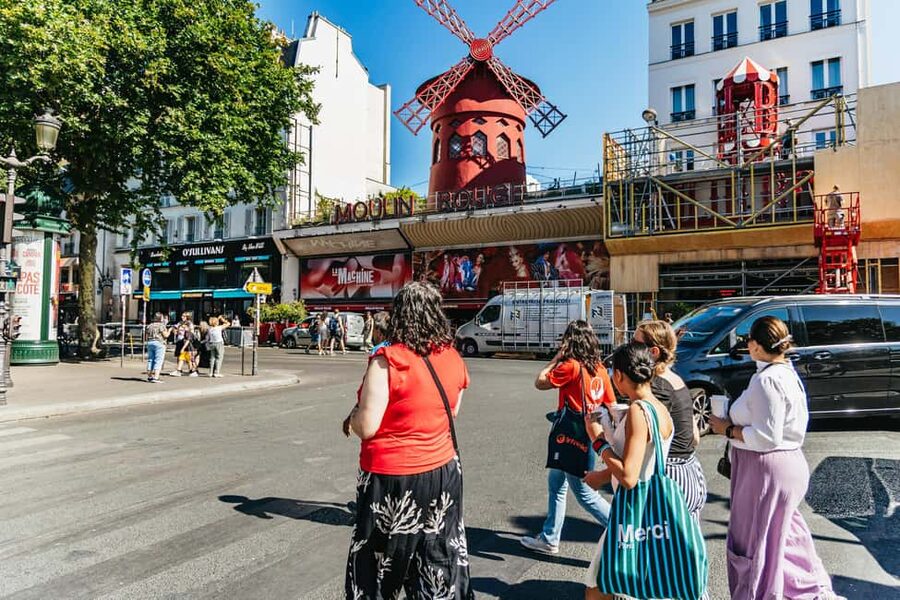
- Start at Blanche metro station: Meet at ground level outside the Line 2 station, close to Moulin Rouge.
- A prize-winning croissant is included: You stop at a respected local bakery for one buttery pastry.
- The route avoids the main tourist path: Expect side streets, secret passages, artist connections, and quieter corners.
- The views are a major payoff: A little-known panorama gives you a memorable look across Paris.
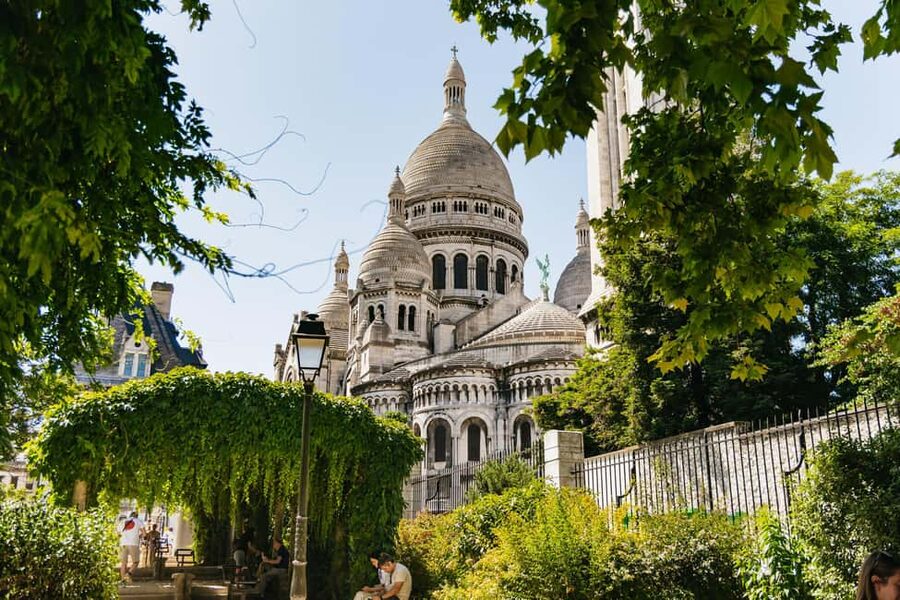
- The finish is at Sacré-Coeur: You see the basilica from a less familiar angle rather than simply arriving on the front steps.
- The tour is built around stories: Picasso, Van Gogh, Dalida, Renoir, Amélie, the Lapin Agile, and Montmartre’s vineyard all appear along the way.
Why this two-hour walk works well

Montmartre can be confusing on a first visit. The area has grand landmarks, steep streets, painted portraits, café terraces, and plenty of people selling the same souvenirs. It is easy to spend two hours walking uphill without learning much about the neighborhood.
This tour gives the hill a clear shape. You start in the Pigalle area, walk through the lower streets, pause for food and stories, and finish near the basilica. The route is short enough to fit into a morning or afternoon, but it still covers several sides of Montmartre: its cabaret past, art history, village feel, religious importance, and modern film connections.
I especially like the blend of major sights and small stops. You do not simply tick off Moulin Rouge and Sacré-Coeur. You also see the Wall of Love, Moulin de la Galette, the last vineyard in Paris, and Le Lapin Agile. Those places help explain why Montmartre feels different from the grand boulevards below.
The tour is conducted in English. Guides vary by departure, with Camilla, Paloma, Linda, Sarah, Max, and others leading recent walks. The strongest guides bring together local stories, art, pop culture, and practical help. Several have also adjusted the pace for families and taken a gentler route up the hill.
A few other Paris half-days to compare
- Paris: Moulin Rouge Cabaret Show Ticket with Champagne
★ 4.7 · 16,088 reviews - Paris: Dinner Show at the Moulin Rouge
★ 4.8 · 3,333 reviews - Montmartre Hidden Gems and Scenic Highlights Walking Tour
★ 5.0 · 2,684 reviews
From Blanche to the Moulin Rouge windmill
The meeting point is outside Blanche metro station, at street level. This is a useful start because it places you near the Moulin Rouge and gives the guide an easy landmark for gathering the group.
The Moulin Rouge is a flashy opening, but the guide uses it as a doorway into Montmartre rather than the main event. You hear about the neighborhood’s cabaret identity before moving into quieter streets. That contrast is part of the fun: one minute you are beside a famous red windmill, and soon you are looking at old façades and narrow lanes.
Arrive a little early. The meeting point is specifically outside the station, not inside the metro, and the area has several exits and busy corners. If you are delayed, contact the operator as soon as possible. One guide has helped late-arriving participants meet the group farther along the route, but you should not count on catching up.
The Wall of Love and Montmartre’s softer side

The Wall of Love is one of the tour’s most distinctive stops. The blue-tiled wall carries Je t’aime in 250 languages, making it a quick but meaningful pause in a neighborhood often associated with romance.
You have around 20 minutes here for sightseeing and photographs. That is enough time to look for familiar languages, take a picture, and hear why the wall fits Montmartre so well. It also gives the group a breather before the uphill walking continues.
This is a public artwork, not a major museum visit. If you expect a long stop or an elaborate presentation, you may find it brief. Its value comes from the setting and the chance to see a less traditional Paris attraction.
A croissant break at a local bakery
The pastry stop is included in the $41 price, and it is more than a token snack. You receive a freshly baked butter croissant from an award-winning bakery, identified in one account as Boulangerie Alexine. The tour description presents it as one of the finest croissants in Paris, so this is a central part of the experience rather than an afterthought.
I like this format because it gives you a taste of French daily life without asking you to spend the whole tour eating. You get one classic item, then continue walking. It also breaks up the hill and gives the guide a natural moment to answer questions.
Drinks and extra food are not included. Vegetarian participants can join, but the tour is not suitable for people who need lactose-free, gluten-free, or vegan food. If you have one of those dietary needs, the pastry stop will not work for you.
Same city, a completely different afternoon:
- Paris: Louvre Museum Timed-Entrance Ticket
★ 4.6 · 71,977 reviews - Disneyland® Paris 1-Day Ticket
★ 4.6 · 49,412 reviews - Paris: Versailles Palace and Gardens Full Access Ticket
★ 4.6 · 41,579 reviews - Paris: Evening River Cruise with Music
★ 4.4 · 22,721 reviews
Artists’ homes, cafés, and the stories between them

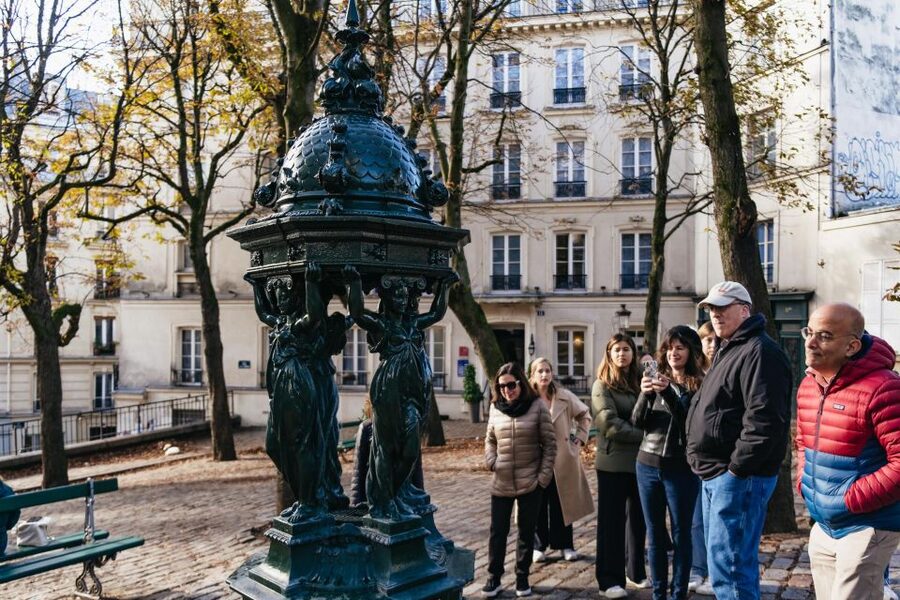
Montmartre’s art history is presented through places rather than a long lecture. You pass the café associated with the film Amélie, Van Gogh’s former residence, and Picasso’s old home. The guide also brings in Renoir and other artists connected with the neighborhood.
This approach suits people who want context but do not want a formal museum talk. A good guide can explain how the streets looked to artists, why the hill attracted painters and performers, and how the neighborhood’s image changed over time. Camilla has been praised for connecting Montmartre to paintings now displayed in Paris museums, while Paloma has been described as an artist herself with a strong interest in art history.
The route also includes stories about Dalida, the much-loved French singer. Her connection to Montmartre adds a modern cultural note beside the painters and cabaret legends. You may see her statue and hear why local people still feel such affection for her.
The film and celebrity references help keep children and teenagers involved, but the tour is not just a pop-culture walk. The best part is the mix: one stop may concern a movie café, the next a painter, and the next a singer or local custom.
Moulin de la Galette and the village atmosphere
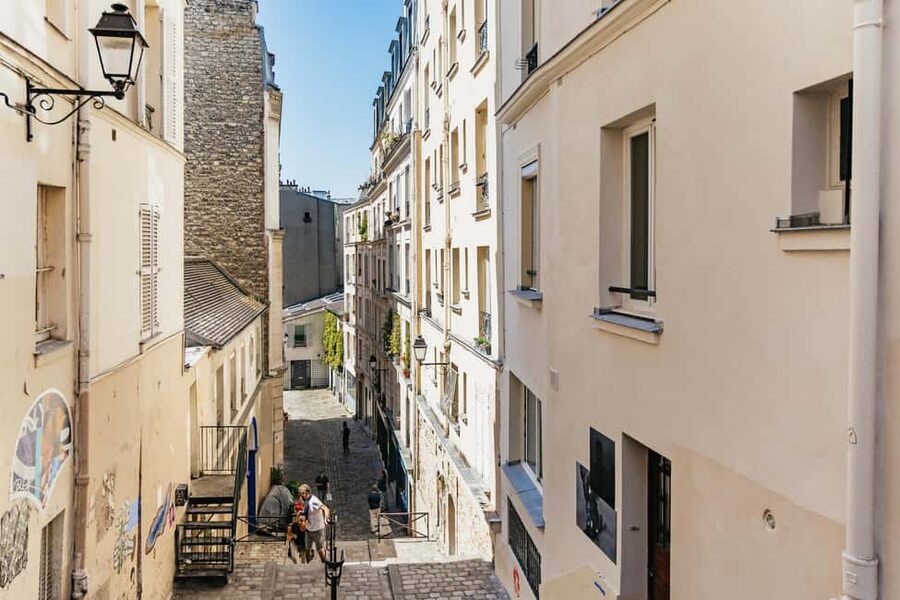
Moulin de la Galette brings together Montmartre’s old windmills, dance halls, and artistic life. It is a good place for the guide to explain how the hill once felt more like a village outside Paris than a central city district.
You see the site as part of a walking route, not as a separate museum visit. The appeal is in the story and the surrounding streets. Look up as you walk, since Montmartre’s charm often comes from small architectural details, quiet passageways, and changing views rather than one grand object.
This section can feel less dramatic than the basilica, but it may be more useful for understanding the neighborhood. You are seeing the ordinary street setting that shaped the area’s artistic reputation, rather than only the postcard version.
Le Lapin Agile and the tale of Lolo
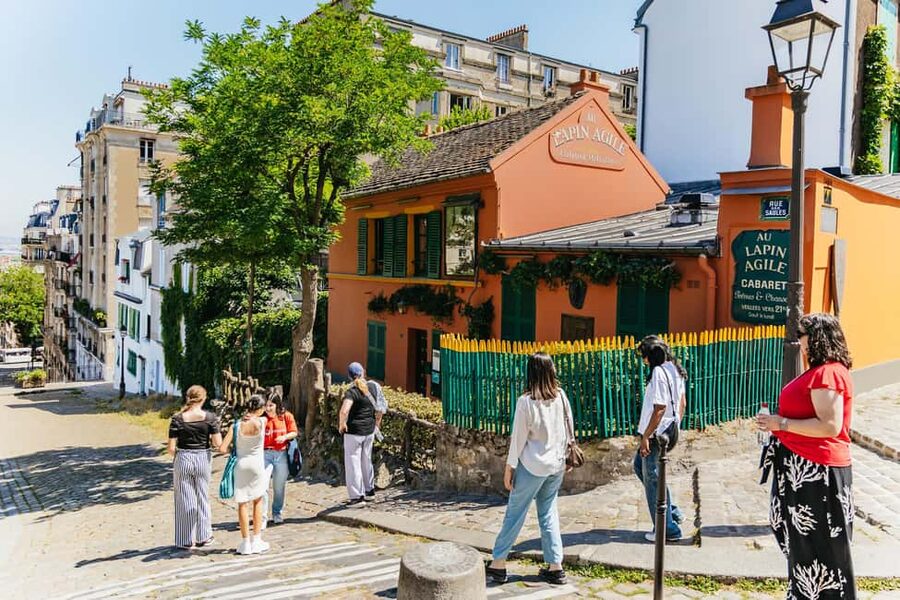
Le Lapin Agile is one of Montmartre’s best-known historic cabarets. The tour includes about 15 minutes of sightseeing here, along with the odd and memorable story of Lolo, the painting donkey.
That tale gives the walk a lighter turn. Montmartre’s past was not made only by celebrated painters and serious cultural figures. It was also shaped by cabaret performers, eccentrics, legends, and stories that sound almost too strange to be true.
The stop is outside sightseeing, not a cabaret performance. Plan on hearing the story and examining the building and nearby streets. If you want evening entertainment, you will need to arrange that separately.
The vineyard and the quieter side of the hill

Montmartre contains the last vineyard in Paris, and seeing it is one of the tour’s most useful reminders that the neighborhood was once rural. The vines are not a large wine estate, and you should not expect a tasting. Their importance is historical and local.
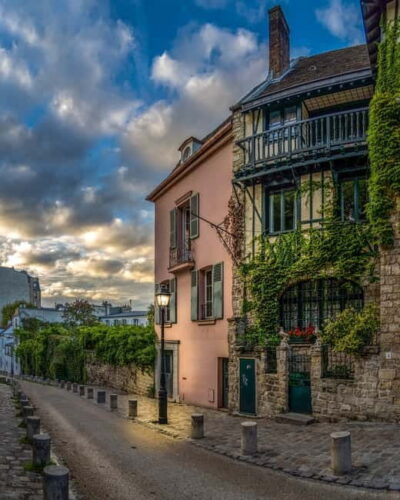
This is also where the route feels most removed from the main tourist flow. You get a sense of why Montmartre still has a village mood despite its fame. The guide can point out how the vineyard, old cabaret, artist homes, and winding lanes fit together.
The streets here can be uneven. Comfortable shoes are essential, especially after rain. The tour covers only about 2 kilometers, but the incline and cobbles make it feel more demanding than the distance suggests.
The final approach to Sacré-Coeur
The tour ends at the Basilica of the Sacred Heart of Paris, better known as Sacré-Coeur. Instead of making the famous white basilica the entire focus, the guide approaches it through a less familiar vantage point.
That final angle is one of the strongest reasons to book the walk. You get the familiar monument, but you see it in relation to the lanes and rooftops around it. The route also leads to a panoramic viewpoint with broad views over Paris, a fitting reward after the climb.
The tour does not include a dedicated interior visit or a long basilica tour. You finish outside, with the chance to admire the building and continue exploring on your own. If entering Sacré-Coeur is important to you, allow extra time afterward.
The ending is practical, too. From the basilica, you can keep exploring Montmartre, take photographs, or make your own way downhill. Ask your guide for suggestions, as guides have offered useful ideas for continuing the day.
How good is the $41 value?
At $41 per person, this is a fair price for a two-hour small-group walk in Paris. The cost includes a live English-speaking guide, the route planning, the local stories, the panoramic stops, and a quality butter croissant. You are paying for interpretation and access to a better route, not for admission tickets.
The group limit of 14 improves the value. A smaller group makes it easier to hear on narrow streets, ask questions, and pause for photographs without losing the guide. There are no microphones, which helps the walk feel more like a conversation, though it also means you need to stay fairly close.
This is not the right choice if you want a full meal, several tastings, or a private car. It is also not an art museum tour with indoor access. But if you want a compact introduction to Montmartre with food, views, and local color, the price is sensible.
A private group is available if you want a more personal arrangement. The standard format is already small, so many people will find it intimate enough without paying for a private booking.
Who will enjoy this Montmartre tour most?
I would choose this walk for a first visit to Montmartre, especially if you want help making sense of the neighborhood. It is also a good choice for repeat visitors who have already seen the basilica and Moulin Rouge but want quieter streets and better connections between the sights.
It suits:
- Couples looking for romantic streets and city views
- Art lovers who want Picasso, Van Gogh, Renoir, and local studios placed in context
- Families who benefit from a gentle pace and short, varied stops
- Solo visitors who prefer a small group and a clear route
- First-time visitors who want Montmartre without wandering aimlessly
- Anyone who enjoys stories about film, music, cabarets, and local characters
Young children can join, but specify at booking if you are bringing a child under six. The walk is child-friendly, yet the cobbles and uphill route may still require patience.
Timing, clothing, and practical advice
Morning and afternoon departures are available. A morning slot works well if you want to continue around Montmartre afterward, while an afternoon walk can lead naturally into an evening meal or cabaret plan.
Wear shoes with a firm sole and clothing suited to the weather. Montmartre’s open viewpoints can feel exposed, and the cobbled streets become less pleasant in poor conditions.
The route is carbon-neutral and operated by a B Corp-certified company. That does not change the sights you see, but it may matter if you prefer tour companies that measure social and environmental practices.
Free cancellation is available up to 24 hours before the start time, and you can reserve now and pay later. Check the available departure times when booking, since the exact schedule is not fixed here.
Should you book it?
Book this Montmartre walk if you want a well-paced introduction with a strong guide, one excellent pastry, and views that go beyond the usual front-of-Sacré-Coeur photograph. The mix of artists, cabaret, film, music, vineyards, and side streets gives the neighborhood more shape than a simple landmark checklist.
Skip it if you need a flat route, a full food tour, gluten-free or vegan provisions, or a long interior visit at the basilica. For everyone else, the combination of a 14-person limit, local storytelling, and a croissant stop makes this a practical way to meet Montmartre.
FAQ
Where does the Montmartre walking tour begin?
It begins outside the Blanche metro stop, at ground level. Blanche is on Metro Line 2 and is close to the Moulin Rouge.
Where does the tour finish?
The tour finishes at the Basilica of the Sacred Heart of Paris, also called Sacré-Coeur.
How long is the tour?
The guided walk lasts two hours and covers about 2 kilometers, or 1.2 miles.
Is a croissant included?
Yes. The tour includes a freshly baked butter croissant from an award-winning local bakery. Drinks and additional food are not included.
What language is the tour conducted in?
The live tour guide speaks English.
Is the tour suitable for children?
Yes, it is described as child-friendly. You should specify when booking if you are bringing a child under six.
Can I cancel or pay later?
You can cancel up to 24 hours in advance for a full refund. Reserve now and pay later is also available.
Just listed in Paris
- Paris: Giverny & Versailles Small Group or Private Tour★ 4.5 · 49 reviews
- Chartres Cathedral 5 Hours Tour from Paris with Private Transport★ 4.5 · 49 reviews
- Paris: Louvre photoshoot or Seine bridges Eiffel Tower walk★ 5.0 · 49 reviews
- Paris: Choux Pastry and Chocolate Éclair Making Class★ 4.9 · 50 reviews
- Private tour of the Champagne area, meet local producers and taste their Champagne, start from your hotel in Paris.★ 5.0 · 50 reviews
- Paris Eternelle Notre-Dame Virtual Reality Tour★ 4.5 · 50 reviews
- Normandy D-Day Landing Beaches Private Day Trip from Paris★ 5.0 · 50 reviews
- Disneyland® Paris 1 Day with Round-Trip Train Tickets from Paris★ 4.0 · 50 reviews
Montmartre & Sacre-Coeur Tours, compared.

Moulin Rouge Cabaret Show Ticket with Champagne
Read our review →
Montmartre Hidden Gems and Scenic Highlights Walking Tour
Read our review →
Montmartre Hill French Gourmet Food and Wine Tasting Walking Tour
Read our review →
Seine Dinner Cruise, Eiffel Tower Access and Moulin Rouge Show
Read our review →
Montmartre Cheese, Wine & Pastry Guided Walking Tour
Read our review →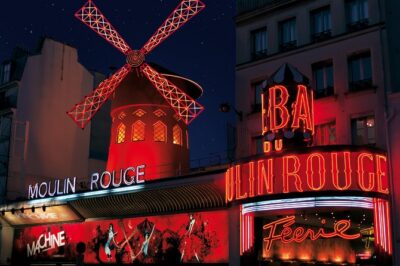
Montmartre Highlights Walking Tour with a Local Guide
Read our review →Browse the lists this tour appears in