

Reviewed · PARIS TOURS
Paris Museum Pass: 2, 4, or 6 Days
Paris Museum Pass: 2, 4, or 6 Days
The real value of this pass is not just free admission. It gives you a reason to pop into smaller museums and monuments between the big-name stops, while often saving you from standing in ticket lines. With more than 60 sites covered, you can move from the Louvre and Orsay to Sainte-Chapelle, the Arc de Triomphe, or even Versailles without buying a new ticket each time.
I like two things right away: the pass covers both central Paris and several worthwhile day trips, and it encourages flexible sightseeing. You can spend an hour at the Rodin Museum or Musée de l’Orangerie instead of feeling you must squeeze every euro from a separate ticket. Priority entry is often a major time saver, especially at the Arc de Triomphe and Musée d’Orsay.
The catch is that priority entry does not mean guaranteed or instant admission. The Louvre, Orangerie, Sainte-Chapelle, Versailles, and other busy sights may require advance reservations, and the pass runs on consecutive calendar days. Start it at 2:00 p.m., and that first afternoon counts as day one.
Key points to know before buying
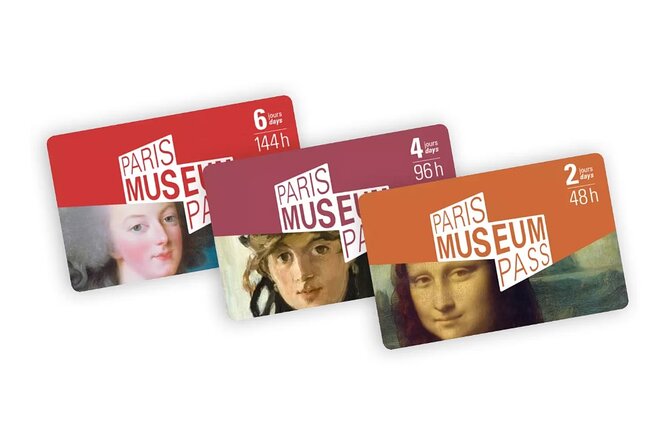
- More than 60 included sites: Use the pass at major museums, churches, monuments, palaces, and historic places in Paris and the surrounding region.
- The Louvre needs planning: You must reserve a Louvre time slot in advance using the link provided with your voucher.
- Several other reservations are required: The Orangerie, Museum of the Art and History of Judaism, Hôtel de la Marine, and Cité de l’architecture et du patrimoine require bookings.
- The Arc de Triomphe is a strong value: The pass includes entry, and it can save you from a long ticket line before the climb and city views.
- Pickup is near the Louvre: Collect the physical pass at the tour office, open daily from 9:00 a.m. to 4:00 p.m.
- The Seine cruise is optional: It is included only with the selected pass option, and you need to check the correct boat company and meeting point.
What the Paris Museum Pass actually gives you
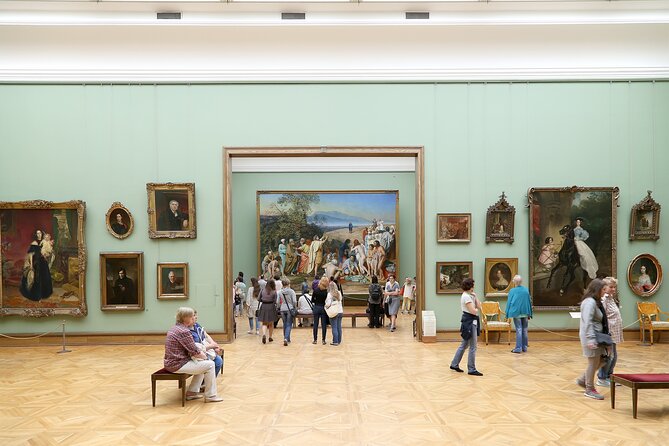
This is a sightseeing pass, not a guided tour. You receive a physical Paris Museum Pass valid for two, four, or six consecutive calendar days. It covers admission to permanent exhibitions at a long list of museums and monuments, but special exhibitions and some separate areas may not be included.
The covered sites range from famous institutions to places many first-time visitors would otherwise skip. In central Paris, that includes the Louvre, Musée d’Orsay, Musée de l’Orangerie, Musée Rodin, Musée Picasso Paris, the Musée du quai Branly, and the Musée national du Moyen Âge, also called the Cluny Museum.
You can also visit major monuments such as the Arc de Triomphe, Sainte-Chapelle, the Conciergerie, the Panthéon, and the Towers of Notre-Dame. The pass also includes the Crypte archéologique de Notre-Dame, the Paris sewer museum, the Musée de la Monnaie, and the Musée des Arts et métiers.
That variety matters. If you only want the Louvre and Versailles, buying individual tickets may be simpler. If you plan to visit five or more museums and monuments, the pass has a much better chance of paying for itself. You also gain the freedom to enter a place for a short visit without worrying that you have wasted the price of a full admission ticket.
What else people book in Paris on the same visit:
- Paris: Louvre Museum Timed-Entrance Ticket
★ 4.6 · 71,977 reviews - Disneyland® Paris 1-Day Ticket
★ 4.6 · 49,412 reviews - Paris: Versailles Palace and Gardens Full Access Ticket
★ 4.6 · 41,579 reviews
The Louvre, Orsay, and the reservation trap
The Louvre is the obvious reason many people buy this pass, but it is also the place that requires the most care. You must reserve a Louvre time slot before arriving. The reservation link is supplied with your voucher, and the museum can be crowded even for pass holders.
The pass does not guarantee entry to the Louvre. Renovation work and heavy visitor numbers can affect access, so reserve as early as your plans allow. Do not assume that the words priority access mean you can simply walk up at any hour.
Musée d’Orsay can be a better test of the pass’s practical value. At quieter times, you may enter quickly through the pass line. In the high season, though, the pass line can still involve a wait outside, while visitors with timed individual tickets move faster. The pass saves you from buying a ticket, but a timed reservation can still be the quickest route.
The same lesson applies to Sainte-Chapelle. This jewel of stained glass is covered, but the pass does not always produce a shorter line. Security and crowd control can matter more than the ticket itself.
The Orangerie requires a reservation, even though admission is covered. Make that booking before your pass days begin if possible. Otherwise, you may arrive with a valid pass and still find that all free time slots are gone.
The best central Paris stops
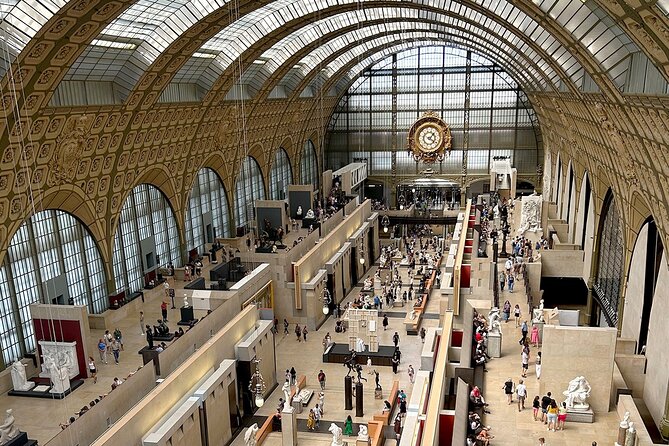
The covered museums make it easy to build compact sightseeing days. You can group the Louvre with the Orangerie and the Musée d’Orsay, then cross the river for the Musée Rodin or the Army Museum.
The Musée du Louvre offers enough material for several visits, but the pass works best if you set a modest goal. Choose a department or a short list of works, then leave before museum fatigue takes over. You can return only if your pass schedule and entry rules allow it.
At the Musée d’Orsay, the former railway station setting is part of the pleasure. The collection is a natural companion to the Louvre, especially if you want to follow French painting from academic traditions toward Impressionism and Post-Impressionism.
The Musée de l’Orangerie is smaller and easier to fit into a busy day. Its Water Lilies rooms are the main draw, but the time-slot rule makes advance planning essential.
The Musée Rodin offers a different pace. You can see sculpture indoors and visit the grounds, though the exact areas available should be checked when you plan your visit. It is a good choice when you need a break from large indoor collections.
The Arc de Triomphe is one of the pass’s most useful inclusions. You get more than a monument viewed from below. The climb leads to broad views over the avenues radiating from the Étoile, and priority entry can spare you a long wait at the ticket window. It is especially useful when your schedule is tight.
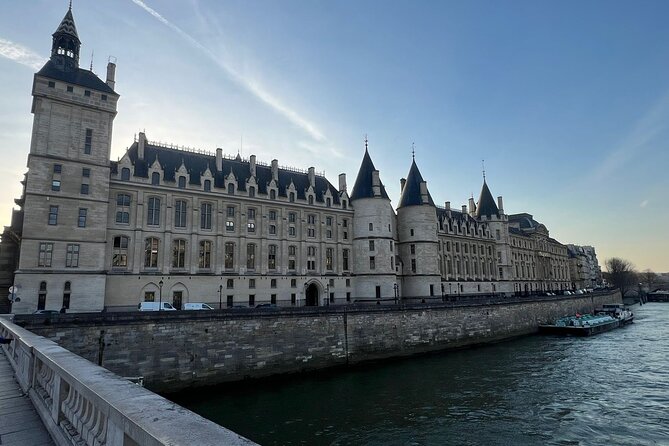
Sainte-Chapelle and the Conciergerie sit close together, making them natural partners. Sainte-Chapelle is the visual highlight, with its tall stained-glass windows. The Conciergerie offers a more sober look at a former royal and prison complex. Allow extra time for security and lines at Sainte-Chapelle, since the pass may not create a fast lane there.
The Panthéon, Musée Picasso Paris, Musée du quai Branly, and Cluny Museum give you more reasons to use the pass beyond the standard checklist. Smaller sites such as the Musée Gustave Moreau, the Musée de la Poste, the Musée des Plans-reliefs, and the Crypte archéologique can fill an afternoon without demanding half a day.
Palaces and monuments outside Paris
The pass becomes more valuable if you are willing to leave the city center. Its regional coverage includes Versailles, Fontainebleau, Château de Chantilly, Saint-Denis, Vincennes, and several other destinations.
Versailles is the big one. The palace and Trianon sites are included, but do not assume every part of the estate is covered. The gardens may require a separate payment, and a time slot may be required for the palace. Check the current reservation instructions before you make the trip.
Fontainebleau offers a different royal experience. It is farther from central Paris, so transport time matters, but it can be a strong choice for a full day when you have a six-day pass. Château de Chantilly and Château de Compiègne also reward visitors who want grand interiors without spending every day in central Paris.
The Basilica Cathedral of Saint-Denis is one of the most important choices outside the center. It is covered by the pass and gives you a chance to see royal tombs and medieval architecture in a setting that feels different from the major central monuments.
Other included destinations include Château de Vincennes, Château de Rambouillet, Château de Maisons-Laffitte, Villa Savoye, Château de Pierrefonds, and the Musée de l’Air et de l’Espace. The Musée d’Archéologie nationale in Saint-Germain-en-Laye, the National Ceramics Museum in Sèvres, and the Château d’Écouen add still more options.
Do not try to visit all of these. The pass gives you choices, not extra hours in the day. Pick one outer-Paris destination, group nearby central museums on other days, and leave room for meals and rest.
More museums in Paris:
- Louvre Museum Masterpieces Guided Tour with Access
★ 4.5 · 12,023 reviews - Paris: Louvre Museum Entry Ticket With Host and River Cruise
★ 4.6 · 9,926 reviews - Les Invalides: Napoleon’s Tomb & Army Museum Entry
★ 4.6 · 9,185 reviews - Louvre Museum – Exclusive Guided Tour (Entry Included)
★ 5.0 · 6,296 reviews
Choosing two, four, or six days
A two-day pass suits a focused weekend, but you need to plan carefully. It works best when you select several nearby sites each day and begin early. A late start can waste valuable coverage because the pass uses calendar days rather than a simple rolling number of hours.
The four-day option is the practical middle choice for many visitors. It gives you enough time for the Louvre, Orsay, Orangerie, Arc de Triomphe, Sainte-Chapelle, and several smaller museums. You can also fit in Versailles if you are organized, though you should not treat it as a casual add-on.
The six-day pass gives you the most breathing room. It is the best fit if you want several major museums, a palace day, smaller collections, and perhaps an out-of-town château. It also reduces the pressure to race from one sight to the next.
The listed price is $129 per person, though the exact cost can depend on the option selected. To judge the value, add up the individual admission prices for the places you truly plan to visit, then consider the value of shorter ticket queues. You do not need to visit six sites a day to benefit, but visiting only one modest museum each day is unlikely to make financial sense.
Children under 18 generally enter public museums free, and EU citizens under 26 also have free public museum admission. Those visitors may not need the pass, though museums can still require a free time slot. Check the entry rules for each attraction rather than assuming a child can walk straight in.
Picking up the pass near the Louvre
The physical pass must be collected at a tour office near the Louvre. The pickup office is open seven days a week from 9:00 a.m. to 4:00 p.m., and the location is about a 10-minute walk from the Louvre.
The pickup is convenient if the Louvre is your first stop. It is less convenient if you are arriving from another part of Paris and want to start sightseeing immediately. If your schedule permits, collect it before the first full day of museum visits. That lets you begin early instead of spending part of a museum day finding the office.
The meeting point can vary with the option booked, especially if you add the river cruise. Read the voucher closely. The cruise may use one of several companies, and the correct operator name matters when you are trying to find the dock.
A digital pass would be easier, but this booking currently involves a physical pass. Keep it safe and bring it to each covered site. The pass does not remove the need to follow each museum’s security, reservation, and entry procedures.
Adding the Seine river cruise
The river cruise is available only when you choose the option that includes it. It is a pleasant extra rather than the main reason to buy the museum pass.
The cruise gives you a change of pace after hours indoors, with views of Paris from the Seine. Evening can be a particularly appealing time because the city takes on a different look from the water, but departure details vary.
Use the exact company information on your voucher or booking instructions. Different operators can have different meeting points, and going to the wrong dock can cost you valuable time. You do not need to book the cruise ahead of time according to the supplied details, but you should still confirm the departure point before setting out.
How to plan a pass day without racing
Start by listing the places that require reservations. Book the Louvre first, then handle the Orangerie and any other museum that asks for a time slot. Check Versailles separately, since arrival without a reservation can lead to a long wait or a missed entry time.
Next, group sites by neighborhood. The Louvre, Orangerie, and Orsay work well together. Sainte-Chapelle, the Conciergerie, and the Crypte are close enough to pair. The Army Museum, Rodin, and nearby Invalides sights can form another efficient cluster.
Use smaller museums as flexible stops. A pass is at its best when you can walk into a lesser-known collection for an hour, then continue to the next place without buying another ticket. That freedom is often worth as much as the admission savings.
Do not activate the pass too early. Since the first day counts immediately, picking it up in the afternoon and visiting one small site can use a full calendar day. Plan your activation around your first serious sightseeing period.
Who gets the most from this pass?
I would recommend it most strongly to first-time Paris visitors who want art, architecture, and historic monuments in a short stay. It also suits repeat visitors who have already seen the Louvre and want to explore places such as Cluny, the Army Museum, Saint-Denis, or Fontainebleau.
It is a good match for energetic sightseers who like making a plan but still want room for spontaneous stops. The pass can also help families with older children, provided you confirm the free-entry rules and do not build an exhausting schedule.
I would be more cautious if your Paris plans center on only two or three famous sites. Individual timed tickets may cost less and can offer a faster entry time at very crowded museums. The pass is also a weaker choice if your visit falls across an awkward three-day period, since only two, four, and six-day versions are available.
The strongest praise for this pass comes from its ability to save both money and time. The most useful warning is just as clear: reservations still matter. Treat the pass as a way to simplify admission and expand your options, not as a magic key that bypasses every queue.
Should you book the Paris Museum Pass?
Book it if you plan to visit at least five covered museums or monuments, want the Arc de Triomphe and several major collections, or have four to six days for sightseeing. It is especially worthwhile when you enjoy smaller museums and might take a day trip to Versailles, Fontainebleau, Saint-Denis, or another covered site.
Skip it if your list contains only a couple of attractions, if you need a three-day option, or if your chosen sights are all sold through timed individual tickets. Before paying, write down your likely visits, check each reservation rule, and compare the total ticket cost with $129 per person.
If the numbers are close, I would still consider the pass for the freedom it gives you. The ability to step into another museum without another purchase can make Paris feel less like a series of appointments and more like a city you can explore at your own pace.
FAQ
How long is the Paris Museum Pass valid?
You can choose a pass valid for two, four, or six consecutive calendar days. If you first use it at 2:00 p.m., that afternoon counts as day one.
Does the pass include the Louvre?
Yes, the Louvre is included, but you must reserve a time slot in advance. Entry cannot be guaranteed because of renovation work and high visitor numbers.
Do I need reservations for other museums?
Yes. Reservations are mandatory for the Orangerie Museum, Museum of the Art and History of Judaism, Hôtel de la Marine, and Cité de l’architecture et du patrimoine. Other busy sites may also have their own entry procedures.
Where do I collect the pass?
You collect the physical pass at a tour office near the Louvre, about a 10-minute walk away. The office is open seven days a week from 9:00 a.m. to 4:00 p.m.
Is the Seine river cruise included?
The cruise is included only if you select the option that offers it. Check the voucher carefully because different boat companies use different meeting points.
Do children need the pass?
Children under 18 can enter public museums free, and EU citizens under 26 can also receive free public museum admission. Museums may still require a free reservation or time slot.
Just listed in Paris
- Paris: Giverny & Versailles Small Group or Private Tour★ 4.5 · 49 reviews
- Chartres Cathedral 5 Hours Tour from Paris with Private Transport★ 4.5 · 49 reviews
- Paris: Louvre photoshoot or Seine bridges Eiffel Tower walk★ 5.0 · 49 reviews
- Paris: Choux Pastry and Chocolate Éclair Making Class★ 4.9 · 50 reviews
- Private tour of the Champagne area, meet local producers and taste their Champagne, start from your hotel in Paris.★ 5.0 · 50 reviews
- Paris Eternelle Notre-Dame Virtual Reality Tour★ 4.5 · 50 reviews
- Normandy D-Day Landing Beaches Private Day Trip from Paris★ 5.0 · 50 reviews
- Disneyland® Paris 1 Day with Round-Trip Train Tickets from Paris★ 4.0 · 50 reviews
Paris Tours, compared.


Versailles Palace and Gardens Full Access Ticket
Read our review →

Eiffel Tower Entry Ticket with Optional Summit Access
Read our review →

Louvre Guided Tour with Reserved Access & Boat Cruise
Read our review →
Moulin Rouge Cabaret Show Ticket with Champagne
Read our review →Browse the lists this tour appears in