Reviewed · PARIS TOURS
Paris: Paris Zoological Park Entrance Ticket
Paris Zoological Park gives you a quick trip around the animal world without leaving Paris. You can move from African lions, giraffes, and zebras to Amazonian jaguars, monkeys, caimans, sloths, and anacondas, then continue to penguins and pumas in Patagonia.
I like the clear biozone layout and the calm, well-kept setting. I also like that the park offers plenty of shade, benches, broad paths, and large enclosures, which makes it a practical family outing. The main drawback is that food can be expensive and uneven in quality, and some people may find the park smaller than expected.
Key points to know before you go

- Five world regions in one walk: Follow themed areas representing Europe, Madagascar, Africa, Patagonia, and the Amazon.
- The rainforest is a major highlight: Look for caimans, sloths, anacondas, monkeys, macaws, fish, and other tropical species.
- Allow three to four hours at minimum: You can see the main areas in an afternoon, but a relaxed family visit may take most of the day.
- Good city escape: Shady paths, frequent benches, picnic spaces, and a peaceful feel make this more than a quick animal checklist.
- Simple entry and flexible tickets: A separate entrance helps you avoid the main queue, and the ticket is valid for 700 days.
- Bring a camera, not a packed lunch expectation: Food and drinks cost extra, and the café is not the strongest value.
A city zoo rebuilt around five biozones
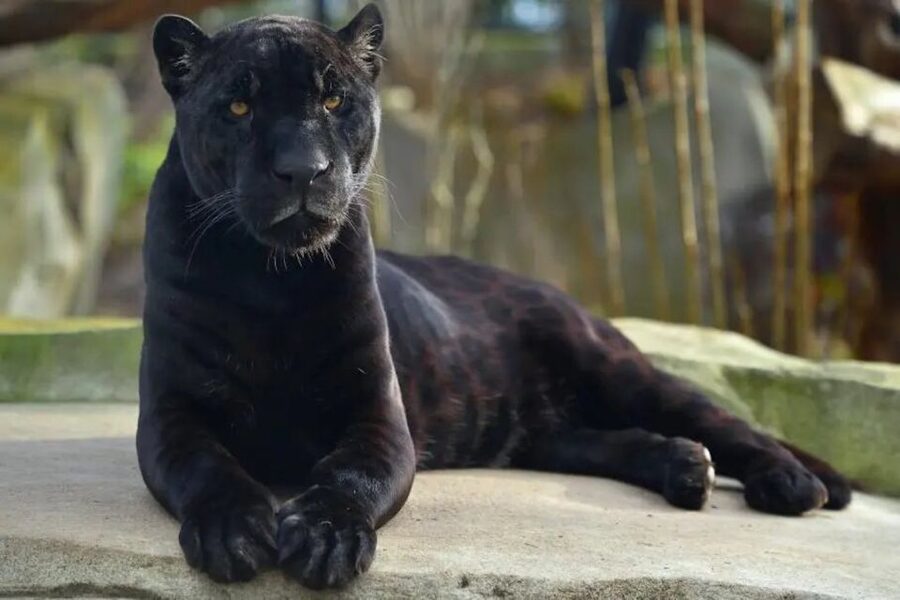
The Paris Zoological Park, formerly called the Bois de Vincennes Zoological Park, reopened after two years of refurbishment in 2014. The redesign grouped animals into five large biozones, giving the park a sense of place rather than arranging animals in a random row of cages.
That structure matters. Instead of simply walking from one species to the next, you get a loose geographic journey. Europe leads to Madagascar, Africa, Patagonia, and the Amazon. The route gives children an easy story to follow, while adults get a better sense of how different animals fit into different environments.
I like this approach because it keeps the visit moving. You are not stuck in one large indoor hall for the whole afternoon, and you are not forced to choose between a few isolated exhibits. The paths connect the zones in a way that is easy to follow, with signs throughout the park and a map that helps you keep track of where you are.
The refurbishment also gives the park a more modern feel than its old name might suggest. The grounds are clean and nicely planted, and many enclosures feel open rather than cramped. That said, the park is not enormous. Some people will see that as a benefit, especially with young children. Others may expect a huge zoo and finish sooner than planned.
A few other Paris half-days to compare
- Paris: Louvre Museum Timed-Entrance Ticket
★ 4.6 · 71,977 reviews - Disneyland® Paris 1-Day Ticket
★ 4.6 · 49,412 reviews - Paris: Versailles Palace and Gardens Full Access Ticket
★ 4.6 · 41,579 reviews
Africa brings the biggest headline animals
The African zone is the natural place to begin if you are visiting with children. Lions, giraffes, and zebras provide the classic zoo sights, and the open setting lets you spend time watching animal behavior rather than simply ticking off names.
The giraffes are especially easy to appreciate because they give the zone height and movement. Zebras add a familiar contrast, while the lions provide the big draw many children expect from a major zoo. You may also find other African mammals and birds in the area, since the park includes far more species than the headline animals listed above.
The zone works well for families because it offers several kinds of viewing in one place. One child can watch a giraffe feed or move across its enclosure, while another can look for smaller animals nearby. I would not rush through this section. Give yourself time to check the signs and look for animals that may be resting away from the most obvious viewing point.
The African area can also be a good test of your timing. On a hot day, animals may be less active, and you may need patience. The park has shade and benches, so you can pause without turning the visit into a race.
The Amazon is the most surprising indoor-style stop
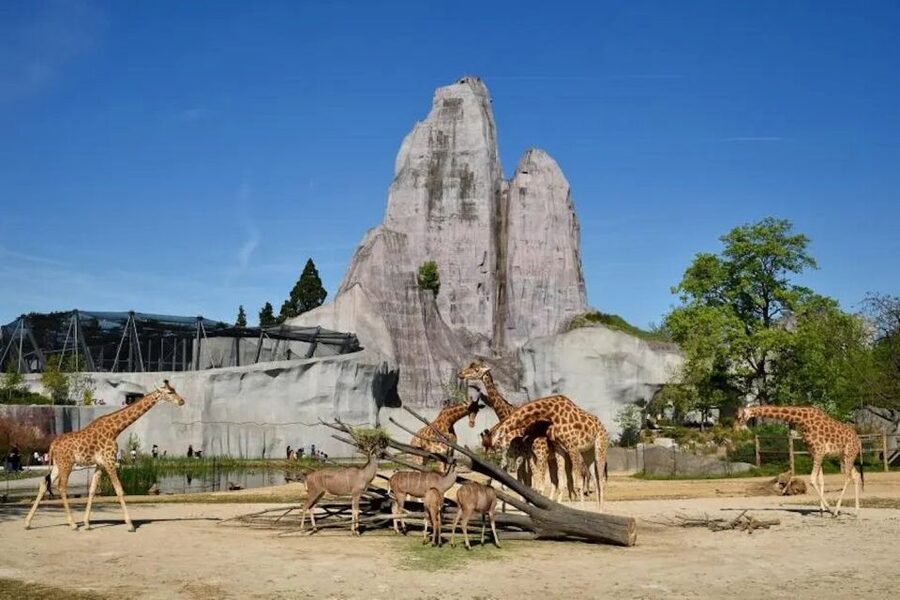
The Amazon zone is where the park earns extra time. Along with jaguars, monkeys, and macaws, the rainforest section includes caimans, sloths, and anacondas. Reptiles, fish, frogs, and other smaller creatures add variety to the larger mammals.
This section feels different from the open outdoor areas. The combination of tropical animals and close viewing gives you more to search for. A sloth may require a careful look, while a caiman or large snake can stop the whole family in its tracks.
I would save extra time for the Amazon rather than treating it as a short passage between larger zones. It is one of the places where the park feels more than a standard collection of famous mammals. You get birds overhead, reptiles at water level, and mammals in the surrounding habitat. The result is a slower, more observant part of the visit.
The tradeoff is that some animals may be harder to spot than lions or giraffes. If you have limited time, check the map and focus on the sections that matter most to your family. If your children are fascinated by reptiles, the Amazon may become the main event.
Patagonia adds penguins, pumas, and smaller species
Patagonia provides a change of pace with penguins, pumas, and pudus. The penguins are a reliable favorite, especially for younger children, and the water-based exhibits offer a break from the land mammals.
The pumas give the area a larger predator, while pudus bring the scale back down. That mix is useful because the park does not rely only on oversized animals. You will also find birds, fish, and other creatures throughout the park, so the visit keeps offering small discoveries between the headline exhibits.
I like this balance. A family can enjoy familiar animals while still finding species that may be new to them. The fish tanks, seal area, and penguins have also been singled out as memorable parts of the visit, giving you several quieter viewing spots when the main paths feel busy.
Do not expect elephants, since they are not part of the animal selection described here. If elephants are essential to your zoo plans, this may not be the right choice. If you want variety in a manageable city park, Patagonia does its job well.
Same city, a completely different afternoon:
- Paris: Evening River Cruise with Music
★ 4.4 · 22,721 reviews - Paris: Eiffel Tower Entry Ticket with Optional Summit Access
★ 4.4 · 20,035 reviews - Paris: Eiffel Tower Summit or Second Floor Access
★ 4.3 · 17,248 reviews - Paris: Louvre Guided Tour with Reserved Access & Boat Cruise
★ 4.3 · 16,353 reviews
Europe and Madagascar fill out the journey
The European area includes wolves, lynxes, and otters. These animals fit the setting in a more understated way than the African lions or Amazonian reptiles. You may need to slow down and look closely, especially for animals that spend time away from the front of the enclosure.
This part of the park is valuable because it reminds you that interesting wildlife does not always mean exotic wildlife. Wolves and lynxes are familiar names, yet they can be less predictable to watch than giraffes. Otters provide more obvious movement and tend to work well as a family stop.
Madagascar is another useful change in mood. The park’s five-zone plan is designed to take you from one region to another, and this area adds another distinct group of animals to the walk. The supplied details do not list every Madagascar species, so I would use the signs and map to see what is present on the day you visit.
The park also includes birds, lizards, snakes, tarantulas, frogs, fish, and mammals of different sizes. That broad selection is one reason the zoo can occupy more time than its compact city setting suggests.
A pleasant place to walk, not just an animal stop
Several practical details make this a comfortable break from central Paris. The paths are easy to follow, the grounds feel relaxed, and benches appear throughout the park. Shady areas are especially useful in warm weather, when you may otherwise tire before reaching the final biozone.
Picnic spaces give you another way to control the cost. Food and drinks are not included with admission, and café food has been described as overpriced and poor quality by some people. At the same time, good-value lunch options have also been noted, so I would treat the food situation as mixed rather than automatically bad.
The gift shop is another optional expense. It can be a pleasant last stop, but the prices may feel high, particularly if you are buying for several children. I would set a souvenir budget before entering if you want to avoid a late visit negotiation.
The park feels suitable for young children because it is easy to navigate and has room to pause. One family found it quiet enough for a small child to move around safely, while another parent found it a good activity for a child not yet two. Teenagers can enjoy it too, especially if they like the rainforest animals, birds, or unusual reptiles.
How long should you spend inside?

The official information does not give a standard visit length. In practice, I would allow at least three to four hours if you want to see the main zones without hurrying.
An afternoon can work if you are using the zoo as a break from sightseeing. You can follow the main route, stop for the biggest animals, and leave after the African and Amazon areas if those are your priorities. One person found two to two and a half hours enough for a shorter visit.
For a full family day, take the slower approach. Add time for children to revisit favorite animals, watch feeding activity if it is scheduled, stop at the bird walk-through, and sit in the shaded areas. Several people spent most of the day here, and that makes sense if you want lunch and regular breaks.
The best plan depends on your children. A toddler may need frequent pauses but may not last through every zone. Older children can handle a longer visit if you give them a simple challenge, such as finding one animal from each region.
Tickets, entry, and getting there
Admission is listed at $25 per person. That is a reasonable price if you spend three or more hours inside, especially compared with the cost of many large Paris attractions. The value is strongest for families who will use the park as a substantial half-day or full-day outing, not for someone planning a quick one-hour walk.
The ticket includes entrance only. Food, drinks, and any rental or loan equipment cost extra. A separate entrance is available for ticket holders, which can save time compared with buying at the gate. The ticket is also valid for 700 days, with availability and starting times needing to be checked before you go. That long validity gives you useful flexibility if your Paris schedule changes.
The park is at the intersection of Avenue Daumesnil and Ceinture du Lac, 75012 Paris. Be careful when using a ride-hailing service. The location code may lead a driver to the start of a long road rather than the most useful entrance, so give the driver the full park name and address.
The site is wheelchair accessible. That does not mean every moment will be effortless for every mobility need, but the official information confirms access throughout the park. Wheelchair users and families with strollers should still allow extra time on busy days and use the benches when needed.
The last admission is one hour before closing, and ticket offices also close one hour before the park shuts. Any loan or rental equipment must be returned no later than 30 minutes before closing, so do not arrive at the very end of the day expecting a full visit.
What can be less satisfying?
The park receives very strong overall approval, but a sensible decision includes the weak points. First, it is not the biggest zoo. One person called it a little zoo, and another noted that some enclosures could be larger. The newer design generally feels open, but expectations matter.
Second, food is not a clear strength. Some lunch options are considered good value, while café food has also been called overpriced and poor. Bringing your own plan for lunch, using the picnic spaces, or budgeting carefully is wise.
Third, the grounds may not look perfectly tidy in every area. Most descriptions point to a clean and well-kept park, but one assessment found parts untidy and unmaintained. Think of it as a working urban zoo, not a polished theme park.
Finally, temporary activities can affect the atmosphere. A photo shoot once interfered with the walk through one area. That is not a permanent feature, but it shows that special events or private activity may occasionally get in the way.
Who should book the Paris Zoological Park?
I would choose this ticket for families, animal lovers, and anyone who wants a quieter outdoor break after several days of museums and city streets. It is also a good choice for a first Paris visit if you have children who need a change from monuments.
You should book if the Amazon reptiles, African mammals, penguins, birds, and a relaxed walk sound appealing. The park offers enough variety to keep a family occupied, but it remains manageable enough that you do not need to treat it like an all-day expedition.
I would think twice if you want elephants, a very large zoo, or a tightly scheduled guided experience. There is no guide named for this activity, and the ticket is for independent entry. You make your own route, choose your pauses, and decide how deeply to explore each biozone.
At $25 per person, the ticket makes the most sense when you plan a proper half-day visit. If you use the shaded paths, see the rainforest section, spend time with the African animals, and include the penguins or bird walk-through, you are getting a solid city attraction rather than a quick photo stop.
FAQ
Where is Paris Zoological Park?
Paris Zoological Park is at the intersection of Avenue Daumesnil and Ceinture du Lac, 75012 Paris, in the Bois de Vincennes area.
How much does admission cost?
The listed price is $25 per person. The ticket covers entrance only. Food and drinks are not included.
How long does a visit take?
Plan on at least three to four hours for a thorough visit. Some people use two to two and a half hours for a shorter visit, while others spend most of the day.
How long is the ticket valid?
The ticket is valid for 700 days. You still need to check availability and starting times before visiting.
Can I skip the main ticket line?
Yes. The ticket provides access through a separate entrance.
Is the park wheelchair accessible?
Yes. Paris Zoological Park is wheelchair accessible.
What animals can I see?
The park includes lions, giraffes, zebras, wolves, lynxes, otters, jaguars, monkeys, macaws, penguins, pumas, pudus, caimans, sloths, anacondas, birds, lizards, snakes, tarantulas, frogs, fish, and other mammals.
Can I cancel the booking?
Yes. You can cancel up to 24 hours in advance for a full refund. A reserve now and pay later option is also available.
Just listed in Paris
- Chartres Cathedral 5 Hours Tour from Paris with Private Transport★ 4.5 · 49 reviews
- Paris: Giverny & Versailles Small Group or Private Tour★ 4.5 · 49 reviews
- Paris: Louvre photoshoot or Seine bridges Eiffel Tower walk★ 5.0 · 49 reviews
- Private tour of the Champagne area, meet local producers and taste their Champagne, start from your hotel in Paris.★ 5.0 · 50 reviews
- Paris: Choux Pastry and Chocolate Éclair Making Class★ 4.9 · 50 reviews
- Paris Eternelle Notre-Dame Virtual Reality Tour★ 4.5 · 50 reviews
- Normandy D-Day Landing Beaches Private Day Trip from Paris★ 5.0 · 50 reviews
- Disneyland® Paris 1 Day with Round-Trip Train Tickets from Paris★ 4.0 · 50 reviews
Paris Tours, compared.
Versailles Palace and Gardens Full Access Ticket
Read our review →

Eiffel Tower Entry Ticket with Optional Summit Access
Read our review →
Louvre Guided Tour with Reserved Access & Boat Cruise
Read our review →