
Reviewed · PARIS TOURS
Small-Group Giverny and Van Gogh’s Room in Auvers from Paris
Giverny and Auvers-sur-Oise make a fine artistic double bill: Monet’s sunlit gardens in the morning, then Van Gogh’s final home and grave in a quieter French town. You move from water lilies and Japanese bridges to wheat fields, church towers, and an ivy-covered tomb.
I like the small group of no more than eight, which gives you room to ask questions and keeps the day from feeling like a procession. I also like the way the tour connects paintings with real places, especially Van Gogh’s room and the field that inspired Wheat Field with Crows.
The main drawback is the pace. Ten hours is a long day, and two major sites plus driving leave limited free time. If you want a slow, flower-focused visit, you may wish Giverny had another hour.
Key points to know before booking
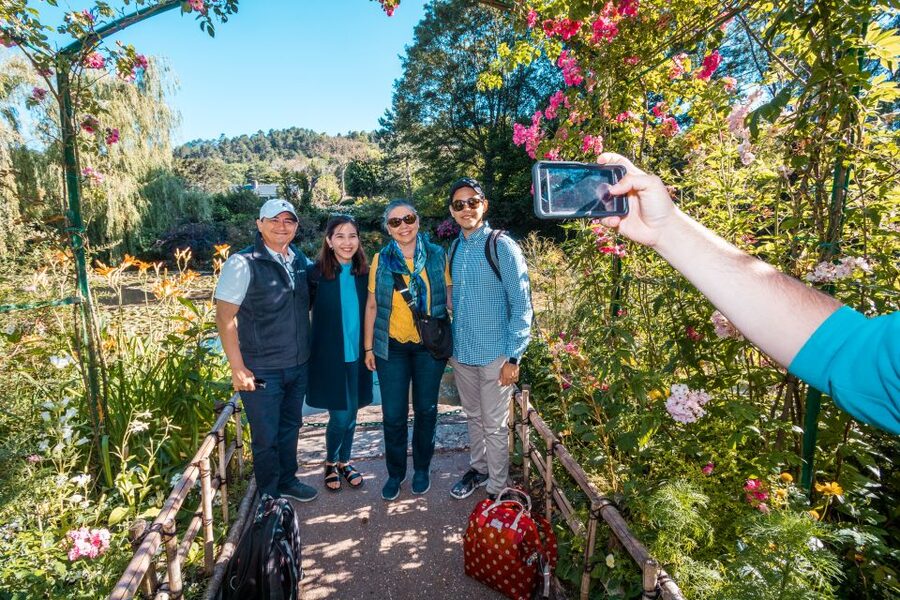
- Monet’s garden comes first: Arriving early helps you see the Clos Normand and water garden before the heaviest crowds.
- Van Gogh’s final months feel personal: His room at the Auberge Ravoux, the church, wheat field, and grave bring his last period close to home.
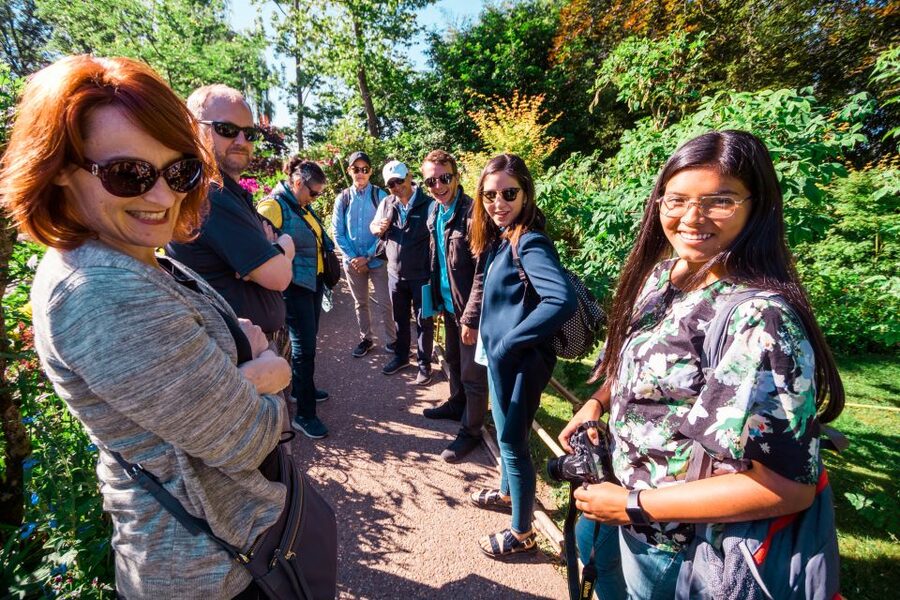
- The group stays very small: A maximum of eight people makes it easier to hear the guide and ask questions.
- Guides shape the day: Brune, Arthur, Martijn, Lucie, and others have been praised for clear explanations, art knowledge, and thoughtful pacing.
- Lunch is not included: You have about an hour in Auvers-sur-Oise to eat, with the Auberge Ravoux and local bakeries among the possible choices.
- Expect plenty of walking: The tour runs in rain or shine and suits people who can walk well for much of the day.
From Paris to Monet’s garden in Giverny
The tour begins at Café des Dames, where you should arrive at least 15 minutes before departure. The driver-guide normally arrives in a grey minibus about 10 minutes before the scheduled start, but the tour leaves sharply on time. That small detail matters in Paris, where a late taxi or a crowded Metro platform can quickly ruin a morning.
The ride to Giverny gives you a pleasant change from central Paris. Instead of monuments and traffic, you see the countryside of the Île-de-France region. The minibus is an efficient choice for this route, since reaching both Giverny and Auvers-sur-Oise independently in one day would require careful planning and multiple transport connections.
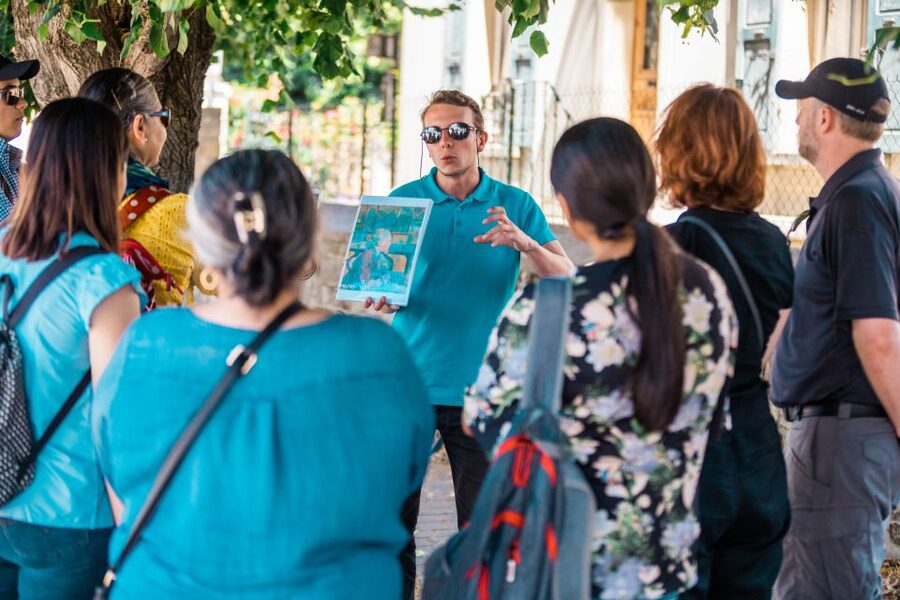
The tour is conducted in English. Guides have included Brune, Arthur, Martijn, Lucie, Guillaume, Will, and others, and the strongest part of the guiding is the mix of art background and practical direction. Several guides have been praised for telling people what order to follow at Giverny, helping the group make the most of the available time.
That advice is useful because Monet’s property can become crowded, especially around the house and the famous Japanese bridge. With a separate entrance for the tour, you avoid the standard queue, though the grounds themselves can still be busy. Skip-the-line access saves time, but it does not turn a popular attraction into a private visit.
A few other Paris half-days to compare
- Paris: Louvre Museum Timed-Entrance Ticket
★ 4.6 · 71,977 reviews - Disneyland® Paris 1-Day Ticket
★ 4.6 · 49,412 reviews - Paris: Versailles Palace and Gardens Full Access Ticket
★ 4.6 · 41,579 reviews
Walking through the Clos Normand and water garden
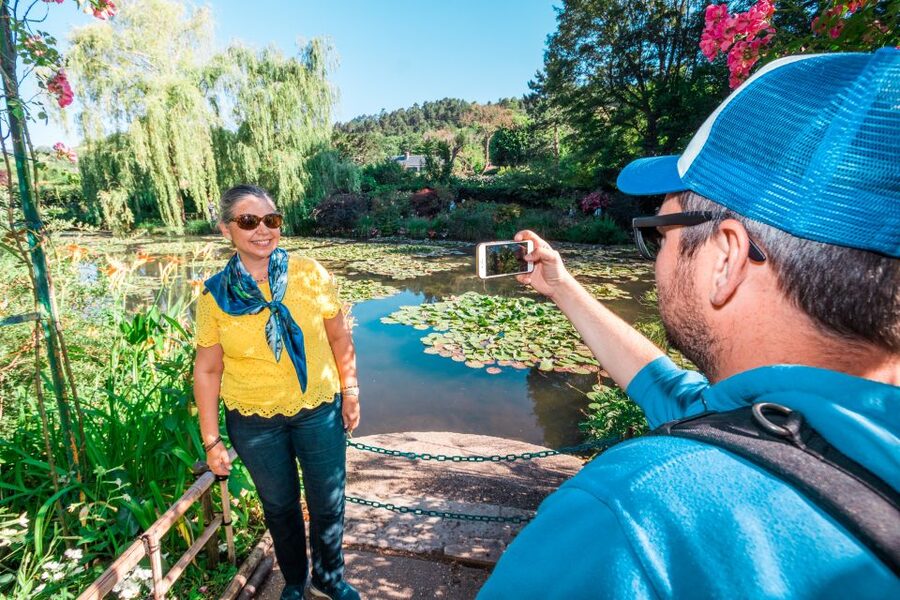
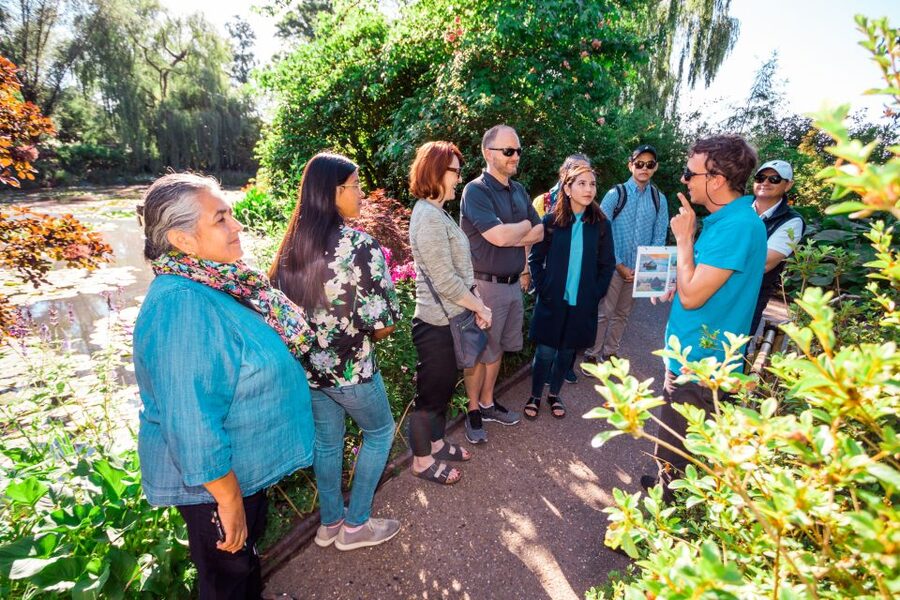
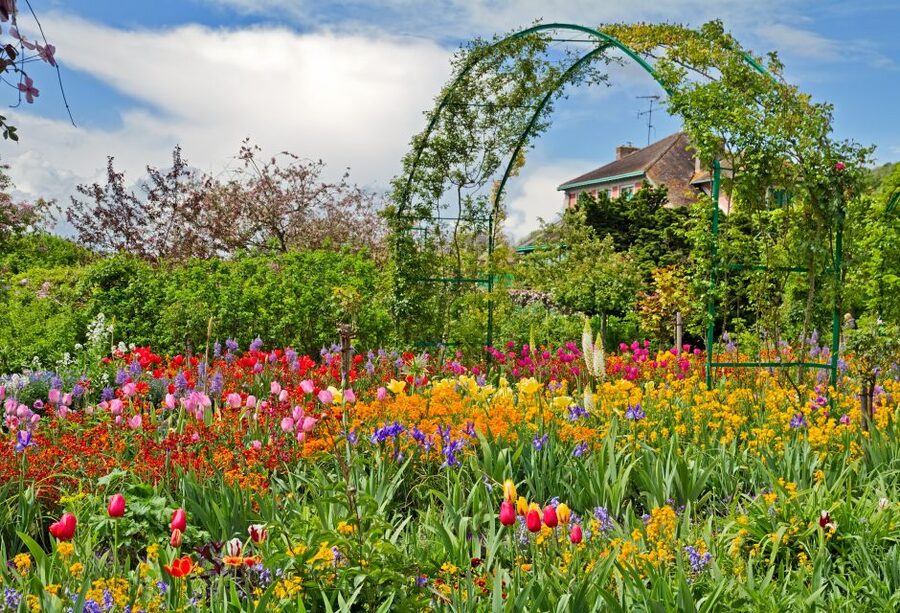
You get about two hours at the Fondation Monet, covering both Monet’s house and gardens. The Clos Normand is the flower garden nearest the house. Its planting beds, paths, colors, and seasonal changes help explain why Monet painted the same garden again and again. The appeal is not just visual beauty. You begin to see how the artist arranged nature as a working subject.
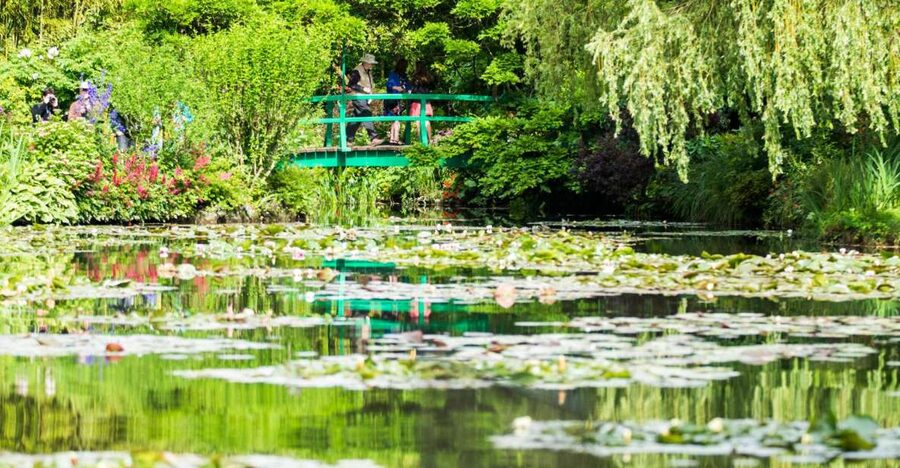
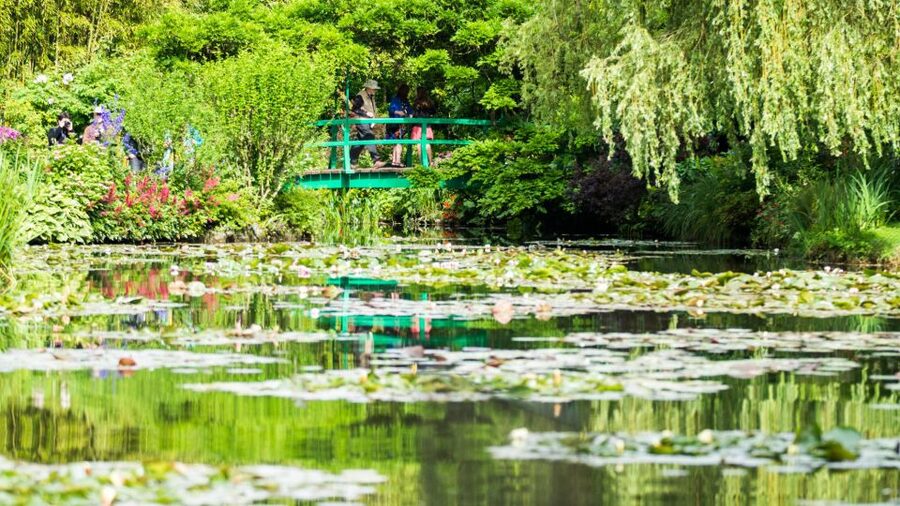
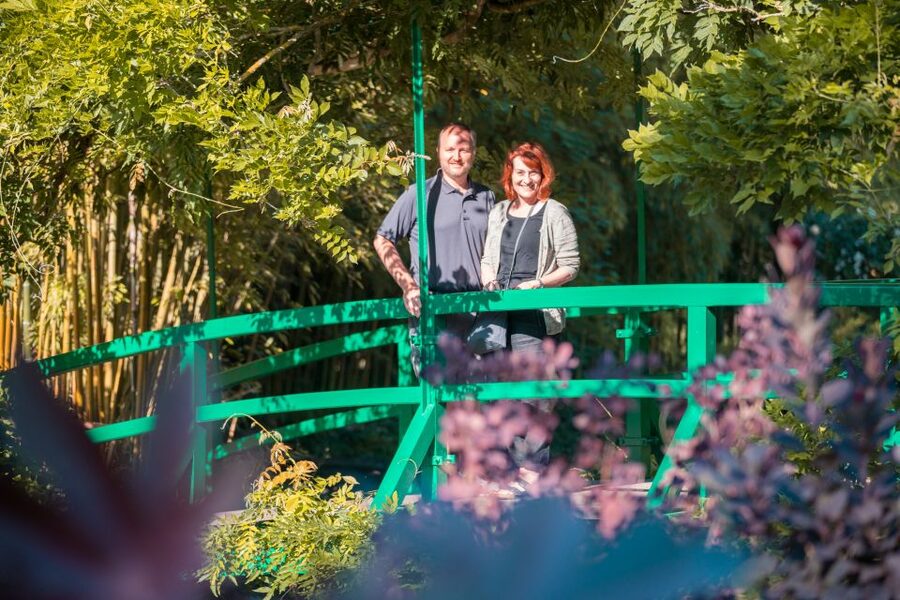
The Japanese water garden lies beyond the road and centers on the pond, willow trees, reflections, and the little green bridge. The water lilies are the obvious draw, but the setting is more varied than a single famous image. Look at the way the trees frame the pond and how the water changes the view from each angle.
If you visit in spring or summer, flowers are a major part of the experience. In autumn, the garden can feel quieter and more subdued. Rain does not ruin the visit. One guest specifically found the garden charming in wet, cloudy weather, and overcast skies can bring out the softer colors of the ponds and flowers.
I would budget your attention carefully. The garden rewards slow looking, while the house can feel crowded. You may want to begin with the water garden, then return to the flower beds and house, depending on the guide’s plan. The timing is designed to let you see the main sights without turning every stop into a race, but garden lovers may still feel that two hours passes quickly.
The paths require steady walking, and hot weather can make the open garden tiring. There is no promise of ideal weather, since the tour operates rain or shine. Bring sensible shoes and clothing that can handle changing conditions.
Inside Monet’s colorful family home
Monet’s house adds the personal side of the visit. The bright interiors, domestic rooms, and colorful decoration help you picture the place as a home rather than a museum display built around a famous name. You get a sense of the setting in which Monet lived and worked, though the house may be crowded when many people arrive at once.
This stop works best after time outdoors. Once you have seen the gardens, the rooms feel connected to the man who planned and painted them. You can also compare the ordered interior with the shifting colors outside. The visit does not replace the great Monet collections in Paris, but it gives you something those museums cannot: the actual domestic setting linked to the artist.
The guide’s introduction makes a difference here. Arthur has been praised for answering questions patiently, while Brune has been especially good at helping people approach the property in an efficient order. Still, the tour is not a private guided visit through every room. You will share the space with other people and need to keep moving when conditions are crowded.
A brief stop at Monet’s tomb
After Giverny, the minibus stops at Claude Monet’s tomb for about five minutes. It is a short, respectful pause rather than a large cemetery visit. You have enough time to pay your respects and understand the connection between the artist and the village, but not enough time for extended wandering.
The stop is valuable because it completes the Giverny story. You have seen Monet’s garden, house, and working world, then visit the place where he rests. If you prefer long visits at historic cemeteries, five minutes will feel limited. For most people, it is a thoughtful addition that does not take time away from the main attractions.
Same city, a completely different afternoon:
- Paris: Evening River Cruise with Music
★ 4.4 · 22,721 reviews - Paris: Eiffel Tower Entry Ticket with Optional Summit Access
★ 4.4 · 20,035 reviews - Paris: Eiffel Tower Summit or Second Floor Access
★ 4.3 · 17,248 reviews - Paris: Louvre Guided Tour with Reserved Access & Boat Cruise
★ 4.3 · 16,353 reviews
Auvers-sur-Oise and Van Gogh’s final months
The second half of the day shifts in tone. Auvers-sur-Oise is tied to the last three months of Vincent van Gogh’s life, and the experience is more intimate and somber than Giverny. You visit the boarding house where he lived, see his room, walk through the town, and visit the places that appear in his late paintings.
Van Gogh’s room is the emotional center of the tour. It is modest, and that modesty matters. You are not looking at a grand studio filled with dramatic objects. You are standing in the setting associated with a troubled artist during the final months of his life. The small scale makes the story feel immediate.
The room has been a highlight for people who joined the tour mainly for Van Gogh, and I can see why. A museum painting gives you the finished work. This visit gives you a physical point of reference for the artist’s daily life, his isolation, and the town around him.
You should expect the Van Gogh section to be more about atmosphere and place than a long museum presentation. The English-speaking guide supplies the connecting story, and guides such as Frankie and Martijn have been praised for making room for questions and conversation. A good guide helps you see why Auvers mattered to Van Gogh without turning the visit into a string of dates.
Lunch in Auvers-sur-Oise
The schedule allows about one hour for lunch, but food is not included in the $259 price. That gives you some choice, though it also means you need to plan your spending and preferences.
You may find restaurant options in town, and a bakery lunch can be a simple way to keep the day moving. Another possibility is Auberge Ravoux, the inn where Van Gogh stayed. The restaurant has a table associated with where he ate, which adds an unusual historical touch to the meal. If you want to eat there, reserving ahead is sensible, since the tour schedule leaves little room for waiting.
An hour is enough for a proper break if service is prompt. It is not enough for a long, leisurely French lunch with several courses. Tell your guide if you have food needs as early as possible, but remember that the cost of food remains your responsibility.
The Church of Auvers and the wheat field
After lunch, you get about 75 minutes to explore Auvers-sur-Oise. The town is compact enough to experience on foot, and this walking time is one of the tour’s strongest features. You are not simply driven to a museum and back. You see the streets, church, fields, and cemetery that form the setting for Van Gogh’s final paintings.
The Gothic Church of Auvers is one of the key stops. Its shape may look familiar from Van Gogh’s painting, but standing before it lets you notice the building’s position, scale, and surrounding space. The painting is no longer just an image on a wall. You can compare the real structure with Van Gogh’s bold, expressive version of it.
The walk to the wheat field brings a different mood. The field associated with Wheat Field with Crows gives you a direct link to one of Van Gogh’s best-known late works. The tour does not claim that every detail of the painting remains unchanged, and you should not expect a perfect replica of a canvas. What you gain is the setting and the chance to think about how Van Gogh transformed ordinary farmland into something tense and charged.
Walking in the area also helps explain why he found so much material in Auvers. The town is not presented as a grand attraction. Its value is in the relationship between everyday places and the paintings Van Gogh made from them.
Van Gogh’s grave and the final walk
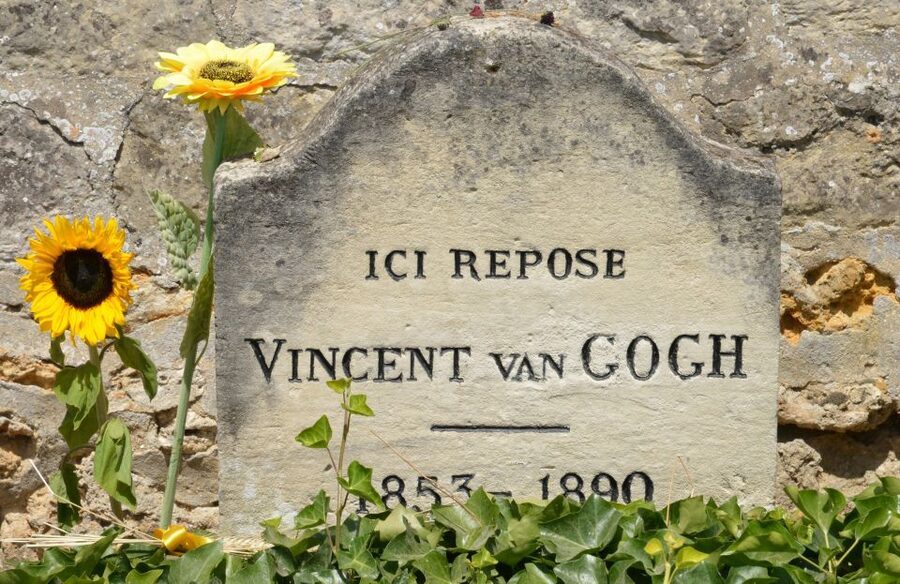
The visit ends in a quieter way at Van Gogh’s final resting place. Vincent and his brother Theo lie in humble, ivy-covered graves in Auvers-sur-Oise. The setting is simple, and that simplicity makes the stop feel more moving than a grand monument might.
You have about 45 minutes for this final section, including the walk and cemetery visit. That time gives the day a natural close, though the subject matter can feel heavy after several hours of concentrating on Van Gogh’s illness and death. The guide’s tone matters here. A thoughtful guide leaves room for silence instead of filling every moment with commentary.
The return to Café des Dames brings the total day to about 10 hours. The schedule includes driving, walking, touring, lunch, and short transitions. It is full, but not designed to pack in unrelated sights. Every main stop connects to Monet or Van Gogh.
What the $259 price really covers
At $259 per person, this is not a budget outing. The value comes from combining two destinations that are awkward to fit into one day without a vehicle. Your price includes transport, entrance fees, Monet’s house and gardens, the relevant tombs, Van Gogh’s room, and access to the villages.
The small group also changes the value calculation. A maximum of eight people allows the guide to answer questions and adjust explanations more easily than on a large coach. Several guides have been praised for personal attention, clear timing, and making people feel included. If you care about art history and want context as you walk, that can justify the higher price.
The cost is harder to defend if you want only a quick look at Giverny. You are paying for the full day, the second artist, the transport between sites, and the guide’s explanations. You still pay for lunch, and you should allow for that when comparing the tour with a train-and-taxi plan.
Transport is one of the more strongly praised parts of the experience. The minibus has been described as clean and comfortable, and 94 percent of ratings give transport a perfect score. That matters on a long day with several stops. You spend less energy changing vehicles and more time seeing the places.
Who should book this day?
I would recommend this tour to you if Monet and Van Gogh are central to your Paris plans, especially if you want to connect paintings with real places. It also suits garden lovers, first-time visitors to the Paris region, and anyone who prefers a guide to manage the route.
The small group is a good fit if you enjoy conversation and questions. Several people have found the intimate setting a pleasant way to meet fellow participants, while families have also appreciated having a guide’s attention. Guides have been praised for warmth as well as art knowledge, so the experience is not limited to specialists.
I would think twice if your main goal is an unhurried Giverny garden visit. The two-hour stop is well planned, but it covers a lot. One person specifically wanted another hour at Monet’s garden and less time with the Van Gogh section. That is a fair warning: this tour gives equal weight to two artists, even if your interest leans strongly toward one.
You should also be comfortable walking for much of the day in changing weather. The tour runs in rain or shine, and hot summer days can make the garden and countryside walks tiring. Wear good shoes, bring water, and avoid scheduling another demanding activity in Paris that evening.
Should you book the Giverny and Auvers tour?
Book it if you want a well-organized art day that reaches both Monet’s home and Van Gogh’s final town without the stress of arranging transport yourself. The strongest reasons are the eight-person limit, the included entrances, the comfortable minibus, and the chance to see Van Gogh’s room, church, wheat field, and grave in one connected visit.
Skip it if you want to linger over every flower bed, eat a long lunch, or explore Auvers at your own speed. For most art lovers, though, the balance works. Giverny gives you color and beauty; Auvers gives you context and quiet. Together, they make a memorable change of pace from Paris.
FAQ
How long does the tour last?
The tour lasts 10 hours, including transport from Paris, visits to Giverny and Auvers-sur-Oise, lunch time, and the return to Paris.
Where does the tour start?
It starts at Café des Dames. You should arrive at least 15 minutes before the official departure time.
How many people can join the tour?
The tour has a maximum of eight participants, making it a small-group experience.
Is transportation included?
Yes. The tour uses a grey minibus for transport between Paris, Giverny, Auvers-sur-Oise, and the return meeting point.
Is an English-speaking guide included?
Yes. The tour includes a live English-speaking driver-guide. Guides have included Brune, Arthur, Martijn, Lucie, Guillaume, Will, and others.
Are entrance fees included?
Yes. Entrance fees include Monet’s house and gardens, the Van Gogh room, the villages, and the relevant tombs.
Is lunch included in the price?
No. Food is not included. The itinerary allows about one hour for lunch in Auvers-sur-Oise.
Does the tour run in bad weather?
Yes. Tours operate rain or shine.
Is the tour suitable for people who do not walk easily?
The tour requires all participants to be able to walk well, including on hot summer days.
Just listed in Paris
- Chartres Cathedral 5 Hours Tour from Paris with Private Transport★ 4.5 · 49 reviews
- Paris: Giverny & Versailles Small Group or Private Tour★ 4.5 · 49 reviews
- Paris: Louvre photoshoot or Seine bridges Eiffel Tower walk★ 5.0 · 49 reviews
- Paris: Choux Pastry and Chocolate Éclair Making Class★ 4.9 · 50 reviews
- Private tour of the Champagne area, meet local producers and taste their Champagne, start from your hotel in Paris.★ 5.0 · 50 reviews
- Paris Eternelle Notre-Dame Virtual Reality Tour★ 4.5 · 50 reviews
- Normandy D-Day Landing Beaches Private Day Trip from Paris★ 5.0 · 50 reviews
- Disneyland® Paris 1 Day with Round-Trip Train Tickets from Paris★ 4.0 · 50 reviews
Paris Tours, compared.



Versailles Palace and Gardens Full Access Ticket
Read our review →

Eiffel Tower Entry Ticket with Optional Summit Access
Read our review →

Louvre Guided Tour with Reserved Access & Boat Cruise
Read our review →