
Reviewed · PARIS TOURS
Paris: Macaron Baking Class in Central Paris
Macarons look simple until you try to make them. This 150-minute Paris baking class shows you why the shells need careful mixing, piping, and baking, then lets you do the work yourself. You learn the process from start to finish, rather than watching a chef perform while you stand nearby.
I like the small format, limited to 10 people, because it gives you room to ask questions and get help with tricky steps. I also like the useful takeaway: a full recipe, practical tips for baking in your home climate, and a box of macarons you made in class.
The main drawback is that you may not get to choose every flavor. One session used chocolate, blackcurrant, and passionfruit, which some people loved but others found less familiar than vanilla, pistachio, or lemon. The class also uses nuts and is not suitable for vegans, people with nut allergies, or children under 12.
Key points at a glance
- Make the macarons yourself: You prepare shells and fillings with guidance instead of only watching a demonstration.
- Small English-speaking class: The group is capped at 10, with many sessions running at around eight or nine people.
- Chef-led instruction: Chef Leo is frequently named as the instructor, while Maria also leads sessions and is praised for her clear, funny teaching style.
- Learn the science: Mixing technique, texture, shape, and common problems all get attention.
- Take home practical results: You receive a recipe and, depending on the session, around 15 macarons per person or roughly 30 for a couple.
- Central Paris setting: Look for the grey storefront on the main road, and wear comfortable clothes and shoes.
Why macarons make a good Paris cooking class
A macaron is a very Parisian souvenir, but buying a pretty box at a pastry shop takes only a few minutes. Making one gives you a better sense of the precision behind French pastry.
The challenge is not simply combining almond flour, egg whites, and sugar. The batter must be mixed to the right consistency. Pipe it too stiff and the shells may not spread properly. Mix too far and they can lose their shape. Baking adds another set of variables.
That is why I think this class works well for people who enjoy learning a skill, not just collecting photographs. You leave with something edible, but the better souvenir is the ability to try the recipe at home.
The class takes place in central Paris, at a grey-fronted store on the main road. The meeting-point description is brief, so I would allow a little extra time to find the entrance and avoid arriving at the last moment. Once inside, you settle in, meet the other bakers, and get ready for a focused kitchen session.
More Cooking Classes in Paris
- Paris Cooking Class and Lunch with Wine plus Market Visit Option
★ 5.0 · 1,024 reviews - Paris Croissant Small-Group Baking Class with a Chef
★ 5.0 · 910 reviews - Paris: French Croissant Baking Class with a Chef
★ 4.9 · 712 reviews
The opening lesson: more than a pastry story
The class begins with an introduction to macarons, including their origins, place in French food culture, and the ingredients used in the recipe. This opening gives the activity some context without turning it into a long lecture.
I like this part because it helps you understand what you are making before the work starts. Macarons are often treated as decorative sweets, but the lesson presents them as a careful balance of ingredients and technique.
Chef Leo is known for explaining the why behind each step. That matters here. If you understand how the batter should look and feel, you have a better chance of fixing a problem at home instead of simply repeating instructions.
Maria has also led classes, and her teaching style is described as clear, encouraging, and humorous. The instructor can make a real difference in a technical class, especially when a first attempt does not look perfect. You want someone who can correct you without making the process feel tense.
Mixing and piping the shells
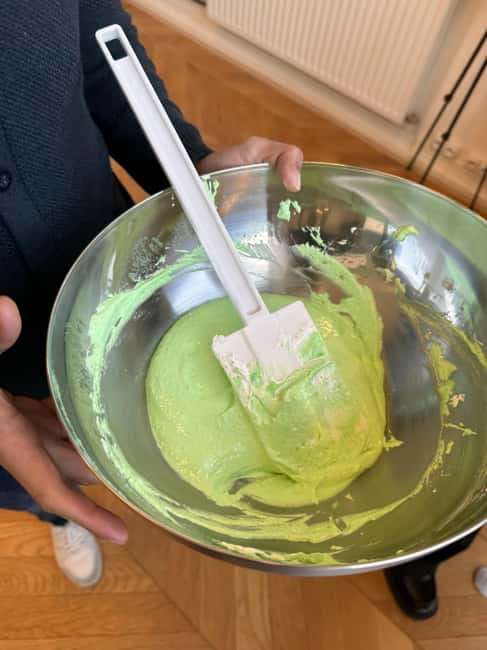
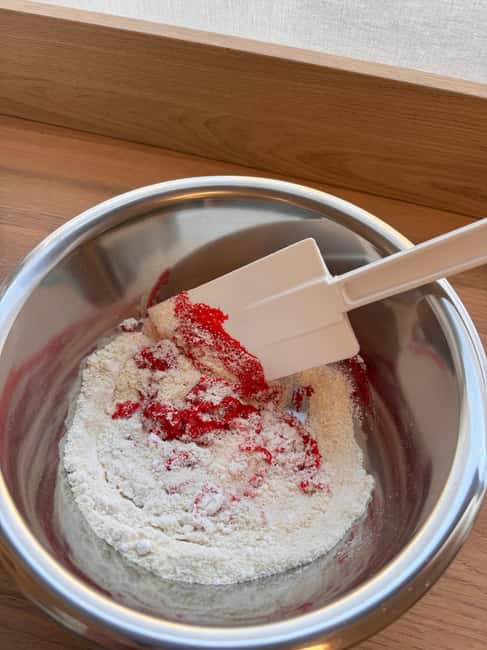
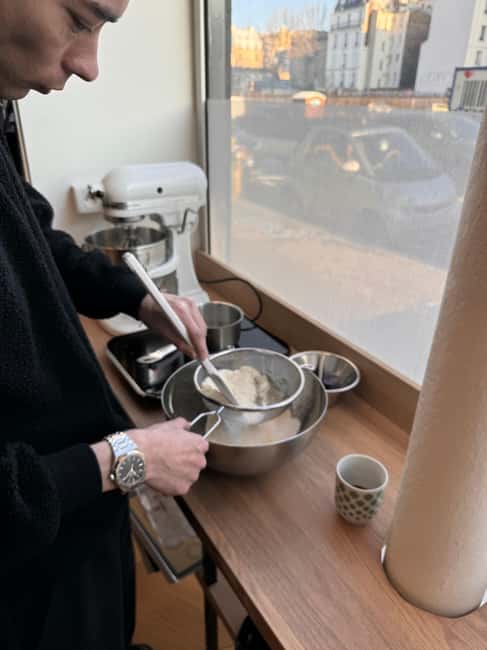
The hands-on part begins with the macaron shells. Ingredients and equipment are prepared for you, so your attention stays on the technique rather than on measuring every item from scratch.
You work through the batter and learn how to bring it to the right texture. The instructor demonstrates the process, then helps you practice. Several sessions have allowed each person to pipe a substantial batch, with some participants reporting about 15 macarons per person.
Piping is one of the most satisfying parts of the class. It is also where small mistakes show quickly. Uneven circles, air bubbles, or inconsistent sizes can affect how the shells bake and fit together.
This is where a group of eight to 10 feels about right. You have other people around you, which keeps the class sociable, but the format remains small enough for the instructor to watch what you are doing. Solo participants can join in easily, while couples, parents with teenagers, and friends have space to work side by side.
The class is practical rather than precious. You are not expected to arrive with pastry-school skills. The instruction is designed to take you through the process in clear stages, with time to ask questions and correct your method.
Fillings, baking, and the wait for the finished shells
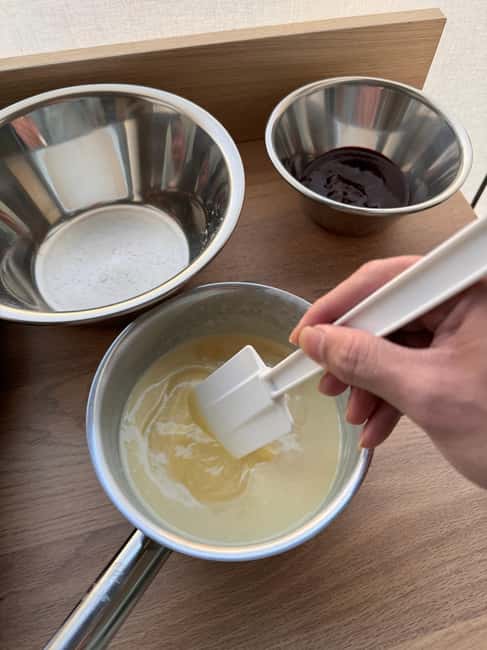
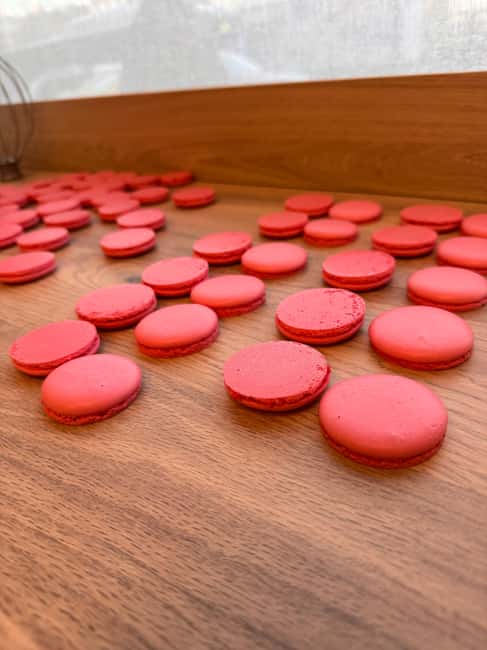
After piping, the shells are baked and paired with their fillings. The exact flavor selection can vary, and you should not assume that every class offers a long menu of choices.
Chocolate is one flavor used in class, along with blackcurrant and passionfruit in at least one session. These give the finished macarons a more distinctive French pastry profile, but they may not suit everyone. If you strongly prefer classic flavors such as pistachio, vanilla, or lemon, check the current arrangement before booking if that matters to you.
The baking wait is part of the rhythm of the session. You are not simply standing around, though. The instructor can use the time to answer questions, explain what to watch for at home, or help you understand why macarons sometimes crack, spread, or fail to form the familiar smooth top.
The kitchen has been described as clean, organized, and well prepared. That is more important than it sounds. Baking with a group can become cramped and confusing if tools and ingredients are poorly arranged. Here, individual work areas and prepared ingredients help keep the pace moving.
A refreshing drink has also been served while participants waited for the macarons to bake. It is a small touch, but it makes the pause feel like part of the class rather than dead time.
Same city, a completely different afternoon:
- Paris: Louvre Museum Timed-Entrance Ticket
★ 4.6 · 71,977 reviews - Disneyland® Paris 1-Day Ticket
★ 4.6 · 49,412 reviews - Paris: Versailles Palace and Gardens Full Access Ticket
★ 4.6 · 41,579 reviews - Paris: Evening River Cruise with Music
★ 4.4 · 22,721 reviews
Tasting the results
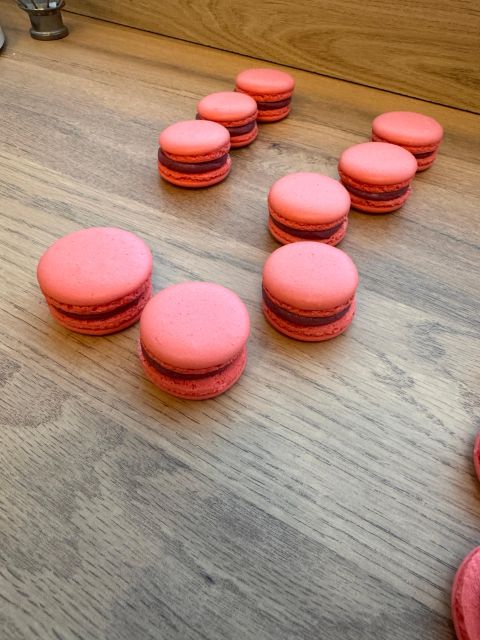
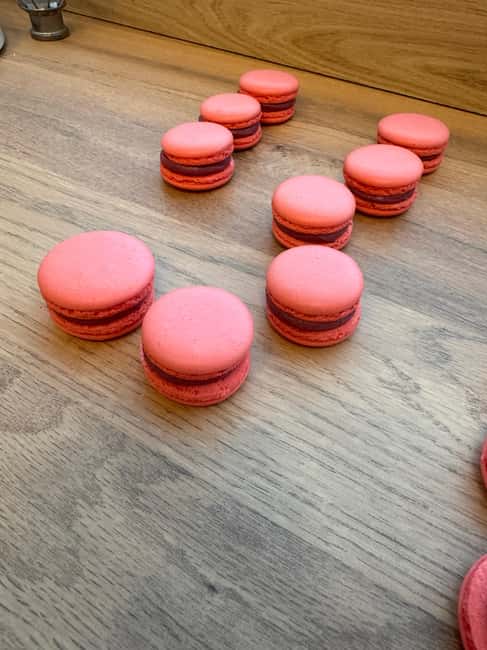
The best moment comes when the shells are ready, filled, and assembled. You taste the macarons you helped make, then see how appearance and texture have come together.
A good macaron should have a smooth shell, a slight bite, and a softer center. The class aims to show you how those qualities are created, not just hand you a finished pastry. If your piping was uneven, the final box may not look like a luxury boutique display, but that is part of the fun.
You should also expect a satisfying amount to take away. The exact quantity varies by session, but individual portions of about 15 macarons and couple totals of around 30 are mentioned. That is enough for a generous snack and a chance to share with family or friends.
The macarons are not only a souvenir. They are a useful test of what you learned. If the batch tastes good and holds together, you leave with proof that the method is manageable. If you plan to bake at home, take note of the texture and shape before the box disappears.
The recipe and advice you can use at home
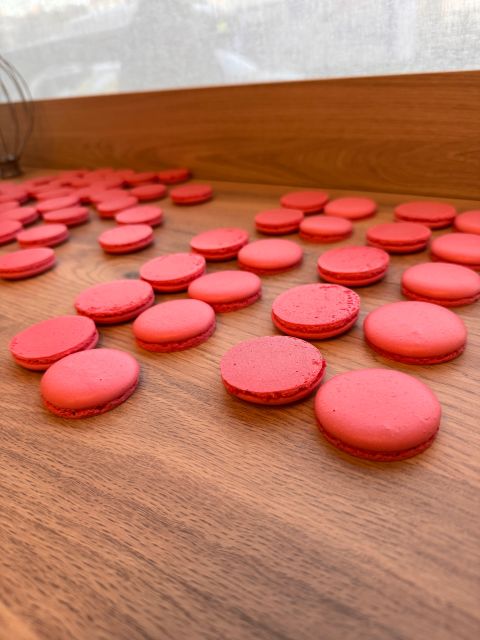
The recipe is included, which gives this activity more lasting value than a one-time tasting. You can try the method again after returning home, although your kitchen conditions may be different from those in Paris.
Chef Leo has given advice on adjusting the process for the weather in a participant’s home country. Humidity and temperature can affect pastry, so this kind of practical guidance is useful. It is also the sort of detail that a printed recipe alone cannot provide.
You should pay close attention during the demonstrations and make notes if you have a particular problem to solve. The class covers technique under supervision, but successful baking at home still depends on careful weighing, mixing, piping, and timing.
The recipe can also turn the experience into a good gift. You can make macarons for friends, repeat the flavors, and explain that you learned the process in Paris. That gives the class a stronger connection to everyday life than simply bringing home another purchased box.
What the $122 price includes
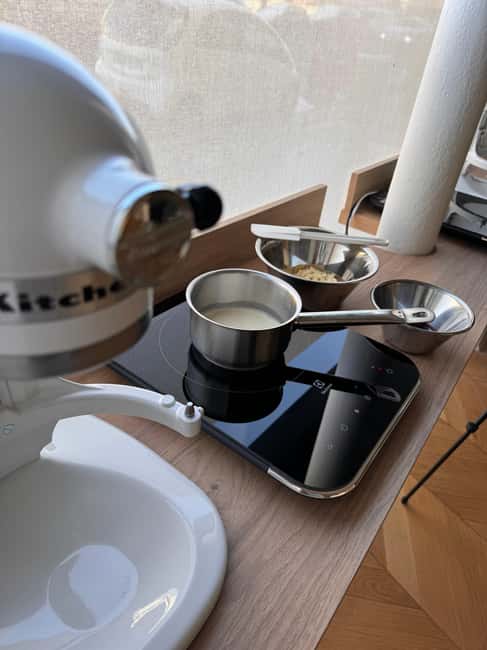
At $122 per person, this is not a cheap way to eat a macaron. It is a paid cooking lesson with an instructor, ingredients, equipment, tasting, a recipe, and a substantial batch of your own pastries.
I see the value most clearly if you compare it with a standard sightseeing stop. For two and a half hours, you are actively doing something, learning a skill, and taking home the results. The small group also matters. A class capped at 10 people is more useful than a large demonstration if you want personal help with piping and batter texture.
The price makes less sense if you mainly want to sample famous French sweets. Paris has plenty of pastry shops where you can buy macarons for far less. Choose this class because you want the process, the instruction, and the chance to recreate the dessert later.
It is also a good value for a parent and teenager, a couple, or a solo visitor who likes meeting people through food. Children under 12 cannot join, but teenagers aged 13 and 15 have taken part successfully with their family.
Who will enjoy this class most
I would choose this for you if you like hands-on activities and do not mind following a precise recipe. You do not need prior baking experience, but you should be ready to listen closely and take part at each stage.
It suits:
- Couples looking for a shared activity beyond museums and monuments
- Families with children aged 12 or older
- Solo visitors who enjoy a small social class
- Home bakers who want to improve their macaron technique
- Food-focused visitors who want a taste of French culture with a practical result
It is less suitable if you need a fully customized menu, dislike sweet foods, or have a nut allergy. Macarons traditionally use almond ingredients, and this activity specifically excludes people with nut allergies and vegans.
The class is taught in English, so you can follow the instructions without needing French baking vocabulary. You should wear comfortable shoes and clothes that allow you to work easily in a kitchen.
Timing your class in a Paris itinerary
The activity lasts 150 minutes, so it takes a solid part of your day. I would avoid placing it between two tightly timed museum visits or before a train departure.
Booking it early in your Paris stay has one useful advantage. Chef Leo has offered restaurant and food recommendations to participants, so you might pick up ideas for the rest of your visit. Those recommendations are not the main reason to book, but they can add value if you enjoy planning meals around local advice.
The class also gives you a break from walking. Paris sightseeing can involve several hours on your feet, while this session keeps you in one place and gives you a clear task. Still, it is not passive rest. You will be standing, mixing, piping, and working with kitchen equipment, so comfortable footwear is sensible.
When you arrive, look for the grey-coloured storefront on the main road. Because the meeting instructions are simple rather than highly detailed, I would check the exact booking information carefully before setting out.
The small points that may affect your decision
The strongest part of this experience is the instructor-led format. Chef Leo is frequently praised for patience, humor, clear explanations, and practical tips. Maria is also described as warm, funny, and encouraging.
That praise points to something important: the class is not just a recipe handout. The instructor helps you understand the small visual and physical cues that make macarons work. For a pastry that can be temperamental, this is the difference between useful instruction and a pleasant demonstration.
The class is not completely flexible. Flavor choices may be set by the kitchen, and people with dietary restrictions may not be able to participate. You also need to accept that your macarons may not all look identical, especially on a first attempt.
The setting itself sounds clean and well organized, which helps. You receive the tools and ingredients needed for the class, so you do not have to bring baking equipment. Just bring comfortable clothes and shoes, and arrive ready to work.
Cancellation is flexible if your plans change: you can cancel up to 24 hours in advance for a full refund. You can also reserve now and pay later, which is useful when you are building a Paris schedule around weather, museum times, and restaurant bookings.
Should you book the Paris macaron class?
I would book this class if you want an active food experience and like the idea of bringing home a skill instead of only a souvenir. The combination of a small English-speaking group, hands-on work, recipe, tasting, and take-home macarons gives the $122 price a reasonable return.
I would skip it if you only want to eat macarons, need vegan or nut-free food, or prefer a class where you choose every flavor. For everyone else, this is a well-focused way to spend two and a half hours in central Paris, especially early in your stay when food tips from the instructor can help shape the rest of your visit.
FAQ
How long does the Paris macaron baking class last?
The class lasts 150 minutes, or two and a half hours.
What language is the class taught in?
The instructor teaches in English.
How many people can join the class?
The group is limited to 10 participants. Some sessions have had eight or nine people.
What is included in the price?
The price includes the instructor, the baking class, tasting the finished macarons, and a recipe to take home. You also make macarons during the session and take your creations with you.
Is the class suitable for children?
Children under 12 cannot take part. Teenagers aged 13 and 15 have participated with their family.
Can people with nut allergies or vegans join?
No. The activity is not suitable for people with nut allergies or vegans.
More Workshops in Paris
- Fragonard Paris: Mini Perfume Workshop
★ 4.5 · 1,924 reviews - Paris: Macaron Class at Galeries Lafayette
★ 4.3 · 905 reviews - Paris: 2-Hour Perfume Creation Workshop
★ 4.8 · 731 reviews - Paris Cooking Class: Learn How to Make Macarons
★ 5.0 · 634 reviews
Just listed in Paris
- Chartres Cathedral 5 Hours Tour from Paris with Private Transport★ 4.5 · 49 reviews
- Paris: Giverny & Versailles Small Group or Private Tour★ 4.5 · 49 reviews
- Paris: Louvre photoshoot or Seine bridges Eiffel Tower walk★ 5.0 · 49 reviews
- Paris: Choux Pastry and Chocolate Éclair Making Class★ 4.9 · 50 reviews
- Private tour of the Champagne area, meet local producers and taste their Champagne, start from your hotel in Paris.★ 5.0 · 50 reviews
- Paris Eternelle Notre-Dame Virtual Reality Tour★ 4.5 · 50 reviews
- Normandy D-Day Landing Beaches Private Day Trip from Paris★ 5.0 · 50 reviews
- Disneyland® Paris 1 Day with Round-Trip Train Tickets from Paris★ 4.0 · 50 reviews
Paris Tours, compared.



Versailles Palace and Gardens Full Access Ticket
Read our review →

Eiffel Tower Entry Ticket with Optional Summit Access
Read our review →

Louvre Guided Tour with Reserved Access & Boat Cruise
Read our review →
Moulin Rouge Cabaret Show Ticket with Champagne
Read our review →Browse the lists this tour appears in