
Reviewed · PARIS TOURS
Paris: Butter and Cheesemaking Workshop
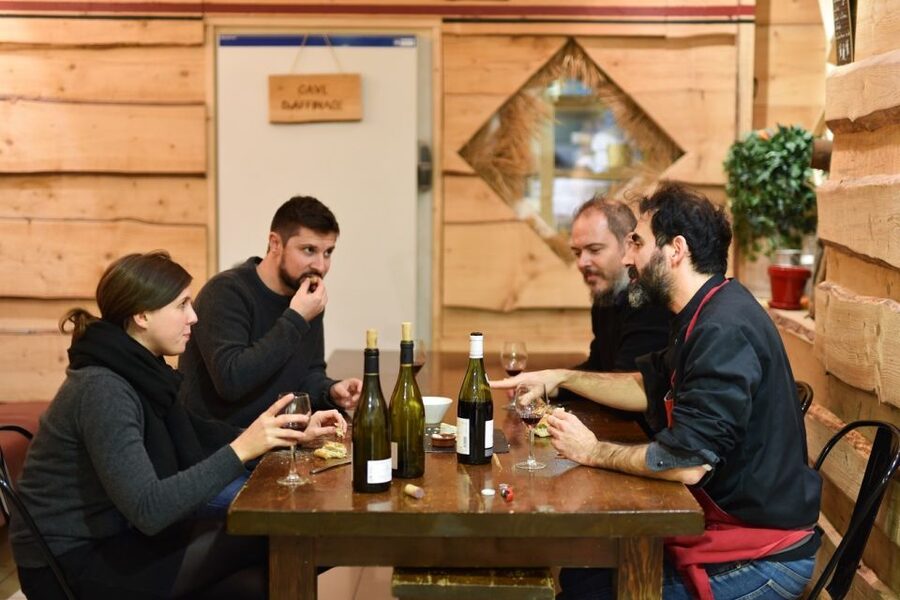
Paris has plenty of grand sights, but this workshop gets you close to something more basic and more French: milk becoming cheese and butter. In a small group of no more than 10, you make mild tomme fraiche, traditional butter, and then taste the results with cheese, bread, and wine.
I like the hands-on work and the fact that the lesson is useful beyond Paris. I also like the warm, informal teaching style reported from guides such as Agathe, Paul, Romain, and Gabriele. The main caution is practical: one recent booking noted that the museum was preparing to move, so confirm the current meeting address before setting out.
Key points at a glance
- Make two French staples: Produce tomme fraiche and traditional butter during the class.
- Taste the results: Finish with your own creations, other French cheeses, bread, and a glass of wine.
- Small-group format: The class is limited to 10 people, leaving room for questions and individual help.
- English instruction: The cheese master explains the methods and ideas in English.
- Family-friendly appeal: Children as young as 7 have taken part, and one family with four children found it a favorite Paris activity.
- Allow two hours: The class is compact but active, with little time wasted on passive watching.
Why cheese and butter make a good Paris experience
French food culture is often presented through restaurant meals, pastry classes, or market walks. This workshop takes a different route. You learn about the raw materials and simple techniques behind two everyday foods, then eat what you have made.
That matters because the class gives you something to do with your hands. You are not just listening to a lecture about French cheese. You help turn dairy into a soft, mild cheese and butter, with the cheese master explaining what is happening as you work.
The lesson focuses on tomme fraiche, a cheese with a slightly milky, acidic taste. It is commonly used for melting in traditional dishes, so this is not a precious cheese meant only for nibbling. You get a look at a practical part of French cooking and see how texture and flavor develop.
I also appreciate the scale. Ten people is small enough for a question to be heard and for the instructor to keep an eye on the work. It is a better setup for a practical class than a large room where you spend most of the time watching someone else.
A few other Paris half-days to compare
- Fragonard Paris: Mini Perfume Workshop
★ 4.5 · 1,924 reviews - Paris Cooking Class and Lunch with Wine plus Market Visit Option
★ 5.0 · 1,024 reviews - Paris Croissant Small-Group Baking Class with a Chef
★ 5.0 · 910 reviews
Meeting the cheese master at the Living Cheese Museum
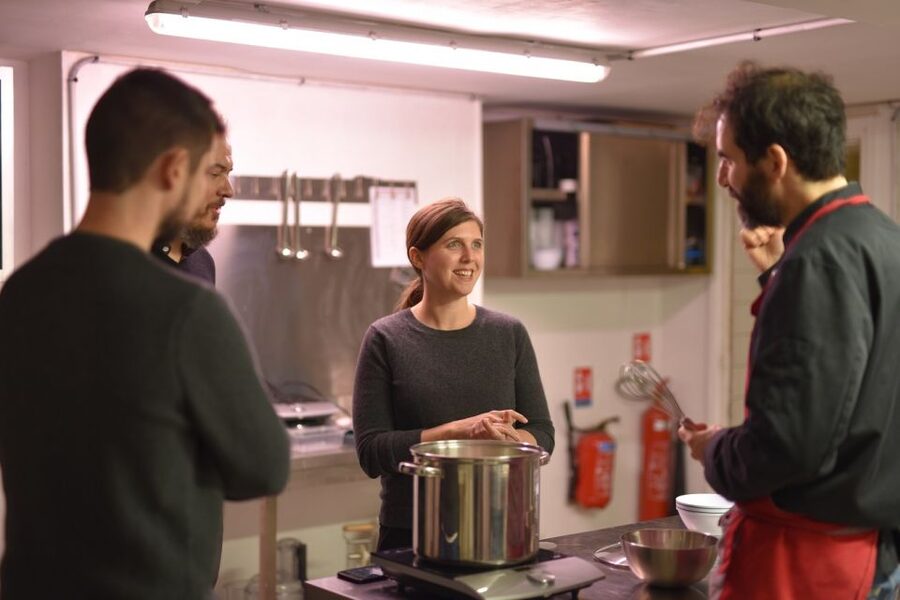
You meet at the Living Cheese Museum, officially called Musée Vivant du Fromage. From there, the group goes to the cheese-making room and begins the workshop.
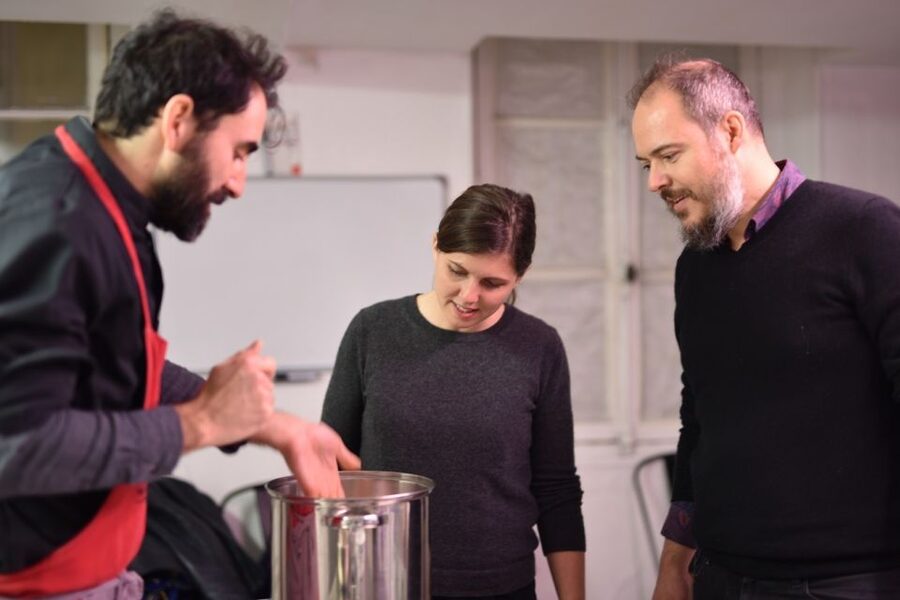
The instructor speaks English, and the teachers have varied. Agathe has been praised for her warm, engaging style, while Paul is described as patient and funny. Romain and Gabriele have also led sessions, with Gabriele noted for explaining concepts and methods clearly in a short time.
That range is useful to know. The core activity remains the same, but the personality of your cheese master will shape the mood. The teaching style appears to be friendly and informal rather than stiff or academic. You should expect explanations, demonstrations, questions, and active participation.
A small point deserves attention before you go. A booking from February 2026 noted that the museum was getting ready to relocate. The supplied meeting point remains the Living Cheese Museum, but it is sensible to check the latest confirmation and address before leaving your hotel. This is especially important if you plan a tight connection with another activity.
Making tomme fraiche from start to finish
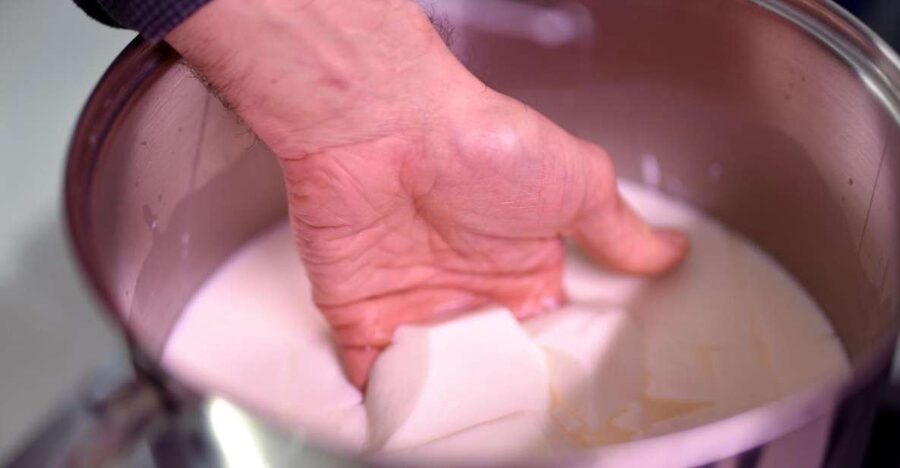
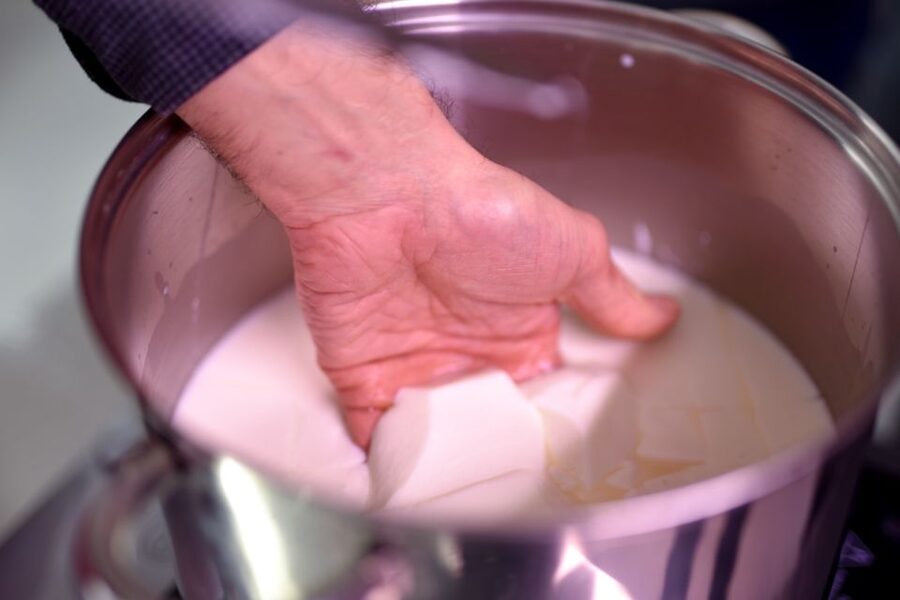
The first major task is making tomme fraiche. The cheese master introduces different varieties of French cheese, then explains the process used for the cheese you will produce.
The exact technical steps are not specified in the available details, so I would not promise a particular aging method or production schedule. What you can count on is a practical session in which you learn how this fresh cheese is made and handle the equipment needed for the process.
The result is a mild cheese with a milky, slightly sharp flavor. It is used for melting, which helps explain why the tasting is not limited to a formal cheese board. This is food with a job to do in the kitchen, and that makes the lesson easy to remember.
You may find the cheese-making process more physical than a standard cooking demonstration. The point is not simply to hear how cheese is made, but to take part in the work. Instructions are given in English, and the limited group size should make it easier to follow along.
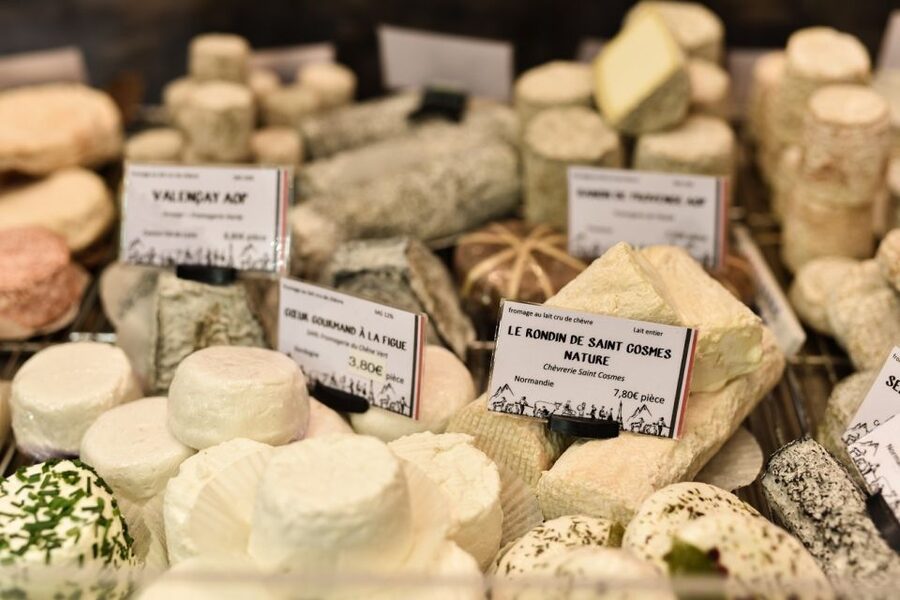
The class also gives you a useful vocabulary for thinking about cheese. You learn that French cheese is not one single style, and that texture, taste, and use vary widely. Even a short session can sharpen your choices at a fromagerie later in your trip.
Churning traditional butter by hand
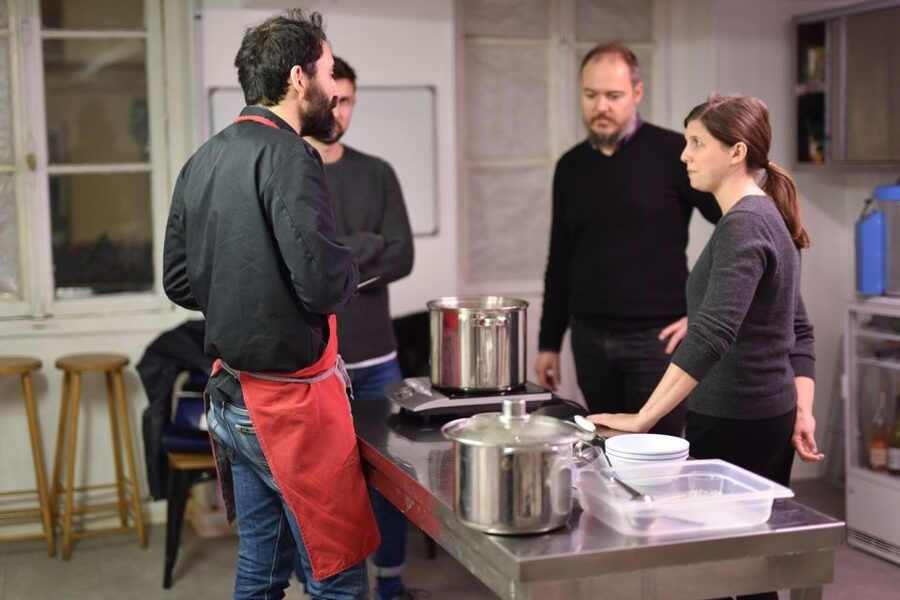
The second project is traditional butter. This adds a welcome change of pace because butter behaves differently from fresh cheese, and you get to see how a familiar ingredient is produced.
The activity is simple enough to be approachable, but it is still a real process rather than a decorative add-on. Several participants have found the method easy enough to repeat at home, which is one of the better signs that the workshop explains the work clearly.
The butter is also part of the tasting. Some sessions have allowed participants to take the remaining butter with them, though the formal inclusions list promises tastings rather than a guaranteed take-home portion. If bringing it back matters to you, ask the instructor on the day.
This is one reason I would choose this class over a more passive food talk. You leave with a better sense of what goes into a basic French ingredient, and you may be able to repeat the process in your own kitchen.
Same city, a completely different afternoon:
- Paris: Louvre Museum Timed-Entrance Ticket
★ 4.6 · 71,977 reviews - Disneyland® Paris 1-Day Ticket
★ 4.6 · 49,412 reviews - Paris: Versailles Palace and Gardens Full Access Ticket
★ 4.6 · 41,579 reviews - Paris: Evening River Cruise with Music
★ 4.4 · 22,721 reviews
The final cheese, bread, and wine tasting
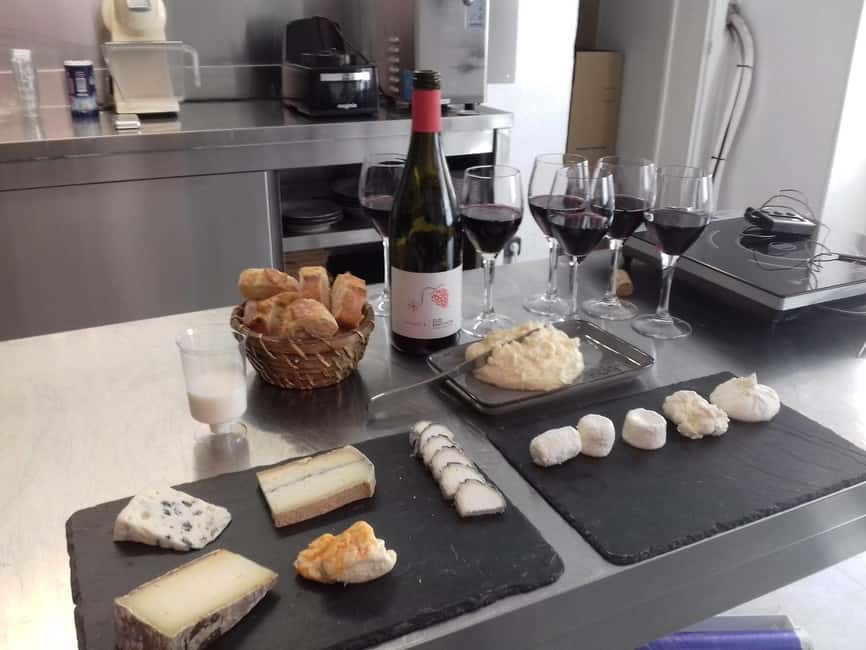
At the end, you taste your cheese and butter. The workshop also includes tastings of French cheeses, and the food is served with bread and a glass of wine.
This closing session gives the work some context. You can compare your tomme fraiche with other cheeses, notice the difference between your butter and commercial butter, and enjoy the results while the lesson is still fresh in your mind.
The wine is part of the French meal-like finish, but you should remember that the experience is still about the food. One participant specifically noted that wine was optional, making this a useful activity for families and anyone who does not drink. The published description includes a glass of wine, so tell the instructor if you prefer not to have one.
The tasting is also a social moment. You share the table with the rest of the group, which can be pleasant if you enjoy meeting people during a trip. The format is less suited to someone who wants a private lesson or a quiet, individual class.
How much value do you get for $82?
At $82 per person, this is not the cheapest way to eat cheese in Paris. You could buy a fine selection at a shop for much less. The value comes from the combination of instruction, participation, equipment, and tasting.
You are paying for two hours with an English-speaking cheese master, all the equipment for the class, the cheese-making workshop, and all tastings. The class also gives you a story to carry home, plus techniques you might try again.
I think the price is reasonable if you want an activity rather than another meal. It is especially fair for someone who loves French food and wants to understand how it is made. If you are only interested in eating cheese, skip the workshop and spend the money at a good fromagerie.
The small group helps the value. With a maximum of 10 people, this is not an assembly-line class. You have a better chance to ask about methods, cheese varieties, or how to repeat the butter-making process at home.
There is no hotel pickup or drop-off, so you must make your own way to the museum. That is normal for a central food workshop, but include the journey in your schedule. Also leave a little breathing room before and after the class rather than booking another fixed activity immediately afterward.
Who will enjoy this workshop most?
This is a strong choice for cheese lovers, food-curious visitors, and anyone who wants a Paris activity that is more active than sightseeing. It also suits repeat visitors who have already seen the major monuments and want a different look at French culture.
Families can consider it, too. Children aged 7 and 11 have taken part, and a larger family group ranging from young children to teenagers found the activity engaging for everyone. The work is educational, but the tasting and practical tasks keep it from feeling like school.
It can also work well for couples or friends. The group setting gives you something to talk about while you work, and the final wine-and-cheese tasting provides a relaxed finish.
I would be more cautious if you use a wheelchair. The activity is listed as not suitable for wheelchair users. Anyone with mobility concerns should contact the provider before booking rather than assume the cheese-making room is accessible.
Pets are not allowed. That includes the workshop itself, so plan accordingly.
The two-hour pace and what to bring
The listed duration is two hours. That is enough time for an introduction, the cheese and butter work, and the final tasting, but it is not a long culinary course with several separate recipes.
The pace sounds brisk but manageable. One participant wished for more time, while others felt that the class taught a lot in a short period. You should arrive ready to listen and take part rather than expect long breaks.
You do not need to bring cheese-making equipment. Everything needed for the workshop is included. The practical advice is to wear clothes you do not mind working in, though no special clothing requirement is provided.
If you hope to take butter or cheese away, bring a small container only if the provider confirms that extra portions are available. The included portion is the tasting, while take-home butter has been possible in some sessions but is not stated as a fixed inclusion.
Booking, cancellation, and meeting-point advice
You can reserve now and pay later, which helps if your Paris plans are still shifting. Free cancellation is available up to 24 hours before the activity for a full refund.
Starting times vary, so check availability for your chosen date. The instructor language is English, and the group is capped at 10 people.
The relocation note is the one detail I would not ignore. Since the Living Cheese Museum may have been preparing to move, check the current voucher or confirmation for the exact address shortly before the class. Do not rely only on an old map pin.
Should you book the butter and cheese workshop?
Book it if you want to make something real, learn about French cheese in plain English, and sit down afterward with your own food and a little wine. The activity has a good mix of instruction, humor, teamwork, and tasting, and it works for adults as well as families with older children.
Skip it if you want a short tasting with no hands-on work, if your schedule cannot spare two hours, or if accessibility is a concern. Also verify the meeting point because of the reported museum move.
For food lovers, this is one of the more distinctive ways to spend part of a Paris morning or afternoon. You may return home with butter to share, a new appreciation for tomme fraiche, and the confidence to try making both yourself.
FAQ
Where does the workshop meet?
The meeting point is the Musée Vivant du Fromage, also called the Living Cheese Museum.
How long does the activity last?
The workshop lasts two hours.
Is the class taught in English?
Yes. The instructor speaks English.
What will I make?
You will learn how to make tomme fraiche cheese and traditional butter.
Is wine included?
The experience includes tasting your creations with a glass of wine. Wine may be optional, so tell the instructor if you do not want one.
How many people can join the class?
The group is limited to 10 participants.
Is the workshop accessible to wheelchair users?
The activity is listed as not suitable for wheelchair users.
Just listed in Paris
- Paris: Giverny & Versailles Small Group or Private Tour★ 4.5 · 49 reviews
- Chartres Cathedral 5 Hours Tour from Paris with Private Transport★ 4.5 · 49 reviews
- Paris: Louvre photoshoot or Seine bridges Eiffel Tower walk★ 5.0 · 49 reviews
- Private tour of the Champagne area, meet local producers and taste their Champagne, start from your hotel in Paris.★ 5.0 · 50 reviews
- Paris: Choux Pastry and Chocolate Éclair Making Class★ 4.9 · 50 reviews
- Paris Eternelle Notre-Dame Virtual Reality Tour★ 4.5 · 50 reviews
- Normandy D-Day Landing Beaches Private Day Trip from Paris★ 5.0 · 50 reviews
- Disneyland® Paris 1 Day with Round-Trip Train Tickets from Paris★ 4.0 · 50 reviews
Paris Tours, compared.



Versailles Palace and Gardens Full Access Ticket
Read our review →

Eiffel Tower Entry Ticket with Optional Summit Access
Read our review →

Louvre Guided Tour with Reserved Access & Boat Cruise
Read our review →
Moulin Rouge Cabaret Show Ticket with Champagne
Read our review →Browse the lists this tour appears in