
Reviewed · BAYEUX TOURS
Arromanches 360 Circular Cinema Entrance Ticket
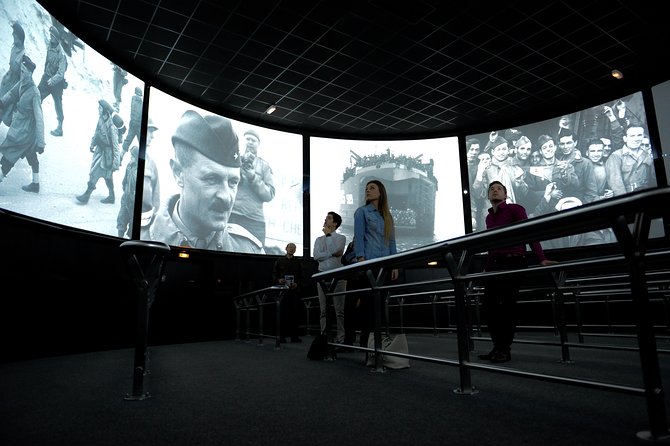
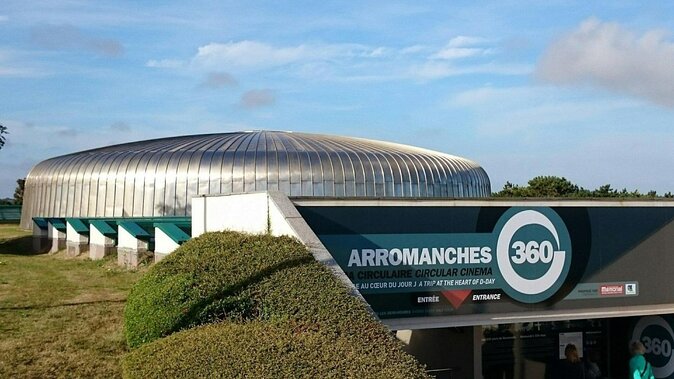
Arromanches 360° turns the story of D-Day into a 19-minute film across nine screens, surrounding you with images from the landings and the Battle of Normandy. It is short, direct, and far more affecting than a standard museum video.
I like two things right away: the rare footage from five national archives, and the freedom to arrive for a screening at the hour or half hour. The ticket is also inexpensive at $9.01, making it an easy addition to a day around the Normandy beaches.
The main drawback is the short running time. The film covers 100 days of fighting in less than 20 minutes, so the story moves quickly. Very young children may also find the subject and presentation too intense.
Key points to know before you go
- Nine-screen presentation: The film surrounds you with high-definition images rather than placing the story on one small screen.
- A five-country view: Footage comes from British, Canadian, German, American, and French archives.
- A compact history lesson: The film covers D-Day on June 6, 1944, through the Battle of Normandy and the bombing of Le Havre on September 12.
- Easy timing: Screenings begin on the hour and half past every hour, and last 19 minutes.
- Useful for a busy Normandy day: Pre-booking can save time at the ticket desk, especially when you are fitting several sights into one route.
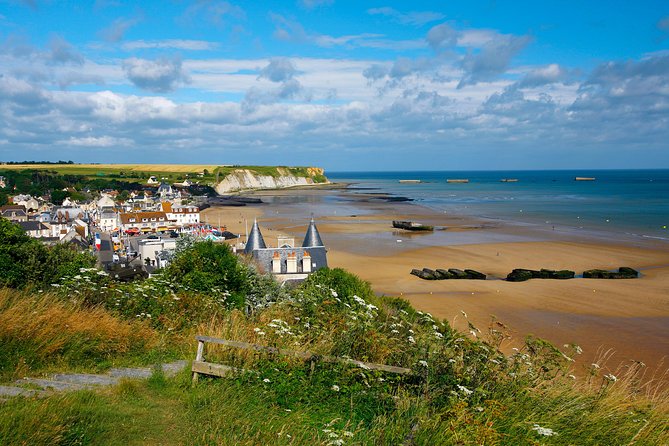
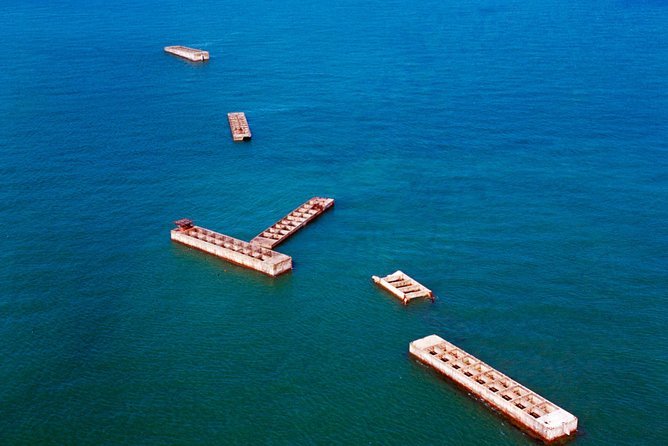
- Best paired with the town and harbor remains: The cinema makes more sense when you also look out across Arromanches and its wartime remnants.
Why the Arromanches film works so well
Arromanches 360° is not a long guided tour, and it does not try to replace the major museums of Normandy. Its strength is different. It gives you a concentrated visual account of the Allied landings and the fighting that followed, using a wraparound format that makes the action feel close and immediate.
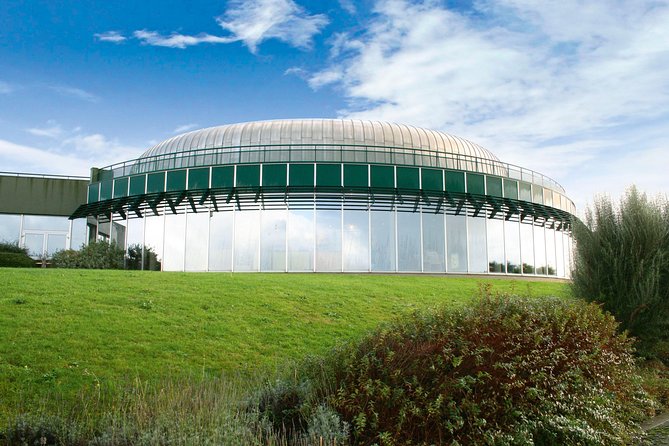
The nine screens matter. Instead of watching a film framed by a wall, you sit inside a large circular presentation where images can spread around your field of view. The effect is especially useful for wartime footage, since the screen can shift your attention from troops and landing craft to coastlines, ships, towns, and the wider movement of the battle.
I also like the range of archive material. The film draws from British, Canadian, German, American, and French sources. That does not turn the presentation into a long academic debate, but it gives the images a broader historical base than a film relying on only one national collection.
You should expect a serious presentation. This is a memorial setting, and the film deals with invasion, combat, sacrifice, and civilian suffering. One visitor described the experience as heartbreaking and uplifting, which is a fair sense of its emotional range. You may leave feeling moved rather than entertained, and that is exactly the point.
A few other Bayeux half-days to compare
- Mont Saint Michel: Walking Tour & Optional Abbey Ticket
★ 4.3 · 562 reviews - Caen: Guided D-Day Sites Tour & Caen Memorial Museum Ticket
★ 4.8 · 385 reviews - Paris: Louvre Museum Timed-Entrance Ticket
★ 4.6 · 71,977 reviews
Inside the 19-minute screening
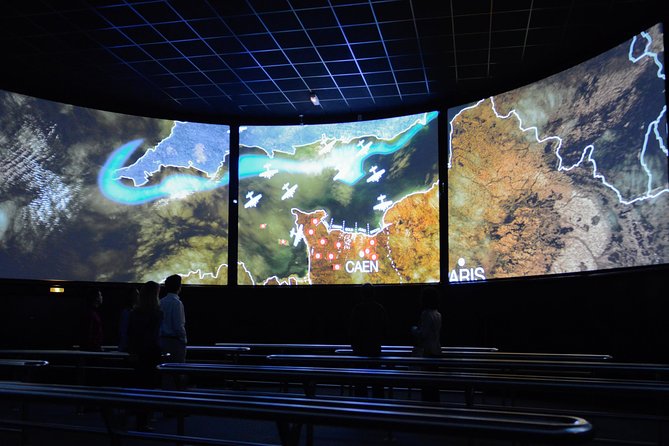
The presentation begins with the long-awaited preparation for the Allied attack. On both sides of the English Channel, forces were getting ready for the moment that would open the way toward the liberation of Western Europe.
The film then moves to the morning of June 6, 1944. The weather was unfavorable, but the landings went ahead on the five Normandy beaches. Because the picture is projected around you, the presentation can shift quickly between the scale of the operation and the human cost of the fighting.
The story does not stop on D-Day. It follows the Battle of Normandy across 100 days, ending with the bombing of Le Havre on September 12. That wider time span is important. A visit limited to the morning landings can make the invasion seem like a single event. This film reminds you that the campaign continued through weeks of combat.
At 19 minutes, the film is closer to a powerful introduction than a full history course. You will not receive detailed biographies of commanders or a beach-by-beach tactical lesson. Instead, you get a fast visual framework that helps place the nearby sites in time.
That speed is both the film’s advantage and its limitation. You can fit it neatly into a morning or afternoon, but the story sometimes moves on before you are ready. One French-language response specifically wished the film were longer because the presentation draws you into the history so quickly.
The nine screens and high-definition images
The technology is simple to understand but impressive in practice. Nine screens create a circular viewing area, and the images are shown in high definition. You can expect a presentation built for scale, not a small lecture with a projector at the front.
The format is particularly effective with archival footage. Ships, landing craft, soldiers, and bombardments gain a sense of movement when the images extend across your surroundings. The presentation cannot recreate the actual experience of June 6, and it should not pretend to, but it can give you a stronger visual impression of the size and confusion of the operation.
The effect also explains why some people choose to watch the film more than once. The first viewing gives you the broad sequence. A second viewing could help you notice more details in the archive footage, especially if you already know the basic history.
Do not expect a personal guide to walk you through each scene. No guide is listed for this experience. The film carries the interpretation, so you should arrive with a willingness to follow a quick, image-led account rather than ask questions during the screening.
Why the location adds real value
The cinema is not an isolated attraction with no connection to its setting. It sits in Arromanches, one of the key places associated with the Normandy landings, and the surrounding area gives the film a physical anchor.
After the screening, take time to look at the remnants of the harbor from the town and nearby park. The wartime harbor remains were singled out as a reason to visit even without the cinema, and they make the film easier to place in the real world. You are no longer looking only at old footage. You are looking at the same coastal area where the Allied operation required an enormous temporary harbor.
The park also includes a memorial that can add a quiet pause before or after the film. The supplied information does not give the memorial’s official name or detailed layout, so I would not build your entire visit around a specific monument. Still, the combination of open views, harbor remains, and the cinema gives you more than a 20-minute indoor stop.
This is why I recommend allowing extra time around your screening. The movie itself lasts 19 minutes, but rushing away immediately afterward would miss much of what makes Arromanches meaningful.
Same city, a completely different afternoon:
- Normandy American D-Day Beaches Full Day Tour from Bayeux
★ 5.0 · 2,103 reviews - Normandy American D-Day Experience – Group tour from Bayeux
★ 5.0 · 1,566 reviews - Normandy Beaches Half-Day Afternoon Trip from Bayeux (A2)
★ 4.5 · 1,116 reviews - Omaha and Band Of Brothers Full Day Tour
★ 5.0 · 1,104 reviews
How to fit it into a Normandy day
The attraction is in Bayeux, France, and works best as one stop within a larger visit to the Normandy area. The ticket does not include hotel pickup or drop-off, so you need to arrange your own way to Arromanches.
Pre-booking is useful when your day has a firm schedule. The ticket lets you choose from multiple screening times, and the film begins on the hour and at half past every hour. Since the presentation lasts 19 minutes, you can plan around it without giving up a large part of the day.
You should still leave enough flexibility for the area. Weather can affect how long you want to spend outdoors, and the views of the harbor remains are part of the appeal. A good plan is to arrive early, see the town or nearby memorial area, attend the film, then spend a little more time outside afterward.
The cinema is open daily from 10 a.m. to 5 p.m. for the stated 2026 operating period, from January 27 through December 31. Check your chosen date and time when booking, since opening information can change outside the supplied period.
Is $9.01 good value?
At $9.01 per person, this is a modest-cost attraction by Normandy standards. You are paying for a focused presentation rather than a full museum visit, but the low price makes the decision easy for most adults who want more context for the D-Day sites.
The value improves if you are already visiting Arromanches. You can combine the film with the town, the park, the memorial area, and views of the harbor remains without creating a separate major excursion. The cinema gives structure to the stop and helps explain what you are seeing outside.
The value is less certain if you expect a long, detailed museum experience. Nineteen minutes will not answer every question, and the film’s quick pace may leave history enthusiasts wanting more. I would treat it as a strong visual introduction, not as your only source of information about Normandy.
Parking is not included. One experience report considered the paid lot worthwhile on a blustery day, while the official details simply note that parking costs extra. Build that additional expense into your plan, especially if you want to avoid a longer walk uphill from roadside parking.
Who should see it, and who should skip it?
I would recommend Arromanches 360° to adults, older children, history-minded visitors, and anyone making a respectful visit to the D-Day beaches. It is also useful for people who have read about the invasion but want to connect the dates and places with real archive images.
The film can be especially helpful early in your Normandy visit. It gives you a quick outline before you explore more specialized museums, cemeteries, batteries, or beaches. If you visit late in the day, it can also serve as a final visual reminder of what you have seen.
Families should think carefully about the age of their children. Children aged 0 to 9 enter free, but that does not mean the screening suits every young child. The film deals with war and may feel intense, and one visitor specifically advised against bringing toddlers and preschool-age children.
Children must be accompanied by an adult. Most people can participate, but the information provided does not give detailed seating or mobility notes, so you should contact the provider if you need specific accessibility arrangements.
Reduced admission is available for children aged 10 to 18, people over 65, and military service personnel. You need valid identification to receive the reduced rate. War veterans and children from 0 to 9 enter free.
A respectful stop for military families
The emotional weight of the site may be particularly strong for military families and veterans. One United States Marine described the visit as a personal act of remembrance, centered on the sacrifice and courage connected with the Normandy landings.
You do not need a military background to appreciate the film, but it helps to approach it with the right mood. This is not a light attraction to squeeze in between unrelated activities. The presentation asks you to think about the people involved and the cost of the campaign.
That serious tone is also one of its strengths. The images are not separated from the place. You watch the events, then step outside into the same coastal setting, where the harbor remains and memorial spaces encourage a quieter response.
Booking, timing, and cancellation
A pre-booked ticket can save you time at the ticket desk. It does not include transport, hotel pickup, drop-off, or parking, so your ticket covers only admission to the circular cinema.
The film starts at the hour and at half past each hour. It runs for 19 minutes, although it is often described as a 20-minute experience for planning purposes. Arrive with enough time to find the cinema and settle in before the presentation begins.
Free cancellation is available if you cancel at least 24 hours before the scheduled start time. Cancellations made less than 24 hours before the start are not refunded, and changes inside that same period are not accepted. The cut-off follows local time.
What to expect from the overall experience
The best way to judge Arromanches 360° is to see it as a short, highly visual memorial presentation. It does not offer the length or detailed displays of a major museum, but it uses its 360-degree format well and gives you a clear sense of the D-Day landings and the 100-day campaign that followed.
I particularly like the combination of film and place. The nine-screen presentation gives the history scale, while the surrounding town and harbor remains give it a real location. The film can feel almost overwhelming, but that intensity is balanced by the chance to step outside and look across the coast afterward.
The main caution is simple: do not expect a complete account of the Battle of Normandy in 19 minutes. If you want names, maps, military analysis, and extensive artifacts, add a larger museum or guided visit elsewhere. If you want a memorable, affordable introduction that fits neatly into your schedule, this cinema earns its place.
Should you book Arromanches 360°?
Book it if you are already planning to visit Arromanches, want a strong visual introduction to D-Day, or appreciate memorial experiences that connect film with the actual site. The $9.01 price, frequent screenings, and short duration make it easy to add without reshaping your day.
Skip it if you have very young children who may struggle with war footage, or if you need a long and detailed history presentation. For most adults and older children, I think the cinema is worth the time, especially when paired with the harbor remains and memorial area outside.
FAQ
How long does the Arromanches 360° film last?
The film lasts 19 minutes. It is commonly planned as an approximately 20-minute experience.
When are the film screenings shown?
Screenings begin on the hour and at half past every hour.
What are the opening hours?
The cinema is listed as open daily from 10:00 a.m. to 5:00 p.m. for January 27, 2026 through December 31, 2026.
What does the ticket include?
The ticket includes admission to the Arromanches 360 Circular Cinema.
Is transportation included?
No. Hotel pickup and drop-off are not included.
Is parking included?
No. Parking is an additional cost.
Are reduced admission rates available?
Yes. Reduced admission is available for children aged 10 to 18, people over 65, and military service personnel. You need valid identification for the reduced rate.
Can children attend for free?
Children aged 0 to 9 enter free, and war veterans also enter free. Children must be accompanied by an adult.
Just listed in Bayeux
- WW2 Jeep or Dodge truck tour of the Omaha Beach site★ 5.0 · 51 reviews
- Private Tour of American Sites with an Expert Guide from DDAY★ 5.0 · 51 reviews
- Mont Saint Michel Full Day Tour from Bayeux★ 5.0 · 52 reviews
- Private Day Tour including Normandy Landing Beaches & Battlefields from Caen★ 5.0 · 53 reviews
- Bayeux: Band Of Brothers Full-Day Tour★ 4.9 · 53 reviews
- From Bayeux: D-Day American Beaches and US Airborne Day Tour★ 4.8 · 56 reviews
- Le Havre Shore Excursion: Private Day Tour with Omaha Beach & American Cemetery★ 5.0 · 57 reviews
- From Bayeux: 2-hour private sidecar tour in Normandy★ 5.0 · 58 reviews
Bayeux Tours, compared.
Normandy American D-Day Beaches Full Day Tour from Bayeux
Read our review →
Normandy American D-Day Experience – Group tour from Bayeux
Read our review →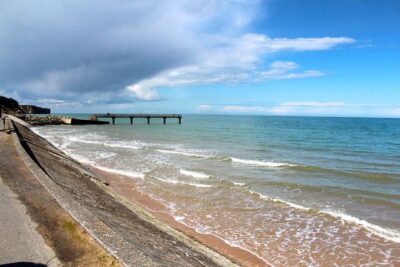
Normandy Beaches Half-Day Afternoon Trip from Bayeux (A2)
Read our review →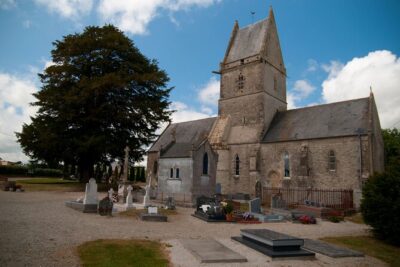
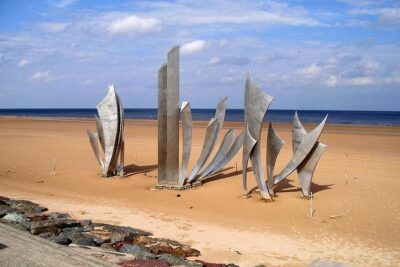
Omaha Beach D-Day Experience – Afternoon group tour from Bayeux
Read our review →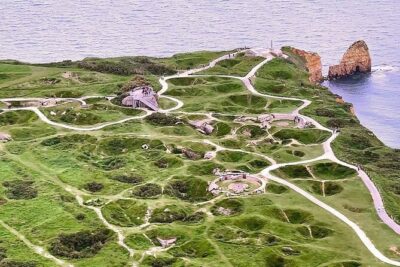
Normandy Battlefields Tour – American Sites (A3)
Read our review →
American D-Day Sites in Normandy Half-Day Tour
Read our review →Browse the lists this tour appears in