
Reviewed · BEAUNE TOURS
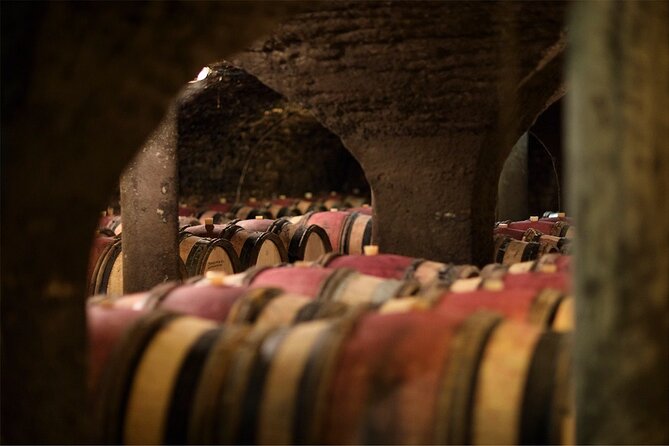
Visit of our 15th century cellars
Maison Champy gives you an unusual way to begin understanding Burgundy: you walk through 15th-century cellars beneath one of the region’s oldest wine estates, then connect that setting to the wines in your glass. The estate dates to 1720, owns 21 hectares on the Côte de Beaune, and has a notable link to the Eiffel School of architecture.
I like the small maximum of eight people and the clear English presentation. I also like the mix of wine, architecture, and local history, including references to Pasteur and Maison Champy’s Grand Cru production. The main consideration is time: at about 90 minutes, this is a focused introduction rather than a full-day look at Burgundy’s vineyards and wine trade.
Key details at a glance
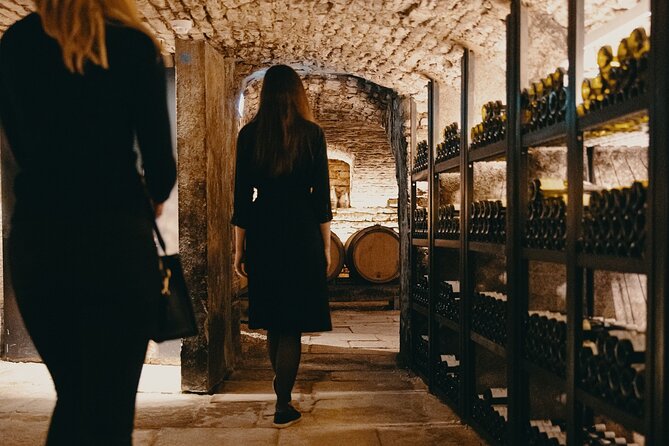
- 15th-century cellars in central Beaune: The underground setting gives the tasting a genuine sense of place.
- A winery founded in 1720: Maison Champy is presented as Burgundy’s first established wine estate.
- Up to eight people: The small group size should make questions easier and the visit less hurried.
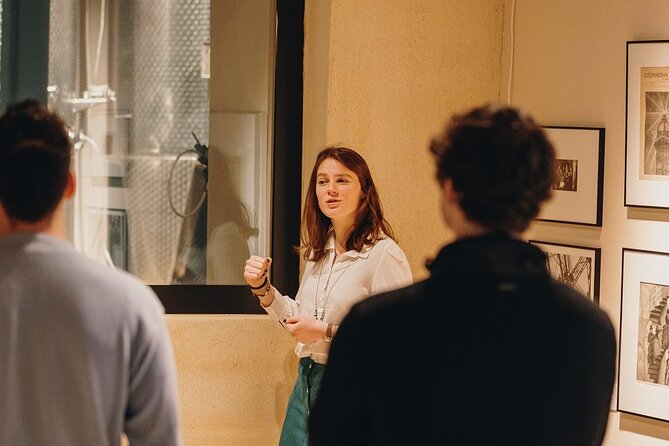
- English-language guidance: Guides including Mathis and Cyriane have led clear explanations for English-speaking visitors.
- Côte de Beaune wines: The estate owns 21 hectares, including parcels used for notable wines such as Corton-Charlemagne.
- A 90-minute format: You get history, cellar access, and a tasting without giving up most of your day.
Why Maison Champy feels different from a standard tasting
Many wine tastings begin with a counter, a few bottles, and a quick explanation of grape varieties. Maison Champy begins with the place itself. Its cellars date to the 15th century, making the building part of the lesson rather than a simple backdrop for the tasting.
That matters in Beaune. Burgundy wine can seem confusing at first because the region is organized around small vineyard parcels, village names, premier crus, and Grand Crus. A historic cellar helps you connect the wine to the long commercial life of the area.
Maison Champy was founded in 1720 and is described as the first wine estate established in Burgundy. That claim gives the visit a useful starting point, but the appeal is not only age. The estate also owns 21 hectares on the Côte de Beaune, so you are learning about a producer with vineyards of its own rather than a shop pouring unrelated bottles.
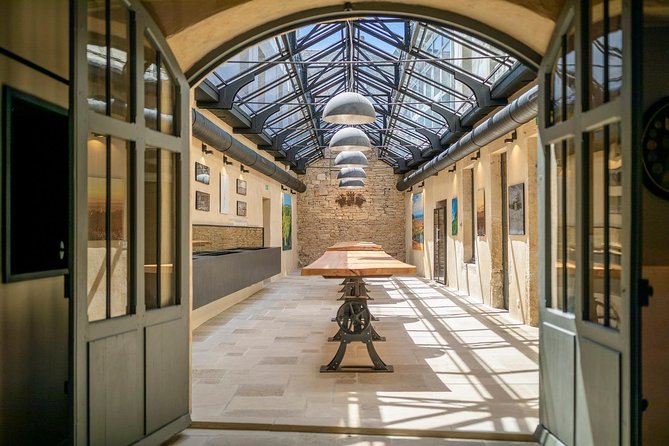
The property includes a building inspired by the Eiffel School. Both the cellars and the building are listed as Historic Monuments. You should not expect an architecture tour on the scale of a major museum, but these details add another layer to the visit. You get wine, underground spaces, and an unusual piece of Beaune’s built heritage in one stop.
A few other Beaune half-days to compare
- Burgundy Bike Tour with Wine Tasting from Beaune
★ 5.0 · 674 reviews - Beaune: Wine Tasting at Château de Pommard
★ 4.4 · 277 reviews - From Beaune: Burgundy Day Trip with 14 Wine Tastings
★ 4.8 · 248 reviews
Entering the 15th-century cellars
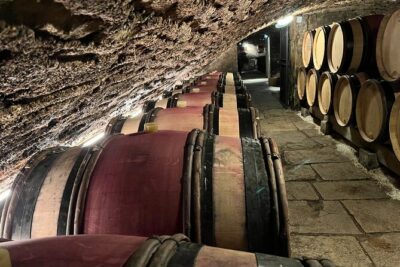
The cellar visit is the heart of the experience. You can expect the guide to place Maison Champy in the wider story of Burgundy before turning to the rooms beneath the estate and the wines produced there.
The age of the cellars gives the tour a physical sense of time. Instead of hearing only that Burgundy has been making wine for centuries, you are shown a space that has been part of that story for generations. For many people, that will be more memorable than a lecture in a modern tasting room.
The cellars are also a good setting for understanding storage and maturation, though the supplied details do not specify exactly which production areas or barrels you will see. Keep your expectations practical. This is a guided visit with a tasting, not a complete technical tour of every stage from harvest to bottling.
The building inspired by the Eiffel School adds visual interest above ground. The combination of protected cellars and protected architecture makes Maison Champy a sensible choice if you want more than a glass of wine but do not have time for a vineyard excursion outside Beaune.
How the Burgundy explanation helps
Burgundy’s wines are often organized more by place than by brand. That can be a hurdle if you are used to wine labels that make the grape variety the main feature. The guides explain differences among wines from the region, helping you understand why two bottles from nearby areas can have different names and prices.
Cyriane has been praised for explaining Maison Champy’s story and the differences among Burgundy wines in English. Mathis has also been specifically appreciated for being patient and helpful, especially with a small group. Those details are useful because the quality of a short wine visit depends heavily on the guide’s ability to explain without making the subject feel intimidating.
I would use the visit to ask direct questions. Ask how the estate’s Côte de Beaune vineyards relate to the wines being poured. Ask what makes a Grand Cru different from another Burgundy designation. If you are unsure about pronunciation or labels, this is the right place to ask rather than nodding along.
The tour is likely most useful for someone at the beginning of a Burgundy visit. It gives you terms and reference points that can help with later tastings in Beaune. It also suits a wine drinker who already knows a little but wants a clearer connection between local place names, vineyard status, and flavor.
The tasting, from regional bottles to Grand Cru context
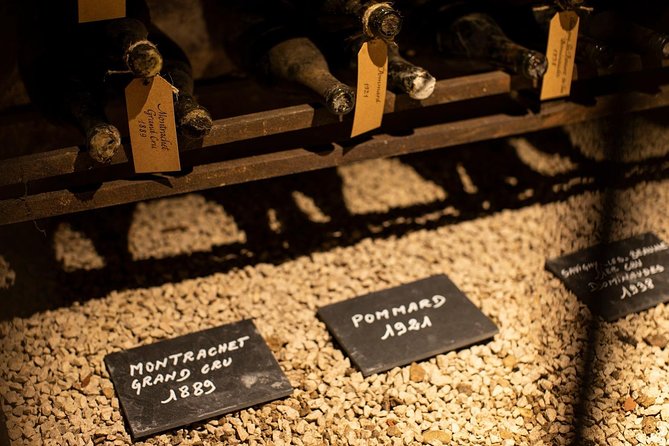
The tasting is included in the admission, and its quality is one of the strongest reasons to consider the visit. The available details do not list the exact number or names of wines poured, so you should not book expecting a guaranteed bottle or vintage.
Maison Champy is particularly known for wines such as Corton-Charlemagne, a Grand Cru associated with the Côte de Beaune. The estate also uses organic farming methods across a large part of its vineyards. That gives the guide useful material for explaining how vineyard work and the character of individual parcels affect the final wine.
The tasting is not just a reward at the end. It is where the earlier explanation becomes practical. You can compare what you have heard about Burgundy’s sites with what you smell and taste. A good guide can help you focus on differences in structure, freshness, weight, and finish without turning the session into a test.
The praise for the wines is strong, with particular approval for both the quality of the pours and the clarity of the explanations. Still, tastes are personal, and Burgundy’s higher-status wines do not automatically suit every palate. If you prefer bold, heavily oaked, or very fruit-forward wines, some Burgundy bottles may feel more restrained.
Same city, a completely different afternoon:
- Burgundy Grand Crus Route Day Tour – 14 Wines Tastings in Domains
★ 5.0 · 223 reviews - Beaune: Maison Champy Guided Cellar Tour with Wine Tasting
★ 4.7 · 213 reviews - Private excursion to Côte de Beaune and Côte de Nuits (full day)
★ 5.0 · 166 reviews - Skip the Line: Abbaye de Fontenay Admission Ticket
★ 4.5 · 117 reviews
Organic farming and the idea of terroir
A large part of Maison Champy’s vineyards is cultivated using organic farming methods. The stated goal is to preserve and enhance the exceptional terroir of its parcels. You should treat this as part of the producer’s approach, not as a promise that every wine in the tasting comes from an organic vineyard.
The word terroir can sound vague when it is left unexplained. Here, it gives the guide a chance to connect soil, vineyard location, farming, and wine style. That connection is especially helpful in Burgundy, where small differences among parcels carry great importance.
The 21 hectares owned by Maison Champy also put the tasting in context. You are not simply sampling a regional label with no connection to the land. The estate has its own vineyards along the Côte de Beaune, including highly regarded sites, and can explain how those parcels fit into its range.
If organic farming or sustainable wine production matters to you, ask for precise details about which parcels use those methods. The information provided confirms that a large part of the vineyards is organic, but it does not state that the entire estate is certified organic.
A small group makes a real difference
The maximum group size is eight people. That is one of the most practical advantages of this experience. In a small group, you have a better chance of hearing the guide clearly, asking about labels, and getting an answer suited to your level of wine knowledge.
Small groups also keep a cellar tour from feeling like a crowd moving between scripted points. The exact atmosphere depends on the day, but a group of eight or fewer should feel more personal than a large coach excursion.
A last-minute booking once resulted in a group of only four people, with Mathis offering patient help and detailed explanations. You cannot count on having a private or nearly private visit, but the group limit gives you a reasonable chance of a calm presentation.
The small size is also useful for couples, friends, and solo visitors who want a social activity without a large gathering. Families can participate if everyone is interested in wine and the cellar setting, although the supplied information does not provide a specific child policy.
How the 90-minute schedule fits a day in Beaune
At approximately one hour and 30 minutes, the tour is easy to fit between other sights in Beaune. It is long enough for a proper introduction, cellar visit, and tasting, but short enough to leave room for the Hospices de Beaune, lunch, or another appointment.
I like this length for a first visit to the city. You do not need to commit an entire afternoon to understand the basics of Maison Champy and Burgundy wine. It also makes the experience a reasonable choice if your schedule includes other tastings.
The tradeoff is depth. You will not cover every part of a 21-hectare estate, every classification in Burgundy, or the full range of production in 90 minutes. Anyone seeking a detailed vineyard walk, harvest experience, or technical winemaking course should look for a longer format.
The start time matters because the cancellation terms are strict close to departure. You can cancel for a full refund up to 24 hours before the local start time, but changes or cancellations made less than 24 hours in advance are not accepted for a refund. Plan this around your Beaune schedule rather than treating it as a loose drop-in activity.
Price, access, and who gets the best value
The listed price is $30.17 per person. The value is strongest if you want three things in one package: access to historic cellars, an English explanation of Burgundy wine, and a tasting from an established local producer.
You are also paying for context. A bottle tasting alone can leave you with pleasant impressions but little understanding of why the wines differ. Here, the cellar, estate history, architecture, vineyard information, and tasting are designed to support one another.
The price may feel less attractive if you already have extensive Burgundy knowledge or plan to visit several producers with tastings included. In that case, you may prefer to spend your limited time at a more specialized vineyard appointment. For a first or second wine visit in the region, however, the combination is fairly easy to justify.
Maison Champy is near public transportation, which helps if you are moving around Beaune without a car. A mobile ticket is provided, and confirmation is received when you book. The tour is offered in English, so it is a straightforward choice for English-speaking visitors who do not want to rely on a bilingual explanation.
Most people can participate, according to the supplied information. Specific accessibility details for the historic cellars are not provided, so anyone with mobility concerns should confirm conditions with Maison Champy before booking.
The historic details that add flavor
The references to Eiffel and Pasteur give this visit more character than a simple producer profile. The Eiffel School-inspired building connects Maison Champy to an important period of French engineering and design, while Pasteur adds a scientific thread to the story of wine and Burgundy.
The available details do not specify the exact Pasteur material covered by the guide, so I would not book this expecting a dedicated Pasteur exhibit. Still, the mention is a useful clue that the visit reaches beyond bottle descriptions.
This balance is part of the appeal. You can learn about a working wine estate while also seeing a protected historic property. For visitors who are not ready to spend a full day touring vineyards, Maison Champy offers a compact way to encounter several sides of Beaune’s wine culture.
Who should book Maison Champy
I would recommend this experience to you if you are new to Burgundy wine, want an English-language tour, or prefer a small group. It is also a good fit if you value old buildings and local history as much as tasting notes.
You should especially consider it at the start of a Beaune stay. The explanations about regional wine differences can help you make better sense of later bottles and menus. The 90-minute schedule also works well before or after other central Beaune sights.
I would be more cautious if you want a vineyard walk, a long cellar session, or exact details about the wines before booking. The tasting lineup is not specified, and the short format limits how technical the visit can become. Contact the provider if a particular vintage, appellation, or accessibility requirement is important to you.
Should you book this Beaune cellar visit?
Book it if you want an approachable introduction to Burgundy through a historic setting, with a small group and English guidance. Maison Champy offers more substance than a stand-alone tasting because the cellars, estate, architecture, vineyards, and wines all belong to the same story.
Skip it only if you already know Burgundy well and need a specialized or vineyard-based experience. For most first-time visitors to Beaune, the $30.17 price and 90-minute format make this a practical way to get oriented without surrendering half a day.
FAQ
Where does the experience take place?
The visit takes place at Maison Champy in Beaune, France.
How long does the tour last?
The experience lasts approximately one hour and 30 minutes.
What is the price?
The listed price is $30.17 per person.
Is the tour offered in English?
Yes. The experience is offered in English.
What will I visit at Maison Champy?
You will visit Maison Champy’s historic cellars, which date to the 15th century. The estate also includes a building inspired by the Eiffel School, and both the cellars and building are listed as Historic Monuments.
Is wine tasting included?
Yes. Admission to the experience includes the tasting.
How many people can join the tour?
The maximum group size is eight people.
Is Maison Champy near public transportation?
Yes. The property is near public transportation.
Can I cancel for a full refund?
Yes. You can cancel at least 24 hours before the experience’s local start time for a full refund. Cancellations or changes made less than 24 hours before the start time are not refunded or accepted.
Just listed in Beaune
- Full-Day Private Tour, 6 Premiers & Grands Crus, The Best of Burgundy★ 5.0 · 50 reviews
- Private Tasting in Beaune : The Best of Burgundy Wines★ 5.0 · 66 reviews
- Private Tasting in Beaune : The Best of Burgundy Wines★ 4.9 · 66 reviews
- Discovery of the world of Truffles and tasting★ 4.5 · 66 reviews
- Luxury Luxury Wine Tour Experience★ 5.0 · 69 reviews
- Private Wine Tasting Tour – Burgundy Uncorked!!★ 5.0 · 74 reviews
- Meursault: Tour of the Vineyards on Motorbike with Sidecar★ 4.9 · 74 reviews
- Visit-Tasting-Sale★ 5.0 · 87 reviews
Beaune Tours, compared.
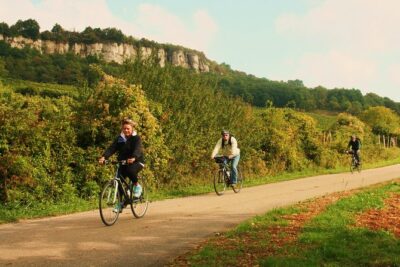
Burgundy Bike Tour with Wine Tasting from Beaune
Read our review →
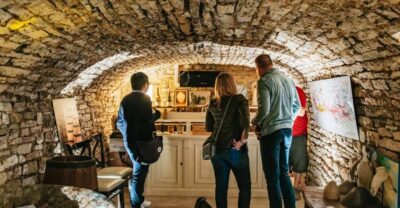
Burgundy Grand Crus Route Day Tour – 14 Wines Tastings in Domains
Read our review →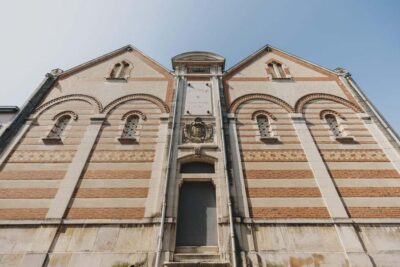
Maison Champy Guided Cellar Tour with Wine Tasting
Read our review →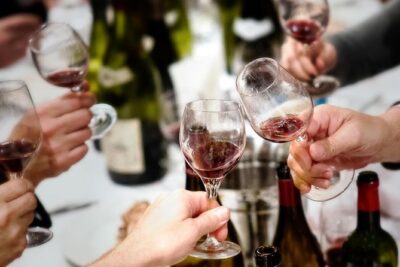
Private excursion to Côte de Beaune and Côte de Nuits (full day)
Read our review →
Skip the Line: Abbaye de Fontenay Admission Ticket
Read our review →
Browse the lists this tour appears in