
Reviewed · BAYEUX TOURS
Découverte Bénédictine
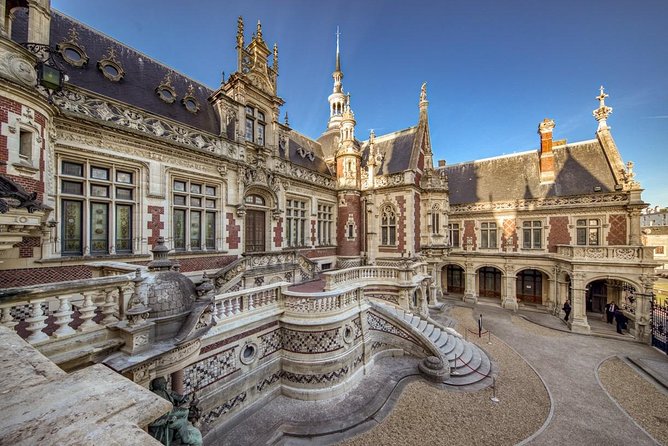
The most unusual part of this Fécamp visit is the building itself. Palais de la Bénédictine looks like a Gothic and Renaissance fantasy, yet it was created to celebrate a liqueur. I like the mix of art and production, and I like that you first explore the museum at your own pace before joining a guided tour of the distillery and cellars.
The tasting in the Winter Garden is a pleasant finish, especially after seeing the old copper stills and learning how 27 herbs and spices shape the drink. The main drawback is that some information depends on the leaflet or QR material, and one visitor found the digital system unreliable and the visit too expensive. At $12, the value is good if you care about architecture, local products, and a short indoor attraction, but less compelling if you only want a quick drink.
Key points at a glance
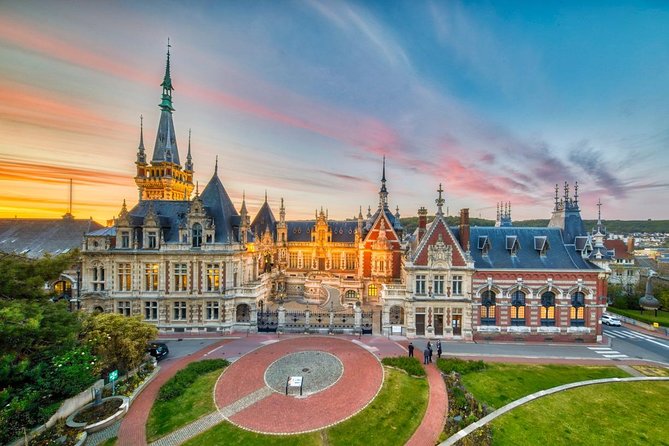
- A fairy-tale palace in Fécamp: Tall campaniles, spires, and elaborate stonework make the building part of the attraction.
- Two different visits in one: Browse sacred and ancient art independently, then join a guided tour of the distillery and cellars.
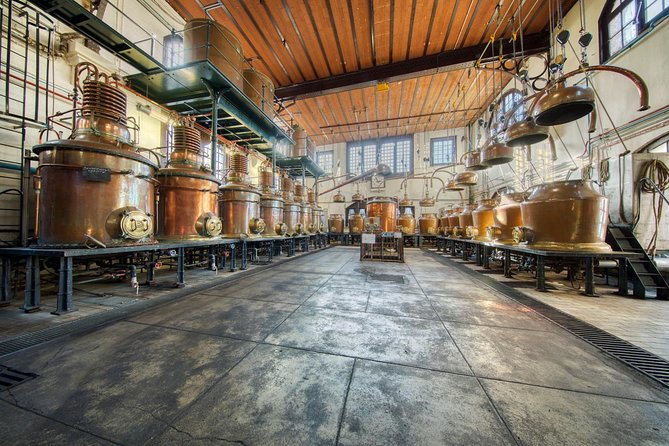
- The only Bénédictine distillery in the world: See hammered copper stills dating from the 19th century.
- A tasting in La Verrière: Finish with Bénédictine liqueur in the picturesque Winter Garden, for adults over 18 only.
- A short, affordable stop: The visit lasts about 1 hour 30 minutes and costs $12, with a mobile ticket.
- A useful language choice: Self-guided leaflets are available in French, English, Italian, Dutch, Spanish, Russian, and German.
Why the Palais Bénédictine is worth your time
Fécamp is known for its coastal setting and maritime past, but the town also gave its name to one of France’s most distinctive liqueurs. The Palais de la Bénédictine tells that story in an unusual way. It is part museum, part working distillery, part grand late-19th-century showpiece.
I like attractions that explain a local product without reducing the visit to a shop and a sample. Here, you get the architecture, the objects, the production rooms, and the drink itself. The experience is compact enough to fit into a day in Fécamp, yet there is enough variety to keep it from feeling like a simple brand presentation.
The $12 price is modest for a 90-minute visit with admission, a guided distillery tour, and a liqueur tasting. You still need to arrange your own transport and meals, so think of this as a focused attraction rather than a full-day excursion. It works particularly well as a rainy-day stop or as a change of pace from outdoor sightseeing in Normandy.
A few other Bayeux half-days to compare
- Normandy American D-Day Beaches Full Day Tour from Bayeux
★ 5.0 · 2,103 reviews - Normandy American D-Day Experience – Group tour from Bayeux
★ 5.0 · 1,566 reviews - Normandy Beaches Half-Day Afternoon Trip from Bayeux (A2)
★ 4.5 · 1,116 reviews
Entering a Gothic and Renaissance fantasy
The first thing you notice is not a bottle or a still. It is the palace. Alexandre Le Grand, a wine merchant from Fécamp, commissioned the building at the end of the 19th century after finding an old Bénédictine recipe in an abbey library.
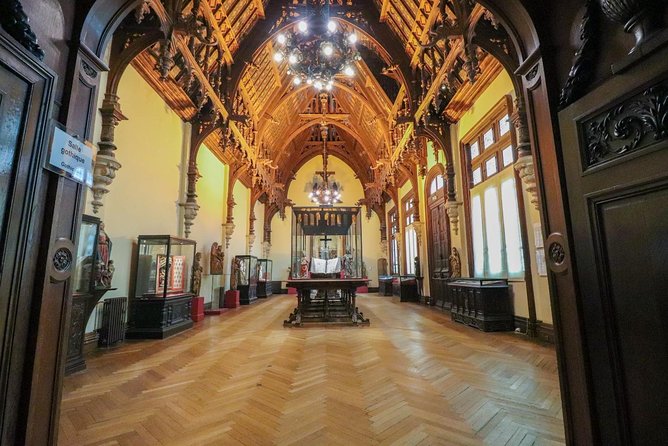
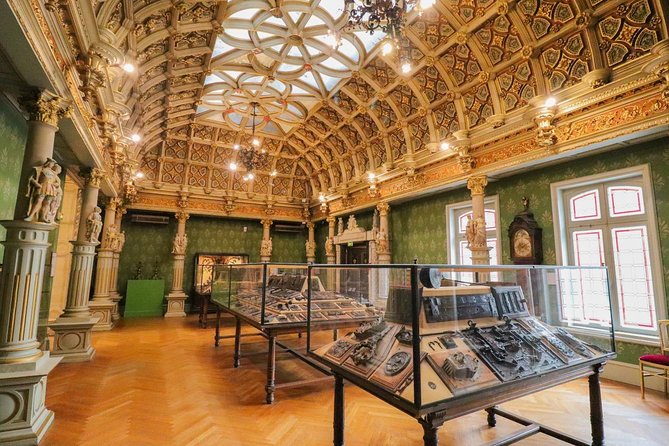
The architecture draws from Gothic and Renaissance ideas. Campaniles, spires, ornate stonework, and an almost theatrical profile give the building a storybook quality. It was designed to honor the liqueur, so the setting is deliberately grand. You are not walking into an anonymous factory with a few display cases attached.
That contrast is one of the visit’s pleasures. The palace feels ceremonial, while the distillery section is practical and industrial. The two sides of the experience explain why Bénédictine has both a legend and a manufacturing tradition.
Give yourself a few minutes outside before going in. The exterior is easy to rush past if you are thinking only about the scheduled tour, but it helps set the tone for everything inside.
The museum’s sacred art and old books
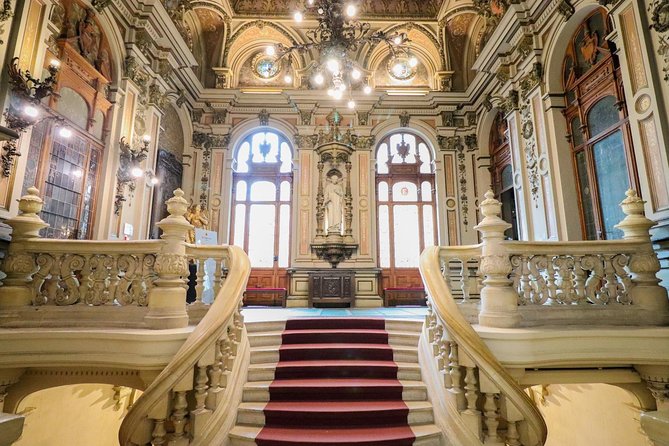
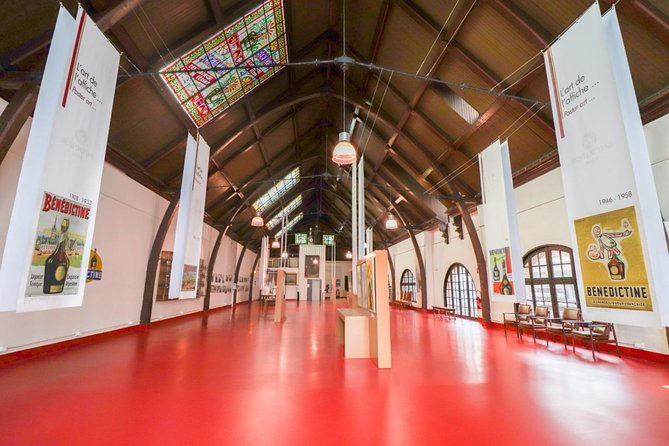
Your visit begins with a self-guided museum section. You can use the printed leaflet available in seven languages: French, English, Italian, Dutch, Spanish, Russian, and German. This is helpful because the first part is not described by a guide at every stop.
The collections include sacred and ancient art linked to Benedictine heritage. Look for gilded chalices and illuminated books, which give the museum a strong religious character. These pieces connect the product to the monastic world that forms the basis of its origin story.
There is also a room devoted to the industrial history of Bénédictine. That shift from religious art to commercial production is important. It shows how the liqueur moved from an old monastic legend into a modern business while keeping its Benedictine identity.
I would not expect a large national museum. The collection is compact, and the museum is best enjoyed as part of the palace visit rather than as a separate art destination. Still, the objects add real substance to the experience. If you only came for the tasting, you would miss the material that explains why the bottle carries such an elaborate story.
From Dom Bernardo Vincelli to Alexandre Le Grand
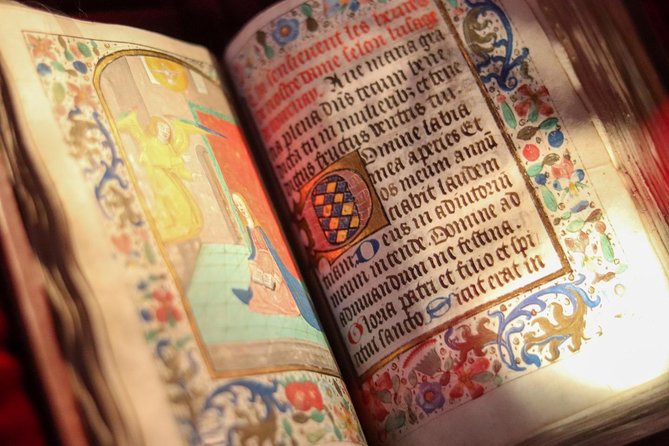
The central tale begins with Dom Bernardo Vincelli, a Benedictine monk from Venice. He is said to have created a healthful elixir in 1510 using 27 herbs and spices from around the world.
The wording matters here. The account is presented as a traditional origin story, with a recipe found in an old grimoire. In the 19th century, Alexandre Le Grand reportedly discovered that recipe in an abbey library and began producing the liqueur.
That link between a 16th-century monk and a 19th-century entrepreneur gives the visit its narrative shape. You start with manuscripts and religious objects, then move toward production and commerce. The palace itself becomes part of Alexandre Le Grand’s effort to give the drink a memorable home.
You will hear about ingredients sourced from around the world, but this is not a cooking class or a botanical workshop. The value lies in understanding the drink’s blend of legend, branding, and traditional methods. If you enjoy the backstory behind regional food and drink, this section earns its place in the visit.
Same city, a completely different afternoon:
- Omaha and Band Of Brothers Full Day Tour
★ 5.0 · 1,104 reviews - Omaha Beach D-Day Experience – Afternoon group tour from Bayeux
★ 5.0 · 1,088 reviews - Omaha and Utah beaches
★ 5.0 · 1,085 reviews - Normandy Battlefields Tour – American Sites (A3)
★ 5.0 · 876 reviews
The guided distillery tour and 19th-century stills
After the museum, the guided portion takes you into the distillery and cellars. This is the part that gives the visit its strongest sense of place. The Palais Bénédictine is described as the only Bénédictine distillery in the world, so you are seeing the production site tied directly to the product’s name.
The old hammered copper stills date from the 19th century. Their appearance is a highlight, especially after the polished palace rooms and museum displays. The guide explains how Bénédictine is made, how its ingredients are sourced, and how traditional cellaring methods remain part of the story.
The guided format matters here. Machinery and cellar spaces can be hard to understand from labels alone. A guide can connect the stills to the drink in your glass and explain why the distillery is not just a historic display.
The group can reach up to 48 people. That is a moderate-sized group, not a private tour, so do not expect an intimate conversation at every point. The guided visit is still likely to be the clearest way to understand the production process, particularly if you have little prior knowledge of liqueur making.
One caution: the supplied information does not name individual guides or promise a specific tour language. The printed museum leaflet covers several languages, but the guided portion may not provide the same language choice at every departure. If language is important to you, confirm the arrangement before booking.
Cellars, storage, and the practical side of the drink
The cellars provide a useful counterpoint to the palace’s decoration. Here, the focus shifts to storage and traditional techniques. You get a better sense that Bénédictine is not only a historic recipe and a distinctive bottle. It is also a product that depends on a controlled production and cellaring process.
The visit does not appear to offer a hands-on blending session, and you should not expect to handle the ingredients. Instead, the guide explains the methods while you view the equipment and cellar areas.
That is enough for a 90-minute experience. The tour gives you a clear overview without asking you to commit half a day to one drink. I would pair it with a separate visit around Fécamp rather than make it the sole reason for a long journey.
Tasting Bénédictine in La Verrière
The final stage takes place in La Verrière, the Winter Garden. This is a more relaxed setting than the distillery, and it gives the visit a proper ending. You can taste Bénédictine and take in the palace surroundings before heading to the shop.
The tasting is available only to adults over 18. Alcohol products can also be sold only to adults over 18. Children may attend when accompanied by an adult, but they will not take part in the liqueur tasting.
The tasting is included in the admission price, which improves the value of the visit. You are not paying $12 and then facing another charge for the main sample. The Winter Garden also has a café where you can purchase pastries and drinks, though lunch is not included.
I like this arrangement because you can stop at the café only if you want more time. The tasting itself completes the main visit, while the café gives you an optional pause. Do not confuse the included tasting with a full food pairing or cocktail class. The information provided promises a liqueur tasting, not a meal or a broader drinks workshop.
The palace shop and special bottles
The retail shop is worth allowing a few minutes for, even if you do not plan to buy a bottle. It carries Bénédictine products, unique bottlings, and souvenirs that may not be easy to find elsewhere.
This is also where the visit’s commercial side becomes most visible. That is not necessarily a problem. The palace was built to promote the liqueur, and the shop fits the attraction’s purpose. Still, if you dislike brand-focused attractions, you may find the retail finish a little heavy.
For a practical souvenir, the shop gives you a chance to buy something directly connected to Fécamp. You can also leave without purchasing anything. The ticket price does not require you to spend more inside.
Timing, tickets, and how to plan the visit
The full experience lasts about 1 hour 30 minutes. Morning and afternoon departure choices make it easy to fit into a larger Normandy schedule. Start at 110 Rue Alexandre le Grand in Fécamp, and the activity ends back at the same meeting point.
A mobile ticket is accepted. Confirmation is provided when you book, so keep the ticket ready on your phone. One practical warning comes from a reported problem with QR access and weak Wi-Fi inside the old building. I would save the ticket before arrival and carry the confirmation in a form you can access without a live connection.
Last admission is one hour before closing. The exact opening hours are not supplied here, so check the operating schedule for your date before setting out. Arriving too late could mean missing the final available entry even if the palace is still open.
Transport is not included. The palace is near public transportation, but you must make your own way to Fécamp. Lunch is also not included, although the Winter Garden café sells pastries and drinks.
The building has a lift for disabled people, and service animals are allowed. Most people can take part. Children must be accompanied by an adult, and only adults over 18 can taste or purchase alcohol.
Who will get the most from this visit
I would recommend the Palais Bénédictine to you if you enjoy one or more of these:
- Historic buildings with an unusual purpose
- Regional food and drink traditions
- Small museums with religious art
- Industrial heritage and old machinery
- Short indoor attractions that fit around a larger itinerary
- Tastings connected to the place where a product is made
It is also a good choice for a mixed-interest group. One person can focus on the architecture, another on the art, and another on the distillery. The visit offers more variety than its short length suggests.
You may want to skip it if your main goal is a long tasting, a meal, or a detailed technical lesson about herbs and distillation. The visit is introductory. It tells the story, shows the equipment, and provides a sample, but it does not promise an advanced spirits course.
The language issue deserves attention. The self-guided materials are broadly available, but the guided tour may not match every language listed for the leaflet. If you do not understand French, check this point before committing. One very negative experience specifically described the visit as being only in French and found the QR system frustrating, so this is the clearest practical risk to address.
Is the $12 admission good value?
At $12, I see this as a fair-priced attraction. You receive entry to the palace and museum, a guided distillery visit, access to the cellars, and a Bénédictine tasting. The architecture alone gives the ticket some weight, while the production areas make it more than a decorative house tour.
The value is strongest when you plan to use the whole 90 minutes. Take time with the museum, listen during the distillery section, and finish in the Winter Garden. If you rush straight to the tasting, the ticket may feel less worthwhile.
The price is less attractive if you have no interest in the drink or in historic production methods. The palace is dedicated to Bénédictine, so the product is always central. This is not a general museum with a small liqueur exhibit.
Free cancellation is available if you cancel at least 24 hours before the start time. Cancellations made within 24 hours are not refunded, and late changes are not accepted. That policy is reasonable, but it means you should not book a fixed time casually if your Normandy plans are uncertain.
Should you book the Palais Bénédictine?
I would book this visit if you are already in Fécamp or are building a Normandy route around distinctive local places. The palace is memorable, the story is unusual, and the tasting gives the experience a clear finish. For $12, it is a useful short stop with enough substance to justify the time.
Before booking, confirm the date and guided-tour language, save your mobile ticket offline, and remember that the tasting is for adults over 18 only. If those details work for you, the Palais Bénédictine offers a good look at how a local product, an old monastic recipe, and an extravagant building became part of the same Fécamp story.
FAQ
How long does the Palais Bénédictine visit last?
The experience lasts approximately 1 hour 30 minutes. It includes time to explore the museum, a guided distillery and cellar visit, and a Bénédictine tasting.
What is included in the ticket?
The ticket includes a self-guided tour leaflet, a guided tour of the distillery, and a tasting of Bénédictine liqueur.
Is the tasting available to children?
No. The tasting is available only to adults over 18. Children must be accompanied by an adult during the visit.
Where does the activity start and end?
The visit starts at 110 Rue Alexandre le Grand, 76400 Fécamp, France. It ends back at the same meeting point.
Are materials available in languages other than French?
Yes. Self-guided leaflets are available in French, English, Italian, Dutch, Spanish, Russian, and German. The available language for the guided distillery tour is not specified.
Can I cancel for a full refund?
Yes, if you cancel at least 24 hours before the experience start time. Cancellations or changes made within 24 hours are not accepted, and the amount paid is not refunded.
Just listed in Bayeux
- WW2 Jeep or Dodge truck tour of the Omaha Beach site★ 5.0 · 51 reviews
- Private Tour of American Sites with an Expert Guide from DDAY★ 5.0 · 51 reviews
- Mont Saint Michel Full Day Tour from Bayeux★ 5.0 · 52 reviews
- Private Day Tour including Normandy Landing Beaches & Battlefields from Caen★ 5.0 · 53 reviews
- Bayeux: Band Of Brothers Full-Day Tour★ 4.9 · 53 reviews
- From Bayeux: D-Day American Beaches and US Airborne Day Tour★ 4.8 · 56 reviews
- Le Havre Shore Excursion: Private Day Tour with Omaha Beach & American Cemetery★ 5.0 · 57 reviews
- From Bayeux: 2-hour private sidecar tour in Normandy★ 5.0 · 58 reviews
Bayeux Tours, compared.
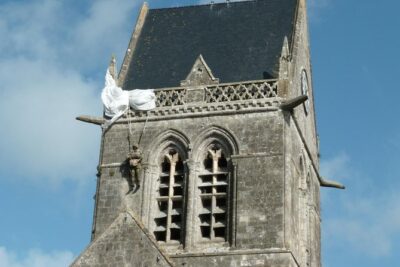
Normandy American D-Day Beaches Full Day Tour from Bayeux
Read our review →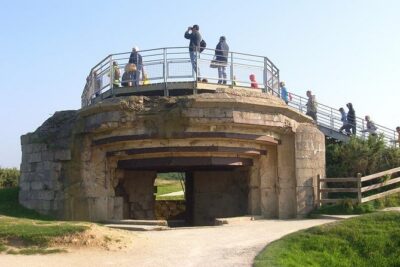
Normandy American D-Day Experience – Group tour from Bayeux
Read our review →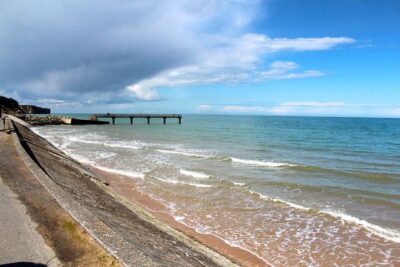
Normandy Beaches Half-Day Afternoon Trip from Bayeux (A2)
Read our review →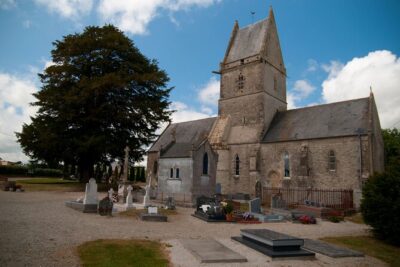
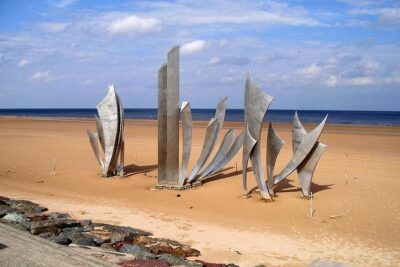
Omaha Beach D-Day Experience – Afternoon group tour from Bayeux
Read our review →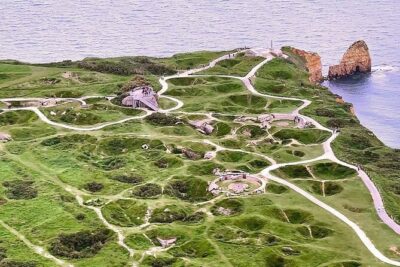
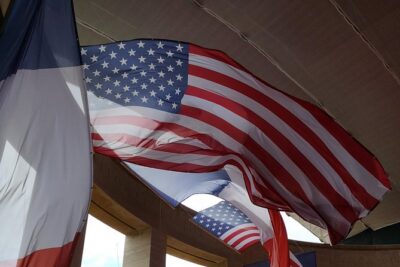
Normandy Battlefields Tour – American Sites (A3)
Read our review →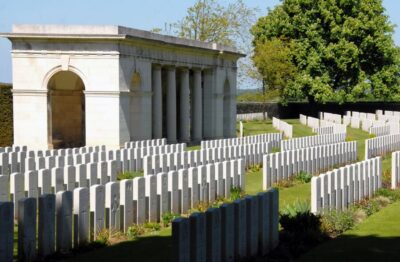
American D-Day Sites in Normandy Half-Day Tour
Read our review →Browse the lists this tour appears in