
Reviewed · PARIS TOURS
Fragonard Paris: Mini Perfume Workshop
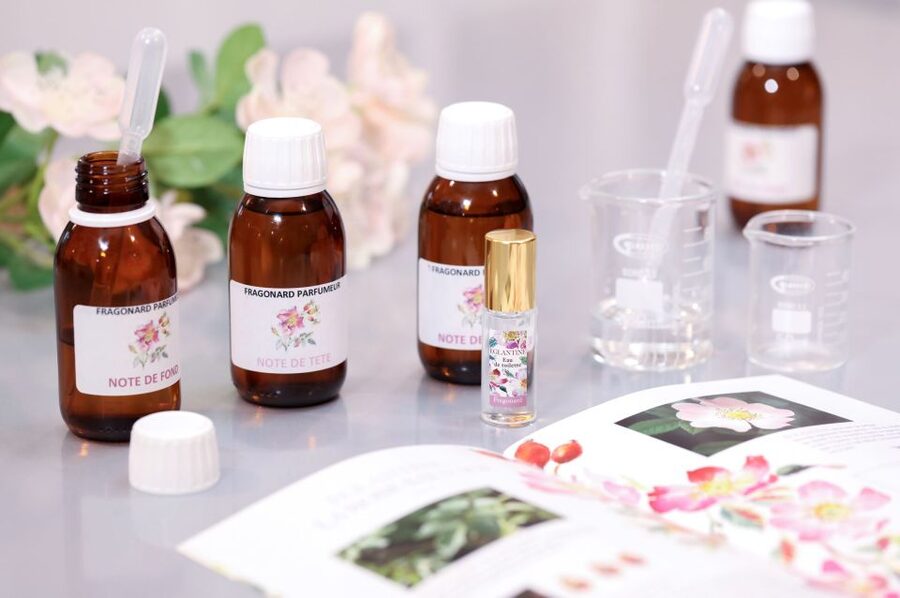
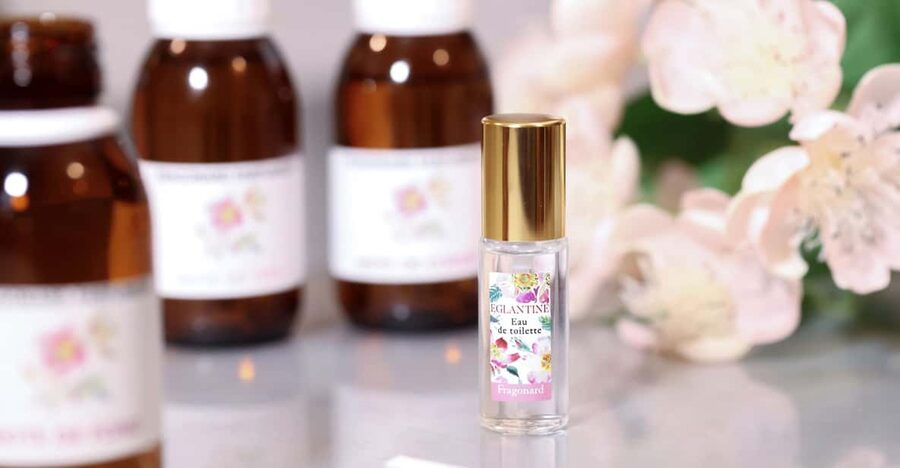
Perfume becomes much more interesting when you stop treating it as a mysterious bottle on a department-store shelf. At Fragonard, you learn how top, heart, and base notes work, then mix the three prepared components of the current Flower of the Year eau de toilette into a 12 ml spray bottle of your own.
I like the balance here: the museum gives the activity cultural weight, while the workshop keeps you involved. I also like the small groups, limited to 10 people, and the clear guidance from English-speaking instructors such as Yoko, Naomi, Sofia, and Eleanora. The main drawback is time. The hands-on portion lasts about 20 minutes, and some people find the full 45-minute visit a little brisk.
Key points to know

- A perfume you make yourself: Blend a top note, heart note, and base note, then take home your own 12 ml eau de toilette.
- A museum beside the Opéra Garnier: See historic perfume bottles and fragrant objects in an old private mansion.
- A short, focused format: The full visit lasts 45 minutes, with about 20 minutes devoted to making the scent.
- A small English-speaking group: The group is capped at 10 participants, which gives you room to ask questions.
- A good family activity: Children from age 8 can join when accompanied by a paying adult.
- One set fragrance formula: You customize the Flower of the Year blend, rather than choosing from several perfume styles.
A hands-on introduction to French perfume
The Fragonard Mini Perfume Workshop gives you more than a quick mixing game. It explains the basic structure used by perfumers, then lets you see how small changes in proportion affect the finished scent.
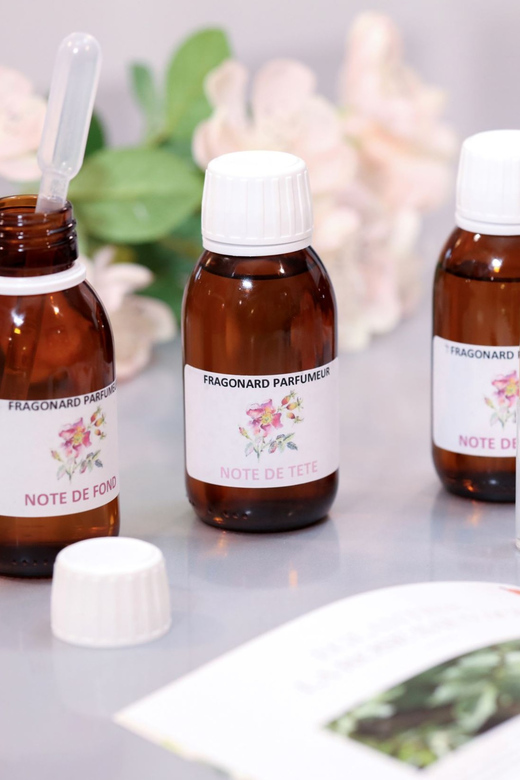
Your instructor introduces the olfactory pyramid. The top note is the first impression, the heart note forms the main character, and the base note lasts beneath the others. You work with three pre-composed notes selected for Fragonard’s Flower of the Year eau de toilette.
This is not a professional perfumer’s laboratory, and you are not starting with dozens of raw materials. That limitation is useful. You do not lose time choosing from an overwhelming menu of ingredients. Instead, you learn one clear formula and adjust it to your taste.
The process also gives you a small lesson in sensory memory. You smell each prepared component, compare the differences, and decide how much of each belongs in your bottle. Two people using the same three notes can produce noticeably different results because the proportions change.
That makes the souvenir personal. You are not simply buying a Fragonard product from the shop. You are taking home a scent you helped shape.
A few other Paris half-days to compare
- Paris Cooking Class and Lunch with Wine plus Market Visit Option
★ 5.0 · 1,024 reviews - Paris Croissant Small-Group Baking Class with a Chef
★ 5.0 · 910 reviews - Paris: Macaron Class at Galeries Lafayette
★ 4.3 · 905 reviews
Inside the Fragonard Perfume Museum
The museum is located right next to the Opéra Garnier, in an old private mansion with a Second Empire setting. That setting matters. The rooms give the perfume lesson a sense of place, rather than making it feel like a standard retail demonstration.
The collection traces perfume across roughly three thousand years. You see old fragrance bottles, fragrant objects, raw materials, and tools linked to the trade. The displays also touch on the perfumery tradition of Grasse and ingredients that are no longer commonly used.
The museum’s bottles are one of its strongest features. The collection reaches from objects associated with ancient Egypt to artistic pieces connected with Fabergé. These containers reveal how perfume has been tied to status, fashion, ceremony, and personal grooming across different periods.
A second part of the museum shows older artistic objects and examples of goldsmithing. This adds variety to the visit, though it also means the museum is not solely a technical display about scent production. You are looking at perfume as a cultural object, an art form, and a sign of changing social habits.
The museum portion can feel fast. Some guides give a lively overview in a short time, while others allow more room for questions. If you are especially interested in the bottles, plan to look again before or after the workshop if the schedule permits. One visitor found the first pass too quick and returned to study the exhibits more closely.
How the 45-minute visit unfolds
The experience begins at the Fragonard Perfume Museum. The exact order of the museum tour and workshop can vary, so be ready for either sequence.
The guided museum visit provides the background. You learn where perfume came from, how it developed, and how objects such as bottles and containers fit into daily life and ceremony. The guide also explains the role of ingredients and the work involved in building a fragrance.
The workshop itself lasts about 20 minutes. This is the most active part of the visit. Your instructor presents the three prepared notes and explains their place in the perfume pyramid. You then smell the components and blend them under guidance.
The pace is deliberate but quick. That can work well if you want a compact activity between major Paris sights. It can feel rushed if you want to experiment slowly or discuss every scent at length.
Once you settle on your blend, it goes into a 12 ml spray bottle. You leave with a finished eau de toilette rather than a sample strip or a small vial that disappears in your luggage.
Many sessions finish with additional fragrance testing in the shop area. The guide may explain scent families such as citrus, floral, sweet, fresh, and oriental, then help you compare different perfumes. This final section is useful because it teaches you how to smell with more purpose. Instead of simply asking if you like a perfume, you begin to notice its broad character and the way it changes.
The shop also sells other Fragonard products, and discounts may be available when buying additional bottles. There is no obligation to buy more, but the sampling session can make the retail area more appealing than you expected.
What the Flower of the Year formula means for you
The workshop is built around Fragonard’s Flower of the Year eau de toilette. You combine three pre-composed notes, one for each level of the olfactory pyramid.
This gives you a controlled introduction to blending. You are not learning how to extract oils or create a formula from raw flowers. You are learning the practical effect of balance.
The top note gives the opening impression. The heart note shapes the central scent, and the base note helps the perfume remain present after the first burst fades. Adding more from one bottle changes the result, even though the ingredients themselves stay the same.
That makes the workshop especially good for people who think they do not understand perfume. You do not need a trained nose. You simply compare, make a choice, and notice what happens when the blend changes.
One limitation is worth noting: you do not choose an entirely different perfume style. If you strongly prefer a citrus scent, a deep oriental scent, or a very light floral, the Flower of the Year formula may not match your ideal. You are customizing an existing fragrance rather than inventing any scent you can imagine.
For many people, that is a benefit. If choice paralysis usually takes over in perfume shops, three prepared notes make the decision manageable.
Same city, a completely different afternoon:
- Paris: Louvre Museum Timed-Entrance Ticket
★ 4.6 · 71,977 reviews - Disneyland® Paris 1-Day Ticket
★ 4.6 · 49,412 reviews - Paris: Versailles Palace and Gardens Full Access Ticket
★ 4.6 · 41,579 reviews - Paris: Evening River Cruise with Music
★ 4.4 · 22,721 reviews
The guide makes the difference
This workshop depends heavily on the instructor. The strongest sessions are lively, clear, and willing to answer questions without turning the lesson into a lecture.
Guides named Yoko, Naomi, Eleanora, Sofia, and Paco have led sessions described as warm, funny, and easy to follow. The important quality is not a particular script. It is the ability to explain perfume in plain language while keeping the group moving.
You can expect the guide to explain the history of perfume, the three parts of the pyramid, the ingredients used in the blend, and the broad families used to describe scents. The guide also helps you decide how to balance your bottle.
The group limit of 10 people helps here. It is small enough for personal help during the mixing stage, but not so private that the activity feels overly formal. Families and couples can compare their finished scents, and everyone can see how different choices produce different results.
English is the stated language of the tour. If you need a highly technical lesson in perfume chemistry, this is not that. If you want an accessible cultural introduction with a practical activity, the level is well judged.
Is $36 a fair Paris price?
At $36 per person, the value comes from combining three parts: a guided museum visit, a perfume-making lesson, and a take-home bottle.
A museum visit alone can be passive. A workshop alone can feel thin if it lasts only a few minutes. Here, the two parts support each other. The museum explains why perfume matters, and the workshop lets you apply the basic idea.
The 12 ml bottle is small, but it is a real spray bottle and a useful keepsake. You also receive a personal blend rather than a standard souvenir that thousands of people take home.
The price looks strongest for families, friends, and couples who want an activity they can discuss together. It is also a sensible choice on a rainy morning or during a break from churches, department stores, and major art museums. Several parents found the format engaging for school-age children and teenagers.
The value is less clear if you already know perfume well or want an advanced formulation class. You will work with only three prepared notes and spend less than an hour on site. The attraction is the mix of history, simple instruction, and a personal souvenir, not professional-level training.
Who should book this activity?
I would recommend it to first-time Paris visitors who want something connected to French culture without booking a full-day excursion. The museum is close to the Opéra Garnier, so it fits neatly into a day around the Opera district.
It works especially well for families. Children must be at least 8 years old and remain under the responsibility of a paying adult, but the smelling and mixing give younger participants something concrete to do. Teenagers may also prefer this active format to another formal museum tour.
It suits perfume fans, naturally, but you do not need a large fragrance collection or any prior experience. The instructor guides you through the process, and the three-note structure keeps the task simple.
It is also a good choice for anyone looking for a less obvious Paris memory. You still get French history and craftsmanship, but the souvenir is made through your own decisions.
You may want to skip it if you dislike scented spaces, have a strong sensitivity to fragrance, or need step-free access. The activity is not suitable for wheelchair users, and pets are not allowed.
Practical advice before you go
Allow yourself to arrive at the Fragonard Perfume Museum with enough time to find the meeting point. The activity is short, and arriving late can cut into the workshop, where every minute counts.
Do not wear a strong perfume of your own if you can avoid it. Your nose will work better when it is not already occupied by another scent. This is simple advice, but it makes a real difference during the comparison stage.
Pay attention to the difference between the three notes rather than trying to choose a favorite immediately. The goal is to understand how they cooperate. A note that smells plain by itself may be important in the finished blend.
Take a moment to write down or remember your preferred balance if the guide provides that information. Your bottle is only 12 ml, so the scent may become a pleasant reminder of Paris rather quickly.
If you want to buy more afterward, use the guided sampling to compare products carefully. The shop can be tempting, but you do not need to purchase anything beyond the bottle included in the activity.
The booking terms are flexible: you can cancel up to 24 hours before the start for a full refund, and you can reserve now and pay later. Starting times vary, so check availability for your date.
Should you book the Fragonard Mini Perfume Workshop?
Book it if you want a short, friendly Paris activity that combines a museum, a lesson, and a take-home souvenir. The most praised qualities are the guides, the clear explanation of perfume structure, and the fun of making a scent that differs from everyone else’s.
Keep your expectations sensible. This is a guided introduction, not a long professional perfume course. The museum tour may move quickly, and the fixed Flower of the Year formula limits your creative choices.
For $36, the combination is strong. I would choose it for families with children over 8, couples, and anyone who wants to understand perfume before shopping for it. If you prefer a slow museum visit or advanced scent design, spend your time elsewhere. For a compact and distinctly French stop near the Opéra Garnier, it is an easy one to recommend.
FAQ
Where does the Fragonard Mini Perfume Workshop take place?
The meeting point is the Fragonard Perfume Museum in Paris, located next to the Opéra Garnier in the Île-de-France region.
How long does the activity last?
The complete experience lasts 45 minutes. The perfume-making workshop itself takes about 20 minutes, with the remaining time used for the museum and related explanations.
What do I make during the workshop?
You blend a top note, heart note, and base note from three pre-composed components of Fragonard’s Flower of the Year eau de toilette.
What do I take home?
You take home a 12 ml bottle of your own eau de toilette in a spray container.
Is the workshop taught in English?
Yes. The activity includes an English-speaking live guide.
How large is the group?
The workshop is offered in a small group limited to 10 participants.
Can children participate?
Yes. Children from age 8 are accepted when accompanied and supervised by a paying adult.
Is the activity suitable for wheelchair users?
No. The experience is listed as not suitable for wheelchair users.
Can I cancel my booking?
Yes. You can cancel up to 24 hours in advance for a full refund. You can also reserve and pay later to keep your plans flexible.
Just listed in Paris
- Chartres Cathedral 5 Hours Tour from Paris with Private Transport★ 4.5 · 49 reviews
- Paris: Giverny & Versailles Small Group or Private Tour★ 4.5 · 49 reviews
- Paris: Louvre photoshoot or Seine bridges Eiffel Tower walk★ 5.0 · 49 reviews
- Private tour of the Champagne area, meet local producers and taste their Champagne, start from your hotel in Paris.★ 5.0 · 50 reviews
- Paris: Choux Pastry and Chocolate Éclair Making Class★ 4.9 · 50 reviews
- Paris Eternelle Notre-Dame Virtual Reality Tour★ 4.5 · 50 reviews
- Normandy D-Day Landing Beaches Private Day Trip from Paris★ 5.0 · 50 reviews
- Disneyland® Paris 1 Day with Round-Trip Train Tickets from Paris★ 4.0 · 50 reviews
Paris Tours, compared.
Versailles Palace and Gardens Full Access Ticket
Read our review →

Eiffel Tower Entry Ticket with Optional Summit Access
Read our review →
Louvre Guided Tour with Reserved Access & Boat Cruise
Read our review →
Moulin Rouge Cabaret Show Ticket with Champagne
Read our review →Browse the lists this tour appears in