
Reviewed · AVIGNON TOURS
From Avignon: Wine Tour with Visit to Châteauneuf du Pape
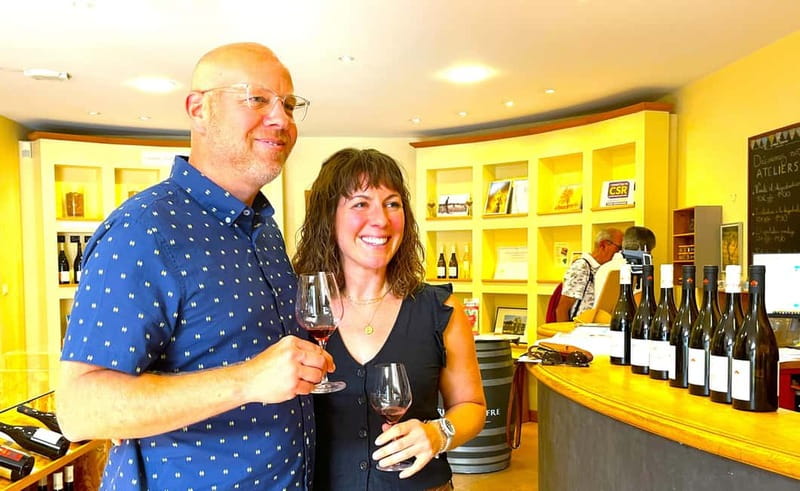
The best part of this Avignon wine tour is its variety. In one outing, you taste sweet Muscat in Beaumes-de-Venise, powerful reds in Gigondas, and the famous wines of Châteauneuf-du-Pape. Guide Arnaud adds the useful local context that turns a string of tastings into a clear picture of the Southern Rhône.
I like the small maximum of six people, which gives the day a friendly, almost private feel. I also like the picnic of village produce, including goat cheese, tapenade, eggs, fruit, and grape juice. The main consideration is the vehicle: it can feel cramped with a full group, and the Châteauneuf tasting may feature younger wines rather than the finest bottles from the estate.
Key points to know before booking
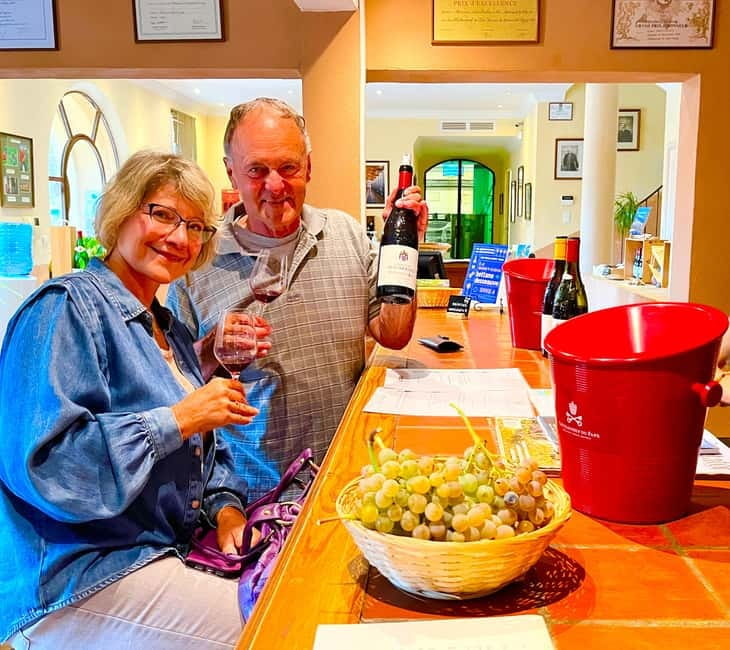
- Three appellations in one outing: Compare Beaumes-de-Venise, Gigondas, and Châteauneuf-du-Pape in a single trip from Avignon.
- At least nine wines: You taste a minimum of three wines at each of three wineries.
- A genuinely small group: The black Ventourisme car carries no more than six participants.
- A local picnic in warmer months: Morning tours from April through October include fresh food sourced from nearby farms and villages.
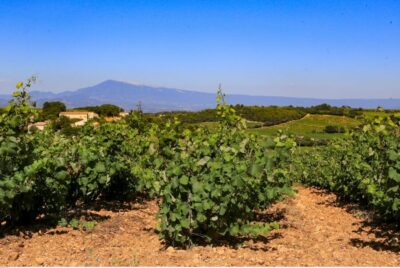
- A guide who explains the countryside: Arnaud points out how the Dentelles de Montmirail, the Mistral, altitude, and soil affect the vines.
- Different schedules by season: The full picnic version runs in the morning from April to October, while winter tours are shorter and do not include food.
Why this Southern Rhône wine tour works
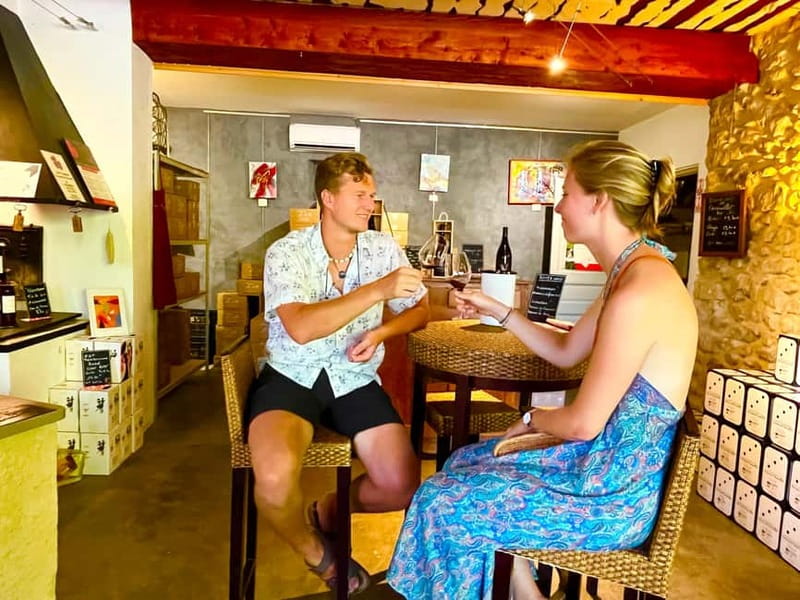
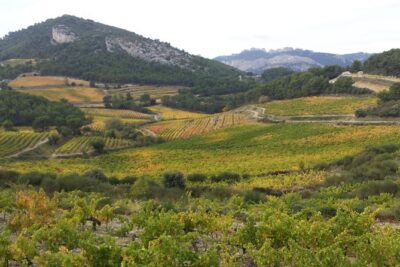
Many wine outings from Avignon rush you into one famous appellation, offer a few pours, and return you to town. This one gives you a useful comparison across three nearby but distinct wine areas. You are not simply collecting tasting rooms. You are learning why wines made a short drive apart can taste so different.
Arnaud is the key to that comparison. He drives from Avignon through vineyard country, explaining the shape of the land and the conditions that help each region produce its wines. His English is described as excellent, and he also guides in French. He is happy to answer questions, explain French pronunciation, and adjust the pace when the group wants more information.
I especially like the connections he has with the small wineries. The visits are not presented as a conveyor belt of large commercial stops. You may meet people working in family-run domains, see traditional cellars, and receive explanations from staff who know the wines well. At one stop, the group was taken into the barrel storage area, an extra touch that depends on the visit and the interests of the group.
The tour costs about $93 per person. That is a fair price for pickup and return in Avignon, transportation, three winery visits, at least nine tastings, and a picnic on the seasonal morning departure. You would spend time and money arranging transport between these appellations yourself, and driving after wine tasting is not a sensible plan. The value is strongest if you want a guided introduction rather than a formal wine course.
More wine tastings in Avignon:
- Chateauneuf du Pape wine tour
★ 5.0 · 484 reviews - From Avignon: Châteauneuf du Pape Half-Day Wine Tour
★ 4.7 · 365 reviews - Afternoon Wine Tour to Chateauneuf du Pape from Avignon
★ 4.5 · 176 reviews
The schedule matters more than the headline duration
The published duration can appear as 3 hours to 330 minutes, but the actual schedule depends on the season and departure time. Read the time options carefully when you book.
From April through October, the morning tour begins at 9:30 a.m. and usually returns around 3:30 p.m. This is the fullest version, with three wineries, at least nine wines, and a picnic. It is best if you want a relaxed day in the countryside and like the idea of making lunch part of the outing.
The afternoon version runs all year, generally from 2 p.m. to about 6:30 p.m. It visits the same three areas in reverse order: Châteauneuf-du-Pape, Gigondas, then Beaumes-de-Venise. There is no picnic, so eat beforehand or plan dinner afterward.
From November through March, the morning departure runs from about 9:30 a.m. to 12:30 p.m. It visits two estates, in Gigondas or Beaumes-de-Venise, followed by Châteauneuf-du-Pape. This shorter winter format may suit you if wine is one part of a busy Avignon itinerary, but it offers less time and fewer stops than the warmer-season morning tour.
The meeting point is in front of Hôtel Le Bristol in Avignon. Look for a black car marked Ventourisme on the sides. If you are staying outside Avignon itself, contact the operator before booking because another pickup point may be possible.
Beaumes-de-Venise and the sweet Muscat tradition
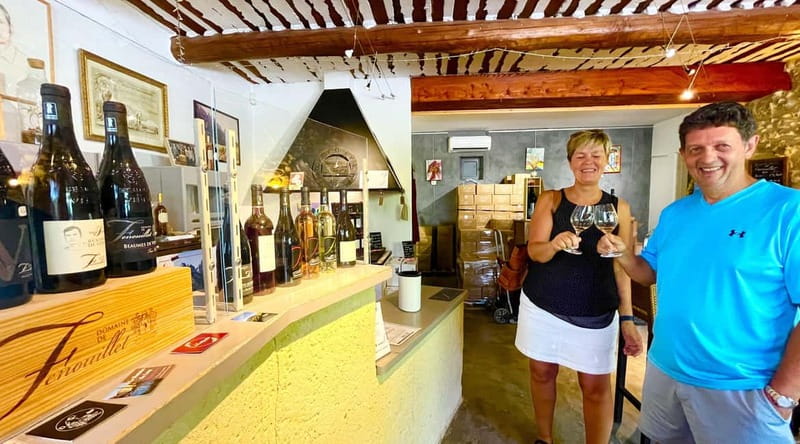
Beaumes-de-Venise sits on the southern side of the Dentelles de Montmirail, a group of three pointed mountain ridges. The ridges protect the vineyards from some of the wind and create a warmer setting than nearby wine areas.
The appellation is best known for Muscat de Beaumes-de-Venise, a naturally sweet wine that has held AOC status since 1943. This is not just a dessert wine. You can drink it as an aperitif or pair it with blue cheese, charcuterie, or dessert. The tour gives you a chance to understand how one area can make a sweet wine with a clear regional identity rather than treating sweetness as an afterthought.
Beaumes-de-Venise also produces red wine under its own AOC, established in 2005. Producers may use up to 10 percent white grapes in the blend. The local soils include limestone, sandstone, sand, and clay, and Arnaud explains how those materials affect the vines.
The Beaumes stop can be particularly rewarding for anyone who wants something beyond the usual Southern Rhône red. You might taste Muscat in several forms, including wine, grape juice, or fresh grapes if the picnic includes them. That sort of comparison makes the region easier to remember.
Gigondas, the windy home of Rhône reds
Gigondas lies on the northern side of the Dentelles de Montmirail. Here the Mistral can blow for roughly 150 days a year. It is a cold wind, but it pushes away clouds and dries the vines, helping winemakers limit disease.
The vineyards also sit higher, from about 100 to 600 meters above sea level. That change in altitude, along with the wind, gives you a useful contrast with warmer, more protected Beaumes-de-Venise. Gigondas is famous for red wines, with rosé also permitted under the appellation rules since 1971.
White wine is a very recent addition to the Gigondas AOC, joining in 2023. That makes this stop especially interesting if you want to see a traditional wine area still changing. Do not expect every tasting to focus on white wine, though. Red remains the central style here.
Gigondas is usually the picnic stop on the warm-season morning tour. The food is more substantial than a few packaged snacks, but you should think of it as a generous country picnic rather than a restaurant lunch. The selections can include boiled eggs, bread, goat cheese, black olive tapenade, sweet pepper tapenade, anchovies, seasonal fruit, clementines, and grape juice.
Arnaud sources much of the food from farms and villages near where he lives, and some produce may come from his own garden. That gives the break a strong local feel. You are tasting the area in another form, not just opening a sandwich bought in Avignon.
The picnic is also a practical pause between tastings. Wine tours can become tiring when every stop means standing, listening, and sipping. Sitting under the trees near the vineyards gives you time to talk with the group and enjoy the setting.
A few other Avignon half-days to compare
- Provence Highlights Full-Day Tour from Avignon
★ 5.0 · 499 reviews - From Avignon: Full-Day Best of Provence Tour
★ 4.7 · 338 reviews - From Avignon: Half-Day Great Vineyards Tour
★ 4.7 · 321 reviews - Provence Cru Wine Small-Group Half-Day Tour from Avignon
★ 4.5 · 290 reviews
Châteauneuf-du-Pape, the famous final reference point
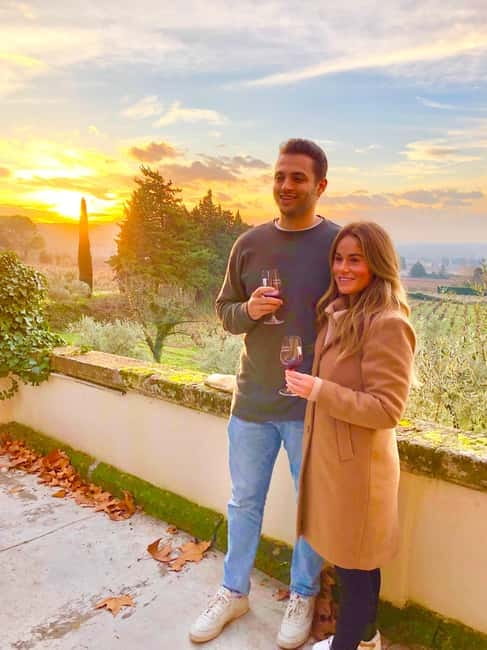
Châteauneuf-du-Pape is the Southern Rhône name most people recognize, and the tour uses it as an important reference point. It was the first AOC in France, established in 1936, and its wines are sold around the world.
Red wine accounts for about 92 percent of production, while white wine makes up the remaining 8 percent. The area is famous for its large river stones, which cover parts of the vineyards. Clay, sand, sandstone, and limestone also contribute to the soil.
Those stones are not just a picturesque feature for photographs. They absorb heat during the day and release it later, helping the vines ripen in the warm Rhône climate. The resulting wines are generally full and powerful, and well-kept bottles can age for 20 to 30 years in a cellar.
You will taste at least one Châteauneuf-du-Pape wine at the third winery. The quality and style can vary by producer, and this is one place to keep your expectations sensible. A tasting does not guarantee the most expensive or mature bottle in the cellar. One visitor found the Châteauneuf samples younger and less appealing than the wines served at the earlier stops.
That is not necessarily a flaw in the tour. It is a useful reminder that an appellation name alone does not tell you exactly what you will like. If you already know Châteauneuf-du-Pape, ask Arnaud about the producer, vintage, and drinking window. If you are new to the region, the tasting lets you compare the famous name with Gigondas and Beaumes-de-Venise rather than judging it in isolation.
If the group shows interest, Arnaud may add a short stop at the castle in Châteauneuf-du-Pape. This is not presented as a guaranteed part of the route, so treat it as a possible bonus rather than a promised sightseeing visit.
What the small group changes
The group limit is six people, traveling in the Ventourisme car. That number matters. Wine tasting is more enjoyable when you can ask questions without calling across a crowded minibus, and small groups often allow more direct contact with the winery staff.
Arnaud also appears to adapt to the group. If people want to discuss a wine, ask about local villages, or stop for a view, the schedule may run longer than the basic estimate. That flexibility is a strength, but it means you should not plan a tightly timed activity immediately after returning to Avignon.
The tradeoff is space. The car may feel cramped, especially with five or six adults. Large bags, oversize luggage, and walking frames are not allowed in the vehicle. Leave your suitcase at your accommodation, and do not treat this as a transfer service to or from another city.
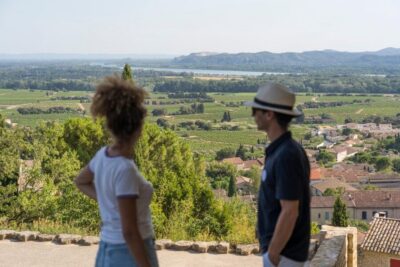
The drive itself is part of the outing. You get views of vineyards, mountain ridges, and villages, with Arnaud explaining what you are seeing. Bring a phone or camera if you enjoy taking pictures, but remember that this is primarily a wine and countryside tour, not a dedicated walking excursion.
How much wine will you actually taste?
The warm-season three-winery tour includes at least nine wines, with a minimum of three at each estate. That is enough to show differences within an appellation, not just differences between regions.
You should pace yourself. Tastings are designed for sampling, and you do not need to finish every pour. Eat something before the afternoon departure, and use the picnic on the morning tour as a chance to slow down. Water is a sensible addition to your day, although the supplied information does not specify whether bottled water is provided.
The visits are educational without requiring advanced wine knowledge. Arnaud can explain grape styles, soil, wind, altitude, and production without assuming you already know French wine terms. I would recommend keeping a quick note of the wines you like, since nine or more samples can blur together by the final stop.
There is also no pressure to buy. You can purchase bottles as personal souvenirs, but purchases are not included in the price and are your responsibility to transport.
Who will get the most from this tour?
I would choose this outing if you are staying in Avignon and want to see the vineyards without renting a car. It suits casual drinkers as well as serious Rhône wine fans because the day works at two levels: you can simply enjoy the tasting, or ask detailed questions about soil, weather, aging, and appellation rules.
It is also a good choice for people who prefer small producers and personal contact over grand visitor centers. The family-run wineries may feel more intimate, and Arnaud’s local relationships help make the visits feel less generic.
The tour is less suitable if you want a slow, luxury wine day with a large vehicle and long time at one estate. Three appellations and at least nine wines create variety, but they also mean a fair amount of driving and a steady pace.
Pregnant people and those with heart problems are specifically advised not to take the tour. The operator may cancel in poor weather, and walking frames or luggage cannot go in the car. Free cancellation is available up to 24 hours before departure, and the reserve-now, pay-later option can help if your plans are still shifting.
Should you book the Ventourisme wine tour?
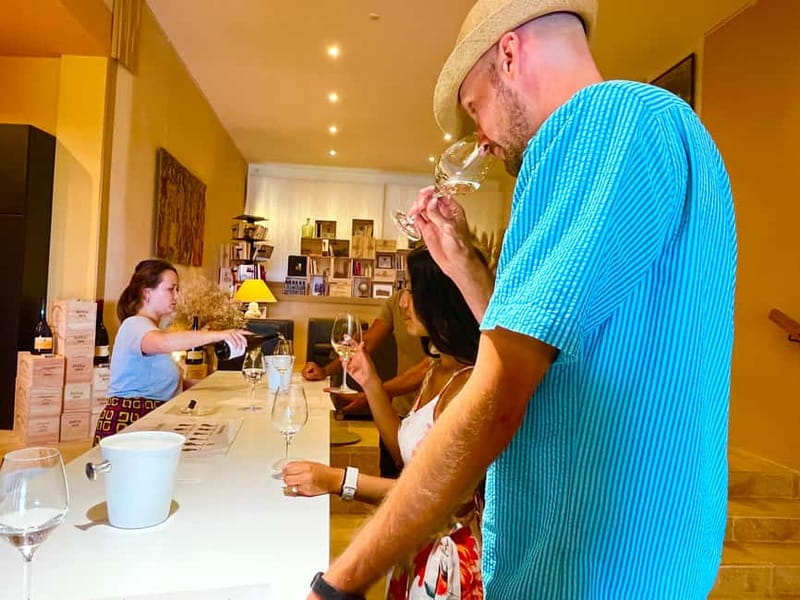
Book it if you want a practical introduction to the Southern Rhône from Avignon, especially from April through October when the morning trip includes the local picnic. The combination of three appellations, nine or more tastings, countryside views, and a maximum of six people gives you strong value at $93.
I would choose the morning departure for the fullest experience and the afternoon departure only if your schedule demands it. If you are visiting between November and March, understand that the shorter route includes two estates before Châteauneuf-du-Pape and no food.
The one thing I would confirm before paying is the exact seasonal schedule and pickup arrangement. Then bring curiosity, a camera, and enough room in your luggage for a bottle or two. If you want to understand why Beaumes-de-Venise, Gigondas, and Châteauneuf-du-Pape taste different, this is a well-focused way to do it.
FAQ
Where does the tour meet in Avignon?
The meeting point is in front of Hôtel Le Bristol in Avignon. The Ventourisme vehicle is black and has Ventourisme written on its sides.
Does the tour include hotel pickup?
Pickup and drop-off in Avignon are included. If you are staying outside Avignon, contact the operator because another pickup point may be possible.
How many wineries do you visit?
The main April through October morning tour visits three wineries, one each in Beaumes-de-Venise, Gigondas, and Châteauneuf-du-Pape. The all-year afternoon tour also visits three wineries.
How many wines are included?
The tour includes at least three different wines at each of three wineries, for a minimum of nine wines on the full three-winery tour.
Is the picnic included?
A picnic is included only on the morning tour from April through October. It is not included on the afternoon tour or on the winter morning tour from November through March.
What food is served at the picnic?
The picnic uses fresh products from local farms and villages. Items can include eggs, bread, goat cheese, black olive tapenade, sweet pepper tapenade, seasonal fruit, fruit juice, and other local produce.
What happens on the winter morning tour?
From November through March, the morning tour runs from about 9:30 a.m. to 12:30 p.m. It visits two estates in Gigondas or Beaumes-de-Venise, followed by Châteauneuf-du-Pape, and does not include a picnic.
What languages does the guide speak?
The live guide speaks French and English.
How large is the group?
The tour is limited to six participants. Transportation is provided in the Ventourisme car.
Can I bring luggage or a walking frame?
No. Oversize luggage, large bags, and walking frames are not allowed in the car.
Just listed in Avignon
- Arles and Camargue Full-Day Tour including Aigues Mortes★ 4.5 · 55 reviews
- Truffle Hunting in Provence★ 5.0 · 55 reviews
- Half Day Great Vineyard Tour from Avignon★ 4.5 · 57 reviews
- Morning Wine Tour to Chateauneuf du Pape from Avignon★ 4.5 · 70 reviews
- Camargue Small-Group Day Trip from Avignon★ 5.0 · 71 reviews
- From Avignon: Luberon Villages Day Tour★ 5.0 · 79 reviews
- From Avignon: Half Day Lavender Tour to Sault★ 4.6 · 83 reviews
- Avignon: Full-Day Wine Tour around Châteauneuf-du-Pape★ 4.9 · 83 reviews
Avignon Tours, compared.
Provence Highlights Full-Day Tour from Avignon
Read our review →
Provence Cru Wine Small-Group Half-Day Tour from Avignon
Read our review →
Châteauneuf du Pape Wine Day Tasting Tour including Lunch from Avignon
Read our review →
Pont du Gard, Saint Remy and Les Baux Half-Day Tour
Read our review →Browse the lists this tour appears in