
Reviewed · GIVERNY TOURS
Giverny: Monet’s House and Gardens Guided Tour
Monet’s garden is not just a pretty place to stroll. It is the working idea behind some of his most famous paintings, and this tour helps you see the connection between flowers, water, light, and color. The guide leads you first through the water garden, with its lilies and Japanese bridge, then into the Clos Normand and Monet’s former home.
I like the small group of up to 10 because you can ask questions without shouting across a crowd. I also like the skip-the-line entry, which matters when the entrance queue is long. The main consideration is price: at $69 per person, this is more costly than entering on your own, and one visitor found the tour a little expensive.
Key points
- See Monet’s water garden first: The lilies and Japanese bridge inspired many of his best-known works.
- Learn from a guide who connects art and plants: Brigitte is especially praised for explaining Monet’s use of light, color, and flower combinations.
- Save time at the entrance: Your guide carries the prepaid tickets and uses a separate entry route.
- Keep the group personal: The tour is limited to 10 participants and runs in one language at a time.
- Allow time afterward: You can remain at the site for your own walk and visit the large gift shop before leaving.
- Choose your season carefully: The gardens are open from early spring through the first days of November, with different flowers appearing as the months pass.
Why Monet’s Garden Is Worth a Guided Visit
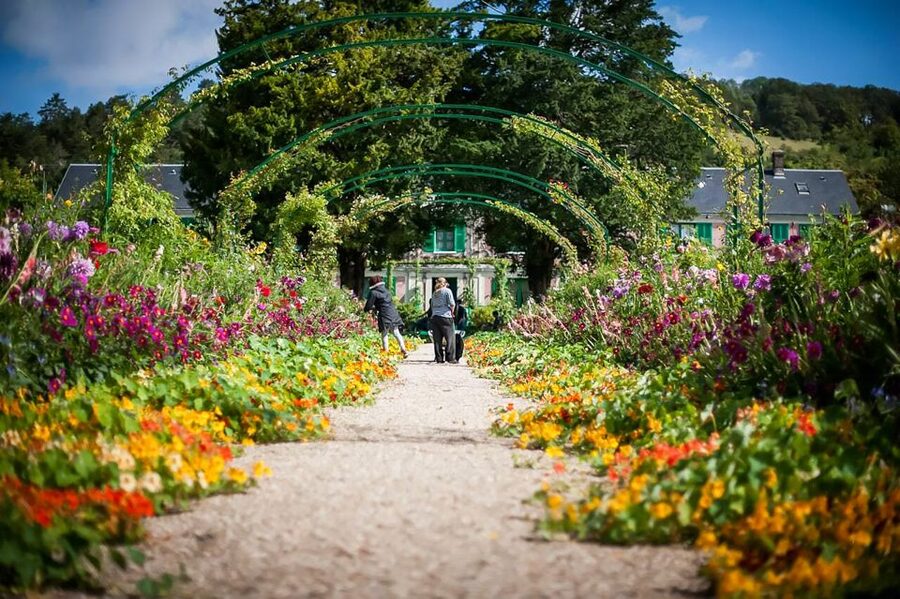
Giverny is one of those places where a guide can change what you see. On your own, you will notice the flowers, the water, the house, and the famous bridge. With a good guide, you begin to notice how Monet arranged all of it.
The garden was not simply a pleasant retreat beside a country house. It was closely tied to his painting. The beds, paths, ponds, and changing colors gave him subjects to study again and again. A guide can point out how the garden worked as both a home and an artistic project.
This two-hour visit gives you that context without turning the morning into a lecture. The strongest guides, especially Brigitte, explain Monet’s life, family, friendships, painting style, and gardening choices in a way that stays connected to what you are seeing.
You will hear about the plants themselves, too. That matters here. Monet selected and arranged flowers with an artist’s eye, paying attention to color combinations and the changing effect of light. The garden makes more sense when you understand that he was not merely waiting for inspiration. He was shaping the view.
A few other France half-days to compare
- Paris: Louvre Guided Tour with Reserved Access & Boat Cruise
★ 4.3 · 16,353 reviews - Louvre Museum Masterpieces Guided Tour with Access
★ 4.5 · 12,023 reviews - Louvre Museum – Exclusive Guided Tour (Entry Included)
★ 5.0 · 6,296 reviews
Meeting at Les Nymphéas Café
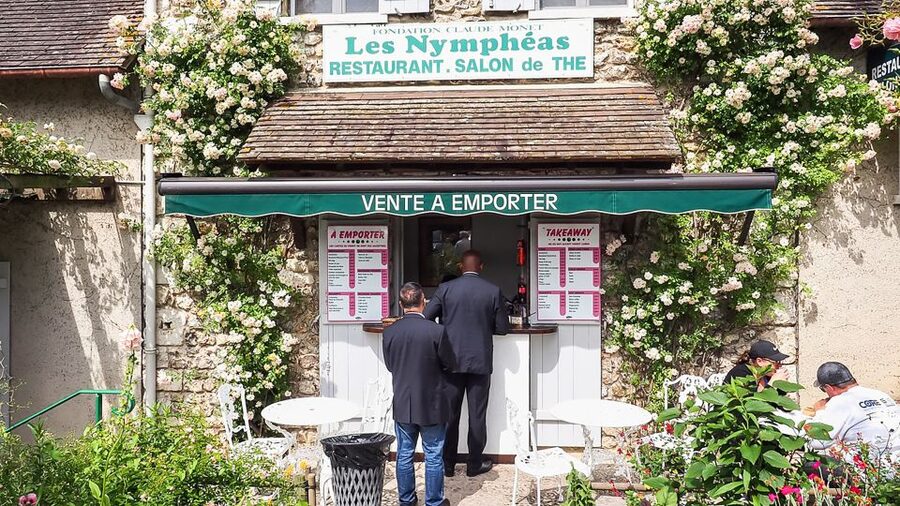
The meeting point is outside Les Nymphéas café and restaurant, the closest meeting spot to Monet’s house. Look for a guide with a blue badge and a green folder marked written guided tour.
This detail is important because the café is near the entrance, but the area can still be confusing when many people are arriving at once. Your guide has the prepaid tickets and takes the group to the appropriate entrance. Arrive with enough time to identify the guide before the scheduled start.
The separate entrance is one of the practical strengths of this experience. Giverny can draw a large number of visitors, and the regular line may be substantial. One April visit was especially grateful for this benefit after seeing the entrance queue. If your time in Normandy is limited, saving that waiting time can make the $69 fee easier to justify.
The tour is offered in French or English, with each departure conducted in one language only. Check the language and start time when booking rather than assuming a bilingual tour.
The Water Garden and Japanese Bridge
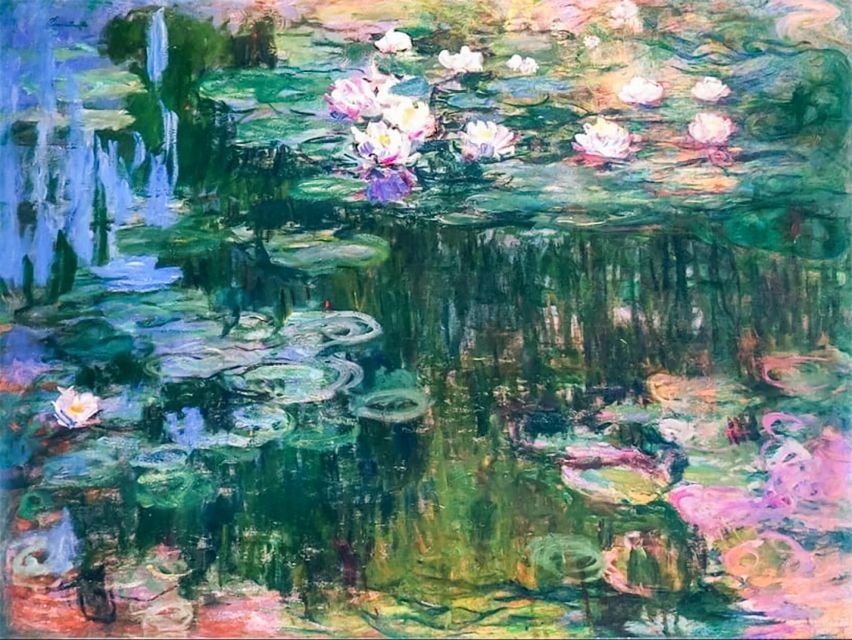
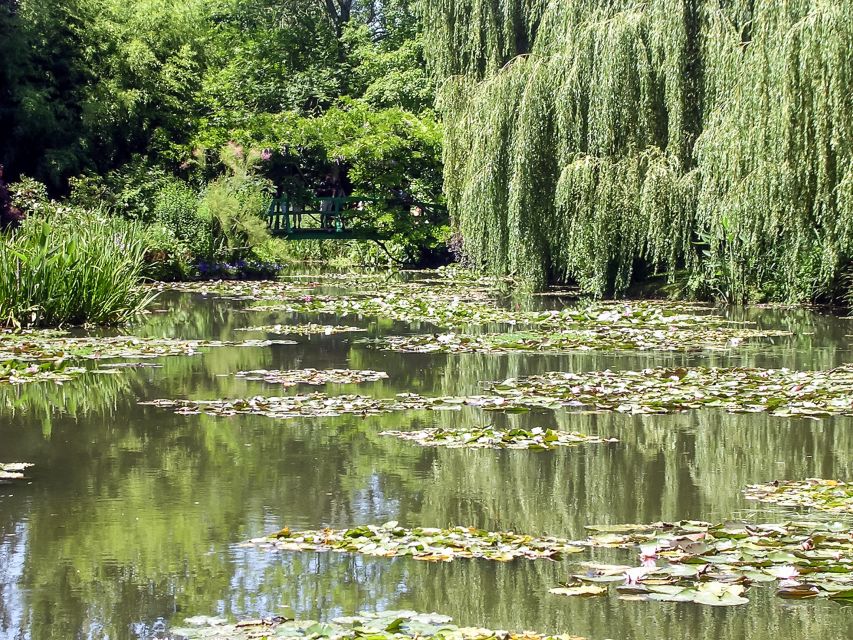
The visit begins in Monet’s water garden, the most instantly recognizable part of the property. You will see the pond, water lilies, and Japanese bridge that became central subjects in his paintings.
This is a good first stop because it gives you the clearest link between the real place and the art. The bridge is not simply a photo stop. Its shape, reflections, greenery, and position above the pond helped Monet explore how a scene changes with weather and light.
Your guide can help you compare the actual view with Monet’s paintings. The point is not to find one exact painting hidden in the garden. Monet often altered what he saw, selected details, and returned to the same subjects under different conditions.
The water garden also benefits from a slower pace. You will want time to look across the pond, watch the reflections, and take photographs. The group is kept moving, but the schedule allows photo opportunities and questions.
One practical note: this area can be busy. A guide who knows how to position a small group can help you see the important features without spending the entire visit behind another group. Several visitors valued the way Brigitte guided the group around larger clusters of people.
Clos Normand: Flowers as a Painter’s Palette
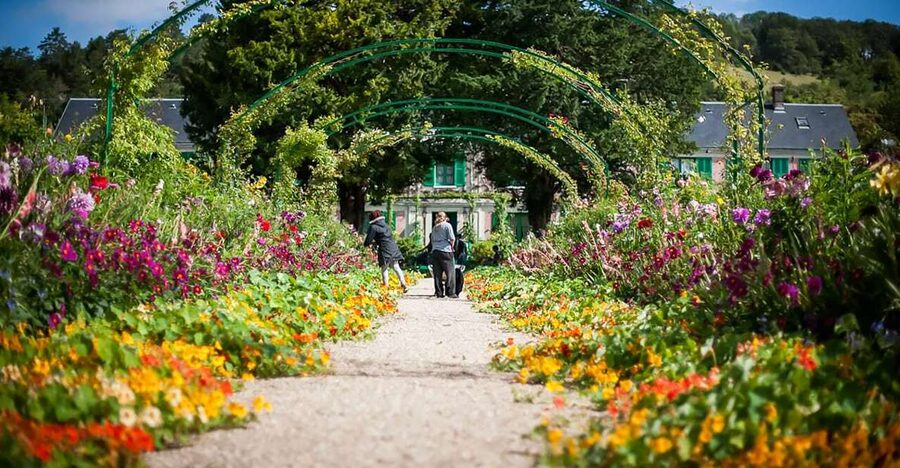
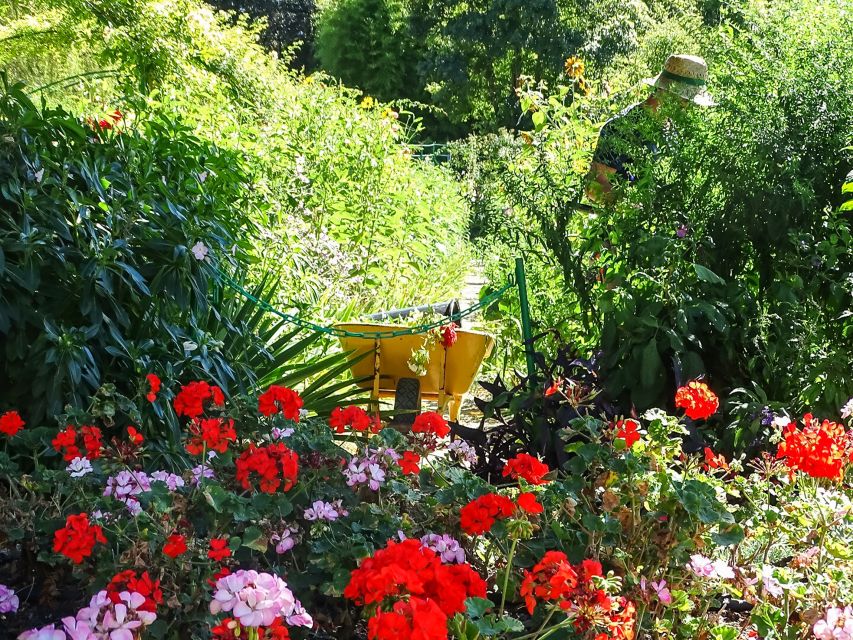
From the water garden, the tour continues to the Clos Normand, the flower garden near the house. Here, the guide points out different plants and explains how the beds were arranged.
This is where the botanical side of the tour becomes especially useful. You do not need to know flower names to enjoy Giverny, but identifying the plants gives the garden more shape. Instead of seeing one mass of color, you begin to notice the choices of height, texture, season, and tone.
Brigitte is often praised for combining botanical detail with art history. She explains how Monet used flowers and color relationships in the garden, including the effect of complementary colors. That connection helps you understand why the garden feels composed rather than random.
The season will affect what you see. From early spring through early November, the garden changes continually. A spring visit may offer a different arrangement of flowers from a late-summer or autumn visit. The supplied information does not promise one exact set of blooms, so it is best to choose your dates for the overall garden experience rather than a single plant.
The Clos Normand is also a good place to ask questions. The small group makes it easier to discuss Monet’s gardening methods, his painting process, or the history of the house without interrupting a large crowd.
Same city, a completely different afternoon:
- Paris: Louvre Museum Timed-Entrance Ticket
★ 4.6 · 71,977 reviews - Disneyland® Paris 1-Day Ticket
★ 4.6 · 49,412 reviews - Paris: Versailles Palace and Gardens Full Access Ticket
★ 4.6 · 41,579 reviews - Paris: Evening River Cruise with Music
★ 4.4 · 22,721 reviews
Monet’s House and Family Life
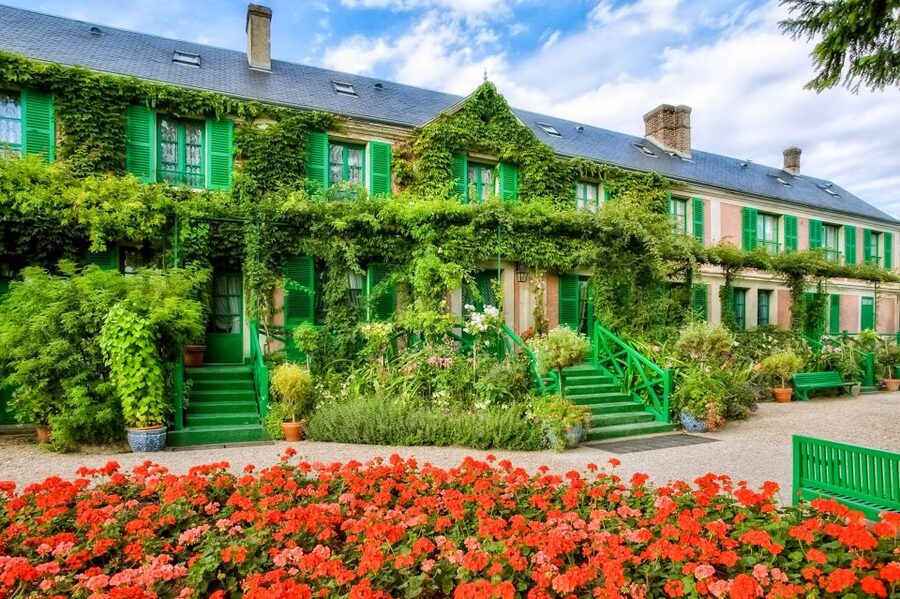
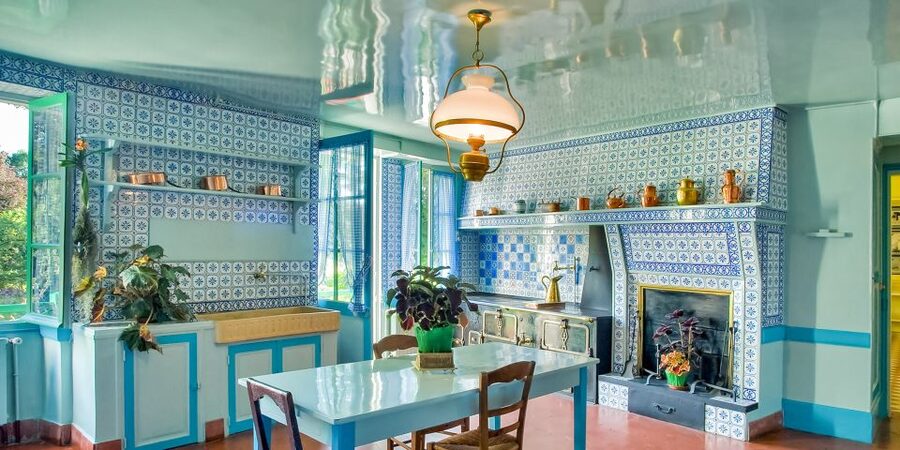
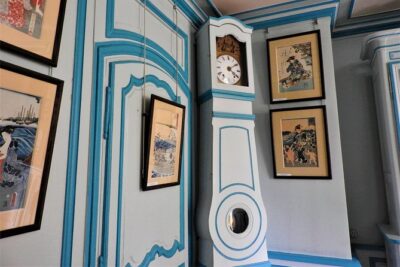
The tour includes Monet’s house, where you get a different view of the artist. The gardens show his public artistic image, while the rooms and family spaces bring attention to his everyday life.
Your guide discusses Monet’s family, his life in Giverny, and his relationships with artistic friends in Paris. This personal material keeps the visit from becoming a simple parade of famous paintings. You begin to picture the household behind the garden, including the fact that Monet lived here with a large family.
The house is described as beautiful and authentic, but it is not a separate museum experience with unlimited time in each room. You are part of a guided route, and the group continues through the property. If you prefer to linger over every room, you may want to use the free time after the tour for another look where permitted.
The strongest part of the house visit is the way it completes the story. Monet’s art is often discussed in terms of impressionist technique, but Giverny shows the habits and surroundings that shaped his work. His garden was part of his daily life, not just a backdrop for an occasional painting.
Brigitte’s Guiding Style
The clearest pattern in the feedback is the praise for Brigitte. She is described as warm, funny, patient, and highly informed about Monet, painting, gardening, and the plants at Giverny.
She also appears to adjust her approach to the group. Some visits included questions about art and color theory. Others focused more on Monet’s family, the garden’s design, or the flowers. A guide who learns your names and interests can make a small tour feel more personal.
Her explanations include stories about Monet’s life, his changing painting style, his friends, and the way his work was received. She has also used examples of his paintings from Paris and other countries to help explain his ideas.
That said, the experience depends partly on where you are standing. One person found it difficult to hear about half of the commentary because there were no headphones, even though other groups appeared to have them. In a small group, this may not be a problem, but keep close to the guide and speak up if you cannot hear.
The guide’s practical care has also mattered in difficult moments. On one hot visit, Brigitte helped a participant find shade in the dining room of Monet’s house after the person became unwell. That does not change the formal itinerary, but it shows the kind of attentive approach you may value if you need a slower pace or extra help.
Is Two Hours Enough?
Two hours is a sensible length for the main guided visit. It gives you time to cover the water garden, Clos Normand, and house while still allowing explanations and questions.
You will not see every detail at leisure during the guided portion. This is a structured introduction, not an entire day at the property. The benefit is that you spend your time on the main sights and leave with a clearer understanding of what you saw.
At the end, you can stay longer and walk around on your own before exiting. This is useful for returning to the Japanese bridge, taking more photographs, or revisiting a favorite flower bed. You can also browse the large gift shop.
If you want a quiet visit, timing matters. An early start may mean fewer people, while one guide suggested that around 12:30 can also be a useful time because some visitors stop for lunch. These are practical observations rather than guarantees, so expect crowd levels to vary.
What $69 Buys You
The $69 price includes skip-the-ticket-line entry and a licensed local guide. Food and drinks are not included.
For a solo visitor who enjoys reading signs and moving independently, the price may feel high. You are paying for more than admission, though. The fee also buys a small group, a planned route, live explanations, and time saved at the entrance.
I think the value is strongest if Monet is a major reason for your trip, if you have limited time in Normandy, or if art and gardening are not subjects you already know well. The garden is beautiful without help, but the guide gives you a way to read it.
The value is weaker if you want complete freedom to linger or if you are traveling on a tight budget. In that case, independent entry may suit you better, provided you are comfortable missing the guide’s explanations and dealing with the regular queue.
The reserve-now-and-pay-later option can help if your schedule is still moving. You can cancel up to 24 hours in advance for a full refund, according to the activity terms. Check the available start times and exact conditions when you book.
Who Will Enjoy This Tour Most
I would choose this tour for:
- First-time visitors to Giverny who want the site explained rather than simply photographed.
- People interested in Monet’s paintings, color choices, and working methods.
- Garden lovers who want help identifying plants and understanding the design.
- Families or mixed-age groups who benefit from a guide keeping everyone together.
- Visitors making Giverny a stop between Paris and Normandy destinations such as Bayeux.
- Anyone who wants to avoid a long entrance queue.
It may be less suitable for you if you dislike guided pacing or want to spend hours sitting beside the pond. The group is small, but it still follows a schedule.
The tour is wheelchair accessible. The property is a garden and house visit, so you should still consider your own comfort with walking and outdoor conditions, but the activity information specifically lists wheelchair access.
Small Details That Make the Visit Better
Wear shoes you can walk in comfortably. The visit moves through gardens and the house, and you will get more from it if you are not distracted by sore feet.
Bring water, especially in warm weather. Food and drinks are not included, and one participant became unwell in the heat. The garden has shade in places, but do not count on every stop being cool.
Stay close enough to hear the guide. Headphones are not listed as an included feature, and one visitor had trouble catching all the commentary. In a small group, standing near Brigitte should help.
Plan to remain after the official two hours if your schedule allows. The guided route gives you the story, while extra time lets you enjoy the garden at your own speed.
Also, ask the guide about Giverny itself. The guide can suggest what else there is to see in the village, though this tour does not include a separate village itinerary.
Should You Book the Giverny Tour?
Book it if you want Monet’s home and gardens to make sense as one connected work of art. The skip-the-line entry alone can be useful on a crowded day, and the small group gives you a real chance to ask questions.
At $69, it is not the cheapest way into Giverny. But the combination of admission, a licensed guide, art context, plant information, and a two-hour route makes it a fair choice for visitors who value explanation and saved time.
I would be especially inclined to book an English-language departure with Brigitte if available. Her strength is the blend of Monet’s biography, painting, garden design, and good humor. Go independently if you want total freedom. Choose this tour if you want to leave understanding not only what Monet’s garden looks like, but why he made it that way.
FAQ
Where does the tour meet?
Meet your guide outside Les Nymphéas café and restaurant, the café closest to Monet’s house.
How will I recognize the guide?
The guide will have a blue badge and a green folder marked written guided tour.
What is included in the price?
The $69 price includes skip-the-ticket-line entry tickets and a licensed local guide.
Are food and drinks included?
No. Food and drinks are not included.
How long does the tour last?
The guided visit lasts two hours.
What languages are available?
The tour is offered in French and English. Each tour operates in one language only.
How large is the group?
The group is limited to 10 participants.
Can I stay at Giverny after the guided tour?
Yes. You can stay longer to walk around on your own and visit the large gift shop before exiting.
Is the tour wheelchair accessible?
Yes. The activity information lists the tour as wheelchair accessible.
Can I cancel for a refund?
You can cancel up to 24 hours in advance for a full refund. The reserve-now-and-pay-later option lets you book without paying at the time of reservation.
Just listed in France
- Chartres Cathedral 5 Hours Tour from Paris with Private Transport★ 4.5 · 49 reviews
- Paris: Giverny & Versailles Small Group or Private Tour★ 4.5 · 49 reviews
- Half-Day Walking Food Tour in Nice with Lunch★ 5.0 · 49 reviews
- Marseille: Frioul Archipelago Catamaran Cruise with Lunch★ 4.4 · 49 reviews
- Paris: Louvre photoshoot or Seine bridges Eiffel Tower walk★ 5.0 · 49 reviews
- Bonifacio: sunset catamaran trip and aperitif★ 4.6 · 50 reviews
- Paris: Choux Pastry and Chocolate Éclair Making Class★ 4.9 · 50 reviews
- Private tour of the Champagne area, meet local producers and taste their Champagne, start from your hotel in Paris.★ 5.0 · 50 reviews
Giverny Tours, compared.
Giverny Monet House and Gardens Skip the line Walking tour
Read our review →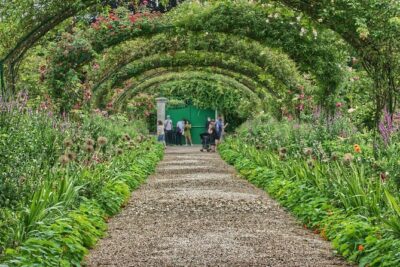
Monet’s Gardens & House-Private Giverny Tour From Paris
Read our review →
Guided tour Monet’s house and gardens/small group
Read our review →Browse the lists this tour appears in