
Reviewed · PARIS TOURS
Paris: Macaron, Croissant or Pastry Class with a French Chef
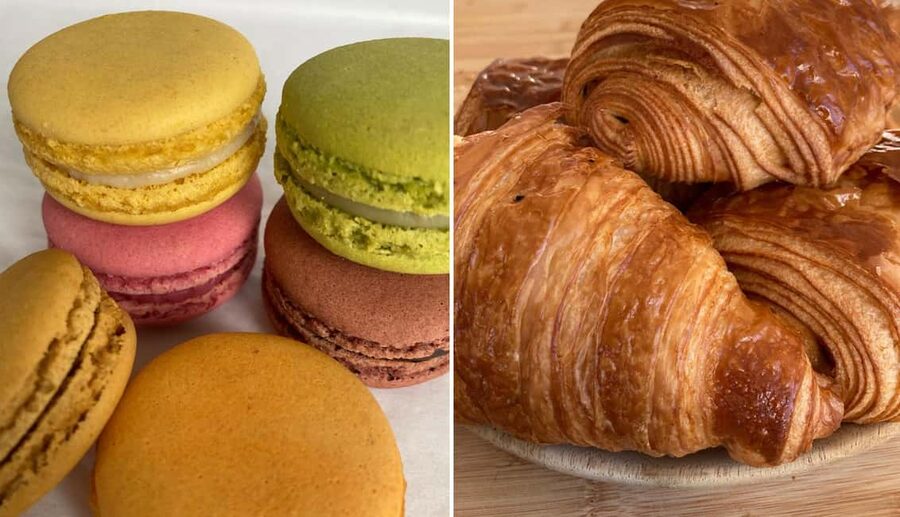
The best part of this Paris activity is that you do not simply watch a chef pipe, fold, or bake. You work with the dough and fillings yourself in a small class of up to six, in a ground-floor workshop near Sacré-Cœur. Choose macarons, croissants, French tarts, or luxury macarons with champagne ganache.
I like the patient, hands-on teaching, especially for a tricky recipe such as macarons or laminated croissants. I also like the useful ending: you taste the results with tea or coffee, then take the rest home in a bag. The main consideration is that these are technical skills, not just quick holiday crafts, so croissant and tart classes can feel demanding, and some age limits apply.
Key Points to Know Before You Book
- Four pastry choices: Pick from macarons, croissants, French tarts, or macarons with champagne-infused chocolate ganache.
- Only six participants: The compact group gives the chef time to watch your technique and answer questions.
- English instruction: You receive English-language recipes and follow step-by-step guidance from a French pastry chef.
- A Montmartre setting: The workshop is on a quiet side street in SoPi, a short distance from Sacré-Cœur and Montmartre.
- Take-home results: You can eat your pastries in class or pack them up, with past croissant classes producing eight each and macaron classes producing about 15 each.
- Plan around age rules: Children under 12 cannot join the macaron classes, while croissant and French tart classes require participants to be at least 15.
A Real Paris Pastry Lesson, Not Just a Demonstration
At $112 per person, this is not the cheapest way to eat a macaron in Paris. It is a fairer comparison to a cooking lesson, a guided food activity, or a special afternoon out. You are paying for ingredients, kitchen equipment, an apron, direct help from the chef, English recipes, and a finished box of pastries.
That last part matters. A pastry class gives you something to do with the classic French food you are already eating around town. Instead of only buying croissants from a bakery, you learn why the layers form. Instead of admiring perfect macarons in a shop window, you practice the meringue, piping, and filling yourself.
The class has been running for 12 years, and the format is built around personal instruction. The strongest praise goes to the teaching rather than to the room or the sightseeing location. Gaëlle, also written as Gail in some booking details, is singled out for being kind, patient, and willing to help at each stage. That is exactly what you want when a batter suddenly looks wrong or a dough refuses to behave.
The class is conducted in English, which makes the technical points easier to follow. You still get a French setting and French pastry traditions, but you do not need to worry about missing a key instruction because of a language barrier.
A few other Paris half-days to compare
- Fragonard Paris: Mini Perfume Workshop
★ 4.5 · 1,924 reviews - Paris Cooking Class and Lunch with Wine plus Market Visit Option
★ 5.0 · 1,024 reviews - Paris Croissant Small-Group Baking Class with a Chef
★ 5.0 · 910 reviews
Arriving Near Sacré-Cœur
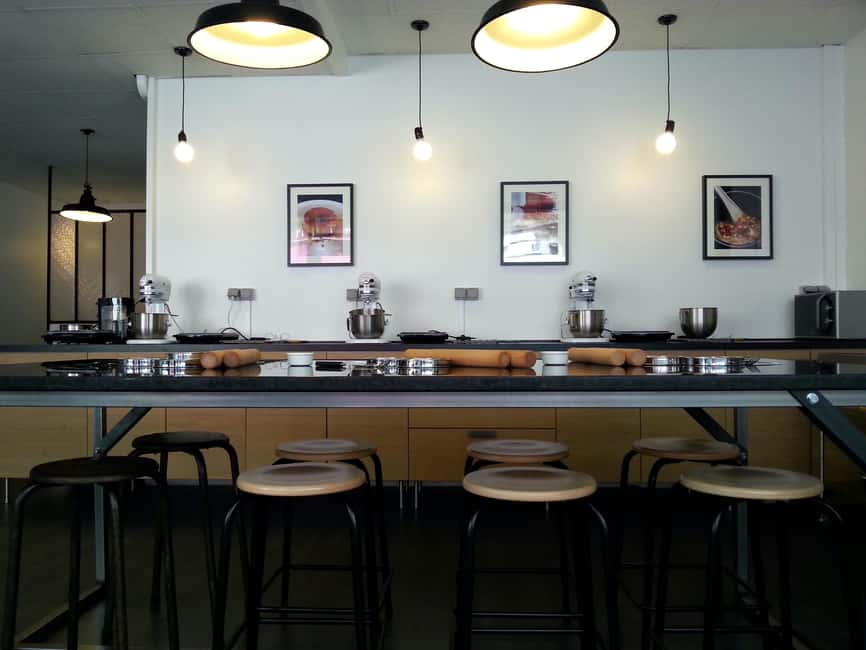
The workshop is on a quiet side street in the SoPi area, near Montmartre and the Sacré-Cœur basilica. It is a ground-floor boutique rather than a large cooking school, which fits the small-group format.
The location works well as part of a half-day in northern Paris. You can visit Sacré-Cœur before class, wander through Montmartre afterward, or simply allow time for a coffee and a walk through the neighborhood. Do not treat the pastry lesson as a sightseeing tour, though. The famous landmarks are nearby, but the activity itself takes place inside the kitchen.
Give yourself extra time to find the door. One earlier participant found the entrance poorly marked, and that is the sort of small problem that can turn a relaxed class into a rushed arrival. The closest metro options include Anvers on Line 2, and Cadet or Poissonnière on Line 7. Gare du Nord is also nearby by metro and train connections.
If you are driving, think twice. One participant spent about 45 minutes looking for parking and advised arriving early. Paris is much easier here by metro than by car.
How the 150-Minute to Three-Hour Class Works
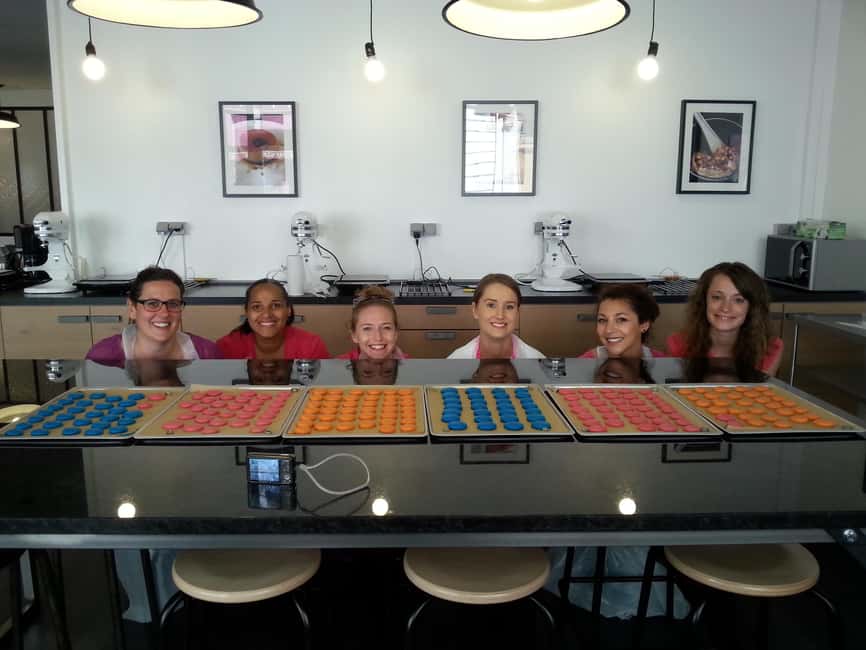
The exact duration depends on the pastry you choose. The general classes last about 150 minutes, while the French tart session lasts three hours. You begin by meeting the chef and the other bakers, putting on an apron, and getting settled at your work station.
The chef introduces the pastry and explains the basic science behind it. This is more useful than a recipe card alone. French pastry depends on small changes in temperature, mixing, folding, resting, and baking, so understanding the reason behind each step helps you repeat the result at home.
You then work through the recipe with the group. The format is practical, with the chef showing a technique and then letting you carry it out. The small class size means you can ask for help without waiting behind a large crowd. Several participants have found the individual attention especially helpful, including people attending alone and families working together.
At the end, you taste what you made with tea or coffee. You can also pack your pastries in a take-home bag. The amount varies by class, but the experiences provide a generous batch. A croissant class produced eight croissants per person for one participant, while macaron participants have taken home around 15 macarons each.
Choosing the Macaron Class
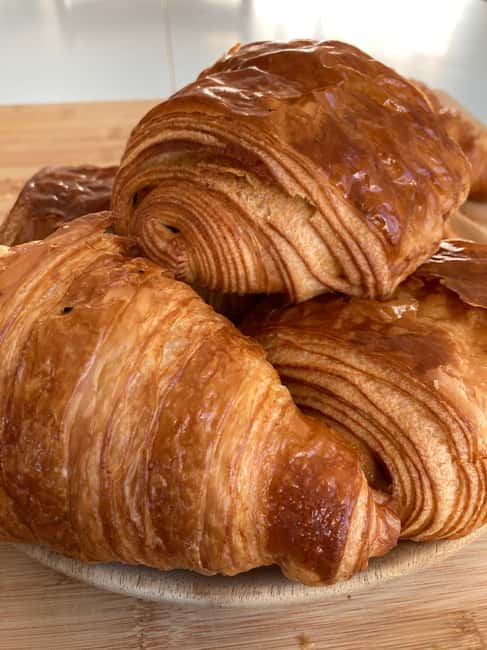
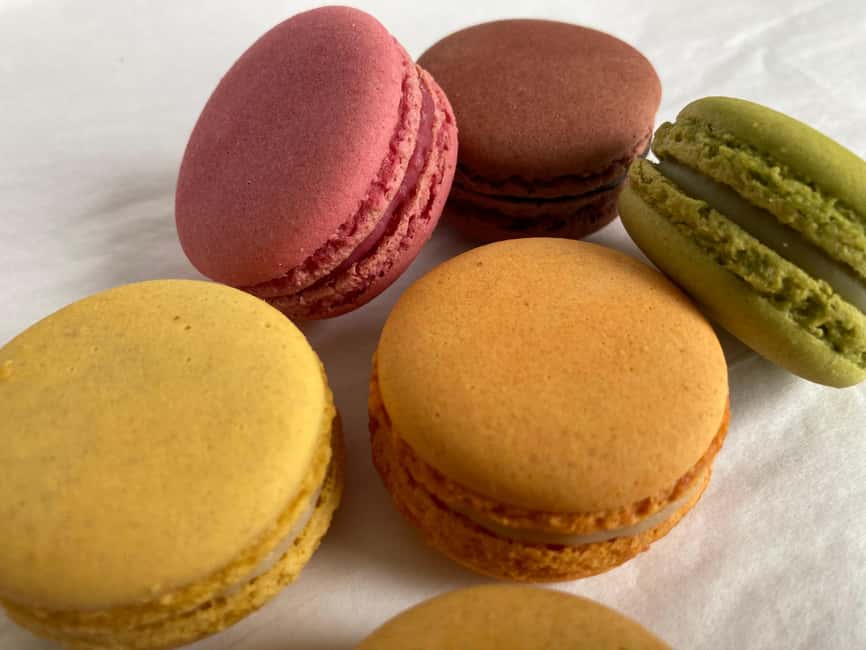
Macarons are the obvious pick if you want a colorful, giftable result and a pastry lesson that fits comfortably into a Paris afternoon. The class focuses on the Italian meringue method, a technique that can be intimidating at home because sugar syrup temperature, egg whites, mixing, and piping all affect the shell.
The chef takes you through the process of making the shells and filling them. You learn how to aim for an even shape and a smooth finish, rather than simply spooning batter onto a tray and hoping for the best.
This is a good class for beginners, but it is not completely effortless. One participant who had tried repeatedly to make perfect macarons finally had a successful batch during the class, while another admitted that the work was more technical than expected. That is a useful warning. You will have fun, but you also need to pay attention.
The reward is strong. Macaron classes have produced about 15 pieces per person to take home, so you get both the lesson and a box of delicate treats for the rest of your trip. If you want the most practical souvenir, the English recipe copy lets you try again in your own kitchen.
The class also suits solo participants well. You do not need to arrive with a partner or a group, and the six-person limit makes it easy to meet other food lovers without being swallowed by a crowd.
Same city, a completely different afternoon:
- Paris: Louvre Museum Timed-Entrance Ticket
★ 4.6 · 71,977 reviews - Disneyland® Paris 1-Day Ticket
★ 4.6 · 49,412 reviews - Paris: Versailles Palace and Gardens Full Access Ticket
★ 4.6 · 41,579 reviews - Paris: Evening River Cruise with Music
★ 4.4 · 22,721 reviews
Making Croissants From Dough to Layers
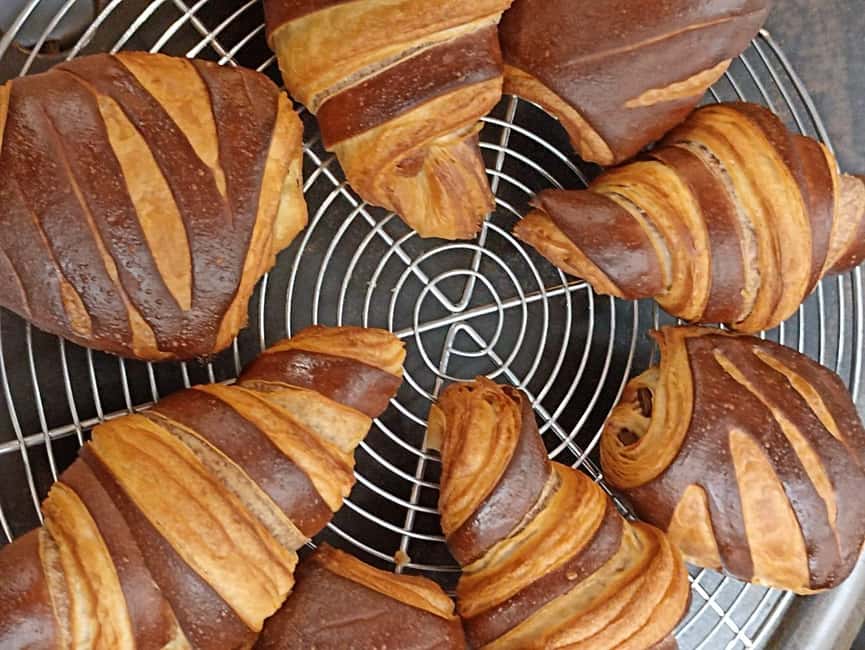
The croissant class is the most process-heavy choice. You learn how to make the light, crisp, buttery pastry associated with French breakfast, including the work needed to create layers.
This is where the class offers real value. Croissants are easy to buy and surprisingly hard to make well. The dough requires care, and the shaping and folding take more than a casual stir-and-bake recipe. The chef helps you understand the method and watches your work as you go.
You should expect a hands-on technical lesson rather than an instant shortcut. One participant described the class as more technical than expected, but felt the fresh croissants made the effort worthwhile. Another praised the clear planning and said the recipe was easy to follow during the session.
The payoff is substantial: one reported batch included eight croissants per person, with anything not eaten in the workshop packed up to take home. That gives you a chance to share them, save them for later, or continue your Paris breakfast after class.
Pay close attention to the age rule. Children under 15 cannot participate in the croissant class. That makes this option better for adult couples, friends, solo food lovers, and families with older teenagers.
Spending Three Hours on French Tarts
The French tart class is the longest option, at three hours, and it is a good choice if you want more time with pastry rather than a quick introduction. The session is designed around classic French tart techniques and aims to build skills you can reuse in other recipes.
A tart class can teach more than one narrow pastry trick. You may work with pastry, fillings, finishing, and presentation, although the exact recipe can vary. The included Everyday Gourmet French Tarts eBook adds useful value here, since it gives you more material to try after returning home.
This class is best for someone who enjoys a slower kitchen lesson. Three hours can feel long if you want a fast activity between major sights, but it suits anyone who wants a proper food-focused afternoon.
Children under 15 cannot join this class, and every participant between 12 and 17 must be accompanied by a participating adult. The workshop is not designed for unaccompanied minors.
Luxury Macarons With Champagne Ganache
The luxury macaron option adds a more festive finish. You make delicate macarons filled with chocolate ganache flavored with champagne, then taste them with a glass of bubbly.
This is the most celebratory choice and may suit a couple, a birthday outing, or anyone looking for a slightly more grown-up pastry experience. The core skills remain those of macaron making, so you still get practice with the difficult parts rather than only decorating purchased shells.
The champagne detail is a flavor feature, not a reason to expect a full wine tasting. The focus remains pastry, and the class is still chef-led and hands-on. If you want the broadest pastry lesson, choose croissants or tarts instead. If you want a memorable theme and a polished final product, this option has the clearest personality.
Why the Six-Person Limit Matters
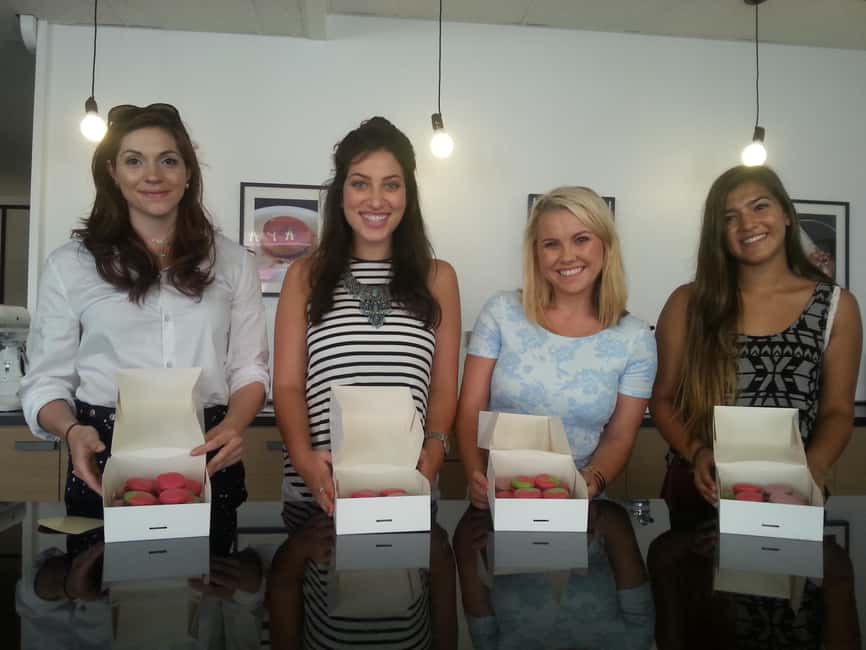
The group size is one of the strongest reasons to consider this activity. Six people is small enough for the chef to notice how you are folding, piping, shaping, or mixing. It also creates a social setting without the noise and waiting time of a large cooking class.
The format works for couples and families, but it does not exclude solo participants. One person attending alone found the class fun and felt supported through each step. Another small group of four appreciated having individual time with the instructor.
You should still expect a shared class rather than a private lesson. The chef must keep the whole group moving, so the pace may not match every person perfectly. Beginners receive help, while experienced amateur bakers can ask more detailed questions or use the session to correct habits.
What You Take Home
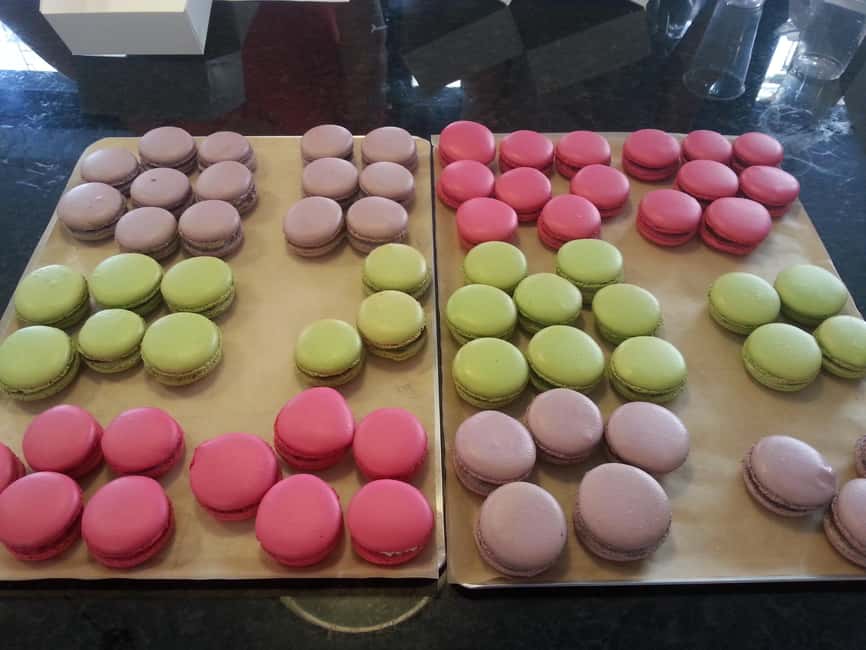
The practical value continues after the baking ends. You receive an English-language copy of the recipes, an apron to use during class, and the necessary cooking equipment. You also receive a take-home bag for the finished pastries.
The exact yield depends on the chosen class and recipe. Macaron students have taken home around 15 macarons, while croissant students have made eight croissants each. Those numbers make the $112 price easier to assess, especially if you plan to share the results rather than eat everything on the spot.
Still, do not judge the class only by the box. Pastries have a short shelf life, and the real souvenir is the technique. The chef’s in-person tips can fill gaps that a written recipe cannot, such as how a mixture should look or feel before moving to the next stage.
The complimentary French tart eBook is another useful extra. It is offered as part of the anniversary promotion and gives you additional recipes beyond the class itself.
Who Should Book This Class
I would recommend this activity to anyone who likes food enough to learn how it is made. You do not need professional baking experience. The instruction is aimed at beginners and experienced home bakers, with the chef providing help throughout.
It is particularly good for:
- Couples wanting a shared activity beyond museums and monuments
- Solo visitors who enjoy meeting people through food
- Families with children old enough to meet the class rules
- Home bakers who have struggled with macarons or croissants
- Visitors looking for a practical Paris souvenir
- Anyone who wants an English-language cooking class in a central neighborhood
It is less suitable if you want a relaxed food tasting with no technical work. You will be measuring, mixing, shaping, and listening carefully. The croissant and tart classes also require more time and patience than the shorter pastry options.
The age limits deserve careful attention. Macaron and boutique-style pastry classes do not accept children under 12. Croissant and French tart classes do not accept children under 15. Participants aged 12 to 17 must be accompanied by an adult who is also taking part.
Price, Timing, and Booking Flexibility
The listed price is $112 per person. For that fee, you get a 150-minute to three-hour class, instruction in English, ingredients and equipment, an apron, recipes, the food you make, and a take-home bag. The anniversary eBook is included as well.
I see the best value in the small group and the amount of personal guidance. A larger, cheaper class might show you the same basic recipe, but it may not give you much help when your meringue, dough, or piping goes off track.
The activity offers free cancellation up to 24 hours before the start time, plus a reserve-now and pay-later option. That helps if you are still arranging your Paris schedule. Check the available start times carefully, especially if you want to pair the class with Sacré-Cœur or another timed visit.
Try not to arrive at the last minute. The door may not be obvious, and the surrounding streets can take longer than expected if you are searching for parking. By metro, allow time to walk from Anvers, Cadet, Poissonnière, or Gare du Nord.
Should You Book the Paris Pastry Class?
Book it if you want to do more than eat French pastry. The small class, patient teaching, and take-home results make this a useful and memorable Paris activity, especially for people who enjoy learning by doing.
Choose macarons for the most approachable souvenir and a compact class. Pick croissants if the science of dough and layers interests you. Choose French tarts if you want the longest session and broader pastry practice. Go for champagne ganache macarons when you want a festive treat.
Skip it if you dislike kitchen work, have a tight sightseeing schedule, or are booking for children who do not meet the age rules. For everyone else, $112 buys a genuine skill-based experience near Montmartre, not simply another packaged photo opportunity.
FAQ
Where is the pastry class held?
The workshop is on a quiet side street in the SoPi neighborhood, near Montmartre and the Sacré-Cœur basilica. It is a ground-floor boutique.
Which metro stations are closest?
The nearest stations listed are Anvers on Line 2, and Cadet or Poissonnière on Line 7. Gare du Nord subway and train station is also nearby.
Are the classes taught in English?
Yes. The classes are taught in English, and you receive an English-language copy of the recipes.
How many people can join each class?
The group is limited to six participants.
How long does the activity last?
The classes last between 150 minutes and three hours. The French tart class lasts three hours, while other options may be shorter.
Which pastry classes can I choose from?
You can choose macarons, croissants, French tarts, or luxury macarons filled with champagne-infused chocolate ganache.
Can children participate?
Children under 12 cannot participate in the macaron or boutique-style pastry classes. Children under 15 cannot participate in the croissant or French tart classes. Anyone aged 12 to 17 must be accompanied by a participating adult.
Can I take my pastries home?
Yes. You receive a take-home bag and can pack the pastries you make. You can also eat your creations in the workshop with tea or coffee.
What is included in the price?
The price includes the English-language class, recipes, an apron, cooking equipment, take-home bags, and the Everyday Gourmet French Tarts eBook offered with the anniversary promotion.
Just listed in Paris
- Chartres Cathedral 5 Hours Tour from Paris with Private Transport★ 4.5 · 49 reviews
- Paris: Giverny & Versailles Small Group or Private Tour★ 4.5 · 49 reviews
- Paris: Louvre photoshoot or Seine bridges Eiffel Tower walk★ 5.0 · 49 reviews
- Private tour of the Champagne area, meet local producers and taste their Champagne, start from your hotel in Paris.★ 5.0 · 50 reviews
- Paris: Choux Pastry and Chocolate Éclair Making Class★ 4.9 · 50 reviews
- Paris Eternelle Notre-Dame Virtual Reality Tour★ 4.5 · 50 reviews
- Normandy D-Day Landing Beaches Private Day Trip from Paris★ 5.0 · 50 reviews
- Disneyland® Paris 1 Day with Round-Trip Train Tickets from Paris★ 4.0 · 50 reviews
Paris Tours, compared.



Versailles Palace and Gardens Full Access Ticket
Read our review →

Eiffel Tower Entry Ticket with Optional Summit Access
Read our review →

Louvre Guided Tour with Reserved Access & Boat Cruise
Read our review →
Moulin Rouge Cabaret Show Ticket with Champagne
Read our review →Browse the lists this tour appears in