
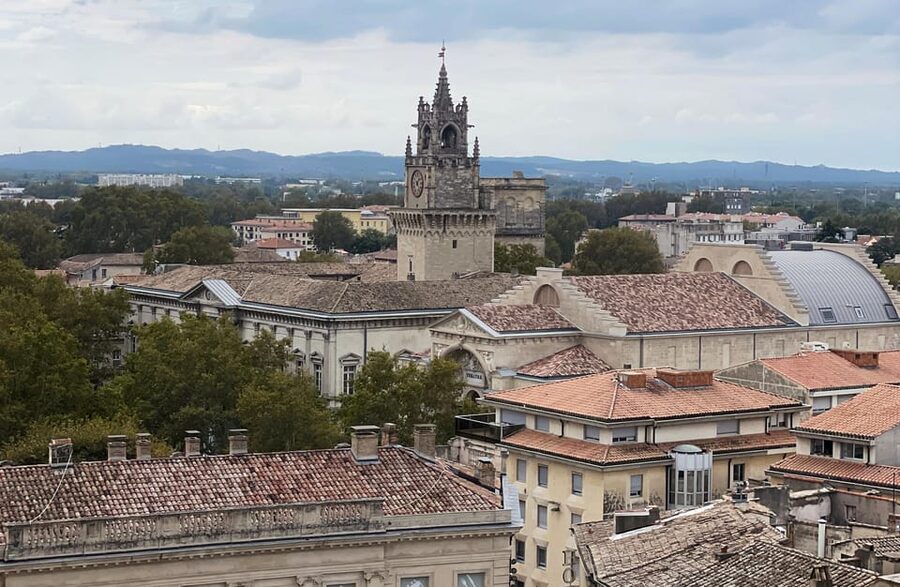
Reviewed · AVIGNON TOURS
Avignon: History and Legend Walking Tour
Avignon’s past is written into its streets, from the broken arches of Pont Saint-Bénézet to the huge stone bulk of the Popes’ Palace. This two-hour walk gives you the city’s basic story while moving through squares, lanes, churches, and grand civic buildings. The guide, often Ana Maria, brings plenty of humor and local tales rather than delivering a formal academic lecture.
I like the excellent orientation and the guide’s friendly, clear style. I also like the small sound system, which lets you hear the commentary while walking through busy streets. The main thing to consider is that this is an outdoor overview, not a ticketed tour of the palace or bridge. Church visits depend on opening hours, and the route is not suitable for wheelchair users or people with mobility impairments.
Key points at a glance
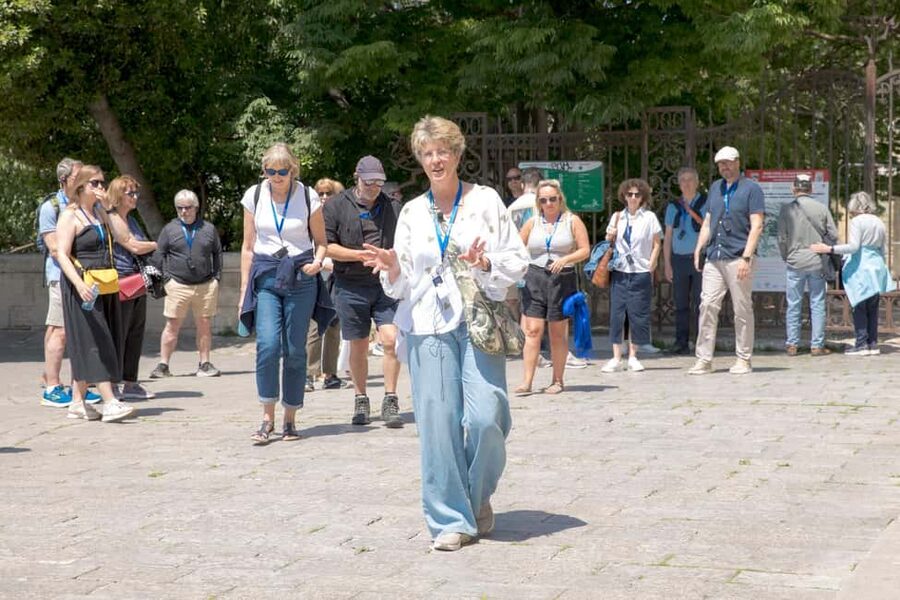
- Two hours through Avignon’s old center: The route covers major sights without requiring transport between them.
- Ana Maria’s lively storytelling: Expect local anecdotes, historical context, humor, and practical suggestions for the rest of your stay.
- The Popes’ Palace and Pont Saint-Bénézet: Both are seen from outside, with time for photos and explanation.
- Church access is not guaranteed: The guide tries to visit two churches, but schedules can change.
- Whispering boxes keep the group connected: You can hear the guide clearly, and you may bring your own 3.5mm earphones.
- Good value at $23: You get a useful city introduction, but paid monument tickets cost extra.
Starting at Place Crillon
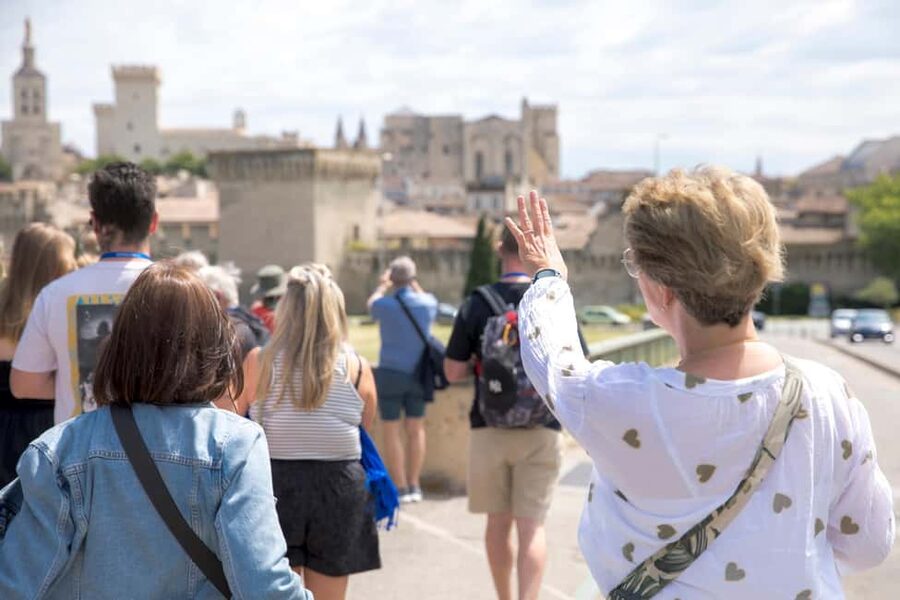
Meet 10 minutes early at 16 Place Crillon, outside the Express Carrefour Supermarket and under the large tree. This is a practical meeting point near the edge of the old center, but give yourself enough time to find the exact spot. The tour begins on time.
From here, the guide sets the scene for Avignon. You begin in the city center and soon move toward the old fortifications and landmark sights. This first stretch is useful if you have just arrived and want to understand how the city fits together before visiting the major monuments on your own.
The walking pace is designed for sightseeing rather than exercise. You will stop often for explanations and photographs, but the route includes cobblestones and stairs. Wear shoes with a good grip, and bring water, especially during hot weather.
More historic sites in Avignon:
- Roman Sites and Historical Places Day Trip from Avignon
★ 4.0 · 101 reviews - Avignon: Historic District Guided Food & Wine Walking Tour
★ 4.8 · 84 reviews - Paris: Louvre Museum Entry with History of Mona Lisa
★ 3.9 · 2,823 reviews
Porte de l’Oulle and the first look at the old city
The walk reaches Porte de l’Oulle, one of the historic gateways into Avignon. The guide uses this short stop to connect the modern streets with the city’s older defenses and layout.
Five minutes may not sound like much, but this kind of brief orientation helps you read the city as you walk. Avignon is not just a collection of unrelated monuments. Its gates, walls, palace district, squares, and riverfront belong to one compact historic center.
You will hear stories about the people and events that shaped Avignon over time. The emphasis is on making the past understandable and entertaining, with local context and anecdotes rather than a lecture full of dates.
Pont Saint-Bénézet, the bridge everyone recognizes
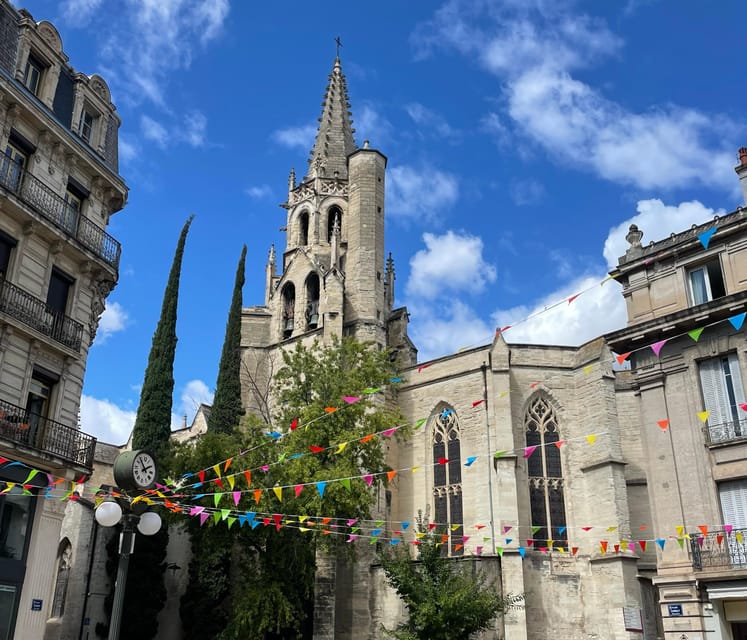
The stop at Pont Saint-Bénézet lasts about 15 minutes and includes time for photographs, sightseeing, and commentary. This is one of Avignon’s defining sights, even if you only see it from the outside during this tour.
The bridge is famous for its remaining arches and its connection to the familiar French song about dancing on the bridge. The guide gives the landmark a setting within Avignon’s story, helping you understand why this crossing mattered and why only part of it remains.
This is an important point about the tour: entry tickets are not included. The walking route takes you to the bridge and explains it, but you must arrange and pay for admission separately if you want to walk on the surviving section. That can be a benefit if you prefer to choose your own time and explore at your own speed later.
The photo stop is also useful for planning. You can see the bridge as part of the wider city rather than rushing through it as one item on a ticketed sightseeing list.
A monastery stop and the quieter lanes
The itinerary includes a monastery stop with around 10 minutes for a visit and photographs. Exact access can depend on opening hours, and the guide makes clear that church and religious-site visits are not guaranteed.
That uncertainty is worth accepting if you enjoy flexible walks. Religious buildings can close for services, private events, or schedule changes, so the route may remain outside if entry is not possible. You still get the guide’s explanation and the chance to see the building within the old city setting.
After the major landmarks, the walk threads through cobblestone streets and narrower alleyways. This is where the experience becomes more personal. Avignon’s character is not limited to its palace and bridge. Small lanes and tucked-away squares show how the old center works as a living part of the city.
The route later includes another monastery stop or pass through the same area, with about 10 more minutes of commentary. That gives the guide room to add context as the walk develops, though the exact order may vary.
More walking tours in Avignon:
- Avignon: City Walking Tour with Popes Palace Entry
★ 4.7 · 193 reviews - Avignon Walking Tour including Pope’s Palace
★ 4.5 · 158 reviews - Paris Top Sights Half Day Walking Tour with a Fun Guide
★ 5.0 · 2,893 reviews - Montmartre Hidden Gems and Scenic Highlights Walking Tour
★ 5.0 · 2,684 reviews
Place de l’Horloge and the city’s everyday center
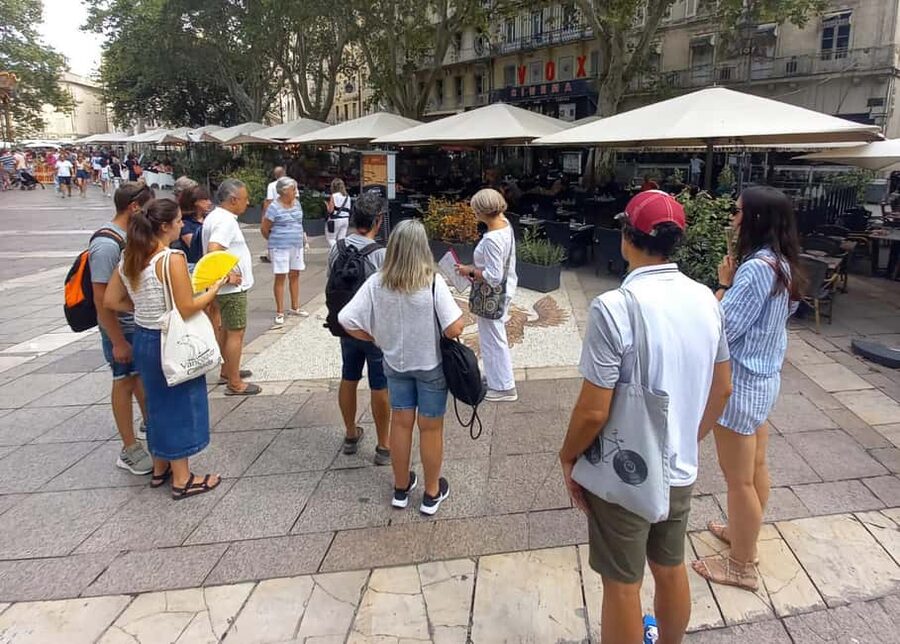
Place de l’Horloge receives about 15 minutes, including a photo stop and guided explanation. This square offers a change of mood from the medieval lanes and religious buildings.
The guide uses the square to talk about Avignon as a city people lived in, worked in, and gathered in, not only as a backdrop for major events. It is a good place to pause, look around, and ask questions before continuing toward the palace district.
I would pay attention here to the contrast between the open square and the tight streets leading into it. That shift helps you understand the shape of the old center. It also gives you a useful reference point for returning later to eat, shop, or continue sightseeing.
Place du Palais and the scale of the Papal Palace
The walk then reaches Place du Palais, followed by the Popes’ Palace. The stop at Place du Palais is short, about five minutes, but it prepares you for the palace itself.
The Popes’ Palace is the visual heavyweight of the route. Its walls are imposing, and the surrounding square gives you room to appreciate its size. The guide explains the building’s place in Avignon’s political and religious past, using stories to make the setting easier to grasp.
The palace stop lasts about 15 minutes and includes photos and guided commentary. Again, the interior is not part of the walking tour. If you want to visit the palace rooms, courtyards, and exhibitions, buy a separate ticket and allow additional time after the walk.
That arrangement suits many people. The tour gives you context before an independent visit, so the palace is not just a large stone building with a long queue. One participant used the tour as an introduction, then visited the palace and bridge separately afterward. That is a sensible way to combine the two experiences.
Avignon Cathedral and the question of church access
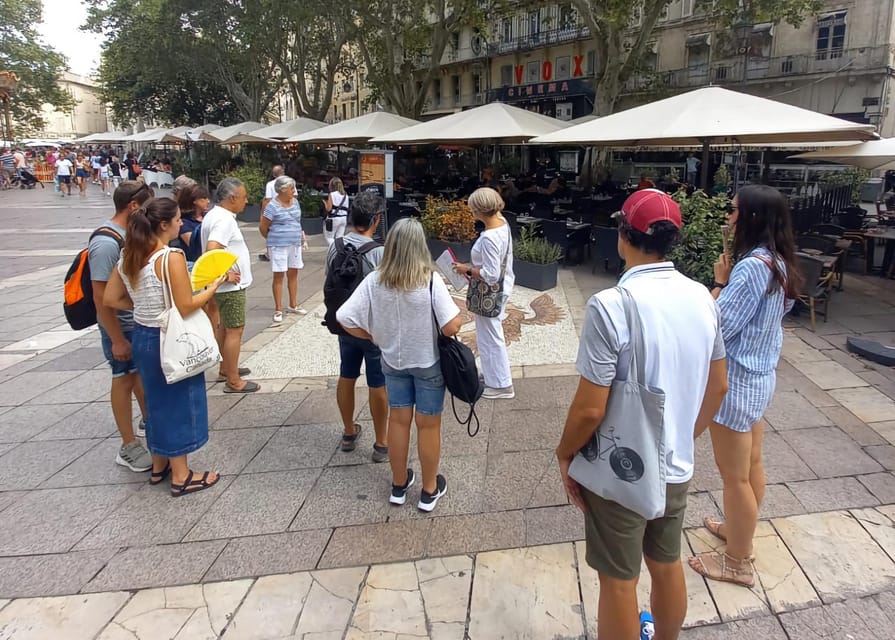
Avignon Cathedral is scheduled for roughly 15 minutes of photographs, sightseeing, and commentary. The guide tries to visit two churches during the tour, but opening hours can change without notice.
If the cathedral is open, you may get a closer look inside and hear more about its role in the city. If it is closed, the guide can still explain the building from outside, but you should not book this walk expecting guaranteed interior access.
Pets are allowed on the tour, but they must wait outside if the group enters a church. Strollers can also be awkward because children must be carried up stairs. These details matter for families and anyone traveling with a dog.
The cathedral stop adds variety to the route. After the defensive feel of the palace and bridge, the interior or exterior of a church gives the guide another way to explain Avignon’s past and local customs.
Musée du Petit Palais and the palace quarter
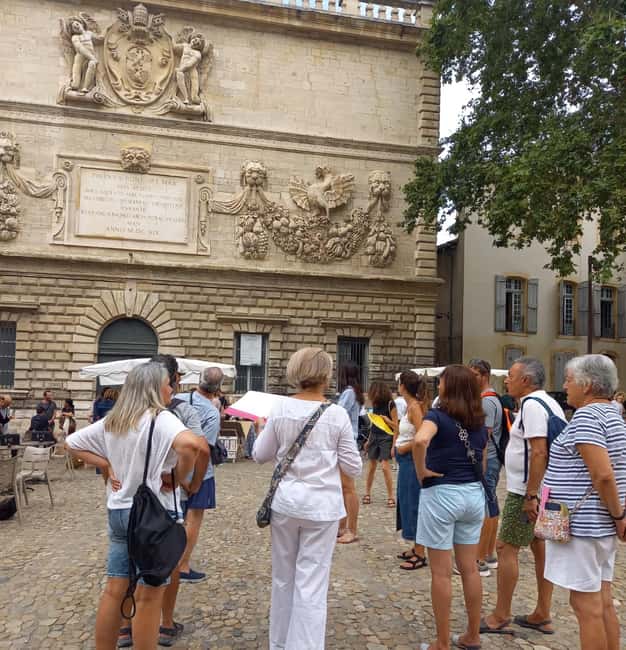
The walk passes the Musée du Petit Palais for around five minutes. This is a short stop, mainly for photographs and explanation rather than an art museum visit.
The museum sits in the same important quarter as the Popes’ Palace and cathedral. Even without going inside, you get a better sense of how closely Avignon’s major religious, political, and artistic sites are grouped.
If the museum interests you, treat this stop as a pointer for later. The walking tour does not include paid museum entry, so you would need to return independently and buy a ticket if you want to see the collections.
That is one of the tour’s strengths as an introduction. It gives you a list of places worth revisiting without forcing you to spend the entire day inside monuments you may or may not want to enter.
The final 25 minutes through Avignon
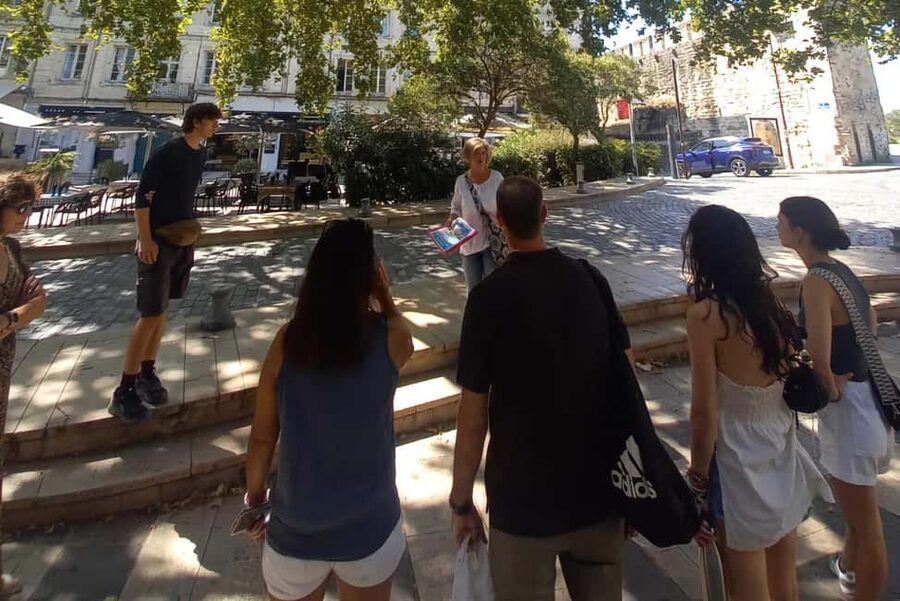
The longest part of the latter route is a 25-minute guided walk through Avignon itself, with more photographs, stories, and observations along the way. This is not filler. It gives the guide time to connect the landmarks and talk about the city beyond its famous postcard views.
Expect more lanes, squares, architecture, and local details. The guide’s style is central here. Ana Maria is described as warm, funny, and easy to follow, with a talent for placing Avignon in a wider European setting without making the tour heavy.
That balance is especially useful if you are interested in history but do not want a formal classroom talk. The guide is a passionate local rather than a certified historian, and the tour openly presents itself as local storytelling and context. You should enjoy it for its human stories and approachable explanations, not treat it as a specialist scholarly course.
The route finishes on Rue de la République. This gives you a practical place to continue exploring, since you are left in the city rather than returned to the starting point.
How the guide shapes the experience
The strongest feature is the guide’s delivery. Ana Maria receives repeated praise for being cheerful, funny, clear, and enthusiastic. Several comments describe the two hours as passing quickly, which is a good sign for a walking tour with many stops.
Her approach appears to mix fact, personal comment, local stories, and practical advice. One useful benefit is that you can ask about what to see next, where to eat, and how to plan independent visits. A restaurant suggestion was particularly helpful to one group, and another person used the tour to plan further sightseeing after the walk.
The sound amplification device is another practical plus. Each participant receives an individual whispering box, so you do not need to crowd around the guide at every stop. You may bring your own earphones with a traditional 3.5mm plug, though using the supplied device is optional.
Group size can vary, and this is not a private tour. A group of 20 was handled successfully, but larger groups can still mean more waiting at narrow streets and busy sights. If you want a fully personal route or long one-to-one conversations, book a private experience instead.
Is $23 a fair price?
At $23 per person, this is a good-value orientation walk. You receive two hours with a live English- or Spanish-speaking guide, a route through the historic center, commentary at major sights, and a sound system that helps you hear.
The value is highest if you are new to Avignon and plan to visit the palace, bridge, cathedral, or museum independently. The guide gives you a framework first, then you can decide which paid sites deserve your time and money.
The price does not include admission to the Popes’ Palace, Pont Saint-Bénézet, or other paid monuments. That keeps the tour affordable, but you should budget separately for any interiors you want to see. It also means the experience is best viewed as a city walk and orientation, not a complete monument package.
Free cancellation up to 24 hours in advance and the option to reserve now and pay later make it easier to fit the walk into a changing itinerary. Starting times vary, so check availability when booking.
Who should book this walk?
I would choose this tour on the first day in Avignon, especially if you want a quick sense of direction and a list of places to revisit. It suits history fans, first-time visitors, curious walkers, and anyone who prefers stories over a dry list of dates.
It is also a good match for solo visitors and small groups who want company for the first look at the city. The guide’s restaurant and sightseeing suggestions can help you shape the rest of your stay.
Think twice if you have serious mobility limits. The route uses cobblestones and stairs, and the experience is specifically not suitable for wheelchair users or people with mobility impairments. Families with strollers should also be prepared to carry them or children up stairs.
Bring comfortable shoes, water, sunscreen, sunglasses, a hat, a camera, and clothing suited to the weather. Arrive 10 minutes early at Place Crillon, since the walk starts on time.
FAQ
How long is the Avignon walking tour?
The tour lasts two hours.
Where does the tour begin?
Meet at 16 Place Crillon, outside the Express Carrefour Supermarket and under the big tree. Arrive 10 minutes before the start.
Where does the tour finish?
The walk finishes on Rue de la République.
Is entry to the Popes’ Palace or Pont Saint-Bénézet included?
No. Paid monument tickets and visits inside paid monuments are not included.
Are church visits guaranteed?
No. The guide tries to visit two churches, but access depends on opening hours, which can change without notice.
What languages are available?
The live tour is offered in English and Spanish.
Should you book the History and Legend Walking Tour?
Book it if you want an affordable, lively introduction to Avignon before exploring the major monuments on your own. At $23, the combination of Ana Maria’s personable storytelling, the well-chosen central route, and the supplied listening device offers solid value.
Skip it if you need guaranteed interior access, a private guide, or a step-free route. For most able walkers arriving in Avignon for the first time, though, this is a smart way to get oriented, hear the city’s stories, and decide where to spend the rest of your sightseeing budget.
Just listed in Avignon
- Arles and Camargue Full-Day Tour including Aigues Mortes★ 4.5 · 55 reviews
- Truffle Hunting in Provence★ 5.0 · 55 reviews
- Half Day Great Vineyard Tour from Avignon★ 4.5 · 57 reviews
- Morning Wine Tour to Chateauneuf du Pape from Avignon★ 4.5 · 70 reviews
- Camargue Small-Group Day Trip from Avignon★ 5.0 · 71 reviews
- From Avignon: Luberon Villages Day Tour★ 5.0 · 79 reviews
- From Avignon: Half Day Lavender Tour to Sault★ 4.6 · 83 reviews
- Avignon: Full-Day Wine Tour around Châteauneuf-du-Pape★ 4.9 · 83 reviews
Avignon Tours, compared.
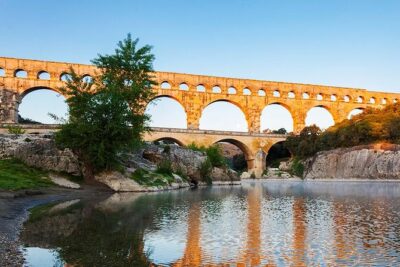
Provence Highlights Full-Day Tour from Avignon
Read our review →

Provence Cru Wine Small-Group Half-Day Tour from Avignon
Read our review →
Châteauneuf du Pape Wine Day Tasting Tour including Lunch from Avignon
Read our review →
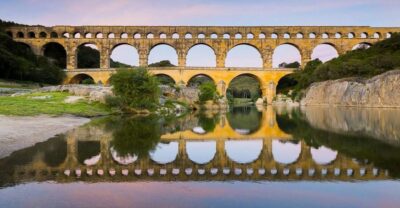
Pont du Gard, Saint Remy and Les Baux Half-Day Tour
Read our review →Browse the lists this tour appears in