
Reviewed · EPERNAY TOURS
Aÿ-Champagne: Champagne House Tour and Tasting Class
Champagne becomes much easier to understand when you can see the old press, walk through cellars dug in the 1850s, and taste wines with the producer’s story fresh in your mind. This visit to Le Clos Corbier in Mareuil-sur-Aÿ gives you that small-house setting, rather than the grand corporate tour found along the main avenues of Reims and Épernay.
I like the hands-on tasting class, especially the aroma workshop and blind test. I also like the warm, family-run feel, with guides such as Alvaro, Amanda, Charlotte, Marie, and Emma praised for clear explanations and good humor. The main catch is transport: getting to the village without a car can be awkward and expensive, particularly from Reims.
Key things to know
- Three Champagnes in the tasting: You sample three wines from the family, including one Grand Cru Vintage.
- A real learning session: The quiz and aroma workshop help you understand what you are tasting instead of simply drinking it.
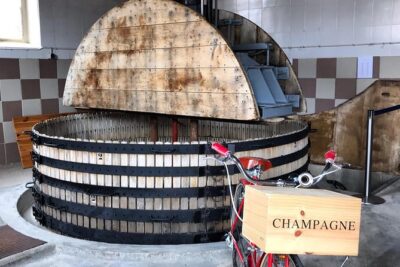
- Historic working details: You see a traditional press and cellars dug in the 1850s.
- Small-house atmosphere: The visit feels personal and down to earth, with time for questions and conversation.
- Food is included: Local sweet treats and finger food are paired with the Champagnes, with adaptations for allergies or specific diets.
- Plan your ride: Pickup and drop-off are not included, and taxis around Aÿ can be hard to arrange.
A small Champagne house in Mareuil-sur-Aÿ
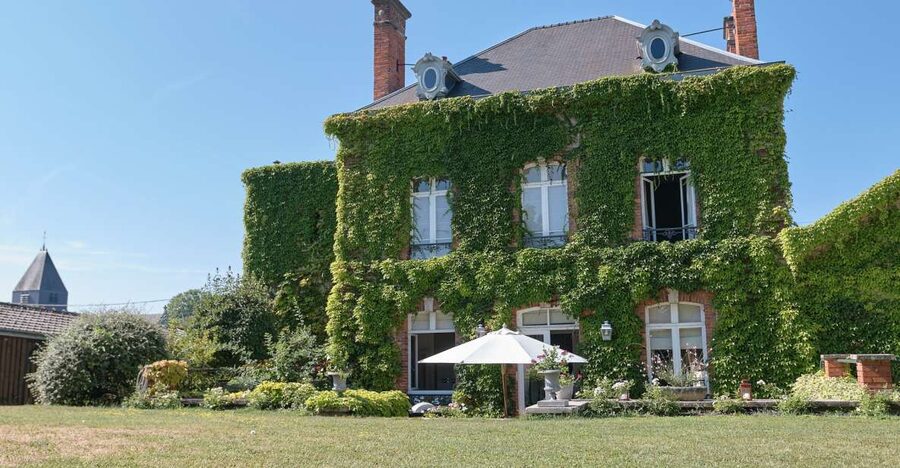
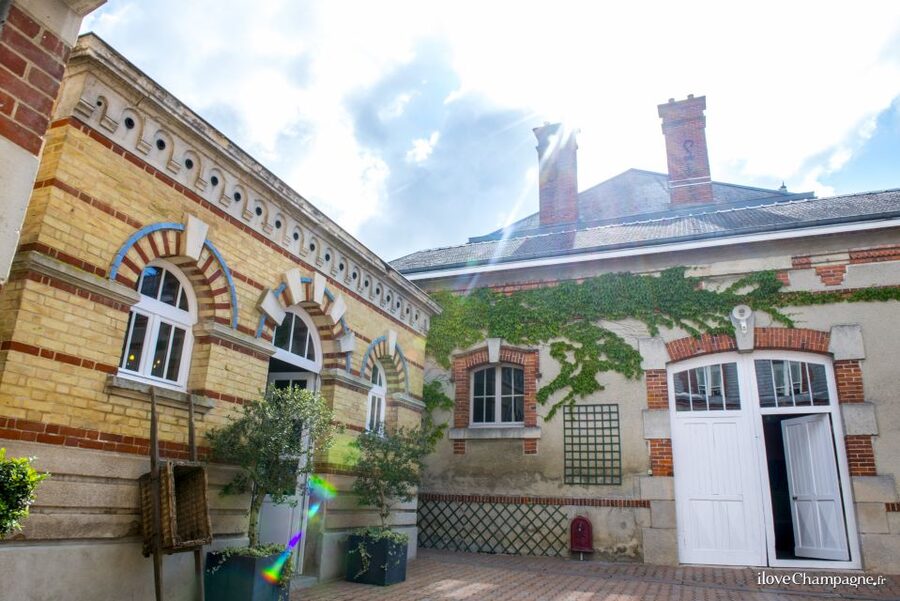
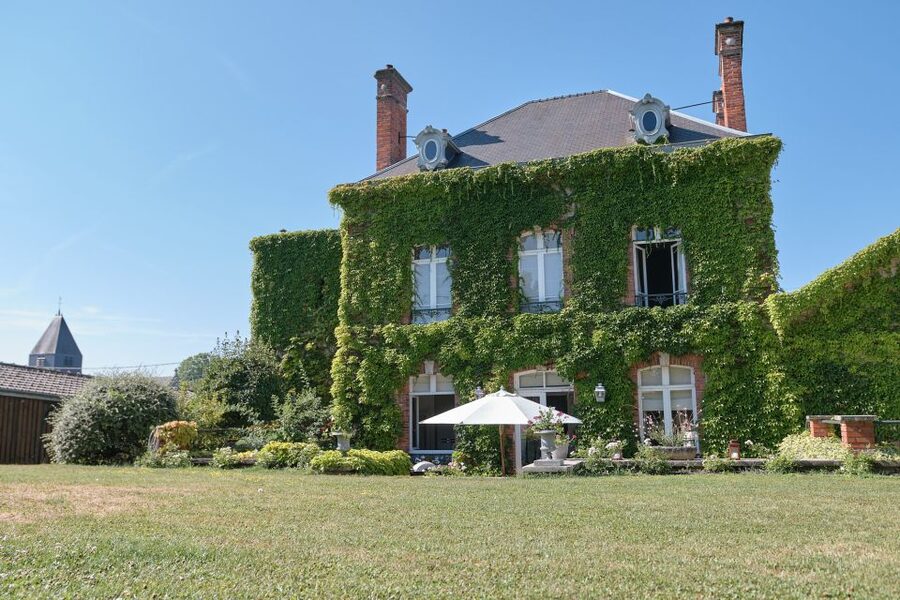
Le Clos Corbier sits in Mareuil-sur-Aÿ, in the Champagne vineyards of Grand Est. The setting matters. You are not only entering a tasting room with bottles lined up on a shelf. You are visiting a typical Champagne House and learning how the place, equipment, cellar, and wines fit together.
The experience lasts 90 minutes, which is enough time for a useful introduction without turning into an all-day commitment. I see this as a good first Champagne visit, especially if you want to understand the basics before spending more time at larger houses.
The atmosphere is one of the tour’s strongest points. The property is described as charming and traditional, and the visit has a family feel. Some guides offer coffee, tea, or water if you arrive early, a small courtesy that helps set a relaxed tone before the tour begins.
The setting also makes this different from a city-based Champagne appointment. You are out among the vineyards, in a village tied closely to wine production. That does mean you need to think ahead about transport, but it also gives the visit a stronger sense of place.
A few other Epernay half-days to compare
- Champagne: Champagne Tasting Class with Lunch
★ 4.9 · 384 reviews - Aÿ-Champagne: Pressoria Champagne Museum with Tasting
★ 4.7 · 239 reviews - The Essential Tour from Epernay with Champagne Tasting
★ 4.9 · 120 reviews
Starting with the press room
The tour begins with a look at the traditional press. This is a useful first stop because Champagne production starts with careful handling of the grapes, long before the bottle is opened.
Your guide explains the process from harvesting through bottling. That broad view helps connect the physical equipment to the finished wine in your glass. Instead of hearing a string of technical terms without context, you can follow the story in order and ask questions along the way.
The visit is designed to be interactive. Guides encourage questions and involve the group, so you are not expected to simply stand quietly while someone recites facts. Alvaro has been singled out for making the process both thorough and entertaining, while Amanda, Charlotte, Marie, Emma, and others have also led visits in a friendly, clear style.
This personal approach is one reason I would choose Le Clos Corbier over a large Champagne house if your priority is learning. Big producers can offer impressive scale, but a family house often gives you more direct contact with the people explaining the wine.
You should not expect a huge industrial production tour here. The attraction is the close-up look at traditional Champagne making and the chance to understand the producer’s work through conversation.
Down into the 1850s cellars
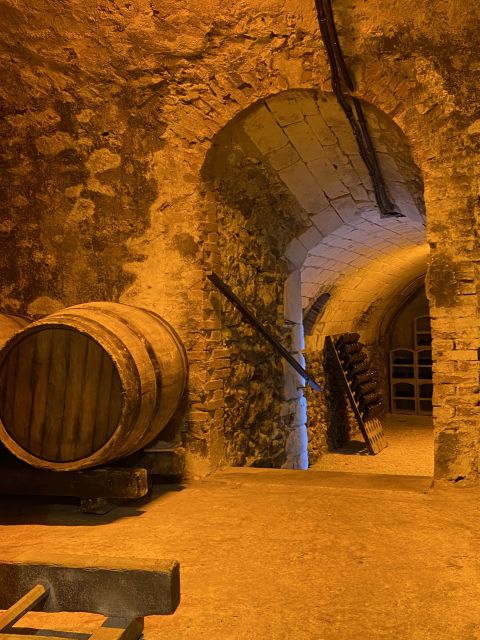
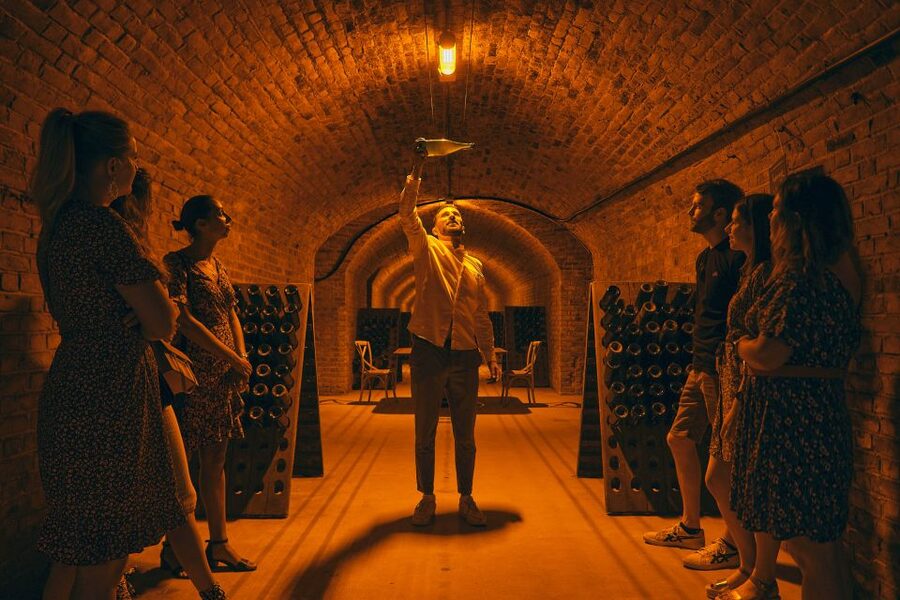
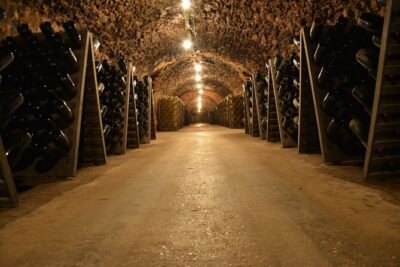
The cellar visit takes you into spaces dug in the 1850s. This gives the tour a physical link to earlier Champagne production and makes the explanation of aging and storage easier to picture.
Your guide uses the cellar to explain how Champagne moves from press to bottle. The details are presented as part of the full production process, so the cellar is not just a quick atmospheric stop before the tasting.
I like this part because it slows the visit down. Champagne can seem mysterious when you only encounter the polished bottle and the pop of the cork. Seeing the older cellar spaces helps you think about the time and care behind the finished wine.
The cellars are also a useful contrast with the tasting class that follows. First you see the practical side of production. Then you sit down and examine how those choices affect aroma, flavor, and style.
The information supplied for the activity does not promise a long cellar walk or access to every part of the property. Think of it as a focused discovery of the press room and cellar within a 90-minute program, not a full-day production visit.
Learning Champagne through your nose
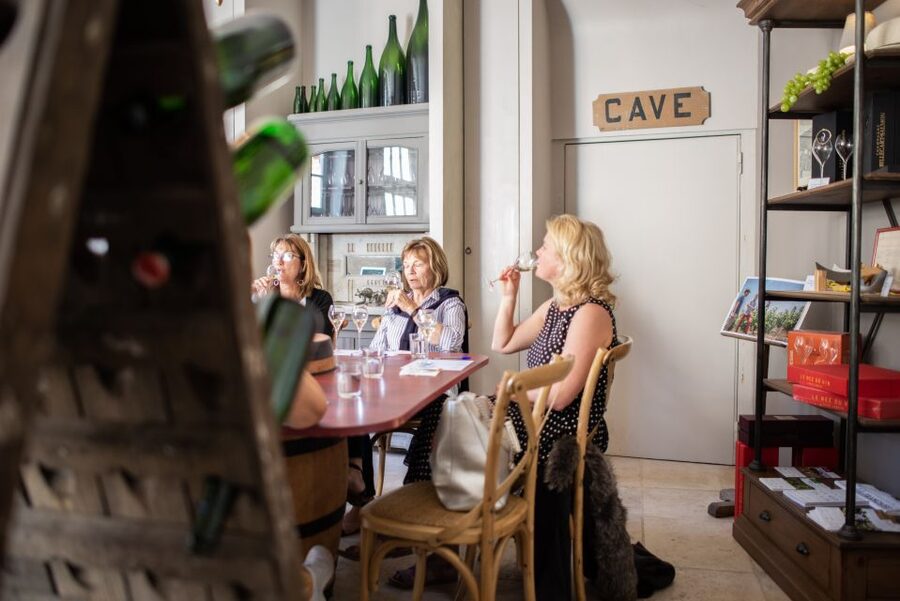
After the cellar, you take a seat for the tasting class. The olfactory workshop trains you to identify aromas and flavors found in Champagne.
This is more valuable than it may sound. Many people taste sparkling wine and can tell whether they like it, but struggle to describe why. The aroma exercise gives you a practical vocabulary and encourages you to pay attention before taking a sip.
The class also includes a Champagne quiz. Do not worry about being tested on obscure facts. The quiz is interactive and works as a light way to reinforce what you have just learned. It also gives the group something to discuss while the tasting begins.
I like this format because it keeps the session social. You are not being lectured at, and you do not need prior wine experience to take part. The activities are meant to get everyone involved, with a little friendly competition but no pressure to perform.
Families can also find the format approachable. One group with children aged five and seven described a non-alcoholic taste test using seltzer and syrup for the children. That option is not listed as a standard inclusion, so you should confirm arrangements in advance if you are bringing children, but the experience has shown some flexibility for younger participants.
Same city, a completely different afternoon:
- From Reims: Champagne and Family-Run Wineries Tour
★ 4.8 · 671 reviews - Champagne experience with a vintage van from Epernay – 3 hours
★ 5.0 · 108 reviews - From Epernay : Bubble Champagne Tour 6 tastings
★ 4.7 · 108 reviews - From Epernay: Champagne Small-Group tour with tastings & Lunch
★ 5.0 · 93 reviews
Tasting three family Champagnes
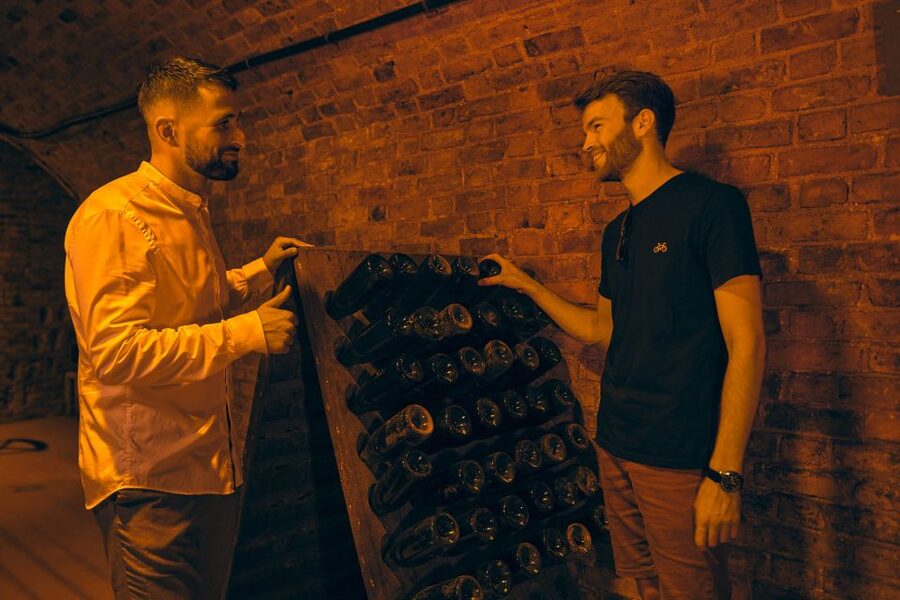
The tasting includes three Champagnes made by the family, with one Grand Cru Vintage among them. This is the heart of the visit, but it works better because you first learn what to notice.
The blind tasting asks you to identify the three wines without relying on the label. It is a playful test, but it also makes you compare the wines carefully. You may notice differences in aroma, body, sweetness, or finish that would be easy to miss if you tasted each wine separately without a clear purpose.
The Grand Cru Vintage adds a special point of comparison. It gives you the chance to taste a more distinguished wine within the family range, rather than sampling three bottles with no explanation of their place in the lineup.
The precise Champagne styles and grape blends are not specified in the tour details, so you should not expect a fixed technical flight beyond the three family wines named in the program. The selection may vary, but the structure of the tasting is clear.
The serving is paired with local sweet treats and finger food. That matters for two reasons. First, small bites make the tasting more comfortable than drinking on an empty stomach. Second, food can change how you perceive acidity and sweetness in Champagne.
Allergies and specific diets can be accommodated. Tell the provider ahead of time so the food pairing can be prepared appropriately. Lunch or dinner is not included, so plan another meal before or after the visit.
Why the guide makes a difference
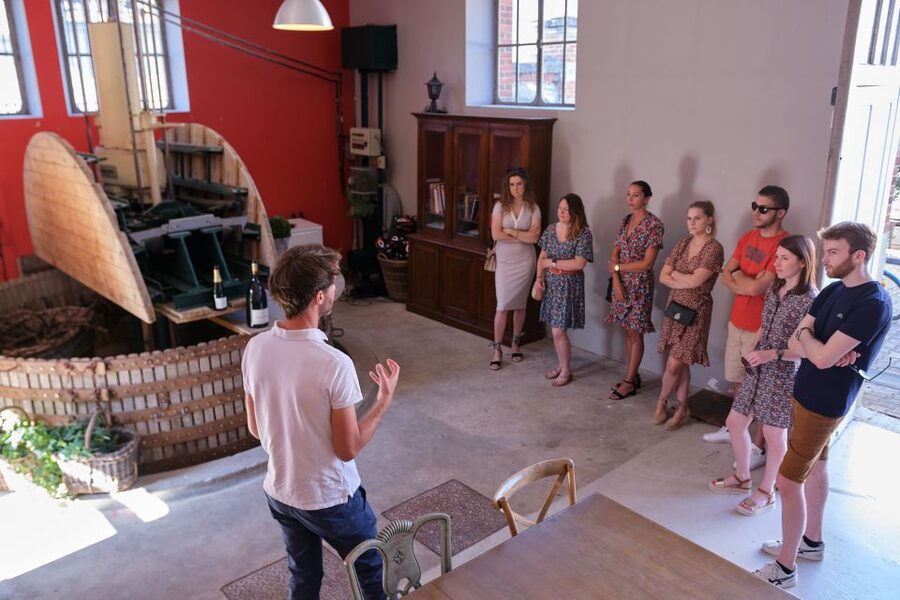
The guide is central to this experience. A short cellar visit can feel flat if the explanation is rushed or overly technical. Here, the strongest feedback centers on guides who are friendly, enthusiastic, and willing to answer questions.
Alvaro appears regularly in the experience’s feedback, with praise for his thorough explanations, humor, and ability to involve a small group. Amanda is also noted for making the information clear, while Charlotte, Marie, Emma, and other guides have been described as warm and engaging.
You should understand that the guide assigned to your visit may vary. The important point is the style of the experience: French and English are available, and the format encourages conversation rather than a silent walk from room to room.
That makes this a strong choice for a first Champagne tour. You can ask basic questions without feeling out of place, while people with more wine experience can still use the tasting to compare the wines and discuss production.
The quiz adds a little humor. It is not a formal exam, and the point is to help you remember the material. If you enjoy learning through games, you will probably appreciate this more than a standard tasting flight.
How the $47 price works out
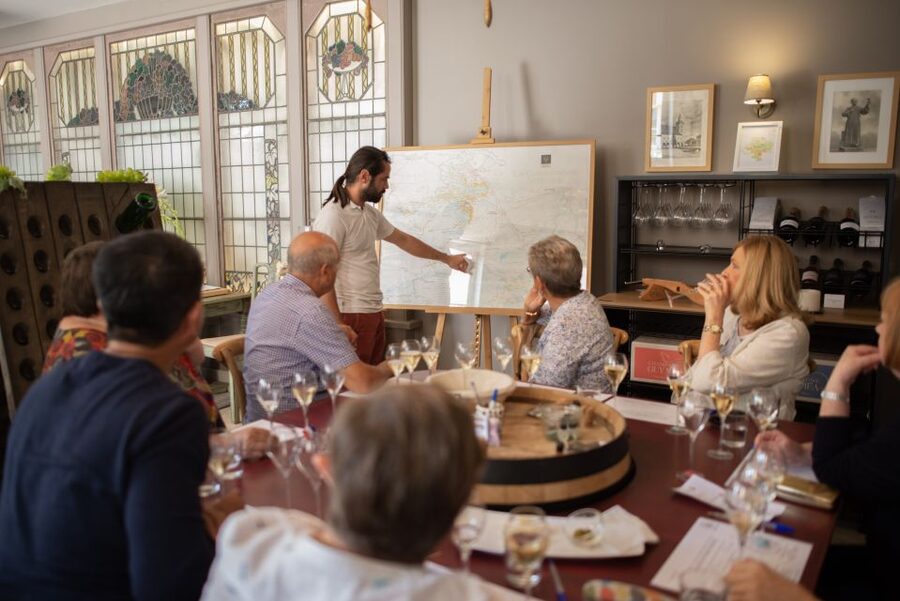
At $47 per person, the visit offers reasonable value for a 90-minute activity. You receive the house visit, the press room and cellar, the tasting lesson, the aroma workshop, three Champagnes, the quiz, and local snacks.
The value is strongest if you want more than three glasses of sparkling wine. You are paying for guided instruction, the chance to taste a Grand Cru Vintage, and access to a small family house in the vineyard area.
A large Champagne brand may offer more polished presentation or more extensive underground cellars. Le Clos Corbier makes its case differently, through personal attention and direct explanation. If you prefer an intimate, educational visit, the price is well judged.
The cost does not include lunch or dinner, so do not treat it as a complete food outing. Finger food and sweets are included, but you will still need to arrange a proper meal elsewhere if this falls near lunchtime.
The tour has a 4.9 rating from 209 reviews, which fits the consistent strengths of the experience: engaging guides, useful information, good Champagne, and a welcoming setting. I would still base your decision on the style you want. This is not the right choice if you only want a quick photo stop and a single glass.
Getting there from Reims or Épernay
Transportation is the main practical weakness. Pickup and drop-off are not included, and getting to Mareuil-sur-Aÿ is not always simple without a car.
The location is described as easy to reach from Épernay by some visitors, but the same is not true for every starting point. From Reims, taxis may be difficult to find in Aÿ, and a cab can become expensive. There are also no convenient trains serving the full journey in a simple way.
If you are driving, the visit fits well into a day among the Champagne villages and vineyard roads. If you are coming from Paris by train for a day trip, leave generous time around the appointment. A rushed return to catch a Paris train can take the pleasure out of the final tasting.
The activity itself lasts 90 minutes, but your total time commitment depends heavily on the route. Check the starting time before booking and arrange your return in advance. Do not assume you can simply step outside and find a taxi waiting.
The provider offers free cancellation up to 24 hours before the start and allows you to reserve now and pay later. Those terms help if your route through the region is still changing, but they do not solve the transport problem. Book the ride first, or at least confirm that one is available.
Who should book Le Clos Corbier
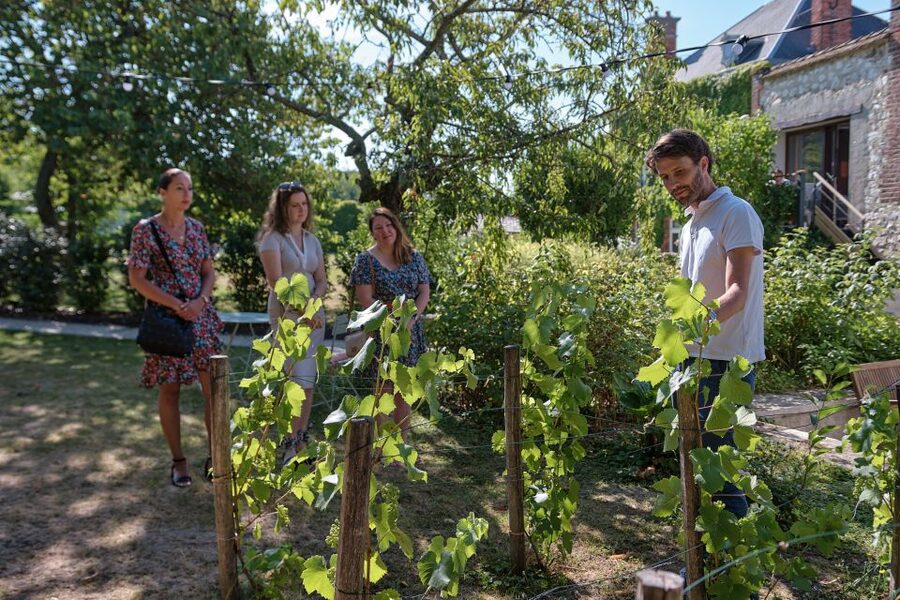
I would recommend this visit to first-time Champagne drinkers, couples, small groups, and anyone who prefers a personal house over a large commercial brand.
It also suits people who enjoy tasting with structure. The aroma workshop, quiz, and blind identification make you pay attention, so you leave with more than a pleasant memory and a few empty glasses.
Families may also find it workable, especially if children can be included in a non-alcoholic taste exercise. Confirm the details before arrival, since child-friendly tasting arrangements are not listed as a formal part of every booking.
This may be less suitable if you need hotel pickup, want a full meal, or are looking for a long tour of a major Champagne producer. The visit is compact and focused. Its strength is the quality of the explanation and the family setting, not sheer scale.
Should you book this Champagne tasting?
Yes, if you want a warm, informative introduction to Champagne and can solve the transport. The combination of the 1850s cellars, traditional press, aroma lesson, quiz, snacks, and three family Champagnes gives the 90 minutes a clear purpose.
I especially like it as a first stop in the region. You learn enough about production and tasting to make later visits more rewarding, while the small-house atmosphere keeps the experience relaxed.
Book it if you value conversation, local character, and a guided tasting with a little fun. Skip it only if reaching Mareuil-sur-Aÿ is too difficult or if you prefer a large-brand tour with more elaborate facilities.
FAQ
Where does the Champagne house tour take place?
The experience takes place at Le Clos Corbier in Mareuil-sur-Aÿ, in the Grand Est region of France, among the Champagne vineyards.
How long does the activity last?
The tour and tasting last 90 minutes.
How many Champagnes are included?
You taste three Champagnes from the family, including one Grand Cru Vintage.
What does the tour include?
It includes the discovery of Le Clos Corbier, a visit to the press room and cellar, the Champagne tasting class, and Champagne tastings.
Are food pairings included?
Yes. Local sweet treats and finger food are served with the Champagnes. The food can be adapted for allergies or specific diets.
Is lunch or dinner included?
No. Lunch and dinner are not included.
Which languages are available?
The live tour guide is available in French and English.
Is transportation included?
No. Pickup and drop-off are not included. You need to arrange your own way to and from Le Clos Corbier.
Can I cancel the booking?
Yes. You can cancel up to 24 hours in advance for a full refund. You can also reserve now and pay later.
Just listed in Epernay
- Champagne Munoz Bruneau : Half Day Visit and Tasting★ 5.0 · 50 reviews
- Champagne Vineyard Experience: Delve into the terroir★ 4.4 · 52 reviews
- Champagne Munoz Bruneau : Half Day Visit and Tasting★ 4.9 · 53 reviews
- Champagne Tasting Class and Lunch near Epernay★ 5.0 · 53 reviews
- Bubble Champagne Tour from Epernay (Small group half day tour)★ 5.0 · 58 reviews
- The Connoisseurs from Epernay (Private Half day Champagne Tour)★ 5.0 · 59 reviews
- Discovery tour (2 tastings)★ 5.0 · 77 reviews
- From Epernay: Champagne Small-Group tour with tastings & Lunch★ 5.0 · 93 reviews
Epernay Tours, compared.

The Essential Tour from Epernay with Champagne Tasting
Read our review →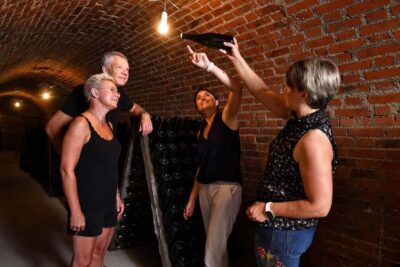
Champagne experience with a vintage van from Epernay – 3 hours
Read our review →
Champagne Small-Group tour with tastings & Lunch
Read our review →
The Connoisseurs from Epernay (Private Half day Champagne Tour)
Read our review →Browse the lists this tour appears in