
Reviewed · EPERNAY TOURS
Champagne Vineyard Experience: Delve into the terroir
The most interesting part of this Champagne visit is its focus on terroir, the link between soil, vines, place, and taste. You move from the garden where the grandfather’s vines grow to the vineyard and cellar, seeing how a small family producer connects farming with the bottles poured at the end.
I like the oldest vines and family setting, which give the visit a more personal feel than a large cellar tour. I also like the clear emphasis on biodiversity and sustainable farming, plus the chance to taste Ratafia Champenois alongside the Champagne.
The main consideration is the tasting. At $28 per person, the price is fair if you value a guided look at vineyard work and production, but anyone expecting a large tasting flight or a polished show may find the experience modest. The tour also includes a short vineyard walk, stairs in the cellar, and a tasting where children may attend but cannot drink alcohol.
Key points to know before you go
- Start in the grandfather’s garden: The visit begins among the estate’s oldest vines, adding a strong family connection to the story.
- See Champagne from soil to cellar: You walk through the vines, visit the historic cellar, and learn how different terroirs shape each cuvée.
- Taste more than Champagne: The final tasting includes Champagne and the estate’s emblematic Ratafia Champenois.
- Meet a small producer: Champagne Harlin Père & Fils presents its work through organic and sustainable viticulture, with a clear concern for biodiversity.
- Sarah and Chléo may guide you: Both guides received praise for clear explanations, warmth, and enthusiasm.
- Plan for stairs and outdoor walking: Wear sensible shoes, especially if the ground is damp or uneven.
A family Champagne visit with soil at the center
Champagne tours can sometimes blur together: a cellar, a few production terms, a flute of bubbly, and a shop. This visit takes a more grounded path. The story begins in the soil and in the family’s oldest vines, then follows the grapes through production before reaching the tasting table.
That order matters. You are not simply being shown finished bottles. You are given a way to think about them. The estate works across the terroirs of Mareuil-le-Port, Épernay, and Tours-sur-Marne, and the tour explains how growing conditions help shape each cuvée.
I especially like that biodiversity is part of the visit rather than a side note. You learn about the producer’s commitment to organic and sustainable viticulture, which helps explain the work behind every bottle. This is useful if you want to understand Champagne as farming, not just as a luxury drink.
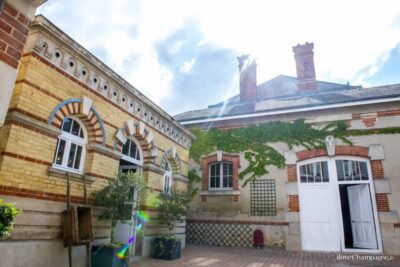
The setting is Champagne Harlin Père & Fils at 8 Rue de la Fontaine in the Grand Est region. You enter the courtyard, where your guide waits for the group. The tone is family-run and direct, not designed as a grand spectacle.
More wine tastings in Epernay:
- From Reims: Champagne and Family-Run Wineries Tour
★ 4.8 · 671 reviews - Champagne: Champagne Tasting Class with Lunch
★ 4.9 · 384 reviews - The Essential Tour from Epernay with Champagne Tasting
★ 4.9 · 120 reviews
The old vines at 8 Rue de la Fontaine
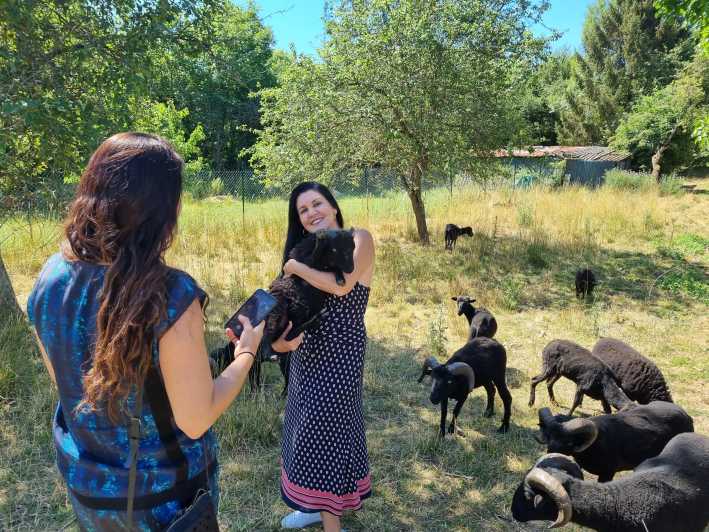
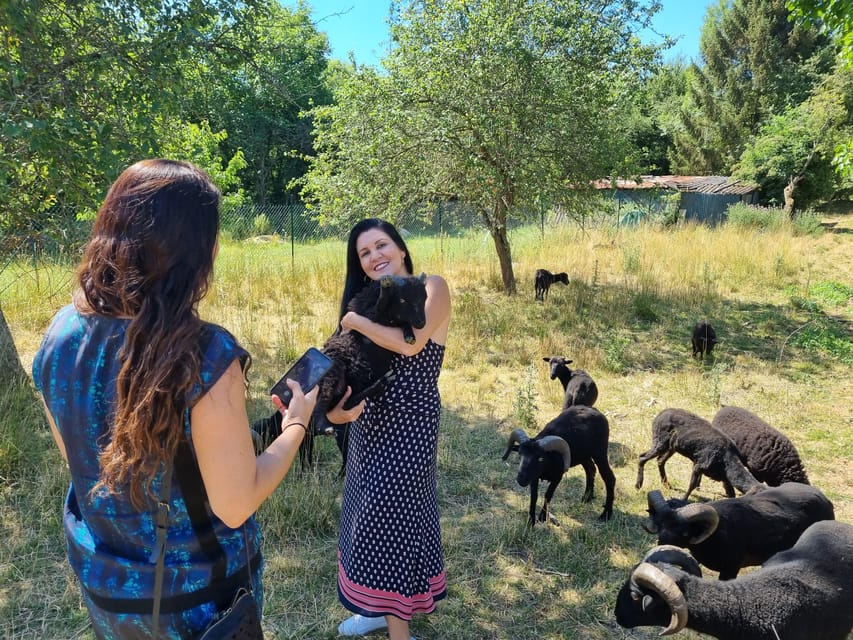
Your first stop is the garden where the grandfather’s vines grow. This is a small detail, but it gives the tour its emotional center. Instead of beginning with machinery or sales displays, you begin with the family’s connection to the land.
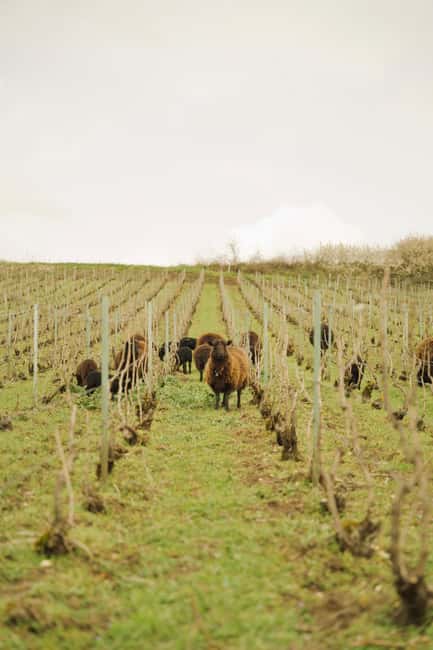
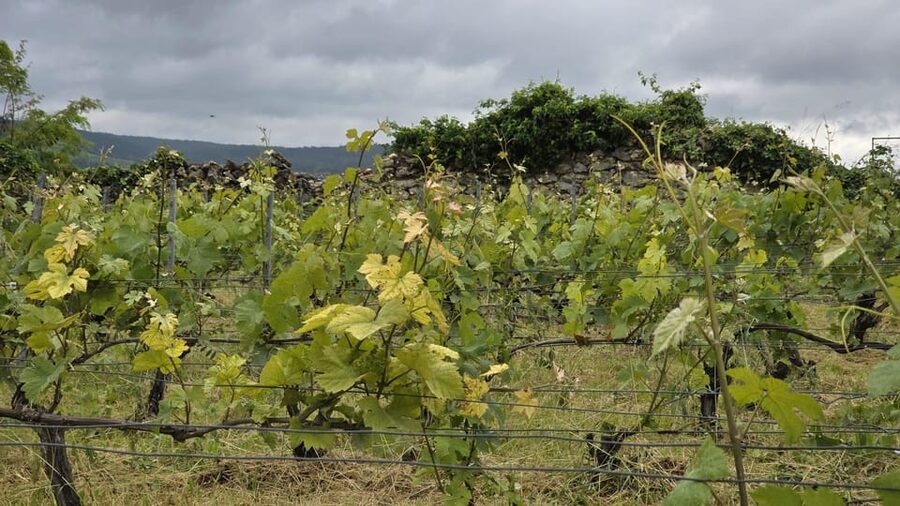
From there, the route continues into the vineyard. The walk is short enough to fit within a 90-minute visit, but it gives you a chance to see the vines in their growing environment. You can connect the language of terroir with something physical: the rows of vines, the ground beneath them, and the choices made by the producer.
The tour is especially useful for first-time Champagne visitors. If you know little about the region, terms such as cuvée, soil, grape growing, and cellar production can seem abstract. Seeing the vineyard first gives those ideas a place to settle.
The vineyard walk is also the part that requires the most practical planning. You should wear shoes that can handle a little outdoor walking. One detailed account of the visit also noted stairs during the cellar portion and on the way to the tasting room, so this is not a completely level experience.
You should not expect a long hike or a countryside trek. This is a compact estate visit, built around a few connected stops. Its value comes from the explanation and the family setting, not from a large amount of walking.
How the cellar explains Champagne production
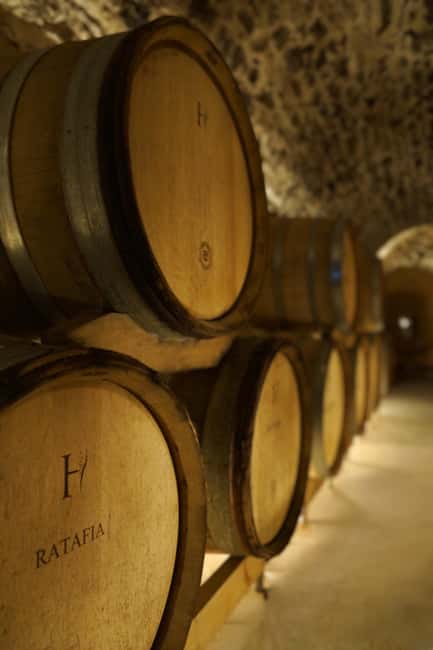
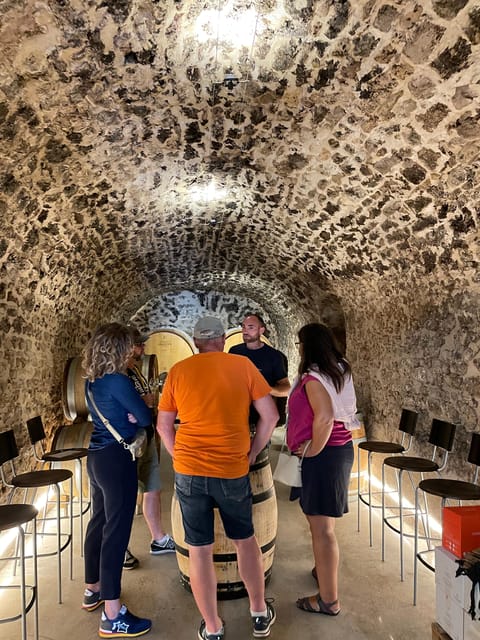
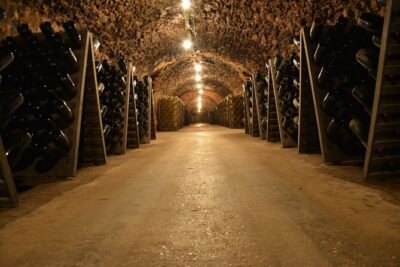
The tour then moves into the historic cellar, where the guide explains the steps behind Champagne production. The cool underground setting gives the visit a change of mood. After standing among the vines, you are now in the place where the wine rests and develops.
This is where the tour’s production story becomes more practical. You learn how the estate moves from grapes to finished Champagne and how different vineyard sites can influence the final blend. The guide also explains the secrets of Champagne production in plain terms, making this a good choice if you want more than a quick tasting.
Sarah and Chléo have both guided this experience. Their approach, based on the feedback provided, is one of the stronger reasons to book. Sarah was praised for clear explanations of the production process, while Chléo and Sarah together made one visit feel almost private through their attention and warmth.
That personal contact is important at a family estate. You can ask questions and get a sense of how the producer thinks about the vineyard, rather than simply following a memorized script. The guide’s enthusiasm also helps keep the technical material from becoming too dry.
Still, it is wise to set your expectations correctly. This is not presented as a full production-floor tour with every stage of commercial Champagne making on display. It is a guided introduction through the historic cellar, with the emphasis on understanding the process and the estate’s approach.
The stairs deserve another mention. If you have difficulty with steps, you should consider this before booking or contact the provider for more details. The supplied information does not describe an accessibility arrangement, so do not assume the route is step-free.
The final tasting: Champagne and Ratafia Champenois
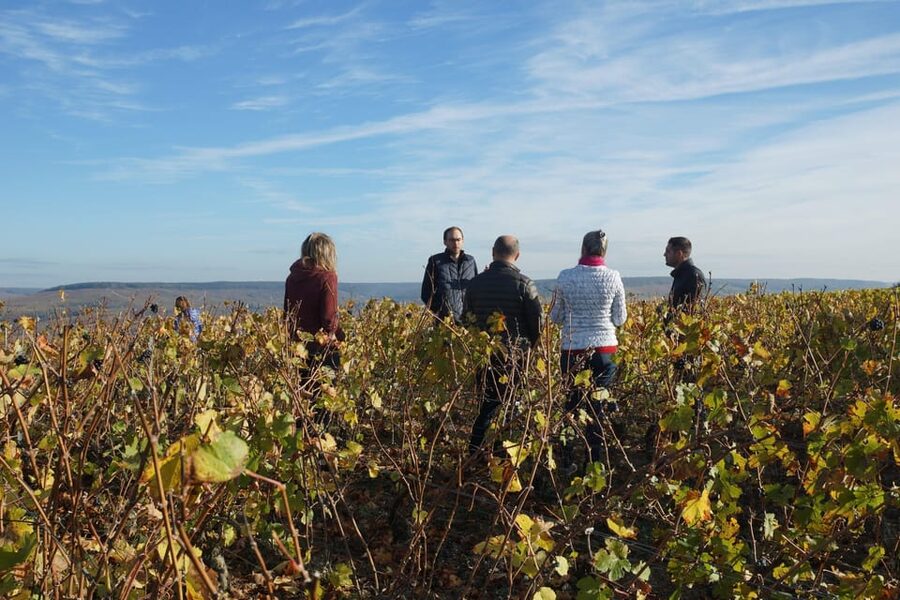
The visit ends with wine tasting in the estate’s tasting area. You taste Champagne and Ratafia Champenois, a regional specialty made from grape must and spirit. Including Ratafia gives the tasting more character than a Champagne-only finish and lets you compare two different styles of drink from the region.
The tasting is meant to bring together the ideas you heard earlier. You have walked through the vines, heard about soil and farming, and visited the cellar. Now you can think about how those choices appear in the glass.
I like this structure because it encourages you to taste with a little more attention. Rather than drinking first and hearing the explanation later, you arrive at the tasting with a better sense of what to look for. The guide introduces the art of tasting and helps connect flavor with origin and production.
The size of the tasting is not specified, so you should not book this expecting a set number of bottles or a generous multi-course tasting. One critical assessment found the Champagne too expensive for the amount provided, while other accounts called the tasting excellent and the overall visit a strong introduction. That difference tells you something useful: the experience works best for people who value the guided story as much as the liquid itself.
At $28 per person, the cost is reasonable for a 90-minute guided estate visit with a tasting and guide included. It is less compelling if you judge the price only by the quantity of Champagne. You are paying for access to the family estate, the vineyard and cellar explanations, and the chance to understand the producer’s methods.
The tasting should be approached as the final chapter of the visit, not as a stand-alone Champagne bar. If your main aim is to sample many cuvées, you may want a larger cellar experience elsewhere as well. If your aim is to understand one producer’s work and taste in context, the price makes more sense.
A few other Epernay half-days to compare
- Aÿ-Champagne: Pressoria Champagne Museum with Tasting
★ 4.7 · 239 reviews - Aÿ-Champagne: Champagne House Tour and Tasting Class
★ 4.9 · 209 reviews - From Epernay : Bubble Champagne Tour 6 tastings
★ 4.7 · 108 reviews - Champagne experience with a vintage van from Epernay – 3 hours
★ 5.0 · 108 reviews
Why the biodiversity message matters here
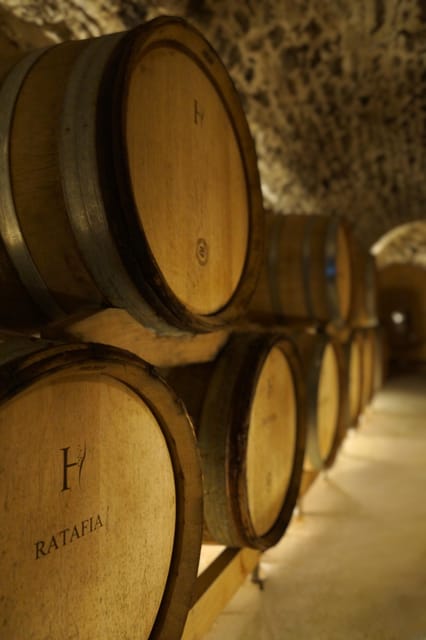
Many Champagne experiences focus on prestige, famous names, and the region’s polished image. Champagne Harlin Père & Fils puts more weight on farming choices and the health of the vineyard.
The estate describes a strong commitment to biodiversity preservation and organic and sustainable viticulture. That gives you a chance to ask better questions: How does the producer care for the soil? What changes when farming is done with nature in mind? How does the character of a vineyard affect a cuvée?
The tour does not promise a technical lecture on every environmental practice, so I would not expect detailed data on certifications or specific methods unless your guide covers them during the visit. What you do get is a clear sense that the estate sees sustainability as part of its identity.
For me, this is one of the experience’s most valuable features. It gives the Champagne a human and agricultural context. The bottle is not treated as a glamorous object that appeared by magic in a shop. You see it as the result of land, labor, time, and family decisions.
Language, pace, and the family atmosphere
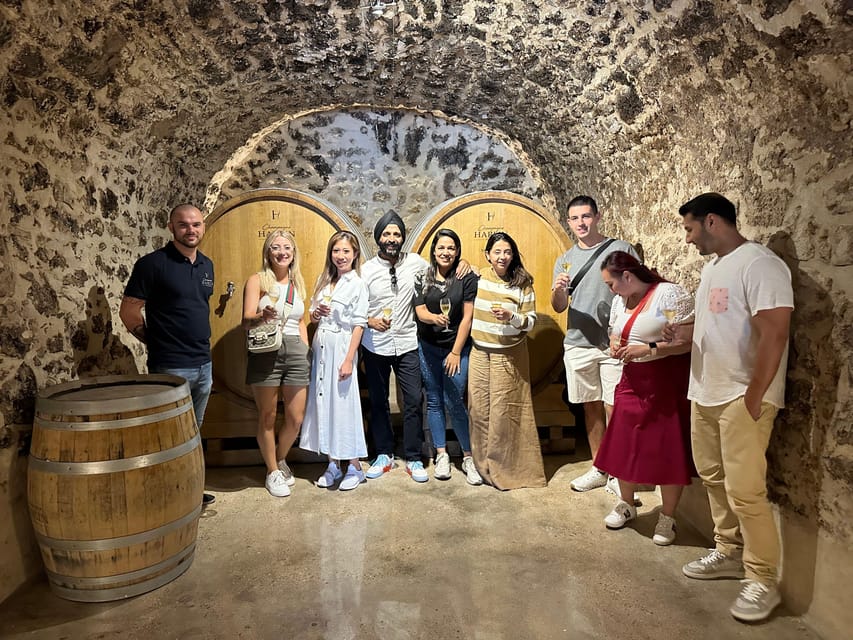
Tours are offered in English and French. That makes the experience practical for international visitors, though you should select your preferred language when checking available times.
The pace is fairly compact. The advertised duration is 90 minutes, and the visit moves through the garden, vineyard, cellar, and tasting. Some timing details describe roughly 45 minutes for the guided visit, about an hour for the estate portion, and 30 minutes for tasting, so the exact division may vary. The full experience should be understood as a short, connected tour rather than a rigid minute-by-minute schedule.
I like the small-estate feel. You are meeting a Champagne producer, not simply entering a brand showroom. The family name, the grandfather’s vines, and the direct attention from guides such as Sarah and Chléo all help make the visit feel rooted in one place.
A small producer experience can also be less polished. One strongly negative account felt that parts of the visit seemed staged and that the tasting did not match the expected value. I would keep that possibility in mind if you prefer a highly theatrical or tightly produced tour.
Most of the available feedback is warmer, especially about the guides. The clearest praise centers on explanations that are easy to follow, an enthusiastic guide, a varied route, and the feeling of taking a break among the vines. Those are the qualities I would use to decide if this is right for you.
Who will enjoy this Champagne experience
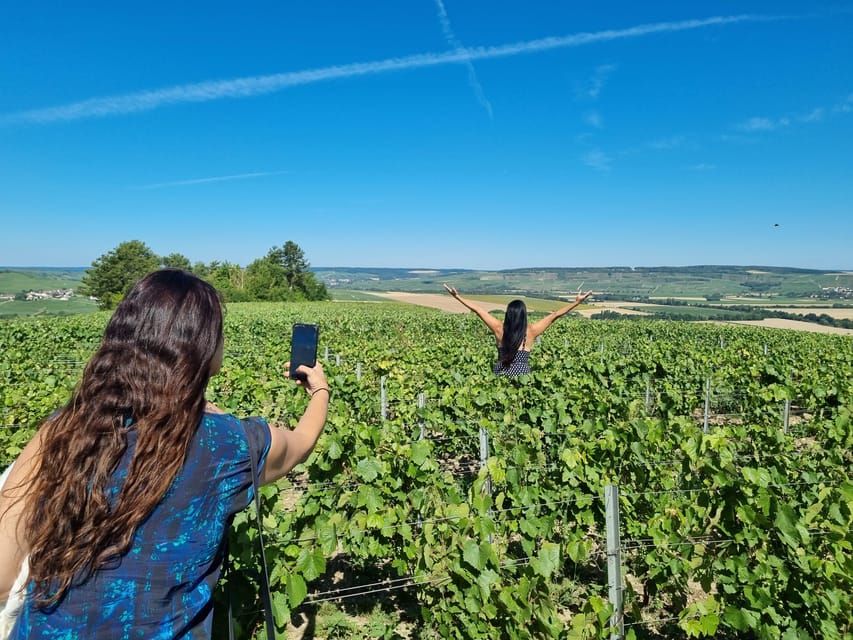
This visit suits you if you are new to Champagne and want a simple explanation of how the region’s wine is made. The vineyard-to-cellar route gives you a useful framework without requiring specialist knowledge.
It also suits wine drinkers who care about organic farming, sustainability, and biodiversity. The producer’s environmental focus is not an afterthought, and it gives the visit a clear subject beyond tasting.
Couples and small groups looking for a personal family-estate setting should also find a good fit here. The guides’ friendly, attentive style is a central part of the experience, especially when the group is small.
Families can attend as well. Children under 18 do not need a ticket, and fruit juice can be provided. French law means they cannot drink alcohol, but they can still join the garden, vineyard, and cellar portions.
You may want to choose another type of Champagne tour if you want a large commercial house, a grand visitor center, an extensive tasting list, or a very polished performance. The price is tied to the complete visit, not simply to the number of glasses.
Practical details for a smooth visit
Arrive at the courtyard of Champagne Harlin at 8 Rue de la Fontaine. Your guide should meet you there, and if the guide is not immediately visible, the instructions say they will greet you shortly.
Allow the full 90 minutes rather than planning another appointment right after it. The visit includes outdoor time, cellar stairs, explanations, and the tasting, and the pace may feel rushed if you are watching the clock.
Wear comfortable shoes. The vineyard section may involve uneven ground, and the cellar and tasting area include stairs. The supplied details do not promise step-free access, so ask ahead if that is important for you.
Alcohol and drugs are not allowed as part of the activity. Children are welcome, but only adults may drink Champagne or Ratafia Champenois.
The booking terms are flexible: you can cancel up to 24 hours before the start for a full refund, and you can reserve now and pay later. Starting times depend on availability, so check the schedule before building your day around the visit.
Should you book Champagne Harlin?
Book this experience if you want a short, personal introduction to Champagne farming and production, with a vineyard walk, historic cellar, and a tasting that includes Ratafia Champenois. The strongest reasons to go are the family setting, the old vines, the biodiversity focus, and guides such as Sarah and Chléo.
Think twice if you measure value only by the amount of Champagne in your glass. The tasting appears to be modest, and one critical experience found the price poor for the quantity. At $28, I see the visit as good value for the full story and setting, rather than as a bargain tasting.
For a first look at Champagne Harlin Père & Fils, I would book it, especially if you like wine explained through place and farming. Wear good shoes, leave room for stairs, and arrive ready to listen before you taste. That is where this small estate visit earns its price.
FAQ
Where does the Champagne vineyard experience take place?
It takes place at Champagne Harlin Père & Fils, 8 Rue de la Fontaine, in the Grand Est region of France.
How long does the experience last?
The advertised duration is 90 minutes. It includes the garden and vineyard visit, the historic cellar, and the tasting.
What languages are available?
The live tour guide can lead the experience in English or French.
What will I taste?
The tasting includes Champagne and Ratafia Champenois.
Can children attend?
Yes. Children under 18 may accompany adults and do not need a ticket. They cannot drink alcohol, and fruit juice can be provided.
Can I cancel my booking?
Yes. You can cancel up to 24 hours in advance for a full refund. You can also reserve now and pay later.
Just listed in Epernay
- Champagne Munoz Bruneau : Half Day Visit and Tasting★ 5.0 · 50 reviews
- Champagne Munoz Bruneau : Half Day Visit and Tasting★ 4.9 · 53 reviews
- Champagne Tasting Class and Lunch near Epernay★ 5.0 · 53 reviews
- Bubble Champagne Tour from Epernay (Small group half day tour)★ 5.0 · 58 reviews
- The Connoisseurs from Epernay (Private Half day Champagne Tour)★ 5.0 · 59 reviews
- Discovery tour (2 tastings)★ 5.0 · 77 reviews
- From Epernay: Champagne Small-Group tour with tastings & Lunch★ 5.0 · 93 reviews
- Champagne experience with a vintage van from Epernay – 3 hours★ 5.0 · 108 reviews
Epernay Tours, compared.

The Essential Tour from Epernay with Champagne Tasting
Read our review →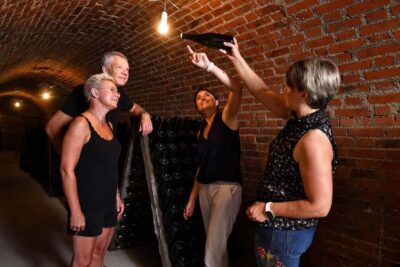
Champagne experience with a vintage van from Epernay – 3 hours
Read our review →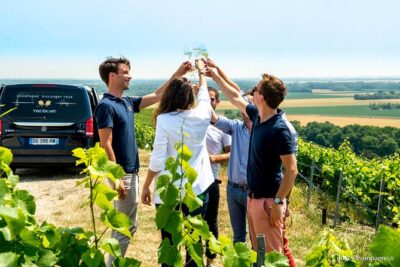
Champagne Small-Group tour with tastings & Lunch
Read our review →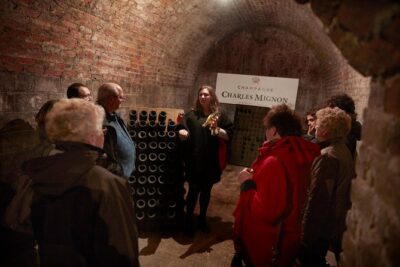
Browse the lists this tour appears in