Reviewed · TOURS
Champagne: Canard-Duchêne Champagne House Tour
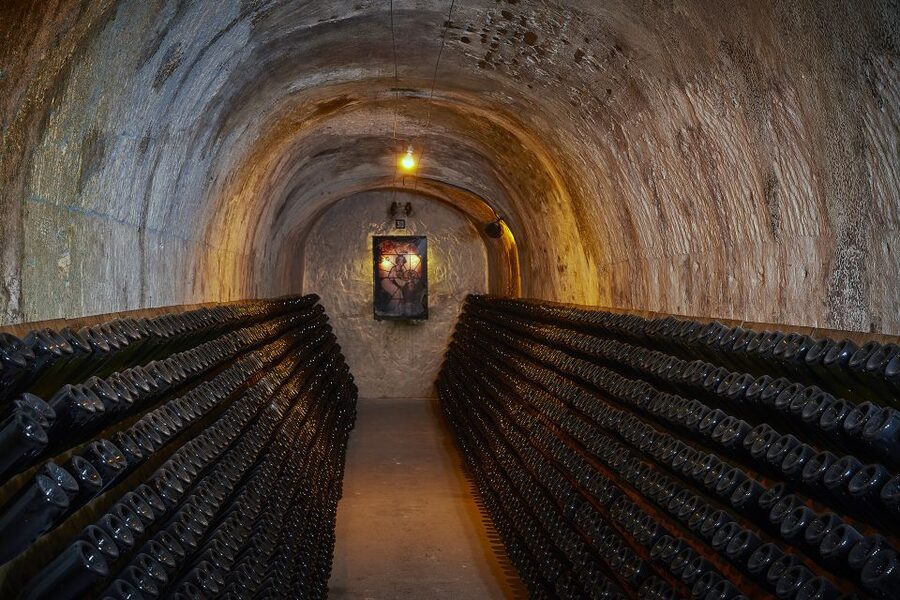
At Canard-Duchêne, the most memorable part is below ground. You descend 130 steps into cellars reaching 40 to 60 feet beneath the house, where four levels and nearly four miles of tunnels hold champagne as it matures. I like the hand-carved 19th-century cellars and the chance to see the grape-growing side of production in the vineyards. I also like that the restored chapel and its Simon-Marq stained glass add some art to what could otherwise be a purely technical tour.
The main drawback is physical: there is no elevator, the stairs must be climbed both ways, and the cellar temperature stays near 50°F. The one-hour visit is a good introduction, but it is not a long tasting class or a full-day tour of the Champagne region.
Key points at a glance
- 130 steps each way: The cellar visit requires a substantial stair descent and climb with no elevator.
- Nearly four miles of tunnels: Four underground levels show how bottles mature in cool, damp conditions.
- A vineyard stop included: You see where the grapes grow, not just where the finished bottles rest.
- Restored chapel windows: The Simon-Marq workshop’s stained glass gives the house an unusual artistic touch.
- Tasting choices vary: Select one glass with the Decouverte option, or two glasses with Liberté, while the Charles VII option focuses on Cuvée Charles VII.
- Good value at $25: You get a guided cellar tour, a vineyard visit, and champagne without committing to a half-day excursion.
Why the cellar is the heart of the visit
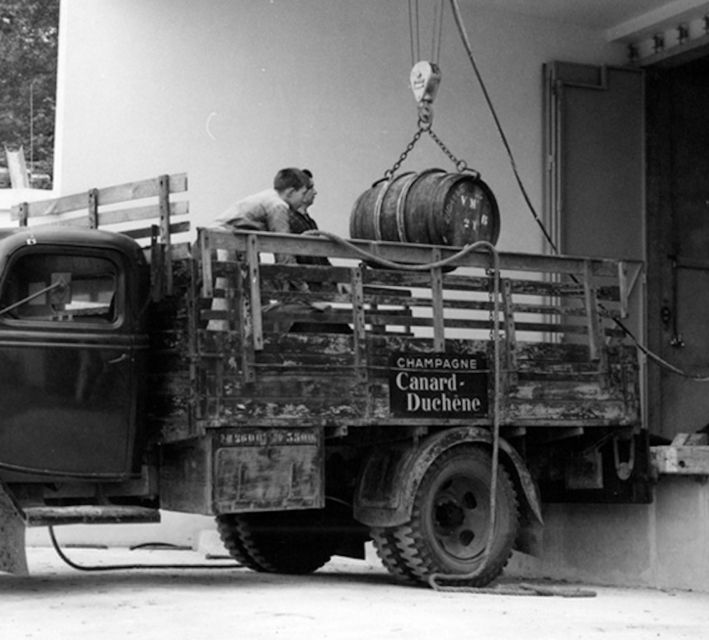
Champagne can look simple in a glass, but its production takes time, careful handling, and the right setting. Canard-Duchêne makes that process easier to understand by taking you into the place where the wine matures.
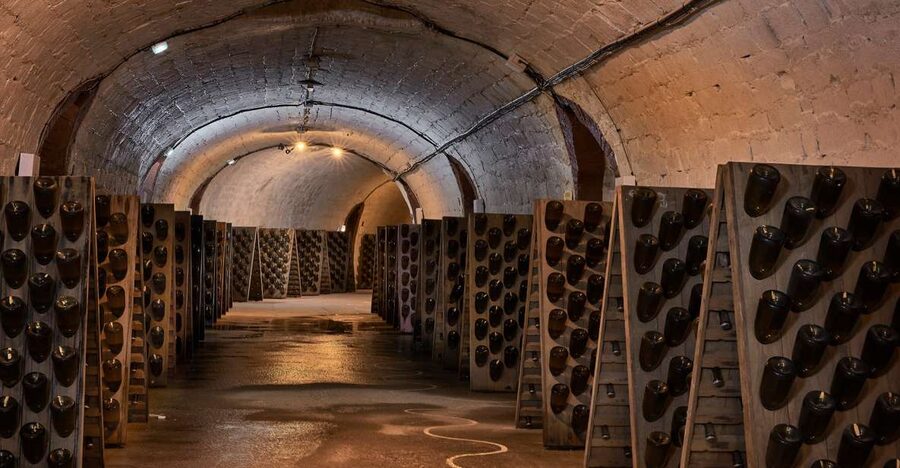
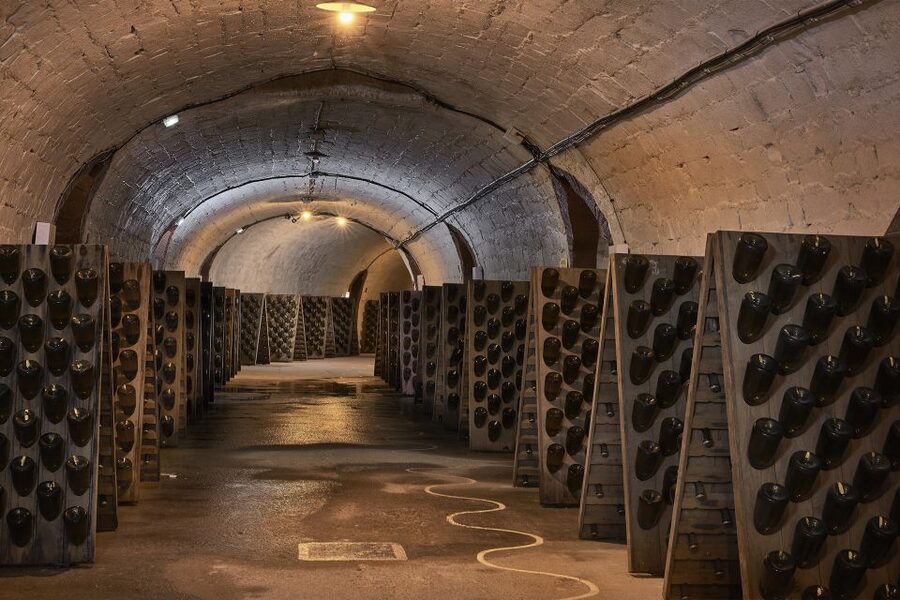
The cellars sit 40 to 60 feet underground and extend across four levels. In total, the network runs for nearly four miles. You will not walk all of that, of course, but the scale helps you understand that champagne production is not just a polished tasting-room exercise. Large amounts of wine need space, stable conditions, and time.
The hand-carved 19th-century passages give the visit a strong sense of place. You are walking through working cellar architecture rather than a modern display built only for tours. The dim underground setting also makes the practical side of winemaking feel clear: this is where bottles are kept away from heat and bright light while they reach maturity.
Your guide explains how the cellar’s temperature and humidity help the champagne develop. The maximum temperature is about 50°F, so bring a sweater or light jacket even if the day outside is warm. Comfortable clothes and sensible shoes are also wise, since the route includes a long stair section.
What else people book in France on the same visit:
- Paris: Louvre Museum Timed-Entrance Ticket
★ 4.6 · 71,977 reviews - Disneyland® Paris 1-Day Ticket
★ 4.6 · 49,412 reviews - Paris: Versailles Palace and Gardens Full Access Ticket
★ 4.6 · 41,579 reviews
What the one-hour route covers
The tour moves through several parts of the Champagne House, giving you a compact look at production, architecture, and the surrounding vineyards. It is best understood as an introduction rather than a technical master class.
You begin with the house and its story, then move into the cellar area. The guide explains the different stages of champagne production and shows how the facilities support the finished wine. Since the tour is led in English or French, you can choose the language that lets you follow the details most easily.
The cellar portion is the most substantial physical part. You descend 130 steps, explore the underground spaces, and then climb the same stairs back out. That detail matters. The wording about the cellar can sound gentle, but this is not a step-free museum visit. If stairs are difficult for you, the experience is not suitable.
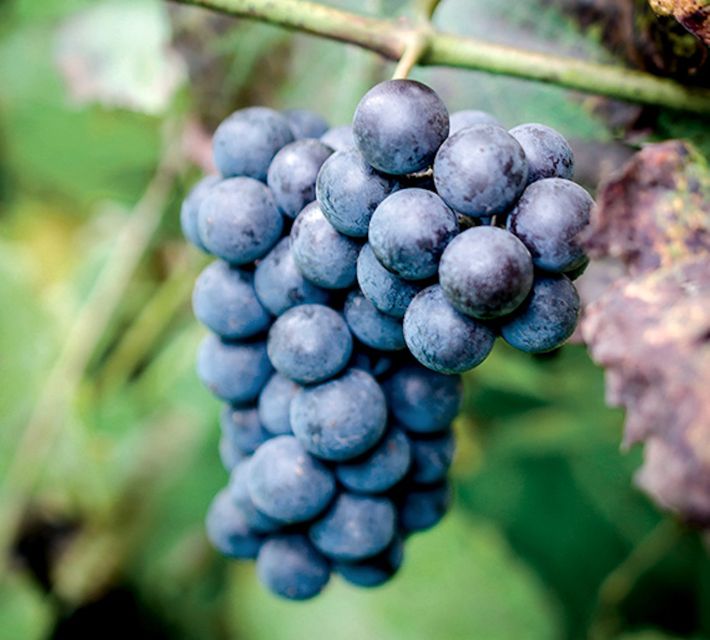
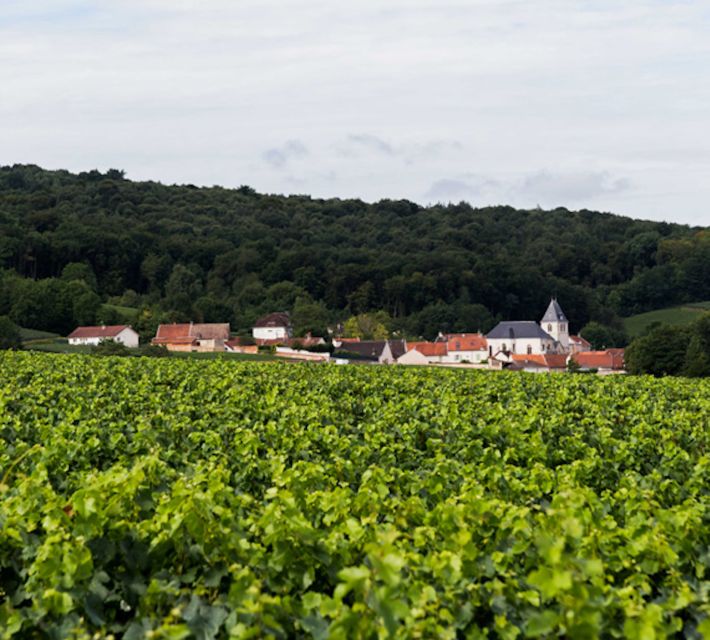
The route also includes the vineyards. This is useful because it connects the bottle in your glass to the vines outside. You can see where the grapes are grown and hear about that part of the process before returning to the house and tasting the result.
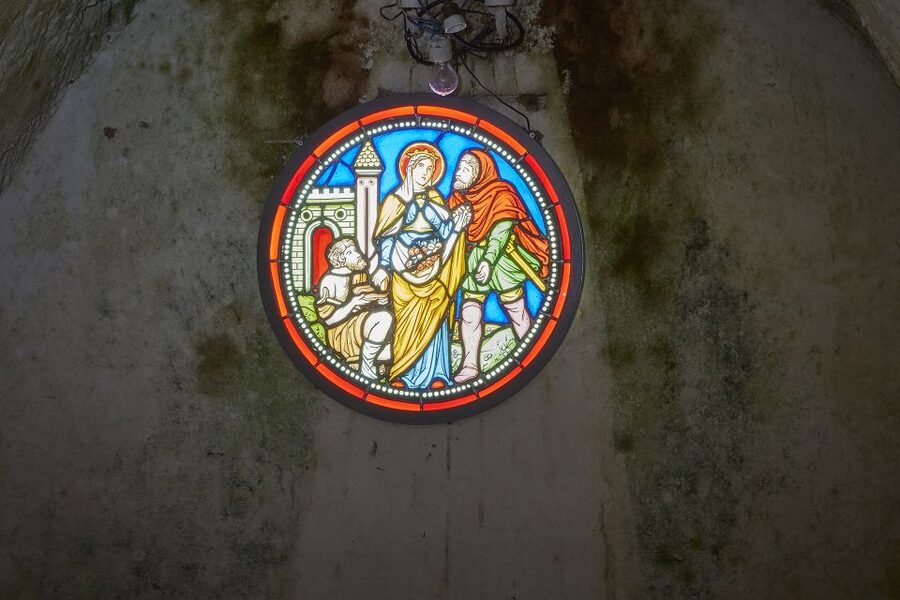
Finally, you have the chance to see the renovated old chapel and its restored stained glass windows. The work was carried out by the Simon-Marq workshop, a name worth noting if you enjoy historic glass and decorative arts. The chapel gives the tour a welcome change of mood after the dark cellars.
The vineyards make the wine easier to understand
A cellar tour can sometimes leave you focused only on bottles, machinery, and storage. The vineyard walk helps correct that narrow view.
Here, the guide brings you to the place where the grapes begin their journey. You can see the vines and get a clearer sense of the relationship between the Champagne House and the surrounding countryside. The visit does not promise a long agricultural lesson, but even a short walk outside adds useful context.
I like this balance. The underground passages explain how champagne reaches maturity, while the vineyards show where the raw material starts. Together, they give you a more complete picture than a tasting alone.
Keep your expectations in check. The entire activity lasts one hour, so the vineyard portion is part of a brisk route rather than an extended walk through multiple growing sites. If your priority is a broad tour of Champagne’s wine country, you will need a longer regional excursion from Reims or Epernay. If you want a short visit that includes both vines and cellars, Canard-Duchêne fits well.
The chapel adds an unexpected artistic stop
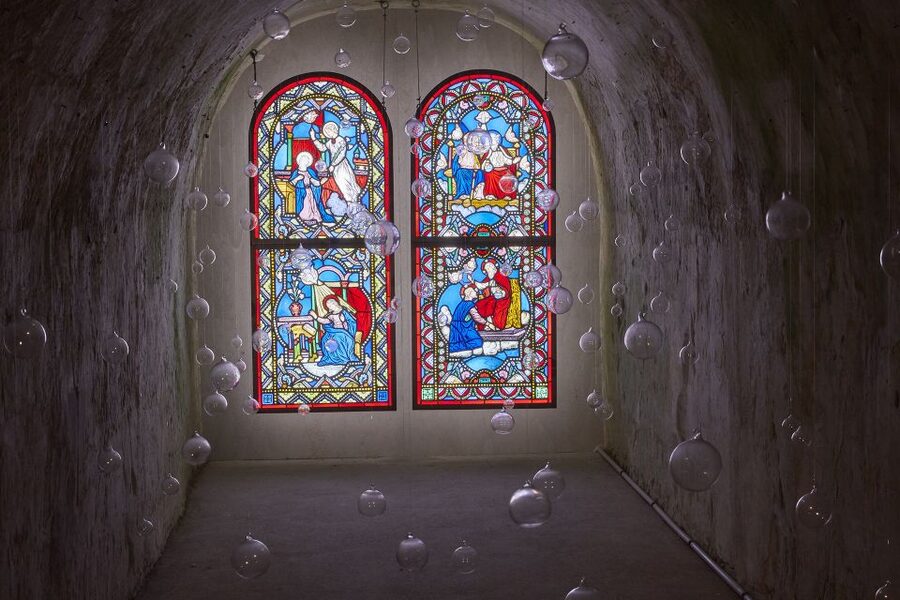
The old chapel is one of the more unusual details here. Its restored stained glass windows, renovated by the Simon-Marq workshop, add color and craftsmanship to a tour centered on wine production.
This stop matters because it shows another side of the Champagne House. You are not only seeing where bottles are stored. You are also seeing how the property has preserved and refreshed part of its built heritage.
The chapel visit is likely brief, but it gives your guide a chance to explain the house beyond its cellar operations. I would pay attention here, especially if you enjoy architecture, religious art, or historic interiors. It is a small feature, yet it helps keep the hour from feeling like a single repeated explanation about fermentation and bottles.
Same city, a completely different afternoon:
- Paris: Evening River Cruise with Music
★ 4.4 · 22,721 reviews - Paris: Eiffel Tower Entry Ticket with Optional Summit Access
★ 4.4 · 20,035 reviews - Paris: Eiffel Tower Summit or Second Floor Access
★ 4.3 · 17,248 reviews - Paris: Louvre Guided Tour with Reserved Access & Boat Cruise
★ 4.3 · 16,353 reviews
Choosing the right champagne tasting
The tasting depends on the option you book, so check the selection carefully before paying. The choices offer different levels of sampling:
- Decouverte: One glass of either a brut or demi-sec champagne.
- Liberté: Two glasses, including Cuvée Léonie Brut and Cuvée Léonie Rosé, or Cuvé Bio P181 as specified by the selected option.
- Charles VII: A tasting of Cuvée Charles VII.
The Decouverte choice is the simplest and likely the best match if you mainly want the cellar and vineyard visit. At $25 per person, one glass keeps the total cost low while still giving you a taste of the house’s work.
The Liberté option makes more sense if comparing styles is important to you. A brut and rosé can show a broader range than a single pour, and the listed Cuvée Léonie selections give the tasting a clearer identity.
The Charles VII option is for someone who wants to focus on that specific cuvée rather than compare several wines. Since the tasting details differ by selection, read the option name closely. Do not assume every $25 booking includes the same number of glasses.
One small practical note: food is not included. A French review praised the visit but suggested that a small toast or biscuit would improve the tasting. That is fair advice. Plan to eat before or after the tour rather than expecting a snack with the champagne.
Is $25 a fair price?
For an hour-long visit, $25 is a reasonable price, especially when the booking includes three distinct elements: a guided cellar tour, a vineyard tour, and champagne tasting.
The value comes from the underground access. You are not simply standing at a counter with a glass. You are seeing the physical setting where the wine matures, hearing how temperature and humidity affect it, and walking through old hand-carved spaces. The vineyard visit adds another useful layer.
Still, the price needs to be judged against the short duration. You are paying for a focused introduction, not a full meal, extensive tasting, or half-day trip between several Champagne villages. If you want several producers, transport, and multiple tastings, compare this with a longer tour from Reims or Epernay. Those experiences cost more because they cover more ground.
For visitors already near Canard-Duchêne, the price is easier to justify. You avoid paying for a large regional package when all you want is one well-organized house visit. For visitors traveling a long way only for this one-hour activity, check transport and timing carefully so the short tour fits naturally into your day.
Who should book this experience?
I would recommend Canard-Duchêne to people who want a clear first look at champagne production without spending half a day in a coach. It suits couples, small groups, and wine-curious visitors who enjoy historic cellars more than formal tasting lessons.
It also works well for visitors who appreciate variety. In one hour, you move from the house’s story to the underground tunnels, then outside to the vines, and finally to the chapel and tasting. That is a lot of different material for a short visit.
The tour is not suitable for people with mobility impairments, and the supplied conditions specifically exclude people over 70. The age restriction is unusually direct, but the stair requirement explains why the operator sets firm limits. There is no elevator, and you must manage the 130-step route in both directions.
Children and non-drinkers are not specifically addressed in the information provided, so check the booking conditions if that affects your group. Lunch is not included, and the tasting is limited to one or two glasses depending on the option.
How to prepare for the cold and stairs
Arrive 15 minutes before the start. That gives you time to find the meeting point without turning the first part of the tour into a rushed dash.
Wear warm clothing. A cellar temperature of 50°F can feel chilly, especially after you have been outside in summer heat. A light jacket or sweater should be enough for most people, but choose comfort over appearance.
Wear shoes and clothes that make stairs easy. The experience calls for comfortable clothing, and that is practical advice rather than a dress-code issue. You will need to descend and climb, so avoid anything that restricts movement.
The tour is available with a live guide in English or French. If you have a strong preference, select the suitable language when booking and confirm that the departure time matches it. The guide is central to the experience, since the value comes from understanding what you are seeing rather than simply walking through old tunnels.
How it compares with longer Champagne outings
Canard-Duchêne is a house visit. It gives you one producer, one cellar network, one vineyard stop, one chapel, and a short tasting.
Longer tours from Reims or Epernay may include transport, several tastings, and visits to more than one Champagne House. They are better for a first full day in the region or for visitors who want an overview of different producers.
A tasting class or master class offers more time to compare wines and ask detailed questions. That is the better choice if your main interest is flavor, blending, or tasting technique.
Canard-Duchêne wins on simplicity. You can spend one hour learning the basic process, seeing an atmospheric cellar, and tasting champagne at a modest price. If you have limited time, that focused format can be a real advantage.
Should you book Canard-Duchêne?
Book this tour if you want an affordable, compact introduction to champagne with genuine cellar access. The nearly four-mile underground network, vineyard visit, and restored chapel give it more character than a tasting-room stop alone.
Skip it if stairs are a concern, if you want a long food pairing, or if you are looking for a full regional tour with several producers. For everyone else, the $25 price makes sense when you value atmosphere and explanation more than quantity. Choose the tasting option carefully, bring warm clothes, and arrive ready for a cold climb below ground.
FAQ
How long does the Canard-Duchêne Champagne House Tour last?
The tour lasts one hour. Starting times vary, so check availability when selecting your date.
What languages are available?
A live guide leads the tour in English or French.
How many steps are there in the cellars?
The cellar route includes 130 steps each way. There is no elevator.
How cold are the wine cellars?
The maximum temperature in the cellars is about 50°F. Warm clothing is recommended.
Is champagne included in the price?
Yes. Champagne is included, with one or two glasses depending on the option selected.
What tasting options are available?
The Decouverte option includes a brut or demi-sec. The Liberté option includes Cuvée Léonie Brut and Cuvée Léonie Rosé or Cuvé Bio P181. The Charles VII option includes Cuvée Charles VII.
Is lunch included?
No. Lunch is not included, and the tasting does not list food. You may want to eat before or after the visit.
Just listed in France
- Paris: Giverny & Versailles Small Group or Private Tour★ 4.5 · 49 reviews
- Half-Day Walking Food Tour in Nice with Lunch★ 5.0 · 49 reviews
- Chartres Cathedral 5 Hours Tour from Paris with Private Transport★ 4.5 · 49 reviews
- Marseille: Frioul Archipelago Catamaran Cruise with Lunch★ 4.4 · 49 reviews
- Paris: Louvre photoshoot or Seine bridges Eiffel Tower walk★ 5.0 · 49 reviews
- Bonifacio: sunset catamaran trip and aperitif★ 4.6 · 50 reviews
- Paris: Choux Pastry and Chocolate Éclair Making Class★ 4.9 · 50 reviews
- Private tour of the Champagne area, meet local producers and taste their Champagne, start from your hotel in Paris.★ 5.0 · 50 reviews
Tours, compared.

Louvre Guided Tour with Reserved Access & Boat Cruise
Read our review →
Skip-the-Line Tour of Palace with Gardens Access
Read our review →
Mona Lisa & Louvre Masterpieces Tour with Reserved Access
Read our review →
Louvre Museum – Exclusive Guided Tour (Entry Included)
Read our review →
Skip-the-Line Guided Palace Tour and Full Access
Read our review →