
Reviewed · COLMAR TOURS
Colmar: Highlights Walking Tour and Wine Tasting
Colmar’s prettiest streets make more sense when someone explains the French and German threads behind them. This small-group walk pairs the town’s half-timbered houses, Gothic sights, and tucked-away corners with a wine tasting at a working Colmar winery.
I like the six-person limit, which gives you room to ask questions and hear the guide without fighting a large crowd. I also like the local angle: Nicolas grew up in Colmar, and his personal stories and practical restaurant tips add something you will not get from a map.
The main consideration is pace. Two hours is enough for a strong introduction, not a full museum tour or a leisurely survey of every lane. The walk also takes place rain or shine, and it is not suitable for people with mobility impairments or pregnant women.
Key points to know before booking
- A local guide leads the walk: Nicolas offers context on Colmar, Alsace, and the region’s French and German influences.
- The Old Town is the main stage: Expect colorful half-timbered houses, Renaissance buildings, Gothic architecture, narrow lanes, and Little Venice.
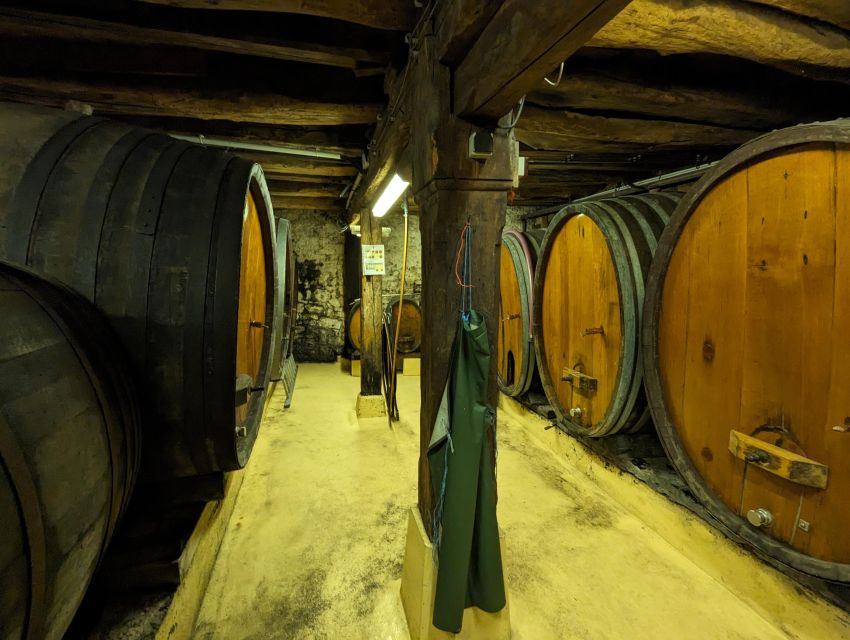
- The tasting takes place at a real local winery: Domaine Karcher, also known as Robert Karcher & Fils, has a cellar dating to 1605.
- Alsace’s white wines take center stage: The tasting focuses on wines such as Riesling, Gewurztraminer, and Pinot Gris.
- The small group is a real advantage: With no more than six people, the experience can feel almost private on a quiet date.
- Book it early in your stay: Nicolas provides suggestions for restaurants, bars, museums, shopping, and nearby places to visit.
Why this Colmar walk works so well
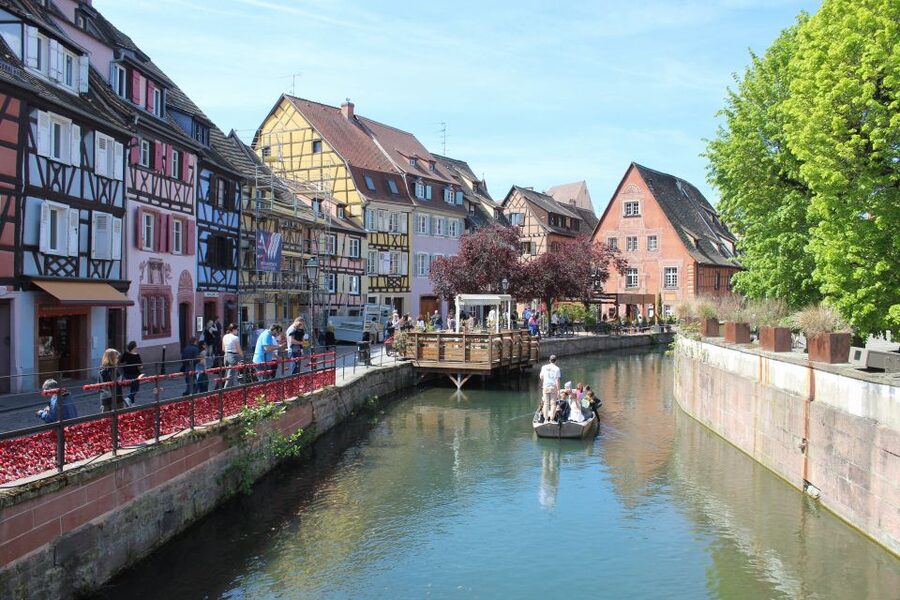
Colmar can look almost too perfect at first. Bright façades, flower boxes, canals, and steeply pitched roofs give the town a storybook air, but pretty streets alone do not explain why the place looks the way it does.
That is where this tour earns its keep. Nicolas connects the architecture to Alsace’s complicated past, where French and German languages, customs, and political control have overlapped for centuries. The result is a more useful introduction than simply photographing the famous corners and moving on.
I especially like the combination of walking and wine. The first part helps you understand the town. The second gives you a taste of the surrounding wine culture without making you leave Colmar for the vineyards.
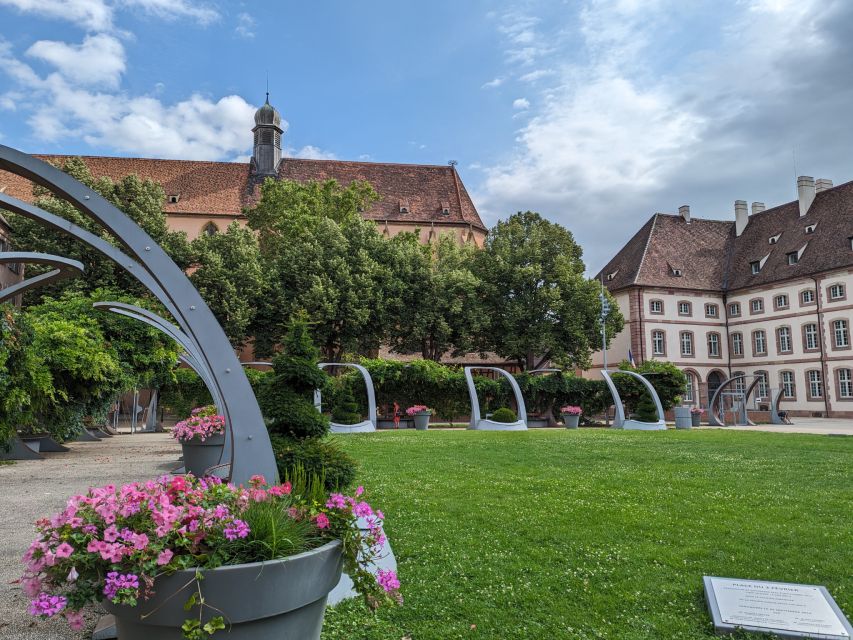
The tour begins in Parc du Champ de Mars, at the Fontaine Bruat. This is a practical meeting point near the center, and it gives the group a clear place to gather before entering the Old Town.
More wine tastings in Colmar:
- Alsace Half Day Wine Tour from Colmar
★ 4.5 · 119 reviews - Alsace Full Day Wine Tour from Colmar
★ 5.0 · 104 reviews - From Colmar: Alsace Medieval and Wine Tasting Day Tour
★ 4.7 · 91 reviews
Starting at Parc du Champ de Mars and Fontaine Bruat
The tour starts at the Fontaine Bruat in Parc du Champ de Mars. Arrive with enough time to locate the fountain and meet the guide before the walk begins.
From here, the group heads toward the historic center. The transition is useful because you move from a modern city park into the older quarters, rather than appearing suddenly in a postcard scene with no sense of how Colmar fits together.
The live guide speaks English or French. Nicolas is repeatedly praised for clear English, easy conversation, and an energetic style. That matters in a history walk, where a guide can either make dates and borders memorable or turn them into a fog of names.
Because the group is capped at six, you can ask about details that catch your eye. A small group also makes it easier to stop in a narrow lane without blocking the whole street.
Half-timbered houses and Colmar’s storybook center
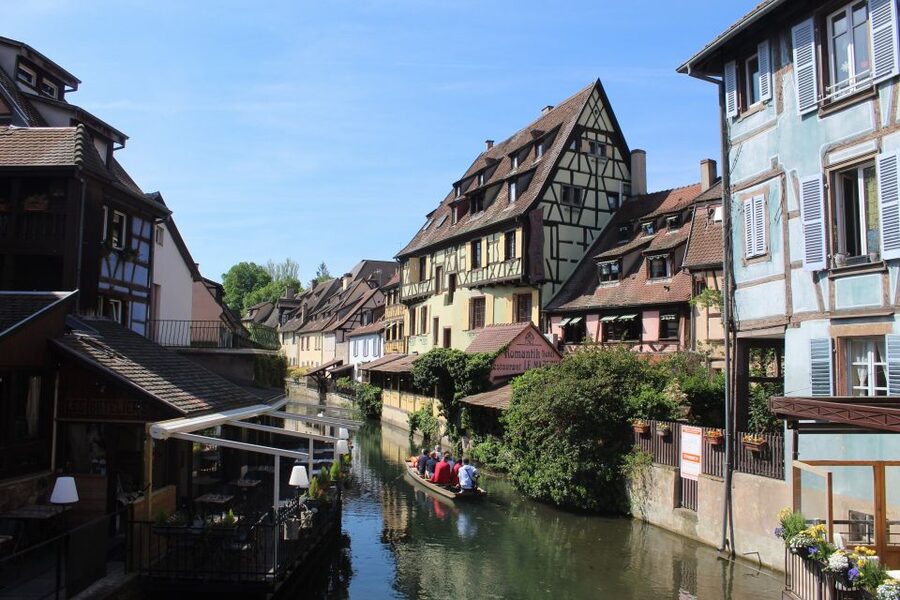
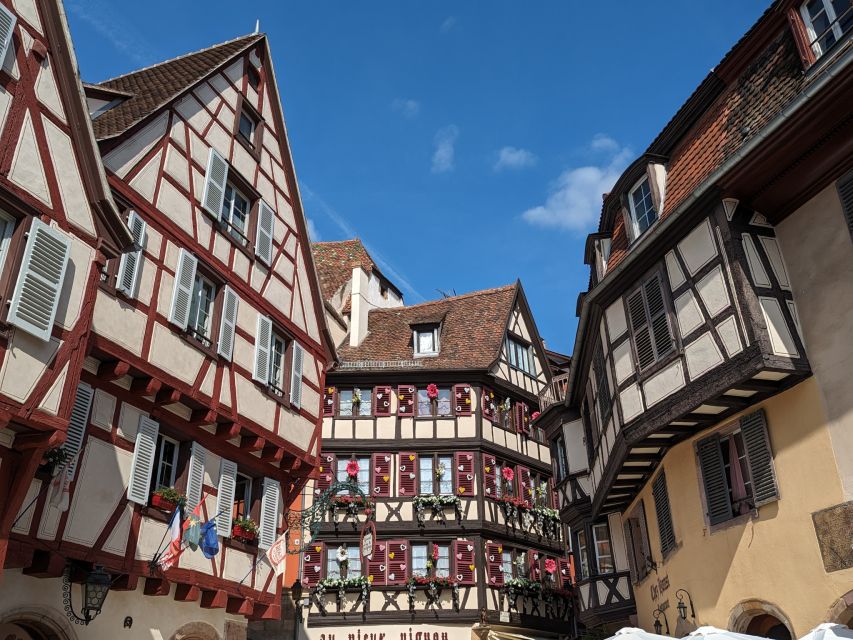
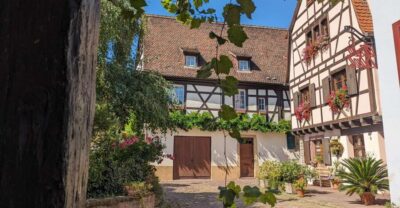
The Old Town is the visual heart of the experience. You will walk over cobblestones among colorful half-timbered buildings, Renaissance dwellings, churches, and narrow medieval streets.
The houses are not simply decorative scenery. Their timber frames, bright colors, rooflines, and façades reflect local building traditions and the town’s place in Alsace. Nicolas explains what you are seeing instead of leaving you to wonder why one building has a Gothic detail and the next looks more Germanic.
The route covers the major sights while also allowing room for less obvious corners. That balance is important. A first-time visitor needs the famous views, but a useful city walk should also show you where to wander after the tour ends.
Colmar’s architecture reflects its borderland identity. French and German influences are not just a talking point here. They appear in the look of the buildings, the local culture, and the way the town’s past has unfolded.
You should expect regular walking on cobblestone streets. The route is not designed for people with mobility impairments, so consider that before booking. Comfortable shoes are a sensible choice, even though the tour lasts only two hours.
Gothic sanctuaries, Renaissance details, and Little Venice
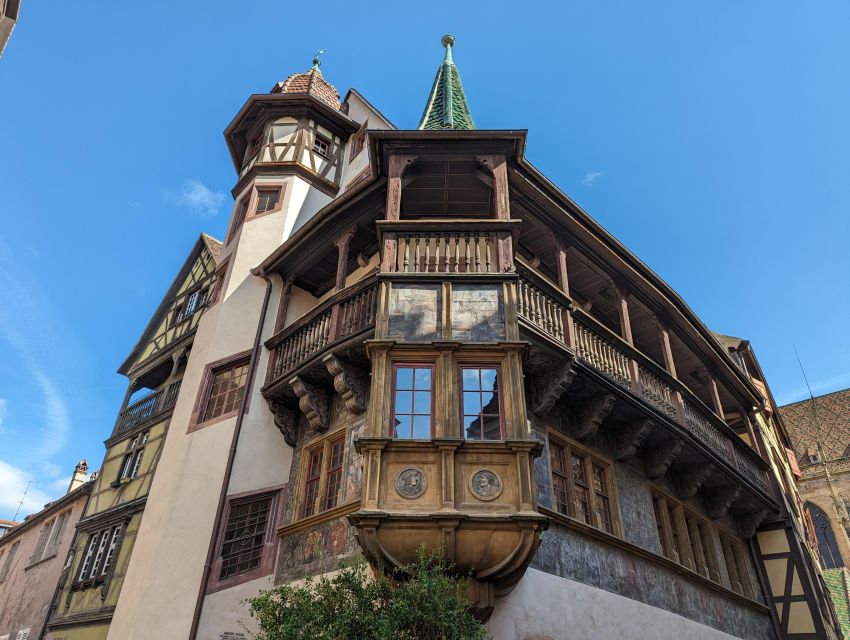
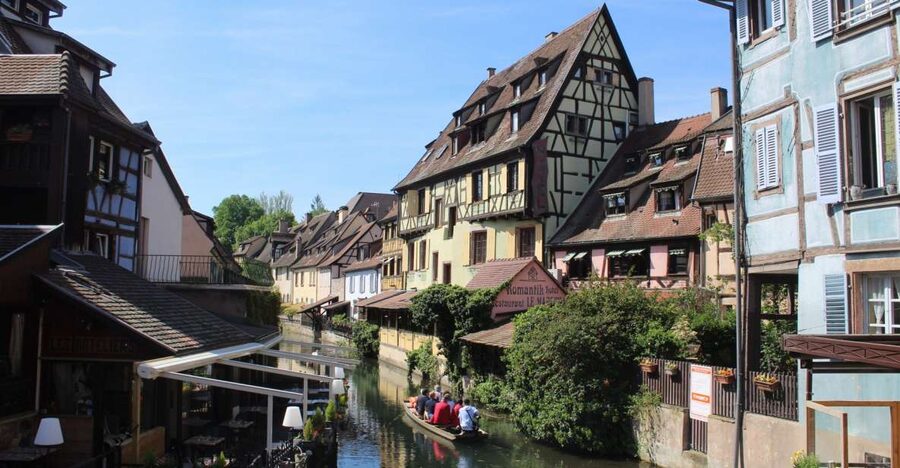
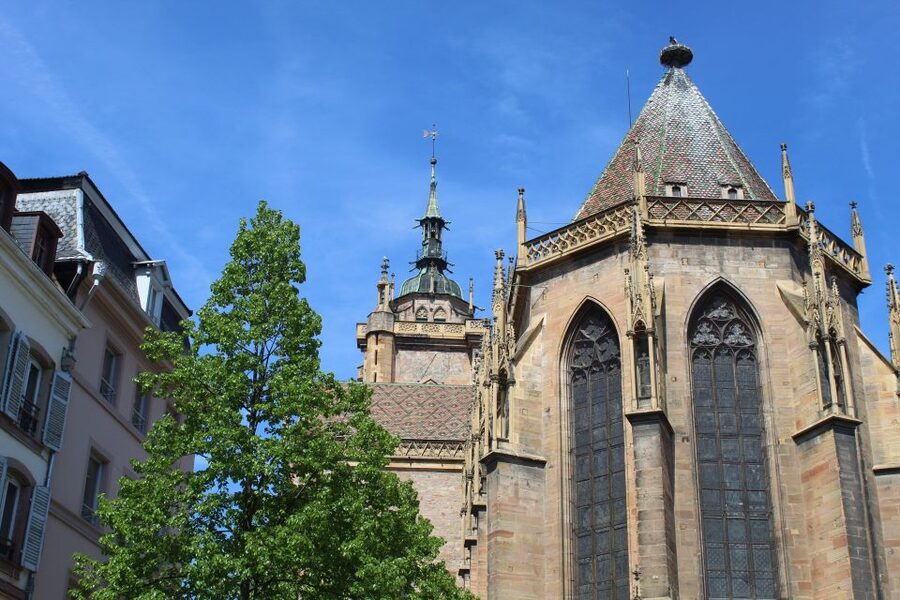
The walk includes Gothic architecture and the Little Venice area, one of Colmar’s most recognizable sections. Canals, old houses, and compact streets create the fairytale effect that draws many people to town.
The value of seeing Little Venice with a guide is not just getting the best photograph. Nicolas points out how the area fits into Colmar’s past and helps separate genuine local character from the parts most often seen in travel pictures.
The Renaissance buildings add another layer. Their ornament and proportions show Colmar at a time when trade and craftsmanship helped shape the town. You do not need an architecture degree to enjoy them, but a few well-placed explanations make the details easier to spot.
This is still a highlights tour, not a specialist architecture walk. If you want long visits inside churches, museums, or individual houses, you will need extra time on your own. The tour is better at giving you a framework for later exploring.
That makes it particularly useful on your first day in Colmar. Once the walk ends, you will have a better idea of which lanes deserve a second look and which museums or restaurants fit your interests.
A few other Colmar half-days to compare
- ICONICS Tour: 1/2 day on the Wine Route, visit of 2 Villages + Tasting.
★ 5.0 · 159 reviews - The Emblematic: visit of villages, Haut-Koenigsbourg, Wine tasting
★ 5.0 · 81 reviews - Paris: Seine Cruise & Crepe Tasting near the Eiffel Tower
★ 4.4 · 11,231 reviews - Authentic Parisian Gourmet Food Tour with 10 Local Dishes & Wines
★ 5.0 · 4,754 reviews
The French and German sides of Alsace
One of the strongest parts of the tour is the explanation of Alsace’s identity. The region’s past is complicated, and Colmar can be hard to understand if you treat it as simply French or simply German.
Nicolas explains the blend in a direct, local way. His family stories and personal connection to Colmar add a human touch, while the wider history explains why the region’s culture feels distinct.
I find this kind of context especially valuable in a short city visit. You may notice German-looking architecture, French signs, local food traditions, and an unmistakable regional pride. The tour helps those observations fit together.
The guide also leaves time for questions. That is where a six-person group pays off. You can ask about local customs, the Alsace wine route, places to eat, or what to see next without waiting for a large crowd to catch up.
From city streets to a working winery
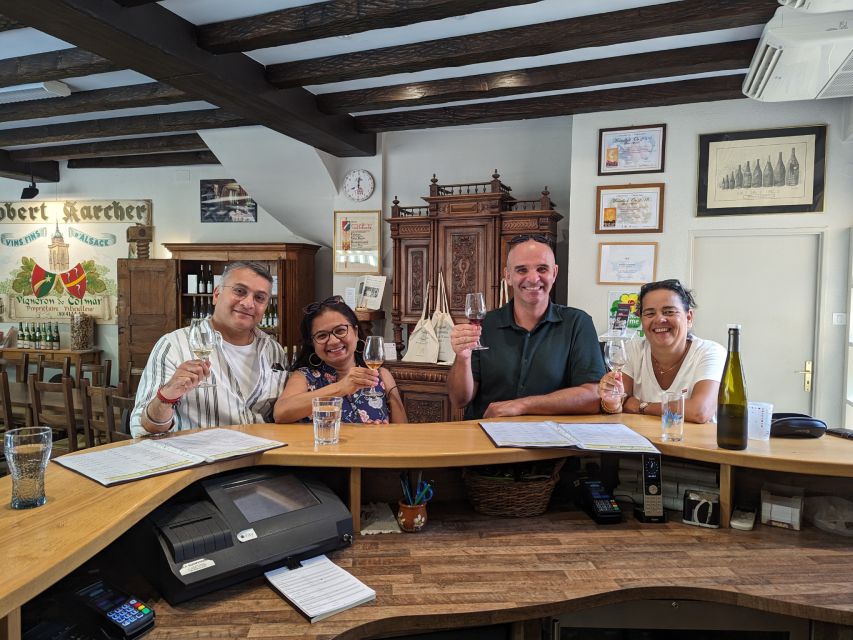
After the walking portion, the tour finishes with a tasting of Alsatian wines. The change of setting gives the two-hour experience a pleasing shape: first the town, then the drink that helps define the surrounding region.
The tasting has been held at Domaine Karcher, or Robert Karcher & Fils, a local family winery with a cellar dating to 1605. This is more interesting than a generic shop tasting because you get a connection to an actual wine-producing family and cellar.
At the winery, you learn about Alsace grape varieties and the region’s white-wine tradition. The focus includes Riesling, Gewurztraminer, and Pinot Gris, three names you are likely to see throughout Alsace.
The setting also gives you a chance to ask practical questions. How do the varieties differ? What makes one bottle dry and another aromatic? Which wine works with local food? The tasting is designed to make those labels less mysterious.
Some sessions offer three generous samples, with a choice from a much larger menu of wines. The exact selection can vary, but you should expect a tasting rather than a full vineyard visit or a long winemaking seminar.
What the Alsace wine tasting adds
Alsace is especially known for white wines, and the tasting gives you a quick way to compare its main styles. Riesling can be crisp and dry, Gewurztraminer is often more perfumed, and Pinot Gris can offer a fuller character. The guide and winery staff explain the differences rather than leaving you with a glass and a name.
The cellar setting also matters. Seeing old barrels and learning how the wines are produced gives the tasting a stronger sense of place. It feels connected to Colmar, not like a stop that could happen in any French city.
I like that the tasting comes at the end. Wine before a two-hour cobblestone walk would be a poor plan. After the sightseeing, it becomes a calm finish and a chance to discuss what you have just seen.
You may also want to buy a bottle. The winery offers local wines at prices that can be attractive compared with restaurant menus, though the tour price does not include purchases. If you are flying, check your airline and customs rules before carrying bottles home.
This is a tasting, not a meal. Do not book it expecting a spread of Alsatian specialties or a full afternoon among vineyards. Its strength is the short introduction to local wine culture.
Is $53 a fair price?
At $53 per person, the tour is not the cheapest way to walk around Colmar. You can explore the Old Town independently for free, and many of the façades are easy to admire without a guide.
The price begins to make sense when you add the elements you would otherwise have to arrange yourself: a live local guide, a focused route, explanations of the town’s history and architecture, and an Alsatian wine tasting at a real winery.
The small group improves the value. A limit of six is far more personal than a large coach-style city tour, and on some dates the group may be even smaller. There have been occasions when a single booking turned the walk into a private experience, though you should not assume that will happen on your date.
The tasting is another important part of the calculation. If you already plan to visit a winery and pay for a tasting, this tour combines that with your first look at Colmar. If you only want photographs and have no interest in wine, the price may feel high.
For me, the best value comes from booking it near the start of your stay. Nicolas gives recommendations for restaurants, bars, museums, shopping, and other places in the region. Good local advice can save you from wasting an evening on a mediocre tourist menu.
Who should book this experience
This tour suits first-time visitors who want a quick but meaningful orientation to Colmar. It is also a good fit for couples, friends, and solo visitors who prefer conversation over a large group with a flag in the air.
Wine fans will appreciate the connection between the city and Alsace’s vineyards. You do not need to be an expert. The tasting is useful precisely because it explains the basic grape varieties in a friendly setting.
History-minded visitors should also enjoy the French and German context. Nicolas’s local background gives the commentary a personal edge without turning the walk into a classroom lecture.
Families can consider it if everyone is comfortable walking on cobblestones. One family completed the two-hour tour with a six-month-old, finding the length manageable, but the experience is still built around walking and wine, not children’s activities.
I would choose something else if you want a full-day wine-country excursion, extensive time inside museums, or a completely accessible route. Pregnant women and people with mobility impairments are specifically advised not to book.
Timing, weather, and practical planning
The advertised duration is two hours, and that is a useful length for Colmar. You can see the key areas without giving up an entire morning or afternoon.
The tour runs rain or shine. Colmar can be beautiful in wet weather, but cobblestones become less pleasant and photographs may not have the same sparkle. Bring suitable footwear and weather protection rather than assuming a cancellation.
The meeting point is at Fontaine Bruat in Parc du Champ de Mars. The guide speaks English and French, so select the language that lets you ask questions comfortably.
Free cancellation is available up to 24 hours before the start for a full refund. You can also reserve now and pay later, which helps if your itinerary is still shifting.
The experience provider is Bretzel&Fun. Its small-group format is central to the appeal, so check the available date before booking if you are traveling during a busy period.
My verdict on the Colmar highlights walk and tasting
I would book this tour for a first visit, especially if you can take it early in your stay. It gives you the main visual pleasures of Colmar, explains the region’s unusual identity, and ends with a local wine tasting that feels tied to the city.
The strongest reason to choose it is Nicolas. His connection to Colmar, clear English, lively stories, and willingness to offer practical suggestions turn a basic orientation walk into something more personal.
The limits are clear: two hours passes quickly, the route is not suited to reduced mobility, and the wine stop is a tasting rather than a full vineyard day. Still, at $53, the combination of a six-person group, local guidance, and a working winery makes it a solid introduction.
Book it if you want to get your bearings fast and understand what you are looking at. Skip it only if you prefer to wander alone, have no interest in wine, or need a route designed for accessibility.
FAQ
Where does the Colmar walking tour meet?
Meet the guide at Fontaine Bruat in Parc du Champ de Mars.
How long does the experience last?
The tour lasts two hours.
What languages does the guide speak?
The live guide speaks English and French.
How large is the group?
The group is limited to six participants.
What wines are included in the tasting?
The tasting features Alsatian wines, including regional varieties such as Gewurztraminer, Riesling, and Pinot Gris.
Does the tour include a visit to a winery?
Yes. The walking tour ends with a tasting at a local winery. The tasting has been held at Domaine Karcher, also called Robert Karcher & Fils, whose cellar dates to 1605.
Can the tour be canceled for a refund?
You can cancel up to 24 hours in advance for a full refund. Reserve now and pay later is also available.
More Walking Tours in Colmar
- Colmar: Unusual Walking Tour with a local guide
★ 4.9 · 194 reviews - Paris Top Sights Half Day Walking Tour with a Fun Guide
★ 5.0 · 2,893 reviews - Montmartre Hidden Gems and Scenic Highlights Walking Tour
★ 5.0 · 2,684 reviews - Montmartre Hill French Gourmet Food and Wine Tasting Walking Tour
★ 5.0 · 2,588 reviews
Just listed in Colmar
- Alsace: Half-Day Wine Tour from Colmar★ 4.7 · 54 reviews
- Private and customizable: Alsace Wine Route HIGHLIGHTS in 3 hours★ 5.0 · 63 reviews
- Christmas Market Tour from Colmar★ 4.5 · 64 reviews
- The Emblematic: visit of villages, Haut-Koenigsbourg, Wine tasting★ 5.0 · 81 reviews
- Enchanting Christmas Experience From Colmar★ 4.3 · 82 reviews
- Alsace’s Gems Small Group Day Tour from Colmar★ 5.0 · 84 reviews
- From Colmar: Alsace Medieval and Wine Tasting Day Tour★ 4.7 · 91 reviews
- Alsace Full Day Wine Tour from Colmar★ 5.0 · 104 reviews
Colmar Tours, compared.
Alsace 4 Wonders Small-Group Day Trip from Colmar
Read our review →
3 Villages in France, Germany, and Switzerland
Read our review →
ICONICS Tour: 1/2 day on the Wine Route, visit of 2 Villages + Tasting.
Read our review →
45-minute Chocolate Making Workshop at Choco-Story
Read our review →Browse the lists this tour appears in