
Reviewed · COLMAR TOURS
Colmar: Unusual Walking Tour with a local guide
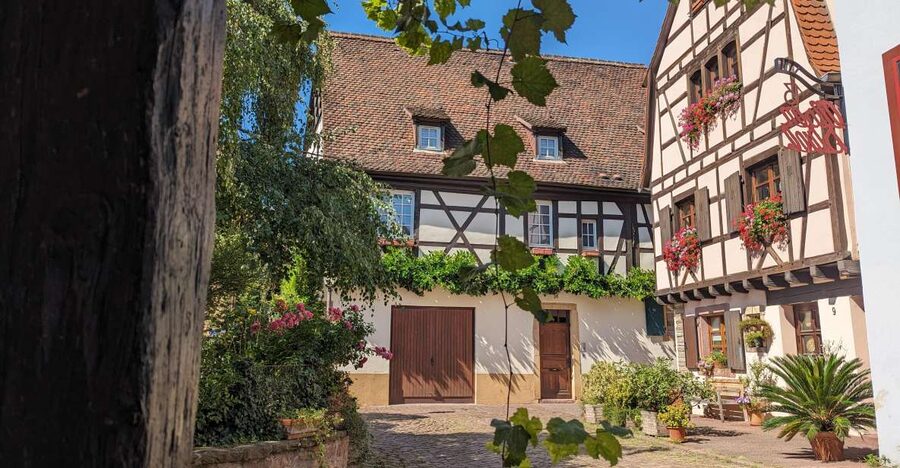
Colmar’s prettiest streets are only the beginning. This two-hour walk with Nicolas moves from medieval lanes and the quieter side of Petite Venise to the grand buildings of the German Imperial district, giving you a better sense of how the town grew and changed.
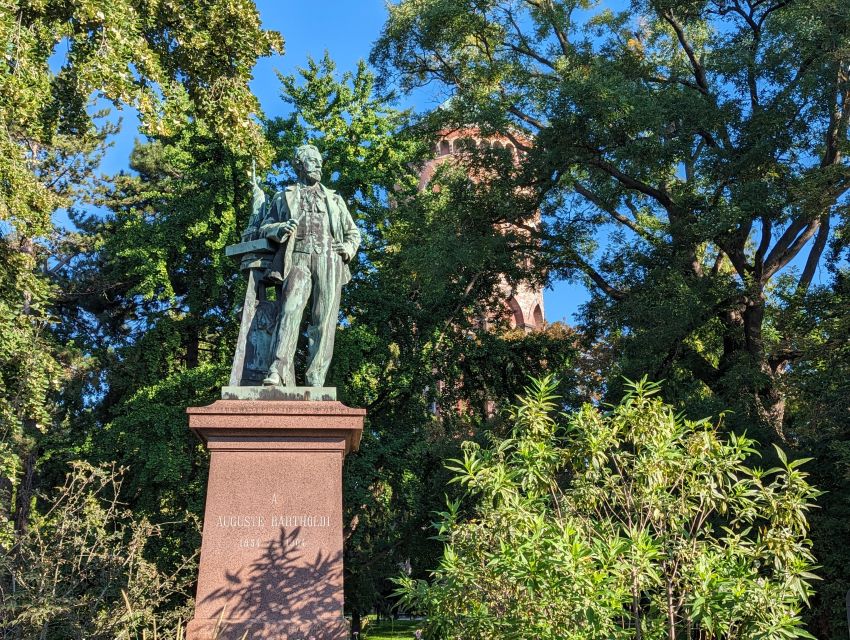
I like the small group of no more than six, which leaves room for questions and a relaxed pace. I also like the focus on details you could easily miss alone, from local symbols and statues by Auguste Bartholdi to the political history behind Colmar’s French and German identity.
The main drawback is simple: this is a walking tour for people who can manage two hours on foot. It is not suitable for people with mobility impairments, and anyone hoping to spend the entire time around postcard-perfect Petite Venise may find the southern district less immediately charming.
Key points at a glance
- Medieval Colmar with local stories: Hear about daily life, customs, and the people who shaped the town.
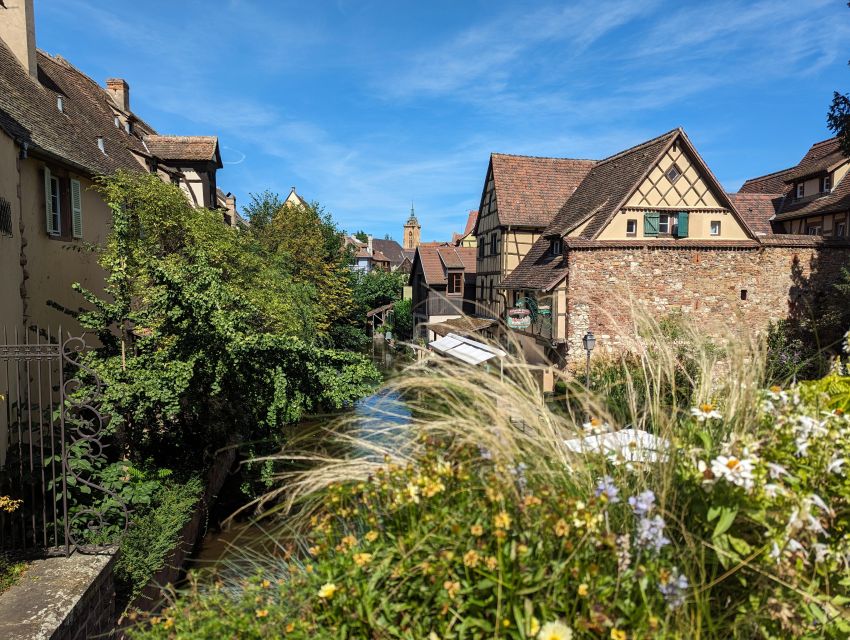
- A different route through Petite Venise: Walk smaller streets and avoid the busiest paths in the picturesque quarter.
- Bartholdi’s Colmar: See several statues connected with Auguste Bartholdi, the sculptor of the Statue of Liberty.
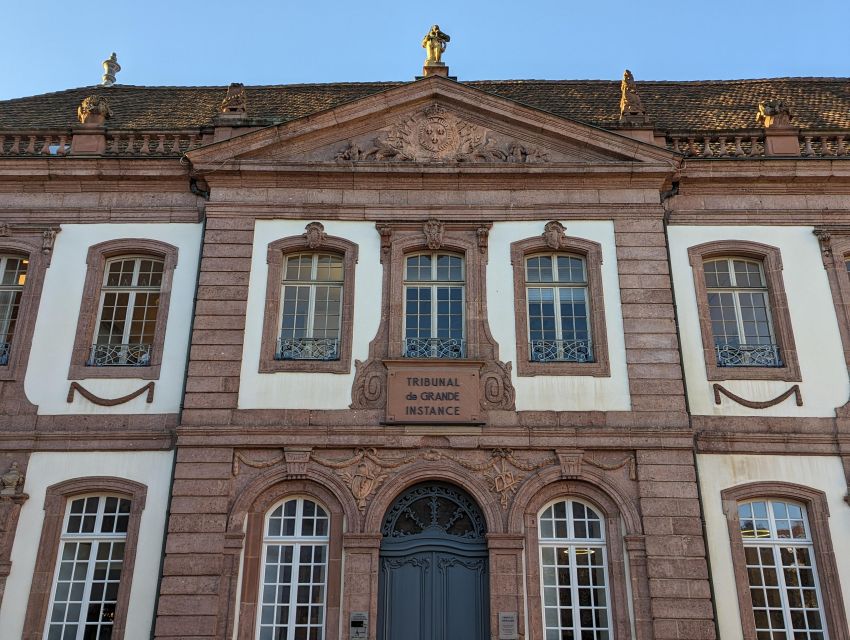
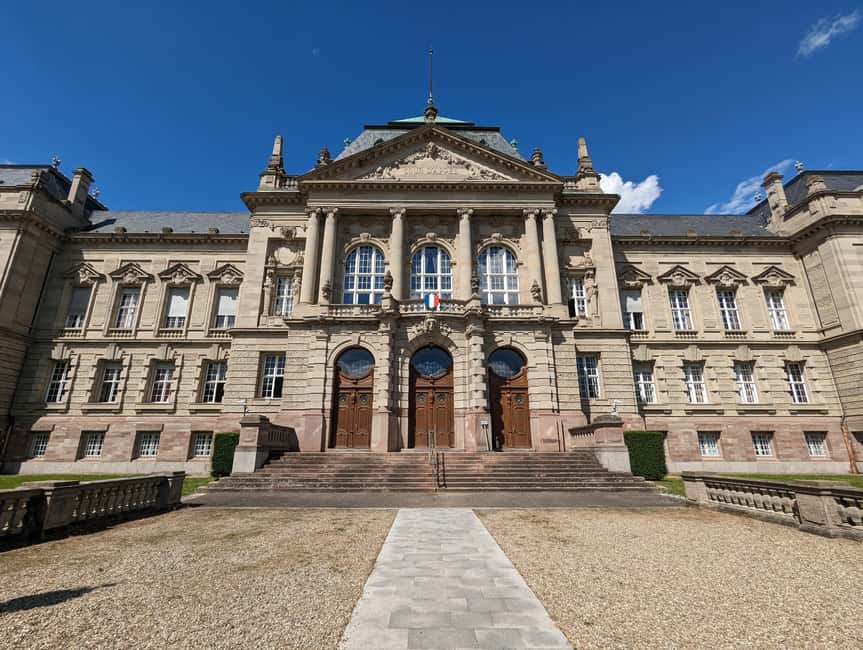
- German Imperial architecture: Visit the monumental Cour d’Appel, the large Chateau d’Eau, and Colmar’s Central Train Station.
- A genuinely small group: The tour is limited to six people, making questions and conversation easy.
- Useful follow-up advice: Nicolas can suggest places to eat and drink, along with ways to spend the rest of your day.
Why this Colmar walk offers more than pretty streets
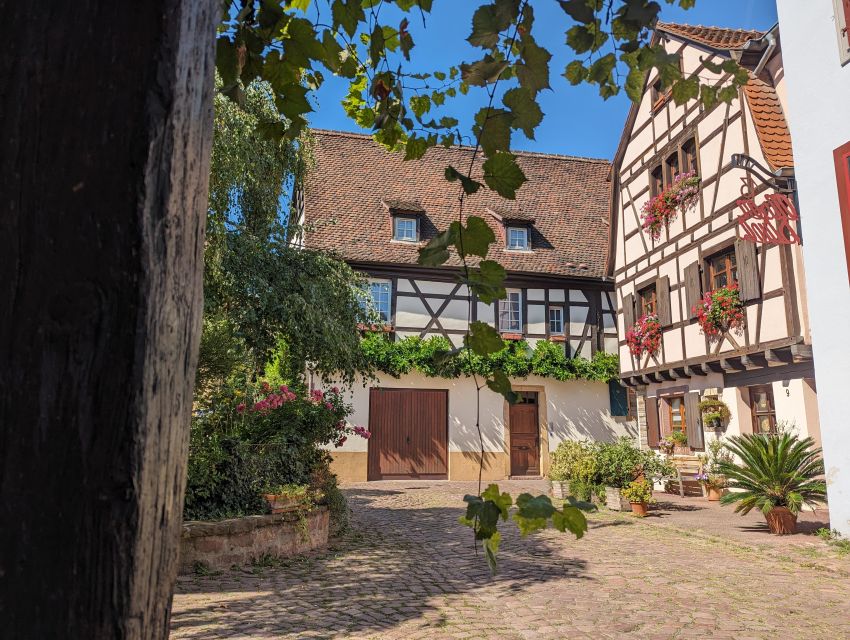
Colmar can be a tricky town to read. At first glance, it is a collection of half-timbered houses, flower boxes, canals, and colorful façades. That beauty is real, but it can flatten the place into a photo stop.
This tour adds the missing layers. You learn how people lived in the Middle Ages, why Alsace has such a complicated relationship with France and Germany, and how public buildings from the Imperial period changed the southern part of town. The result is less a checklist of sights and more a lesson in how Colmar became Colmar.
Nicolas is a local guide who grew up in the city and has studied tourism. His approach, based on the feedback available for this experience, is relaxed and conversational rather than stiff or theatrical. He explains history in clear English or French, welcomes questions, and brings in lighter subjects such as local football, Alsatian pride, sayings, and everyday culture.
That mix matters. You will still learn dates and political facts, but you also get the sort of local framing that guidebooks often miss.
More walking tours in Colmar:
- Colmar: Highlights Walking Tour and Wine Tasting
★ 4.9 · 209 reviews - Paris Top Sights Half Day Walking Tour with a Fun Guide
★ 5.0 · 2,893 reviews - Montmartre Hidden Gems and Scenic Highlights Walking Tour
★ 5.0 · 2,684 reviews
Starting at the Bruat Fountain in Champ de Mars
The meeting point is the Bruat Fountain, located in the middle of Parc du Champ de Mars. This is a practical place to begin because the park gives the group room to meet before heading into the older parts of Colmar.
Arrive ready to walk rather than expecting a quick orientation near a single landmark. The tour begins by placing Colmar in its wider setting, then leads you toward the medieval city. If you book this early in your stay, the opening section should help you get your bearings quickly.
An earlier start can be useful. Colmar’s famous center becomes crowded, especially around the most photographed streets. Beginning in the morning gives you a better chance to hear the guide clearly and enjoy the lanes before the day reaches its busiest point.
The meeting point is outdoors, so check the weather before leaving. One recent group enjoyed the tour even on a rainy day, but comfortable shoes and a rain layer make good sense.
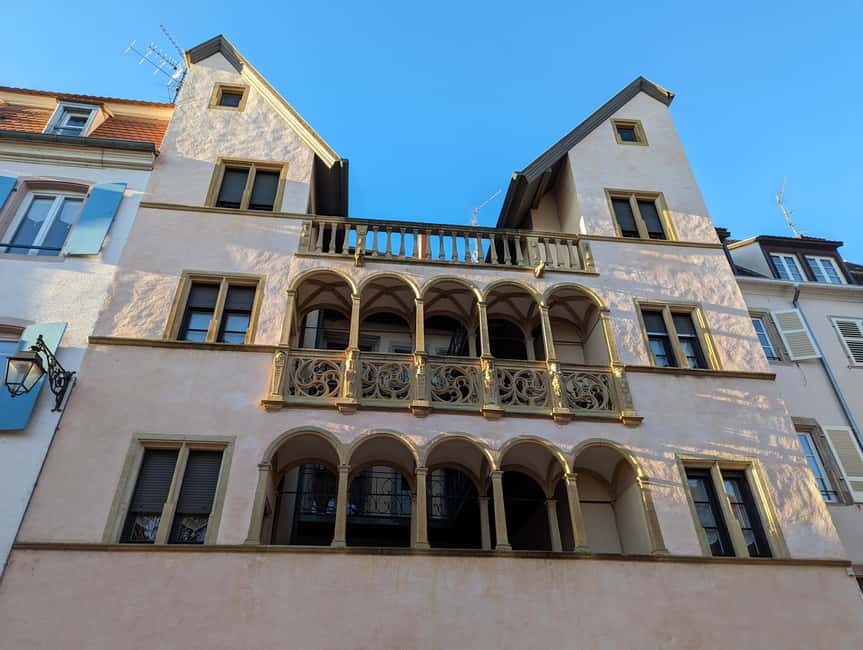
Medieval Colmar and the people behind the façades
The first major focus is the medieval city. Here, the guide moves beyond architecture and explains what life was like for ordinary people in the Middle Ages.
That is an important distinction. You can admire a timbered house without knowing who used it, how the town worked, or what its street pattern tells you. With Nicolas, you can expect anecdotes about local people and the daily life that took place behind the façades.
The best part of this section is the attention to small details. Signs, building features, symbols, and bits of local design may look decorative at first. The guide helps you see how they connect to Colmar’s past and local personalities.
History is also presented as a series of human choices rather than a string of dates. Nicolas explains the way power shifted in Alsace and how Colmar’s identity was shaped by periods under French and German influence. That context makes later sights, especially the Imperial buildings, much easier to understand.
This section suits visitors who like a story with their sightseeing. If you only want quick facts and photographs, the explanations may feel slower. For most people, though, the slower pace is precisely what makes the old town more interesting.
Petite Venise without following the busiest path
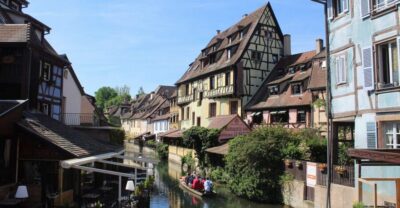
Petite Venise is Colmar’s best-known district, with canals and photogenic houses that draw large crowds. The tour does not ignore it, but it approaches the area in a more considered way.
Instead of spending the whole visit on the most crowded streets, you walk through smaller lanes and see the district from a different angle. This is useful if you have already taken the standard independent stroll and want more than the familiar canal views.
The guide’s role here is not just to point at attractive buildings. He helps connect the area to the wider story of Colmar and points out details you might otherwise pass without noticing. That can change the way you look at a place you thought you had already seen.
Keep your expectations realistic. This is still a walking tour in a popular quarter, so it cannot remove the crowds entirely. The value is in choosing a less obvious route and giving the district some context, not in promising an empty Petite Venise.
A few other Colmar half-days to compare
- Paris: Louvre Guided Tour with Reserved Access & Boat Cruise
★ 4.3 · 16,353 reviews - Louvre Museum Masterpieces Guided Tour with Access
★ 4.5 · 12,023 reviews - Louvre Museum – Exclusive Guided Tour (Entry Included)
★ 5.0 · 6,296 reviews - Versailles: Skip-the-Line Guided Palace Tour and Full Access
★ 4.6 · 5,214 reviews
Bartholdi’s statues and Colmar’s local heroes
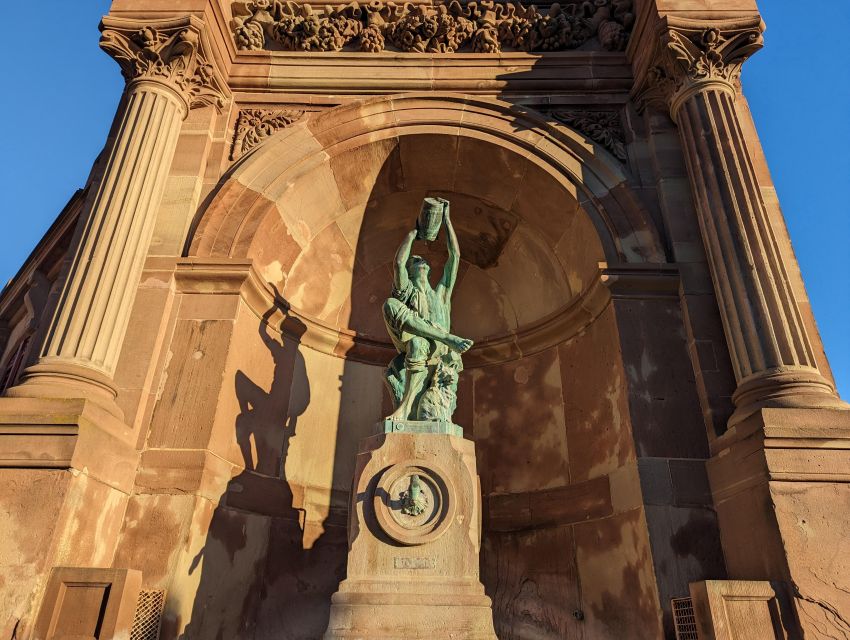
Auguste Bartholdi is one of Colmar’s most important figures. The sculptor of the Statue of Liberty was born in the city, and the tour uses his statues to explore both the artist and the people commemorated in his work.
This makes a useful change from looking only at old houses. Public statues tell you what a city chooses to honor, and Bartholdi’s work gives you a way to discuss Colmar’s heroes and civic identity.
You will see several statues linked with Bartholdi. The guide explains their importance and adds background about Bartholdi himself. If you have seen the Statue of Liberty elsewhere, this part gives you a more direct connection to the sculptor’s birthplace.
The appeal is strongest for visitors who enjoy public art, local personalities, and the stories behind monuments. The statues may not all be major sightseeing stops on their own, but together they create a clearer picture of Colmar’s civic life.
The southern district and its Imperial-era scale
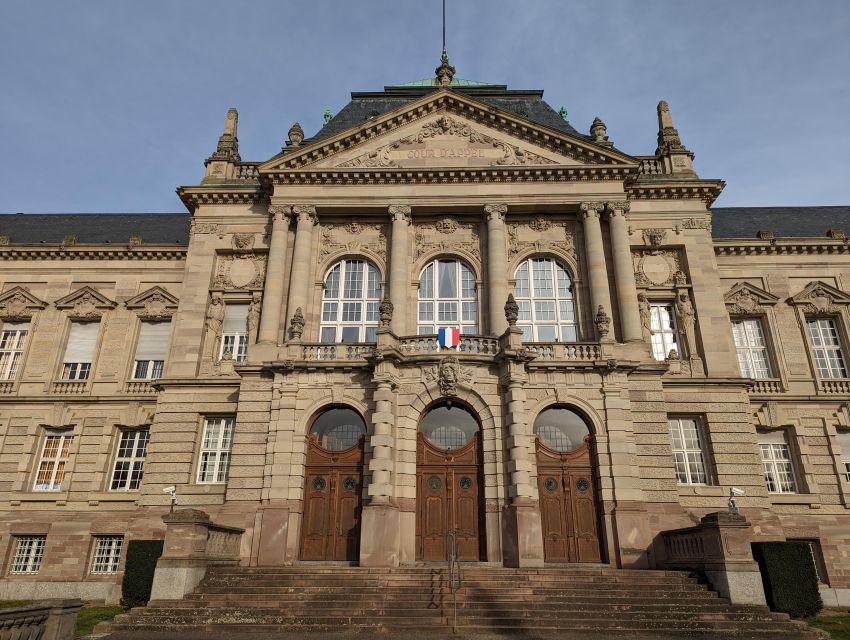
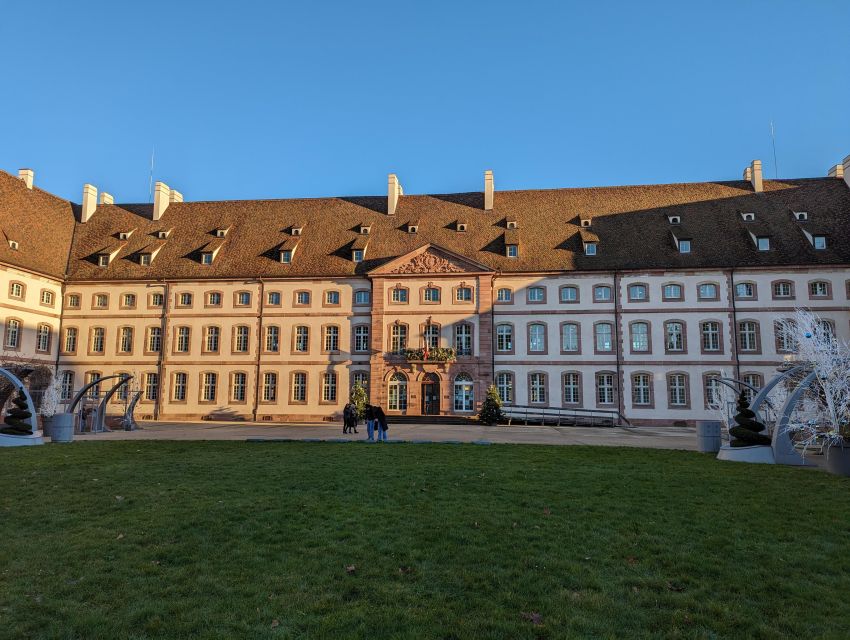
The tour then reaches a part of Colmar many short old-town walks skip: the southern district shaped by the German Imperial era.
The change in scale is striking. The medieval center is intimate, irregular, and close to the street. The southern district introduces larger public buildings and a more formal urban style. Seeing both areas in one walk helps you understand that Colmar is not just an old quarter preserved for visitors.
Three sights receive particular attention:
- Cour d’Appel: This monumental court building shows the official, institutional character of the district.
- Chateau d’Eau: Its large size makes it an unexpected point of interest and a reminder of the practical infrastructure behind a historic city.
- Central Train Station: The station reflects the importance of transport and the changing political and architectural character of Colmar.
These buildings may not have the instant charm of Petite Venise. That is also their strength. They show you a more complicated city, one with administration, industry, transport, and political power, not just canals and decorated houses.
For me, this is one of the strongest reasons to choose this tour over a basic old-town introduction. You see how Colmar changed across different periods, rather than treating the town as if its history stopped in the Middle Ages.
A guide who keeps history clear and personal
Nicolas receives repeated praise for his clear English, humor, patience, and love of Colmar. Those qualities matter more than a long list of dates.
He appears comfortable answering questions and adjusting the conversation to the group. One small English-speaking group was kept in English, while another mixed French and English group had the language changes handled smoothly. The tour is officially offered in both languages, so confirm your preferred language when booking.
The guide also adds local subjects that may not appear in a standard city tour. You might hear about Alsatian culture, regional sayings, football clubs, local heroes, and the changes brought by wars and shifting borders. These details help explain why Alsace can feel both French and distinctively Alsatian.
Several people also received practical suggestions for restaurants, drinks, souvenirs, and ways to spend the rest of the day. That advice is especially useful in Colmar, where the most visible restaurants are not always the places you will want for a relaxed meal.
Do not expect a formal lecture. The appeal is closer to walking around town with an informed local who knows how to explain what you are seeing.
What two hours can realistically cover
Two hours is enough for a strong introduction, but not enough to explore every museum or enter every building. The experience stays outdoors and focuses on the city’s streets, monuments, architecture, and historical context.
The pace is described as calm and well paced. That gives you time to listen, ask questions, and take photographs without feeling rushed. It also means you should not expect a rapid-fire tour that tries to cover every famous address.
The compact format works well on your first day. You can learn the layout of the city, note places you want to revisit, and use the food and drink suggestions afterward. It also works well for a short stay, when two hours of orientation can save you from wandering past the same streets without understanding them.
Families may find the storytelling more engaging than a standard history lesson. One review specifically noted that a 15-year-old enjoyed the experience, including on a wet day. Still, children who need frequent breaks may find two hours of continuous walking demanding.
Price, group size, and overall value
At $41 per person, the tour is not the cheapest way to walk through Colmar. You can see the old town without paying anything, and many visitors are happy to explore at their own pace.
The price becomes easier to justify because of the small group limit of six and the broad route. You are not paying only for a stroll around Petite Venise. You are getting local interpretation, medieval history, Bartholdi, the French-German story of Alsace, and the Imperial district, plus recommendations for the rest of your stay.
The small group is a real part of the value. With six or fewer people, you have a better chance of hearing the guide in narrow streets and asking about details that catch your eye. It also creates a more personal feel than a large group gathered around a flag.
If you already know Colmar well or prefer to read at your own pace, the price may not suit you. If this is your first visit and you want to understand the city quickly, it is a fair use of two hours, especially when the advice continues beyond the final stop.
Free cancellation up to 24 hours before the start and the option to reserve now and pay later add flexibility. These are useful if your Alsace plans are still shifting, but they do not change the basic question: do you want a guide, or would you rather explore independently?
Who should book this walk?
I would choose this tour for a first visit to Colmar, especially if you plan to stay for at least a day. It gives you a useful framework before you visit museums, eat in the old town, or walk the canals alone.
It is also a good fit if you have already seen the obvious sights and want the city’s less familiar side. The southern Imperial district and Bartholdi’s statues add variety, while the quieter routes through Petite Venise keep the tour from feeling like a repeat of a standard photo walk.
History fans will appreciate the explanation of French and German rule, the medieval period, and the region’s changes through conflict. Architecture fans will enjoy the contrast between timbered houses and large Imperial buildings. Food-minded visitors should pay attention to Nicolas’s local recommendations at the end.
The tour is conducted in English or French and is limited to six participants. It is not suitable for people with mobility impairments, and you should be comfortable walking for the full two hours.
Should you book the Colmar unusual walking tour?
Book it if you want Colmar to make sense, not simply look beautiful. Nicolas’s local background, clear English, humor, and practical suggestions appear to be the heart of the experience, while the route gives you more range than a quick old-town circuit.
I would book it near the start of your visit, ideally at an earlier time if available. You can then return to favorite streets, avoid the most crowded paths, and use the restaurant and activity advice for the rest of your stay.
Skip it if you want a self-guided photo walk, a fully accessible route, or a tour limited to the most famous canals and façades. For everyone else, $41 buys a thoughtful introduction to medieval Colmar, Bartholdi’s hometown, and the Imperial city beyond Petite Venise.
FAQ
Where does the tour meet?
The meeting point is the Bruat Fountain in the middle of Parc du Champ de Mars.
How long does the walking tour last?
The tour lasts two hours.
How much does the tour cost?
The listed price is $41 per person.
Which languages are available?
The tour is available in French and English.
How large is the group?
The group is limited to six participants.
Does the tour visit Petite Venise?
Yes. The route includes smaller streets in Petite Venise and aims to show the district away from its busiest paths.
Does the tour visit Colmar’s southern district?
Yes. The route explores the southern district and its German Imperial-era sights, including the Cour d’Appel, Chateau d’Eau, and Central Train Station.
Who is the local guide?
The guide is Nicolas, also referred to as Nicholas in some booking information and comments.
Is the tour suitable for people with mobility impairments?
No. The experience is listed as unsuitable for people with mobility impairments.
Can I cancel for a refund?
Yes. You can cancel up to 24 hours in advance for a full refund. You can also reserve now and pay later.
Just listed in Colmar
- Alsace: Half-Day Wine Tour from Colmar★ 4.7 · 54 reviews
- Private and customizable: Alsace Wine Route HIGHLIGHTS in 3 hours★ 5.0 · 63 reviews
- Christmas Market Tour from Colmar★ 4.5 · 64 reviews
- The Emblematic: visit of villages, Haut-Koenigsbourg, Wine tasting★ 5.0 · 81 reviews
- Enchanting Christmas Experience From Colmar★ 4.3 · 82 reviews
- Alsace’s Gems Small Group Day Tour from Colmar★ 5.0 · 84 reviews
- From Colmar: Alsace Medieval and Wine Tasting Day Tour★ 4.7 · 91 reviews
- Alsace Full Day Wine Tour from Colmar★ 5.0 · 104 reviews
Colmar Tours, compared.
Alsace 4 Wonders Small-Group Day Trip from Colmar
Read our review →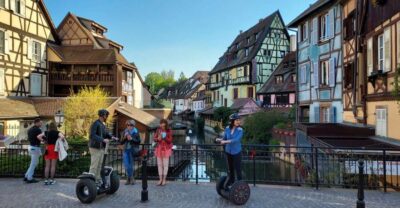
3 Villages in France, Germany, and Switzerland
Read our review →
ICONICS Tour: 1/2 day on the Wine Route, visit of 2 Villages + Tasting.
Read our review →
45-minute Chocolate Making Workshop at Choco-Story
Read our review →Browse the lists this tour appears in