
Reviewed · BAYEUX TOURS
DDay American Beaches and US Airborne Full Day Tour from Bayeux
The most moving part of this day is the way it connects vast military events with small, human stories. At Omaha Beach, you stand where the 1st and 29th Infantry Divisions came ashore. At Angoville-au-Plain, you finish in a tiny church where two medics treated about 80 wounded men, both American and German. The scale changes from battlefield to bedside, and that gives the day real emotional weight.
I like the small group of no more than seven and the fact that the guide uses maps, photographs, names, and personal stories rather than giving a dry list of dates. I also like the easy round-trip minivan service from central Bayeux, especially since Normandy’s sites are spread across several rural roads.
The main drawback is the pace. You cover a lot in 8 hours and 30 minutes, so this is an excellent first look at the American D-Day sector, not a complete study of every museum, beach, and battlefield. Lunch is not included, and the day asks you to stay focused through several long history talks.
Key points to know before booking
- Omaha and Utah Beaches: Compare the two main American landing areas and learn why their battles unfolded so differently.
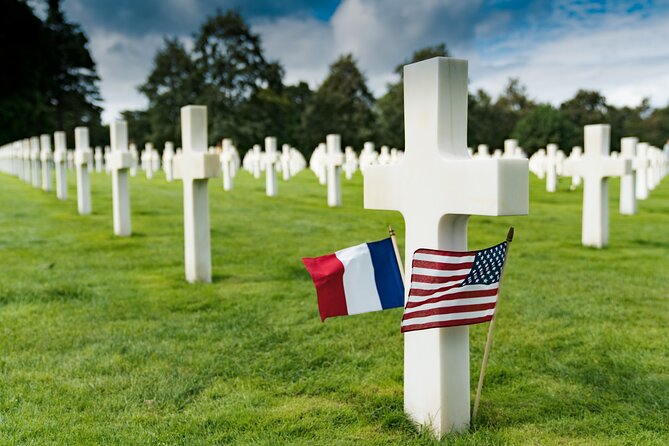
- A deeply respectful cemetery visit: The Normandy American Cemetery contains more than 9,000 American servicemen and women.
- Pointe du Hoc’s battle scars: See bomb craters, bunkers, and dugouts tied to the 2nd US Ranger Battalion.
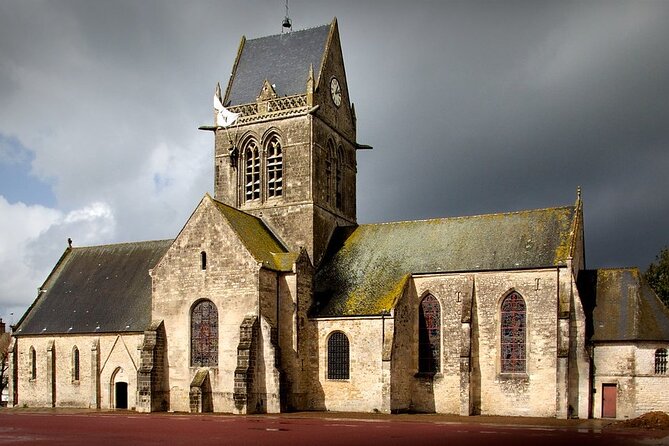
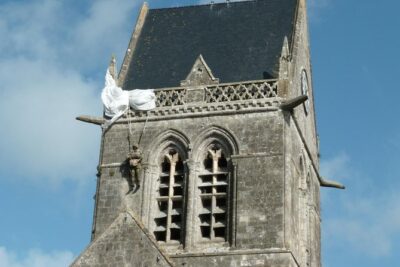
- Airborne history in Sainte-Mère-Église: Hear how American paratroopers captured the first town and how one became caught on the church tower.
- A moving final stop: Visit the church at Angoville-au-Plain, used as an aid station by two young medics.
- A guide-led day without driving stress: Travel in an air-conditioned minivan from Bayeux with an English-speaking certified guide.
Why this Bayeux D-Day tour works so well
This tour is built around the American side of the Normandy landings. It does not try to cover every Allied beach. Instead, it gives you a clear route through the main American sites: Omaha, the cemetery, Pointe du Hoc, Sainte-Mère-Église, Utah, and Angoville-au-Plain.
I find that order useful. You begin with the hardest fighting at Omaha, pause at the cemetery, then move west toward the Ranger assault at Pointe du Hoc and the airborne operation around Sainte-Mère-Église. Utah Beach shows a different kind of landing, and the small church at Angoville-au-Plain closes the day with a personal story of care under fire.
The guide is central to the experience. Guides named in the feedback include Sophie, Chloe, Yannick, Gwen, Corinne, and Mickael. Their approach varies, but the repeated strengths are clear: strong command of the campaign, excellent English, careful driving, visual aids, and an ability to answer questions without losing the thread of the day.
Several guides use handheld maps and picture books. That matters at Normandy. A beach can look calm and open today, but a map showing German defenses, landing sectors, sea obstacles, and troop movements helps you understand why the ground was so dangerous in 1944.
A few other Bayeux half-days to compare
- Normandy American D-Day Beaches Full Day Tour from Bayeux
★ 5.0 · 2,103 reviews - Omaha and Band Of Brothers Full Day Tour
★ 5.0 · 1,104 reviews - From Bayeux: American D-Day Sites in Normandy Full-Day Tour
★ 4.9 · 503 reviews
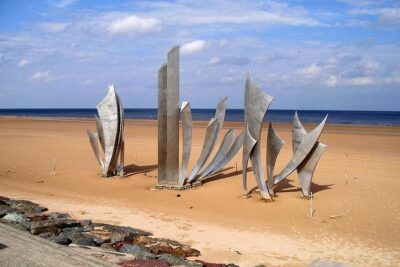
Omaha Beach: seeing the first waves in context
The day begins with about a 30-minute drive from Bayeux to Omaha Beach. You have roughly 40 minutes at the site, where the guide explains the landing of the 1st and 29th US Infantry Divisions.
Omaha is often the most difficult stop emotionally. It is broad, open, and peaceful now. That contrast can make the events harder to grasp. Your guide helps by showing how the German defenses were arranged and how the first waves of American soldiers faced concentrated fire from positions above the beach.
This is not simply a photo stop. You learn about the beach layout, the first assault waves, and the problems that caused the landing to break down in its early stages. Personal accounts and names help turn an army operation into something more human.
Forty minutes is enough for an explanation and a quiet look around, but it will not allow a long independent walk. If you want time to explore Omaha’s monuments, bunkers, and nearby museums at length, plan another visit.
Normandy American Cemetery: allow the mood to change
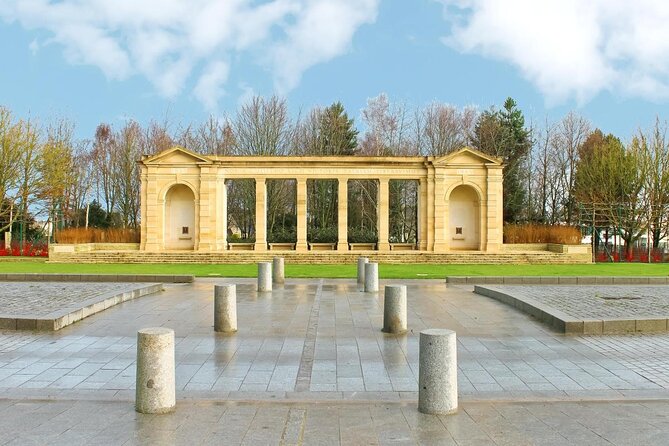
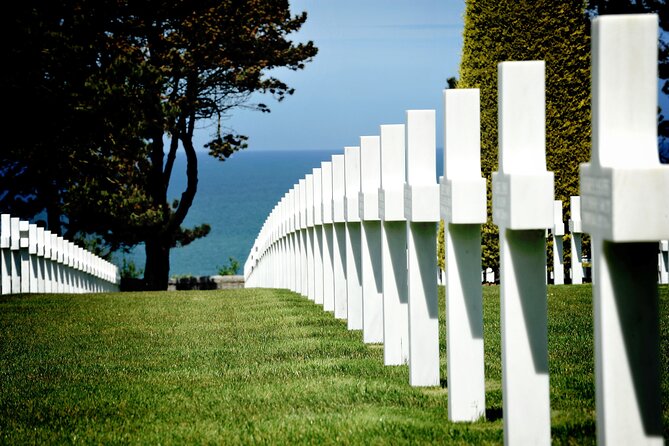
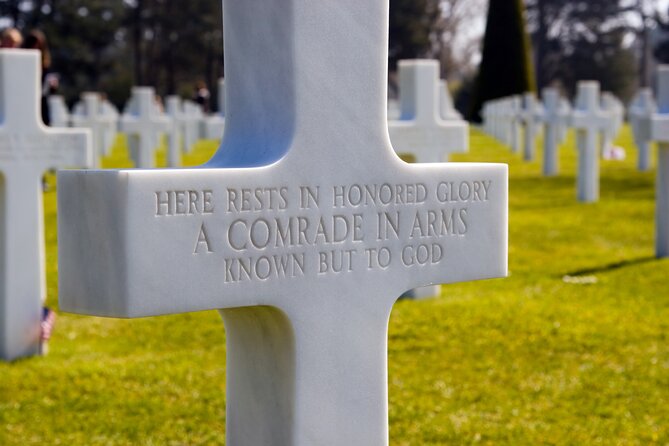
The cemetery behind Omaha receives about an hour. It is run by the American Battle Monuments Commission and contains the graves of more than 9,000 American servicemen and women.
I would treat this as a place for quiet attention rather than a quick sightseeing stop. The rows of white crosses and Stars of David create a strong visual order, but the meaning is personal: each marker represents a life ended during the campaign.
The cemetery is also valuable because it gives physical scale to the cost of the invasion. Omaha Beach explains the danger of the landing. The cemetery shows what that danger meant after the fighting.
You have time to walk, reflect, and listen to the guide’s explanation. People with a family connection may find the visit especially powerful. One person on this tour learned that a relative was buried there, which shows why it is worth checking the cemetery records if your family has a Normandy connection.
The hour is well judged. You can see the main grounds without feeling rushed, though anyone who wants to spend a long time at individual graves may wish for more.
Pointe du Hoc: craters, cliffs, and the Ranger assault
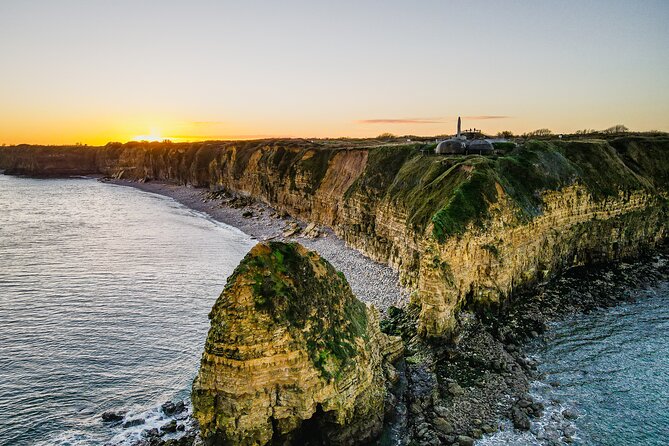
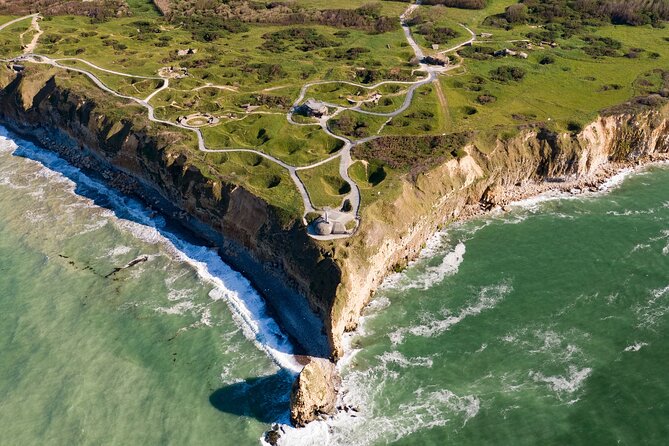
Pointe du Hoc receives about an hour. This headland is linked to the 2nd US Ranger Battalion, led by Lieutenant Colonel James E. Rudder. The Rangers scaled the cliffs to attack a German gun battery that threatened the American landings.
The ground here helps explain the difficulty. Bomb craters, bunkers, and dugouts remain visible, so you are not relying only on an abstract map. The uneven surface also makes the assault feel less like a simple climb and more like a dangerous attack under fire.
Your guide connects the physical site to the larger plan. The Rangers had to reach the position and destroy the guns before those weapons could threaten the beaches. The story is about courage, but also timing, uncertainty, and the pressure placed on small units during a very large operation.
Wear sturdy shoes. The site includes rough, cratered ground, and you will get more from it if you can walk comfortably. The tour then makes a roughly 30-minute drive toward Sainte-Mère-Église.
Same city, a completely different afternoon:
- Normandy American D-Day Experience – Group tour from Bayeux
★ 5.0 · 1,566 reviews - Normandy Beaches Half-Day Afternoon Trip from Bayeux (A2)
★ 4.5 · 1,116 reviews - Omaha Beach D-Day Experience – Afternoon group tour from Bayeux
★ 5.0 · 1,088 reviews - Omaha and Utah beaches
★ 5.0 · 1,085 reviews
Sainte-Mère-Église: the airborne operation becomes personal
The tour allows about two hours in Sainte-Mère-Église, the first town captured by American paratroopers. The town is famous for the paratrooper who became caught on the church tower during the night of the invasion.
This stop gives the day a different rhythm. Omaha and Pointe du Hoc focus on beach assaults and cliff fighting. Sainte-Mère-Église lets you consider the confusion of a nighttime airborne operation, when troops landed away from their intended drop zones and had to assemble under pressure.
The town is also a practical place for the lunch break, though lunch is not included in the tour price. Some schedules and guide arrangements may include time for the Airborne Museum, which is frequently singled out as a worthwhile part of the stop. Confirm exactly what is included when booking, since the published inclusions cover transport and the guide, not museum admission or meals.
Two hours is the longest single stop on the route. That gives you breathing room for lunch, the church, town streets, and possibly the museum. If you are mainly interested in airborne operations, this may become the highlight of your day.
Utah Beach: a different American landing
After Sainte-Mère-Église, the minivan takes about 20 minutes to Utah Beach. You have around two hours here, making it another substantial stop.
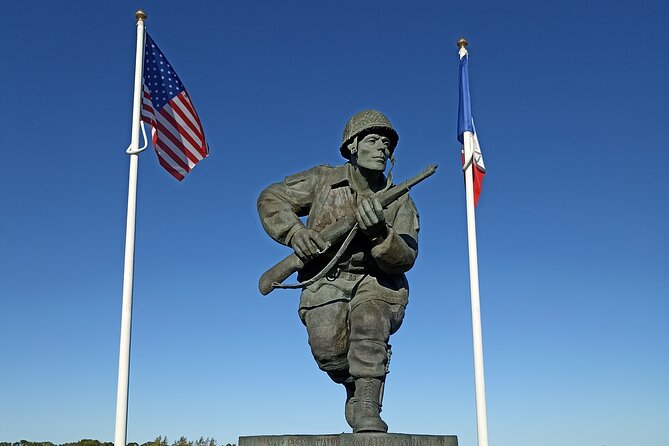
Your guide explains how the 4th Infantry Division breached the German defenses and why this landing developed differently from Omaha. Brigadier General Theodore Roosevelt Jr. led the first wave, landing at about 6:30 a.m. He later received the Medal of Honor.
The value of seeing both beaches is the comparison. If you visit only Omaha, you may leave with the impression that the American landing was one uniform disaster. Utah shows a different result and helps you understand the effect of terrain, planning, resistance, navigation, and leadership.
The two-hour window also gives you the best chance to explore at a slower pace. Still, remember that the visit includes guide commentary as well as independent time, and the day must stay on schedule. If you want to visit every exhibit in the Utah area, you may need to return on your own.
Angoville-au-Plain: the quietest and most human stop
The final main visit is Angoville-au-Plain, reached by a drive of about 15 minutes from Utah Beach. You spend roughly 45 minutes in the church, which was used as an aid station.
Two young medics treated about 80 wounded soldiers over two days. Their work included American and German troops, and the story offers a sharp reminder that battlefield medicine often crossed the lines drawn by armies.
I like this stop because it is modest in size but large in meaning. You are not looking at a huge cemetery or standing on a famous beach. You are in a small church where people tried to save lives with limited resources. Several guides use this story to end the tour, and it makes a fitting final note before the drive back to Bayeux.
The return journey takes about 35 minutes. The tour ends at the same central Bayeux meeting point, usually after about 8 hours and 30 minutes on the road and at the sites.
What the $169.31 price gets you
At $169.31 per person, this is not the cheapest way to see Normandy. It is a reasonable price if you value expert route planning, a small group, and the ability to focus on the sites instead of driving between them.
You are paying for round-trip transport in an air-conditioned minivan and an experienced, certified guide. The group limit of seven is important. You get more room than on a large coach, and it is easier to ask about a relative, a unit, a battle detail, or something you have just seen.
The value is strongest if you are staying in Bayeux for a short time. You can see six important American sites in one day without arranging parking, studying battlefield maps, or keeping track of rural roads. One guide even helped a person deal with a car parking problem, a small example of how useful local assistance can be.
The price does not include lunch. Admission is listed as free for the scheduled stops, but if you enter a museum during free time, confirm the admission arrangement before you go. Also remember that a one-day route cannot replace several days in Normandy. If you have a serious interest in the campaign, add separate time for British, Canadian, and airborne sites.
Who should book this experience
I would recommend this tour to a first-time Normandy visitor who wants the American beaches and airborne story in one organized day. It also suits people who enjoy military history but do not want to rent a car or build a route from scratch.
The small group should work well for couples, families with older children, and solo visitors who like sharing a day with people interested in the same subject. The English-language format is useful if you want detailed explanations and the chance to ask questions freely.
You should think twice if you prefer a slow, museum-heavy visit. The schedule is full, and the guide needs to keep moving. It is also less suitable if your main goal is to cover the British and Canadian sectors, since this route concentrates on American operations.
Good walking shoes and weather-ready clothing will help. The experience requires good weather, and poor conditions can lead to a different date or a full refund. You can cancel for a full refund up to 24 hours before the start time. The tour also requires a minimum number of bookings, so a cancellation for that reason results in a new date, another experience, or a refund.
The final call
Book this tour if you want a focused, well-paced introduction to the US side of D-Day from Bayeux. Its best features are the seven-person limit, clear visual explanations, comfortable transport, and the mix of famous places with smaller sites such as Angoville-au-Plain.
Do not book it expecting to master all of Normandy in one day. Instead, use it to get your bearings and understand the main story. The most effective plan is to stay in Bayeux, take this tour early in your visit, and return to the places that deserve more time.
FAQ
Where does the tour start?
The tour starts at Place du Québec, Pl. du Québec, 14400 Bayeux, France.
What time does the tour begin?
The scheduled start time is 9:00 a.m.
Where does the tour end?
The activity ends back at the meeting point in central Bayeux.
How long does the tour last?
The tour lasts approximately 8 hours and 30 minutes.
How many people can join the tour?
The tour has a maximum of seven travelers.
Is transportation included?
Yes. Round-trip transportation from central Bayeux is included in an air-conditioned minivan.
Is lunch included?
No. Lunch is not included in the tour price.
Is the tour offered in English?
Yes. The tour is offered in English and includes an experienced, certified guide.
Can I cancel for a full refund?
Yes. You can cancel at least 24 hours before the experience start time for a full refund. Changes or cancellations made less than 24 hours before the start time are not accepted for a refund.
Just listed in Bayeux
- WW2 Jeep or Dodge truck tour of the Omaha Beach site★ 5.0 · 51 reviews
- Private Tour of American Sites with an Expert Guide from DDAY★ 5.0 · 51 reviews
- Mont Saint Michel Full Day Tour from Bayeux★ 5.0 · 52 reviews
- Private Day Tour including Normandy Landing Beaches & Battlefields from Caen★ 5.0 · 53 reviews
- Bayeux: Band Of Brothers Full-Day Tour★ 4.9 · 53 reviews
- From Bayeux: D-Day American Beaches and US Airborne Day Tour★ 4.8 · 56 reviews
- Le Havre Shore Excursion: Private Day Tour with Omaha Beach & American Cemetery★ 5.0 · 57 reviews
- From Bayeux: 2-hour private sidecar tour in Normandy★ 5.0 · 58 reviews
Bayeux Tours, compared.
Normandy American D-Day Beaches Full Day Tour from Bayeux
Read our review →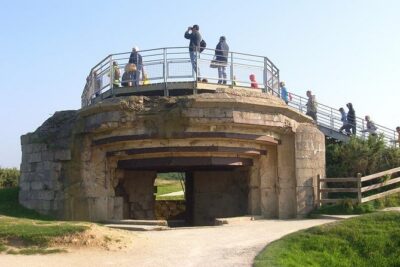
Normandy American D-Day Experience – Group tour from Bayeux
Read our review →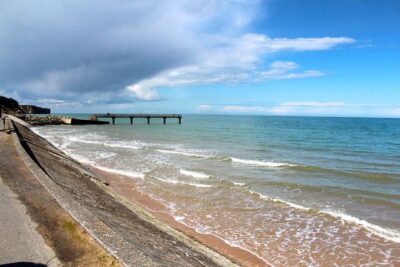
Normandy Beaches Half-Day Afternoon Trip from Bayeux (A2)
Read our review →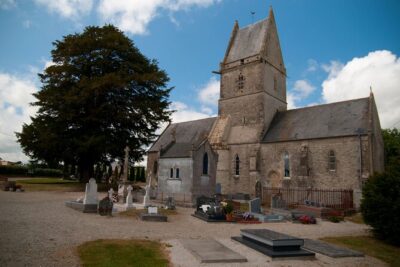
Omaha Beach D-Day Experience – Afternoon group tour from Bayeux
Read our review →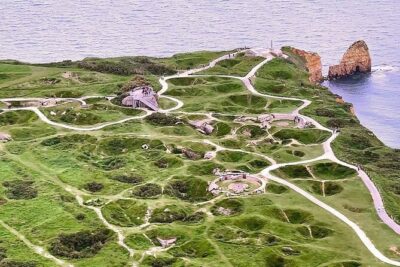
Normandy Battlefields Tour – American Sites (A3)
Read our review →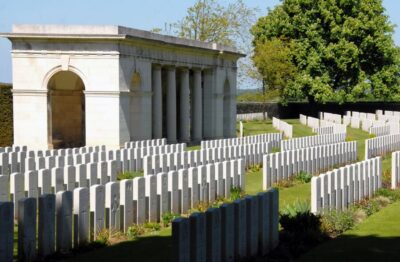
American D-Day Sites in Normandy Half-Day Tour
Read our review →Browse the lists this tour appears in