
Reviewed · BAYEUX TOURS
Full-Day US Battlefields of Normandy Tour from Bayeux (A3LST)
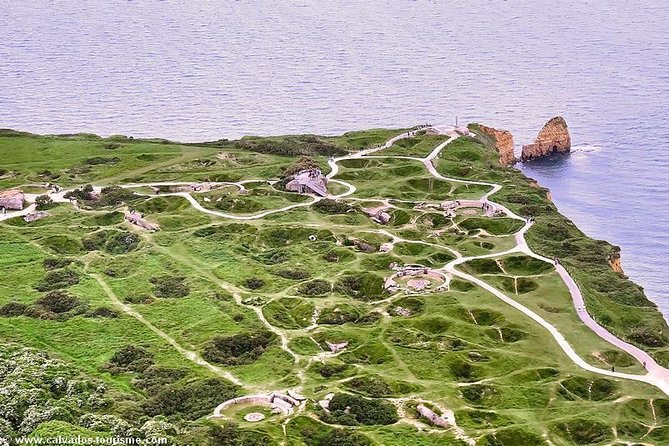
Pointe du Hoc gives you the clearest sense of the invasion’s physical challenge. You walk among bomb craters, bunkers, and gun pits where Army Rangers scaled steep cliffs under fire, then trace the American advance from Utah Beach to Omaha Beach.
I like the small van, which keeps the day personal and cuts down on wasted time. I also like the final stop at the American Cemetery, where you have room to walk quietly among the graves and look back over Omaha.
The trade-off is the pace. Seven major stops in about eight hours leave little spare time, and the outdoor sites can be cold, windy, or wet. Lunch is on your own, and some people may find themselves choosing between more time at the Airborne Museum and a relaxed meal.
Key points about this Normandy D-Day day trip
- Eight people or fewer: A small air-conditioned minivan makes it easier to hear your guide and ask questions.
- The American sector in one day: Visit Utah and Omaha Beaches, Pointe du Hoc, Sainte-Mère-Église, and the American Cemetery.
- Airborne Museum included: The museum helps explain the early hours of D-Day and the paratrooper landings.
- German and American sites together: La Cambe German Military Cemetery adds useful balance to the story.
- Central Bayeux pickup: Meet at Bayeux train station or Place de Quebec at 9:30 a.m.
- A moving finish: The day ends at the cemetery above Omaha, sometimes in time for the lowering of the flags and Taps.
Why this American-sector tour works well from Bayeux
Normandy is spread out, and the D-Day sites are not arranged in a neat museum row. Bayeux is a good base, but reaching Utah Beach, Sainte-Mère-Église, Pointe du Hoc, Omaha, and Colleville-sur-Mer on your own takes planning, a car, and a solid sense of direction.
This tour handles that geography in a single day. You ride between the sites in an air-conditioned van, while your guide connects the stops into one story: German occupation, French Resistance, the airborne assault, the beach landings, the fight inland, and the human cost of liberation.
The group limit matters. With no more than eight people, the van is still small enough for conversation rather than a one-way lecture. Guides including Louis, Violane, Emme, Jeremy, Rose, Emmanuel, Elaine, and Gaëton have been singled out for clear explanations, good timing, sensitivity, and helpful local advice. Your actual guide will depend on the date, but the strongest part of this experience is clearly the guide-led interpretation.
You pay $154.48 per person. That is not a bargain-basement outing, but the price includes transportation, a professional local guide, and entrance fees for the Airborne Museum and the other paid sites. For a one-day visit, I consider the cost fair, especially if you do not want to rent a car or spend your limited Normandy time navigating country roads.
A few other Bayeux half-days to compare
- Normandy American D-Day Beaches Full Day Tour from Bayeux
★ 5.0 · 2,103 reviews - Omaha and Band Of Brothers Full Day Tour
★ 5.0 · 1,104 reviews - From Bayeux: American D-Day Sites in Normandy Full-Day Tour
★ 4.9 · 503 reviews
Sainte-Mère-Église begins the D-Day story
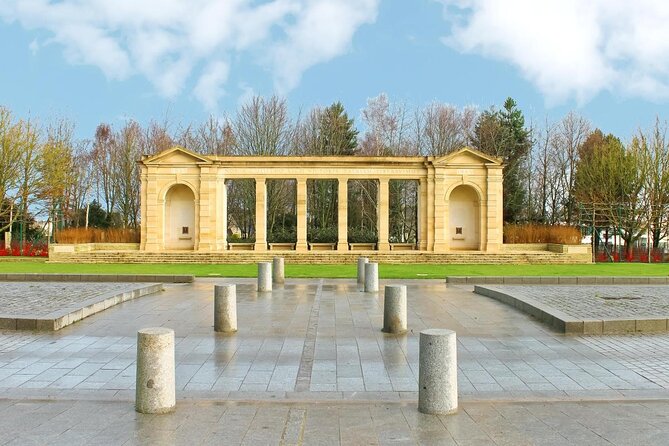
The first stop is Sainte-Mère-Église, a small town linked to the airborne landings in the early hours of June 6, 1944. American paratroopers dropped into the area before the main beach assault, trying to secure roads and crossings behind the German defenses.
You have about an hour here, including time for the Airborne Museum. The town gives the story a human scale. Instead of beginning with a wide beach and a mass landing, you start with soldiers arriving in darkness, often scattered far from their intended drop zones.
The nearby museum is included in the admission. It focuses on the American airborne operation and uses displays and presentations to show what happened before dawn. One useful feature of a guide-led visit is that you can ask how the museum’s exhibits fit into the wider operation rather than simply reading labels on your own.
Allow for walking between museum buildings and time spent reading. One person described the museum as involving a lot of walking from building to building, and that is worth taking seriously if you tire easily. The one-hour allocation also creates the day’s first time pressure. You will need to decide how much to read and how much to leave for the rest of the tour.
Utah Beach and the problem of a moving target
At Utah Beach, you learn about the assault by the US 4th Infantry Division. The beach was one of the two main American landing areas, but the troops came ashore somewhat south of their intended point because of strong currents.
That mistake in navigation became a useful change in the battle. The new landing area offered better access inland, though the troops still faced obstacles, German fire, flooded fields, and difficult conditions.
You have about 30 minutes at Utah. That is enough for an orientation and a look at the shore, but not enough for an unhurried museum visit or a long personal exploration. This is an important distinction when comparing the tour with a private full-day arrangement. The strength here is the guide’s explanation, not extended free time.
The beach itself can appear calm and open. Your guide helps you picture the operation that took place across the same sand. Guides on this tour have used wartime photographs and books to show how the area looked during the invasion, a simple aid that can make the terrain easier to understand.
La Cambe adds a necessary second perspective
The stop at the German Military Cemetery at La Cambe lasts about 30 minutes and has no separate admission charge. It is a useful pause between the American landing sites and the major battlefield locations that follow.
The cemetery changes the emotional tone of the day. The American Cemetery at Colleville-sur-Mer is carefully landscaped and monumental, while La Cambe offers a different setting and a different visual impression. You are looking at the human cost of the German side of the war, including soldiers who fought for a criminal regime, but the graves still represent individual lives cut short.
Half an hour is enough for a quiet walk and a short explanation. It is not intended as a full historical study of the German army or occupation. I appreciate its place in the route because it prevents the day from becoming a simple victory tour. Normandy’s story involved civilians, resistance fighters, Allied troops, German soldiers, and families caught between them.
Same city, a completely different afternoon:
- Normandy American D-Day Experience – Group tour from Bayeux
★ 5.0 · 1,566 reviews - Normandy Beaches Half-Day Afternoon Trip from Bayeux (A2)
★ 4.5 · 1,116 reviews - Omaha Beach D-Day Experience – Afternoon group tour from Bayeux
★ 5.0 · 1,088 reviews - Omaha and Utah beaches
★ 5.0 · 1,085 reviews
Pointe du Hoc makes the battle tangible
Pointe du Hoc is the most physically dramatic stop. The German battery sat on a high cliff between Utah and Omaha, and American Rangers were ordered to scale the heights and capture the guns.
The site still shows the violence of the attack. You can walk among large shell craters, concrete casements, bunkers, and gun positions. The ground is uneven, so wear sturdy shoes and watch your footing. The tour information calls for a moderate level of fitness, and this is one of the places that explains why.
You have about an hour here. That gives your guide time to explain why the battery mattered and how the Rangers reached the top. It also leaves enough room to walk toward the monument honoring them and take in the cliffs from several angles.
Pointe du Hoc is valuable because it turns military planning into something you can see. The distance between the beach and the cliff, the height of the rock, and the broken ground all make the operation easier to grasp. Maps alone rarely communicate the same thing.
Weather matters here. Normandy can turn cold and wet, and one tour had to adjust its outdoor discussions during fierce wind and rain. Bring an extra sweater, a hat, and rain protection even if the forecast looks mild. The tour van is sheltered, but the key sites are outside.
Omaha Beach shows why the name became Bloody Omaha
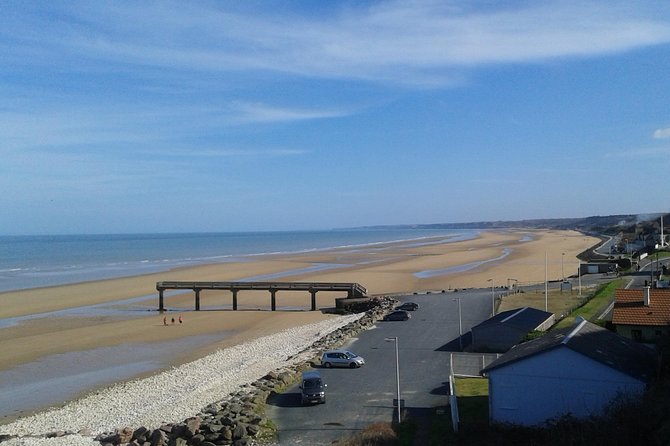
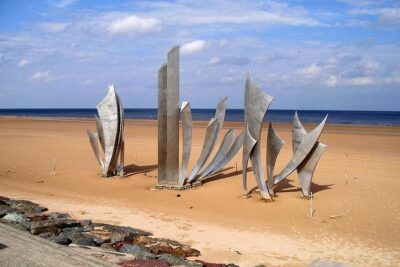
Omaha was the most fiercely contested of the American landing beaches. You have about 30 minutes at the shore, enough to stand on the sand, hear the explanation of the assault, and consider the size of the four-mile beach.
The scale can be deceptive. From the waterline, the bluffs above may not seem impossibly high, but the exposed approach gave German defenders strong advantages. Troops had to cross open sand under fire, deal with obstacles, and reach positions on the heights.
This stop is brief by design. The guide provides the battlefield context, then the route moves uphill to the American Cemetery. If you want an hour alone on Omaha Beach, this is not the right format. If you want to understand how Omaha fits into the day’s events, the short visit works well.
Lunch is at your own expense at a local restaurant after the Omaha visit. The timing can feel tight. One person found the schedule challenging because more time at the Airborne Museum could compete with a relaxed lunch. I would plan to eat efficiently and avoid assuming this is a long, leisurely midday break.
The American Cemetery is the right final stop
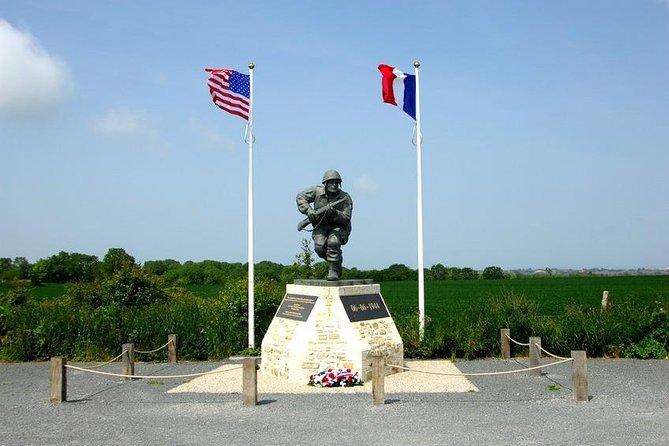
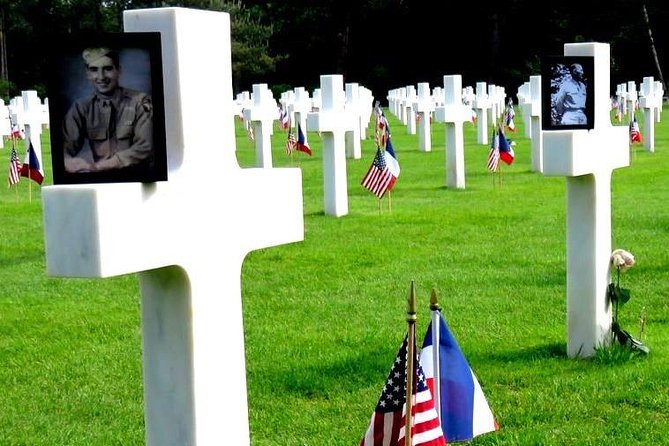
The American Cemetery at Colleville-sur-Mer is the emotional center of the day. It sits on the cliffs above Omaha Beach, giving you a view back toward the sand where so many American troops landed.
You have about an hour here. The time is usually divided between the memorial, the graves, the view, and the Visitor Center. You can walk independently rather than remain beside the guide for every minute, which is important at a place that many people need to experience quietly.
The cemetery contains 9,387 American graves. That number is hard to absorb until you see the long rows of white markers stretching across the grounds. The memorial and the view toward Omaha connect the names below with the battle you have spent the day studying.
Some departures reach the cemetery in time for the lowering of the flags and the playing of Taps. The timing is not presented as guaranteed, so do not book solely for that ceremony, but it can be an especially powerful ending. Guides have also helped people locate relatives’ graves, so bring the information with you if you have a family connection.
I like ending here rather than at another beach. The day moves from preparation and assault to the cost of the operation. After Pointe du Hoc and Omaha, the cemetery gives you space to think instead of sending you straight back into sightseeing mode.
Timing, transport, and the small-group advantage
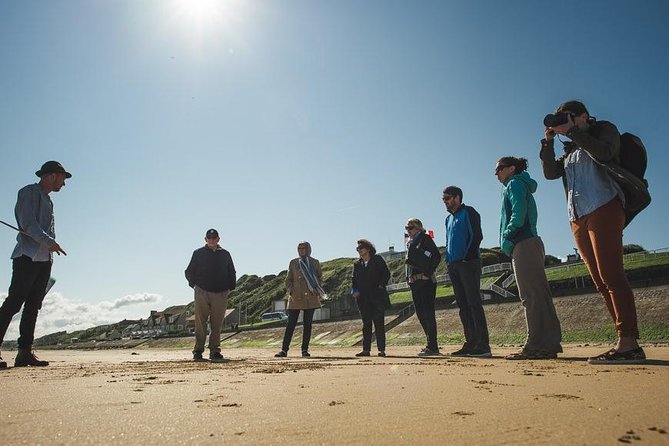
The tour begins at 9:30 a.m. and lasts about eight to eight and a half hours. You return to Bayeux around 6 p.m., with drop-off at Bayeux train station or Place de Quebec.
Pickup is limited to those central meeting points. There is no hotel pickup, and this tour does not depart from Paris. If you arrive in Bayeux by train, the station meeting point is practical. Otherwise, confirm that Place de Quebec is easy for you to reach before booking.
The minivan is air-conditioned, but the real benefit is time. You do not need to study a map, find parking near protected sites, or work out the order of the beaches. Your guide can also explain what you are seeing while you travel, turning the drives into part of the lesson.
The group size of eight or fewer gives you a better chance to ask about a particular regiment, family member, photograph, or battlefield detail. It is still a shared tour, so the pace cannot be changed for one person. If you want long stops, a custom route, or extra time at one museum, a private tour would suit you better.
Who should book this Bayeux battlefield tour
I would choose this experience if you have only one day for the American D-Day sites and want a strong overview without driving. It is especially useful for first-time visitors, families with an interest in World War II, and anyone who wants a guide to explain the connection between the different locations.
It also suits people with a personal link to the war. The cemetery visit gives you time to search for a grave and reflect, while the guides can help place an individual soldier within the larger operation. The day is serious, but the guides also provide restaurant suggestions and local advice. Louis, for example, has been praised for both his battlefield explanations and Bayeux dining recommendations, while Gaëton has helped with local Calvados purchases as well as military questions.
You should think twice if you dislike structured days or outdoor walking. There are seven stops, a fixed departure, a fixed return, and limited time at each place. Wind, rain, and cold can make Pointe du Hoc, Omaha, and the cemetery tiring.
The tour has a 4.9 rating from 214 reviews, with 98 percent recommending it. Those figures do not remove the need to pack well or accept the brisk schedule, but they match the practical strengths of the route: capable guides, a useful selection of sites, and a small vehicle that gets you around efficiently.
Cancellation terms are strict enough to note. You can receive a full refund when canceling at least six full days before departure, a 50 percent refund when canceling two to six full days ahead, and no refund for cancellations within two days. The tour also requires a minimum number of participants, though a canceled departure offers a different date or experience, or a full refund.
Should you book it?
Book this tour if you want the American side of Normandy explained in one well-planned day from Bayeux. The combination of Utah, Omaha, Pointe du Hoc, Sainte-Mère-Église, La Cambe, and the American Cemetery gives you both battlefield detail and human context.
I would not book it if your main goal is slow, private exploration. For most visitors, though, the $154.48 price is reasonable for the transportation, admissions, and guide time included. Bring warm layers, comfortable shoes, water, and patience for a full day. The final hour at the cemetery is likely to stay with you long after the van returns to Bayeux.
FAQ
Where does the tour start and finish?
The tour starts at 9:30 a.m. from Bayeux train station or Place de Quebec. It ends back in Bayeux, with drop-off at the station or Place de Quebec around 6 p.m.
Is hotel pickup included?
No. The tour includes pickup only from Bayeux train station or Place de Quebec. Hotel pickup and drop-off are not included.
How many people can join the tour?
The tour has a maximum of eight travelers per booking and uses an air-conditioned minivan.
Are entrance fees included?
Yes. Entrance fees for the Airborne Museum and the listed paid sites are included. Food and drinks are not included.
How much walking is involved?
The tour requires a moderate level of physical fitness. Expect walking at Pointe du Hoc, the beaches, the Airborne Museum, and the American Cemetery. Outdoor conditions can be windy and cold.
Can I cancel for a refund?
You can cancel at least six full days before the start time for a full refund. Cancellations made two to six full days ahead receive a 50 percent refund, while cancellations less than two full days before departure are not refunded.
Just listed in Bayeux
- WW2 Jeep or Dodge truck tour of the Omaha Beach site★ 5.0 · 51 reviews
- Private Tour of American Sites with an Expert Guide from DDAY★ 5.0 · 51 reviews
- Mont Saint Michel Full Day Tour from Bayeux★ 5.0 · 52 reviews
- Private Day Tour including Normandy Landing Beaches & Battlefields from Caen★ 5.0 · 53 reviews
- Bayeux: Band Of Brothers Full-Day Tour★ 4.9 · 53 reviews
- From Bayeux: D-Day American Beaches and US Airborne Day Tour★ 4.8 · 56 reviews
- Le Havre Shore Excursion: Private Day Tour with Omaha Beach & American Cemetery★ 5.0 · 57 reviews
- From Bayeux: 2-hour private sidecar tour in Normandy★ 5.0 · 58 reviews
Bayeux Tours, compared.
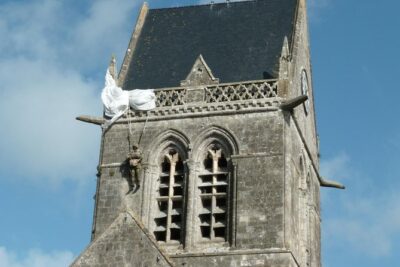
Normandy American D-Day Beaches Full Day Tour from Bayeux
Read our review →
Normandy American D-Day Experience – Group tour from Bayeux
Read our review →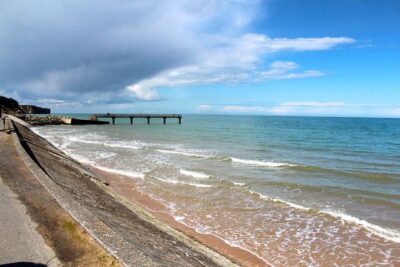
Normandy Beaches Half-Day Afternoon Trip from Bayeux (A2)
Read our review →
Omaha Beach D-Day Experience – Afternoon group tour from Bayeux
Read our review →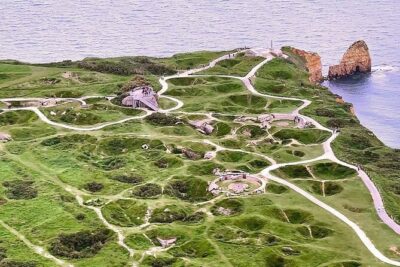

Normandy Battlefields Tour – American Sites (A3)
Read our review →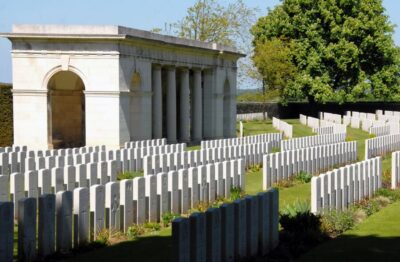
American D-Day Sites in Normandy Half-Day Tour
Read our review →Browse the lists this tour appears in