
Reviewed · MUSEE D ORSAY & ORANGERIE TOURS
Musée d’Orsay Skip-the-Line Tour with Expert Guide
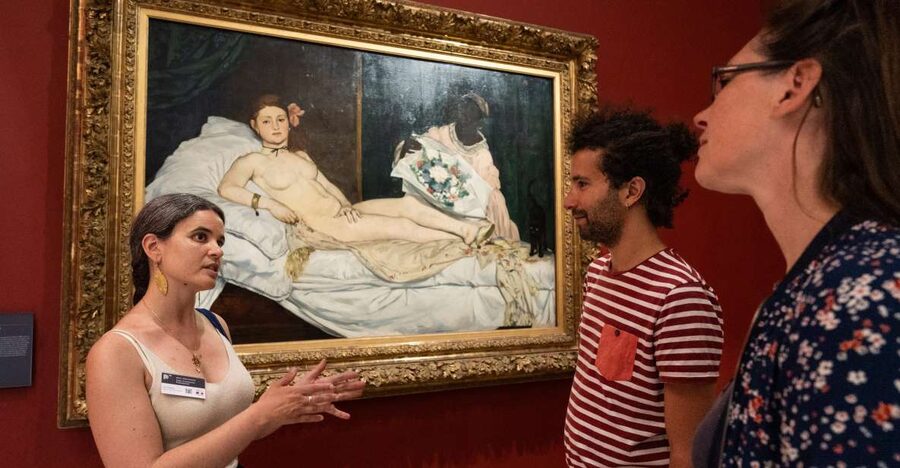
The Musée d’Orsay is Paris art at its most approachable: a grand old railway station filled with paintings that once shocked the establishment. This guided visit gives you the story behind the brushstrokes, from Monet and Manet to Renoir, Degas, and Van Gogh, instead of leaving you to guess why a canvas matters.
I especially like the dedicated entrance, which saves you from joining the museum’s ticket line, and the way the guides connect paintings to the artists’ friendships, rivalries, scandals, and social battles. I also like that you can stay inside after the 1-hour-45-minute tour and continue at your own pace. The main caution is time: the Orsay is large, and a fast guide or crowded gallery can make 90 minutes feel short.
Key points to know before you book
- The former railway station is part of the experience: The museum’s Beaux-Arts setting, built for the World’s Fair, gives the visit a sense of occasion before you even reach the paintings.
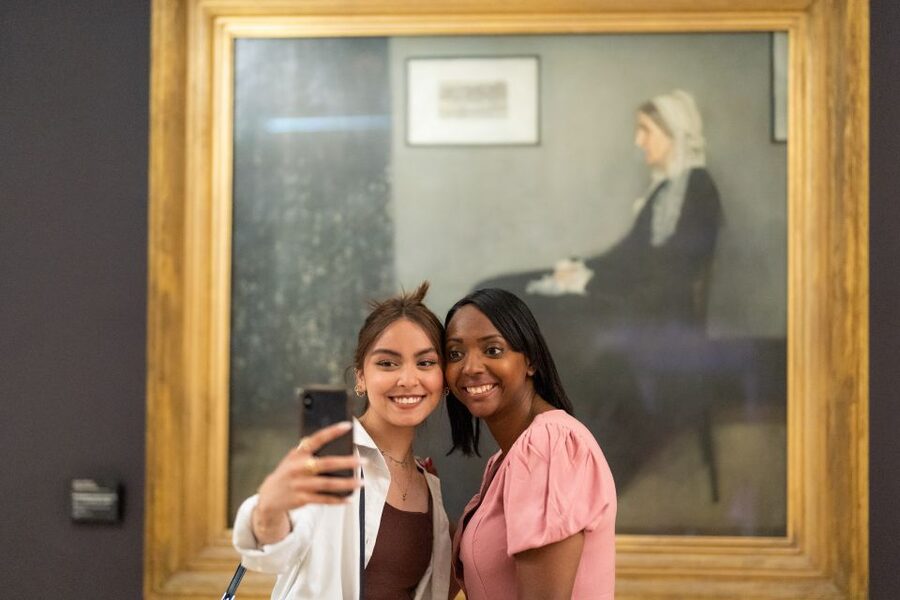
- You see the major Impressionist names: Monet, Manet, Renoir, Degas, and Van Gogh are central to the story, with other works and lesser-known pieces included along the way.
- The guide explains the art in context: Expect discussion of technique, politics, daily life, artist relationships, humor, irony, and the scandals that made Impressionism controversial.
- The dedicated entry matters: You meet outside the main entrance, then avoid the museum’s ticket queue. Do not join the public lines before finding your guide.
- Headsets help in a crowded museum: They are supplied when appropriate, a useful touch if the galleries are noisy or you have trouble hearing a guide at close range.
- The tour is in English: Guides have included Anthony, Avi, Perrine, Sarah, Antony, Fanny, Sophia, and others, though your assigned guide depends on the departure.
Why the Musée d’Orsay works so well with a guide
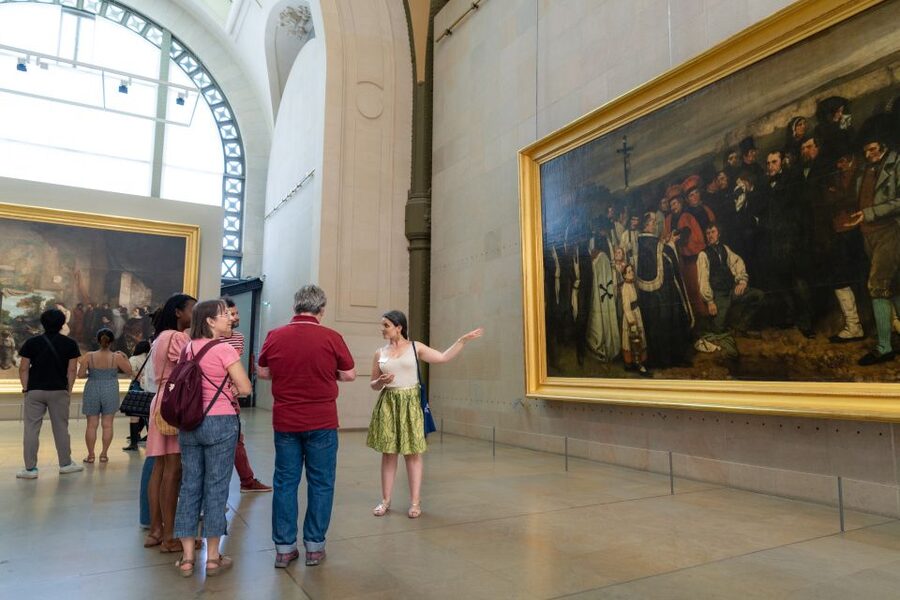
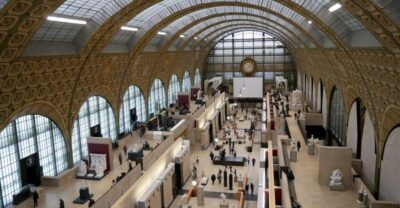
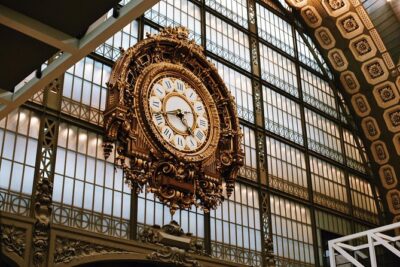
The Orsay is not simply a container for famous paintings. The building itself sets the tone. It occupies a former Beaux-Arts railway station made for the 1900 World’s Fair, so its huge clock, broad spaces, and grand structure give the museum a character unlike the Louvre.
I find that setting especially useful for understanding the art inside. The artists on display were also dealing with a changing Paris: new streets, modern leisure, railway travel, nightlife, changing social rules, and a public eager for fresh images but not always ready to accept them.
A guide helps you see that Impressionism was not just pretty scenery. The visible brushwork, strong color, ordinary subjects, and sense of a passing moment could look careless or insulting to traditional art audiences. The tour turns those choices into a story about artists challenging the rules of their time.
You are not expected to arrive with an art degree. The best guides explain what to look at first, then add the background that makes the painting click. A scene of modern life becomes more interesting when you understand why its subject, composition, or technique broke with convention.
A few other Paris half-days to compare
- Paris: Musée d’Orsay Entry Ticket and Seine River Cruise
★ 4.6 · 1,344 reviews - Paris: Musée d’Orsay Skip-the-Line Tour with Expert Guide
★ 4.5 · 1,145 reviews - The Musée d’Orsay Guided Tour Orsay Museum Semi-Private 6ppl Max
★ 5.0 · 904 reviews
Meeting outside the museum and getting inside
The meeting point is opposite the Musée d’Orsay’s main entrance, beside the entrance to the Legion d’Honneur Museum. Your guide wears a guide badge on an orange lanyard.
This detail matters because the museum entrance can be confusing, especially when lines form outside. Do not get into the museum queue. Find the guide first, and allow enough time to identify the meeting point without rushing across the street at the scheduled start.
The closest listed transport options are the Musée d’Orsay RER station on Line C and Solferino Metro station on Line 12. Hotel pickup and drop-off are not included, so you make your own way to the museum and leave on your own afterward.
Once assembled, the group uses the dedicated entrance and the admission fee is included. That is the practical heart of the tour. You are paying not only for commentary, but also for a simpler arrival at one of Paris’s most popular museums.
The first galleries: learning how artists broke the rules
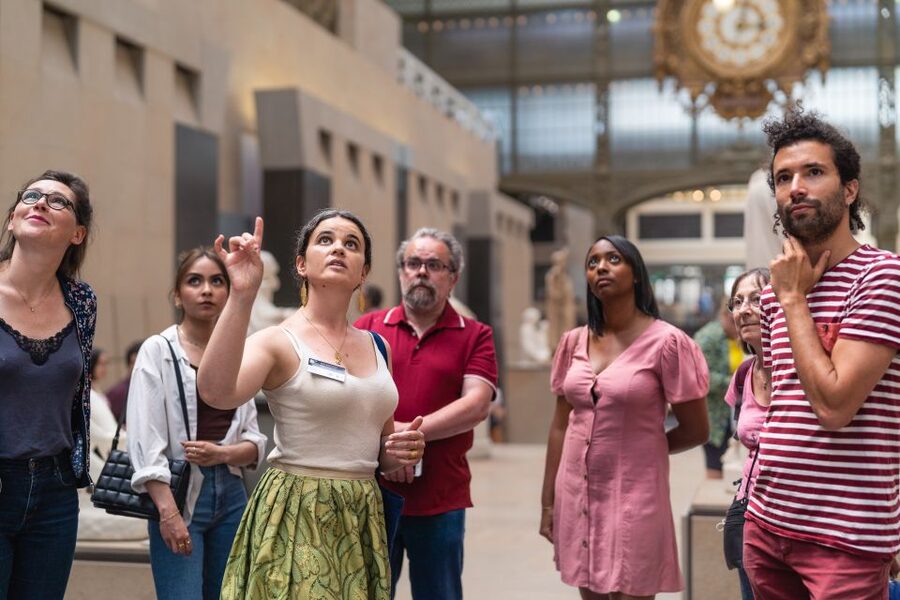
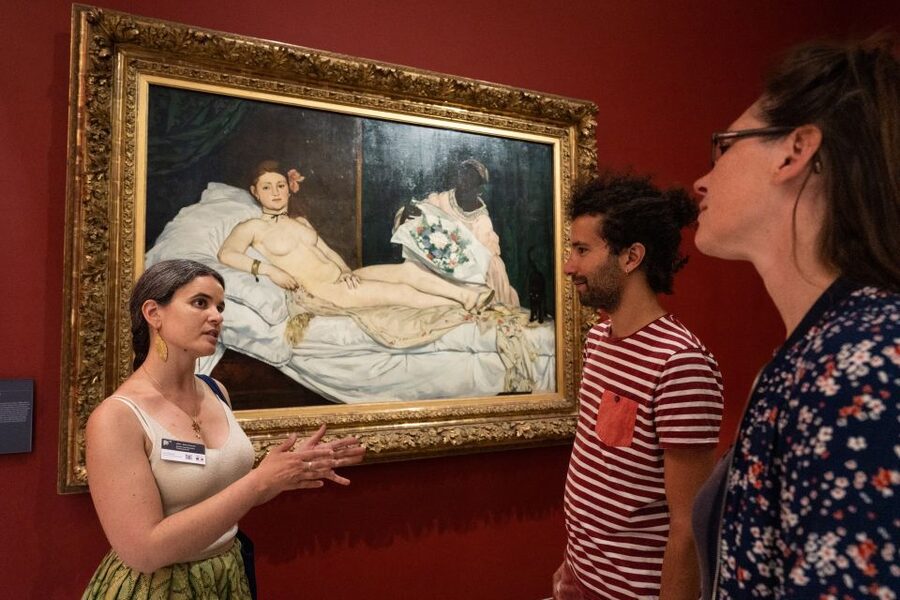
The opening part of the visit typically establishes the shift from academic painting toward the freer styles associated with Impressionism and its neighbors. Your guide explains how artists such as Manet, Monet, Renoir, and Degas questioned the subjects and methods favored by official art institutions.
I like this part because it gives you a way to read the paintings. Instead of seeing a collection of attractive colors, you begin to notice what the artists changed. Look for the handling of light, the way figures are cropped, the importance given to ordinary life, and the marks of the artist’s hand.
Guides also connect artists to one another. The story becomes less like a list of isolated geniuses and more like a lively circle of people influencing, arguing with, and reacting to each other. Several guides have added details about private lives and social behavior, but the strongest presentations use those stories to explain the art rather than turning the tour into gossip.
The pace can vary. Some guides spend more time on background and interpretation, while others move briskly to cover the main works. That is useful if you want a broad introduction, but it can feel rushed if one painting has caught your attention.
The major Impressionist works and the shock behind them
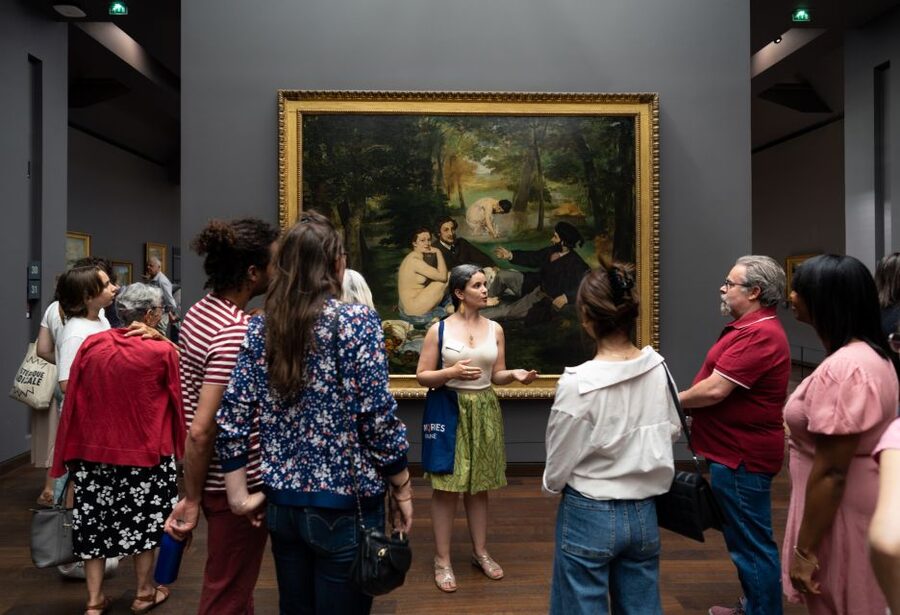
The central attraction is the museum’s collection of Impressionist art. You will encounter the artists who changed the direction of European painting, with the guide selecting major works and explaining why they mattered.
Monet’s treatment of light, Renoir’s scenes of modern pleasure, Degas’s unusual viewpoints, Manet’s challenges to convention, and Van Gogh’s intense personal style each need a different explanation. A good guide gives you those distinctions instead of treating every colorful painting as part of one large category.
The tour also addresses the public reaction to these works. At first, scenes of everyday life and loose brushwork were not universally admired. What now feels familiar was once considered unfinished, crude, or improper.
That historical jolt is one of the tour’s strongest features. It changes the question from Do I like this painting? to What did people see as dangerous or new about it? I find that a far more rewarding way to look at art.
Several guides have also pointed out small visual details, including brushwork, irony, humor, and contrasts between figures or objects. Those observations are particularly helpful when the gallery is crowded and you have only a short time in front of each work.
More skip-the-line tickets in Paris:
- Versailles: Skip-the-Line Tour of Palace with Gardens Access
★ 4.7 · 9,778 reviews - Versailles: Skip-the-Line Guided Palace Tour and Full Access
★ 4.6 · 5,214 reviews - Louvre Museum: Skip-the-Line Small Group Guided Tour
★ 4.6 · 3,960 reviews - From Paris: Versailles Skip-the-Line Tour & Gardens Access
★ 4.7 · 3,011 reviews
Van Gogh and the later rooms
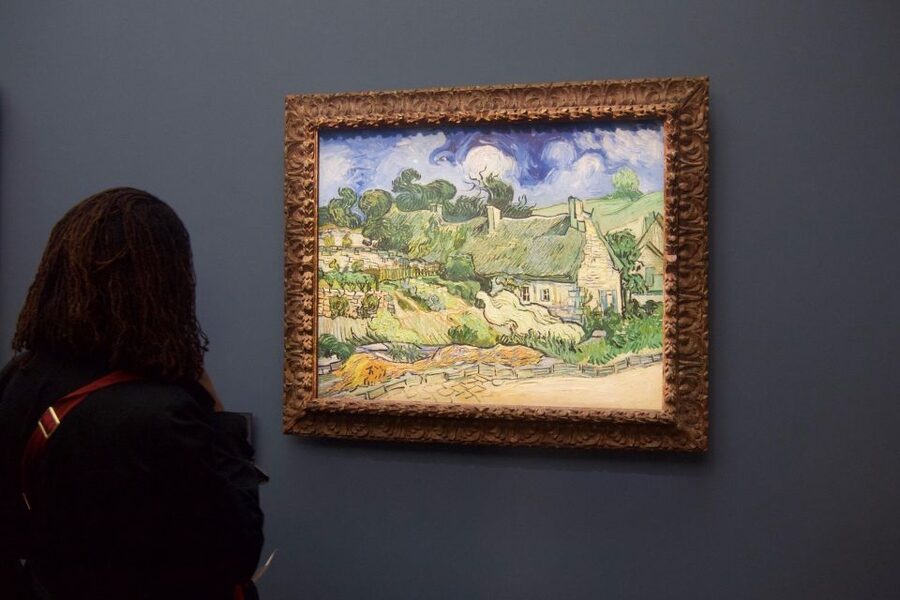
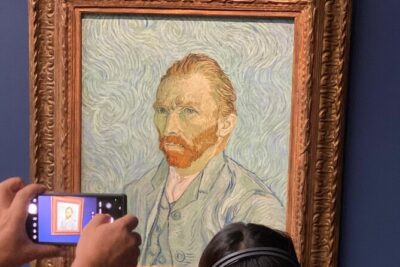
Van Gogh is a major reason many people choose the Orsay, and the tour leads you toward his section as part of the museum’s wider story. The guide places his work within the changes already introduced, helping you see both the links to earlier artists and the force of his individual style.
If Van Gogh is your priority, say so at the beginning. One family found that Sarah adjusted the usual route to reach the Impressionist rooms early because of a child’s interest in Van Gogh. That kind of flexibility cannot be guaranteed, but it shows why it is worth telling your guide what you most want to see.
The Van Gogh rooms can draw heavy crowds. You may have to wait for a clear view, and you should not expect a long private conversation with each painting during the guided portion. The advantage is that you arrive with a framework, then can return to the works after the tour when you have more freedom.
One guide, Fanny, accompanied the group to the Van Gogh section before leaving them to explore independently. The exact route and ending can vary, so listen for the guide’s instructions about when the formal tour finishes.
How the guides handle crowds and sound
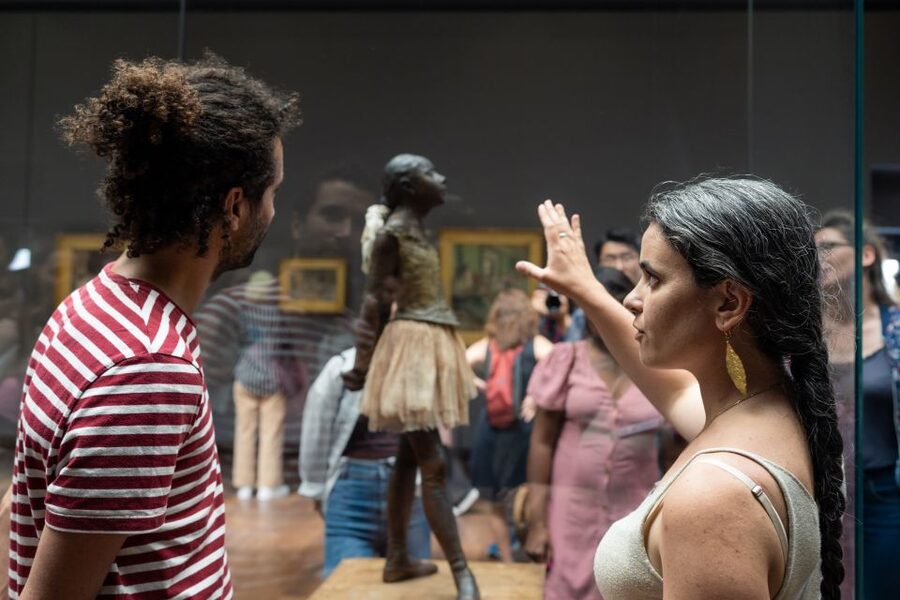
The museum can be extremely busy, especially around the best-known paintings. A guide who can keep the group together and position everyone for a clear view adds real value here.
The strongest guide feedback centers on clear explanation, warmth, and crowd management. Anthony has been praised for his passion and for remembering people’s names. Avi has been described as funny and highly informed, with a friendly way of presenting art history. Perrine has earned praise for her enthusiasm and ability to answer questions. Sarah has been especially effective with families and younger visitors.
You may instead meet Antony, Sophia, Fanny, Matilde, Mika, Pauline, Sara, Stephanie, Marjolein, Carolina, Christina, or another member of the English-speaking guide team. The experience depends somewhat on who leads your departure, but the repeated strengths are consistent: clear storytelling, useful context, and an effort to respond to questions.
Headsets are provided when appropriate. I consider this more than a minor convenience. In a packed gallery, you can look at the painting while listening rather than pressing close to the guide. One older couple specifically found the earphones helpful.
Still, sound equipment cannot solve every problem. If your guide speaks quickly, you may need to ask for a slower pace or a point to be repeated. One otherwise positive experience felt rushed because the guide moved and spoke quickly. That is a fair warning for anyone who likes long pauses in front of individual works.
What 105 minutes can and cannot cover
The listed duration ranges from 90 to 150 minutes, while the included guided tour is described as 1 hour and 45 minutes. Check the available departure time and exact duration when booking.
At roughly 105 minutes, you can expect a focused route through the museum’s principal themes and highlights. You will gain a useful map of the collection, see important artists, and learn how the styles developed.
You cannot study every room in detail. The Orsay covers a broad period and includes much more than the Impressionist paintings most people name first. If you want to spend 20 minutes with one canvas, this format may feel too structured.
I see the tour as an orientation with substance. It gives you the visual vocabulary and historical thread to continue alone. After the guided portion, you may remain in the museum as long as you like, which is essential to the tour’s value.
Use the final free time to revisit your favorite works, look for artists the guide passed quickly, or visit a temporary exhibition if one is open. You will appreciate those rooms more once the guide has shown you how to look.
Is $82 a fair price?
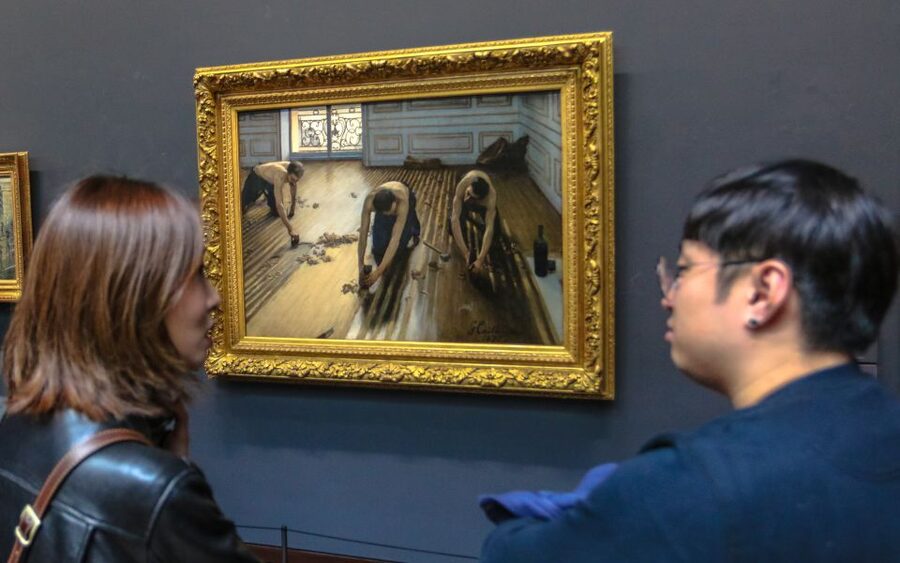
At $82 per person, this is not the cheapest way to enter the Musée d’Orsay. You are paying a premium over basic admission for a live English guide, a dedicated entrance, included museum fees, and the ability to stay afterward.
The price makes the most sense if you are visiting Paris for a limited time, feel unsure about art, or want the main collection explained in a clear sequence. It is also useful during a crowded season, when finding the entrance and getting close to major works can take extra effort.
If you already know the Impressionists well and prefer to read labels at your own pace, ordinary admission may suit you better. You could spend the same 105 minutes moving slowly through a smaller number of rooms.
For me, the strongest value comes from the combination of guidance and follow-on time. The tour gets you oriented, then leaves you inside with no need to hurry straight out. That is a better arrangement than a guided visit that ends at the museum door.
Free cancellation is available up to 24 hours before departure, with no refund for a missed tour. You can also reserve now and pay later, which helps if your Paris schedule is still shifting.
Who should book this Musée d’Orsay tour?
I would choose it for a first visit, especially if you want to understand why Impressionism changed art rather than simply photograph famous paintings.
It suits adults who enjoy stories about artists, families with older children, and anyone who wants a clear introduction without taking a full-day art course. The family experience with a seven-year-old suggests that a flexible guide can keep younger minds involved, but children’s attention and the guide’s style will vary.
It is less suitable for wheelchair users, who are specifically excluded from this activity. It is also a poor fit if you plan to bring luggage or large bags, since those are not allowed.
Art lovers should tell the guide their priorities at the start. Mention Van Gogh, pointillism, a favorite artist, or a desire for more technical detail. The tour has enough room for questions, and several guides have adjusted their emphasis when the group showed a strong interest in a particular subject.
Should you book it?
Book this tour if you want the Musée d’Orsay to make sense quickly, value a lively explanation, and plan to remain afterward for your own wandering. The dedicated entrance and crowd handling are useful bonuses, but the real reason to book is the guide’s ability to connect paintings with the social and artistic upheaval behind them.
Skip it if you prefer complete independence, need a wheelchair-accessible option, or want to linger at only a few works from the moment you enter. For most first-time visitors, though, this is a practical way to turn a large, busy museum into a manageable and memorable part of your Paris day.
FAQ
How long does the Musée d’Orsay tour last?
The guided visit is listed as 1 hour and 45 minutes. The activity information gives a broader duration range of 90 to 150 minutes, so check the available departure details when booking.
Is the museum entrance fee included?
Yes. The tour includes all entrance fees and a dedicated entrance that lets you skip the ticket line.
Can I stay in the museum after the guided tour?
Yes. You may remain in the Musée d’Orsay after the tour and continue exploring at your own pace, including a temporary exhibition if available.
What language is the tour conducted in?
The tour is conducted in English with a live guide.
Where do I meet the guide?
Meet opposite the main entrance to the Musée d’Orsay, beside the entrance to the Legion d’Honneur Museum. The guide wears a badge on an orange lanyard.
Which transport stations are closest to the meeting point?
The nearest listed stations are Musée d’Orsay RER station on Line C and Solferino Metro station on Line 12.
Can I bring luggage or book this tour if I use a wheelchair?
Large bags and luggage are not allowed. The activity is not suitable for wheelchair users.
Just listed in Paris
- Chartres Cathedral 5 Hours Tour from Paris with Private Transport★ 4.5 · 49 reviews
- Paris: Giverny & Versailles Small Group or Private Tour★ 4.5 · 49 reviews
- Paris: Louvre photoshoot or Seine bridges Eiffel Tower walk★ 5.0 · 49 reviews
- Paris: Choux Pastry and Chocolate Éclair Making Class★ 4.9 · 50 reviews
- Private tour of the Champagne area, meet local producers and taste their Champagne, start from your hotel in Paris.★ 5.0 · 50 reviews
- Paris Eternelle Notre-Dame Virtual Reality Tour★ 4.5 · 50 reviews
- Normandy D-Day Landing Beaches Private Day Trip from Paris★ 5.0 · 50 reviews
- Disneyland® Paris 1 Day with Round-Trip Train Tickets from Paris★ 4.0 · 50 reviews
Musee d Orsay & Orangerie Tours, compared.
Musée d’Orsay Entry Ticket and Seine River Cruise
Read our review →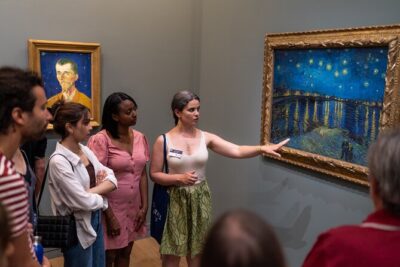
Musée d’Orsay Skip-the-Line Tour with Expert Guide
Read our review →
The Musée d’Orsay Guided Tour Orsay Museum Semi-Private 6ppl Max
Read our review →
Louvre & Musée d’Orsay Guided Museum Tour Semi-Private 6ppl Max
Read our review →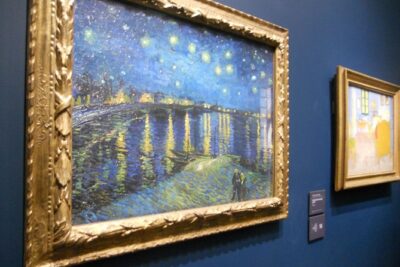
Orsay Museum – Exclusive Guided Tour (Reserved Entry Included)
Read our review →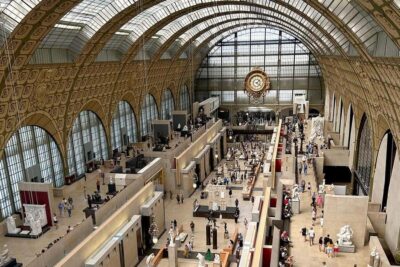
Orsay Museum and Rodin Museum Combo Entry Ticket
Read our review →Browse the lists this tour appears in