
Reviewed · PARIS TOURS
Paris: Bread and Croissant-Making Class
The best part of this Paris class is that you go behind the counter of a working family bakery and handle the dough yourself. Artisan baker Didier shares the methods passed down through his family, from mixing and shaping to getting a crisp crust and soft center. You also make croissants and the bakery’s special La Parisse baguette.
I like the small group of up to eight, which gives Didier time to correct your shaping and answer questions. I also like the practical take-home value: you taste warm bread and pastries during the class, leave with recipes, and may have enough bread to stretch into breakfast the next morning. The main consideration is the price, $258 per person for two hours, which is high unless you care about hands-on instruction and French baking.
Key points to know before you book
- Work inside Le Petit Mitron: This is held at a family-run bakery, not a detached demonstration kitchen.
- Learn two baguettes: You make a classic French baguette and La Parisse, the bakery’s own specialty.
- Shape croissants by hand: The class covers pastry shaping along with bread techniques.
- Meet artisan baker Didier: His teaching mixes technical instruction, bakery stories, humor, and practical advice.
- Use English or another supported language: Sessions offer English, French, Japanese, or Spanish, with interpreters used when needed.
- Plan for a tasting: Warm baguettes and croissants are part of the experience, and you receive recipes by email.
Inside Le Petit Mitron on rue Oberkampf
Your meeting point is Le Petit Mitron, at 8 rue Oberkampf in Paris’s 11th arrondissement. The setting matters. You are not simply watching a chef work in a polished studio. You are stepping into the baker’s own shop, where bread is part of the daily business.
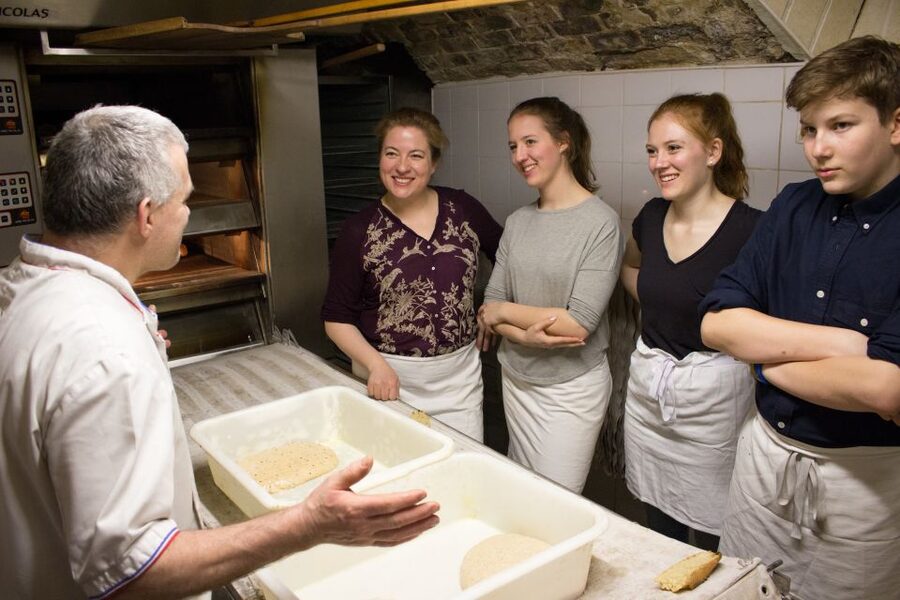
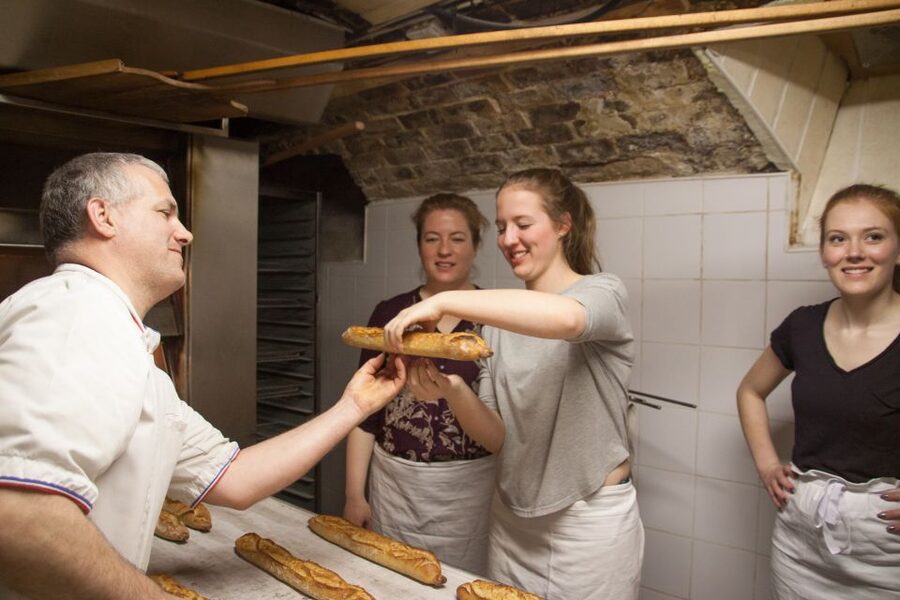
The bakery is described as modern, clean, and spacious enough for a small class. You receive an apron and use the utensils and ingredients provided. Since the group is limited to eight people, the class has room for personal help rather than a crowded schoolroom feel.
Didier is the baker who leads the teaching. His father and grandfather were bakers, and he has carried the family trade forward in his own boulangerie. He also sources wheat and grinds it in the shop, a detail that gives the session more substance than a simple recipe lesson.
That family background does not mean the class is stiff or formal. Didier’s teaching style is warm, energetic, and funny. He explains the craft with plenty of jokes and stories, but the useful details remain central. If you enjoy learning from a person who is closely tied to his work, this setting has real appeal.
A few other Paris half-days to compare
- Fragonard Paris: Mini Perfume Workshop
★ 4.5 · 1,924 reviews - Paris Cooking Class and Lunch with Wine plus Market Visit Option
★ 5.0 · 1,024 reviews - Paris Croissant Small-Group Baking Class with a Chef
★ 5.0 · 910 reviews
The first lesson: what makes a baguette French
The class begins with the foundations of French bread. You work with the ingredients, feel the dough, and follow the process from the early mixture to the shaped loaf. That hands-on contact is important because bread dough changes by touch, not just by measurements.
Didier focuses on the small choices that affect the final loaf. You learn how to work the dough, shape it, and prepare it for baking. The goal is the familiar French contrast: a crust that turns golden and crackly, with a soft, warm interior.
You also hear about French bread traditions and how different breads and pastries developed. Past sessions have included explanations of baguette shapes and the way food customs changed in France. This gives the class a useful cultural layer, but it does not replace the practical work.
I would especially value this section if you bake at home and have struggled with baguettes that turn out flat, pale, or too dense. The instruction is aimed at technique, not just at handing you a finished loaf. You leave with methods that can be tried again in your own kitchen.
Shaping the classic baguette and La Parisse
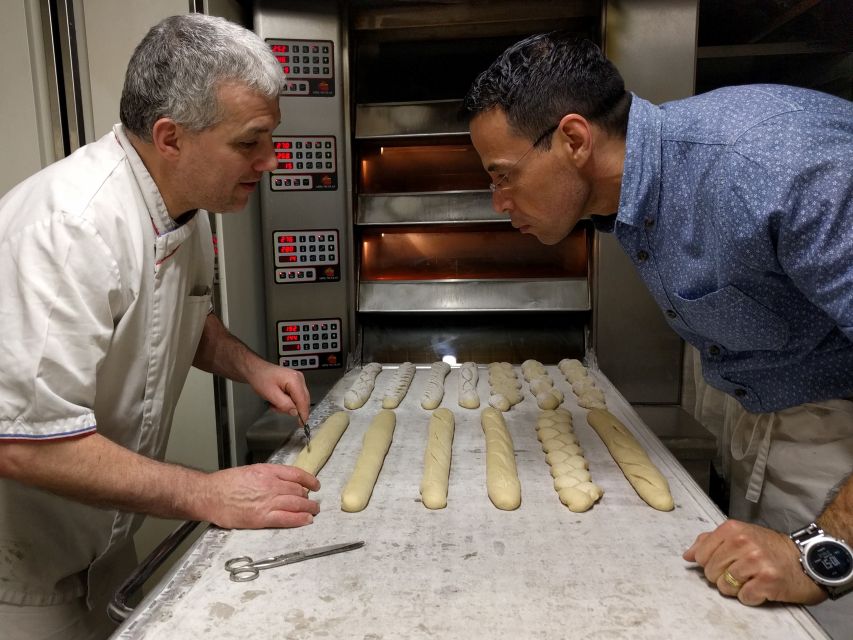
The class includes two types of baguette. The first is the classic French version, the loaf most visitors picture when they think of a Paris bakery. The second is La Parisse, a specialty associated with Le Petit Mitron and made in the bakery’s own style.
Making both is useful because you can compare the results. The class shows how a small change in shaping or preparation can affect the look and texture of bread. You are not only learning one recipe. You are seeing how a professional baker treats more than one style of loaf.
The phrase special baguette should not lead you to expect a theatrical showpiece. Its value is that it belongs to this bakery. You get a taste of what makes one boulangerie’s bread different from the next, even when the basic ingredients are familiar.
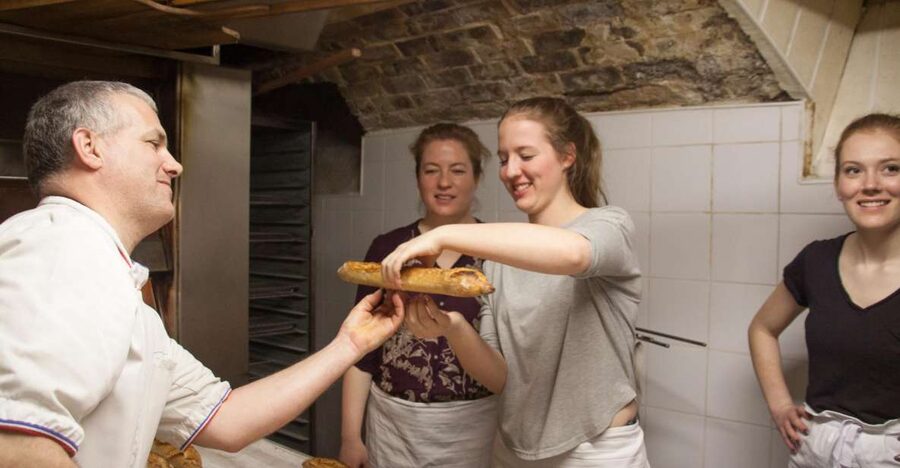
The amount of bread you take away can vary with the group and the session, so I would not book this as a guaranteed bread-shopping replacement. Still, several participants left with a generous bag of baguettes, and the warm loaves are part of the fun. Bring a way to carry them if you plan to walk around Paris afterward.
Croissants, pastry shaping, and the best part of the tasting
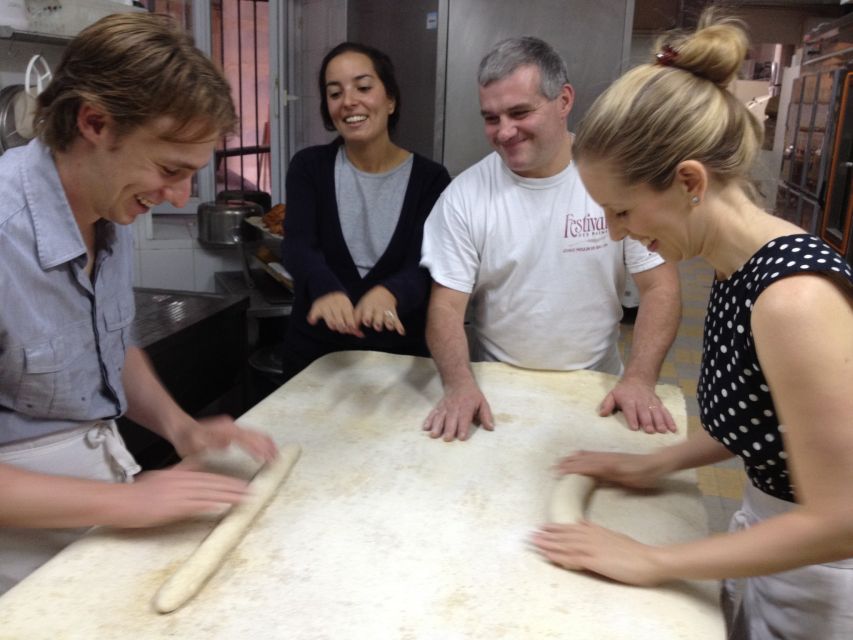
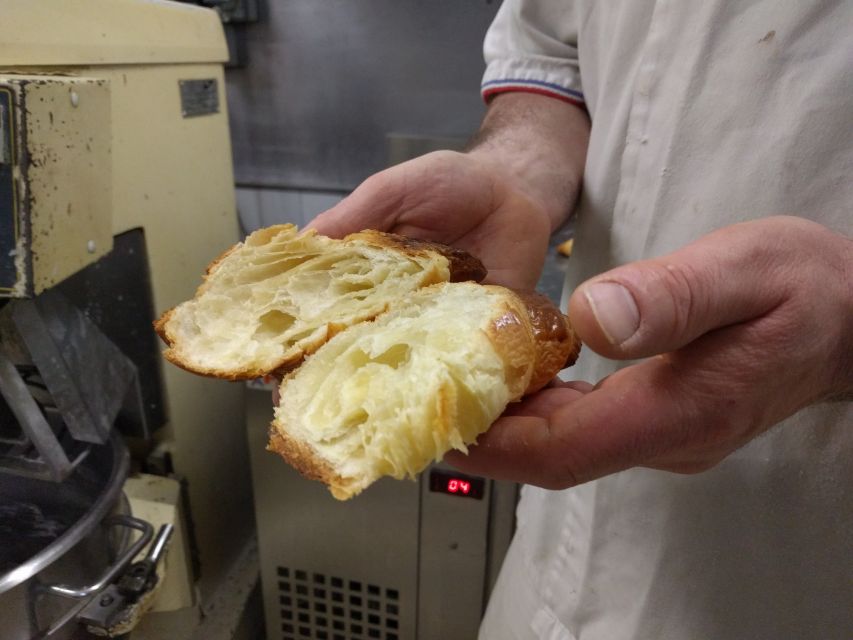
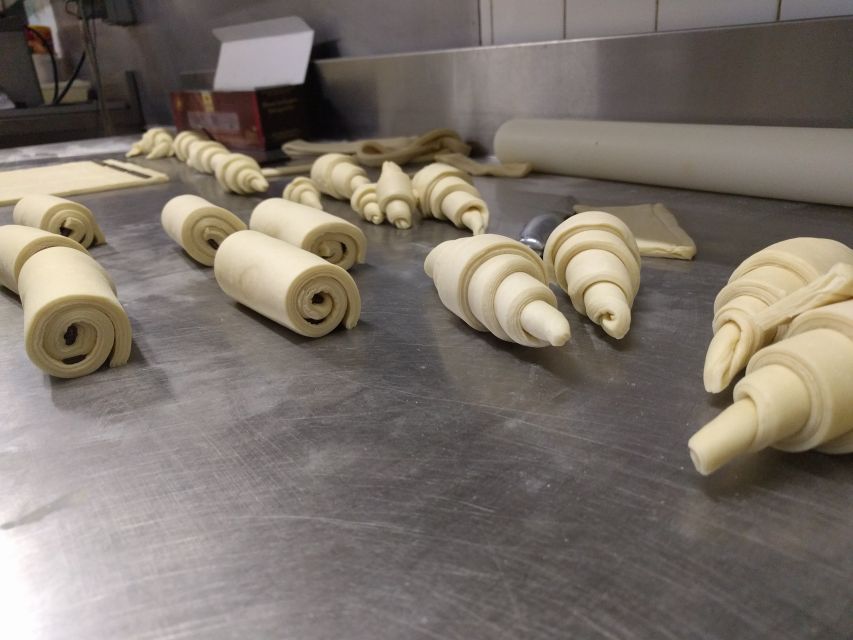
Croissant work adds a second skill set. Bread dough and laminated pastry behave differently, and the class introduces the shaping techniques needed to form croissants. The focus is not limited to baguettes, so you get a broader look at French baking in a short period.
Some sessions also include pain au chocolat, according to the experience descriptions from past participants. The core promise is croissant making and shaping, so treat pain au chocolat as an added possibility rather than a fixed part of every class.
The baking itself takes time, and that means the class follows the rhythm of a real bakery. You prepare and shape the items, then wait for them to bake. That pause can feel long if you arrive hungry, especially while surrounded by flour and pastries. One useful tip is to eat a light meal beforehand, even though you will taste the finished bread.
The payoff is warm baguette and croissant tasting during the class. Fresh bread straight from the oven is hard to beat, and it lets you judge the texture that Didier has been explaining. You may also have bread to take away, though the exact amount depends on what the group makes.
Same city, a completely different afternoon:
- Paris: Louvre Museum Timed-Entrance Ticket
★ 4.6 · 71,977 reviews - Disneyland® Paris 1-Day Ticket
★ 4.6 · 49,412 reviews - Paris: Versailles Palace and Gardens Full Access Ticket
★ 4.6 · 41,579 reviews - Paris: Evening River Cruise with Music
★ 4.4 · 22,721 reviews
Translation and teaching style
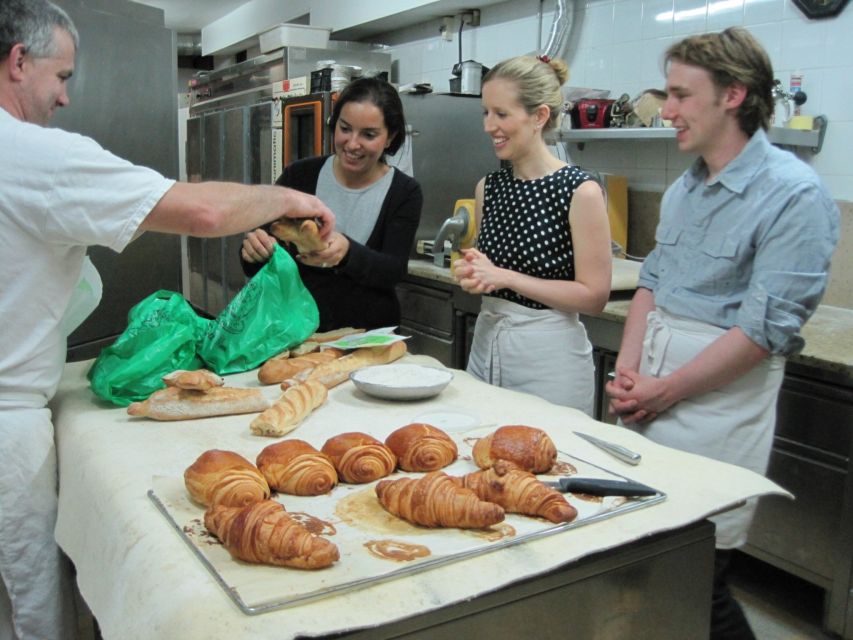
The class is offered in English, French, Japanese, and Spanish. When Didier is not teaching directly in your preferred language, an interpreter helps carry the lesson. English-language sessions have included translators named Luis, Luce, and Elsa at different times.
That detail matters because bread making uses specific words and physical instructions. A vague translation can leave you unsure about what to do with the dough. The interpreters have been described as clear, conversational, and familiar with the baking process, which helps keep the demonstrations moving.
Luis, in particular, has added background about French pastries and bread traditions while translating Didier’s instruction. Luce has also been praised for keeping the conversation smooth and making sure participants did not miss details. The exact interpreter is not guaranteed, so book for the teaching format rather than a particular individual.
You may hear Didier speak some French slowly and clearly during the class. Even if you rely on translation, this can be a pleasant bit of language practice. The tone is informal, so you should feel comfortable asking questions rather than worrying about perfect French.
Why the small group makes a difference
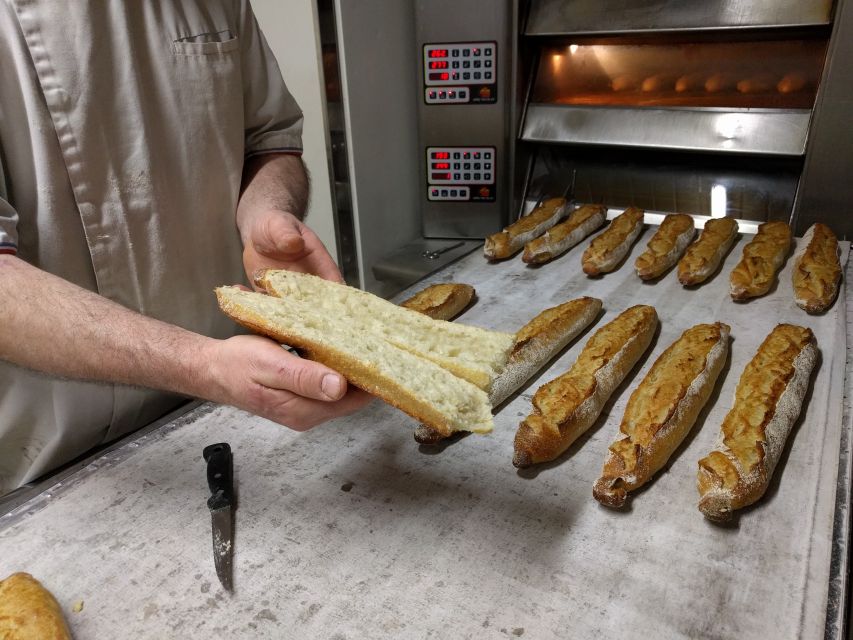
With a maximum of eight participants, the class is personal without being private. You get your own chance to handle the dough, shape the bread, and try the pastry techniques. Didier can watch what you are doing and offer a correction, which is far more useful than seeing a demonstration from the back of a large room.
The format also works well for families. Children under six are not allowed, but older children have been able to stay engaged, especially when they can touch the ingredients and take part in shaping. Families with children aged eight, ten, eleven, and twelve have found the class suitable, and Didier’s lively style helps hold a young person’s attention.
Adults who already bake should not assume the class will be too basic. The baker covers technical points, flour, dough handling, bread types, and the reasons behind each step. People who make bread often have found useful adjustments to try at home.
The class can also suit several generations traveling together. One group ranged from eight to seventy-six years old. That broad age range is a good sign for families looking for one activity that works for children, parents, and grandparents.
The real value of a $258 Paris class
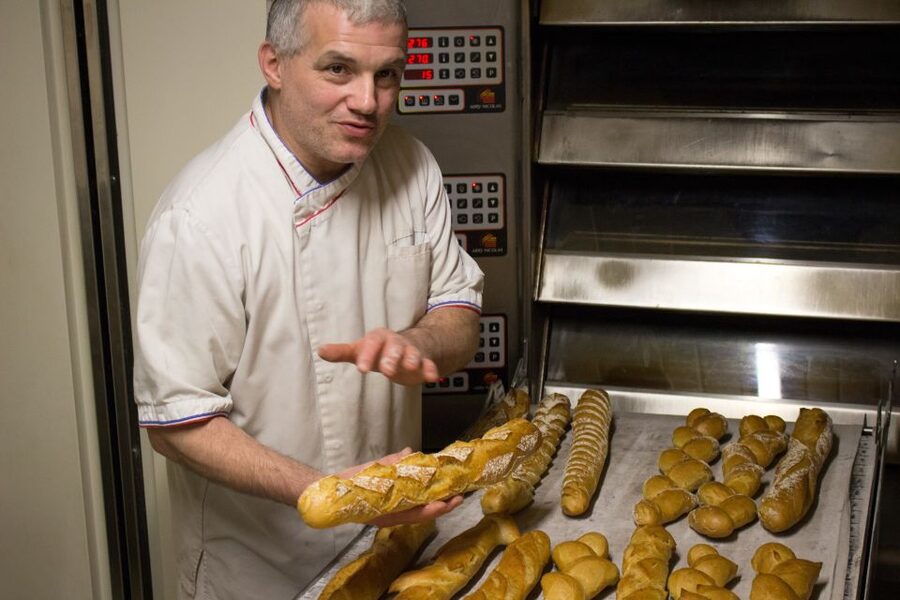
At $258 per person, this is an expensive two-hour activity. You can buy plenty of baguettes and croissants in Paris for far less. If your goal is simply to eat French pastry, spend the money at a bakery and keep walking.
The price makes more sense if you want instruction, access to an artisan’s workplace, a small group, tastings, and recipes you can use at home. You are paying for the baker’s time and experience, not just for the ingredients. The class also gives you a Paris memory that can continue in your kitchen after the trip.
The value is strongest for people who bake or want to start baking. A recipe alone rarely explains how dough should feel, how a loaf should be shaped, or what a baker notices before putting it in the oven. Here, you can connect the written instructions to sight, touch, smell, and taste.
I would be more cautious about booking it for someone who dislikes group activities or wants a long, advanced pastry course. Two hours passes quickly, and the class covers baguettes, a bakery specialty, and croissants in the same session. You get a lively overview with real practice, not a multi-day professional program.
Who should book this experience
I would recommend it most strongly to:
- Home bakers who want better baguette and croissant technique
- Families with children aged six and older
- Couples looking for an activity beyond museums and monuments
- Food lovers who care about how French staples are made
- Visitors who like meeting the person behind a local business
- Anyone who wants recipes and techniques to use after Paris
It is less suitable if you want to spend the entire two hours quietly watching a demonstration. You will work with flour and dough, so expect to get involved. It is also not suitable for children under six.
The class may be a good choice on a rainy Paris day, but the schedule still matters. At two hours, it fits neatly into a morning or afternoon, leaving time for the rest of the 11th arrondissement. Check the available starting times before you plan nearby activities.
Practical details for a smooth class
The meeting point is Le Petit Mitron, 8 rue Oberkampf, 75011 Paris. Ingredients, utensils, and an apron are included, so you do not need to bring baking equipment.
The recipes are sent by email rather than handed over as a printed booklet. Check that your booking email is correct, and save the recipes before returning home. The written instructions are most useful when paired with notes about the dough texture and shaping points you learn in person.
The class has free cancellation up to 24 hours before the start time for a full refund. You can also reserve now and pay later, which helps if your Paris schedule is still shifting.
Because the class includes food tasting, come ready to eat bread and pastry. One family left with baguettes, a dough starter, recipes, and enough food to continue enjoying the experience after class. That will not necessarily be the exact arrangement every time, but you should expect to taste the results and may have items to carry away.
Should you book the Le Petit Mitron class?
Book it if you want more than a bakery visit. Didier’s personality, the family connection to baking, the small group, and the hands-on dough work give the class a personal feel. You learn two baguette styles, practice croissant shaping, taste warm results, and take home methods rather than only photographs.
Skip it if $258 feels too steep for two hours, or if you would rather spend your Paris food budget on several days of bakery breakfasts. The class cannot compete with a simple boulangerie purchase on price.
For home bakers, families, and curious food lovers, I think the cost can be justified. The best reason to go is not the amount of bread you eat in the shop. It is the chance to learn why French bread works, then try to recreate a little of Paris after you return home.
FAQ
Where does the bread and croissant class take place?
The class takes place at Le Petit Mitron, located at 8 rue Oberkampf, 75011 Paris.
How long does the class last?
The experience lasts two hours. Starting times vary, so check the available options when booking.
How much does the class cost?
The listed price is $258 per person.
What will I make during the class?
You will learn to make a classic French baguette, the bakery’s special La Parisse baguette, and croissants. Some past sessions have also included pain au chocolat.
Are food and equipment included?
Yes. Ingredients, utensils, and an apron are included.
Will I receive the recipes?
Yes. A copy of the recipes is sent by email.
What languages are available?
Instruction or language support is available in English, French, Japanese, and Spanish.
Can children join the class?
Children under six cannot participate. Older children have taken part, and the class has been suitable for families with children aged eight and above.
Just listed in Paris
- Paris: Giverny & Versailles Small Group or Private Tour★ 4.5 · 49 reviews
- Chartres Cathedral 5 Hours Tour from Paris with Private Transport★ 4.5 · 49 reviews
- Paris: Louvre photoshoot or Seine bridges Eiffel Tower walk★ 5.0 · 49 reviews
- Private tour of the Champagne area, meet local producers and taste their Champagne, start from your hotel in Paris.★ 5.0 · 50 reviews
- Paris: Choux Pastry and Chocolate Éclair Making Class★ 4.9 · 50 reviews
- Paris Eternelle Notre-Dame Virtual Reality Tour★ 4.5 · 50 reviews
- Normandy D-Day Landing Beaches Private Day Trip from Paris★ 5.0 · 50 reviews
- Disneyland® Paris 1 Day with Round-Trip Train Tickets from Paris★ 4.0 · 50 reviews
Paris Tours, compared.



Versailles Palace and Gardens Full Access Ticket
Read our review →

Eiffel Tower Entry Ticket with Optional Summit Access
Read our review →

Louvre Guided Tour with Reserved Access & Boat Cruise
Read our review →
Moulin Rouge Cabaret Show Ticket with Champagne
Read our review →Browse the lists this tour appears in