
Reviewed · LOUVRE MUSEUM TOURS
Paris: Louvre Museum Highlights Small-Group Guided Tour
The best thing about this Louvre visit is not simply seeing the Mona Lisa. It is having someone lead you through one of the world’s biggest museums without wasting your limited Paris time on wrong turns, dead ends, and crowded corridors. Your Dayin guide selects the essential works, explains why they matter, and adjusts the route to your group.
I like the private format, especially for families or mixed-interest groups. I also like the guides’ ability to shape the visit. Walid has taken repeat visitors toward Mesopotamian collections, while Wei, Hamish, John, Romain, Vincent, and others are praised for clear explanations and an easy rapport with children. The main drawback is the price: at $262 per person, this is a premium Louvre visit, and a two-hour tour can feel fast inside such a huge museum.
Key points at a glance
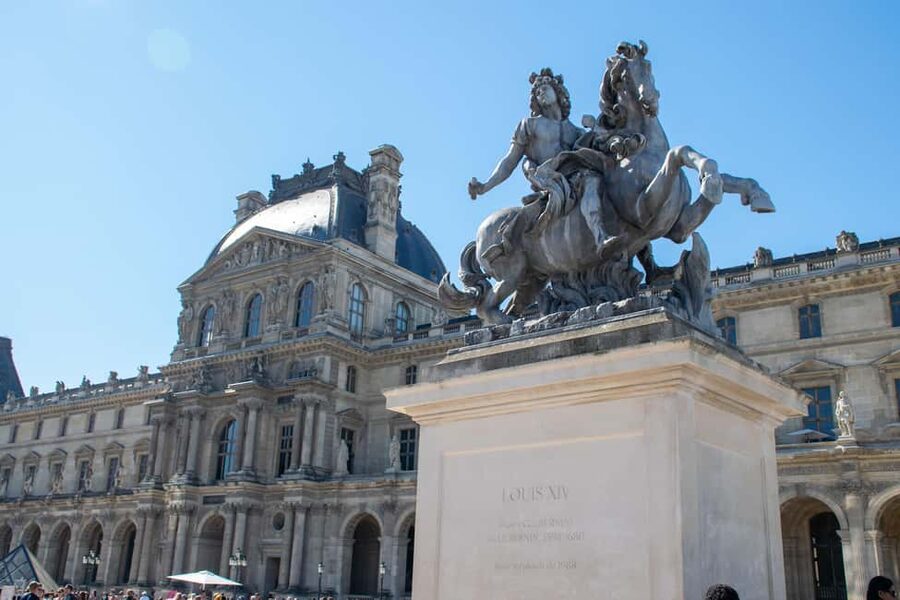
- Meet by the pyramid horse statue: Find the guide near the Louis XIV as Marcus Curtius copy, in front of the Louvre Pyramid, holding a blue Dayin sign.
- See the essential trio: The two-hour route focuses on the Mona Lisa, Venus de Milo, and Winged Victory of Samothrace.
- Choose your pace: A three-hour option adds more works, while a four-hour option allows a much fuller look at the collections.
- Get practical crowd help: Skip-the-ticket-line access saves time, though security can still take up to 20 minutes in high season.
- Ask for a personal route: The guide can adapt the visit for first-time visitors, returning visitors, children, or art lovers with a special interest.
- Stay after the tour: Once the guided portion ends, you can continue exploring the Louvre on your own.
Why a guide matters inside the Louvre
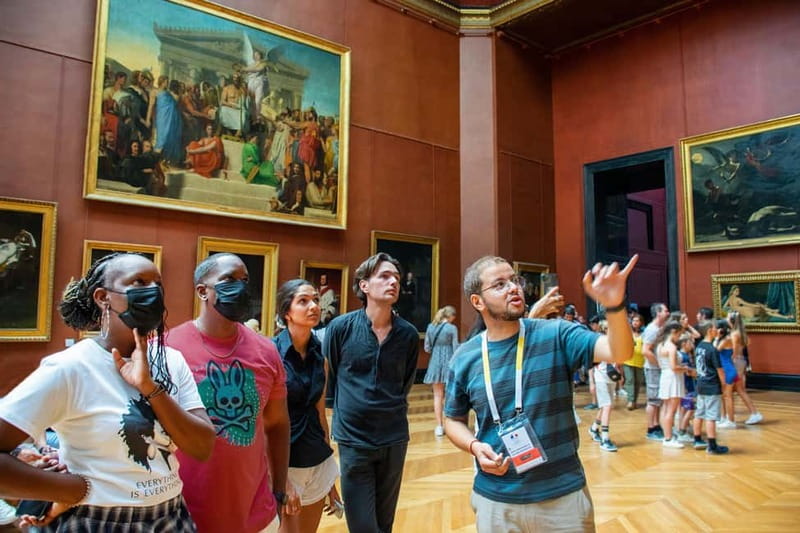
The Louvre is not a museum you casually wander through for an hour and fully understand. It is enormous, crowded, and filled with famous works spread across different wings and floors. Even finding the Mona Lisa can take more effort than you expect.
A good guide turns the museum from a maze into a story. Instead of stopping at random paintings, you follow a route built around major periods, artists, rulers, and ideas. The strongest guides on this experience, including Walid, Hamish, Wei, John, and Romain, are praised for making art understandable without flattening it into schoolroom facts.
That difference matters most if this is your first Louvre visit. You will see the works people expect you to see, but you will also learn how to look at them. A guide can point out details you might pass without noticing, explain the work’s place in art history, and connect one gallery to the next.
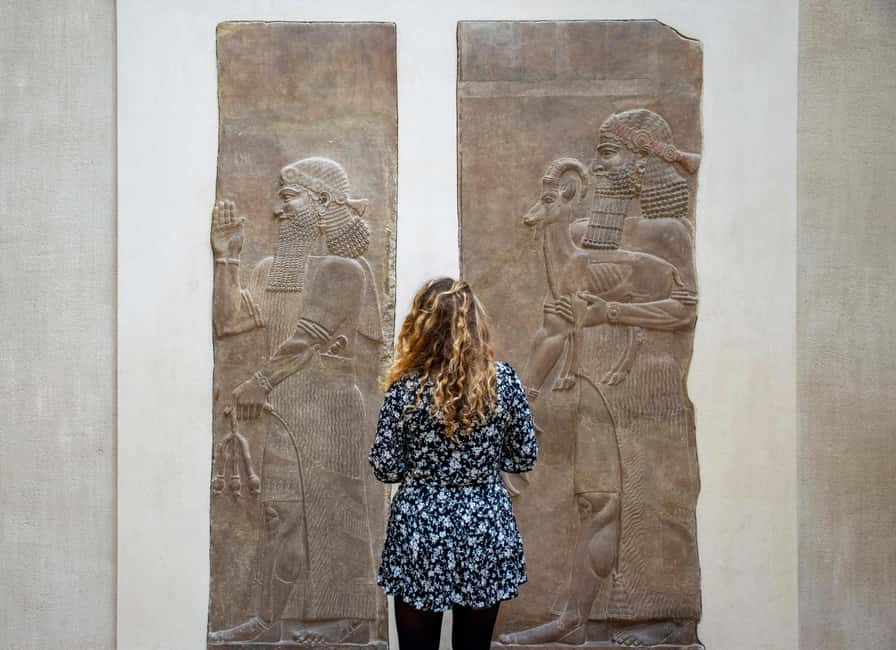
The visit also works well for repeat visitors. One group that had already seen the usual old masters requested something different and spent more time with Mesopotamian material. That is a useful reminder: private does not have to mean a standard Mona Lisa speech delivered to every group.
A few other Paris half-days to compare
- Paris: Louvre Museum Timed-Entrance Ticket
★ 4.6 · 71,977 reviews - Paris: Louvre Guided Tour with Reserved Access & Boat Cruise
★ 4.3 · 16,353 reviews - Louvre Museum Masterpieces Guided Tour with Access
★ 4.5 · 12,023 reviews
Meeting at the Louvre Pyramid
You meet next to the horse statue in front of the pyramid. The listed landmark is Louis XIV under the appearance of Marcus Curtius, a copy that helps identify the meeting area. Your guide holds a blue Dayin sign.
Use Louvre Pyramid as the destination if you are checking Google Maps. Do not simply type Louvre and assume you will emerge at the right spot. The museum has several approaches, and Paris traffic can slow taxis and buses, so leave extra time.
The meeting point is central and easy to recognize, but one practical detail deserves attention: the sign says Dayin, not necessarily your guide’s name. One person had trouble spotting the guide because of this. If you are unsure, ask nearby guides or staff for help, and keep the booking contact information close at hand.
The tour ends back at the meeting point. Hotel pickup and drop-off are not included, so you handle your own way to and from the Louvre.
The two-hour route: famous works without the guesswork
The standard two-hour visit is designed around the Louvre’s best-known sights. Expect the Mona Lisa, Venus de Milo, and Winged Victory of Samothrace to anchor the route, with other important works selected by your guide.
The Mona Lisa
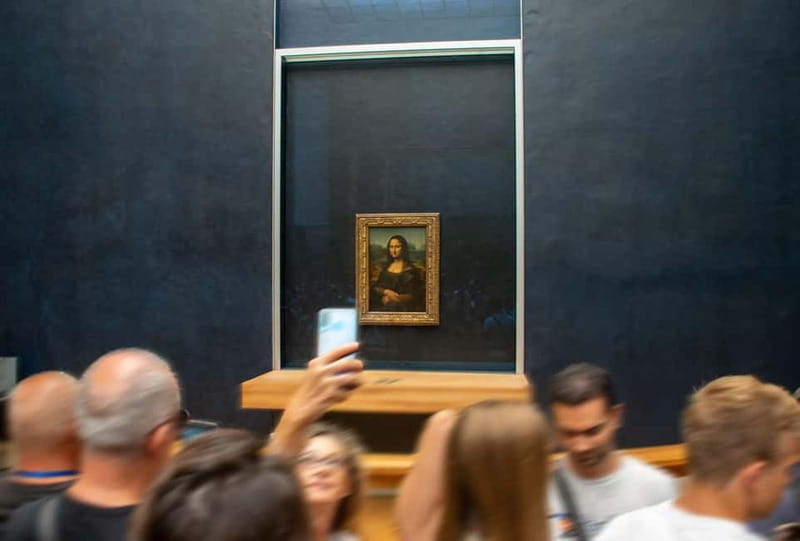
Leonardo da Vinci’s Mona Lisa is the Louvre’s biggest draw, and it is usually surrounded by a crowd. The guide’s value here is practical as well as historical. You are directed to the right area and given context before or around the visit, rather than spending your museum time hunting for the painting.
Skip-the-ticket-line access does not mean you walk straight through every barrier. Security remains separate, and high-season waits can reach 20 minutes. Once inside, crowd conditions can still make the Mona Lisa stop feel brief. You may want to return after the tour, when you are free to revisit the galleries at your own pace.
That option is one of the smartest features of the experience. The guided route gives you orientation and context. Your later return lets you spend more time with the works that caught your attention.
More museums in Paris:
- Paris: Louvre Museum Entry Ticket With Host and River Cruise
★ 4.6 · 9,926 reviews - Les Invalides: Napoleon’s Tomb & Army Museum Entry
★ 4.6 · 9,185 reviews - Louvre Museum – Exclusive Guided Tour (Entry Included)
★ 5.0 · 6,296 reviews - Paris: Louvre Museum Hosted Entry and Mona Lisa Audioguide
★ 4.6 · 5,235 reviews
Venus de Milo
The Venus de Milo gives the guide a chance to explain ancient Greek sculpture, beauty, damage, and the way museums present famous objects. The statue is instantly recognizable, but a short explanation can make the stop more than a photo opportunity.
A guide also helps you keep moving in a crowded room. The Louvre rewards attention, but it does not always reward standing in one place for too long when a large group is pressing through.
Winged Victory of Samothrace
Winged Victory is one of the Louvre’s most dramatic stops. Its position at the top of a grand staircase makes the approach part of the experience. Your guide can help you notice how movement, fabric, and placement work together, even though the sculpture is incomplete.
The route between these major works is where a private visit earns its keep. You are not just collecting three famous names. You are moving through a selected slice of the museum with someone who knows how the spaces connect.
The limitation is time. Two hours is enough for a strong first look, not a complete Louvre visit. If your group asks many questions or moves slowly, the guide may need to keep the pace brisk. One person felt the tour moved at nearly 100 miles per hour, while still praising the guide’s ability to save time and navigate the museum.
Three hours for a more rounded first visit
The three-hour option gives you breathing room. You can see the famous works and spend more time on less expected pieces selected by the guide. That extra hour matters because the Louvre’s appeal is not limited to its three headline attractions.
This is a good choice for adults who want context, families who need a little flexibility, and repeat visitors who do not need a basic introduction. You can tell the guide what you have already seen and what you would rather skip.
The experience is still selective. You will not cover every department, and you should not expect a complete survey of the museum. The point is to create a meaningful route through a small part of a very large collection.
A private guide can also adjust the pace. If one painting sparks questions, you can stay longer. If a room is too crowded or a section does not suit your group, the guide can keep the route moving. That freedom is hard to get in a large scheduled group.
Four hours for serious museum time
The four-hour option suits you if the Louvre is a main reason for your Paris visit. It allows an in-depth look at the museum’s famous works along with lesser-known pieces, while leaving room for questions and personal interests.
This longer visit does not make the Louvre feel small. It simply reduces the sense that you are sprinting from one highlight to another. You have more time to compare objects, follow a historical thread, and ask why a work matters.
Still, four hours inside a crowded museum is demanding. You may enjoy a pause between the guided portion and your own exploring. The activity ends at the meeting point, and you can decide then if you have the energy to continue.
For many people, the four-hour route is best for a second Louvre visit or for anyone with a clear interest in ancient civilizations, sculpture, painting, or the museum itself. First-time visitors who want only the essential sights may find two hours sufficient.
What the guides add to the art
The strongest part of this experience is the human explanation. Guides are licensed, and the available languages are English, French, Spanish, Chinese, Traditional Chinese, and Arabic.
Romain is praised for combining broad subject knowledge with real excitement about art and history. Vincent receives similar praise for clear, friendly explanations. Wei is especially effective with groups that include children, keeping the content interesting while covering the main works.
Hamish has been singled out for his ability to answer unexpected questions and for guiding a very crowded museum without losing the group. John is described as structured and engaging, a useful quality when the museum’s size can otherwise make the visit feel scattered.
Walid seems particularly suited to a customized route. He has handled first-time visits, repeat visits, family tours, and private arrangements. He also helped a person using a cane find elevators and easier routes through the museum, which shows why a guide familiar with the building can make a real practical difference.
Your guide will not necessarily be one of these specific people. The experience is provided in several languages and guide assignments can vary. The important point is to tell the guide your priorities at the start. A private tour works best when you speak up.
Families, teenagers, and mixed interests
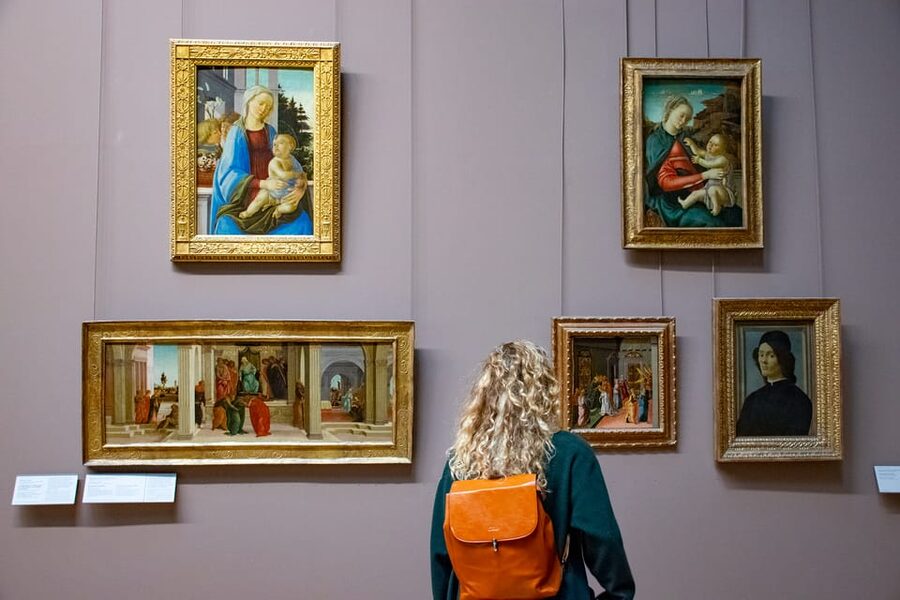
The family-friendly design is more than a marketing label. Several guide experiences have included children, including a group with four children ages 7, 10, 12, and 12. The guide kept the pace moving, gave the children something to focus on, and still left the adults room to enjoy the art.
That said, the Louvre is tiring for everyone. The two-hour route is probably the safest choice if your children are young or your day already includes several other activities. Older children and teenagers may appreciate the stories behind the objects, especially when the guide connects art to people, power, religion, or daily life.
A private format also helps when family members have different stamina levels. You can ask for a faster route, stop for questions, or explain that a certain gallery matters more to your group. In a large group, those requests are harder to accommodate.
The private option is also useful for a teenager visiting without a parent during part of the day. One private two-hour tour was arranged for a teenage daughter while her parent attended a business meeting. The format gave her a focused visit rather than leaving her to navigate the museum alone.
Skip-the-line access and the crowd question
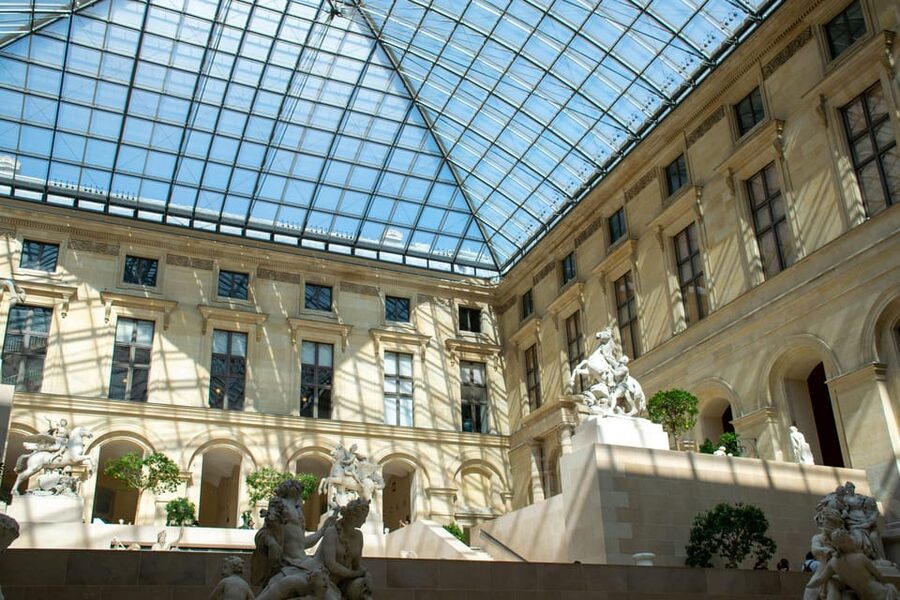
The tour includes a Louvre entry ticket and skip-the-ticket-line access. This is valuable, but read the phrase carefully. You still pass through security, and that wait can reach 20 minutes during the busiest season.
Inside, crowds remain part of the Louvre experience. No guide can make the Mona Lisa room empty or guarantee that every gallery will be open. Some rooms may close without notice, and individual works can be removed for restoration or loan.
The guide’s job is to manage those limits. Several guides are praised for knowing alternative entrances, elevators, efficient paths, and ways around dense crowds. The benefit is not silence or solitude. It is less wasted time and less stress.
Wear comfortable shoes and bring only what you need. Selfie sticks, flash photography, luggage, and large bags are not allowed. You must also bring a passport or identity card, though a copy is accepted.
Is $262 per person good value?
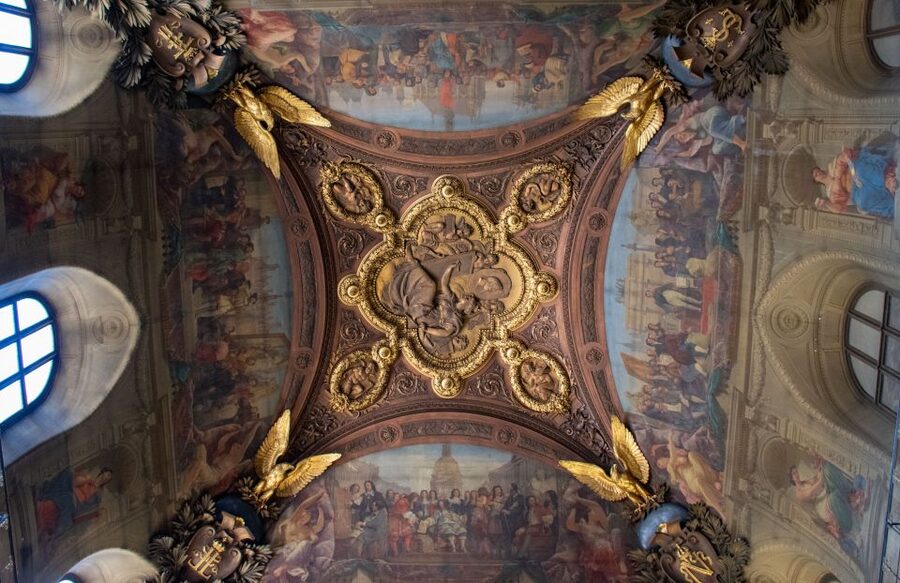
At $262 per person, this is not a budget Louvre ticket. You are paying for the museum admission, a licensed guide, a private or small-group format, and the ability to shape the route around your interests.
The value depends on how you would otherwise visit. If you are happy to study a map, choose a few galleries, and accept a slower start, a self-guided visit costs less. If you have only one chance at the Louvre, are traveling with children, or feel uneasy in huge museums, the guide can save enough time and frustration to justify the premium.
The price makes more sense for a private group sharing the experience than for one person seeking the cheapest possible entry. It also makes more sense on a short Paris trip, when a poorly planned museum visit can consume much of a day.
The two-hour tour offers the clearest value for first-time visitors who want the essential works. Choose three hours if you want room for questions and extra art. Choose four hours only if you genuinely want a long museum session.
Planning your visit around the tour
You do not need to print or download anything for entry. You provide the full first and last names of everyone in your party at booking, including children. Bring identification, and arrive early enough to handle Paris traffic and the meeting point.
Once the guided visit ends, you are free to continue exploring at your own pace. This makes it wise to note the rooms or departments you want to revisit. The guide can also suggest where to go next, which is particularly helpful if you have extra time but no clear plan.
The Louvre may close galleries or move works without warning. Treat the route as a carefully planned introduction, not a promise that every listed masterpiece will be available that day.
Cancellation is flexible up to 24 hours before the start time for a full refund, and you can reserve now and pay later. Those terms help if your Paris schedule is still shifting.
Who should book this Louvre experience?
Book it if you want the museum’s major works explained by a person who can adjust the route to your group. It is especially well suited to first-time visitors, families, repeat visitors with a specific interest, and anyone who dislikes navigating huge museums alone.
The tour is less suitable if you want to wander silently for hours, move at a very slow pace, or keep costs as low as possible. Even with a private guide, the Louvre is crowded and physically demanding.
For most first visits, I would choose the two-hour option and plan to continue independently afterward. If the Louvre is high on your Paris wish list, choose three hours. The four-hour format is for people who see the museum as a major event rather than a quick stop.
FAQ
Where do I meet the Louvre guide?
Meet next to the horse statue in front of the Louvre Pyramid. The guide will hold a blue Dayin sign.
What should I enter in Google Maps?
Type Louvre Pyramid into Google Maps to locate the meeting point.
How long does the tour last?
The available options last from two to four hours. Check the booking calendar for the starting times and available duration.
Is the tour private?
Private and small-group options are available. Confirm the group type when booking.
Which languages are offered?
The live guide can provide the tour in English, French, Spanish, Chinese, Traditional Chinese, or Arabic.
Does the tour include Louvre admission?
Yes. The Louvre Museum entry ticket is included.
Can I stay in the Louvre after the guided tour?
Yes. After the tour ends, you are free to continue exploring the museum at your own pace.
Is hotel pickup included?
No. Hotel pickup and drop-off are not included. You make your own way to the Louvre meeting point.
Can I cancel the booking?
You can cancel up to 24 hours in advance for a full refund. The activity also offers a reserve-now, pay-later option.
Should you book it?
I would book this tour if you want a focused, low-stress first look at the Louvre and are willing to pay for expert direction. The strongest reasons are the flexible private format, the guides’ ability to make art approachable, and the practical help with crowds, elevators, and museum routes.
Choose the two-hour visit for the essentials, three hours for a more relaxed selection, or four hours for serious museum time. Arrive early, watch for the blue Dayin sign, bring identification, and plan to revisit the Mona Lisa or other favorites after the guide leaves you at the meeting point.
Just listed in Paris
- Chartres Cathedral 5 Hours Tour from Paris with Private Transport★ 4.5 · 49 reviews
- Paris: Giverny & Versailles Small Group or Private Tour★ 4.5 · 49 reviews
- Paris: Louvre photoshoot or Seine bridges Eiffel Tower walk★ 5.0 · 49 reviews
- Paris: Choux Pastry and Chocolate Éclair Making Class★ 4.9 · 50 reviews
- Private tour of the Champagne area, meet local producers and taste their Champagne, start from your hotel in Paris.★ 5.0 · 50 reviews
- Paris Eternelle Notre-Dame Virtual Reality Tour★ 4.5 · 50 reviews
- Normandy D-Day Landing Beaches Private Day Trip from Paris★ 5.0 · 50 reviews
- Disneyland® Paris 1 Day with Round-Trip Train Tickets from Paris★ 4.0 · 50 reviews
Louvre Museum Tours, compared.


Louvre Guided Tour with Reserved Access & Boat Cruise
Read our review →
Louvre Museum Entry Ticket With Host and River Cruise
Read our review →
Mona Lisa & Louvre Masterpieces Tour with Reserved Access
Read our review →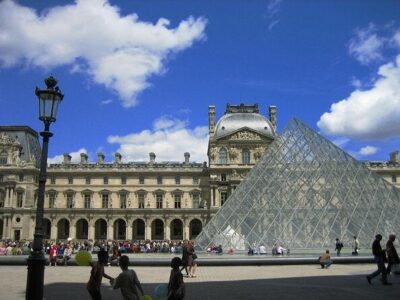
Louvre Museum – Exclusive Guided Tour (Entry Included)
Read our review →
Louvre Museum Hosted Entry and Mona Lisa Audioguide
Read our review →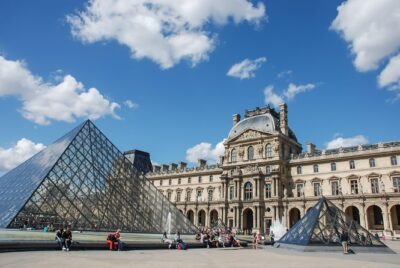
Louvre Priority Access with Mona Lisa Escort or Guided Option
Read our review →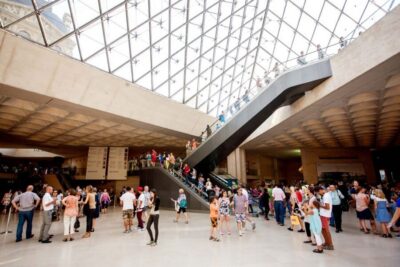
Browse the lists this tour appears in