
Reviewed · SAINT EMILION TOURS
Saint-Émilion: Vineyard Walking Tour and Tasting
The best part of this Saint-Émilion experience is its personal scale. You walk the vines with a member of the fourth-generation Mallet family, then follow the grapes indoors through fermentation, pumping, pressing, and barrel ageing. Florent’s family connection gives the tour a practical feel that a polished commercial tasting room often lacks.
I like two things especially: the tour explains the vineyard work as well as the wine in the bottle, and the tasting includes four estate wines, two with Grand Cru appellations. The possible drawback is the meeting point, which is about 3 km from Saint-Émilion and is easiest to reach by car. There is no food or transport included, so plan that part yourself.
Key points at a glance
- A fourth-generation family estate: Florent or Marie-Anne shares the family’s history and current work at Château Haute-Nauve.
- A real vineyard walk: You see different vine plots and learn how the work changes through the year.
- Wine from grape to barrel: The route covers fermentation, pumping, pressing, and ageing.
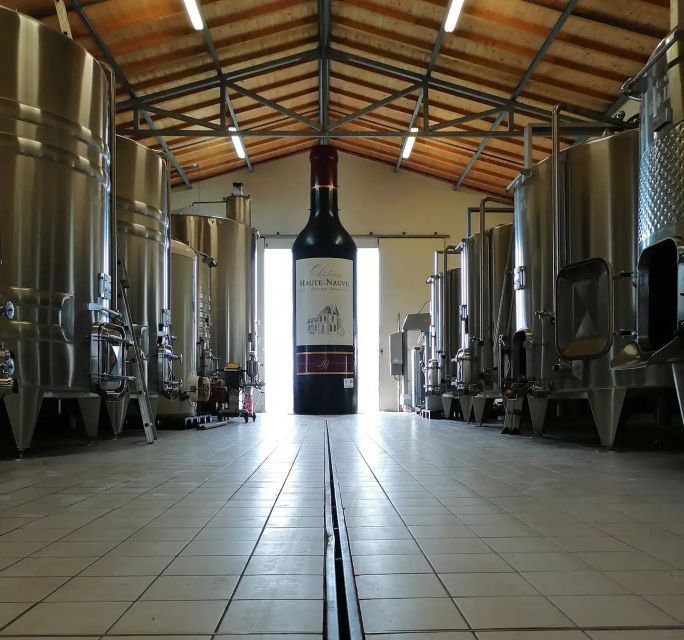
- Unusual estate sights: Look for a wind turbine and a giant six-meter wine bottle used in the château’s approach to frost protection.
- Four wines to compare: The tasting includes four estate wines, with two Grand Cru appellations.
- Small and flexible: Groups are limited to 10, tours run in French and English, and cancellation is free up to 24 hours before the visit.
Why this family vineyard feels different
Saint-Émilion is famous for grand estates, handsome stone buildings, and expensive bottles. Château Haute-Nauve offers a more direct look at the work behind the label. The family still runs the property, and the person guiding you is not simply reading a set script about Bordeaux wine. Florent, or his mother Marie-Anne, can explain what happens on this particular land and why the family makes certain choices.
That matters if you want more than a quick cellar visit. You are not only shown finished bottles. You are taken outside to see the vines, then inside to see the equipment that turns harvested grapes into wine. The tour links each stage, so the explanation makes sense even if you know little about Bordeaux.
The tone is friendly and informal. Florent is often praised for mixing clear explanations with gentle humor, and for making a mixed group feel included. He also has a useful advantage: his experience comes from working in the family business, not simply studying wine for a presentation.
The property also gives you some details you may not expect at a traditional château. There is a wind turbine, a six-meter-tall wine bottle, and an emphasis on sustainability, diversification, and new wine varieties. These details help show that a Bordeaux vineyard is not frozen in the past. It is a working business dealing with weather, equipment, changing tastes, and the need to adapt.
More wine tastings in France:
- Bordeaux: Cité du Vin Entry Ticket and Wine Tasting
★ 4.6 · 3,885 reviews - Montmartre Hill French Gourmet Food and Wine Tasting Walking Tour
★ 5.0 · 2,588 reviews - From Paris: Loire Valley Castles Day Trip With Wine Tasting
★ 4.6 · 1,727 reviews
Starting among the Saint-Émilion vines
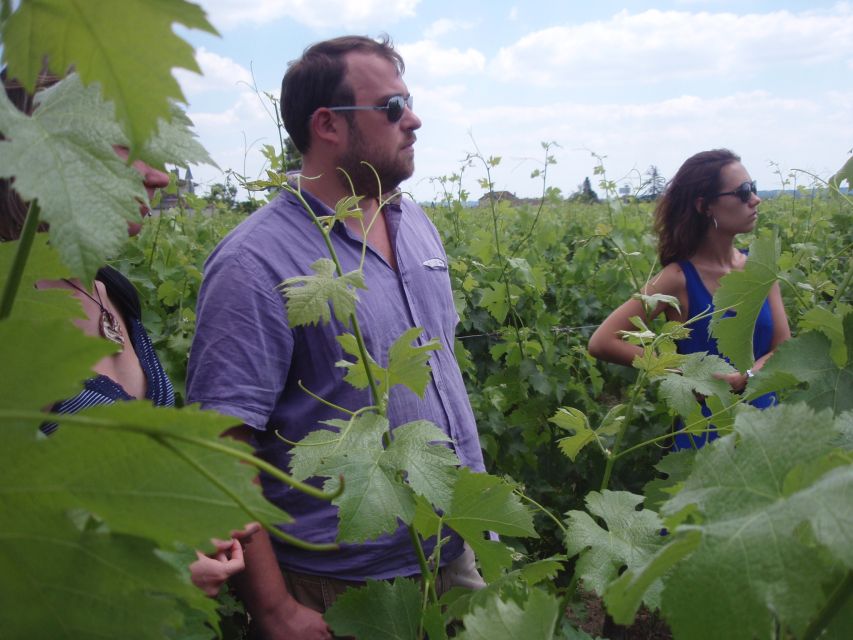
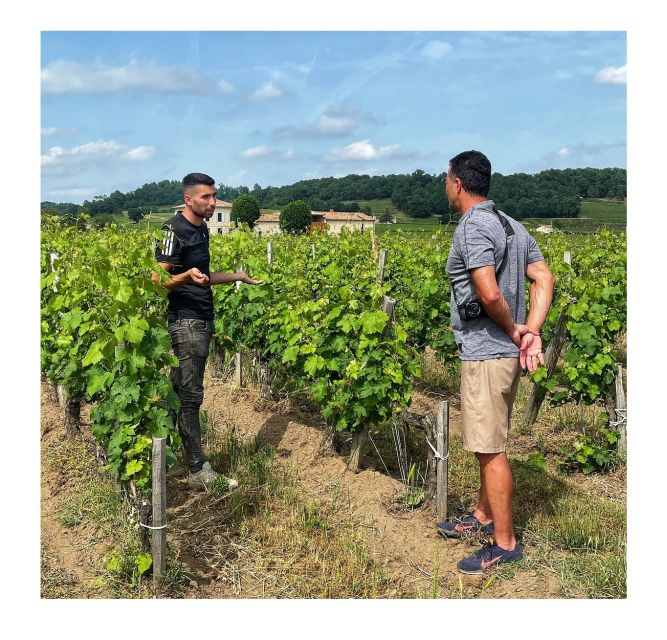
The tour begins in the vineyard, where you hear about the estate’s four generations and the Saint-Émilion appellation. The guide explains the grape varieties and the character of the local wine area, then points out different plots of vines.
This outdoor portion is important because it puts the rest of the visit in context. Wine descriptions can sound abstract when you hear only about aromas, structure, or ageing. In the rows of vines, you begin with the raw material and the decisions that shape it. You learn that vineyard work is not the same in every season. The tasks and risks change during the year, from caring for the vines to dealing with harvest conditions.
Weather is one of the practical subjects covered here. Frost can damage a crop, and the château explains how it tackles that threat. The large bottle and wind turbine are among the more unusual sights connected with the estate’s methods. You do not need to be a wine expert to appreciate the point: producing a bottle of Bordeaux involves constant attention to weather and timing.
The tour also discusses sustainability and diversification. That is useful context for anyone who assumes a traditional French winery only follows old methods. Château Haute-Nauve is presented as a family operation that respects its past while testing ways to respond to modern pressures and develop new wine varieties.
Allow roughly half the two-hour visit for the outdoor section, based on how the tour is commonly arranged. Wear comfortable shoes. Vineyard paths are not the place for delicate footwear, and the experience continues outside in changing weather, so bring suitable clothing rather than treating this as an indoor tasting-room appointment.
Inside the vinification cellar
After the vineyard walk, you move to the vinification cellar. Here, the guide explains what happens after the grapes leave the vines, including fermentation, pumping, and pressing.
This is the part that makes the tour useful for beginners. You can see the technology involved instead of hearing only a broad description of winemaking. Fermentation is explained as a working process, and the equipment shows how the estate handles the wine as it develops. Pumping and pressing become easier to understand when you can see where and how those jobs are carried out.
The machinery also gives the visit a welcome sense of scale. Saint-Émilion wine may carry a refined image, but it still depends on pumps, tanks, presses, careful timing, and regular human attention. The contrast between old family history and modern production equipment is one of the tour’s strongest themes.
You can ask questions as you go. The small-group limit of 10 makes that easier than on a large coach visit. Several people describe the tour as personal and unrushed, which is especially helpful if you want to ask about vineyard care, soil, climate, grape varieties, or the family’s choices.
Families should also note that the tour has worked well for groups with older children and teenagers. The equipment and the walk give younger visitors something to look at, while the guide’s relaxed approach keeps the subject from becoming a technical lecture. Children will not take part in the wine tasting, of course, but the visit itself can suit a family group.
Barrels, ageing, and the path to the bottle
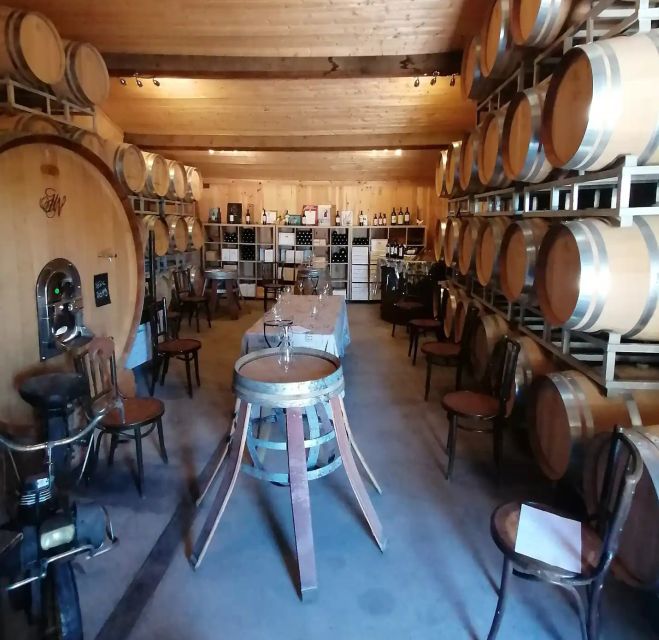
The final production stop is the barrel cellar. Here you see how the château ages its wines and learn about the methods used before the wine is bottled.
This section helps explain why two wines made from related grapes can taste quite different. The fruit, the vineyard plot, the vintage, the fermentation, and the time spent ageing all play a role. The tour does not simply tell you that barrels matter. It places ageing within the full chain from vine to finished wine.
I find this order of presentation sensible. You first see the vines, then the production equipment, then the barrels. By the time you reach the tasting, you have a basic map in your head. You can connect the wine in your glass with the work you have just seen.
The visit remains focused on the estate rather than trying to cover every detail of Bordeaux wine. That is a strength for a two-hour tour. You get enough explanation to understand the process without spending an entire afternoon in technical discussions.
A few other France half-days to compare
- Paris: Seine Cruise & Crepe Tasting near the Eiffel Tower
★ 4.4 · 11,231 reviews - Authentic Parisian Gourmet Food Tour with 10 Local Dishes & Wines
★ 5.0 · 4,754 reviews - Normandy D-Day Small-Group Day Trip with Omaha Beach, Cemetery & Cider Tasting
★ 5.0 · 2,786 reviews - Paris: Illuminated Evening River Cruise & Waffle Tasting
★ 4.1 · 2,697 reviews
Four wines, including two Grand Crus
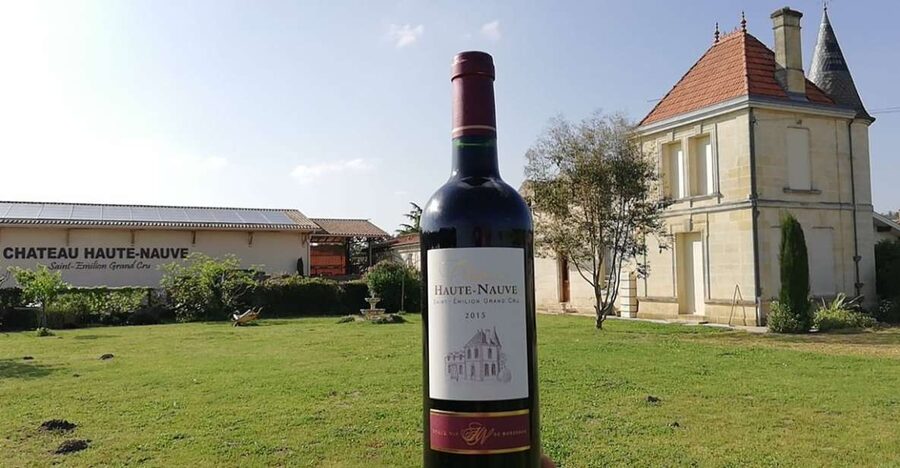
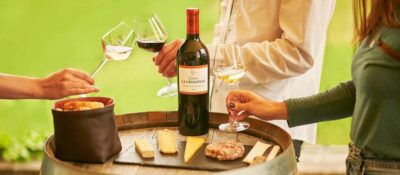
The tasting closes the visit and includes four wines produced by Château Haute-Nauve. Two carry Grand Cru appellations, giving you a chance to compare different expressions from the estate.
The tasting is guided, not simply a row of glasses placed on a table. Florent or Marie-Anne explains the wines and helps you consider differences in style. The selection has been described as ranging from smooth to full-bodied, with particular appreciation for the Grand Cru wines.
You do not need a developed wine vocabulary. Listen for basic contrasts in body, texture, fruit, and finish, then notice which bottle you prefer. The point is not to produce a perfect tasting note. It is to connect what is in the glass with the vineyard and cellar work you have just seen.
The tasting also makes the $29 price look strong. Four wines at a Saint-Émilion estate, a vineyard walk, a full cellar visit, and a family-led explanation would usually make this a worthwhile stop even for someone who buys no bottle. If you enjoy wine, the tasting alone gives you a useful comparison of the château’s range.
There is no pressure to buy. You can browse the estate’s collection and purchase bottles to take home, but additional wine is not included in the tour price. If you plan to buy, bring enough room in your luggage and check your own transport arrangements for carrying bottles.
A small group with a human guide
The small-group format is one of the clearest advantages. With no more than 10 people, the guide can answer questions and adjust the pace. Some departures may be smaller still, and a private-feeling visit is possible when few places are booked.
Florent receives the strongest praise for his hosting. He is described as warm, funny, clear, and proud of the family business. His passion comes through because he is explaining work connected to his own land and business. Marie-Anne also leads tours, giving the experience a direct link to the family rather than a rotating cast of outside guides.
The tour is available in French and English. That makes it practical for international visitors, though the quality of your visit will still depend on the guide leading your particular departure. The available information identifies Florent and Marie-Anne as the family guides, while some past bookings refer to the guide by slightly different spellings. If a particular guide matters to you, confirm when booking.
Two hours is a well-judged length. You get time outdoors, time in the production areas, and a proper tasting without committing half a day. The timing also leaves room to visit the village of Saint-Émilion before or after the tour.
Getting to Château Haute-Nauve
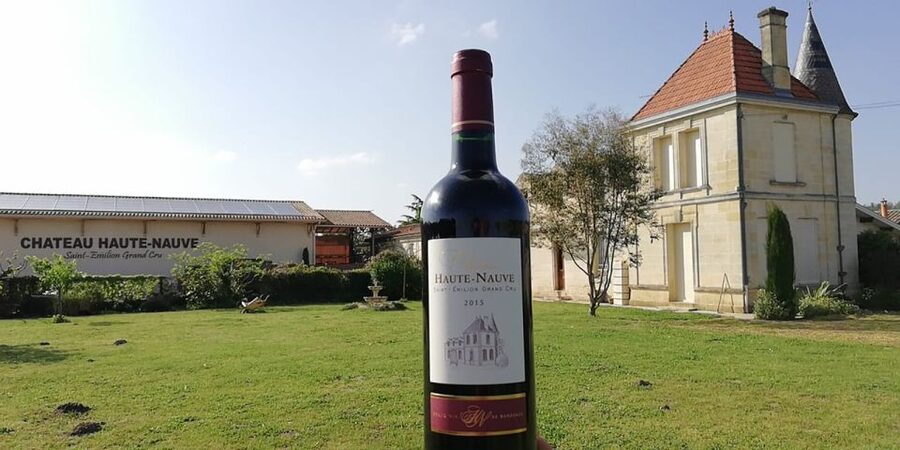
The château is about 3 km from Saint-Émilion village. The meeting point is inside Château Haute-Nauve, with parking near the large building fitted with solar panels, beneath the purple Château Haute-Nauve sign.
A car is recommended. Transport is not included, and you should not assume that a convenient public transfer will take you directly to the estate. Some visitors have reached the property by ride-hailing service, and walking may be possible for confident walkers, but the official guidance is to arrive by car.
That location is both a benefit and a limitation. You are close enough to combine the tour with Saint-Émilion, yet far enough from the village to feel that you are visiting a working vineyard rather than a town tasting room. The trade-off is that you need to organize the final few kilometres.
Allow extra time to find the building and parking area. Look for the solar-panel building and purple sign rather than relying only on the château name. Comfortable shoes and weather-appropriate clothes are essential because a substantial part of the tour is outside.
Who should book this visit
I would choose this tour if you want a personal introduction to Bordeaux wine without paying for a long, formal estate program. It suits first-time wine visitors because the process is explained in a clear order, from vines to bottle. It also works for experienced wine drinkers who want to understand one family producer in detail.
It is a particularly good match for:
- Couples looking for a two-hour activity near Saint-Émilion
- Small groups who prefer conversation over a large organized tour
- Families with older children or teenagers
- Visitors who want to compare several estate wines
- People interested in vineyard work, weather risks, and modern equipment
- Anyone hoping to buy wine directly from the producer
You may want another type of experience if you dislike walking outdoors, have no practical way to reach the property, or want a full meal with your tasting. Food and transport are not included, and the visit is centered on wine production rather than regional cuisine.
Wheelchair access is listed, but the tour includes a walk through the vineyard. If you have specific mobility needs, contact the provider before booking so you can confirm how the outdoor route will work on your date.
Practical value at $29
At $29 per person, this is priced as an accessible introduction rather than a luxury wine day. You receive two hours with a family guide, a vineyard walk, a production and barrel-cellar visit, and four wines. Two Grand Cru wines add particular value for anyone who wants to taste beyond entry-level bottles.
The price is also helped by the small group. A cheaper large-group visit may give you less time to ask questions, while a more expensive private tour may cover much of the same ground. Here, the balance is a personal explanation and a modest cost.
Book ahead if your schedule is fixed, especially during the busy summer period. The activity allows free cancellation up to 24 hours in advance, and you can reserve now and pay later, which is useful when your Bordeaux plans are still shifting. Starting times vary, so check availability for your date.
My verdict: a smart Saint-Émilion wine stop
You should book Château Haute-Nauve if you want to see how wine is made, not just taste it. The combination of vineyard, machinery, barrels, and four wines gives you a clear story, while Florent’s or Marie-Anne’s family connection keeps the visit warm and grounded.
The main question is transport. If you can reach the estate easily, $29 buys a well-rounded two-hour experience close to Saint-Émilion. I would pair it with time in the village, wear sensible shoes, and leave space in my luggage for a bottle or two. For a friendly, family-run introduction to the appellation, this is an easy recommendation.
FAQ
How long does the Château Haute-Nauve tour last?
The tour lasts two hours. It includes the vineyard walk, the production cellar, the barrel cellar, and a tasting of four wines.
How much does the experience cost?
The listed price is $29 per person. Additional wine purchases, food, and transport are not included.
Who leads the tour?
The tour is led by a member of the family, either Florent or his mother, Marie-Anne. The estate is in its fourth generation of family winemaking.
How many wines will I taste?
You will taste four wines from Château Haute-Nauve. Two of them have Grand Cru appellations.
Is the tour available in English?
Yes. The live guide is available in French and English.
How do I reach the meeting point?
Meet inside Château Haute-Nauve, about 3 km from Saint-Émilion village. Parking is near the large building with solar panels, under the purple Château Haute-Nauve sign. Arriving by car is recommended.
More Walking Tours in France
- Paris Top Sights Half Day Walking Tour with a Fun Guide
★ 5.0 · 2,893 reviews - Montmartre Hidden Gems and Scenic Highlights Walking Tour
★ 5.0 · 2,684 reviews - Paris Île de la Cité and Notre-Dame Walking Tour With Crypt
★ 5.0 · 2,272 reviews - Paris: Montmartre Cheese, Wine & Pastry Guided Walking Tour
★ 4.8 · 2,255 reviews
Just listed in France
- Paris: Giverny & Versailles Small Group or Private Tour★ 4.5 · 49 reviews
- Half-Day Walking Food Tour in Nice with Lunch★ 5.0 · 49 reviews
- Chartres Cathedral 5 Hours Tour from Paris with Private Transport★ 4.5 · 49 reviews
- Paris: Louvre photoshoot or Seine bridges Eiffel Tower walk★ 5.0 · 49 reviews
- Marseille: Frioul Archipelago Catamaran Cruise with Lunch★ 4.4 · 49 reviews
- Bonifacio: sunset catamaran trip and aperitif★ 4.6 · 50 reviews
- Paris: Choux Pastry and Chocolate Éclair Making Class★ 4.9 · 50 reviews
- Private tour of the Champagne area, meet local producers and taste their Champagne, start from your hotel in Paris.★ 5.0 · 50 reviews
Saint Emilion Tours, compared.
Saint-Émilion Wine Tour By Premium Electric Bike, Lunch Included
Read our review →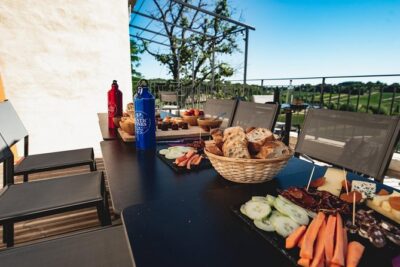
Electric Bike Day Tour with Wine Tastings and Picnic Lunch
Read our review →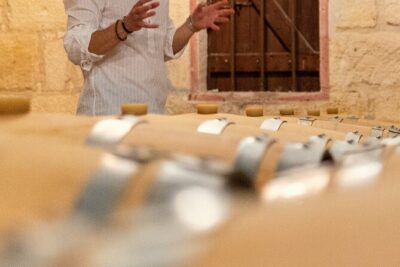
Visit and Tasting Château Saint-Georges Cote Pavie, Grand Cru Classé
Read our review →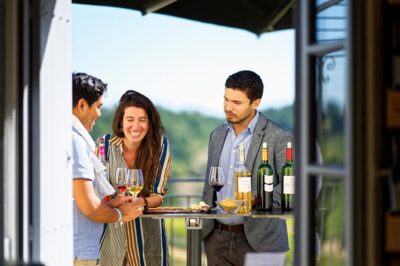
Saint-Emilion Grand Cru Classified: Visit & Tasting in French
Read our review →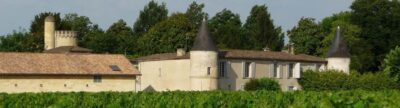
Libourne: Winery Tour with Wine and Chocolate Tasting
Read our review →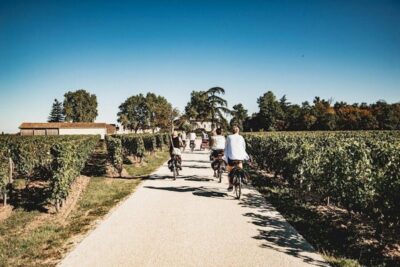
Browse the lists this tour appears in