
Reviewed · SAINT EMILION TOURS
Visit and Tasting Château Saint-Georges Cote Pavie, Grand Cru Classé
Château Saint-Georges Côte Pavie gives you a compact look at how a Saint-Émilion wine moves from vineyard to cellar, then puts three of the estate’s wines in your glass. I like the small scale, the clear explanations, and the chance to see a family-run property rather than a large, polished wine attraction.
I also like the easy location, just a short walk from Saint-Émilion station and the village, and the strong value at about $21.77 for an hour. The main limitation is simple: this is a wine-focused visit, so you get no food or snack with the tasting, and the short format may feel brief if you want a long estate tour.
Key points to know before you go
- Three wines in one tasting: The tasting includes three estate cuvées from the Saint-Émilion Grand Cru appellation, including a Grand Cru Classé wine.
- Small-group setting: The activity accepts a maximum of four people, keeping the visit personal and making questions easy.
- Several guides lead the experience: Maëlia, Valentin, and Mathieu have all been praised for clear, friendly explanations in English.
- Recently renovated winemaking room: The vat room was completely renovated in 2020, giving you a current look at the production side of the château.
- Walkable from the train: The property is about five minutes from Saint-Émilion station and the village, with the main square roughly 10 to 15 minutes away on foot.
- About one hour long: You get the essentials without giving up half a day, a useful choice if you are fitting the château between sightseeing stops.
A small Saint-Émilion château with a personal feel
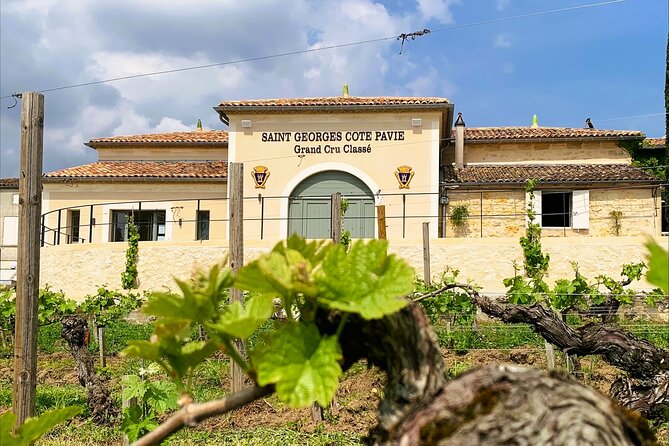
Saint-Émilion has no shortage of wine estates. Some are grand and formal, with imposing gates, long drives, and highly staged presentations. Château Saint-Georges Côte Pavie offers something more direct. The visit centers on the vineyard, the winemaking rooms, the cellar, and the wines themselves.
That smaller setting matters. With a maximum of four people, you are not likely to be standing at the back of a crowded group while a guide repeats a memorized speech. You can ask how the estate works, how the grapes become wine, and why the finished bottles taste different.
The château is described as a family-run estate with several generations behind it. That family connection gives the visit a useful sense of scale. You are not only hearing broad facts about Bordeaux. You are seeing how one smaller property makes and ages its own wines within the Saint-Émilion Grand Cru appellation.
The setting is also convenient. You can walk there from the station in about five minutes, and it is close to the village. From the main square, allow around 10 to 15 minutes. That makes this one of the easier vineyard visits if you arrive by train and would rather not rent a car or arrange a taxi.
A few other France half-days to compare
- Paris: Seine Cruise & Crepe Tasting near the Eiffel Tower
★ 4.4 · 11,231 reviews - Authentic Parisian Gourmet Food Tour with 10 Local Dishes & Wines
★ 5.0 · 4,754 reviews - Bordeaux: Cité du Vin Entry Ticket and Wine Tasting
★ 4.6 · 3,885 reviews
Starting among the Saint-Émilion vines
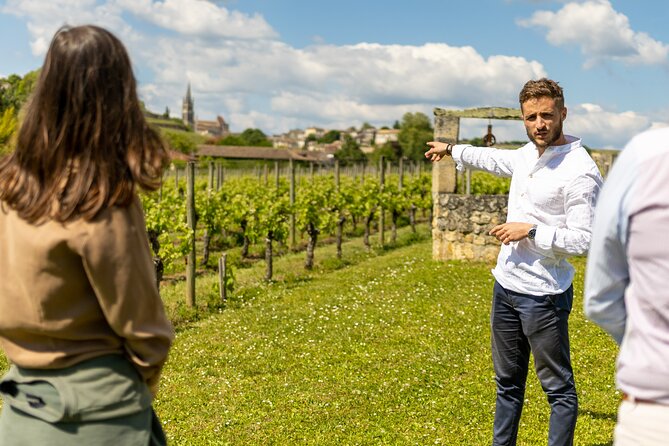
The experience begins at Château Saint-Georges Côte Pavie, at 33330 Saint-Émilion. The first part introduces the vineyard and the property’s story before moving indoors to the winemaking areas.
The vineyard visit is important because it gives the rest of the tour a frame. Wine can seem mysterious when you only see a bottle and a tasting glass. Standing among the vines helps you connect the final wine with the land and the work that begins outdoors.
You will hear about the estate’s place in Saint-Émilion and the local wine tradition. The tour also discusses the Bordeaux classification system, a useful subject for anyone who has found labels such as Saint-Émilion Grand Cru and Grand Cru Classé confusing.
Do not expect a long walk through acres of vines. The entire experience lasts about an hour, including the tasting. Think of this first section as a practical introduction rather than a full agricultural tour.
That short length is part of the appeal. You get enough context to understand the wine without spending a whole afternoon on a single property. If you already know Bordeaux well or have visited many wineries, the presentation may feel familiar. The personal setting and the chance to ask questions help make it more than a basic label lesson, but this remains an introductory visit.
Inside the vat room renovated in 2020
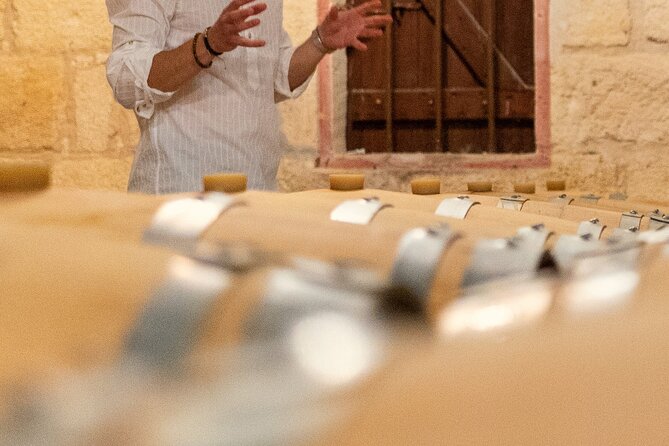
The tour continues into the vat room, which was completely renovated in 2020. This is where the guide explains the estate’s winemaking methods and the steps between harvested grapes and finished wine.
For many people, this will be the most useful section. Tasting wine is easier when you understand what the producer is trying to do. The guide can explain how the grapes are handled, how the wine is made, and how choices in production affect the style in your glass.
The guides are a major part of the experience. Maëlia has been described as engaging and clear, while Valentin and Mathieu have also led lively visits and answered questions in detail. Their names appear in connection with different tours, so your guide may vary, but the format is designed around conversation rather than a large formal lecture.
English is offered, which makes the tour practical for international visitors. Still, one rating indicates that language may not always feel equally smooth for everyone, particularly if a visit is conducted mainly in French. If precise English explanations are essential to you, confirm the language at booking and arrive ready to ask for clarification.
The small group helps here. A question about fermentation, grape varieties, or the classification can be answered without holding up a large crowd. The explanations are also reported to work well for people with different levels of wine knowledge, including children who need simpler terms.
The cellar and the aging method
After the vat room, you visit the cellar and learn how the wines are aged. This stage helps explain why Bordeaux wine is not simply made and bottled right away.
The cellar gives you a second view of the estate’s approach. The vat room is about making the wine. The cellar is about time, texture, and development. You will hear about the property’s aging method and how the wine is handled before it reaches the bottle.
This portion is not described as a long underground exploration, so keep expectations sensible. It is a focused look at the aging side of production within a boutique winery. You should come away with a clearer idea of how the estate’s methods shape the finished cuvées.
The contrast between the newer vat room and the traditional feel of wine aging adds interest. Saint-Émilion wine has a long-established identity, but the château is also using updated facilities. That combination makes the visit more useful than a purely historic presentation.
The guide’s storytelling makes a difference here. Mathieu, Valentin, and Maëlia have each been associated with friendly, easy-to-follow explanations. You may not receive a technical master class, but you can expect a plain account of what the estate does and why.
Same city, a completely different afternoon:
- Paris: Louvre Museum Timed-Entrance Ticket
★ 4.6 · 71,977 reviews - Disneyland® Paris 1-Day Ticket
★ 4.6 · 49,412 reviews - Paris: Versailles Palace and Gardens Full Access Ticket
★ 4.6 · 41,579 reviews - Paris: Evening River Cruise with Music
★ 4.4 · 22,721 reviews
Three Saint-Émilion wines at the tasting table
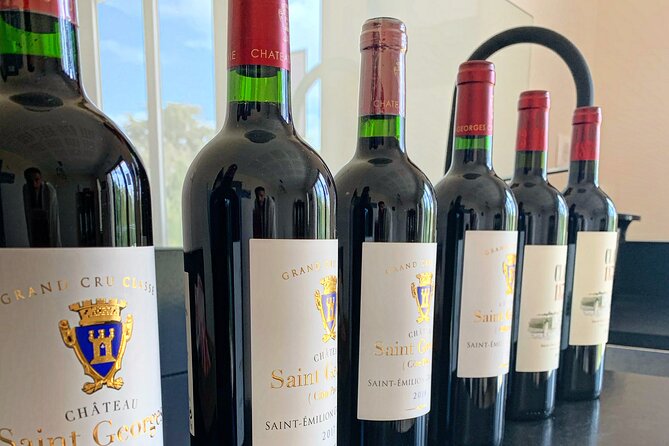
The tour ends with a tasting of three cuvées. The selection comes from the Saint-Émilion Grand Cru appellation and includes a Grand Cru Classé wine.
This is the strongest part of the experience for wine lovers. You are not tasting just one bottle and trying to judge the entire château from a single sample. Three wines let you compare styles and notice differences between cuvées produced in the same broad area.
The tasting also gives the earlier explanations a purpose. You have just seen the vineyard, production room, and cellar. Now you can consider how the estate’s choices show up in the wine. Pay attention to differences in aroma, structure, texture, and finish, then ask the guide what accounts for them.
The tasting is described as a sensory analysis, but it is not presented as a formal professional course. You do not need advanced wine vocabulary. If you are new to Bordeaux, this is a good place to start asking basic questions without feeling out of place.
The Grand Cru Classé wine is the headline pour. It can also be the most expensive bottle to buy, so tasting it here gives you useful context before spending more at the estate. Several people have bought bottles after the visit, including one person who purchased four because the wine was a favorite of the trip.
Wine is available for purchase, but the tour price does not include food. You get the three wines, not cheese, bread, charcuterie, or another pairing. I would plan a meal or snack before or after the appointment, especially if you are visiting near lunchtime. For serious tasting, the lack of food can be a plus because it keeps your attention on the wine. For a relaxed wine-and-food outing, it is a gap.
Why the one-hour format works
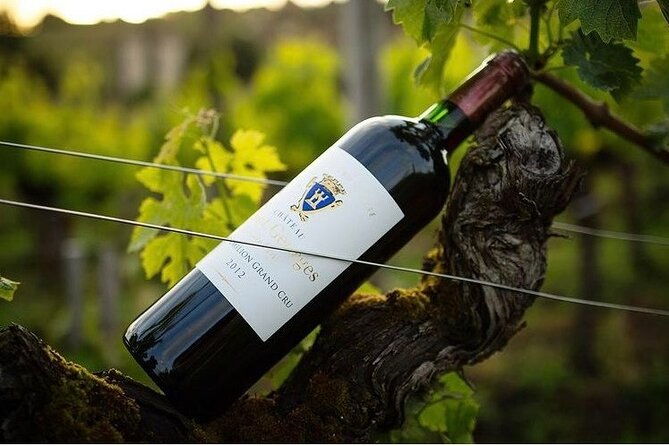
At about one hour, this is a quick introduction rather than a full-day wine program. You visit the vineyard, production facility, and cellar, then taste three wines. The pace gives you the key stages without asking you to rearrange your whole Saint-Émilion day.
I like this format for a first visit to the region. You can schedule it alongside a walk through the medieval village, lunch, or another appointment. It is also a smart choice if you arrive by train and want a genuine vineyard experience without a car.
The short duration has limits. You will not have time for a long vineyard hike, an extended technical seminar, or a large meal. If you want to compare many producers in one day, you will need to book other tastings separately.
The tour is most useful when you treat it as a focused introduction. You learn the basic story of one estate, see the working spaces, and taste three wines. That is enough to make the bottles and labels of Saint-Émilion less intimidating.
Paying about $21.77 for the experience
At roughly $21.77 per person, the value is good if you care about both the visit and the tasting. You are paying for a guided look at the vineyard, renovated vat room, and cellar, plus three wines that include a Grand Cru Classé.
The price is especially fair because the group is capped at four people. A small group gives you more access to the guide and more time to ask questions. It also avoids the impersonal feel that can come with a large coach tour.
The value is less clear if your main goal is food. Since no snack or pairing is included, you should not compare this with a wine-and-cheese session. It is a compact educational tour with wine at the end.
It may also feel less worthwhile to an experienced wine collector who has already toured many Bordeaux estates. One rating describes the visit as pleasant but not especially surprising after several similar winery tours. That is a reasonable caution. The appeal here is intimacy, convenience, and clarity, not spectacle.
Getting there from Saint-Émilion
The château is at Château Saint-Georges Côte Pavie in Saint-Émilion. It is about a five-minute walk from the railway station and the village, while the main square is about 10 to 15 minutes away on foot.
That makes the tour unusually easy to add to a train-based day. You do not need to drive from the village, and you can return to the same meeting point at the end. Wear comfortable shoes, since Saint-Émilion’s streets and paths can be uneven, though no special equipment is required.
Take care with the name when you arrive. Château Saint-Georges Côte Pavie is close to other château properties, and going to a neighboring estate can make you late. If you are using a map, match the full name and address before setting off.
Confirmation is provided when you book. Mobile tickets are accepted, service animals are allowed, and the activity is near public transportation. Most people can participate.
The maximum group size is four people. That makes advance booking sensible, especially since the experience is commonly reserved around nine days before the visit. Free cancellation is available if you cancel at least 24 hours before the local start time. A later cancellation or change is not refundable.
Who should book this château visit?
I would choose this tour if you want a short, friendly introduction to Saint-Émilion wine. It fits couples, small groups, solo visitors, and families who want clear explanations rather than a long technical lesson.
It is also a strong pick if you are arriving by train. The walk from the station is simple, and the one-hour schedule leaves room for the village, lunch, and other plans.
Wine beginners should find the format approachable. The guides explain the property, production, aging, and classification in straightforward terms. More experienced drinkers may still enjoy comparing three cuvées and asking detailed questions, though they should not expect a radically different format from other Bordeaux winery tours.
I would hesitate only if you require food with your tasting, dislike short visits, or want a large, grand château with elaborate interiors. This is a smaller working estate, and its charm comes from direct access and personal explanations.
Should you book Château Saint-Georges Côte Pavie?
Book it if you want three Saint-Émilion wines, a small group, and a walkable location for about $21.77. The experience gives you a useful look at the vineyard, the 2020-renovated vat room, and the cellar before the tasting.
You should skip it only if you have already seen many similar wineries and want something highly unusual, or if a food pairing is essential. For most visitors spending a day in Saint-Émilion, this is a well-priced way to make sense of Bordeaux wine without giving up hours of sightseeing.
FAQ
How long does the Château Saint-Georges Côte Pavie visit last?
The experience lasts about one hour, including the vineyard and winery visit, cellar presentation, and tasting of three wines.
How many wines are included?
The tasting includes three cuvées from the Saint-Émilion Grand Cru appellation, including a Grand Cru Classé wine.
Is the tour offered in English?
Yes. English is listed as an available language. Guides associated with the experience include Maëlia, Valentin, and Mathieu.
How far is the château from Saint-Émilion station?
The château is about a five-minute walk from Saint-Émilion station and the village. The main square is roughly 10 to 15 minutes away on foot.
Is food included with the wine tasting?
No. The tasting focuses on the three wines and does not include food or snacks.
What is the cancellation policy?
You can cancel at least 24 hours before the experience’s local start time for a full refund. Cancellations or changes made less than 24 hours before the start are not accepted for a refund.
Just listed in France
- Paris: Giverny & Versailles Small Group or Private Tour★ 4.5 · 49 reviews
- Half-Day Walking Food Tour in Nice with Lunch★ 5.0 · 49 reviews
- Chartres Cathedral 5 Hours Tour from Paris with Private Transport★ 4.5 · 49 reviews
- Marseille: Frioul Archipelago Catamaran Cruise with Lunch★ 4.4 · 49 reviews
- Paris: Louvre photoshoot or Seine bridges Eiffel Tower walk★ 5.0 · 49 reviews
- Private tour of the Champagne area, meet local producers and taste their Champagne, start from your hotel in Paris.★ 5.0 · 50 reviews
- Bonifacio: sunset catamaran trip and aperitif★ 4.6 · 50 reviews
- Paris: Choux Pastry and Chocolate Éclair Making Class★ 4.9 · 50 reviews
Saint Emilion Tours, compared.
Saint-Émilion Wine Tour By Premium Electric Bike, Lunch Included
Read our review →
Electric Bike Day Tour with Wine Tastings and Picnic Lunch
Read our review →
Saint-Emilion Grand Cru Classified: Visit & Tasting in French
Read our review →
Libourne: Winery Tour with Wine and Chocolate Tasting
Read our review →

Browse the lists this tour appears in