
Reviewed · NICE TOURS
Train Exp. through the Alps (Royal Baroque Route from Nice)
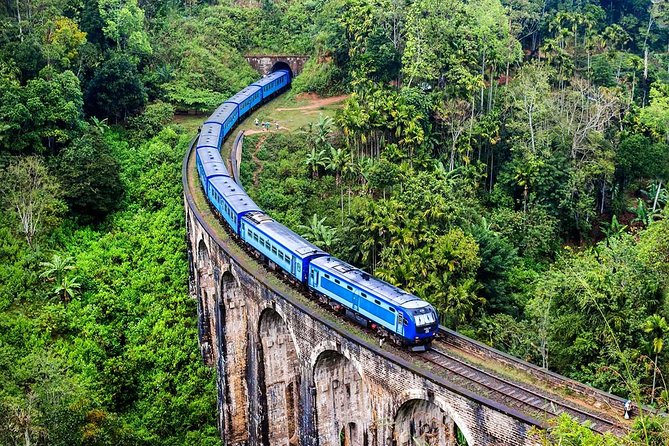
The best part of this day trip is the train ride from Nice into the maritime Alps. The line threads through valleys, tunnels, bridges, and narrow gorges before reaching old mountain villages with Italian roots. It feels far removed from the Riviera, yet you get there without renting a car or figuring out the railway on your own.
I like the mix of rail travel and walking, and I like that lunch is part of the day rather than an afterthought. Guides such as Cyril and Carmela add plenty of local stories, humor, and practical help. The main catch is simple: this is a strenuous day, not a gentle ride with occasional photo stops.
At a glance: the details that shape your day
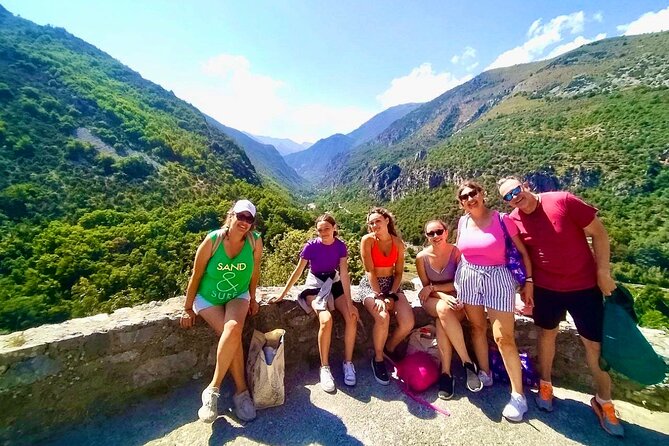
- A scenic regional railway: You ride a public train along the historic line linking Nice with the Roya Valley and the southern Alps.
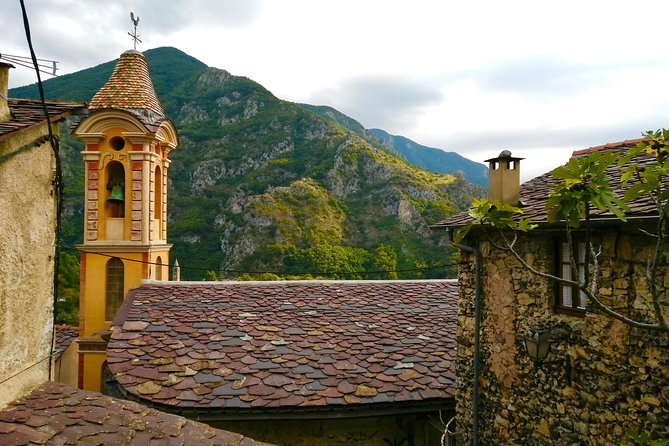
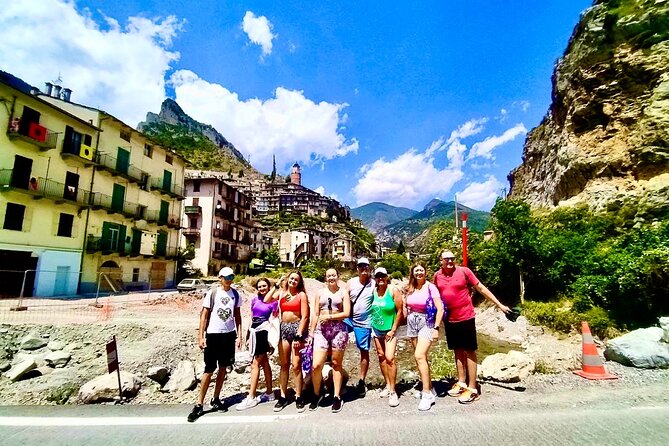
- Medieval villages with Italian roots: Saorge, Tende, and other possible stops show the old border culture of the region.
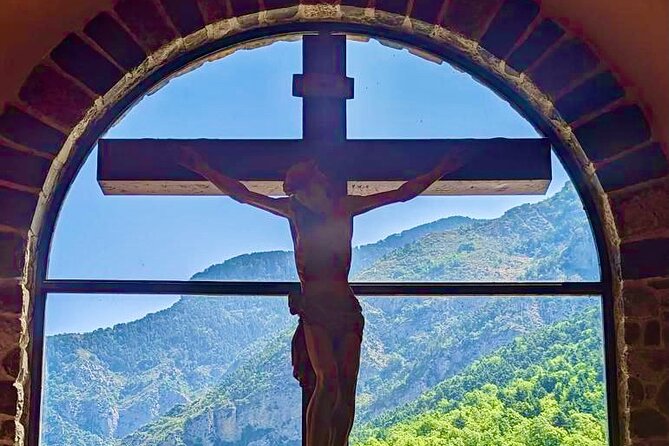
- A Baroque monastery: The Monastery of Saorge brings quiet courtyards, gardens, church interiors, and grand mountain views.
- A generous local lunch: The meal may be a picnic of local food or a restaurant lunch, depending on the day’s plan and booking option.
- Up to 15 kilometers on foot: Steep streets, stairs, forest paths, and uphill walks make good fitness important.
- A flexible route: Weather, closures, season, train schedules, and the group’s pace can lead to different villages or a shorter itinerary.
Why the train ride from Nice is the real beginning
Meet your guide in front of Gare de Nice Ville, near the terrace of Boulangerie Paul at 12 Avenue Thiers. The meeting time is listed around 7:55 to 8:00 a.m., with the train departing at about 8:30. Arrive early. This is a regular regional train, not a private carriage, and it will not wait for a late arrival.
The railway is part of the attraction. Built through difficult mountain country in the early 20th century, it crosses bridges and passes through tunnels while following several valleys toward the French Alps and the Italian border area. The ride takes about 1 hour and 15 minutes uphill before some itineraries continue by shuttle bus on mountain roads.
You get a changing view as Nice gives way to steep hills, stone villages, wooded slopes, and dramatic gorges. The train itself is functional rather than luxurious, but that is part of the appeal. You are using the same transport that links these communities, not riding a staged sightseeing train made only for tourists.
The guides help make sense of what passes outside the window. Cyril is known for mixing local history with French humor, while Carmela has a reputation for clear instructions, patience, and careful attention to the group. The guide may also be multilingual, so the exact style of commentary can vary.
More train trips in Nice:
- From Nice: Historic Train Ride & Alps Villages
★ 4.8 · 312 reviews - Tour with the Mountain Train, Trek to Mystic Forest and Castle
★ 5.0 · 101 reviews - Skip-the-Line Versailles Palace Tour by Train from Paris
★ 4.7 · 883 reviews
Saorge and its monastery: the quiet heart of the route
Saorge is one of the day’s strongest stops. The village climbs the mountainside above the Roya Valley, with narrow lanes, stone buildings, old religious sites, and broad views over the surrounding ravines. Its position once gave it defensive importance, since this border area changed hands and identities over the centuries.
You may walk uphill through the village toward the Monastery of Saorge. The climb gains about 150 meters and includes stairs, so it is not a casual stroll. If your knees or breathing make steep climbs difficult, ask your guide what portion of the stop is practical for you.
The monastery is a Baroque treasure with peaceful courtyards, rooms, gardens, and a church. Its location gives you a striking view over the valley, but the interior atmosphere is just as important. After the noise and motion of the train, the quiet here feels like a reset.
Plan roughly 45 minutes inside the monastery and another hour or so for Saorge itself. The exact order can change, and the visit may be replaced if conditions or access problems affect the route. Still, this stop gives the day more substance than a simple mountain-view outing. You see how faith, defense, farming, and border politics shaped village life.
Tende, La Brigue, and the changing village plan
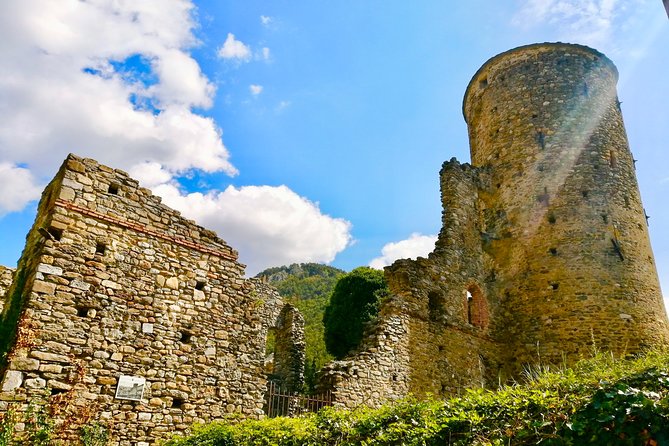
Tende is another major stop in the advertised route. It is a medieval mountain town with an Italian character, old castle ruins, striking monuments, and a cathedral. Tende only became part of France relatively recently, and that past remains visible in its architecture and local identity.
The village is also a good place for lunch. The restaurant meal is described as generous, with local dishes, wine on some restaurant itineraries, and enough food to satisfy a hungry hiker. Dietary needs should be given when you book. If the plan calls for a picnic instead, expect local fare rather than a formal meal.
La Brigue may also feature in the route, especially when the day’s plan focuses on the Roya Valley. The village has the storybook quality promised by the tour, but do not expect a busy shopping town. These are quiet mountain communities, and in the low season some cafés, shops, and eateries may close in the afternoon.
The plan is not fixed in every detail. Other outings connected with this experience have included Annot, Entrevaux, Puget-Théniers, Touët-sur-Var, and other villages. A bridge closure, poor weather, seasonal access, train timing, or the group’s walking ability can force a change. That flexibility can save the day, but it also means you should not book this expecting one guaranteed set of villages.
The walking: beautiful, worthwhile, and harder than the wording suggests
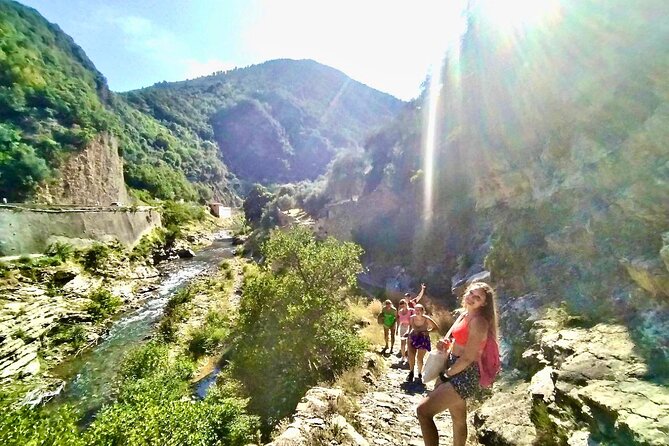
The full outing can involve about 9 miles, or 15 kilometers, on foot. Some of that may be downhill, but the route can include steep village streets, long stairways, uneven paths, forest tracks, and an uphill walk to a castle or citadel.
The climb to a citadel or castle viewpoint is often the day’s toughest section. It may take about an hour, and people who regularly walk several miles a day can still find it demanding. You do not always have to join every uphill section, but the alternatives can be limited in a quiet village.
This is where the tour description deserves careful reading. The day includes more than a scenic train ride. If you skip a long hike, you might have only a café, bar, bakery, grocery, or a few local sights available while the rest of the group continues. In the off-season, those places may be closed for part of the afternoon.
Ask the guide about the walking plan at the start. Guides have offered an earlier return to Nice for people who did not want to continue, and the route may be shortened when the group prefers to finish earlier. A different village with easier walking can also replace a longer hike.
Good shoes are essential. Wear clothing suited to the forecast, bring water, and expect the temperature in the mountains to differ from Nice. The operator runs the tour in most weather, except when rain is expected all day, so a light rain layer is sensible even on a bright Riviera morning.
A few other Nice half-days to compare
- From Nice: French Riviera in One Day
★ 4.5 · 5,215 reviews - Nice: 1-Hour Sightseeing Cruise to Villefranche Bay
★ 4.6 · 2,747 reviews - Nice: 1 or 2-Day Hop-On Hop-Off Bus Tour
★ 4.3 · 2,663 reviews - Nice: Gorges of Verdon and Fields of Lavender Tour
★ 4.4 · 1,975 reviews
Lunch is a practical part of the value
At around $204.37 per person, this is not the cheapest way to see the Alps. The price makes more sense when you count the full day of return rail travel, guide services, village touring, the monastery admission when included, and lunch.
The meal is one of the tour’s strongest comforts. After a morning of train travel and uphill streets, sitting down to a large local meal changes the rhythm of the day. The restaurant may provide several choices, generous portions, and local wine. One guide, Carmela, has helped translate an entire menu for the group, which is useful if your French is limited.
A picnic option may suit you better if you prefer a faster, simpler lunch or if the itinerary takes you into a less commercial village. If you need a specific diet, tell the operator at booking rather than waiting until the morning of departure.
The meal does not turn this into a food tour. Its value is that it supports a long, active day and gives you a taste of the hinterland. You are eating in a local setting rather than returning to Nice for lunch or relying on station snacks.
What the guides add to the experience
The guide can make or break a day built around public transport and changing mountain conditions. Cyril has been praised for his humor, preparation, and ability to explain the region’s past without turning every stop into a lecture. Carmela is especially useful when the group needs clear directions, translated menus, or a change of plan.
Guides have also arranged small, memorable moments, such as speaking with local residents, arranging an unexpected church music experience, or opening a small museum when possible. These moments cannot be promised, but they show why a local guide matters in villages where opening hours and customs are not always easy to read from a website.
The maximum group size is 30 people. That is not a tiny private tour, though the actual group can be much smaller. A group of six, for example, is easy to manage on narrow lanes and mountain paths. With a larger group, expect more time spent gathering people at stations, crossings, and viewpoints.
The guide will send a message the day before with weather, temperature, and clothing advice. Pay attention to it. Mountain conditions can differ sharply from the forecast in Nice.
Seasonal changes and honest expectations
Do not book this for snow-capped peaks. The villages visited on the longer walking itinerary sit at roughly 800 to 900 meters, so this is a tour of the lower French Alps and their valleys, not a high-mountain excursion. Snow is most likely in winter, especially from December through February, and even then it is not guaranteed.
The route may change outside the high season. A village entrance can close because of emergency work, a bridge can become unusable, or a train connection can make one option impractical. In one reported situation, a sudden bridge closure led to an alternate plan with a different village and a longer wait for the return train.
That kind of flexibility is worth accepting if your priority is seeing the region rather than checking off a strict list. It is less suitable if you need every named stop to be guaranteed. Before booking, read the final message from the guide and ask if the current route includes the longer hike, the monastery, or a replacement village.
The tour operates in all weather except all-day rain, and poor weather may lead to a new date or a full refund. Free cancellation is available up to 24 hours before departure. The operator can also cancel if the minimum number of participants is not met.
Who should book this full day from Nice?
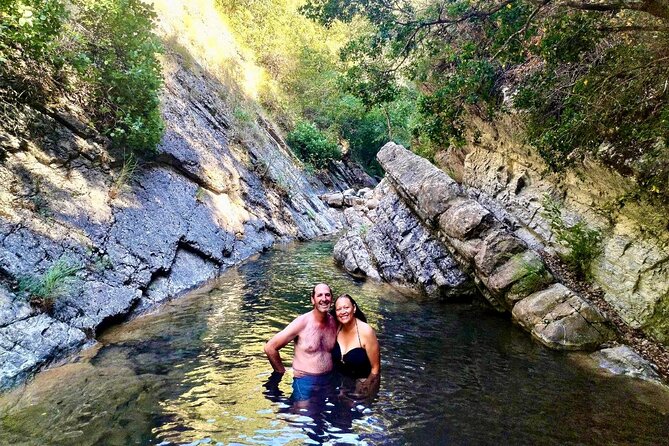
You should consider it if you want to reach the mountains without driving, enjoy old villages more than polished resort towns, and like having a guide handle the train connections and local context. It is particularly good for people who want a full day outside Nice but do not want a standard coach excursion.
You will get the most from it if you can walk uphill for extended periods and manage stairs and uneven paths. Independent walkers who enjoy a challenge should find the route rewarding, especially at the castle or citadel viewpoints.
I would hesitate to recommend it to anyone with limited mobility, unless the operator confirms a suitable shorter plan in advance. The train is accessible in a general sense, but the villages and monuments are not presented as a fully accessible route. A heavy trolley, crutch, or difficulty with normal walking pace can make the day uncomfortable for you and complicated for the group.
Families can book, but children must be accompanied by an adult. Keep in mind that this is a long day, with an early start, substantial walking, and a return that can be as late as evening when the longer route is used.
Should you book the Royal Baroque Route from Nice?
Book it if you want a real mountain day by public train, with local food, old villages, and a guide who can explain the border country. The railway, Saorge monastery, and village views give you a memorable change from the coast, and the price is fair for a full day with transport, lunch, and guiding.
Skip it if you want a fixed itinerary, high snowy peaks, or an easy sightseeing ride. The route can change, the return may be late, and the hills are serious. My practical advice is to arrive early, wear proper walking shoes, confirm the current village plan, and treat the hikes as a central part of the experience rather than an optional extra.
FAQ
Where does the tour start?
It starts at Gare de Nice Ville, at 12 Avenue Thiers. The meeting point is near the main entrance, at the Boulangerie Paul terrace.
What time should I arrive?
The meeting time is around 7:55 to 8:00 a.m., with the train departing at about 8:30 a.m. Arrive early because the train will not wait.
How long does the experience last?
The full day generally lasts 10 to 12 hours. Some longer hiking versions can return to Nice around 9:30 p.m.
Is the train private?
No. You ride a regular regional train that runs along the historic line between Nice and the mountain valleys.
Which villages will I visit?
The advertised route includes Saorge, Tende, and La Brigue. Depending on the season, weather, closures, train timing, and group pace, the route may include or substitute villages such as Annot, Entrevaux, Puget-Théniers, or Touët-sur-Var.
Is lunch included?
Yes. The day includes either a picnic of local food or a local restaurant meal, depending on the selected plan and the itinerary.
How much walking is involved?
The full route can include about 15 kilometers, or 9 miles, on foot. Expect uphill streets, stairs, and possible hikes to monasteries, castles, or citadels.
Can I skip the longer hikes?
Some uphill sections may be optional, but alternatives in quiet villages can be limited. The group may also be offered an earlier return or a different village with easier walking.
What happens if bad weather cancels the tour?
If poor weather causes cancellation, you can receive a full refund or choose a different date. The tour generally operates in all weather except when it rains all day.
Just listed in Nice
- Half-Day Walking Food Tour in Nice with Lunch★ 5.0 · 49 reviews
- Nice: Cannes, Antibes & St Paul de Vence Half-Day Tour★ 4.3 · 51 reviews
- Nice: Perfume Creation Workshop★ 4.9 · 52 reviews
- Visit Saint Paul de Vence, Antibes, and Cannes: 7-Hour Tour★ 4.7 · 52 reviews
- Private Monaco and Eze Half-Day Tour from Nice★ 4.5 · 52 reviews
- Nice: Saint-Tropez & Port Grimaud Full-Day Sightseeing Tour★ 4.5 · 54 reviews
- From Nice: Monaco, Monte Carlo and Eze Afternoon Tour★ 4.7 · 54 reviews
- Half Day: Segway Panoramic Tour of the French Riviera – 3h★ 5.0 · 55 reviews
Nice Tours, compared.
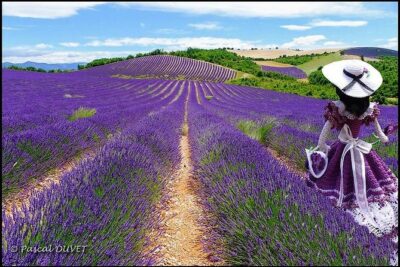
Gorges of Verdon and Fields of Lavender Tour
Read our review →
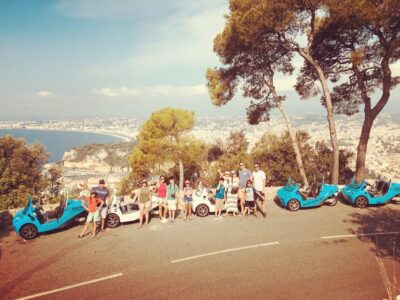
Exclusive Guided Tour in a One-of-a-Kind Electric Car
Read our review →
The Best of the French Riviera Full Day Tour
Read our review →
Monaco, Monte-Carlo and Eze Village Small Group Half-Day Tour
Read our review →Browse the lists this tour appears in