
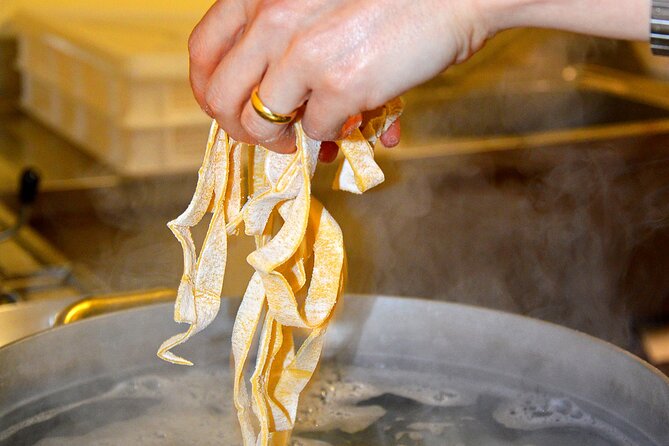
Reviewed · COOKING CLASSES
Tuscan Cooking Class -Traditional Pasta Menu
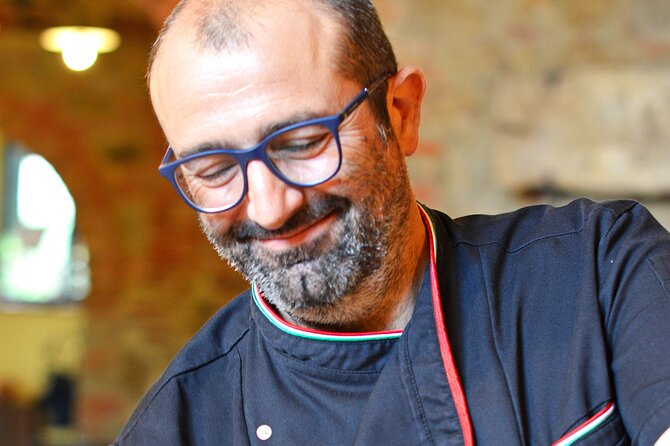
The best part of this Montepulciano cooking class is that you do not simply watch a chef make pasta. You work through the food yourself, from choosing ingredients to shaping two traditional pastas, then sit down to eat the results with local wine. Chef Giacomo leads the class, drawing on his cooking and sommelier training, while Cristiana adds a warm, encouraging presence.
I like the small maximum group of eight, which gives the lesson a friendly, hands-on feel rather than the shuffle of a large demonstration. I also like the clear Tuscan focus: pici, pappardelle with Cinta Senese pork ragù, local wine, and tiramisu made from a family recipe.
The main consideration is practical: you will stand during the preparation, and the class does not provide transportation. The start is at 9:30 am at Farmhouse Le Caggiole, so you need to arrange your own way to Traversa di Montepulciano, 12.
Key points at a glance
- Two fresh pasta shapes: Learn the methods behind rustic Tuscan pici and pappardelle rather than only following a recipe.
- A full four-course meal: Prepare bruschette, a Tuscan appetizer, two pasta courses, and tiramisu.
- Three local wine pairings: Giacomo uses his sommelier skills to explain how wine and food work together.
- A maximum of eight people: The small group supports questions, personal help, and conversation.
- A farmhouse setting near Montepulciano: Finish dessert on the terrace while enjoying the surrounding views.
- Useful preparation rules: Wear comfortable shoes, eat breakfast first, and report allergies before booking.
A Tuscan kitchen lesson with a proper meal at the end
This is a cooking class built around participation. You arrive at Farmhouse Le Caggiole for a morning session that lasts about four hours, then eat the meal prepared during the class. That structure matters. You are not cooking one small sample and leaving hungry. You work toward a complete Tuscan menu.
Giacomo is both chef and graded sommelier, so the lesson covers two related skills. First, you learn how to handle ingredients and make pasta by hand. Second, you learn the basic logic of pairing food with wine. That makes the class more useful than a recipe-only workshop, especially if you want to repeat the dishes at home.
The atmosphere is described as familiar, relaxed, and social. That does not mean the class lacks instruction. The emphasis is on technique, traditional methods, the background of the dishes, and the way local ingredients shape Tuscan cooking. You can expect a practical lesson with room for conversation and humor.
The group limit of eight is important here. Pasta making involves hands-on work, and a small class gives you a better chance to see demonstrations, ask questions, and receive help while preparing the dough and sauces.
More cooking classes in France:
- Paris Cooking Class and Lunch with Wine plus Market Visit Option
★ 5.0 · 1,024 reviews - Paris Croissant Small-Group Baking Class with a Chef
★ 5.0 · 910 reviews - Paris: French Croissant Baking Class with a Chef
★ 4.9 · 712 reviews
Starting with bruschette and Tuscan flavors
The menu begins with traditional bruschette and a typical Tuscan appetizer. This is a useful opening because it introduces the kind of food philosophy the class is trying to teach: simple dishes depend on good ingredients and careful treatment.
You will learn how to think about ingredient quality, not just how to copy a list of steps. One of the stated aims is to help you choose the best ingredients for your dishes. That is a valuable lesson for home cooks because Italian food often looks simple on the plate, yet the flavor depends heavily on the ingredients and the balance between them.
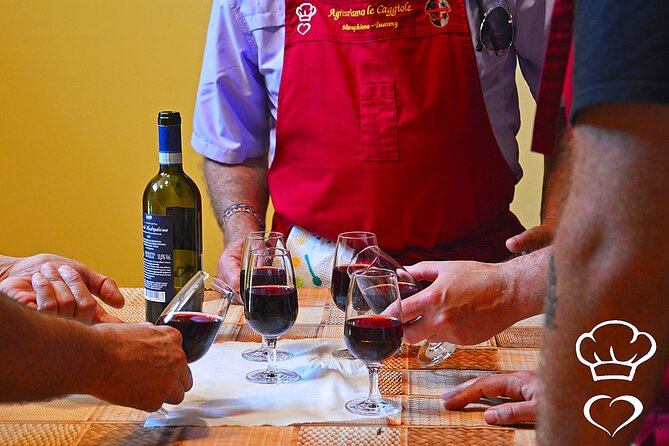
The appetizer also gives you a first chance to taste local wine pairings. Rather than pouring one wine for the entire meal, the class includes three selected wines, each matched to specific foods. Giacomo explains the basics of choosing a suitable wine, so the tasting has an educational purpose instead of being an extra drink on the side.
If you are not accustomed to wine with a morning class, keep the schedule in mind. The meal includes alcoholic beverages, and you should plan your transportation accordingly. There is no shuttle or transfer service included.
Making pici by hand
Pici is one of Tuscany’s most recognizable fresh pastas. It is a thick, rustic noodle, and making it by hand gives you a direct sense of how traditional pasta differs from factory-made dried pasta.
The class teaches the technique rather than treating the pasta as a finished product that appears by magic. You work with the ingredients, shape the dough, and prepare pici with a traditional sauce. The exact sauce is not specified in advance, which leaves room for the family’s own method, but the dish remains rooted in Tuscan cooking.
I like this part of the menu because pici is approachable for beginners. It does not require the precision of delicate filled pasta, and its uneven handmade character is part of the appeal. You can focus on feel and method instead of worrying about making every strand identical.
The class also places attention on local variations and the background of the dishes. That helps explain why a pasta shape belongs to a particular place and why a sauce may change from one Tuscan kitchen to another.
Preparing pappardelle with Cinta Senese ragù
The second pasta course is pappardelle with Tuscan meat ragù made with Cinta Senese pork. Pappardelle is a broad ribbon pasta, well suited to a hearty sauce. It also gives you a contrast with pici, both in shape and in the way the pasta carries the sauce.
Cinta Senese is a traditional Tuscan breed of pig, and its use gives this course a strong local identity. The dish is not just generic pasta with meat sauce. It connects the cooking lesson to the region’s agricultural traditions and to the ingredients you may encounter in Tuscan restaurants and food shops.
You will prepare the pasta by hand and learn the basic choices that affect the finished dish. The instruction focuses on technique, including how to work with fresh pasta and how to build a balanced meal around it. The class is therefore useful even if you do not recreate the entire menu at home. You can take away a better sense of how pasta shape, sauce, and ingredients fit together.
This is likely to be the most substantial course of the day. Since the class recommends eating a good breakfast beforehand, take that advice seriously. You begin cooking in the morning, and the main meal comes later.
A few other France half-days to compare
- Cesarine: Small group Pasta and Tiramisu class in Montepulciano
★ 5.0 · 129 reviews
Tiramisu and the terrace finish
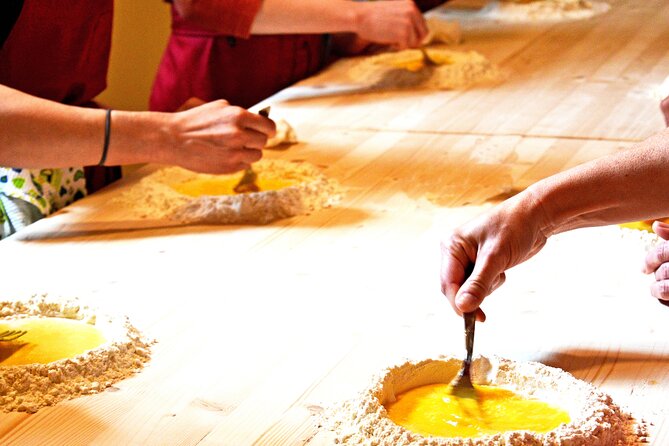
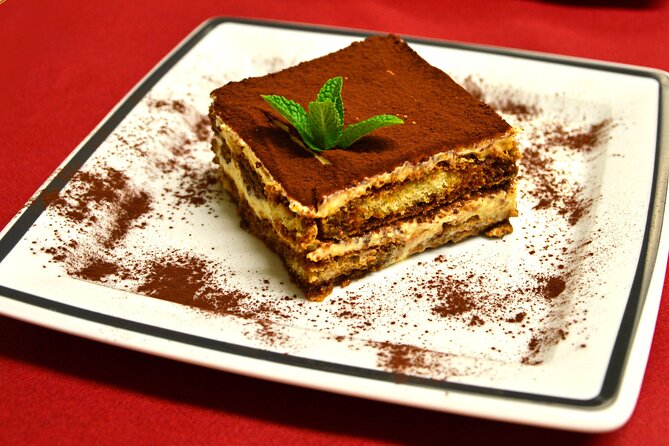
Dessert is tiramisu made from the family’s own recipe. It provides a change of pace after the pasta work and rounds out the four-course menu.
The dessert is not paired with one of the three wines. Instead, you taste it later on the terrace, in a more relaxed setting with views around the farmhouse. That separation gives the final course a pleasant ending and keeps the wine pairings focused on the savory dishes.
The terrace is also a useful part of the experience for anyone who wants more than kitchen time. You are not confined to a work surface for the entire four hours. After the practical cooking and shared meal, you have a chance to slow down and enjoy the setting.
The available details do not specify the exact view or terrace facilities, so I would not book this solely as a sightseeing stop. Think of the terrace as a calm finale to a food-focused morning.
Wine pairing with a sommelier’s guidance
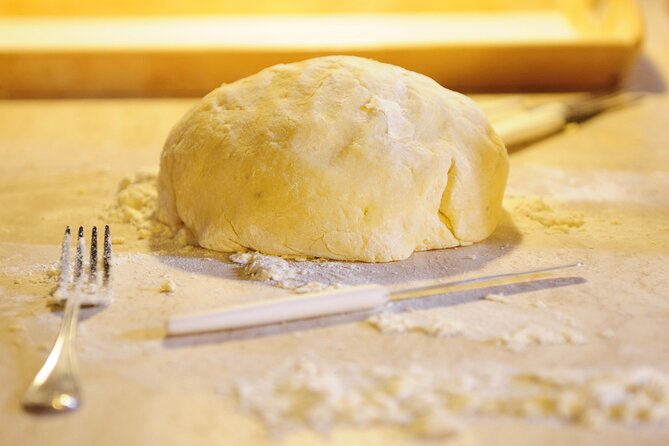
Wine is woven into the class rather than added as an afterthought. You taste three selected local wines, with each savory course paired to a specific bottle or style. Giacomo’s sommelier training lets him explain the basics of matching food and wine.
This is especially helpful if you usually choose wine by guesswork. You will get a simple framework for considering the weight of a dish, the sauce, and the overall balance of the meal. The goal is not to turn the class into a formal wine course. It is to give you practical tools you can use at a restaurant or at home.
The pairing also adds value to the price. At $212.85 per person, this is not a cheap activity, but the fee covers about four hours of instruction, all ingredients, kitchen equipment, aprons, the complete meal, and three wine tastings. You are paying for both the cooking lesson and a sit-down food and wine experience.
Value depends on your interests. If you want a quick pasta demonstration, the price may feel high. If you want a small-group class, a full meal, wine instruction, and direct time with the chef, the package is easier to justify.
What the group size means for your experience
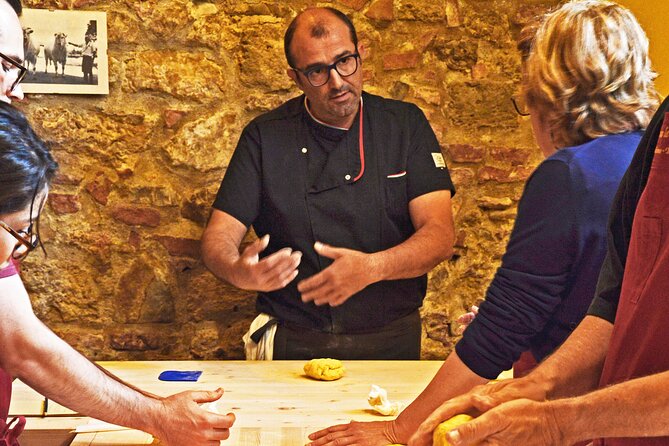
The class accepts no more than eight people. That is a strong feature for a hands-on lesson because you are less likely to become lost in a crowd.
A small group also shapes the social side of the morning. You cook around other classmates, share the final table, and take part in the informal conversation that comes with making and eating food together. The class is designed as a social experience as well as a practical one.
Several especially useful elements come through in the teaching style. The focus is not only on recipes, but on technique, food history, local variations, and the habit of cooking around fresh ingredients. That last point is worth remembering. Instead of beginning with a fixed recipe and forcing ingredients into it, you learn to pay attention to what you have and how it should be treated.
Cristiana is part of the welcoming team, and the combination of Giacomo’s instruction and her cheerful encouragement helps give the class its family feel. If you prefer a quiet, formal cooking school with little conversation, this may feel more relaxed than you want. If you like meeting people while learning, the format should suit you well.
Planning your morning at Le Caggiole
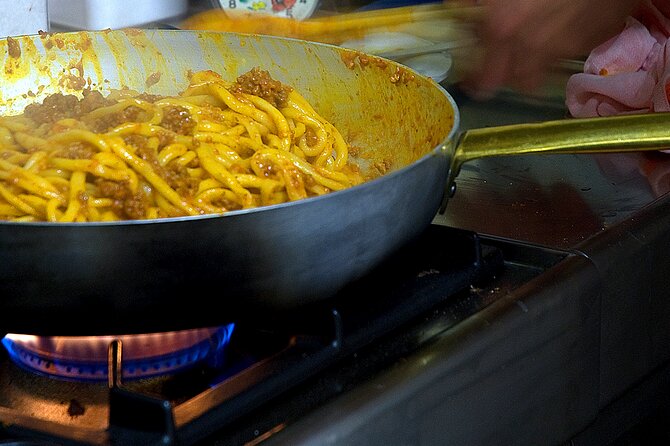
The class starts at 9:30 am at Traversa di Montepulciano, 12, 53045 Montepulciano SI, Italy. It ends back at the same meeting point. Since no transfer or shuttle service is offered, you need to make your own transportation arrangements.
The experience is booked about 61 days ahead on average. That is a useful signal for planning, particularly if your Montepulciano dates are fixed. Booking early also matters for solo visitors. Single participants are asked to contact the provider before booking so they can be placed into an already scheduled small group.
Wear comfortable clothing and shoes. You remain standing during the preparation, so this is not a good morning for stiff footwear or clothes that restrict movement.
There are also hygiene rules in the kitchen. You cannot wear rings, large bracelets, or artificial nails during the preparation. These are small details, but knowing them before you arrive prevents an awkward start.
Eat a good breakfast before class. The meal you prepare comes at the end, and you will be working through the morning. If you have food allergies or intolerances, report them before completing the booking. Changes to the menu cannot be considered after booking, and the provider needs time to decide if a dish can be adapted.
The class is offered in English and includes a mobile ticket. Notes and a pencil are available on request, which can help if you want to record techniques and ingredient tips. Video and other recordings are not allowed during preparation, so plan to rely on memory or written notes.
Who will get the most from this class
I would recommend this experience to cooks who want to understand why Tuscan dishes work, not simply collect another recipe. The focus on technique, ingredients, local traditions, and pairings gives you several useful lessons to take home.
It also suits couples, families with adult children, and friends who want a shared activity. The four-course meal and terrace dessert make the morning feel like a complete outing rather than a short class squeezed between sightseeing stops.
Wine enthusiasts should also find plenty to enjoy. The three pairings are not a full wine course, but Giacomo’s sommelier background adds a layer that many cooking classes do not include.
I would think twice if you dislike standing, cannot drink alcohol, or need a flexible menu after booking. The available information does not promise substitutions after the reservation is made. You should also skip it if getting to the farmhouse is difficult, since transport is not included.
Booking, cancellation, and final value
The activity costs $212.85 per person and lasts about four hours. It includes the food you prepare, three selected wines, ingredients, aprons, and use of the kitchen tools. The meal alone is not the whole value. You are also paying for direct instruction and a small social setting.
Free cancellation is available if you cancel at least 24 hours before the start time. Cancellations or changes inside that window are not refunded or accepted. The class also requires a minimum number of participants, so if it cannot run for that reason, you are offered another date or experience, or a full refund.
You should book this class if you want an active, food-centered morning with a clear Tuscan identity. The strongest reasons are the small group, the two handmade pasta dishes, the family-recipe tiramisu, and the wine guidance from Giacomo.
You should pass if you are looking mainly for a low-cost meal, a short demonstration, or included transportation. For the right audience, though, the combination of cooking, tasting, local wine, and time with a welcoming family makes this a substantial Montepulciano experience.
FAQ
Where does the cooking class take place?
The class takes place at Farmhouse Le Caggiole, at Traversa di Montepulciano, 12, 53045 Montepulciano SI, Italy.
What time does the class start?
The class starts at 9:30 am.
How long does the experience last?
The cooking class lasts approximately four hours.
Does the activity include transportation?
No. Transfer and shuttle service are not provided. You need to arrange your own transportation to and from the meeting point.
What food will I prepare?
The menu includes traditional bruschette, a typical Tuscan appetizer, pici with a traditional sauce, pappardelle with Tuscan meat ragù made with Cinta Senese pork, and tiramisu from the family recipe.
How many wines are included?
The experience includes a tasting of three selected local wines, paired with the food.
Is the class taught in English?
Yes. The experience is offered in English.
How large is the group?
The maximum group size is eight people.
What should I wear?
Wear comfortable clothes and shoes because you will remain standing during the cooking preparation. Rings, large bracelets, and artificial nails are not allowed for hygiene reasons.
Can the menu accommodate allergies or intolerances?
You must provide information about allergies or intolerances before completing the booking. After booking, requests to change the menu cannot be taken into consideration.
More Workshops in France
- Fragonard Paris: Mini Perfume Workshop
★ 4.5 · 1,924 reviews - Paris: Macaron Class at Galeries Lafayette
★ 4.3 · 905 reviews - Fragonard Eze: Perfume Making Class and Factory Tour
★ 4.5 · 743 reviews - Paris: 2-Hour Perfume Creation Workshop
★ 4.8 · 731 reviews
Just listed in France
- Paris: Giverny & Versailles Small Group or Private Tour★ 4.5 · 49 reviews
- Half-Day Walking Food Tour in Nice with Lunch★ 5.0 · 49 reviews
- Chartres Cathedral 5 Hours Tour from Paris with Private Transport★ 4.5 · 49 reviews
- Marseille: Frioul Archipelago Catamaran Cruise with Lunch★ 4.4 · 49 reviews
- Paris: Louvre photoshoot or Seine bridges Eiffel Tower walk★ 5.0 · 49 reviews
- Bonifacio: sunset catamaran trip and aperitif★ 4.6 · 50 reviews
- Paris: Choux Pastry and Chocolate Éclair Making Class★ 4.9 · 50 reviews
- Private tour of the Champagne area, meet local producers and taste their Champagne, start from your hotel in Paris.★ 5.0 · 50 reviews
Cooking Classes, compared.
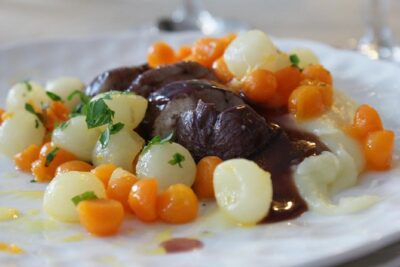
Paris Cooking Class and Lunch with Wine plus Market Visit Option
Read our review →
Paris Croissant Small-Group Baking Class with a Chef
Read our review →
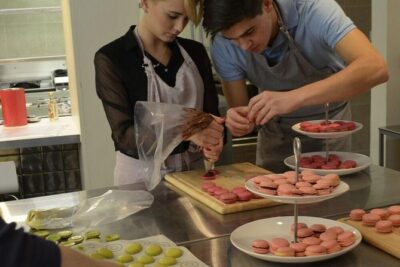
Paris Cooking Class: Learn How to Make Macarons
Read our review →
Paris Evening Cooking Class French Dinner and Market Visit Option
Read our review →
Paris French Cuisine Small Group Cooking Class with Lunch
Read our review →
Paris Macarons Small-Group Baking Class with a Chef
Read our review →
Browse the lists this tour appears in