
Reviewed · BORDEAUX TOURS
Bordeaux Wine Masterclass: Blending workshop with appetizer
The best part of this Bordeaux wine class is that you do not simply sip and nod. You taste wines from Burgundy, the Rhône, Bordeaux, and the Loire, then use Merlot and Cabernet Sauvignon to make a blend of your own. That hands-on finish turns a stack of wine facts into something you can understand with your palate.
I like the small-group format, capped at 12 people, and the way guides such as Gabriel, Chloé, Carol, Fabien, and Dorian make room for questions. I also like the practical lessons on French labels, appellations, aromas, and food pairing. The one catch is that the food is an appetizer platter, not a meal, and the session is aimed at general wine education rather than a full day among Bordeaux vineyards.
Key points at a glance
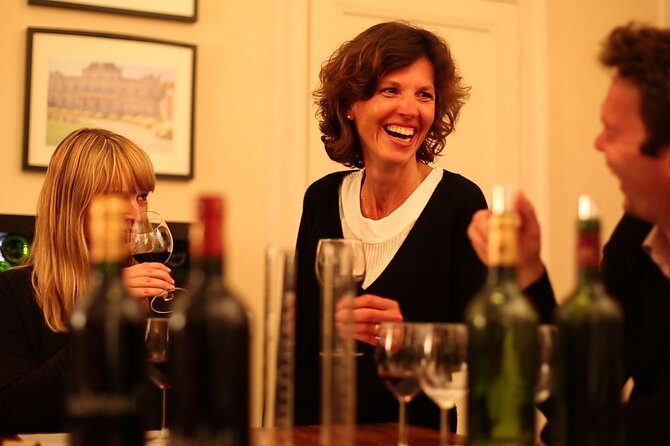
- Taste beyond Bordeaux: Sample at least seven French wines from several major regions, not only local bottles.
- Make your own blend: Compare Merlot and Cabernet Sauvignon, then create a personal Bordeaux-style combination.
- Learn useful wine language: Terroir, appellation, label details, aromas, color, and flavor all get practical attention.
- Eat while you taste: The platter includes French cheese, cured meats, fresh bread, and chocolate.
- Expect a compact class: The listed duration is about 1 hour 30 minutes, while the description refers to a two-hour workshop.
- Book ahead: The class is often reserved about 29 days in advance and has space for no more than 12 people.
What the Bordeaux wine masterclass actually teaches
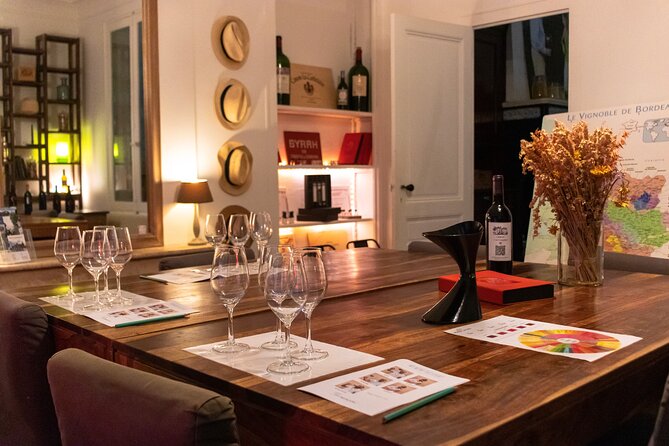
This is a seated tasting and lesson in central Bordeaux, beginning at 10:30 am at 3 Rue d’Enghien. You stay at the meeting point throughout, so there is no coach ride, vineyard walk, or hotel pickup to factor into your morning.
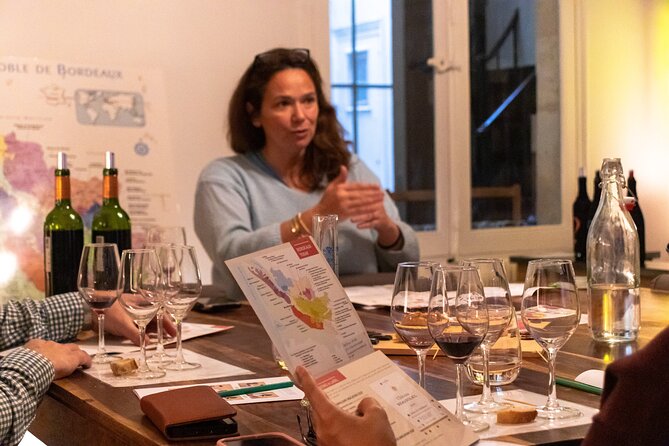
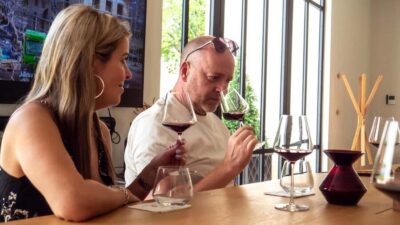
The class is built for beginners, but you do not need to be a beginner to get something from it. The guide explains the basics in plain English, then gives you several wines to compare. That matters because wine vocabulary can feel slippery when it stays on paper. It makes more sense when you taste two different wines side by side and try to describe what changes.
The session is advertised as roughly 90 minutes, though the fuller description calls it a two-hour workshop. Plan your morning around about one and a half to two hours. You will have time to taste at least seven wines, and the description says eight wines may be included.
A few other Bordeaux half-days to compare
- Bordeaux: Introduction to Bordeaux Wines Tasting Workshop
★ 4.8 · 196 reviews - Bordeaux Super Saver Wine Tasting class and St Emilion region
★ 5.0 · 184 reviews - Bordeaux: Guided Bordeaux Wine Tasting Class with 6 Wines
★ 4.9 · 75 reviews
French regions in a single seated tasting
The opening lesson covers French wine regions, with examples from Burgundy, Côtes du Rhône, Bordeaux, and the Loire Valley. This wider selection is useful because it places Bordeaux in context rather than treating it as an isolated wine world.
You will get an introduction to the way French wine is organized and labeled. Terms such as terroir and appellation are explained, along with the information found on a French bottle. If you plan to buy wine during your trip, this is one of the most useful parts of the class. French labels often emphasize place and appellation more than grape variety, which can be confusing at first.
I especially like the regional comparison because it helps you notice differences in style. You may find that you prefer a wine from one region for its aroma, another for its body, and a third for the way it works with food. The goal is not to tell you which bottle is best. It is to help you explain what you like.
Learning to smell, see, and describe wine
The guide takes you through the basic mechanics of tasting. You consider the color, smell the wine for aromas, and then taste for flavor and structure. This is not meant to turn you into a professional taster in one sitting. It gives you a repeatable method you can use later in a wine shop, restaurant, or vineyard.
Aroma exercises are part of the fun. One session included smelling tests designed to help the group connect particular scents with wine characteristics. The point is not to guess perfectly. It is to build confidence in using words to describe what you notice.
That confidence is a real benefit. Many people know when they like a wine but struggle to say why. After this class, you should have more tools for identifying the styles that suit you. The tasting also includes blind or comparative elements, which can be especially appealing if you already drink wine regularly and want more than a basic regional talk.
The teaching style appears to be informal and interactive. Guides answer questions as they come up, and the group is encouraged to take part rather than listen to a long lecture. That approach suits the subject. Wine is easier to understand when you can ask about a smell, a label, or a flavor at the moment you notice it.
The Bordeaux blending workshop
The class saves its most distinctive activity for the end: making a custom blend with two grapes closely associated with Bordeaux, Merlot and Cabernet Sauvignon.
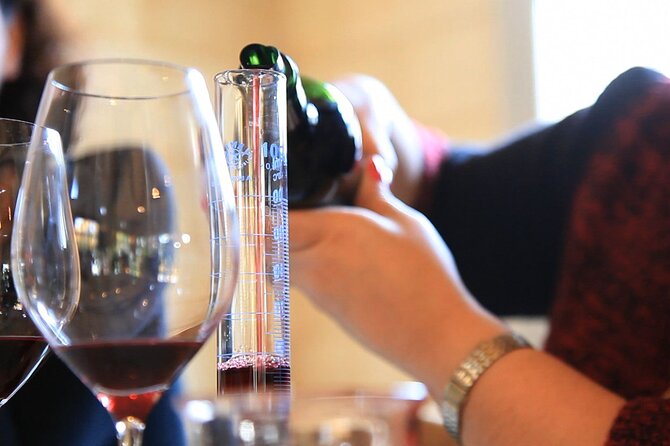
You taste the components and consider how they differ. Then you combine them in your own proportions. This small experiment explains why blending is central to Bordeaux wine. A single grape does not have to do everything. One may bring softness and fruit, while another adds structure or firmness. Your blend lets you see how changing the balance changes the final taste.
You also get a clearer sense of the difference between the Left Bank and Right Bank traditions. The class does not turn into a full geography lesson, but the blending exercise helps show why grape balance and regional style matter. A few people find that their first blend is not their favorite, which is precisely the lesson. Good wine making involves testing and adjustment.
This is more valuable than simply being told that Bordeaux producers blend grapes. You perform a basic version of the process yourself. The diploma handed out at the end is a pleasant keepsake, but the lasting souvenir is the ability to taste a blend and think about what each part contributes.
Same city, a completely different afternoon:
- Bordeaux: Cité du Vin Entry Ticket and Wine Tasting
★ 4.6 · 3,885 reviews - Bordeaux: River Garonne Cruise with Glass of Wine and Canelé
★ 4.5 · 3,630 reviews - From Bordeaux: Afternoon Saint-Emilion Wine Tasting & snack
★ 4.8 · 1,581 reviews - Medoc or Saint Emilion Wine Tasting and Chateau from Bordeaux
★ 5.0 · 1,415 reviews
Cheese, charcuterie, bread, and chocolate
The tasting comes with a French appetizer platter. Expect cheese, cured meats, fresh bread, and chocolate. These foods are there to support the tasting, not replace lunch.
The pairing element helps you understand why the same wine can seem different with food. A salty cured meat, creamy cheese, or sweet chocolate can change the balance you notice in the glass. If you have never paid attention to pairing before, this gives you a simple way to start.
Keep your expectations measured. The food is consistently described as a welcome addition, but one assessment found the amount limited. If you are hungry, have a proper meal afterward. The morning session offers snacks and hors d’oeuvres, not a full French lunch.
The guides make the difference
The experience depends heavily on the person leading it. The listed guides include Gabriel, Victoire, Fabien, Chloé, Carol, Dorian, Hugo, Rémi, and Hector. Their roles vary, so your guide will not necessarily be the person most often named in the feedback.
The strongest praise goes to the guides’ ability to explain wine clearly while keeping the room relaxed. Gabriel was singled out for answering questions and explaining pairing, ratings, and the science behind wine. Chloé was praised for making the lesson fun and meaningful, while Carol was described as patient and friendly. Fabien received credit for explaining blending in a way that showed how different mixes taste.
Dorian’s background also includes cognac, which may appeal if your interests go beyond wine. Hugo was noted for explaining how wines are made and distinguished, and Rémi was credited with making the class a high point of a wider trip. These details point to a teaching team with different strengths, rather than a rigid script delivered the same way every time.
One useful caution: the experience is promoted with a professional sommelier guide, but one person felt the instructor did not match that description. The broader pattern is strongly positive, yet it is fair to say that the exact quality of the session will depend on your assigned guide.
Is the $54.42 price fair?
At $54.42 per person, this is not the cheapest way to drink wine in Bordeaux. You are paying for instruction, a small group, several French wines, an appetizer platter, and the blending activity, not just for the liquid in the glasses.
The price looks reasonable if you want a structured introduction before visiting wineries. You leave with a better grasp of labels and regions, and you can use that knowledge when choosing bottles or booking a vineyard excursion. The compact format also works well when your Bordeaux schedule is full.
It is less compelling if you want a large meal, a cellar visit, or a day in the countryside. This is an urban classroom experience. You will not tour châteaux or see vineyards from the road. If you already have strong wine training, the regional tasting and blind elements may still hold your interest, but the introductory label lesson could feel familiar.
The included wines make the value easier to judge. At least seven different French wines are promised, and the longer description lists eight. Confirm the exact number at booking if that distinction matters to you. The appetizer platter adds useful context, but do not count on it as substantial food.
Who should book this class
This is a good match for you if you want to understand French wine without committing to a full-day excursion. Couples, solo visitors, small groups of friends, and people planning a wine-focused birthday trip can all fit comfortably into the format.
It is also a smart first activity before visiting Saint-Émilion or other Bordeaux wine areas. You will already know the basic vocabulary, and you may pay closer attention to blending, labels, and regional styles at the winery.
The class works for different experience levels. Beginners get a clear starting point, while experienced wine drinkers can test their senses in blind comparisons and experiment with their own blend. A hen party or other celebration can enjoy the social side, though the educational part is substantial enough that this is not simply a drinking event.
You must be at least 18 to drink. Pets are not allowed, and the maximum group size is 12. Most people can participate, but the supplied information does not provide detailed accessibility notes, so contact the provider if you have specific mobility or seating needs.
Timing, meeting point, and booking advice
The class starts at 10:30 am at 3 Rue d’Enghien, 33000 Bordeaux. It ends at the same location. Because hotel pickup and drop-off are not included, allow time to reach the address on your own.
The mobile ticket is convenient, and confirmation arrives when you book. This is a popular small-group activity, so reserving well before your visit is sensible. The average booking lead time is about 29 days, and the 12-person limit means last-minute availability may be tight.
Free cancellation is available if you cancel at least 24 hours before the local start time. Cancellations or changes made inside that window are not refunded or accepted. The experience also requires a minimum number of participants. If the provider cancels because that minimum is not reached, you will be offered another date or experience, or a full refund.
What you will take away
The diploma is a fun finish, but the practical lessons matter more. You will know more about reading a French label, asking useful questions in a wine shop, and describing aromas and flavors without relying only on good or bad.
You will also understand blending in a physical way. The Merlot and Cabernet Sauvignon exercise gives you a small but memorable lesson in balance. That is the sort of activity that stays with you when a lecture has faded.
Just remember that this is a tasting class, not a replacement for visiting Bordeaux’s vineyards. It gives you a foundation and a social morning in the city. If you want château visits, vineyard scenery, or a longer regional tour, pair it with a separate excursion.
Should you book the Bordeaux wine masterclass?
I would book it if you want a compact, friendly introduction to French wine with enough tasting to make the lessons stick. The strongest reasons are the small group, the range of French regions, the clear instruction, and the chance to create your own Bordeaux blend.
I would skip it only if you are seeking a full meal, a vineyard visit, or highly technical training. For most wine-curious visitors, the $54.42 fee buys more than seven pours. It buys a useful way to understand what is in the glass and why you prefer it.
FAQ
Where does the Bordeaux wine masterclass start?
The class starts at 3 Rue d’Enghien, 33000 Bordeaux, France.
What time does the experience begin?
The scheduled start time is 10:30 am.
How long does the workshop last?
The listed duration is approximately 1 hour 30 minutes. The fuller description calls it a two-hour workshop, so allow roughly 90 minutes to two hours.
Is the class offered in English?
Yes. The experience is offered in English. French language instruction is not included.
How many wines will I taste?
The included information promises at least seven different wines. The detailed description says you will sample eight wines during the workshop.
Which French wine regions are included?
The class discusses and tastes wines from regions such as Burgundy, Côtes du Rhône, Bordeaux, and the Loire Valley.
What grapes are used for the blending activity?
You create a custom blend using Merlot and Cabernet Sauvignon, two grape varieties associated with Bordeaux.
Is food included?
Yes. A French appetizer platter with cheese, cured meats, fresh bread, and chocolate is included. It is an appetizer, not a full meal.
What is the cancellation policy?
You can cancel for a full refund up to 24 hours before the experience start time. Cancellations or changes made less than 24 hours in advance are not accepted or refunded.
Just listed in Bordeaux
- Bordeaux: Exclusive Private Guided Walking Tour★ 4.6 · 50 reviews
- Bordeaux:Wine Masterclass & Blending workshop with appetizer★ 4.8 · 54 reviews
- From Bordeaux: Essential Morning Tour with Wine Tasting★ 4.8 · 55 reviews
- Full-day Saint-Emilion: Village, Undergrounds and Châteaux★ 4.5 · 55 reviews
- Bordeaux Old Town & Market Local Food with Wine Tastings Tour★ 4.0 · 56 reviews
- Bordeaux: Saint-Emilion Village Day Trip, 2 Chateaux & Lunch★ 4.8 · 57 reviews
- Bordeaux Free Walking Tour (Tips-Based)★ 4.5 · 57 reviews
- The Ultimate Bordeaux Food Tour: Full Meal & Fine Wines★ 4.8 · 61 reviews
Bordeaux Tours, compared.
River Garonne Cruise with Glass of Wine and Canelé
Read our review →
Afternoon Saint-Emilion Wine Tasting & snack
Read our review →
Medoc or Saint Emilion Wine Tasting and Chateau from Bordeaux
Read our review →
Saint Emilion Day Trip with Sightseeing Tour & Wine Tastings from Bordeaux
Read our review →
Saint Emilion Half-Day Trip with Wine Tasting & Winery Visit from Bordeaux
Read our review →
Browse the lists this tour appears in