
Reviewed · WORKSHOPS
Cesarine: Small group Pasta and Tiramisu class in Montepulciano
The best part of this Montepulciano cooking class is that you do not simply watch someone prepare lunch. You work with flour, eggs and simple local ingredients in a real Tuscan home, then sit down to eat what you made. Depending on your host, you may prepare pici, ravioli, gnocchi, several pasta shapes, sauces and tiramisu.
I like the small-group format, which gives you a real chance to handle the dough and ask questions. I also like the generous meal that follows, with Tuscan appetizers, wine, coffee and sometimes extras such as limoncello. The main caution is practical: the private home can be difficult to locate, so you need to read your booking instructions closely and contact the host while you are en route.
Key Points at a Glance
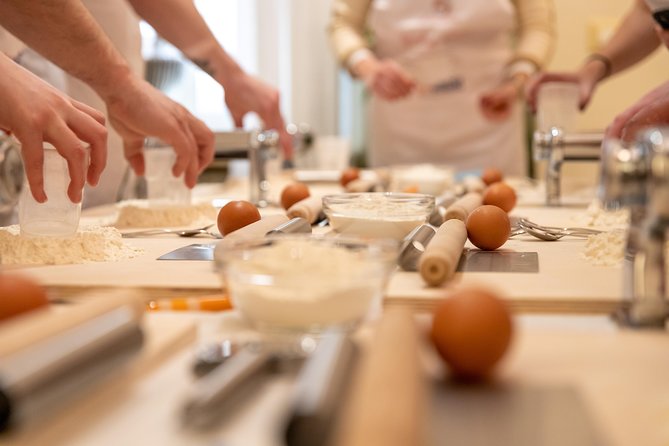
- Cook in a private Tuscan home: You meet a Cesarina host in the Montepulciano area rather than attending a standard restaurant demonstration.
- Make several dishes: The class covers fresh pasta and tiramisu, with examples including pici, ravioli, gnocchi and seasonal pasta.
- Small-group attention: The class is designed for no more than 12 participants, while the general activity limit is listed as 15.
- Eat what you prepare: Your cooking becomes a shared meal with a typical Tuscan appetizer, local wine, snacks and dessert.
- Useful for beginners: Hosts guide you step by step, so you do not need advanced kitchen skills.
- Plan your arrival carefully: The meeting point begins in the 53045 Montepulciano area, but the exact private-home address may require careful coordination.
What This Montepulciano Cooking Class Really Is
This is a three-hour food experience built around the rhythm of a family meal. You arrive at a local home, meet your Cesarina host and begin with the ingredients and techniques used in traditional Tuscan cooking.
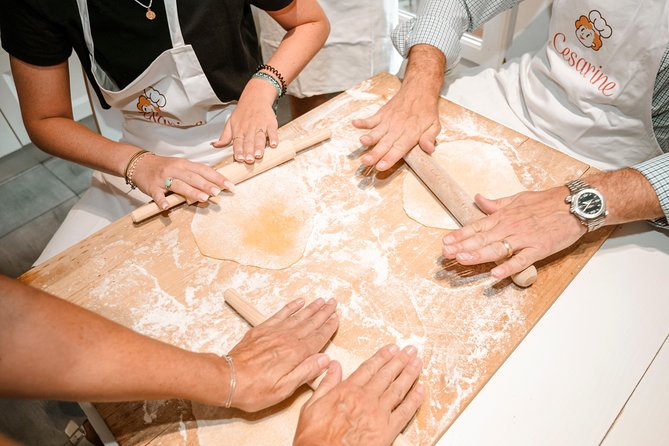
The point is not speed. You are there to learn by doing. You may roll pasta by hand, shape more than one kind of noodle, fill ravioli or work on pici, the thick hand-rolled pasta closely linked with southern Tuscany. The exact dishes can vary with the host and season, so you should treat the sample menu as a guide rather than a fixed promise.
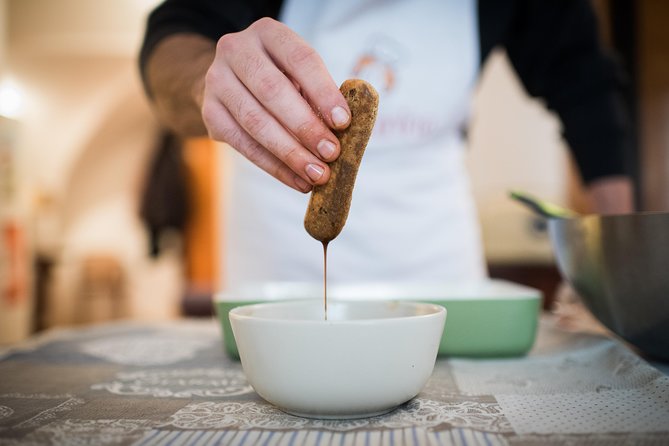
Tiramisu is the dessert focus, although a traditional Tuscan dessert specialty may sometimes replace it. The lesson is step by step, and the recipes are meant to be practical enough for you to repeat at home.
That home setting matters. A cooking school can teach technique, but a local host can also show you the small habits that rarely appear in a cookbook. One host may explain how to judge dough by touch. Another may share a family method for sauce or show you how to work more efficiently in a compact kitchen.
A few other France half-days to compare
- Tuscan Cooking Class -Traditional Pasta Menu
★ 5.0 · 90 reviews
Starting with Bruschette, Prosecco and Tuscan Snacks
The meal begins with a typical Tuscan appetizer, traditionally bruschette, along with Prosecco and small snacks. This is a useful start because it gives you time to settle in before the serious flour work begins.
Bruschetta sounds simple, but it reflects the Tuscan approach to food: good bread, good toppings and no need to bury everything under complicated preparation. The ingredients are familiar, yet the setting gives them a local frame.
I would not expect a full appetizer-making lesson here. The main instruction centers on pasta and dessert. Think of this first course as a welcoming snack and a chance to meet your host and fellow cooks.
The class may feel especially social in this opening stretch. Several hosts have been praised for making people feel at home, and the tone appears to be warm rather than formal. If you enjoy conversation with your food, this is a strong fit.
Rolling Fresh Pasta by Hand
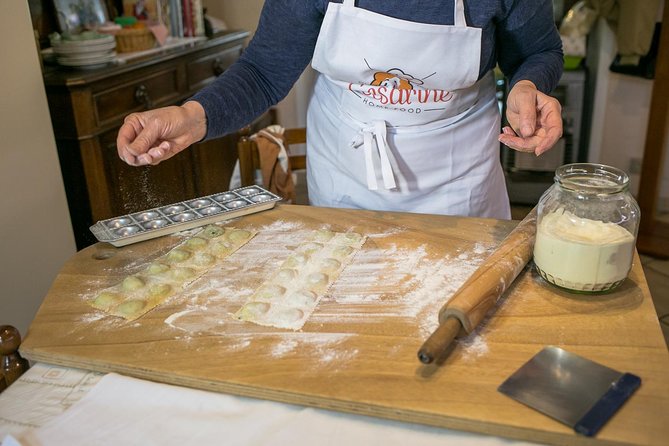
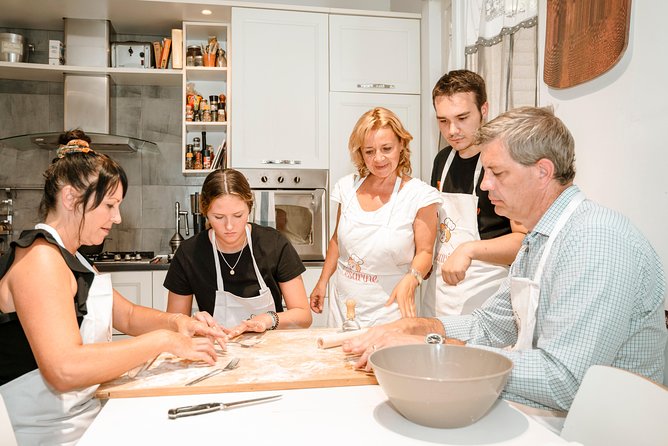
Fresh pasta is the heart of the experience. You start with basic ingredients and learn the process from the beginning rather than receiving pre-made dough. That makes the class valuable for beginners and still worthwhile for people who already cook.
You may work with pici, ravioli, gnocchi or other handmade seasonal pasta. Some sessions include several pasta shapes and more than one sauce. One host, Pietropaolo, was especially appreciated for teaching multiple shapes and two kinds of pesto, while other sessions with Barbara included pici, gnocchi and tiramisu.
Do not assume every class will contain exactly the same three pasta dishes. The host, menu and ingredients can change. That variation is part of the home-cooking format, but it also means you should book this for the teaching and setting, not for a rigid restaurant-style menu.
The class is suitable even if your kitchen experience is limited. Hosts guide you through each stage, and the feedback is especially strong on patience and clear instruction. You will still need to take part. This is not a demonstration where you sit back and take photographs while someone else does the work.
For experienced home cooks, the value comes from technique and local context. You might already know how to mix dough, but a Tuscan host can help you adjust the texture, shape the pasta more evenly or understand how a traditional dish is handled in its home region.
Learning Tiramisu and Family Cooking Tricks
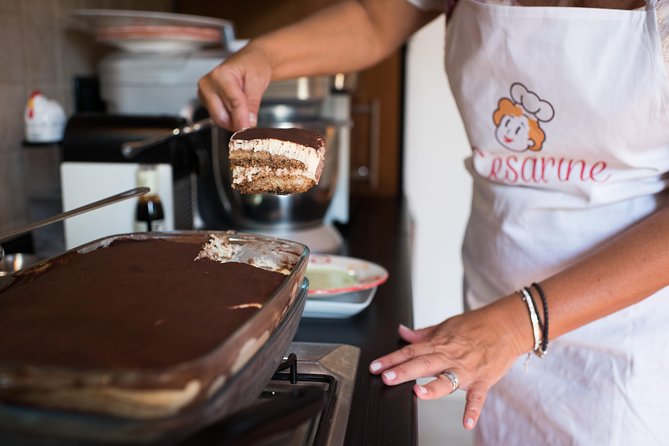
Tiramisu adds a welcome change of pace after the pasta work. The dessert is familiar around the world, but making it in an Italian home gives you a chance to compare the local method with the version you know.
The host leads you through the preparation and offers tips passed down through family cooking. Several participants have found the recipes easy to repeat at home, which is one of the best signs of a useful cooking class. You should leave with more than a pleasant memory. You should understand the basic process well enough to make the dish again.
The teaching style can vary from host to host. Barbara is described as organized, patient and generous with technique tips. Lucrezia and Alberto have also been praised for answering questions about Tuscan food and wine after the cooking was finished. Andrea has taught several pasta types and tiramisu in a way that worked well for a small private group.
The class can also respond to your interests. One host even taught a participant how to poach eggs when asked, although that was outside the planned menu. That does not mean extra lessons are guaranteed, but it gives you a sense of the informal tone.
Same city, a completely different afternoon:
- Paris: Louvre Museum Timed-Entrance Ticket
★ 4.6 · 71,977 reviews - Disneyland® Paris 1-Day Ticket
★ 4.6 · 49,412 reviews - Paris: Versailles Palace and Gardens Full Access Ticket
★ 4.6 · 41,579 reviews - Paris: Evening River Cruise with Music
★ 4.4 · 22,721 reviews
Sitting Down to a Five-Course Meal
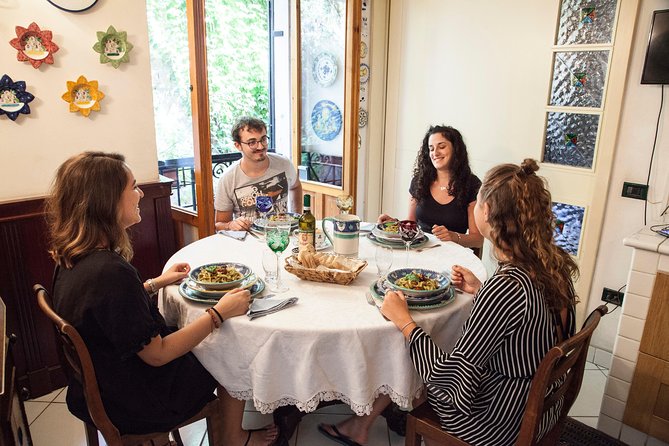
Once the cooking ends, you sit at a prepared table and eat. This is more than a quick taste of your pasta. One session became a five-course meal with the handmade dishes plus additional food, wine and coffee.
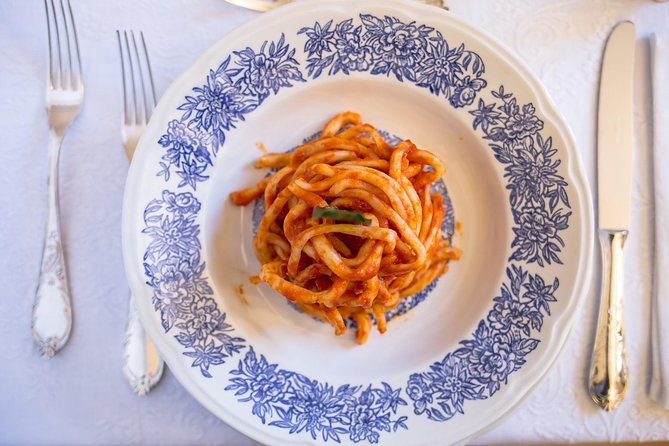
The usual structure includes bruschette or another Tuscan starter, pici with a traditional sauce, ravioli or seasonal pasta, and tiramisu or another dessert. The exact serving order can differ, but the key point is that you enjoy the results of your own work.
This shared meal is where the class earns much of its appeal. Cooking gives you a task, but eating together gives the experience its human side. You can compare your pasta shapes, ask about local ingredients and hear more about Montepulciano and Tuscany from your host.
Wine is included with the meal, and local Tuscan wine is part of the experience rather than an optional add-on. Some hosts also serve limoncello. Drink at your own pace, especially if you are attending earlier in the day or still have sightseeing planned.
The food is not presented as a restaurant tasting menu. It is home cooking, served in a private household. That can mean a relaxed table and generous portions, but it also means the experience may not have the polished timing of a professional dining room.
The Hosts: Barbara, Lucrezia, Alberto and Others
Cesarine connects you with local home cooks, so the host is a major part of the experience. Names that appear in the available details include Barbara, Lucrezia, Alberto, Andrea and Pietropaolo.
Barbara receives especially strong praise for her welcoming manner, clear English, clean and well-prepared kitchen, and ability to include everyone in the work. She has hosted families, couples and people with little cooking experience. Her classes have included pici, gnocchi, ravioli, tiramisu and other handmade dishes.
Lucrezia and Alberto are described as a warm pair who enjoy talking about Italian food, wine and local life. Pietropaolo has been praised for offering extra pasta shapes, two pestos and limoncello. Andrea has taught several types of pasta and tiramisu.
You cannot choose a particular host from the basic information provided, so you should not book on the assumption that Barbara or any other named cook will lead your class. Still, the range of host styles is useful to understand. This is a personal home-cooking visit, not a uniform classroom with identical equipment and presentation at every session.
Is $216.48 a Fair Price?
At $216.48 per person, this is not a budget meal. You are paying for a roughly three-hour class, instruction, ingredients, a substantial meal, wine and the access that comes from entering a private home.
The price makes more sense if you value several things at once: a hands-on lesson, personal guidance, a Tuscan menu and a social meal. If you only want to eat pici and tiramisu, a restaurant will cost less and require no work.
For a couple or family that wants a memorable shared activity, the cost can be reasonable. You are not buying a quick pasta lesson in a crowded commercial kitchen. You are paying for time with a local host, the cooking itself and the meal that follows.
I would compare this price with the cost of a private cooking class plus dinner in Tuscany. The value improves when your class is small and you receive attentive instruction. The listed highlights describe a maximum of 12 participants, while the additional information gives a maximum of 15 for the broader activity. I would confirm the expected group size before booking if that point matters to you.
The Main Problem: Finding the Private Home
This is the one issue you should take seriously. The activity begins in the Montepulciano area at postal code 53045, but it takes place in a private home. The exact address may not be available in the same way as a public attraction, and the general meeting information can be confusing.
Some people have arrived late because directions were misleading. Others were unable to find the home at all, even after using GPS and trying to contact the provider. There were also complaints about phone numbers not working or calls not being answered in time.
Do not leave this until the last few minutes. Read the voucher as soon as you receive confirmation, save the host’s contact information and call while you are still getting close. If you are driving, allow extra time for Montepulciano’s roads and hills. If you are walking from town, do not assume the general map pin marks the front door.
The activity is near public transportation, but the supplied information does not explain the exact route or walking distance. You should confirm your transport plan before the day of the class. This is particularly important if you have a train, wine tasting or other timed activity afterward.
This logistical weakness does not erase the value of the cooking class, but it can ruin the experience if ignored. Treat the meeting instructions as part of your preparation.
Who Will Enjoy This Class Most?
I would recommend it to couples, families and small groups who want food to be the center of a day in Tuscany. It is also a good choice for a honeymoon or special trip because the meal and conversation give you an experience you can share rather than simply another stop on a sightseeing route.
You do not need strong cooking skills. The class is designed around direct help, and several hosts have worked well with complete beginners. If you enjoy learning through your hands, you will get much more from it than someone who prefers a passive demonstration.
It also suits people who want recipes they can use after returning home. The dishes are based on straightforward ingredients and traditional methods, and the instruction focuses on practical family cooking.
I would be more cautious if you have strict dietary needs, since the supplied information does not explain dietary accommodations. I would also reconsider if you dislike alcohol, since Prosecco and local wine are part of the welcome and meal, though the details do not say that drinking is compulsory.
Booking Timing, Cancellation and Group Details
The class is often booked about 70 days ahead, so I would not wait until the last moment if your Montepulciano dates are fixed. Confirmation is provided at booking, and the ticket is mobile.
Free cancellation is available up to 24 hours before the local start time. Cancellations or changes made inside that window are not accepted for a refund. If the minimum number of participants is not reached and the activity is canceled, you should be offered another date or experience, or a full refund.
The activity ends back at the meeting point. Plan your next stop with that in mind, especially if the home is outside the central streets of Montepulciano.
Should You Book the Cesarine Pasta Class?
I would book this class if you want a personal Tuscan food experience rather than a polished cooking-school production. The strongest reasons are the hands-on pasta work, the friendly home setting, the generous meal and the chance to learn recipes you can make again.
I would not book it casually without sorting out the directions. Contact the host before you set off, carry the booking details and allow extra time. If you do that, the class offers a fine balance of cooking, eating and local connection for a day in Montepulciano.
FAQ
Where does the cooking class take place?
The activity starts in the 53045 Montepulciano area of Siena province and takes place in a private home hosted by a Cesarina. The activity ends back at the meeting point.
How long does the class last?
The experience lasts approximately three hours.
What food will I make?
You will make fresh pasta and tiramisu. The pasta may include pici, ravioli, gnocchi or other handmade seasonal specialties, depending on the host and menu.
Is tiramisu always included?
Tiramisu is the planned dessert, but a traditional Tuscan dessert specialty may sometimes be served instead.
What food and drinks are included?
The sample menu includes traditional bruschette, Prosecco and snacks, handmade pasta with a traditional Tuscan sauce, ravioli or another seasonal pasta, and tiramisu or another traditional dessert. Local Tuscan wine is served with the meal.
Do I need cooking experience?
No advanced cooking experience is required. The host guides you through the preparation step by step and provides hands-on assistance.
How many people can join?
The class is described as a small-group experience with a maximum of 12 participants. The general activity information lists a maximum of 15 participants, so you may wish to confirm the expected group size before booking.
Is the experience offered in English?
Yes. The class is offered in English.
How far ahead is the class usually booked?
The experience is booked an average of 70 days in advance, so reserving early is sensible if your dates are not flexible.
Can I cancel for a full refund?
Yes. You can cancel up to 24 hours before the experience start time for a full refund. Changes or cancellations made less than 24 hours before the local start time are not refunded.
Just listed in France
- Paris: Giverny & Versailles Small Group or Private Tour★ 4.5 · 49 reviews
- Half-Day Walking Food Tour in Nice with Lunch★ 5.0 · 49 reviews
- Chartres Cathedral 5 Hours Tour from Paris with Private Transport★ 4.5 · 49 reviews
- Marseille: Frioul Archipelago Catamaran Cruise with Lunch★ 4.4 · 49 reviews
- Paris: Louvre photoshoot or Seine bridges Eiffel Tower walk★ 5.0 · 49 reviews
- Private tour of the Champagne area, meet local producers and taste their Champagne, start from your hotel in Paris.★ 5.0 · 50 reviews
- Bonifacio: sunset catamaran trip and aperitif★ 4.6 · 50 reviews
- Paris: Choux Pastry and Chocolate Éclair Making Class★ 4.9 · 50 reviews
Workshops, compared.

Paris Cooking Class and Lunch with Wine plus Market Visit Option
Read our review →
Paris Croissant Small-Group Baking Class with a Chef
Read our review →
Fragonard Eze: Perfume Making Class and Factory Tour
Read our review →

Perfume Making Class and Fragonard Factory Tour
Read our review →Browse the lists this tour appears in